2027 Best Majors for Careers in Public Service

Co-Founder and Chief Data Scientist
Choosing a public service major is really a choice about how you want to solve problems: through policy, law, education, health, safety, planning, or nonprofit leadership. The field matters because public agencies and mission-driven organizations continue to need workers who can manage services, analyze data, and support communities; the U.S. Bureau of Labor Statistics reported a 2024 median pay of $78,240 for social and community service managers.
This guide helps students, career changers, and working adults compare majors, salaries, degree paths, skills, and credentials before committing time and tuition.
Key Things You Should Know
- Public administration, social work, criminal justice, public health, education, political science, urban planning, emergency management, nonprofit management, and environmental policy are among the strongest majors for public service because they connect directly to government, nonprofit, and community-facing roles.
- Salary potential varies widely by path: BLS 2024 data lists median pay of $61,330 for social workers, $81,800 for urban and regional planners, $78,240 for social and community service managers, and $139,380 for political scientists, so students should compare both mission fit and labor-market fit.
- The "best" major depends on the role: licensed practice often requires a specific degree, policy and management roles reward analytical and administrative training, and public safety or emergency roles may require background checks, certifications, or clearances in addition to college coursework.
What are the best majors for starting a career in public service?
The best majors for careers in public service are the ones that lead to a specific type of public impact. Public service includes work in government agencies, schools, courts, public health departments, social service organizations, emergency management offices, advocacy groups, and nonprofits. A strong major should help you build practical skills, qualify for entry-level roles, and leave room for advancement through experience, graduate study, or licensure.
For most students, the decision should start with the kind of problem they want to work on. Some majors prepare students to deliver services directly to people, while others focus on policy, budgets, administration, research, law, or community systems. The table below compares common public service majors by career fit so readers can narrow choices before reviewing schools.
| Major | Best fit for students who want to... | Common public service roles | Important trade-off |
| Public administration or public policy | Improve how agencies, programs, and public budgets work | Program analyst, policy aide, city management assistant, budget analyst | Often strongest when paired with internships, data skills, or graduate study |
| Social work | Support individuals, families, and vulnerable populations directly | Case manager, child welfare worker, behavioral health support specialist, social worker | Clinical roles usually require a graduate degree and state licensure |
| Criminal justice | Work in courts, corrections, law enforcement, victim services, or public safety | Probation aide, court services specialist, victim advocate, law enforcement trainee | Hiring may involve fitness standards, background checks, and agency-specific training |
| Public health | Prevent disease, improve population health, and manage community health programs | Health educator, outreach coordinator, epidemiology assistant, public health analyst | Technical roles may require biostatistics, epidemiology, or graduate-level training |
| Education | Serve students, schools, and communities through teaching or student support | Teacher, instructional aide, school program coordinator, education nonprofit staff | Teaching roles usually require state-approved preparation and certification |
| Political science | Analyze government, elections, law, institutions, and public decision-making | Legislative aide, campaign staffer, policy researcher, public affairs associate | Career outcomes are broad, so internships and writing samples matter heavily |
| Urban planning | Shape housing, transportation, land use, sustainability, and local development | Planning technician, community development associate, transportation planning assistant | Planner roles often prefer or require a master's degree |
| Emergency management | Prepare communities for disasters, crises, and continuity of operations | Emergency management specialist, disaster recovery coordinator, resilience planner | Experience, certifications, and incident-management training can be as important as the major |
Students who are undecided should avoid choosing a major only because it sounds service-oriented. A better approach is to identify a target job title, review job postings from public agencies or nonprofits, and compare the required degree, preferred skills, background checks, and salary range before enrolling.
Which public service majors lead to government, nonprofit, and community-focused roles?
Public service majors can lead to different employment settings, and the setting often changes the day-to-day work. Government jobs may emphasize compliance, budgets, policy implementation, and public accountability. Nonprofit jobs may focus more on fundraising, program delivery, advocacy, grant reporting, and community partnerships. Community-focused roles can exist in either sector and often require direct communication with residents, clients, students, or local leaders.
The same major can produce different outcomes depending on internships, minors, and field placements. For example, a public health student who adds data analytics may pursue a health department analyst role, while a public health student with outreach experience may fit better in community health education.
| Career setting | Majors that commonly fit | What workers typically do | Good match for... |
| Federal, state, or local government | Public administration, public policy, political science, criminal justice, public health, urban planning | Administer programs, analyze regulations, manage public records, evaluate services, support elected or appointed officials | Students who value structure, stability, public accountability, and formal procedures |
| Nonprofit organizations | Nonprofit management, social work, public health, education, communications, sociology | Run programs, manage volunteers, write grants, serve clients, advocate for policy changes, measure community outcomes | Students who want mission-driven work and are comfortable with varied responsibilities |
| Community service and direct support | Social work, human services, psychology, education, criminal justice, public health | Help clients access services, provide outreach, coordinate care, support youth or families, respond to community needs | Students who want people-facing work and can handle emotionally complex situations |
| Public safety and emergency response | Emergency management, criminal justice, homeland security, cybersecurity, public administration | Prepare response plans, coordinate agencies, support crisis response, manage risk, protect public infrastructure | Students who work well under pressure and can follow protocols |
| Policy, research, and advocacy | Political science, economics, public policy, sociology, environmental policy, data science | Analyze laws, write briefs, evaluate programs, research public problems, support campaigns or advocacy efforts | Students who enjoy writing, research, statistics, and persuasive communication |
One common mistake is assuming that a nonprofit job is always less formal than a government job. Many nonprofits operate under strict grant, privacy, finance, and reporting rules. Students who build documentation, budgeting, evaluation, and ethics skills will be more prepared in both environments.
How do salaries and job outlook compare across public service-related majors?
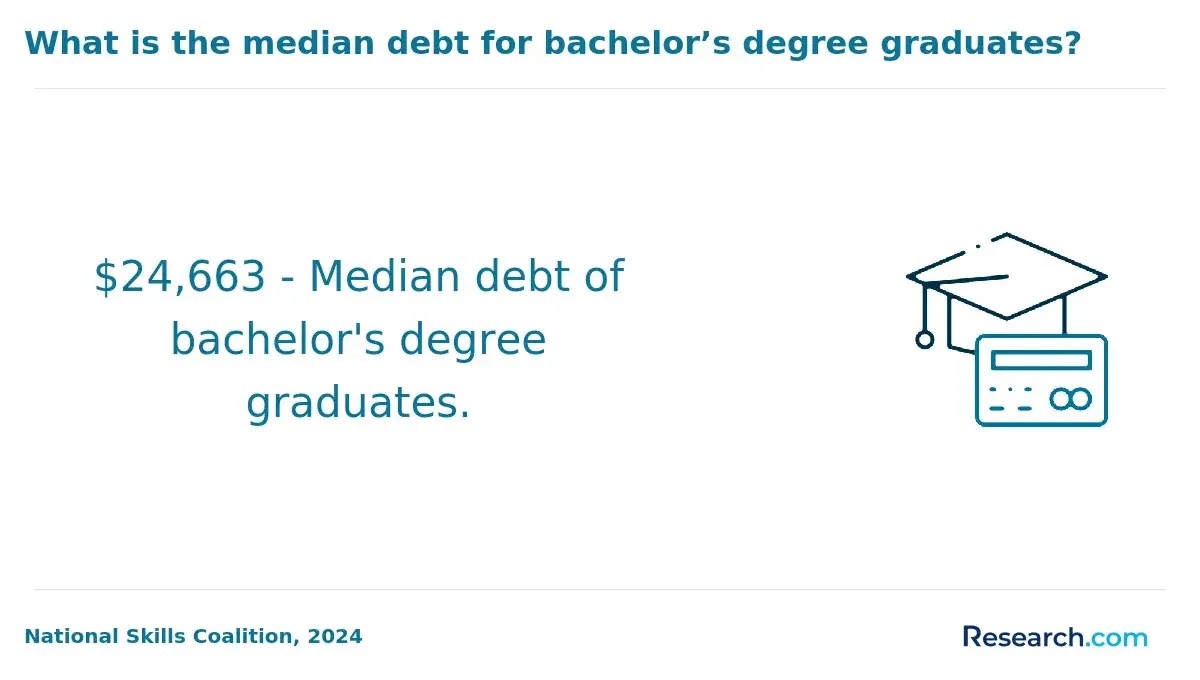
Public service salaries vary by role, location, degree level, union coverage, funding source, and employer type. Students should not compare majors only by average earnings, but salary and outlook still matter because they affect debt decisions, graduate school plans, and long-term career mobility.
The table below uses recent U.S. Bureau of Labor Statistics occupational data to show how several public service-related paths compare. These figures describe occupations, not guaranteed outcomes for any major, but they help students understand how education choices often connect to labor-market realities.
| Occupation linked to public service majors | Related majors | 2024 median annual pay | Projected growth, 2024 to 2034 | How to interpret the data |
| Social workers | Social work, human services, psychology | $61,330 | 6% | Demand is supported by healthcare, family services, and mental health needs, but licensure requirements vary by role and state |
| Social and community service managers | Public administration, social work, nonprofit management | $78,240 | 6% | This path can reward experience in program coordination, budgeting, supervision, and grant compliance |
| Urban and regional planners | Urban planning, public policy, geography, environmental studies | $81,800 | 4% | Planning careers often require strong technical writing, GIS awareness, and sometimes a graduate degree |
| Health education specialists and community health workers | Public health, health education, community health | $62,860 | 7% | Growth reflects prevention, outreach, and population health priorities, especially in public and nonprofit health settings |
| Probation officers and correctional treatment specialists | Criminal justice, psychology, social work | $64,520 | 1% | Hiring is closely tied to government budgets and public safety policy |
| Political scientists | Political science, public policy, economics | $139,380 | 3% | Higher median pay reflects specialized research roles, but many entry-level political jobs pay less and require strong experience |
The most practical salary question is not "Which major pays the most?" but "Which major gives me a realistic route to the role I want without taking on more debt than the occupation can reasonably support?" For lower-paid but mission-critical fields, students may want to prioritize public universities, transfer pathways, employer tuition assistance, federal work-study, paid internships, and loan forgiveness eligibility where available.
What degree levels and typical program lengths prepare students for public service careers?
Public service careers can begin at the associate, bachelor's, master's, or doctoral level, but the right degree depends on whether the student wants direct service, licensed practice, management, research, teaching, law-adjacent work, or policy leadership. A bachelor's degree is often the broadest entry point, while graduate degrees are more common for clinical social work, urban planning, public policy analysis, public health leadership, and advanced research.
Students should compare degree levels by time, opportunity cost, and credential value. The table below summarizes typical U.S. pathways and the types of roles they commonly support.
| Degree level | Typical full-time length | Public service uses | When it makes sense |
| Certificate | A few months to 1 year | Grant writing, nonprofit management, emergency management, public budgeting, data analytics | Useful for adding a skill without committing to a full degree |
| Associate degree | 2 years | Human services assistant, corrections support, community outreach, transfer into a bachelor's program | Best for students seeking lower-cost entry or a transfer pathway |
| Bachelor's degree | 4 years, or shorter with transfer credit | Program coordinator, policy assistant, case manager, public health outreach, criminal justice roles | Strongest general starting point for many public service careers |
| Master's degree | 1 to 3 years | Public administration, social work licensure preparation, planning, public health, policy analysis | Often worthwhile when the target role requires advanced preparation or improves advancement options |
| Doctorate | 3 to 7 years | University teaching, high-level research, senior policy analysis, executive leadership in some settings | Best for students with a clear research, academic, or specialized leadership goal |
Working adults should pay special attention to transfer credit, prior learning assessment, and flexible scheduling. Students comparing advanced research or leadership routes can also review cheap PhD programs online if a doctorate is necessary for their long-term goal.
Before choosing a degree level, students should take these steps to avoid over- or under-credentialing:
- Search current job postings for three target roles and list the required and preferred credentials.
- Check whether the role requires state licensure, agency training, a professional certification, or a security clearance.
- Estimate total cost, not just tuition, including fees, books, transportation, childcare, unpaid internship time, and lost wages.
- Ask whether credits will transfer into the next degree level if you plan to continue your education.
- Compare the degree's fieldwork, internship, practicum, or capstone requirements with your work schedule.
How do online public service degree programs compare with campus-based options?
Online public service degree programs can be a strong fit for working adults, military learners, caregivers, and students who live far from a campus. Campus-based programs may be better for students who want frequent in-person networking, local internships, student government, law clinics, research centers, or direct access to faculty and public agencies near campus.
Online education has become a mainstream option rather than a backup plan, but format still affects the student experience. The comparison below shows when each format is likely to help or hurt a public service student's goals.
| Format | Strengths | Limitations | Best fit |
| Fully online | Flexible scheduling, broader school choice, easier fit for employed students | May require students to arrange local internships or field placements | Working adults, rural students, transfer students, and self-directed learners |
| Hybrid | Balances online coursework with in-person labs, intensives, or networking | Campus visits can create travel and scheduling challenges | Students who want flexibility without losing face-to-face contact |
| Campus-based | More spontaneous networking, easier access to local agencies, clubs, and faculty events | Less scheduling flexibility and potentially higher relocation or commuting costs | Traditional-age students and learners who benefit from structured routines |
| Accelerated online | Can shorten time to completion for students with transfer credits or prior learning | Compressed courses can be intense, especially with internships or full-time work | Adults with clear goals, strong time management, and completed credits |
Students who already have college credits may want to compare accelerated bachelor's degree programs for adults, especially if they need a bachelor's degree to qualify for government analyst, human services, public health, or nonprofit management roles.
A key red flag is an online program that sounds convenient but does not explain internship placement, licensure alignment, student support, or career services. Ask whether fieldwork can be completed in your state, whether the program has employer relationships in your region, and whether online students receive the same advising and job-search support as campus students.
What courses and skills do students typically gain in public service-focused majors?
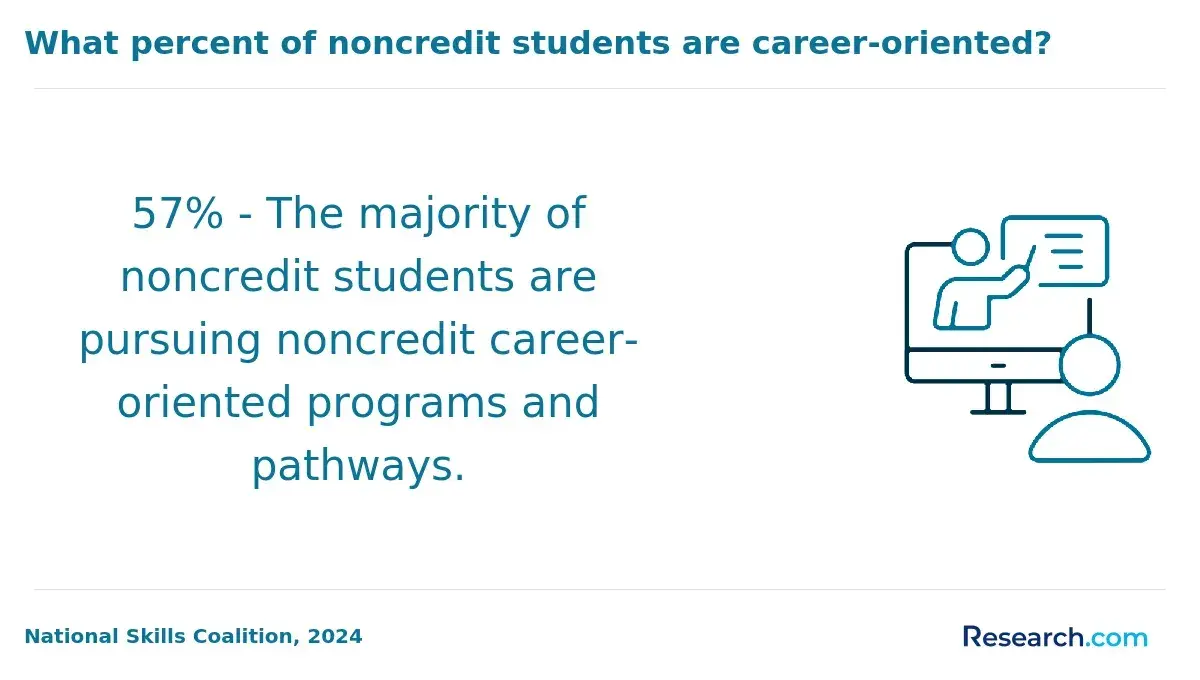
Public service majors combine mission knowledge with practical skills. Students may study government institutions, ethics, public finance, social inequality, research methods, law, emergency response, health systems, education policy, or community development. The strongest programs do not stop at theory; they require students to write, analyze data, solve messy problems, communicate with diverse groups, and understand how institutions make decisions.
Because public service work increasingly depends on digital systems, students should also look for courses that include data interpretation, public records, privacy, cybersecurity awareness, geographic information systems, or program evaluation. Artificial intelligence is affecting the field less by replacing public service workers outright and more by changing how agencies triage information, analyze service demand, draft communications, and monitor fraud or risk.
Most public service-focused programs build a mix of technical, interpersonal, and ethical competencies. The following skill areas are especially useful across government, nonprofit, and community roles:
- Policy and systems thinking: Understanding how laws, budgets, agencies, and community organizations interact.
- Research and data analysis: Reading reports, evaluating programs, using basic statistics, and translating evidence into decisions.
- Writing and public communication: Preparing memos, grant proposals, case notes, policy briefs, reports, and community-facing materials.
- Ethics and equity: Recognizing conflicts of interest, confidentiality issues, accessibility barriers, and unequal service outcomes.
- Program management: Coordinating services, tracking outcomes, managing timelines, supporting budgets, and reporting results.
- Cultural competence and conflict resolution: Working respectfully with communities, clients, public officials, and partner organizations.
Students should avoid choosing a program with only broad survey courses and no applied work. A capstone, internship, practicum, simulation, policy lab, research project, or community partnership can make the degree more useful when applying for entry-level roles.
What admissions requirements do colleges set for public service-oriented majors?
Admissions requirements vary by school, degree level, selectivity, and whether the program leads to field placement or licensure. Bachelor's programs commonly review transcripts, GPA, essays, recommendation letters, and sometimes standardized test scores if the institution still uses them. Transfer and adult-friendly programs may place more weight on completed credits, work history, military training, or prior learning.
Students worried about past academic performance should not assume they are out of options. Some schools offer conditional admission, test-optional review, transfer pathways, or academic support programs; applicants can also compare colleges that don't care about GPA if they need a more flexible starting point.
Graduate admissions are usually more specific. An MPA, MSW, MPH, MPP, or urban planning program may require a bachelor's degree, statement of purpose, resume, recommendations, prerequisite coursework, field experience, or quantitative preparation. Programs connected to social work, education, counseling, criminal justice, or public safety may also require background checks before field placement.
Applicants can strengthen their chances by preparing a clear, evidence-based application. Focus on the following items before submitting:
- Explain the public problem or community issue you want to address and connect it to the program's curriculum.
- Highlight relevant service experience, including volunteering, AmeriCorps, military service, student government, advocacy, internships, or public-facing work.
- Address academic weaknesses directly if the application allows an optional statement, emphasizing improvement and readiness.
- Confirm whether field placements, practicums, or student teaching requirements are available in your area.
- Ask whether admission to the university automatically includes admission to the major, because some education, social work, nursing, or criminal justice tracks may have separate requirements.
How can students evaluate accreditation and program quality for public service degrees?
Accreditation is one of the most important checks before enrolling because it affects transfer credit, federal financial aid eligibility, graduate admission, employer recognition, and licensure pathways. At minimum, students should confirm that the institution is accredited by an agency recognized by the U.S. Department of Education or the Council for Higher Education Accreditation. Programmatic accreditation may also matter for fields such as social work, public health, education, public administration, planning, and counseling.
Students comparing flexible options can start with lists of accredited online degree programs, but they should still verify whether the specific major and state requirements match their career goal.
Quality is broader than accreditation. A legitimate program can still be a poor fit if it has weak advising, little career support, limited internship access, unclear costs, or few courses in the student's target specialty. Students should review program outcomes carefully and ask direct questions before enrolling.
Use this checklist when evaluating schools and programs:
- Confirm institutional accreditation using official accreditor or federal databases rather than relying only on marketing pages.
- Check programmatic accreditation if your target field expects it, such as CSWE for social work or CEPH for public health programs where applicable.
- Ask for total cost of attendance, including fees, books, technology, background checks, field placement expenses, and travel.
- Review internship, practicum, capstone, or field education requirements and ask how placements are arranged.
- Look for faculty experience in government, nonprofits, public health, planning, social services, education, law, or public safety.
- Ask career services for placement examples, employer partners, alumni roles, and support for government hiring processes.
- Check transfer credit policies, especially if you may move from an associate degree to a bachelor's or from a certificate to a graduate program.
A common mistake is relying only on rankings or brand recognition. A lesser-known public university with strong local agency partnerships may be a better choice than a more expensive program with limited field placement support in your region.
Which licenses, certifications, or clearances are needed for public service careers?
Not every public service career requires a license, but many roles require credentials beyond the degree. Requirements can vary by state, employer, agency, and job duties, so students should confirm rules before selecting a major. This is especially important for social work, teaching, counseling-adjacent roles, law enforcement, corrections, emergency management, public health, and jobs involving sensitive data or vulnerable populations.
Certifications can also help students demonstrate practical skills without completing another degree. Career changers and working professionals can compare online certification programs for areas such as project management, data analytics, nonprofit management, grant writing, emergency management, cybersecurity, or public health support.
The table below summarizes common credential considerations. It is not a substitute for checking state boards, school licensure offices, or employer job postings, but it shows where students should look closely.
| Career area | Possible credential or requirement | Why it matters |
| Social work | State social work license; clinical roles usually require an MSW and supervised experience | Licensure determines the scope of practice and whether workers can provide clinical services |
| Teaching and school roles | State teacher certification or educator licensure | Public school teaching roles generally require state-approved preparation |
| Public health | CHES, CPH, or specialized training depending on role | Credentials can support health education, program management, or population health roles |
| Emergency management | FEMA training, state emergency management certifications, or Certified Emergency Manager credentials | Employers often value incident command, disaster response, and continuity planning knowledge |
| Law enforcement and corrections | Academy training, background checks, physical requirements, psychological screening, or state certification | Hiring standards are agency-specific and may be more important than the major alone |
| Government and defense-related roles | Background investigation or security clearance for certain positions | Clearances can affect eligibility for jobs involving sensitive information or public safety |
Students should be especially careful with online programs that serve multiple states. A program may be accredited and still not meet licensure requirements in every state. Before enrolling, ask the school to confirm in writing whether the program is designed to meet the requirements where you plan to work.
How should students choose a public service major that fits their interests and goals?
The right public service major should match your mission, work style, risk tolerance, and target credential. A student who wants to help individuals through trauma may need a very different path from someone who wants to manage city budgets, evaluate climate policy, teach middle school, or coordinate disaster response. The best choice is usually the major that connects directly to a realistic job path while leaving room for growth.
Use a decision process rather than choosing based on a course catalog description. The steps below help students connect values, labor-market evidence, and program quality:
- Choose a public problem you care about, such as housing, public safety, education access, disaster resilience, mental health, environmental protection, or healthcare access.
- Identify three job titles connected to that problem and read current postings from government agencies, nonprofits, schools, or hospitals.
- List the required degree, preferred major, certifications, software skills, writing expectations, and experience level for each job.
- Compare majors based on how directly they prepare you for those postings, not only on general interest.
- Estimate total education cost and compare it with the salary range and advancement path for your target roles.
- Prioritize programs with internships, field placements, faculty connections, and applied projects in your target area.
- Choose a minor, certificate, or elective cluster that adds employable skills, such as data analytics, Spanish, grant writing, GIS, finance, communications, or cybersecurity.
Students who enjoy research, writing, and institutional analysis may prefer public policy, political science, economics, or urban planning. Students who want direct client work may prefer social work, human services, education, public health, or criminal justice. Students who want operational leadership may prefer public administration, nonprofit management, emergency management, or organizational leadership.
The biggest mistake is treating public service as a single career track. It is a broad labor market with different credentials, pay structures, and working conditions. A thoughtful student should compare the mission of the work with the daily tasks, required credentials, emotional demands, and financial trade-offs before choosing a major.
Other Things You Should Know About
Yes, public administration is a strong major for students interested in government operations, budgeting, program management, policy implementation, and nonprofit leadership. It is most useful when paired with internships, data skills, finance coursework, or experience in a public agency or community organization.
Public administration, public policy, political science, economics, criminal justice, public health, and urban planning can all lead to government roles. The best choice depends on whether you want to work in management, policy analysis, public safety, health, planning, budgeting, or legislative support.
Not always. Many entry-level public service roles are open to bachelor's degree holders, especially in program coordination, outreach, case management, public safety, and administrative support. A master's degree is more important for clinical social work, advanced policy analysis, public health leadership, urban planning, and senior management tracks.
Social work, human services, public health, education, criminal justice, psychology, and community development are often strong choices for direct community impact. Students should look for programs with field placements, service-learning, practicum hours, or partnerships with local agencies.
References
- | NC Careers.org https://nccareers.org/credentials/credentials-list
- Top 19 Bachelor Degree Programs for Working Adults | NEIT https://www.neit.edu/blog/degrees-for-working-adults
- State Quality Review of Higher Education | CHEA https://almanac.chea.org/state-quality-review-higher-education
- How to Choose a Major in College – Tips to Consider https://www.umassglobal.edu/blog-news/choose-a-major-college-tips-consider
- Why Seek Accreditation? Value and Benefits https://www.naspaa.org/accreditation/why-seek-accreditation/why-seek-accreditation-value-and-benefits
- Education for Public Service Careers https://www.appam.org/career-education-resources/education-for-public-service-careers/
- Explore Public Service Careers | FireScience.org https://www.firescience.org/public-service-careers/
- Career Path in the public service https://www.publicjobs.ie/en/information-hub/civil-service-career-path
- Do I need a college degree to qualify for a job? https://help.usajobs.gov/faq/application/qualifications/college-degree
- Operation opportunity! Where could you be after studying a Public Services course? | Calderdale College https://www.calderdale.ac.uk/operation-opportunity-where-could-you-be-after-studying-a-public-services-course/