2027 Best Jobs for Business Majors

Co-Founder and Chief Data Scientist
Choosing a business major can feel broad, but the payoff depends on matching your degree to a specific career path. The U. S. Bureau of Labor Statistics reported a May 2024 median wage of $80,920 for business and financial occupations, well above the $49,500 median for all occupations.
This guide is for students, career changers, and working adults comparing business careers. You will learn which roles offer strong pay, growth, advancement, and practical entry points so you can choose a major, concentration, and career plan with clearer expectations.
Key Things You Should Know
- Business and financial occupations had a May 2024 median annual wage of $80,920, while management occupations had a median of $122,090, making business one of the broader degree categories with multiple high-earning paths.
- The strongest business-major job outlooks are concentrated in data-driven, finance, operations, healthcare administration, and advisory roles, including operations research analyst, financial manager, medical and health services manager, and personal financial advisor.
- The best business major job is not always the highest-paying one; students should match their concentration to the work they want to do, the credentials required, the industries hiring, and how much quantitative, sales, leadership, or compliance work they are willing to take on.
What are the best jobs you can get with a business major?
The best jobs for business majors are roles that combine solid compensation, durable demand, advancement potential, and skills that transfer across industries. A business major may lead to careers in finance, accounting, marketing, analytics, operations, human resources, management, consulting, or entrepreneurship, but each path rewards different strengths.
The table below compares strong career options for business majors. Use it to identify which roles fit your preferred work style, not just which titles sound prestigious.
| Career | Best-fit business major or concentration | Typical responsibilities | Why it stands out |
| Financial Manager | Finance, accounting, economics | Oversee budgets, investment strategy, financial reporting, risk, and cash flow | High pay and strong demand in corporate, banking, insurance, and healthcare settings |
| Management Analyst | Business administration, management, analytics | Evaluate operations, recommend improvements, support organizational change | Good fit for problem-solvers who want consulting-style work |
| Market Research Analyst | Marketing, business analytics, statistics | Analyze customer behavior, pricing, competitors, surveys, and campaign data | Strong entry point into data-informed marketing and product strategy |
| Accountant or Auditor | Accounting | Prepare financial records, review controls, support tax, audit, and compliance work | Stable path with clear credential ladders such as CPA eligibility |
| Operations Research Analyst | Business analytics, operations, supply chain, quantitative business | Use data models to improve staffing, logistics, pricing, scheduling, and resource allocation | One of the most analytics-heavy business careers with strong projected growth |
| Human Resources Manager | Human resources, management, organizational leadership | Lead hiring, compensation, employee relations, training, and policy implementation | Strong fit for people-focused leaders who understand compliance and workforce strategy |
| Marketing Manager | Marketing, digital marketing, analytics | Plan campaigns, manage brand strategy, supervise marketing teams, measure performance | Combines creativity, analytics, leadership, and revenue impact |
| Logistician or Supply Chain Analyst | Supply chain management, operations, analytics | Coordinate purchasing, inventory, transportation, fulfillment, and supplier performance | Demand is supported by e-commerce, manufacturing, retail, and distribution complexity |
| Personal Financial Advisor | Finance, financial planning | Advise clients on investments, retirement, insurance, taxes, and financial goals | Offers strong income potential for professionals who can combine technical knowledge and client trust |
| Sales Manager | Marketing, management, entrepreneurship | Set sales goals, coach teams, analyze revenue performance, manage customer pipelines | Can be lucrative for business majors with communication, persuasion, and leadership strengths |
The right choice depends on whether you prefer numbers, people, strategy, systems, or customers. For example, finance and accounting are stronger for students who like rules, analysis, and measurable outcomes, while marketing and sales reward communication, experimentation, and customer insight.
Which business major careers offer the highest salaries and earning potential?
The highest-paying business major careers usually require a mix of analytical ability, leadership responsibility, regulatory knowledge, and experience managing money, people, or revenue. According to May 2024 wage data from the U.S. Bureau of Labor Statistics, management roles generally sit above entry-level business and financial roles because they involve decision-making authority and accountability for organizational results.
The table below highlights business-related roles with strong median pay. These are national medians, so actual pay can vary significantly by state, metro area, industry, company size, commission structure, and experience.
| Role | May 2024 median annual wage | Common path for business majors | Salary context |
| Computer and Information Systems Manager | $171,200 | Business analytics, information systems, MBA, technology management | Often requires business leadership plus technical fluency; not usually an entry-level business role |
| Financial Manager | $161,700 | Finance, accounting, corporate finance, banking | High pay reflects responsibility for capital, reporting, risk, and financial strategy |
| Marketing Manager | $159,660 | Marketing, analytics, brand management, digital strategy | Pay rises with revenue ownership, team leadership, and measurable campaign performance |
| Human Resources Manager | $140,030 | Human resources, management, organizational leadership | Senior HR roles pay more when they include compensation strategy, compliance, and workforce planning |
| Sales Manager | $138,060 | Sales, marketing, management | Total income may include bonuses or commissions, which can make earnings more variable |
| Medical and Health Services Manager | $117,960 | Healthcare management, business administration, finance | Business majors may enter through operations, finance, or administration in healthcare organizations |
| Personal Financial Advisor | $102,140 | Finance, financial planning, wealth management | Income may depend on client base, credentials, employer model, and performance incentives |
| Management Analyst | $101,190 | Business administration, analytics, consulting | Consulting pay can rise quickly with specialization and client-facing experience |
For students trying to maximize earning potential, the practical takeaway is to build toward roles where business decisions affect profit, cost, risk, or growth. High salaries are more likely when a graduate pairs a business degree with quantitative skills, industry knowledge, leadership experience, and evidence of measurable results.
What is the job outlook and demand for common business major roles?
Demand for business majors is strongest in roles tied to financial decision-making, data analysis, healthcare administration, logistics, risk management, and operational efficiency. The U.S. labor market is also rewarding business professionals who can use AI-enabled tools, interpret data, and translate technical findings into practical decisions.
The table below summarizes projected employment growth for common business-major roles using U.S. Bureau of Labor Statistics projections for 2023 to 2033. Projections are not guarantees, but they help students compare which occupations are expected to expand faster than others.
| Occupation | Projected employment growth, 2023 to 2033 | Demand signal for business majors |
| Medical and Health Services Manager | 29% | Very strong demand tied to healthcare complexity, aging populations, regulation, and operations management |
| Operations Research Analyst | 23% | Strong demand for optimization, forecasting, resource planning, and data-based decision-making |
| Logistician | 19% | Strong demand from supply chains, e-commerce, inventory planning, and distribution networks |
| Financial Manager | 17% | Strong demand for cash management, risk analysis, investment decisions, and financial controls |
| Personal Financial Advisor | 17% | Strong demand as households seek retirement, investment, tax, and estate planning guidance |
| Management Analyst | 11% | Healthy demand from organizations seeking efficiency, restructuring, and process improvement |
| Market Research Analyst | 8% | Demand supported by customer analytics, product research, pricing strategy, and digital marketing measurement |
| Accountant or Auditor | 6% | Steady demand from tax, compliance, audit, reporting, and internal control needs |
AI is changing business work, but it is not eliminating the need for business judgment. Tools can draft reports, summarize financial data, automate reconciliations, and segment customers, yet employers still need people who can validate outputs, explain risks, understand regulations, and make decisions under uncertainty.
What types of business degrees lead to these top careers?
Different business degrees can lead to the same job title, but the most efficient path depends on the specialization employers expect. A general business administration degree offers flexibility, while a focused degree in accounting, finance, supply chain, or information systems may provide clearer entry into technical roles.
The comparison below shows how common business degrees align with career outcomes. This can help you avoid the common mistake of choosing the broadest major without checking whether it includes the prerequisites, software exposure, or quantitative coursework needed for your target role.
| Degree type | Best for | Typical career targets | Decision notes |
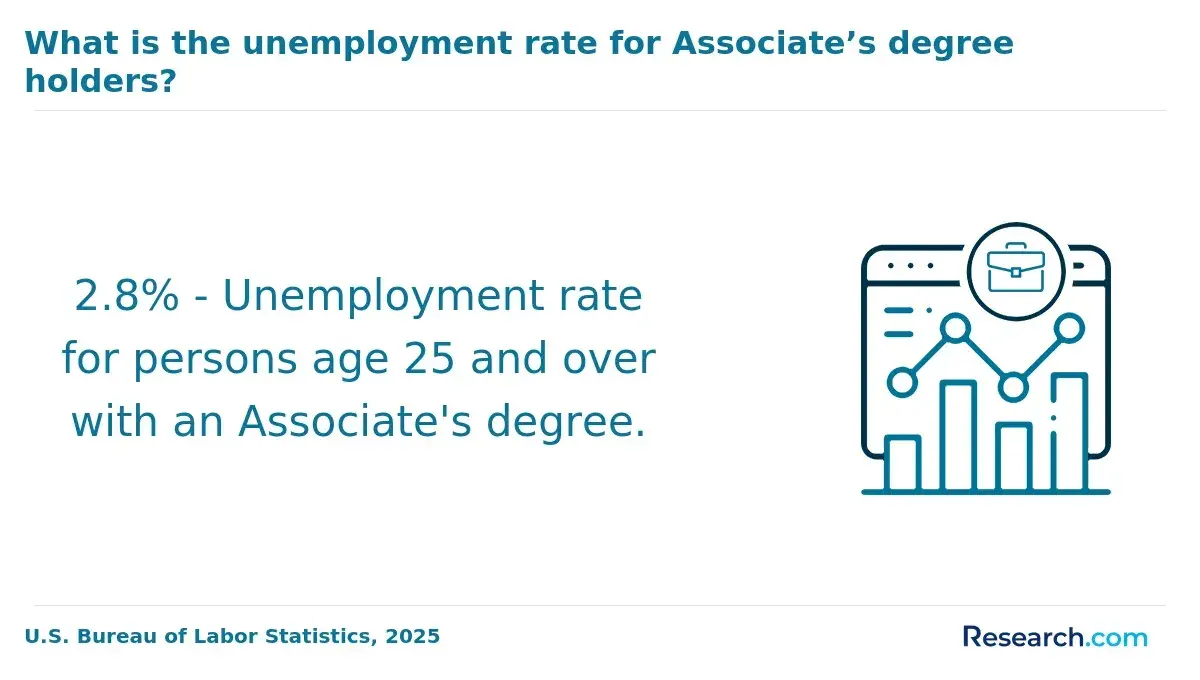
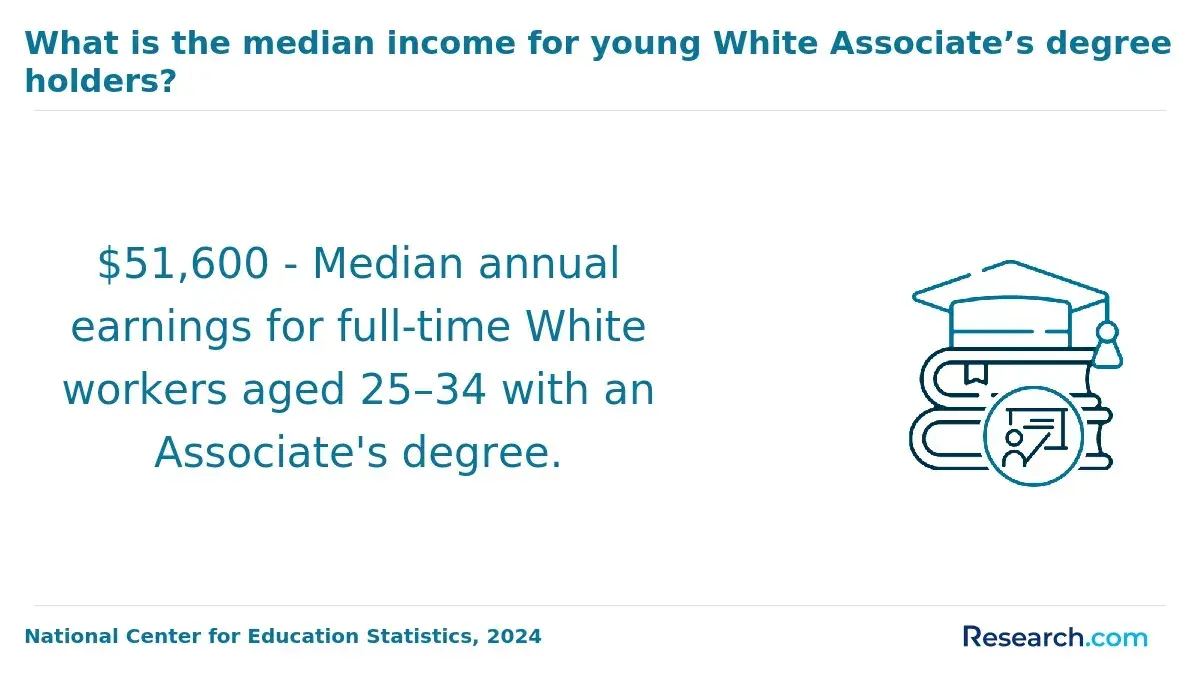
| Associate degree in business | Students seeking a lower-cost start or transfer path | Administrative assistant, sales representative, bookkeeper, customer service supervisor | Often works best as a stepping stone to a bachelor's degree rather than a final credential for high-paying roles |
| Bachelor's in business administration | Students who want broad flexibility | Management trainee, analyst, operations coordinator, sales, HR, marketing | Choose electives carefully because broad programs can feel too general without internships or concentration courses |
| Bachelor's in accounting | Students who want audit, tax, compliance, or controllership paths | Staff accountant, auditor, tax associate, financial reporting analyst | Check CPA education requirements early because many states require additional credits beyond a bachelor's degree |
| Bachelor's in finance | Students interested in money management, corporate finance, banking, or advisory work | Financial analyst, credit analyst, investment analyst, financial planner | Quantitative coursework, Excel modeling, and internships matter heavily |
| Bachelor's in marketing | Students interested in customer behavior, branding, digital campaigns, or sales strategy | Marketing coordinator, market research analyst, media planner, sales analyst | Analytics and portfolio evidence can separate candidates from applicants with only classroom experience |
| Bachelor's in supply chain or operations | Students interested in systems, logistics, procurement, and process improvement | Supply chain analyst, logistician, procurement analyst, operations analyst | Strong fit for students who like data, vendors, timelines, and measurable efficiency goals |
| MBA or specialized master's degree | Professionals seeking leadership, career switching, or specialized advancement | Manager, consultant, finance leader, product manager, healthcare administrator | Usually produces the most value when paired with work experience and a clear career objective |
If you are early in the process and worried about program difficulty, remember that the easiest degree to get is not automatically the best degree for your career. For business majors, the better question is whether the program builds marketable skills, includes practical projects, and aligns with the roles you want after graduation.
What skills do you need to qualify for the best business major jobs?
The best business major jobs require more than a diploma. Employers usually look for a blend of analytical, communication, technical, and judgment-based skills because business roles involve decisions that affect money, customers, employees, or operations.
Students should prioritize skills that can be demonstrated through coursework, internships, case competitions, portfolios, projects, or work experience. The most valuable skills often include the following:
- Financial literacy: Understanding budgets, income statements, balance sheets, cash flow, pricing, and return on investment helps in finance, management, operations, and entrepreneurship roles.
- Data analysis: Excel, spreadsheets, dashboards, SQL basics, statistics, and data visualization are increasingly important in marketing, finance, operations, HR, and consulting.
- Business communication: Strong writing, presentations, meeting skills, and executive summaries help graduates turn analysis into decisions people can act on.
- Problem-solving: Employers value candidates who can define a problem, identify constraints, compare options, and recommend a realistic solution.
- Technology fluency: Familiarity with AI tools, customer relationship management systems, enterprise resource planning platforms, accounting software, and analytics platforms can improve job readiness.
- Ethics and compliance awareness: Business majors working in finance, accounting, HR, healthcare, and advisory roles need to understand confidentiality, conflicts of interest, regulations, and internal controls.
- Leadership and collaboration: Even entry-level analysts work across teams, so conflict resolution, feedback, planning, and accountability matter.
A common mistake is listing software or soft skills on a resume without proof. Stronger candidates attach evidence, such as a budgeting project, marketing dashboard, internship result, financial model, process improvement example, or leadership role with measurable outcomes.
How much education, experience, and training do top business careers require?
Most top business careers begin with a bachelor's degree, but the education and experience needed vary by role. Some jobs, such as staff accountant or market research analyst, may be accessible soon after graduation, while financial manager, HR manager, and marketing manager roles typically require several years of experience.
The table below shows the usual preparation level for common business careers. Requirements can vary by employer, state licensing rules, and industry, so students should always compare job postings in their target market.
| Career target | Common minimum education | Experience usually expected | Additional preparation that can help |
| Staff Accountant or Auditor | Bachelor's in accounting or related field | Entry-level to a few years | CPA-track coursework, audit or tax internship, accounting software experience |
| Financial Analyst | Bachelor's in finance, accounting, economics, or business analytics | Entry-level to a few years | Excel modeling, valuation, internship, corporate finance projects |
| Market Research Analyst | Bachelor's in marketing, statistics, analytics, or business | Entry-level to a few years | Survey research, data visualization, statistics, portfolio of research projects |
| Management Analyst | Bachelor's degree; MBA may help for advancement | Several years for higher-level consulting roles | Process improvement, project management, industry specialization |
| Financial Manager | Bachelor's degree; master's often helpful | Typically several years in finance or accounting | CPA, CFA, corporate finance, risk, leadership experience |
| Human Resources Manager | Bachelor's in HR, business, or related field | Several years in HR or people operations | SHRM or HRCI credential, employee relations, compensation knowledge |
| Healthcare Administrator | Bachelor's in business, healthcare administration, or related field | Varies by setting and responsibility level | Healthcare finance, compliance, operations, master's degree for some leadership roles |
Advanced degrees can make sense when they unlock a specific promotion, career switch, or specialized leadership path. If you are comparing graduate options, resources on the shortest PhD programs can be useful for understanding doctoral timelines, but most business-major careers do not require a doctorate unless you are pursuing research, teaching, executive consulting, or highly specialized leadership work.
What are typical entry-level roles and career paths for business graduates?
Business graduates rarely move straight into senior management. The more typical path is to start in a coordinator, associate, analyst, trainee, or representative role, then advance by building measurable results, industry knowledge, and leadership ability.
The table below outlines practical entry points and how they can lead to stronger roles over time. Use it to map a realistic career path rather than judging a degree only by the first job after graduation.
| Entry-level role | Good next step | Longer-term path | What to build early |
| Financial Analyst | Senior Financial Analyst | Finance Manager or Director of Finance | Forecasting, modeling, variance analysis, business partnering |
| Staff Accountant | Senior Accountant or Auditor | Controller, Accounting Manager, Finance Manager | CPA eligibility, audit or tax knowledge, reconciliations, controls |
| Marketing Coordinator | Marketing Specialist or Analyst | Marketing Manager or Brand Manager | Campaign metrics, analytics, content performance, customer research |
| HR Coordinator | HR Generalist or Recruiter | HR Manager or People Operations Lead | Employee relations, HR systems, compliance, interviewing |
| Operations Coordinator | Operations Analyst | Operations Manager or Supply Chain Manager | Process maps, reporting, vendor coordination, efficiency metrics |
| Sales Development Representative | Account Executive | Sales Manager or Revenue Leader | Pipeline management, negotiation, product knowledge, customer communication |
Students who need a faster path to a credential may consider accelerated or transfer-friendly options, including a bachelor degree online in 2 years when they already have credits or can study intensively. The trade-off is that accelerated programs require strong time management and may leave less room for internships unless planned carefully.
How do salaries for business majors vary by industry and job role?
Salaries for business majors vary because the word "business" covers many labor markets. A finance role in securities, a supply chain role in manufacturing, a marketing role in technology, and an HR role in healthcare can all require business knowledge, but they operate under different revenue models, regulations, and pay structures.
The table below summarizes how industry and role type can influence compensation. It is intended as a decision tool, not a salary promise.
| Salary factor | How it affects business-major pay | What students should consider |
| Industry | Finance, technology, consulting, insurance, healthcare, and energy often pay more for analytical or managerial business roles than smaller nonprofit or local service settings | Compare job postings by industry before choosing electives or internships |
| Function | Finance, analytics, strategy, and revenue roles often have stronger pay ceilings than general administrative roles | Build technical skills if you want access to higher-paying analyst or manager tracks |
| Location | Large metro areas may offer higher pay but also higher living costs and stronger competition | Evaluate net income, not only salary |
| Experience level | Entry-level business roles may start modestly, while pay can rise with specialization, management responsibility, or client ownership | Look at three- to five-year progression, not just the first offer |
| Incentive structure | Sales, advisory, investment, and management roles may include bonuses or commissions | Understand base salary, variable pay, performance targets, and risk before accepting an offer |
| Credential requirements | CPA, CFA, CFP, SHRM, PMP, or analytics credentials may improve competitiveness for specific roles | Choose credentials only when they match your target job postings |
One useful benchmark is the May 2024 BLS median of $122,090 for management occupations. This shows why many business majors eventually aim for management, but it also reflects experienced workers across many fields; new graduates should not treat management-level medians as entry-level expectations.
How can internships, certifications, and licenses improve business career prospects?
Internships, certifications, and licenses can help business majors stand out because they reduce employer uncertainty. A transcript shows coursework, but practical experience and recognized credentials show that a candidate can apply business knowledge in real settings.
Students should choose add-ons strategically. The best credential depends on the target role, and paying for every available certificate is rarely a good use of money.
- Internships: Prioritize roles with measurable work, such as financial modeling, audit support, campaign reporting, HR analytics, procurement tracking, or operations improvement.
- CPA: Best for accounting students who want public accounting, audit, tax, controllership, or financial reporting roles; requirements vary by state.
- CFA: Best for finance paths involving investment analysis, portfolio management, research, or institutional finance; it is demanding and most useful for specific finance careers.
- CFP: Best for personal financial planning and wealth advisory careers, especially when the role involves direct client advice.
- SHRM-CP, SHRM-SCP, PHR, or SPHR: Useful for HR professionals who want to demonstrate knowledge of workforce policy, employee relations, and HR operations.
- PMP or project management certificates: Useful for business professionals leading cross-functional projects, process improvements, implementations, or operations work.
- Analytics certificates: Helpful when they teach job-relevant tools such as Excel, SQL, Tableau, Power BI, Python basics, or data storytelling.
Cost should still matter. Before applying, compare tuition, fees, transfer policies, and application costs; lists of colleges with free application fees can help students reduce upfront expenses while exploring accredited options.
How should business majors choose concentrations to match specific career goals?
Choosing a concentration is one of the most important decisions a business major makes. A concentration shapes your coursework, internship targets, software exposure, professional network, and first job options.
A practical way to choose is to work backward from job postings. Look at roles you would want two to four years after graduation, then identify the repeated requirements. The following steps can help you make a more informed decision:
- Start with the work, not the title: If you enjoy spreadsheets, forecasting, and risk, finance or accounting may fit better than marketing. If you prefer customers and messaging, marketing or sales may be stronger.
- Check quantitative expectations: Analytics, finance, supply chain, and operations roles often require stronger comfort with data than general management roles.
- Review credential implications: Accounting students should check CPA pathways early, while finance students should know whether their target roles value CFA, CFP, or securities licensing.
- Compare internship availability: A concentration is more valuable when your school, location, or online program can connect you to relevant employers or projects.
- Assess schedule fit: Working adults, caregivers, and returning students may need online, evening, part-time, or accelerated formats that still provide career services and practical assignments.
- Avoid choosing only by average salary: High-paying roles may involve sales pressure, long hours, regulatory responsibility, technical analysis, or leadership stress that may not fit every student.
For adult learners balancing family, work, and school, program format can matter as much as the major. Guides to degrees for moms going back to school can be helpful when comparing flexible schedules, support services, transfer credit policies, and career-focused online business programs.
Other Things You Should Know About
The best job depends on your strengths and goals. Financial manager, management analyst, operations research analyst, market research analyst, accountant, and supply chain analyst are strong options because they combine business knowledge with measurable skills employers value.
Finance, accounting, information systems, business analytics, and supply chain management often lead to higher-paying business paths, especially when they support roles in financial management, technology management, analytics, consulting, or operations leadership.
Yes. Many business careers begin with a bachelor's degree, especially analyst, associate, coordinator, sales, accounting, marketing, HR, and operations roles. Senior management positions usually require experience, and some fields may benefit from certifications or graduate study.
A general business degree can be worth it if you pair it with internships, technical skills, career-focused electives, and a clear target role. It is less effective when students graduate without a concentration, practical experience, or evidence of job-ready skills.
References
- Required Experience and Education Development in Business Coaching https://www.universalclass.com/articles/business/required-experience-and-education-development-in-business-coaching.htm
- The Importance of Internships for Business Students - The Citadel Today http://today.citadel.edu/importance-internships-for-business-students/
- Using Industry Certifications to Improve the Marketability and Skill Development of Accounting and Finance Students https://ijbssrnet.com/index.php/ijbssr/article/view/172
- Exploring Different Types of Business Majors https://www.ivywise.com/ivywise-knowledgebase/exploring-different-types-of-business-majors/
- Career Outlook for Business Administration| University of Bridgeport https://www.bridgeport.edu/news/career-outlook-for-business-administration/
- 9 Different Types of Business Degrees and Career Paths https://www.umassglobal.edu/blog-news/9-different-types-business-degrees-and-career-paths
- From Classroom to Career: The Internship Advantage https://news.worldcc.com/news-from-worldcc/from-classroom-to-career-the-internship-advantage
- 25 Best Business Major Jobs: What Can You Do with a Business Degree? https://www.collegeadvisor.com/resources/business-major-jobs/
- Entry-Level Jobs With a Business Administration Degree https://www.warnerpacific.edu/blog/top-entry-level-jobs-ba-business-administration/
- What certifications can help boost your career prospects? - MSU Denver https://www.msudenver.edu/innovative-lifelong-learning/blog/what-certifications-can-help-boost-your-career-prospects/