2027 Best Majors for Careers in Health Care

Co-Founder and Chief Data Scientist
Choosing a health care major is really a career decision: the wrong program can delay licensure, limit job options, or cost more than expected. The U.S. Bureau of Labor Statistics projects about 1.9 million health care job openings each year from 2023 to 2033, making this one of the strongest long-term career areas.
This guide is for students, career changers, and working adults comparing health care degrees. You will learn which majors fit specific roles, which paths pay more, which require licensure, and how to choose an accredited program with fewer costly mistakes.
Key Things You Should Know
- Nursing, health sciences, medical imaging, health administration, public health, and allied health majors are among the most practical choices because they connect directly to defined health care roles, clinical requirements, or graduate pathways.
- The highest-paying health care careers usually require advanced education or licensure; BLS May 2024 median pay places physician assistants, advanced practice nurses, pharmacists, and health services managers above many entry-level bachelor's roles.
- Accreditation and state licensure alignment matter as much as the major name because programs in nursing, radiography, respiratory therapy, dental hygiene, sonography, and similar fields must often meet specific clinical and exam requirements.
What are the best majors for health care careers?
The best majors for health care careers are the ones that match a specific role, licensing pathway, and level of patient responsibility. Some majors prepare you for direct patient care immediately after graduation, while others are better for administration, research, public health, or graduate school preparation.
A useful way to compare health care majors is to ask three questions: Do you want direct patient care? How much school are you willing to complete? Does your target job require a license or certification?
The table below summarizes common health care majors and the career goals they usually support:
| Major | Best fit | Common career direction | Typical degree level |
| Nursing | Students who want direct patient care and a licensed career path | Registered nurse, nurse leader, nurse practitioner with graduate study | Associate, bachelor's, master's, doctoral |
| Health Sciences | Students who want flexibility across clinical, administrative, or graduate options | Health educator, clinical support roles, graduate school preparation | Bachelor's |
| Medical Imaging or Radiologic Technology | Students interested in diagnostic technology and patient interaction | Radiologic technologist, MRI technologist, sonographer with specialization | Associate or bachelor's |
| Health Administration | Students who prefer management, operations, policy, or finance over bedside care | Practice manager, hospital administrator, health services manager | Bachelor's or master's |
| Public Health | Students interested in prevention, community health, epidemiology, or policy | Public health analyst, health educator, epidemiology assistant | Bachelor's or master's |
| Respiratory Therapy | Students who want a focused clinical role in cardiopulmonary care | Respiratory therapist | Associate or bachelor's |
| Dental Hygiene | Students who want a licensed clinical role with a shorter path than dentistry | Dental hygienist | Associate or bachelor's |
| Nutrition or Dietetics | Students interested in food, metabolism, clinical nutrition, and wellness | Dietitian, nutrition educator, wellness specialist | Bachelor's plus supervised pathway; master's often required for RDN eligibility |
| Medical Laboratory Science | Students who prefer diagnostic lab work over constant patient-facing care | Clinical laboratory scientist, medical technologist | Bachelor's |
If you are comparing broader undergraduate options, a resource on the best bachelor degrees to get can help you weigh health care majors against business, technology, and engineering pathways. That comparison is useful if you want strong earnings potential but are not yet sure whether you want a clinical career.
For many students, nursing is the most direct and recognizable route because it combines licensing, strong employer demand, and multiple advancement options. However, it is not automatically the best choice for everyone.
Students who dislike shift work, high-stress clinical environments, or bodily care may be better suited to health informatics, health administration, public health, medical laboratory science, or imaging programs.
Which health care majors lead to the highest-paying jobs?
The highest-paying health care majors usually lead to roles with one or more of these features: advanced clinical authority, graduate-level training, high-stakes decision-making, management responsibility, or specialized technical expertise. Salary also varies by state, employer, experience, shift, union coverage, and whether the role is in a hospital, outpatient center, private practice, or public agency.
The table below uses BLS May 2024 median pay data as a decision guide, not a guarantee. It shows how the major you choose can influence the level of education and credentialing needed for higher-paying roles:
| Career path | Relevant major or preparation | Common required education | BLS May 2024 median pay |
| Physician or surgeon | Biology, chemistry, health sciences, or another pre-med track | Bachelor's degree, medical school, residency, state licensure | Equal to or greater than $239,200 |
| Pharmacist | Pharmaceutical sciences, biology, chemistry, or pre-pharmacy | Doctor of Pharmacy and licensure | $137,480 |
| Physician assistant | Health sciences, biology, kinesiology, nursing, or related major | Master's-level PA program and licensure | $133,260 |
| Nurse practitioner and related advanced practice roles | Nursing | BSN, graduate nursing degree, certification, state licensure | $132,050 for the grouped BLS category |
| Medical and health services manager | Health administration, business, public health, nursing, or health informatics | Bachelor's or master's degree; experience often important | $117,960 |
| Registered nurse | Nursing | ADN or BSN plus NCLEX-RN and state licensure | $93,600 |
The main takeaway is that the highest salaries often require more time, more debt risk, and more selective admissions. A pre-med major can lead to very high earnings, but it is a long pathway with competitive admissions and residency training. A nursing or health administration pathway may offer faster entry into the workforce, then allow advancement through employer-supported graduate study.
Students should compare salary with total education cost. College Board's 2024-25 pricing data lists average published tuition and fees of $11,610 for in-state public four-year students and $43,350 at private nonprofit four-year institutions. That gap matters because a lower-cost accredited program can improve return on investment even when two graduates enter similar job markets.
What degrees are needed for different health care careers?
Different health care careers require different degrees because the field includes bedside care, diagnostics, rehabilitation, administration, public health, technology, and research. A certificate may be enough for some support roles, while advanced clinical careers may require a master's, doctorate, residency, board exam, and state license.
The table below connects career goals with typical degree requirements. Use it to avoid one of the most common mistakes: enrolling in a general health major when your desired job actually requires a specialized accredited program:
| Career goal | Typical education path | Important note |
| Medical assistant | Certificate, diploma, or associate degree | Certification may improve employability, but requirements vary by employer and state |
| Licensed practical or vocational nurse | Approved practical nursing program | Requires passing the NCLEX-PN and meeting state board requirements |
| Registered nurse | Associate Degree in Nursing or Bachelor of Science in Nursing | Requires NCLEX-RN and state licensure; many hospitals prefer or require a BSN |
| Radiologic technologist | Accredited associate or bachelor's program in radiologic technology | Many states require licensure or certification |
| Respiratory therapist | Associate or bachelor's degree from an accredited respiratory care program | State licensure is commonly required |
| Public health specialist | Bachelor's in public health, health education, or related field | Advanced analyst or epidemiology roles often require a master's degree |
| Health services manager | Bachelor's in health administration, business, nursing, or public health | Master's degrees can help with hospital leadership or senior management roles |
| Physical therapist | Bachelor's prerequisites plus Doctor of Physical Therapy | Requires licensure in every state |
| Physician assistant | Bachelor's prerequisites plus accredited PA master's program | Requires national certification and state licensure |
Graduate education can make sense when it is required for your target role or when it improves advancement potential in a clear way. If you are already working and need flexibility, comparing master's degrees online may help you identify programs that fit your schedule, but you should still confirm clinical, practicum, or licensure requirements before enrolling.
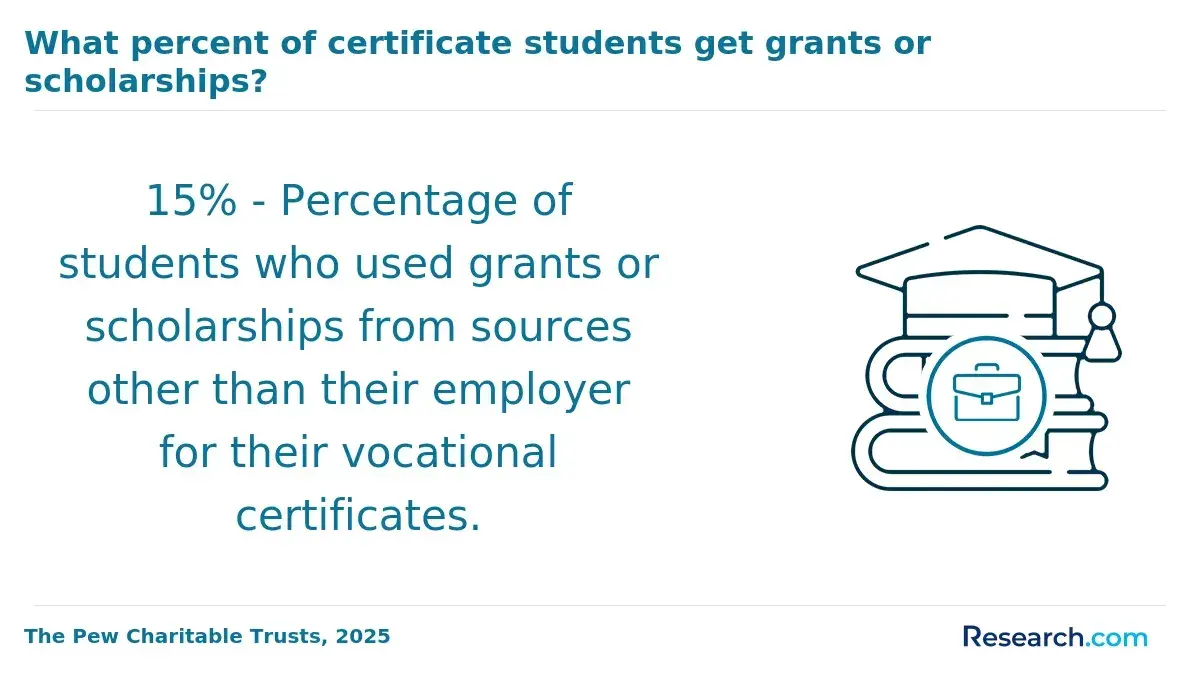
A certificate is best when you want a faster entry point, lower upfront cost, or a way to test your interest in health care. A bachelor's degree is usually better if you want broader mobility, leadership options, or a path to graduate school. A graduate degree is most appropriate when the occupation requires it or when your employer values it for promotion.
Which health care majors require licensure or certification?
Many health care majors require licensure, certification, or both because graduates work with patients, protected health information, medical equipment, medications, or clinical decision-making. Licensure is granted by a state authority, while certification is usually awarded by a professional organization or testing body. In practice, employers may require both.
Before choosing a major, check whether the program qualifies you for the exam or license attached to your target job. The following list highlights common health care fields where credentialing is especially important:
- Nursing: Registered nurses must graduate from an approved program, pass the NCLEX-RN, and meet state board of nursing requirements.
- Practical Nursing: LPNs and LVNs must complete an approved program, pass the NCLEX-PN, and satisfy state rules.
- Radiologic Technology: Many states require licensure, and employers commonly expect ARRT certification or eligibility.
- Respiratory Therapy: Most states require licensure, and accredited respiratory care education is typically needed for credentialing exams.
- Dental Gygiene: Dental hygienists must graduate from an accredited program, pass board examinations, and obtain state licensure.
- Diagnostic medical sonography: Certification is often expected by employers even when state licensure is not universal.
- Dietetics: Registered dietitian nutritionist eligibility requires specific coursework, supervised practice, exam completion, and applicable state requirements.
- Physical Therapy and Occupational Therapy: These fields require accredited professional education, board exams, and state licensure.
The biggest red flag is a program that uses health care language but does not clearly state which license, certification exam, or graduate pathway it prepares students to pursue. If the school cannot explain exam eligibility in writing, contact the state licensing board or credentialing organization before paying tuition or fees.
Licensure rules can change, and online programs may be authorized in one state but not meet clinical placement or board requirements in another. This is especially important for military families, remote learners, and students who plan to move after graduation.
Are online health care degree programs respected by employers?
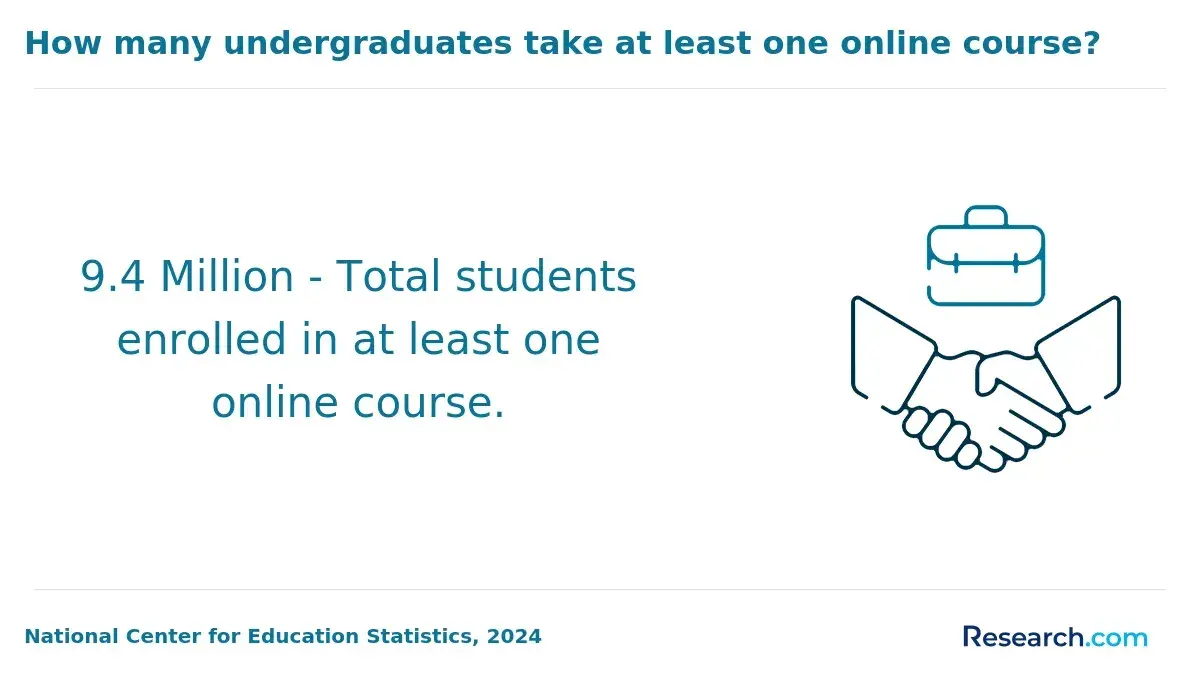
Online health care degree programs can be respected by employers when they are offered by accredited institutions, meet the same academic standards as campus programs, and provide appropriate clinical, lab, practicum, or internship experiences. Employers usually care less about the delivery format and more about accreditation, license eligibility, hands-on competence, and whether the school has a credible reputation.
Online formats work best for health administration, public health, health informatics, completion programs for licensed clinicians, and some didactic coursework in nursing or allied health. Fully online formats are less realistic for programs that require lab skills, simulation, patient assessment, imaging practice, or supervised clinical rotations.
The table below shows when online study is a strong option and when campus or hybrid learning may be safer:
| Program type | Online suitability | What to verify |
| Health administration | Often strong | Internship options, faculty industry experience, and management coursework |
| Public health | Often strong | Applied practice experience and data analysis training |
| Health informatics | Often strong | Technology platforms, analytics coursework, and privacy training |
| RN-to-BSN | Often strong for licensed RNs | Clinical project requirements and state authorization |
| Pre-licensure nursing | Usually hybrid or campus-based | Clinical placements, simulation labs, NCLEX outcomes, and state approval |
| Radiologic technology or sonography | Usually hybrid or campus-based | Lab access, clinical sites, accreditation, and exam eligibility |
| Respiratory therapy | Usually hybrid or campus-based | CoARC accreditation, clinical rotations, and licensure alignment |
Cost is another reason students consider online study. If affordability is your main concern, comparing a cheapest online bachelor's degree list can be a starting point, but do not choose on tuition alone. In health care, the lowest advertised price is not worth it if the program lacks proper accreditation, clinical access, or licensure alignment.
AI and digital health are also changing employer expectations. Students in online and campus programs should look for exposure to electronic health records, telehealth workflows, data privacy, clinical decision-support tools, and responsible use of AI. These skills are increasingly relevant, but they do not replace clinical judgment, ethics, communication, or hands-on competence.
What courses are included in health care majors?
Health care majors combine science, professional practice, communication, ethics, and applied skills. The exact curriculum depends on whether the major is clinical, administrative, technical, or public-health oriented.
The table below summarizes common course areas and why they matter. This can help you identify whether a program is preparing you for patient care, management, diagnostics, prevention, or graduate study:
| Course area | Common topics | Why it matters |
| Biological sciences | Anatomy, physiology, microbiology, pathophysiology | Builds the foundation for understanding disease, treatment, and body systems |
| Chemistry and pharmacology | General chemistry, organic chemistry, medication principles | Important for nursing, pharmacy, pre-med, dietetics, and many clinical tracks |
| Clinical skills | Assessment, procedures, documentation, safety, simulation | Prepares students for supervised patient care and clinical judgment |
| Health care ethics and law | Patient rights, informed consent, HIPAA, professional responsibility | Helps students understand legal and ethical boundaries in care delivery |
| Health systems and policy | Insurance, quality improvement, population health, health equity | Useful for administration, public health, and leadership roles |
| Statistics and research | Biostatistics, evidence-based practice, epidemiology, research methods | Supports data-informed decisions and graduate study |
| Technology and informatics | Electronic health records, data systems, privacy, analytics | Increasingly important as health care becomes more digital and data-driven |
Clinical programs also include labs, simulations, practicums, and supervised rotations. These experiences are not just graduation requirements; they help students build patient communication, teamwork, and real-time problem-solving skills that cannot be learned from lectures alone.
Students who struggle in science courses should not automatically rule out health care, but they should choose carefully. Health administration, public health, health education, and health informatics may require less intensive lab science than nursing, pre-med, pharmacy, or medical laboratory science, though they still require strong analytical and communication skills.
How long does it take to earn a health care degree?
The time it takes to earn a health care degree depends on the credential level, whether you attend full time or part time, and whether clinical placements are available when you need them.
In licensed fields, program length is not the only timeline issue; exam preparation, background checks, immunizations, drug screening, and state board processing can also affect when you can start working.
The table below gives realistic timeline ranges for common health care education paths. Use these ranges as planning estimates, then confirm the exact sequence with each school:
| Credential | Typical timeline | Best for | Key trade-off |
| Certificate or diploma | Several months to about 1 year | Entry-level support roles such as medical assisting, phlebotomy, or billing | Fast entry, but fewer advancement options without more education |
| Associate degree | About 2 years full time | Nursing, radiologic technology, respiratory therapy, dental hygiene, and allied health roles | Lower time and cost than a bachelor's, but some employers may prefer higher degrees |
| Bachelor's degree | About 4 years full time | Nursing, health sciences, public health, health administration, medical lab science | Broader career mobility, but higher total cost and time commitment |
| Master's degree | About 1 to 3 years after a bachelor's | PA, public health, health administration, informatics, advanced nursing pathways | Can improve advancement, but should be tied to a clear career goal |
| Professional doctorate | About 3 to 4 years after prerequisites or bachelor's-level preparation | Pharmacy, physical therapy, medicine, dentistry, occupational therapy | High earning potential in some roles, but long training and significant cost risk |
Accelerated programs can be worthwhile for students with strong academic preparation, transfer credits, and the ability to study full time. They may be risky for students who need to work many hours, have caregiving responsibilities, or need extra time for science courses. A slower part-time option can be the smarter path if it improves grades, retention, and clinical readiness.
Before enrolling, ask whether clinical placements are guaranteed, competitive, or student-arranged. A program that looks short on paper may take longer if required rotations are delayed or unavailable in your region.
What admissions requirements apply to health care programs?
Admissions requirements for health care programs vary widely because some majors are open-entry, while others are selective due to clinical site limits, safety requirements, and licensing standards.
Pre-licensure nursing, dental hygiene, respiratory therapy, sonography, radiography, PA, pharmacy, and physical therapy programs often have more competitive admissions than general health sciences or health administration majors.
Most health care programs evaluate a combination of academic readiness and professional suitability. The requirements below are common, but individual schools may add interviews, entrance exams, essays, or observation hours:
- High school diploma, GED, or prior college coursework, depending on program level.
- Minimum GPA, often with separate GPA expectations for science prerequisites.
- Prerequisite courses such as anatomy and physiology, microbiology, chemistry, statistics, psychology, or medical terminology.
- Entrance exams for some nursing and allied health programs.
- Background check, drug screening, immunization records, CPR certification, and health clearance before clinical placement.
- Letters of recommendation, personal statement, interview, or documented health care experience for selective programs.
- Proof that the student can meet technical standards such as lifting, communication, observation, and safe patient interaction.
If your GPA is below the published target, do not assume health care is closed to you. Some students start at a community college, retake science prerequisites, complete a certificate, or compare online colleges that accept low GPA before applying to a more selective clinical program. The key is to strengthen your academic record in courses that predict success in the major.
Common admissions mistakes include applying before prerequisites are complete, ignoring clinical deadlines, assuming transfer credits will automatically count, and choosing an easier-sounding major that does not lead to the desired license. Before applying, request a written degree plan and confirm how each requirement affects admission, progression, and graduation.
Which health care jobs have the strongest job outlook?
The strongest health care job outlooks are generally tied to aging populations, chronic disease management, mental health needs, outpatient care growth, and the shift toward team-based care.
BLS projections published in 2024 show particularly strong 2023-2033 growth for several health care occupations, but growth rates should be interpreted with context. A smaller occupation can have a high growth rate but fewer total openings than a larger occupation with moderate growth.
The table below highlights health care roles with strong projected demand and the majors that commonly support them. Use it to compare opportunity, not to assume automatic employment:
| Occupation | BLS projected growth, 2023-2033 | Relevant major or path | Why demand is strong |
| Nurse practitioners and related advanced practice nursing roles | 40% for the grouped BLS category | Nursing plus graduate study | Primary care shortages, chronic disease care, and expanded care teams |
| Medical and health services managers | 29% | Health administration, nursing, business, public health, or informatics | Complex health systems need managers for operations, quality, finance, and compliance |
| Physician assistants | 28% | Health sciences, biology, kinesiology, or related pre-PA major | Team-based medical care and demand for advanced clinical providers |
| Home health and personal care aides | 21% | Certificate or employer-based training; health care experience can help | More care is moving into home and community settings |
| Physical therapist assistants and aides | 19% | Accredited PTA associate program or related preparation | Rehabilitation needs linked to aging, injury recovery, and mobility care |
| Occupational therapy assistants and aides | 22% | Accredited OTA associate program or related preparation | Demand for rehabilitation and daily living support across age groups |
Students who want a strong outlook but not a long graduate pathway may want to compare associate-level allied health programs, nursing pathways, and health information roles. Students who are willing to complete graduate school may find stronger advancement potential in PA, advanced nursing, health administration, informatics, physical therapy, or occupational therapy.
Technology is changing many of these roles but not eliminating the need for human care. AI can assist with documentation, imaging support, scheduling, triage, and data analysis, but employers still need workers who can communicate with patients, interpret context, protect privacy, and apply ethical judgment.
How do you choose an accredited health care program?
Choosing an accredited health care program is one of the most important decisions you will make because accreditation can affect licensure eligibility, certification exams, transfer credits, graduate admissions, and employer trust.
Institutional accreditation confirms that the college or university meets broad quality standards, while programmatic accreditation applies to a specific program such as nursing, radiography, respiratory therapy, dental hygiene, dietetics, public health, or physical therapy.
Use the following steps before enrolling, especially if the program is online, accelerated, newly launched, or located outside your state:
- Confirm institutional accreditation through recognized accreditation databases or the school's accreditor information.
- Check whether your specific program has programmatic accreditation required or preferred in your field.
- Verify state licensure eligibility with the licensing board in the state where you plan to work.
- Ask for recent exam pass rates, graduation rates, job placement information, and clinical placement policies.
- Review total cost, including tuition, fees, uniforms, background checks, immunizations, books, equipment, travel, parking, and exam fees.
- Ask whether clinical placements are assigned by the school or arranged by students.
- Confirm transfer credit rules, especially if you plan to start at a community college or return later for a bachelor's or master's degree.
- Speak with current students or recent graduates about advising quality, scheduling, faculty support, and clinical experiences.
Some adult learners may also consider competency-based education, which can shorten time to completion when students already have relevant knowledge or professional experience. Reviewing a list of competency-based colleges can be useful, but health care students should be extra careful: competency-based formats still must meet clinical, accreditation, and licensure requirements where applicable.
Red flags include vague accreditation claims, pressure to enroll immediately, unclear clinical arrangements, no published licensure disclosures, very low advertised tuition that excludes major fees, and promises of guaranteed jobs or salaries. A trustworthy program should be transparent about outcomes, limitations, costs, and the exact credential you will be eligible to pursue.
Other Things You Should Know About
Nursing is one of the best majors for direct patient care because it leads to a licensed role and multiple advancement paths. However, the best choice depends on your goal: health administration fits management, public health fits prevention and policy, medical imaging fits diagnostic technology, and health sciences fits students who want flexibility or graduate school preparation.
Yes. Associate degrees can lead to respected roles such as registered nurse, radiologic technologist, respiratory therapist, dental hygienist, and physical therapist assistant. The key is choosing an accredited program that meets licensure or certification requirements for your state and occupation.
A health sciences degree can be worth it if you use it strategically for graduate school, health education, care coordination, informatics, or entry-level health roles. It may be less useful if you expect it to qualify you automatically for a licensed clinical job, because many clinical careers require specialized accredited programs.
Choose a clinical major if you want hands-on patient care, can meet lab and clinical requirements, and are comfortable with licensure exams. Choose a nonclinical major such as health administration, public health, or informatics if you prefer operations, data, policy, community health, or management rather than bedside care.
References
- Comprehensive Guide to Allied Health Certifications | Vivian Community Hub https://www.vivian.com/community/allied-health/allied-health-certifications-guide/
- 8 High-Paying Jobs with Health Sciences BS | University of Bridgeport https://www.bridgeport.edu/news/high-paying-health-science-jobs/
- The Fastest-Growing Jobs in Health Care - USCI https://www.uscareerinstitute.edu/blog/the-fastest-growing-jobs-in-health-care
- Licensing & Regulations - Florida Department of Health https://www.floridahealth.gov/licensing-regulations/
- Major in Health Science | Career Girls - Explore Degrees & Courses https://www.careergirls.org/college-majors/health-science/
- The Most In-Demand Healthcare Jobs in 2026 | Prolink https://prolinkworks.com/perspectives/most-in-demand-healthcare-jobs-in-2026
- 20 Highest Paid Non-Physician Jobs in Healthcare | Medical Field Jobs https://www.healthcare-management-degree.net/highest-paid-non-physician-jobs-in-healthcare/
- 46 healthcare careers that pay well: Entry level to highest paying https://www.iah.edu.au/blog/highest-paying-healthcare-careers-that-pay-well-salaries