2027 Should You Work Before Going to Graduate School?

Co-Founder and Chief Data Scientist
Choosing between a job and graduate school is partly about timing: experience can sharpen your goals, but delaying may slow entry into credential-dependent careers. The Bureau of Labor Statistics reported in 2024 that workers with a master's degree had median weekly earnings of $1,737, compared with $1,493 for bachelor's degree holders, but that premium varies by field.
This guide is for students, recent graduates, and career changers weighing work experience against immediate enrollment. You will learn how to compare admissions value, costs, career impact, program formats, and next steps.
Key Things You Should Know
- Working first is usually strongest when your target graduate program values professional maturity, measurable achievements, employer recommendations, or clearer career goals, while going straight through can make more sense for fields with strict academic sequencing or licensure timelines.
- The financial trade-off is not just tuition: graduate students may borrow up to $20,500 per year in federal Direct Unsubsidized Loans, and delaying school may either reduce debt through savings or increase opportunity cost if the degree is required for advancement.
- Use field expectations as the deciding filter: MBAs, MPAs, MSW programs, education leadership, public health, and many applied master's programs often reward experience, while some research doctorates, health prerequisites, and lab-based pathways may favor continuous academic momentum.
What are the main benefits and drawbacks of working before starting graduate school?
The main benefit of working before graduate school is that you can make a more informed, less theoretical decision. Instead of choosing a master's or doctoral program because it sounds impressive, you can test whether the day-to-day work, industry culture, and advancement requirements actually fit you.
The main drawback is that time away from school can make it harder to return to study habits, especially if your field requires quantitative preparation, lab work, language proficiency, or a long sequence of prerequisites. The better question is not whether a gap is good or bad, but whether the work period will produce evidence, savings, skills, or direction that improves your next move.
The table below summarizes the practical trade-offs. Use it to identify which side of the decision matters most for your situation rather than treating "work first" as automatically safer or riskier.
| Factor | Working Before Grad School | Going Straight to Grad School | Best Fit |
| Career clarity | Helps you confirm whether a field fits before paying for a degree | Works if your goal is already specific and credential-dependent | Work first if you are choosing among several careers |
| Admissions profile | Can add leadership, projects, promotions, and stronger recommendations | Preserves academic momentum and faculty relationships | Depends on whether programs value experience or academic continuity |
| Finances | May allow savings, employer tuition support, or lower borrowing | May speed access to higher-level roles if the degree is required | Compare debt, lost wages, and employer benefits |
| Academic readiness | May require refreshing math, research, writing, or prerequisite skills | Keeps study routines and academic knowledge current | Go straight through if prerequisites expire or sequencing is tight |
| Professional network | Builds supervisors, mentors, and industry references | Builds faculty, research, and graduate cohort relationships earlier | Choose based on which network your field rewards |
The clearest reason to work first is when experience will change the quality of your decision. For example, a year in a policy office can help you decide between public policy, law, public health, or data analytics. A year as a research assistant can show whether you prefer a PhD path, an applied master's, or industry work.
The clearest reason to avoid delaying is when your next credential is a formal gatekeeper. If you need a teaching license, clinical credential, engineering specialization, or health professional training, postponing may not add much unless the job directly strengthens your application or finances.
How can work experience before grad school impact your career path and job opportunities?
Work experience before graduate school can affect your career path in three ways: it can help you choose the right specialization, give you proof of workplace skills, and make graduate school more connected to real job opportunities. This is especially important in fields where employers evaluate both education and applied judgment.
A graduate degree is most valuable when it solves a specific career problem. That problem might be qualifying for licensure, moving into management, entering a research role, changing industries, or gaining technical depth. Work experience helps you define that problem before you invest time and money.
The table below shows how different types of pre-graduate work can change your options. It is not a guarantee of admission or salary, but it can help you see which experiences produce the strongest career signal.
| Pre-Grad Experience | What It Signals | Graduate Paths It Can Support | Career Advantage |
| Research assistant, lab technician, or data analyst | Evidence of research methods, technical tools, and persistence | MS, PhD, MPH, psychology, economics, data science | Stronger fit for research-heavy programs and thesis-based work |
| Industry role in business, finance, operations, or technology | Business judgment, project ownership, and measurable outcomes | MBA, MS management, analytics, information systems | Clearer post-degree advancement story |
| Human services, education, nonprofit, or public sector role | Client-facing experience, ethics, communication, and service orientation | MSW, MPA, counseling, education, public health | Better understanding of populations, systems, and field realities |
| Entry-level clinical or health support role | Exposure to patient care, compliance, and healthcare teams | Nursing, PA, OT, PT, public health, health administration | More informed commitment to demanding health pathways |
| Unrelated job with strong leadership or quantitative work | Transferable skills such as supervision, analysis, sales, or training | Professional master's, MBA, applied graduate certificates | Can support a career pivot if you explain the connection clearly |
Recent labor market data also supports a careful look at graduate-level pathways. In its 2024 employment projections, BLS continued to show faster projected growth for many occupations that typically require advanced education, including roles in healthcare, data, therapy, and specialized professional services. For readers, the takeaway is not that any graduate degree will pay off; it is that the degree should match a real hiring market and a role you can name.
Work experience can also make you a better graduate student. Students who have managed clients, budgets, deadlines, or teams often ask sharper questions in class and connect theory to practice faster. This can matter in applied programs where internships, capstones, portfolios, and employer partnerships influence job outcomes.
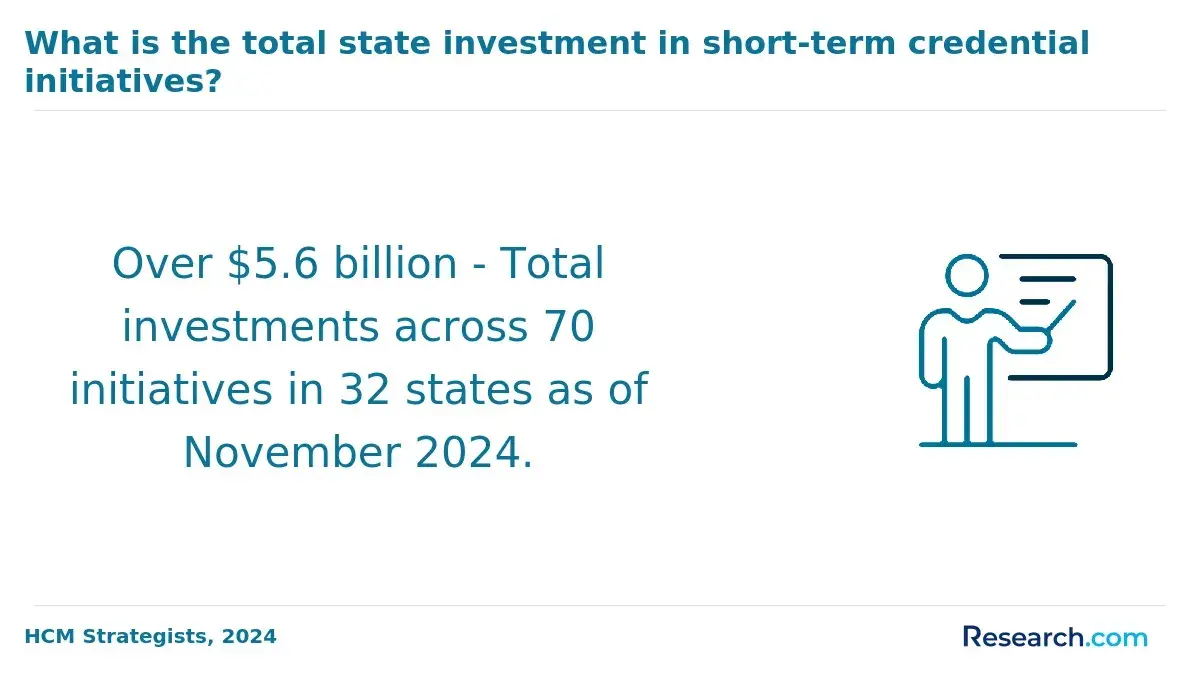
Does your intended field expect professional experience before graduate study, or favor going straight through?
Your intended field should be the first filter. Some graduate programs treat work experience as a core part of readiness, while others prioritize grades, research potential, prerequisites, auditions, portfolios, or clinical hours.
Before deciding, look at the admissions language used by programs in your field. Phrases such as "preferred professional experience," "competitive applicants typically have," or "strongly recommended" are meaningful. They tell you whether the program expects you to bring workplace context into the classroom.
The table below gives a field-by-field comparison. Requirements vary by school, state licensing board, and program level, so use this as a starting point rather than a universal rule.
| Field or Program Type | Typical View of Work Experience | When Going Straight Through Can Make Sense | What to Verify |
| MBA and executive business programs | Often strongly valued and sometimes expected | Specialized early-career business master's programs may accept recent graduates | Average work experience of admitted students and employer outcomes |
| Public policy, public administration, and public health | Often helpful because policy and systems work benefits from applied context | Quantitative or research-focused tracks may admit strong recent graduates | Internship requirements, quantitative prerequisites, and career services strength |
| Social work, counseling, and education | Human service or classroom experience can strengthen fit | Direct-entry pathways may work if licensure requires the graduate degree | State licensure alignment, supervised hours, and placement quality |
| STEM research master's or PhD programs | Research experience matters more than general employment | Strong undergraduates with lab work, publications, or faculty support may benefit from continuity | Advisor fit, funding, lab expectations, and prerequisite depth |
| Law, medicine, dentistry, and other professional schools | Experience can help, but academic metrics and required experiences remain central | Students with strong preparation and clear commitment may apply directly | Entrance exams, prerequisites, clinical exposure, and licensing path |
| Arts, design, architecture, and writing | Portfolio quality may matter more than job title | Going straight through can work if the portfolio is strong and goals are clear | Portfolio review, studio expectations, assistantships, and professional networks |
A common mistake is assuming that a prestigious graduate degree can replace field knowledge. In many applied fields, admissions committees and employers want to see that you understand the work, not just the classroom version of it. Even a short, relevant role can help you avoid choosing a specialization that does not match your strengths.
Another mistake is working in any job and assuming time alone counts as experience. If your job is unrelated, you need to build bridges through projects, volunteer work, certifications, research assistance, or part-time roles that connect to your target field.
How does working first affect grad school admission chances, competitiveness, and application strength?
Working before graduate school can improve admission chances when it gives you stronger evidence of readiness. Admissions committees often evaluate whether you understand the field, can complete rigorous work, and have a realistic reason for pursuing the degree. A job can help with all three if it is used strategically.
Work experience is most valuable when it produces concrete application material. That includes promotions, measurable projects, supervisor recommendations, professional writing samples, client or community impact, technical tools, research outputs, or leadership examples. It is less useful if you cannot explain what you learned or how it connects to your academic goal.
Here is a practical sequence for turning work experience into a stronger graduate application. Follow these steps early, not a month before deadlines.
- Identify 6 to 10 graduate programs and note whether each one requires, prefers, or merely accepts work experience.
- Track workplace achievements in measurable terms, such as projects completed, people served, tools used, budgets supported, or process improvements made.
- Ask supervisors or mentors for feedback on whether your graduate goal matches your demonstrated strengths.
- Fill academic gaps with prerequisite courses, statistics refreshers, writing practice, research work, or exam preparation if needed.
- Build a statement of purpose around a clear problem you want to solve, not around a vague desire to "advance my career."
The application risk of working first is that you may lose easy access to faculty recommenders or academic records. To prevent that, ask professors for reference letters soon after graduation, stay in touch with one or two faculty members, and keep copies of strong papers or projects. If you have been out of school for several years, programs may accept professional recommendations, but research degrees often still value academic letters.
Admissions competitiveness also depends on whether you are applying to research or professional programs. Research programs usually care deeply about academic preparation, methods experience, advisor fit, and funding availability. Professional programs may weigh work experience, leadership, mission fit, and communication skills more heavily. You should tailor your application to the program's actual evaluation model.
What financial factors should you compare when choosing work now versus immediate graduate school?
The financial comparison should include tuition, fees, living costs, debt, lost income, employer benefits, and the timing of potential career gains. A cheaper program is not always the best value, and an expensive program is not automatically a bad investment if it leads to a required credential in a stable field.
Federal borrowing rules matter because graduate aid is different from undergraduate aid. Graduate students may borrow up to $20,500 per year in federal Direct Unsubsidized Loans, and Grad PLUS Loans can cover remaining eligible costs after other aid, subject to credit requirements. This means graduate school can be accessible, but access to loans should not be confused with affordability.
The table below shows the major financial factors to compare before choosing work now or immediate enrollment. Use it to estimate total cost rather than focusing only on advertised tuition.
| Financial Factor | Why It Matters | Work First Question | Immediate Grad School Question |
| Tuition and mandatory fees | Usually the largest direct school cost | Can you save enough to reduce borrowing? | Will earlier enrollment help you reach a required credential sooner? |
| Living expenses | Rent, food, transportation, and health insurance can change total cost significantly | Can you build an emergency fund before enrolling? | Can you afford full-time study without high-interest debt? |
| Lost wages | Full-time school may reduce or pause income | What salary growth might you give up by leaving work later? | What income do you forgo by enrolling now? |
| Employer tuition assistance | Some employers help pay for approved programs | Does your employer fund degrees related to your role? | Would you lose aid by enrolling before being hired? |
| Assistantships and scholarships | Funding can change ROI more than small tuition differences | Can work experience make you more competitive for funded roles? | Are assistantships available to direct-entry students? |
| Loan interest and repayment | Graduate debt can grow during school and affect future choices | Can savings or part-time enrollment reduce loan need? | Will the degree qualify you for roles that support repayment? |
If cost is the deciding issue, compare accredited low-cost options before assuming you must delay. Researching cheap online colleges can help you identify institutions where total cost, transfer policies, and financial aid access may fit a working student's budget.
Common financial mistakes include borrowing the maximum without a repayment plan, ignoring fees and living expenses, assuming employer tuition benefits apply to any program, and choosing the lowest tuition without checking accreditation or career alignment. The better approach is to calculate a conservative break-even point based on realistic roles, not the highest salary shown on a marketing page.
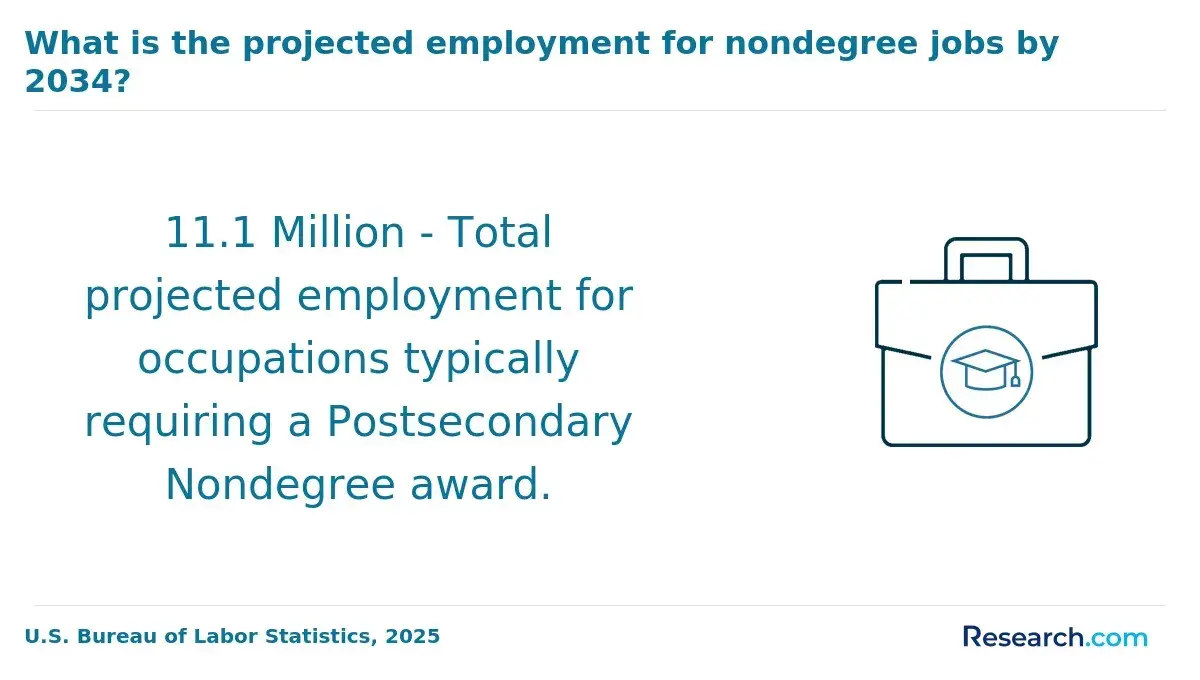
How long should you work before grad school, and what types of roles are most beneficial?
For many students, one to three years of work is enough to clarify goals, build references, and improve financial readiness. Longer gaps can also be valuable, especially for MBA, leadership, clinical, education, and career-change pathways, but only if your responsibilities keep growing or your experience becomes more relevant.
The right timeline depends on what you need the work period to accomplish. If you are working only because you are unsure, set a review date so uncertainty does not become drift. If you are working to qualify for a specific program, map your role to the program's expectations.
Use the following framework to decide how long to work. Each option can be smart when it has a clear purpose.
- Work for 6 to 12 months if you need exposure, savings, a stronger resume, or time to complete applications without rushing.
- Work for 1 to 3 years if your target programs value professional recommendations, project ownership, entry-level advancement, or clearer specialization.
- Work for 3 to 5 years if you are targeting programs where leadership, management responsibility, client experience, or industry knowledge is central to classroom contribution.
- Work longer than 5 years if the degree is part of a career pivot, executive pathway, licensure change, or employer-sponsored advancement plan.
The most beneficial roles are not always the most prestigious. A smaller organization where you manage projects, analyze data, supervise others, or work closely with clients may give you better graduate school material than a famous employer where your duties are narrow.
If your undergraduate record is weak or your major does not match your target field, consider using the work period to add academic proof. Depending on your starting point, resources on the easiest bachelor's degree pathways can help you compare completion-friendly options, but you should still choose a program that supports your long-term graduate goal.
Can you work full time while in graduate school, and what schedules or formats make this realistic?
You can work full time while in graduate school, but it is realistic only when the program format, workload, employer flexibility, and your personal responsibilities align. Full-time employment plus full-time graduate study is possible for some online and professional programs, but it can be unsustainable in research, clinical, studio, lab, or assistantship-heavy programs.
The key is to match your schedule to the type of degree. A flexible online master's in management or education may be designed for working adults. A lab-based science program, counseling program with practicum hours, or funded PhD may require weekday availability that conflicts with a full-time job.
The table below compares common formats for students who plan to keep working. It can help you avoid enrolling in a program that is technically online or part time but still incompatible with your life.
| Program Format | Work Compatibility | Best For | Main Caution |
| Part-time online | Often high | Working adults with stable schedules | Longer completion time may delay career change |
| Evening or weekend campus program | Moderate to high | Students near campus who want in-person networking | Commuting can add hidden time and cost |
| Hybrid program | Moderate | Students who can attend occasional campus sessions | Residencies or labs may require time off work |
| Full-time campus master's | Low to moderate | Students who can reduce work hours or use assistantships | Daytime requirements may limit employment |
| Research doctorate or funded PhD | Often low for outside full-time work | Students pursuing academic or research careers | Funding may restrict outside employment |
| Clinical or licensure program | Varies widely | Students entering regulated professions | Practicum, internship, and supervised hour schedules may be fixed |
Before committing to work and school at the same time, pressure-test your weekly schedule. Include class time, reading, writing, group projects, commute, internship hours, family duties, sleep, and unexpected work deadlines. If the schedule works only under perfect conditions, it probably does not work.
For students who are not ready for a full graduate degree, shorter credentials may be a useful bridge. Some FAFSA-approved online certificate programs can help you test a field, build prerequisites, or gain skills while preserving more flexibility than a full master's program.
How do online and campus-based graduate programs differ for students with prior work experience?
Online and campus-based graduate programs can both serve students with prior work experience, but they create different trade-offs. Online programs often offer flexibility for employed students, while campus programs may offer more structured networking, research access, labs, studios, and face-to-face mentoring.
The quality question is not "online or campus?" It is whether the format supports the outcomes you need. A working accountant seeking a master's in taxation may benefit from online flexibility. A biology student seeking lab-intensive research training may need campus facilities and direct faculty supervision.
The table below highlights the differences that matter most for experienced students. Focus on fit with your career target, not assumptions about prestige.
| Feature | Online Graduate Program | Campus-Based Graduate Program | Decision Point |
| Scheduling | Often asynchronous or evening-friendly | More likely to include fixed class times | Choose online if work schedule is hard to change |
| Networking | May rely on virtual cohorts, discussion boards, and regional events | Often easier for spontaneous faculty and peer interaction | Choose campus if local network access is essential |
| Research access | Strong in some fields but limited for lab-heavy work | Often stronger for labs, studios, and funded research teams | Choose based on research requirements |
| Clinical or field placements | May allow local placements, depending on state authorization | May have established regional placement partners | Verify placement responsibility before enrolling |
| Cost structure | May reduce commuting or relocation costs | May provide assistantships, campus jobs, or facilities access | Compare total cost, not tuition alone |
| Employer perception | Generally strongest when accredited, reputable, and outcome-aligned | May be preferred in fields that rely on in-person training | Ask employers in your target field what they recognize |
Online learning has become a mainstream option for adults who need flexibility, but it still requires discipline. The most successful working students usually choose programs with clear calendars, responsive faculty, strong advising, and assignments tied to workplace problems.
If you are still completing undergraduate requirements before graduate school, comparing the easiest bachelor degree to get online can be helpful only if you also verify accreditation, transfer acceptance, and whether the major prepares you for your intended graduate program.
How should you evaluate accredited graduate programs if you plan to enroll after working?
If you plan to enroll after working, evaluate graduate programs while you are still employed, not after you feel ready to quit. This gives you time to compare accreditation, admissions requirements, employer tuition benefits, test preparation, and program outcomes without making a rushed decision.
Accreditation should be nonnegotiable. Institutional accreditation affects federal financial aid eligibility and credit recognition, while programmatic accreditation may be required or strongly preferred in fields such as counseling, social work, nursing, education, public health, business, architecture, and clinical health professions.
Use this checklist when comparing programs. It is designed to help you avoid common enrollment mistakes that can affect licensure, transferability, cost, and career outcomes.
- Confirm institutional accreditation through the U.S. Department of Education or the Council for Higher Education Accreditation databases.
- Check whether your field requires programmatic accreditation for licensure, certification, internships, or employer recognition.
- Ask for total program cost, including tuition, fees, books, technology, travel, residencies, clinical expenses, and graduation fees.
- Review admission requirements, including prerequisites, GPA expectations, exams, portfolios, interviews, and work experience preferences.
- Compare completion formats, such as full time, part time, online, hybrid, cohort-based, and self-paced options.
- Ask where students complete internships, practica, capstones, assistantships, or field placements, and who is responsible for arranging them.
- Request career outcome information that is specific to the program, not only the university as a whole.
- Verify state authorization and licensure alignment if you live outside the school's state or plan to move.
A major red flag is a program that discusses speed and convenience more than outcomes, accreditation, faculty access, and placement support. Another red flag is vague language about licensure, such as "may prepare students" without specifying state requirements.
If you need to complete lower-division coursework before applying, easy online associate degrees may offer a flexible starting point. Still, "easy" should mean manageable and well-supported, not academically weak or disconnected from your future graduate path.
What questions should you ask employers and mentors when deciding between work and grad school now?
Employers and mentors can help you see blind spots that admissions pages cannot. They can tell you whether the degree is actually valued in hiring, whether work experience matters, and whether there are lower-cost ways to reach the same goal.
Before asking for advice, be specific. Instead of asking, "Should I go to grad school?" ask whether a particular degree, at a particular stage, will help you reach a particular role. Better questions produce better answers.
Ask employers these questions if you are considering working before graduate school or studying while employed. Their answers can reveal funding options and career pathways you might miss on your own.
- Does this organization offer tuition assistance, reimbursement, paid study time, or partnerships with specific universities?
- Which graduate degrees are most respected for the role I want here?
- Would this degree change my eligibility for promotion, compensation, licensing, or internal mobility?
- Are there projects I can take on now that would strengthen my graduate school application?
- Would a certificate, professional certification, or internal training program be enough for my near-term goal?
Mentors can help you interpret those answers more objectively. A supervisor may focus on company needs, while a professor, alumni contact, or professional association mentor may see broader field trends.
Ask mentors these questions before making a final decision. They are especially useful if you are torn between a prestigious program, a low-cost program, and delaying enrollment.
- What would make my application more competitive if I waited one year?
- Which skills should I build before graduate school so I can get more value from the program?
- Are graduates from this program getting the kinds of roles I want, or are outcomes concentrated in different paths?
- What are the biggest mistakes you see people make when they enroll too early?
- If you were in my position, what evidence would you want before taking on graduate debt?
If you are still finishing your undergraduate pathway and need a flexible route, reviewing options for an easiest bachelor degree to get online can help you plan around work. Just make sure the degree is accredited and accepted by the graduate programs you intend to apply to.
Other Things You Should Know About
It is better to work first if your field values experience, you need career clarity, or you want to reduce borrowing. Going straight to graduate school can be better if the degree is required for licensure, your academic momentum is important, or delaying would not add relevant value.
Not usually, as long as you use the time well. Relevant work, strong recommendations, completed prerequisites, research experience, and a clear statement of purpose can strengthen an application. The risk is letting academic skills or faculty relationships fade without a plan.
Many applicants benefit from 1 to 3 years of work, but the right timeline depends on the field. MBA and leadership programs may reward longer experience, while research or licensure-focused pathways may favor earlier enrollment if you are academically ready.
Yes, but it depends on the program. Part-time online, evening, and some hybrid programs are designed for working adults. Full-time research, clinical, lab-based, or cohort programs may require daytime availability that makes full-time work difficult.
References
- Definition of HOW https://www.merriam-webster.com/dictionary/how
- Should You Go to Grad School Online or In Person? https://www.ets.org/grad-school-journey/online-vs-in-person.html
- How to Attend Grad School With a Full-Time Job https://www.idealist.org/en/careers/grad-school-full-time-job
- The Pros and Cons of Taking Time Off Before Grad School - EpiCypher https://www.epicypher.com/resources/blog/the-pros-and-cons-of-taking-time-off-before-grad-school/
- How to Decide If You Should Apply for a Master’s Degree or Pursue a Full-Time Job https://www.gorick.com/blog/ask-gorick-anything-43
- Is Work Experience Required for Graduate School? - Graduate Programs for Educators https://www.graduateprogram.org/blog/is-work-experience-required-for-graduate-school/
- Grad School vs. Work: Weighing the Pros and Cons https://www.bartonassociates.com/careers/blog/grad-school-vs-work-weighing-the-pros-and-cons/
- 5 Advantages of Working Before Pursuing Graduate School | ProFellow https://www.profellow.com/tips/5-advantages-of-working-before-pursuing-graduate-school/
- Should I Stay or Should I Go? Pros and Cons of Grad School v The Workforce https://careers.bju.edu/2024/11/15/should-i-stay-or-should-i-go-pros-and-cons-of-grad-school-v-the-workforce/