2027 Best Majors for Remote Work Careers

Co-Founder and Chief Data Scientist
Choosing a major now means thinking beyond a first job. It means choosing how adaptable your career can be. Remote and hybrid work remain mainstream for many knowledge roles, with the latest BLS American Time Use Survey showing that about one-third of employed people did some work at home on days they worked.
This guide is for students, career changers, and working adults comparing majors that can lead to flexible careers. You will learn which degrees fit remote hiring, what they cost, which jobs pay well, and how to choose a program with fewer costly mistakes.
Key Things You Should Know
- Computer science, cybersecurity, data science, information systems, accounting, digital marketing, UX design, and technical communication are among the strongest majors for remote-friendly careers because their work outputs can be delivered digitally.
- Recent BLS wage data shows several remote-compatible occupations have high median pay, including software developers at $133,080 and information security analysts at $124,910, though salaries vary by experience, industry, and location.
- Technical majors generally offer stronger pay upside, business and communication majors can be easier to enter, and accredited online programs may reduce relocation and commuting costs.
What are the best majors for remote work careers?
The best majors for remote work careers are degrees that build skills employers can evaluate through projects, digital tools, measurable business outcomes, and secure online collaboration. A remote-friendly major does not mean every job will be remote, but it increases your chances of qualifying for roles where the work can be done through software, data systems, writing platforms, cloud tools, or virtual client communication.
For most students, the smartest choice is not simply the major with the highest salary. It is the major that matches your strengths, tolerance for technical work, need for flexibility, and willingness to keep learning as tools change. Students who already have credits or want to finish quickly may also compare 2-year accelerated bachelor degrees if speed is a major part of their decision.
The table below compares strong remote-work majors by the kind of work they prepare you for and the type of student who may fit each path best.
| Major | Remote-friendly career focus | Best fit | Watch out for |
| Computer Science or Software Engineering | Software development, web applications, automation, cloud-based products | Students who enjoy coding, logic, and building technical products | Requires continuous learning and a strong portfolio |
| Cybersecurity | Security monitoring, risk analysis, incident response, compliance support | Detail-oriented students interested in systems, threats, and risk | Some roles require on-call schedules or security clearances |
| Data Science, Statistics, or Analytics | Data analysis, forecasting, dashboards, machine learning support | Students who like math, business questions, and data tools | Entry-level roles often require proof of projects, not only coursework |
| Information Systems or IT Management | Business systems, cloud administration, product support, IT operations | Students who want a bridge between business and technology | Some IT support roles may be hybrid or location-based |
| Digital Marketing or Marketing Analytics | SEO, paid media, email marketing, content strategy, campaign analytics | Creative students who also like performance metrics | Portfolio results and tool fluency matter heavily |
| Accounting or Finance | Bookkeeping, audit support, tax preparation, financial analysis | Students who prefer structured, rules-based work | CPA goals require state-specific education and exam planning |
| UX Design, Human-Computer Interaction, or Graphic Design | User research, interface design, product design, design systems | Visual problem-solvers who can explain design choices | A strong portfolio is usually essential |
| Technical Communication or Professional Writing | Documentation, knowledge bases, grant writing, content operations | Strong writers who can simplify complex information | Specializing in tech, healthcare, or finance can improve prospects |
| Health Informatics | Healthcare data systems, records management, analytics, compliance | Students interested in healthcare but not necessarily patient care | Privacy rules and employer-specific systems can shape roles |
Computer science and cybersecurity are often the strongest choices for students prioritizing salary and technical mobility. Digital marketing, technical communication, and UX design may appeal more to students who want creative or communication-heavy work, but these fields usually require a portfolio that proves practical ability.
Which degrees lead to the highest-paying remote jobs?
The highest-paying remote jobs usually sit at the intersection of technical skill, business impact, and specialized responsibility. A degree can help you qualify, but employers often look for evidence that you can solve real problems independently, communicate clearly in distributed teams, and use current tools without close supervision.
Recent BLS wage data is useful for comparing broad earning potential, but it should not be treated as a promise. Median wages describe the middle of the national labor market for an occupation; remote salaries can be higher or lower depending on industry, company size, seniority, location-based pay policies, and whether the role is fully remote or hybrid.
The table below summarizes high-paying remote-compatible career paths and the majors that commonly support them.
| Remote-compatible role | Common major | Recent BLS median annual wage | Why it can be remote-friendly |
| Software Developer | Computer Science, Software Engineering | $133,080 | Code, testing, documentation, and collaboration can be managed through cloud-based development tools |
| Information Security Analyst | Cybersecurity, Information Systems, Computer Science | $124,910 | Monitoring, risk assessment, and compliance work often use remote security platforms |
| Data Scientist | Data Science, Statistics, Computer Science | $112,590 | Analysis, modeling, and reporting are typically performed with digital datasets and analytics tools |
| Computer and Information Systems Manager | Information Systems, IT Management, Computer Science | $169,510 | Many leadership tasks involve planning, vendor coordination, security, and distributed team management |
| Technical Writer | Technical Communication, English, Computer Science minor | $91,670 | Documentation, editing, and product communication can be completed through online publishing workflows |
| Market Research Analyst | Marketing Analytics, Business Analytics, Statistics | $76,950 | Survey analysis, campaign reporting, and dashboard work can often be done remotely |
If pay is your main priority, technical majors generally provide the strongest upside. If you want a faster entry point, marketing analytics, technical writing, and accounting support roles may be more accessible, but you may need certifications, internships, or freelance projects to compete for remote openings.
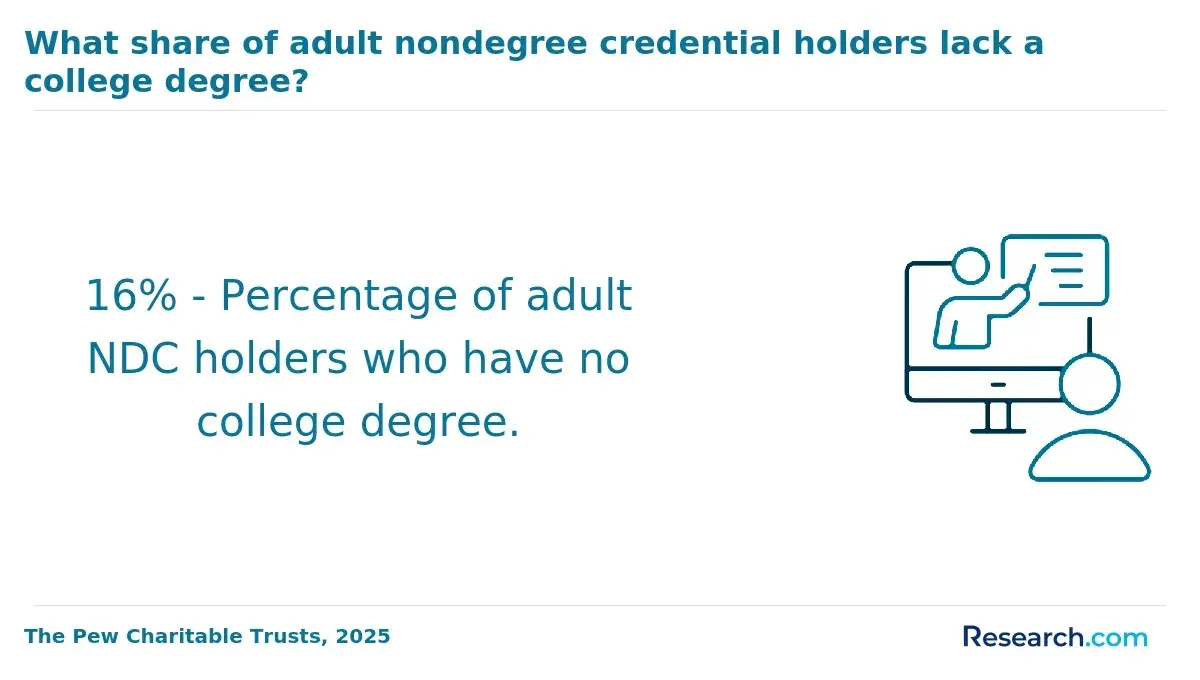
Which majors are most in demand for remote hiring?
Remote hiring demand is strongest in fields where employers need measurable digital output: software, security, data, cloud systems, analytics, accounting operations, online customer experience, and digital content. Demand is not the same as easy hiring, however. Remote roles often attract applicants from many regions, so candidates need stronger evidence of readiness than they might for local entry-level jobs.
BLS employment projections released with the 2024 base year show especially strong growth for several remote-compatible occupations. For example, information security analyst employment is projected to grow much faster than average, reflecting continued concern about cyberattacks, cloud security, and data protection.
Students should evaluate demand through both national labor trends and the way employers screen remote applicants. The following signals are especially useful when choosing a major or specialization:
- Job postings regularly mention remote or hybrid eligibility for the role, not only for the company.
- The major teaches widely used tools such as Python, SQL, Excel, Tableau, Power BI, Git, AWS, Azure, Google Analytics, or Figma.
- Coursework produces portfolio evidence, such as code repositories, dashboards, case studies, writing samples, audit projects, or campaign reports.
- The field has clear entry-level titles, not only senior remote roles requiring several years of experience.
- Employers hire across industries, which reduces dependence on one sector's hiring cycle.
A common mistake is choosing a major based only on remote job lists without checking entry-level demand. For example, product management and data science are often remote-friendly, but many openings require experience. Students targeting those fields should look for programs with internships, applied projects, and career coaching that support a realistic first step.
How do online and campus programs compare for remote careers?
Online and campus programs can both prepare students for remote careers, but they build different advantages. Online programs often mirror remote work itself: students manage deadlines, communicate asynchronously, use digital platforms, and collaborate without being in the same room. Campus programs may offer stronger in-person networking, labs, career fairs, and local internships.
For working adults, caregivers, military-connected students, and older learners, the flexibility of online study can be decisive. Some learners comparing flexible options later in life may find that online degree programs for seniors provide a useful starting point for understanding formats, support services, and age-inclusive program design.
The comparison below shows how each format affects remote-career preparation.
| Factor | Online program | Campus program | Best choice when |
| Schedule flexibility | Usually stronger, especially asynchronous formats | Often tied to class times and commuting | You work full time or need geographic flexibility |
| Remote-work skill practice | Built into the learning environment | Depends on course design and technology use | You want to prove self-management and digital collaboration |
| Networking | May require more intentional effort | Often easier through clubs, events, and faculty access | You benefit from in-person relationship building |
| Hands-on labs | Strong for software, analytics, business, and writing; varies for hardware-heavy fields | Can be stronger for physical labs or studio work | Your major needs specialized facilities |
| Internships | Can be remote, local, or employer-based | May connect more directly to regional employers | You want access to a specific local job market |
Online programs make sense when the target career is digital, the school is accredited, and the program includes applied assignments. Campus programs may be better if you need close faculty interaction, structured routines, or access to local employer pipelines. The red flag in either format is a program that offers convenience but weak career support, outdated tools, or few opportunities to build work samples.
What accreditation should remote-work degree programs have?
Accreditation matters because it affects credit transfer, graduate school eligibility, employer confidence, and access to federal financial aid. For remote-work degree programs, the first requirement is institutional accreditation from an accreditor recognized by the U.S. Department of Education or the Council for Higher Education Accreditation. This is more important than whether a program is online or campus-based.
Some fields also benefit from programmatic accreditation or recognized curricular standards. These are not always legally required, but they can signal quality and may matter for licensure, graduate admission, or employer screening.
The table below explains the most relevant accreditation considerations by major area.
| Field | Accreditation or quality marker to check | Why it matters |
| Computer Science, Software Engineering, Cybersecurity | Institutional accreditation; ABET accreditation can be valuable for some computing programs | Supports transferability and may strengthen credibility for technical programs |
| Business, Accounting, Finance, Marketing | Institutional accreditation; AACSB, ACBSP, or IACBE may indicate business-program review | Can matter for graduate business study and employer perception |
| Accounting with CPA goals | Institutional accreditation plus state board education requirements | CPA eligibility varies by state and often requires specific accounting credits |
| Health Informatics | Institutional accreditation; CAHIIM may be relevant for some health information programs | Healthcare employers may value programs aligned with health data and compliance standards |
| Design, UX, Writing, Communication | Institutional accreditation plus portfolio-based outcomes | Employers may focus more on work samples, but accreditation still protects degree value |
Before enrolling, confirm accreditation through official accreditor or federal databases, not only a school's marketing page. Also check whether online students have the same diploma wording, faculty access, library resources, tutoring, and career services as campus students.
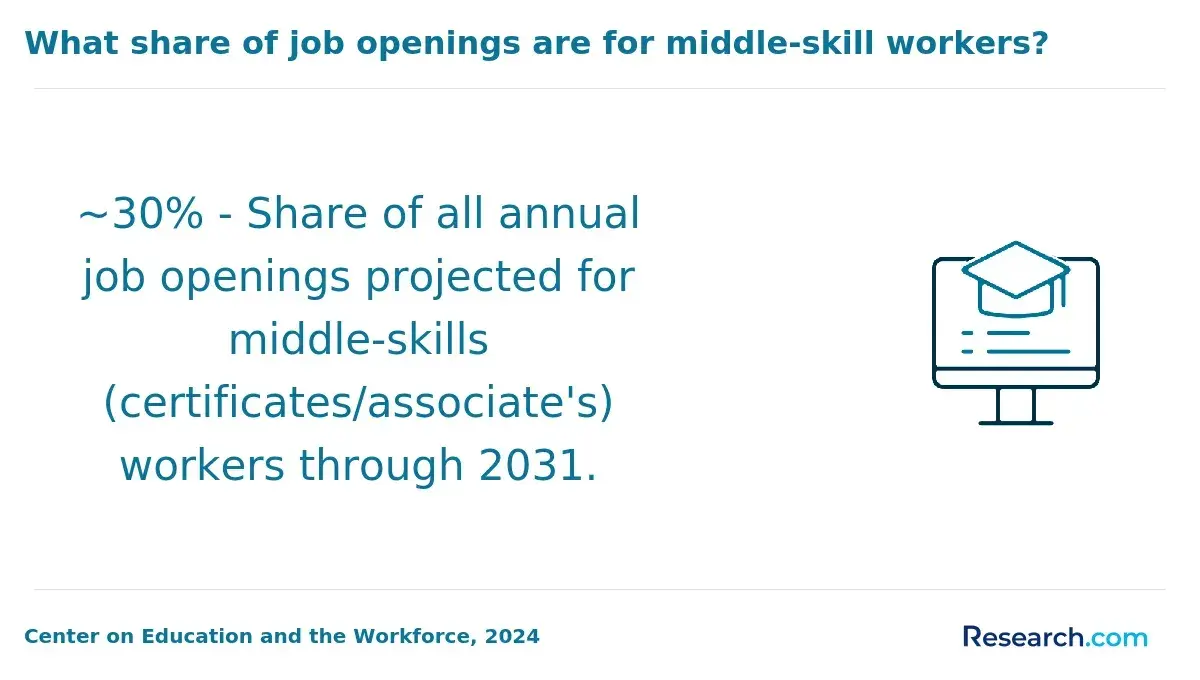
What courses do remote-friendly majors usually include?
Remote-friendly majors usually combine technical content, communication practice, project management, and tool-based assignments. The best programs do more than teach theory; they help students produce work that can be shown to employers in interviews, portfolios, GitHub repositories, dashboards, writing samples, or case studies.
Coursework varies by school, but the following course clusters are common in majors that support remote careers:
- Computer science and software programs often include programming, data structures, algorithms, databases, web development, software engineering, cloud computing, and secure coding.
- Cybersecurity programs often include networking, operating systems, ethical hacking, digital forensics, governance, risk management, incident response, and security compliance.
- Data science and analytics programs often include statistics, SQL, Python or R, data visualization, machine learning, business intelligence, and data ethics.
- Business, accounting, and finance programs often include financial accounting, managerial accounting, business law, analytics, auditing, taxation, financial modeling, and information systems.
- Marketing and communication programs often include consumer behavior, SEO, paid media, content strategy, analytics, professional writing, editing, and campaign management.
- UX and design programs often include user research, interaction design, prototyping, accessibility, usability testing, visual design, and portfolio development.
AI is changing many of these courses. Strong programs now teach students how to use AI tools responsibly for coding assistance, research support, analytics, content drafting, and workflow automation while still requiring human judgment, verification, privacy awareness, and original problem-solving.
What admission requirements do these degree programs have?
Admission requirements depend on degree level, institution type, and selectivity. Associate and bachelor's programs usually focus on high school completion, prior college credits, placement readiness, and application materials. Master's programs usually require a bachelor's degree and may expect prerequisite coursework or professional experience, especially in technical fields.
Application costs can add up when students apply broadly. Applicants trying to reduce upfront costs may want to compare accredited no application fee colleges, especially if they are still narrowing down formats and transfer policies.
Most remote-work-friendly degree programs ask for some combination of the following materials:
- Completed application form and proof of identity or residency status for tuition classification
- High school transcript, GED record, or official college transcripts for transfer applicants
- Minimum GPA, which varies widely by school and may be flexible at open-admission institutions
- Placement tests or prerequisite proof for math-heavy majors such as computer science, statistics, engineering technology, or analytics
- Personal statement, resume, recommendation letters, or portfolio for selective programs
- English proficiency documentation for applicants whose prior education was not in English
- FAFSA submission if the student plans to seek federal financial aid
Avoid assuming that admission means you are ready for the major's hardest courses. If you are considering computer science, data science, accounting, or cybersecurity after a long break from school, ask about math refreshers, tutoring, bridge courses, and early alert support before enrolling.
How long do remote-work degrees take, and what do they cost?
Remote-work degrees can take anywhere from several months for a certificate to four or more years for a bachelor's degree, depending on your starting credits, enrollment intensity, and program structure. Cost also varies sharply by institution, residency, transfer credits, fees, books, technology requirements, and whether you study full time or part time.
College Board's 2024 pricing data reported average published tuition and fees of $11,610 for in-state students at public four-year institutions and $43,350 at private nonprofit four-year institutions. Those figures do not include every personal cost, but they show why comparing total cost, not only prestige or speed, matters.
Students prioritizing affordability can start with lists of the cheapest online degrees and then verify accreditation, transfer rules, and career fit.
Typical education pathways have different time and cost implications:
- Undergraduate certificate: Often less than 1 year and best for adding a narrow skill such as bookkeeping, web design, data analytics, or cybersecurity fundamentals
- Associate degree: Typically 2 years full time and useful for entry-level IT, business, accounting support, or transfer into a bachelor's program
- Bachelor's degree: Typically 4 years full time, or less with transfer credits, and often the standard credential for professional remote roles
- Master's degree: Commonly 1 to 2 years and best for advancement, specialization, or career changes where the student already has a bachelor's degree
- Bootcamp or nondegree certificate: Often shorter than a degree and useful for specific tools, but it may not replace a degree for employers that require one
The best way to estimate return on investment is to compare the total program cost with the entry-level roles you can realistically pursue, not only the highest possible senior-level salary. Ask schools how many credits will transfer, whether tuition differs for online students, what fees apply each term, and whether the program includes career services for remote internships or remote-capable jobs.
What jobs can you get with a remote-work-friendly major?
A remote-work-friendly major can lead to many roles, but the first job may not be fully remote. Many employers reserve fully remote roles for candidates who have already proven reliability, communication skill, and independent judgment. A smart strategy is to target roles that are remote-compatible and build a record of measurable performance.
The table below connects common majors with job titles and day-to-day responsibilities so you can see how the degree translates into work.
| Major area | Possible job titles | Typical responsibilities |
| Computer Science or Software Engineering | Software developer, web developer, QA automation analyst, DevOps associate | Write code, fix bugs, test features, document systems, collaborate with product teams |
| Cybersecurity | Security analyst, SOC analyst, compliance analyst, vulnerability analyst | Monitor threats, review alerts, assess risk, document incidents, support security policies |
| Data Science or Analytics | Data analyst, business intelligence analyst, junior data scientist, reporting analyst | Clean data, build dashboards, analyze trends, explain findings to stakeholders |
| Information Systems | Systems analyst, IT project coordinator, cloud support associate, product support specialist | Improve business systems, troubleshoot platforms, document workflows, coordinate technical projects |
| Accounting or Finance | Staff accountant, bookkeeper, tax associate, financial analyst, payroll analyst | Prepare reports, reconcile accounts, analyze budgets, support audits, manage financial records |
| Marketing or Communication | SEO specialist, content strategist, email marketing specialist, digital marketing analyst | Plan campaigns, analyze performance, write content, manage channels, report results |
| UX or Design | UX designer, product designer, UI designer, UX researcher | Create prototypes, test usability, conduct research, improve digital product experiences |
| Technical Communication | Technical writer, documentation specialist, knowledge manager, proposal writer | Write manuals, maintain knowledge bases, interview subject-matter experts, edit complex content |
To improve your odds, build evidence before graduation. For technical majors, that may mean GitHub projects, cloud labs, or dashboards. For marketing and writing, it may mean campaign samples, analytics reports, or published work. For accounting and finance, it may mean Excel models, QuickBooks experience, tax preparation exposure, or internship references.
What certifications strengthen remote-work career prospects?
Certifications can strengthen remote-work prospects when they validate current tools or specialized skills. They are most useful when paired with a degree, portfolio, internship, or work experience. A certification alone is rarely enough for competitive remote roles, but it can help applicants pass screening filters and show commitment to a field.
Working professionals who already have a bachelor's degree may also consider graduate study if they want leadership roles, specialization, or a structured career change. In that case, comparing an easy online master's degree can help identify flexible options, but "easy" should never mean unaccredited, shallow, or disconnected from career goals.
The following certifications are commonly aligned with remote-compatible majors and careers:
- CompTIA A+, Network+, Security+, CySA+, or PenTest+ for IT support, networking, and cybersecurity pathways
- Certified Information Systems Security Professional for experienced cybersecurity professionals, not most beginners
- AWS, Microsoft Azure, or Google Cloud certifications for cloud, systems, data, and DevOps-related roles
- Google Analytics, Google Ads, HubSpot, or Meta certifications for digital marketing and campaign roles
- Tableau, Power BI, Microsoft Excel, SQL, or vendor analytics credentials for data and business intelligence roles
- Certified Associate in Project Management or Project Management Professional for project coordination and leadership paths
- Certified Public Accountant, Certified Management Accountant, or Enrolled Agent for accounting and tax careers, depending on state and career goal
- UX certificates from reputable providers when they require portfolio projects, user research, and usability testing practice
Choose certifications based on job postings for your target role, not on popularity alone. A common mistake is collecting beginner certificates without building projects. Employers hiring remote workers usually want proof that you can apply the skill with limited supervision.
Other Things You Should Know About Career Planning
Computer science is often the strongest overall major for remote work because it leads to many digital roles, including software development, automation, cloud work, and technical product support. However, the best choice depends on your strengths; data analytics, cybersecurity, accounting, digital marketing, and technical writing can also be excellent paths.
Yes, but it can be competitive. Entry-level remote jobs often attract national applicant pools, so internships, portfolios, certifications, and strong communication skills can make a major difference. Some graduates start in hybrid or local roles first and move into fully remote positions after gaining experience.
Accredited online degrees can be respected, especially when the school has recognized accreditation, solid student support, and coursework that produces practical projects. Employers usually care more about skills, experience, and degree legitimacy than whether classes were online or on campus.
Choose a degree if your target roles commonly require one or if you want long-term mobility. Choose a certificate if you already have a degree, need a specific tool skill, or want to test a field before committing. For many remote careers, the strongest option is a degree plus targeted certifications and a portfolio.
References
- 13 Best Degrees for Remote Work https://www.virtualvocations.com/blog/telecommuting-job-search-help/13-best-degrees-for-remote-work/
- CourseCareers https://coursecareers.com/compare/online-degree-programs
- Can You Get a Good Job With an Online Degree? https://campus.edu/blog/business/can-you-get-a-good-job-with-an-online-degree
- 26 High-Earning Remote Job Certifications for 2026 https://www.tealhq.com/post/remote-job-certifications
- How Students Can Pay for School and Build Skills With Remote Work | Built In https://builtin.com/articles/pay-school-build-skills-remote-work