2027 Best Jobs for Public Health Majors

Co-Founder and Chief Data Scientist
Choosing a public health career is really a choice about how you want to improve health at scale: through data, policy, education, emergency response, environmental safety, or healthcare leadership. The field matters because public health problems increasingly involve aging populations, chronic disease, climate-related risks, and data-driven decision-making.
The latest BLS data reports $117,960 median pay for medical and health services managers, showing how strong the upside can be in leadership roles. This guide helps students, career changers, and working professionals compare jobs, degrees, salaries, certifications, and next steps.
Key Things You Should Know
- The best public health jobs depend on degree level: bachelor's graduates often start in health education, community outreach, research coordination, or environmental health, while MPH and doctoral graduates qualify for epidemiology, biostatistics, policy, and senior leadership roles.
- Pay varies widely by specialization: recent BLS wage data places medical and health services managers at a $117,960 median annual wage, while community health workers and health education roles are generally lower-paying but more accessible at the entry level.
- Demand is strongest where public health overlaps with healthcare operations, data, and emergency preparedness; BLS projections released for the current decade show medical and health services managers growing much faster than the average for all occupations.
What are the best jobs for public health majors?
The best jobs for public health majors are roles that match your preferred work style, education level, and tolerance for data, fieldwork, policy, or direct community engagement.
Public health is different from clinical healthcare because it focuses on populations rather than one patient at a time. A public health major might analyze disease trends, design prevention programs, inspect environmental hazards, coordinate nonprofit services, or help healthcare organizations improve outcomes.
The table below compares strong public health career options by fit, typical responsibilities, and the degree level that commonly makes a candidate competitive. Use it to narrow your path before committing to a graduate degree or certification:
| Job | Best fit for | Common responsibilities | Typical education path |
| Epidemiologist | Students who like statistics, disease patterns, and research | Investigate outbreaks, analyze health data, design studies, brief public agencies | MPH, MS, or doctoral degree in epidemiology or a related field |
| Health Education Specialist | Strong communicators who want community-facing work | Create health programs, teach prevention strategies, evaluate outreach campaigns | Bachelor's degree for many roles; MPH can support advancement |
| Community Health Worker | People who want direct service and local impact | Connect residents with services, collect community feedback, support prevention programs | High school diploma to bachelor's degree, depending on employer |
| Public Health Analyst | Students who enjoy policy, reports, grants, and program evaluation | Review program data, prepare recommendations, monitor public health initiatives | Bachelor's degree for junior roles; MPH often preferred |
| Biostatistician | Quantitative students comfortable with advanced math and software | Model health outcomes, design studies, analyze clinical or population data | Master's or doctoral degree in biostatistics, statistics, or data science |
| Environmental Health Specialist | Students interested in inspections, safety, and environmental risk | Assess food safety, water quality, workplace hazards, and environmental exposures | Bachelor's degree; state or employer-specific credentials may apply |
| Emergency Preparedness Specialist | People who work well under pressure and like planning | Develop response plans, run preparedness exercises, coordinate agencies during crises | Bachelor's degree; MPH or emergency management training can help |
| Medical and Health Services Manager | Professionals aiming for healthcare leadership | Manage departments, budgets, staff, compliance, quality improvement, and operations | Bachelor's degree for some roles; master's degree common for advancement |
For most students, the smartest first step is to decide whether they want an entry-level public health role quickly or a longer path toward higher-paying specialized work. If speed matters, compare public health with other quick degrees that pay well so you understand the opportunity cost before enrolling.
Which public health jobs pay the most?
The highest-paying public health jobs are usually not the most entry-level ones. They tend to require graduate training, quantitative skills, management experience, or a role in a high-budget setting such as hospitals, consulting, pharmaceuticals, insurance, or government contracting.
The table below uses recent BLS wage data for U.S. occupations closely aligned with public health. These figures are national medians, so actual pay can be higher or lower depending on state, employer, experience, union status, and whether the role is in government, healthcare, academia, or private industry:
| Public health-related job | Recent BLS median annual wage | Why it can pay more | Common degree level |
| Medical and Health Services Manager | $117,960 | Budget, staffing, compliance, and operations responsibility | Bachelor's or master's degree |
| Data Scientist | $112,590 | Advanced analytics, machine learning, and large health datasets | Bachelor's, master's, or doctoral degree |
| Statistician or Biostatistician | $103,300 | Specialized statistical modeling and research design | Master's or doctoral degree |
| Microbiologist | $89,300 | Laboratory expertise in pathogens, testing, and research | Bachelor's degree for some roles; graduate degree for research leadership |
| Epidemiologist | $83,980 | Disease surveillance, outbreak investigation, and analytic expertise | Master's degree commonly preferred or required |
| Environmental Scientist or Specialist | $80,060 | Regulatory, environmental, and exposure-risk expertise | Bachelor's or master's degree |
The practical takeaway is that public health salaries rise when you add a scarce skill. Data analysis, management, grant administration, regulatory compliance, and advanced research methods often create stronger salary leverage than a general public health degree alone.
What degree do you need for public health careers?
Public health careers can begin with several degree levels, but each level leads to different responsibilities. A bachelor's degree can be enough for health education, outreach, program assistant, research assistant, and some environmental health roles.
An MPH or related master's degree is commonly expected for epidemiology, policy analysis, senior program management, and specialized public health practice. Doctoral degrees are usually aimed at research, university teaching, high-level analytics, or executive scientific leadership.
The table below shows how degree level affects career access. This is not a licensing chart; requirements can vary by employer, state, grant funding source, and job title:
| Credential | Typical length | Best for | Limitations |
| Certificate in public health | A few months to 1 year | Career changers, clinicians, or professionals adding public health knowledge | Usually not enough by itself for specialized analyst or epidemiologist roles |
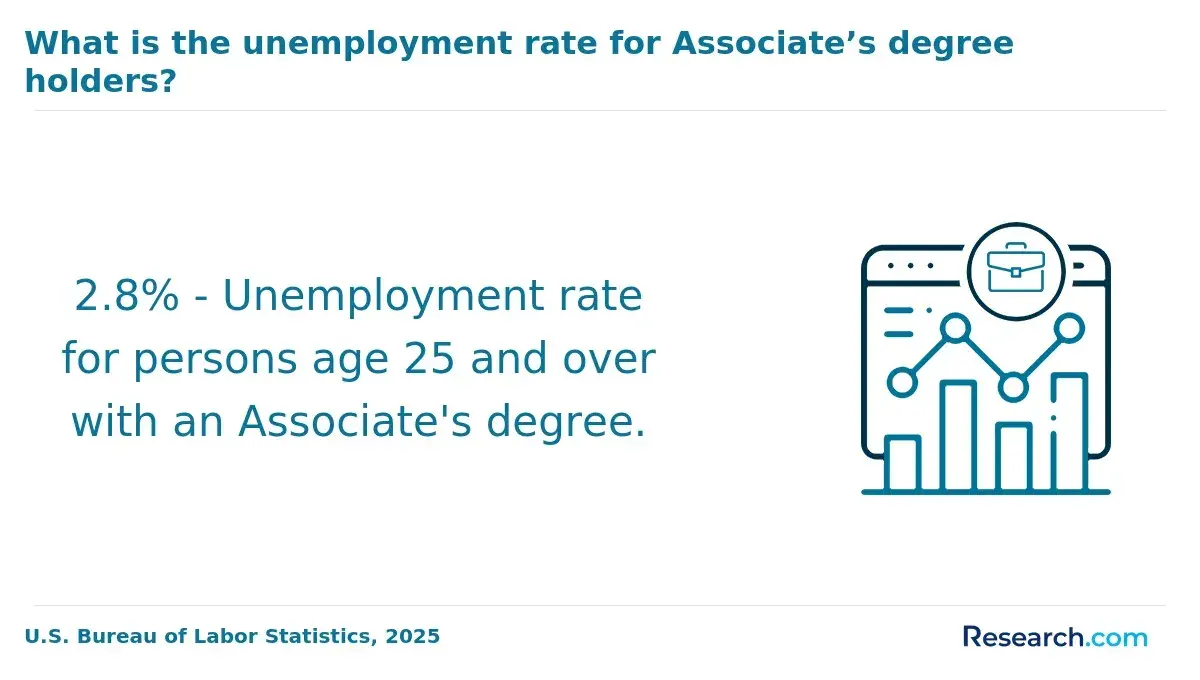
| Associate degree | About 2 years | Health support, community outreach, transfer preparation | Limited access to professional public health roles |
| Bachelor's degree | About 4 years | Entry-level health education, program coordination, research support, environmental health | May not qualify for epidemiology or senior policy roles |
| MPH or related master's degree | About 1 to 3 years | Epidemiology, public health analysis, leadership, policy, global health, biostatistics | Requires tuition, time, and careful specialization choice |
| Doctoral degree | Often 4 or more years after a bachelor's degree | Research, academia, advanced biostatistics, high-level policy or scientific leadership | Long path that is usually unnecessary for many practice-based jobs |
If you are trying to reduce time in school, compare degree length, transfer credit, and career outcomes before assuming a longer credential is automatically better.
What public health jobs can you get with a bachelor's degree?
With a bachelor's degree in public health, you can pursue many entry-level and early-career roles, especially if you build practical experience through internships, research assistantships, service learning, or part-time healthcare work. Employers often look for evidence that you can communicate clearly, work with communities, interpret basic data, and manage projects responsibly.
Common bachelor's-level options include the following roles. These are realistic starting points, not salary guarantees or automatic outcomes:
- Health education specialist or health promotion coordinator, especially in nonprofits, schools, local agencies, hospitals, and community organizations.
- Community health worker, patient navigator, or outreach coordinator, particularly in programs focused on prevention, access to care, maternal health, chronic disease, or behavioral health.
- Public health program assistant or program coordinator supporting grants, reports, events, budgets, and partner communication.
- Research assistant or clinical research coordinator in universities, hospitals, public agencies, or contract research organizations.
- Environmental health technician or specialist trainee, depending on state requirements and employer expectations.
- Emergency preparedness assistant supporting planning, training, logistics, and public communication.
A bachelor's in public health is a good fit if you want to start working before deciding on graduate school. It may be less ideal if your target job is epidemiologist, biostatistician, senior policy analyst, or professor, because those paths usually require more advanced training.
If you are comparing academic difficulty and workload across majors, a guide to the easiest bachelor degree options can help you think realistically about fit, but public health still requires writing, statistics, science literacy, and field experience.
Which public health careers require an MPH or doctoral degree?
An MPH or doctoral degree becomes more important when the role requires advanced research design, population-level analysis, policy expertise, leadership, or specialized scientific judgment. The MPH is the most common professional graduate degree for public health practice, while MS, DrPH, and PhD programs are often more specialized.
The roles below commonly expect graduate-level preparation. Requirements vary, so always read job postings in your target location before choosing a concentration:
| Career | Graduate credential commonly expected | Why advanced study matters |
| Epidemiologist | MPH, MS, or PhD in epidemiology or related field | Requires study design, surveillance methods, outbreak investigation, and statistical analysis |
| Biostatistician | MS or PhD in biostatistics, statistics, or data science | Requires advanced modeling, programming, and research methods |
| Public Health Policy Analyst | MPH, MPP, MPA, or related master's degree | Requires policy evaluation, economics, writing, and stakeholder analysis |
| Public Health Professor or Research Scientist | PhD, DrPH, or other doctoral degree | Requires independent research, publication, teaching, and grant development |
| Senior Program Director | MPH, MHA, MBA, MPA, or related master's degree | Requires leadership, budgeting, evaluation, and cross-agency coordination |
| Infection Prevention Director | Clinical background, MPH, or specialized infection prevention experience | Requires healthcare quality, surveillance, compliance, and outbreak response expertise |
Graduate school makes the most sense when the credential is clearly tied to the job you want. A common mistake is enrolling in a general MPH without checking whether the concentration, practicum, software training, and alumni outcomes match the target role.
What salary can public health majors expect by job type?
Public health salary expectations depend more on job function than on the major name. A graduate with strong data skills may move toward higher-paying analytics roles, while another graduate may choose community-based work with lower pay but higher direct-service impact. Location also matters because state agencies, federal agencies, hospitals, universities, consulting firms, and nonprofits often operate with different salary bands.
The table below summarizes recent national wage benchmarks for common public health-related job types. Treat these as comparison points, not promises of what an individual graduate will earn.
| Job type | Recent BLS median annual wage | Public health relevance | Salary context |
| Community Health Worker | $49,900 | Community outreach, navigation, prevention support | Accessible entry point, but pay may be modest without advancement |
| Health Education Specialist | $63,000 | Health promotion, curriculum, prevention campaigns | Good fit for communication-focused graduates |
| Social and Community Service Manager | $78,240 | Program leadership in nonprofits, agencies, and community services | Often rewards experience and supervisory ability |
| Environmental Scientist or Specialist | $80,060 | Environmental exposures, water, air, waste, safety, and regulation | May require science coursework or field credentials |
| Epidemiologist | $83,980 | Disease patterns, surveillance, outbreak investigation | Graduate degree often improves competitiveness |
| Statistician or Biostatistician | $103,300 | Population health research and quantitative analysis | Higher pay is tied to advanced quantitative skills |
| Medical and Health Services Manager | $117,960 | Healthcare quality, operations, compliance, and population health strategy | Leadership roles usually require experience beyond the degree |
To improve your salary outlook, build a portfolio that proves job-ready skills. For public health majors, useful evidence can include a data dashboard, program evaluation report, needs assessment, grant summary, GIS map, survey analysis, or practicum project.
What is the job outlook for public health careers?
The public health job outlook is strongest in roles connected to healthcare growth, analytics, aging populations, chronic disease management, and emergency preparedness.
BLS projections for the current decade show especially strong demand for medical and health services managers, reflecting the continued expansion and complexity of healthcare delivery. That matters for public health majors because many employers now want professionals who can connect population health goals with operations, quality, cost, and compliance.
Several trends are shaping hiring decisions. Understanding them can help you choose electives, internships, and certifications more strategically:
- Data-driven public health: Employers increasingly value Excel, SQL, R, Python, Tableau, Power BI, GIS, and survey methods because public health programs must show measurable outcomes.
- AI and automation: AI can speed up literature review, coding, forecasting, and communication drafts, but employers still need people who can validate data, interpret results ethically, and explain findings to decision-makers.
- Emergency preparedness: Health departments, hospitals, universities, and large employers continue to plan for infectious disease, extreme weather, supply disruptions, and community resilience.
- Health equity and access: Organizations need professionals who can design programs for underserved populations, evaluate disparities, and work with trusted community partners.
- Credential-based hiring: Some employers use certifications, software skills, and practicum experience to distinguish candidates with similar degrees.
The main risk is assuming that "public health is growing" means every public health role is equally easy to enter. Competitive candidates usually combine the degree with a focused skill set, relevant experience, and a clear job target.
What certifications help public health majors get hired?
Certifications can help public health majors signal competence, especially when they match the job description. They are not a substitute for required degrees or experience, but they can strengthen applications in health education, environmental health, infection prevention, emergency management, analytics, and project coordination.
The table below explains common credentials and when they may be useful. Always verify eligibility rules with the certifying organization because requirements can change and may depend on education or work experience:
| Certification | Best for | How it helps |
| Certified in Public Health | Broad public health practice | Shows knowledge across core public health domains |
| Certified Health Education Specialist | Health education and promotion | Supports roles involving curriculum, outreach, and behavior-change programs |
| Master Certified Health Education Specialist | Advanced health education professionals | Signals higher-level experience and leadership in health education |
| Certified in Infection Control | Healthcare infection prevention | Useful for professionals working in hospitals, long-term care, or quality improvement |
| Registered Environmental Health Specialist or Registered Sanitarian | Environmental health and inspections | May support food safety, water quality, housing, and regulatory roles |
| Project Management Professional or similar project credential | Program managers and coordinators | Shows ability to manage timelines, budgets, stakeholders, and deliverables |
If you are not ready for a full degree, targeted online courses can be a lower-risk way to build software, analytics, project management, or healthcare administration skills before choosing a longer program.
How do online and campus public health programs compare?
Online and campus public health programs can both lead to strong outcomes when they are accredited, well-supported, and aligned with your career goal. The better choice depends on your schedule, learning style, local internship access, and need for in-person networking or lab experiences.
The table below compares the main trade-offs. Use it to decide which format fits your life rather than assuming one format is automatically superior.
| Factor | Online public health program | Campus public health program |
| Flexibility | Often better for working adults, caregivers, and students outside commuting distance | Usually better for students who want fixed schedules and in-person structure |
| Networking | Can be strong if the program offers live sessions, cohorts, mentoring, and practicum support | Often easier for spontaneous networking, faculty access, and campus events |
| Fieldwork | May allow local practicums, but students may need to secure approved sites | May have established relationships with nearby health departments and hospitals |
| Cost | Can reduce relocation and commuting costs, though tuition varies widely | May involve housing, transportation, parking, and campus fees |
| Learning style | Best for self-directed students who manage deadlines well | Best for students who benefit from face-to-face discussion and routine |
| Employer perception | Usually strongest when the school is accredited and reputable | Also depends on accreditation, reputation, outcomes, and experience |
Cost should be evaluated as total cost, not just tuition. The College Board's 2024 pricing data reported average published tuition and fees of $11,610 for in-state students at public four-year institutions and $43,350 at private nonprofit four-year institutions for 2024-25, which shows why residency, scholarships, transfer credit, and format matter. Students comparing flexible options can start with reputable lists of the best online universities, then verify accreditation and public health-specific outcomes.
How do you choose an accredited public health program?
Accreditation is one of the most important checks before enrolling in a public health program. Institutional accreditation affects financial aid eligibility and transferability, while public health-specific accreditation can signal that the curriculum meets recognized field standards. For public health, many students look for programs accredited by the Council on Education for Public Health, especially at the MPH level.
Before choosing a program, follow a practical review process. This sequence helps you avoid programs that look convenient but do not support your career goal:
- Confirm institutional accreditation through recognized U.S. accreditation databases or the school's official accreditation page.
- Check whether the public health program has CEPH accreditation or whether the school clearly explains its accreditation status and timeline.
- Compare concentrations, not just the degree title, because epidemiology, health policy, environmental health, biostatistics, and health promotion lead to different jobs.
- Review practicum or internship requirements and ask how online students secure approved placements.
- Ask for career outcomes by program or concentration, not only broad university-wide employment claims.
- Calculate total cost, including fees, books, software, travel, background checks, practicum costs, and lost work time.
- Ask how many transfer credits are accepted and whether prior coursework can shorten the timeline.
Common red flags include vague accreditation language, pressure to enroll quickly, unclear tuition and fee pages, no practicum support, limited faculty information, and career claims that sound guaranteed. If you need a more accessible admissions path, compare accredited options carefully; some online colleges with open enrollment and no application fee may reduce barriers, but you should still verify fit, cost, transfer policies, and career services.
Other Things You Should Know About
Public health can be a good major if you want a career focused on prevention, health systems, data, policy, or community impact. It is strongest when paired with internships, statistics, writing, software skills, or a clear graduate-school plan.
A bachelor's degree may help you qualify for research assistant or surveillance support roles, but epidemiologist jobs commonly prefer or require an MPH, MS, or related graduate degree. Requirements vary by employer and responsibility level.
Data-heavy roles such as biostatistician, public health analyst, epidemiology research assistant, GIS analyst, or health informatics specialist may fit introverts who prefer analysis and structured communication over constant public-facing work.
No. Most public health careers do not require medical school. Medical training is useful for physicians who want to work in population health, but many public health professionals build careers through bachelor's, MPH, MS, DrPH, PhD, or professional certifications.
References
- Online vs Hybrid vs Campus Learning in Healthcare: Which Is Right for You? https://www.edumed.org/articles/online-vs-hybrid-vs-campus/
- UNE CEPH Accreditation Graduate Programs in Public Health https://online.une.edu/public-health/ceph/
- Highest Paying Jobs in Public Health and their Salaries - MPH Online https://www.mphonline.org/highest-paying-jobs-public-health/
- Council on Education for Public Health | Council for Higher Education Accreditation https://www.chea.org/council-education-public-health
- How to Choose a Program https://www.publichealth.org/resources/choosing-a-program/
- List of Accredited Schools and Programs - Council on Education for Public Health https://ceph.org/about/org-info/who-we-accredit/accredited/
- What Can You Do With a Public Health Degree? https://www.publichealthdegrees.org/careers/what-can-you-do-with-public-health-degree/
- About the Certification in Public Health (CPH) - NBPHE https://www.nbphe.org/certified-in-public-health/
- How is the Job Outlook for the Public Health Field? - Healthcare Management Degree Guide https://www.healthcare-management-degree.net/faq/how-is-the-job-outlook-for-the-public-health-field/
- Schools of Public Health https://www.apha.org/professional-development/public-health-careermart/schools-of-public-health