2027 Online BA in Psychology - Mental Health vs. a BA in Psychology with a Sociology Minor: Compare Curriculum, Cost, and Career Fit
Audited and Verified:
Our Editorial and Data Verification Process
Research.com uses government datasets, official education statistics and primary institutional information to support its career and degree guides. Our review process checks factual accuracy, occupational definitions, source dates and the requirements associated with the credentials discussed.
How This Article Was Fact-Checked
Our editorial team verifies salary estimates, employment projections, education requirements and program information against original data providers and official organizations. Salary figures are checked against the relevant occupational definitions and reporting periods. Information about licensure, accreditation and required in-person training is reviewed separately.
Fact-checked and verified on:

Co-Founder and Chief Data Scientist
A mental health focus and a sociology minor can lead to different kinds of work, even when both sit alongside a psychology BA. One emphasizes disorders and support-service settings; the other adds tools for understanding institutions, inequality, and communities. For prospective and returning students, the choice also affects course planning, online availability, and the evidence they can show employers or graduate programs.
This comparison explains what each route typically teaches, what it costs to complete, and which better fits a specific career or further-study goal, without mistaking either undergraduate option for a clinical qualification.
Key Things You Should Know
- Choose a mental health focus for closer study of disorders and support systems; choose a sociology minor for stronger preparation to examine social conditions, organizations, and communities.
- Neither route qualifies a graduate to diagnose or provide psychotherapy. Compare them against the requirements of the actual job or graduate program you want.
- The cheaper route is the one that fits your degree audit. A minor can add courses or terms if its requirements do not overlap with available electives.
What Is an Online BA in Psychology With a Mental Health Focus?
It is a psychology bachelor's degree whose electives or formal concentration emphasize topics such as psychopathology, psychological health, substance use, prevention, and behavioral-health services. The distinction between a formal concentration and a few related electives matters: only the institution can confirm what designation, if any, appears on the academic record.
"Online" describes course delivery, not necessarily the entire student experience. A program may have live discussions, scheduled exams, group projects, or an optional or required placement. Compare those obligations alongside the core curriculum when exploring undergraduate psychology degree program choices.
This route best fits someone interested in nonclinical behavioral-health support or in testing whether further professional training is right for them. Studying mental disorders is not training to assess, diagnose, or treat them independently.
How Does a Psychology BA With a Sociology Minor Compare With a Mental Health Focus?
Both routes retain the psychology major. The difference is where additional courses direct your attention: a mental health focus examines psychological health and services more closely, while a sociology minor studies social structures, groups, institutions, and research about populations.
The comparison below describes typical academic emphasis, not a promise about any particular catalog. Check whether the mental health focus is formally recognized and whether the sociology courses actually constitute an awarded minor.
| Decision factor | Mental health focus | Sociology minor |
| Primary lens | Individual functioning, disorders, prevention, and support systems | Groups, institutions, inequality, and social change |
| Useful applied context | Behavioral-health outreach, intake, and recovery-service settings | Community programs, policy work, and population-level evaluation |
| Potential limitation | May leave less room for social-policy or population-research courses | May offer less depth in mental-health service systems |
| Credential effect | Does not create a clinical credential | Does not create a separate degree or clinical credential |
For a justice-system goal, neither option should be treated as a substitute for checking the target occupation's qualifications. Students considering a later forensic specialization can use guidance on evaluating forensic psychology degree admissions to distinguish undergraduate preparation from a separate graduate decision.
What Careers Can Each Psychology Degree Prepare You For?
These degrees can support applications for nonclinical roles, subject to employer requirements and relevant experience. A mental health focus may be especially useful for behavioral-health program assistants, intake support staff, or recovery-service coordinators.
Such employees might explain services, maintain records, arrange referrals, or support outreach, not provide independent treatment. Students exploring jobs supporting addiction recovery should check state credential rules and each employer's permitted duties.
A sociology minor may be particularly useful in community outreach, nonprofit program support, social-service administration, or entry-level research support. Those roles may involve understanding local needs, gathering information appropriately, and communicating findings to a team.
In either route, an approved internship, research assistantship, or relevant employment can provide stronger evidence of readiness than the degree label alone. Work involving clients also calls for confidentiality, respectful communication, and clear referral boundaries.
Neither option alone qualifies someone to become a licensed psychologist, counselor, or clinical social worker. If that is the goal, compare the requirements of the intended profession before choosing undergraduate electives.
Expect both routes to include psychology foundations such as research methods, statistics, development, and social or biological aspects of behavior, although requirements differ by school. The courses beyond that shared foundation determine whether the added study advances your goal.
A mental health focus may offer abnormal psychology, health psychology, addiction, or courses on behavioral-health systems. A sociology minor may require sociological theory and methods, then electives on inequality, families, organizations, or social policy.
Look beyond course titles: a methods-intensive sociology elective may be more valuable for community-program evaluation than another survey of disorders, while an addiction course may be more relevant to recovery-service work.
For either path, preserve room for statistics, research writing, and a supervised project if future graduate study is possible. A student considering a specialized graduate route should compare its prerequisites and career purpose separately. Information on forensic psychology graduate career value and qualifications illustrates why subject-area coursework alone does not establish eligibility for a specialized occupation.
Accreditation must be checked for the institution offering the degree; online delivery itself does not establish or undermine accreditation. Confirm the school's recognized institutional accreditor through the school and the accreditor, and check whether the accreditation covers the institution and program location that will award your degree.
Do not look for APA accreditation as a blanket test of undergraduate psychology quality. APA accreditation applies to specified professional psychology programs and training settings, not general psychology BAs. More importantly, institutional accreditation does not make either bachelor's route a license-qualifying clinical program.
If your objective is counseling, start with your state licensing board's education rules and investigate a qualifying graduate pathway. A guide to accredited counseling study with accelerated schedules can help frame questions about program recognition, supervised training, and whether a faster schedule is feasible; it cannot replace verification with the board and school.
Completion time depends on remaining requirements, course availability, and enrollment pace, not simply on whether courses are online. A mental health focus may fit within psychology electives. A sociology minor may require a sequence of courses that extends enrollment if they are not offered when needed. Either outcome can reverse at a different school.
Returning students should request a degree audit showing which accepted credits satisfy general education, psychology, minor or concentration, and residency requirements. Then check the schedule for required courses and any placement.
Resources on fast-track bachelor's study in psychology can help identify scheduling questions, but an advertised accelerated format is not an individual graduation date.
There is no reliable universal price difference between these options. A minor may use elective space already required for the BA, or it may add credits and another term.
A mental health focus may likewise fit within the major or involve courses with separate experiential expenses. Use the school's charges and your degree audit rather than comparing advertised tuition alone.
This cost breakdown identifies what to price for each route. It also makes clear why the lowest per-credit rate may not produce the lowest completion cost.
| Cost component | What to verify | Why the paths may differ |
| Tuition and required fees | Charges for the remaining credits and terms | A minor may add courses; a focus may already fit within electives |
| Course access | Online availability and required sequencing | A delayed required course can extend enrollment |
| Applied learning | Placement, travel, background-check, or technology expenses, if applicable | Requirements depend on the actual program |
| Financial aid | Eligibility for courses in the approved degree plan | Extra courses may not be treated like required coursework |
Ask for a written estimate covering the courses you still need, including fees and likely enrollment pace. When comparing affordable psychology colleges online, evaluate the projected cost to finish, not just the posted rate.
Schools commonly review prior education and transcripts, but rules for first-year and transfer applicants differ. Admission to a university also may not settle admission to its psychology major or permission to declare a sociology minor. Ask when each choice must be declared and whether either has prerequisites, grade standards, or capacity limits.
For transfer students, the decisive document is an approved evaluation showing how each accepted course applies. A transferred statistics course, for example, may receive elective credit without satisfying the psychology methods sequence. Review the school's process for transfer credit reviews for psychology applicants, then obtain a program-specific audit before committing to a completion timeline or cost.
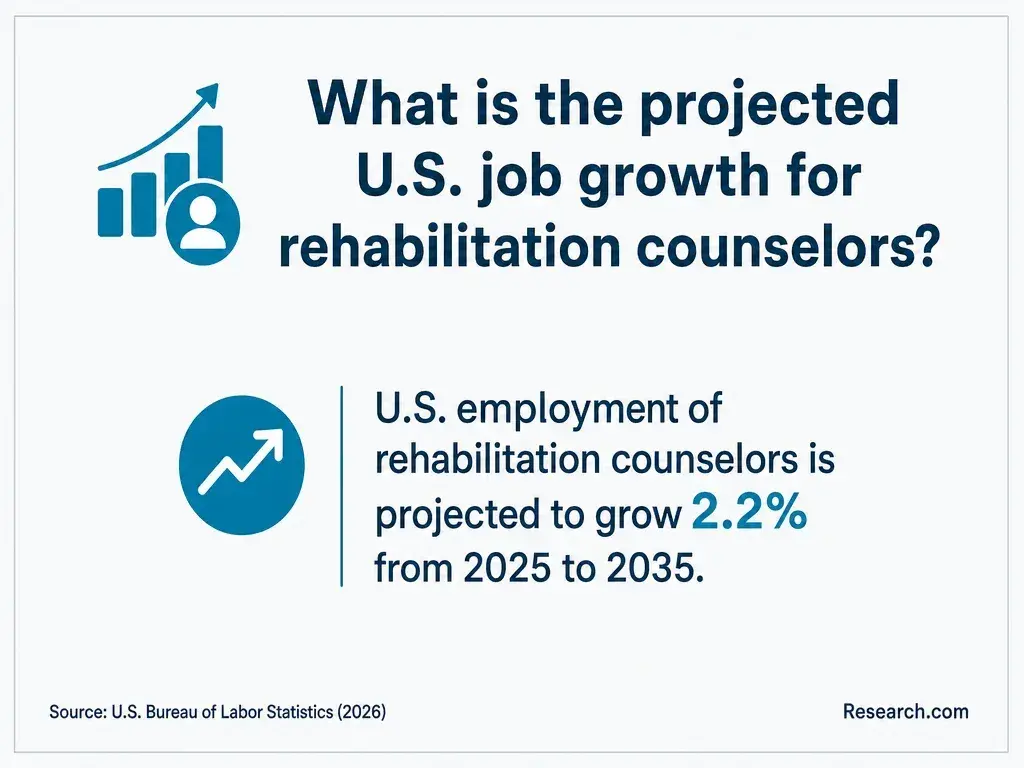
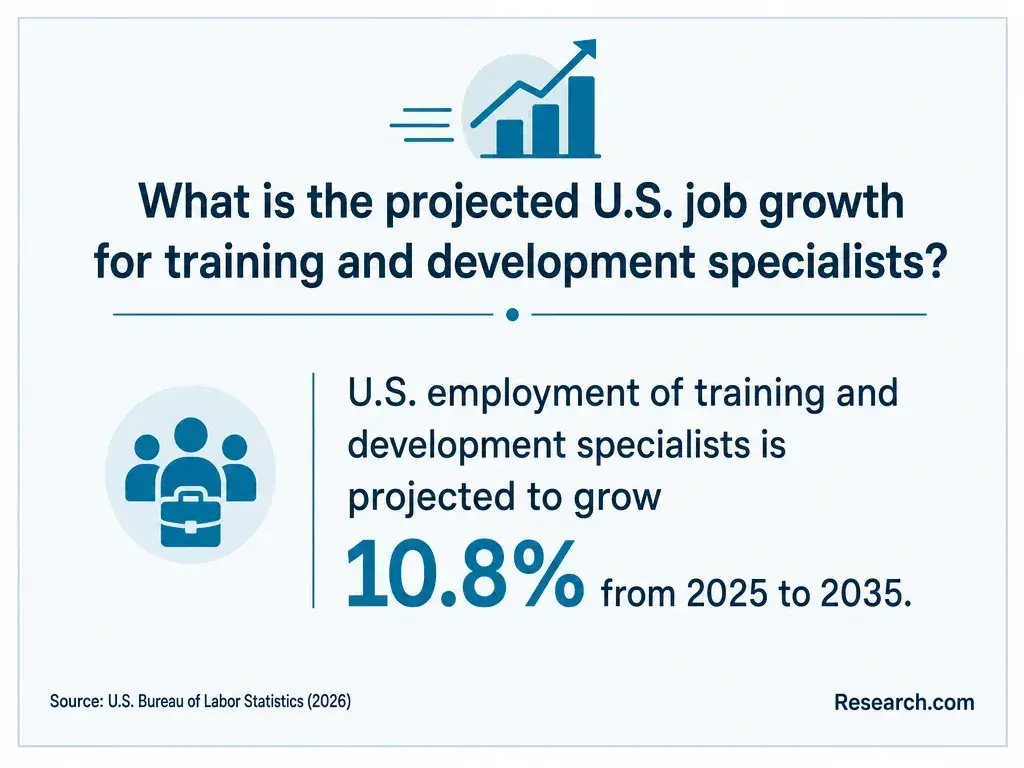
There is no sound salary figure for everyone who completes either academic route. Pay and hiring prospects attach to an occupation, location, employer, and experience level, not to a mental health focus or sociology minor by itself. The U.S. Bureau of Labor Statistics Occupational Outlook Handbook can provide occupation-wide pay and projection data once you have identified an appropriate target job.
For example, compare postings for intake support with the duties and qualifications reported for relevant social and human service occupations; compare research-support postings with their actual data and experience requirements. Do not use psychologist or licensed-counselor wages to estimate the return on a BA.
Nor should the possibility of a quick additional degree be mistaken for a salary shortcut: online forensic psychology master's graduation planning addresses study time, while occupational eligibility remains a separate question.
For a practical earnings comparison, collect local postings for jobs you would pursue after graduation and note the required experience, credentials, schedule, and stated pay alongside the occupation-wide statistics.
How Should You Choose Between These Psychology Degree Paths?
Start with the work you want to do, then test each route against its curriculum and your actual completion plan. The following sequence keeps an appealing course label from outweighing job requirements or avoidable extra cost.
- Name a target role or graduate program and obtain its published entry requirements; separate required qualifications from preferred coursework.
- Compare available upper-level courses, methods training, and supervised nonclinical opportunities against the tasks you hope to perform.
- Request degree audits for both routes and compare remaining courses, scheduling, total charges, and any in-person obligations.
- Choose the route that closes a meaningful skill gap without delaying a required credential or adding courses that do not serve your goal.
The mental health focus is the stronger fit when you want sustained exposure to behavioral-health concepts and service settings. The sociology minor is the stronger fit when community conditions, institutions, and population-level questions are central to your work.
If your existing experience already supplies one perspective, the other route may add more value. If your aim is licensed therapy, neither undergraduate designation replaces qualifying graduate education; compare that later step, including the feasibility of choosing a shorter clinical mental health counseling master's, before investing in extra undergraduate credits.
Other Things You Should Know About Psychology Programs
Possibly. Your school must permit both, and its catalog will determine whether courses may count toward each requirement. Ask for a combined degree audit before declaring them.
That depends on institutional policy. Ask whether the minor appears on the transcript, diploma, both, or neither; confirm how the mental health focus is recorded too.
A literature-based brief comparing evidence on a community mental-health issue can demonstrate research and writing skills. Use public sources and clearly distinguish published findings from your recommendations; do not include confidential client information.
Yes, if a target employer values demonstrated outreach, research, or program-support skills more than additional coursework. Compare postings and seek relevant, appropriately supervised experience before paying for credits you may not need.
- Frequently Asked Questions for Mental Health Counselors | nysed.gov https://www.op.nysed.gov/professions/mental-health-counselors/faqs-education-requirements
- Behavioral Health Practicum, Internship, and Field Experience Opportunities | NC DAC https://www.dac.nc.gov/divisions-and-sections/health-services/behavioral-health-practicum-internship-and-field-experience-opportunities
- College Accreditation | U.S. Department of Education http://www.ed.gov/laws-and-policy/higher-education-laws-and-policy/college-accreditation
- Requirements Related to the Practice of Counseling - NCBI https://www.ncbi.nlm.nih.gov/books/NBK259170/
- B.S. in Psychology Curriculum | Nova Southeastern University https://psychology.nova.edu/degrees/bachelors/psychology/curriculum.html
- What Degree Do I Need to Become a Counselor or Therapist? | Palo Alto University https://paloaltou.edu/resources/blog/what-degree-do-i-need-become-counselor-or-therapist
- Sociology (SOCL) | Northeastern University Academic Catalog https://catalog.northeastern.edu/course-descriptions/socl/
- Counseling & Therapy (Graduate Education Required) | ucdavis.edu https://yellowcluster.ucdavis.edu/psychology-career-pathways/helping-professions/counseling-and-therapy-careers
- How to Finish Your Degree Online | University of North Carolina Wilmington https://flex-online.uncw.edu/blog/online-degree-completion/
- Bachelor of Arts in Psychology - Texas State's online programs https://online.txst.edu/degrees/undergraduate/ba-psychology/