2027 Online BA in Psychology - Mental Health for Work in Youth Mentoring Organizations: Compare Degree Fit and Hiring Requirements
Audited and Verified:
Our Editorial and Data Verification Process
Research.com uses government datasets, official education statistics and primary institutional information to support its career and degree guides. Our review process checks factual accuracy, occupational definitions, source dates and the requirements associated with the credentials discussed.
How This Article Was Fact-Checked
Our editorial team verifies salary estimates, employment projections, education requirements and program information against original data providers and official organizations. Salary figures are checked against the relevant occupational definitions and reporting periods. Information about licensure, accreditation and required in-person training is reviewed separately.
Fact-checked and verified on:

Co-Founder and Chief Data Scientist
Youth mentoring organizations need staff who can build supportive relationships with young people, recognize when additional help is needed, and follow clear safeguarding procedures. An online BA in psychology can help, but its value depends on the job: coordinating mentors is different from providing mental health treatment. This guide is for prospective students, volunteers, and nonprofit staff deciding whether the degree fits their next role. It compares hiring expectations, practical experience, online study, costs, and credential boundaries so you can choose a useful path without paying for education the job does not require.
Key Things You Should Know
- An online psychology BA can support mentoring, outreach, and program coordination, but it does not qualify someone to diagnose or provide psychotherapy.
- For youth-facing jobs, employers may weigh safeguarding training, background screening, supervised experience, and referral judgment alongside a degree.
- The U.S. Bureau of Labor Statistics reports a May 2024 median annual wage of $45,120 for social and human service assistants; that occupation-wide figure is not a salary estimate for psychology graduates or mentoring staff specifically.
What can an online bachelor's degree in psychology prepare you for in youth mentoring?
A psychology BA can provide a foundation for nonclinical youth support: understanding adolescent development, communicating respectfully with families, evaluating evidence, and recognizing the limits of your role. Those skills can inform mentor recruitment and training, matching, check-ins, outreach, and referrals. The degree does not replace an organization's procedures for responding to safety concerns.
Fit depends on the work you already do. A volunteer mentor may gain more immediate value from supervised experience and safeguarding training; a program employee seeking broader responsibilities may benefit from the BA's research and program-evaluation coursework. When reviewing online psychology education pathways, look for opportunities to apply coursework to youth-serving settings rather than relying on a degree title or a mental-health-themed elective.
What hiring requirements do youth mentoring organizations expect for mental health roles?
"Mental health role" is not one standard job description. A mentoring coordinator might schedule matches, document concerns, and connect families with services. A clinician who treats participating youth has a different scope of work and typically needs a qualifying professional credential. The employer's job posting - not the organization's mission statement - should establish which role is being filled.
For nonclinical youth-facing positions, compare postings for degree requirements, experience with minors, background checks, safeguarding and mandated-reporting training, documentation duties, and required hours or travel. Ask who supervises difficult cases and whether the employee makes referrals or delivers services. If your goal is general youth mentoring, even a shorter undergraduate forensic psychology degree is unlikely to be a more direct qualification unless the actual job calls for justice-system knowledge.
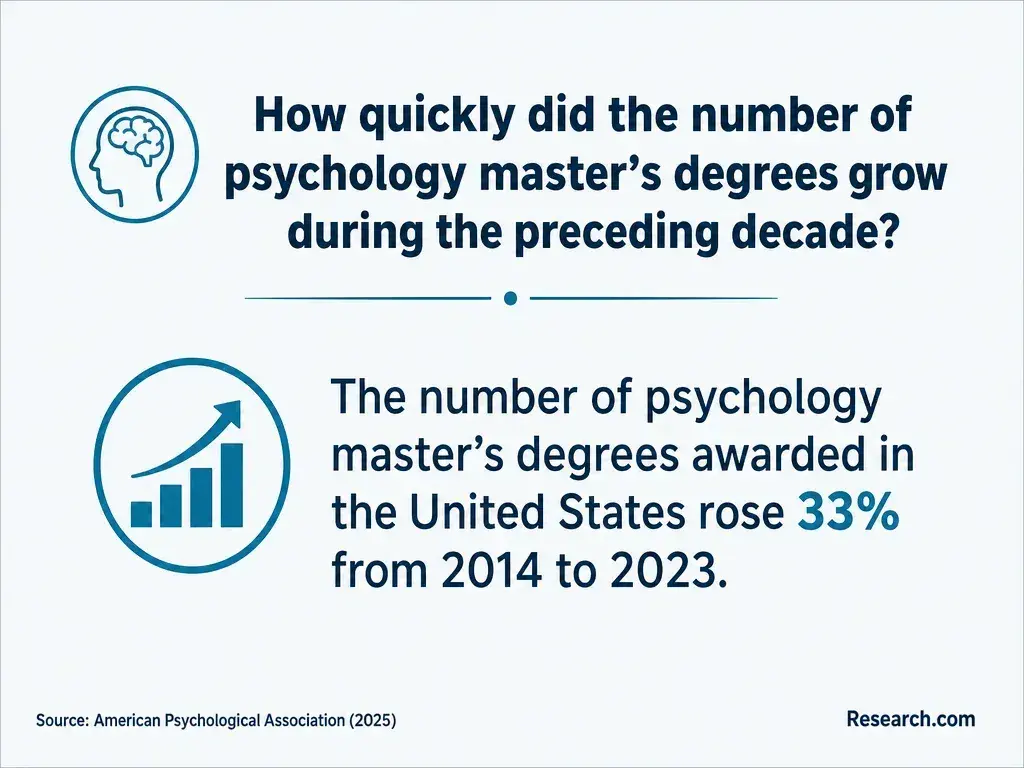
Can a psychology bachelor's degree qualify you for mental health work with youth?
Yes, for some support work; no, for independent clinical practice. A graduate may be considered for mentoring, prevention outreach, intake support, or service coordination if they meet the employer's other requirements. Studying psychopathology or counseling theories does not authorize diagnosis, psychotherapy, or independent clinical assessment.
If your intended job is to treat young people, work backward from your state's licensing rules and the specific profession you want to enter. A qualifying counseling, social-work, or other professional pathway may be more direct than a general psychology BA followed by unrelated graduate study. Compare program eligibility as well as counseling degree affordability and accreditation; a lower price does not make a program suitable for a particular license.
For mentoring careers, the consequential difference is usually access to experience, not whether lectures appear on a screen. Either format can teach psychology; neither guarantees a youth-serving placement. This comparison highlights what to verify before choosing.
| Decision factor | Online BA | On-campus BA |
| Course scheduling | May reduce commuting, but live meetings and deadlines still apply | Usually requires campus attendance at set times |
| Youth-serving experience | May require the student to locate a local, approved site | May offer nearby partnerships, subject to availability |
| Faculty and peer contact | Depends on advising, virtual meetings, and course design | Depends on advising access and campus participation |
Ask each school whether an internship is required or optional, who secures and approves the site, and whether evening or weekend supervision is available. Psychology degree completion through accelerated study may shorten the academic schedule, but it cannot eliminate an employer's screening or experience requirements.
Prioritize courses that match mentoring tasks. Developmental psychology informs age-appropriate expectations; social and cultural psychology can improve communication across families and communities; research methods and statistics help staff assess program claims without mistaking association for proof of impact. Abnormal psychology can build literacy about mental health concerns, not clinical competence.
Useful electives may cover family systems, trauma-informed approaches, substance use, or community psychology, depending on availability. Pair classroom learning with supervised practice in confidentiality, documenting observations without diagnosing, escalating safety concerns, and making referrals. If the target role is substance-use counseling rather than mentoring, investigate the separate credential pathway and aid eligibility for online substance use counseling study before choosing electives as a substitute for professional preparation.
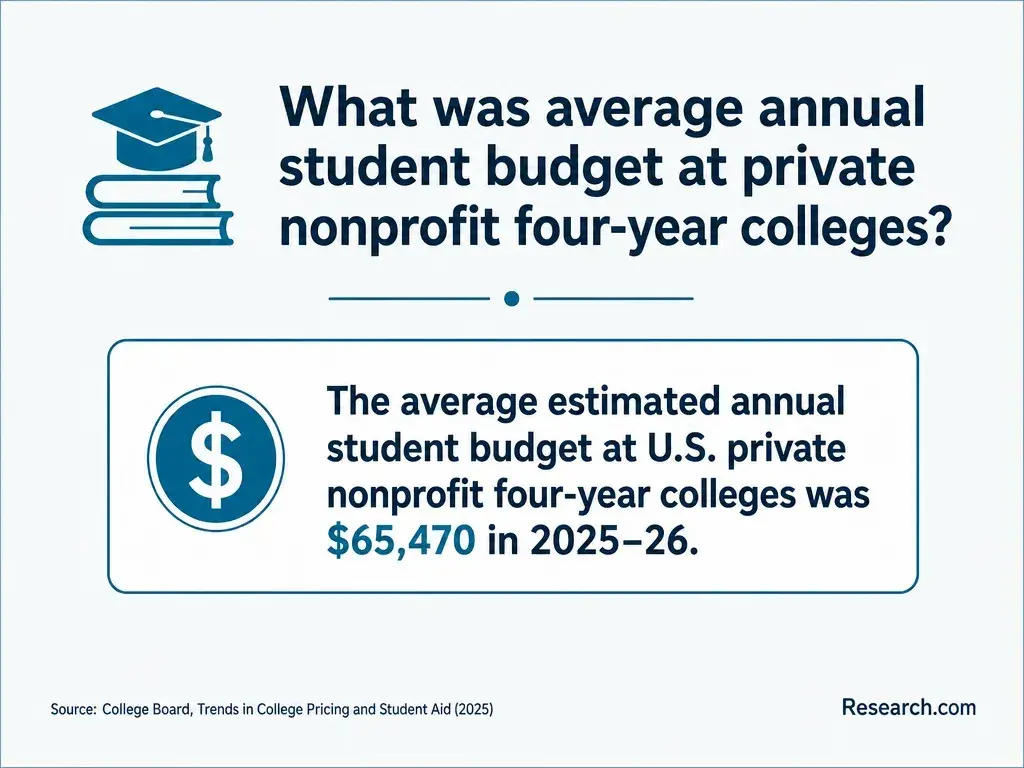
Check that the institution holds recognized accreditation and that the online BA is offered by that institution. Confirm its status through the school and the accreditor, and ask how the degree appears on the transcript. Accreditation supports an institution's standing; it does not certify that a graduate is qualified to counsel youth.
Do not reject a general psychology BA because it lacks APA accreditation: APA accreditation applies to specified professional psychology programs and training, not general undergraduate psychology majors. If graduate study is part of your plan, review the next program's accreditation and state-specific eligibility separately. This distinction matters when finding a lower-cost psychology master's degree: an affordable nonclinical master's may advance knowledge without meeting counseling licensure requirements.
Requirements vary by school and by whether you are a first-time or transfer applicant. Schools commonly request prior academic records and proof of secondary-school completion or prior college study; some have separate requirements for entry to the psychology major. Verify the policy for your intended start term rather than assuming that admission to the university settles every major requirement.
If you have college credit, request a written degree audit showing which courses satisfy general education, psychology, statistics, and remaining graduation requirements. Psychology programs that accept transfer credits can still differ in how those credits apply. For someone already working in a mentoring organization, ask whether prior employment can support a supervised academic experience - but do not assume the job automatically counts as a placement.
Completion time depends on accepted credits, course availability, enrollment pace, and any placement or capstone requirements. An accelerated calendar is not necessarily faster for a student who cannot take its full course load. Request a term-by-term plan that includes statistics prerequisites and the courses needed to graduate.
Compare the total remaining cost, not advertised tuition alone: required fees, books, technology, travel to a youth-serving site, and any unpaid placement time can change the calculation. Ask financial-aid staff how your proposed enrollment pace affects eligibility, and compare that estimate with lower-cost online psychology study pathways. If a mentoring employer offers training or tuition assistance, confirm its conditions before treating it as funding.
Possible targets include mentor coordinator, youth program assistant, outreach worker, intake support worker, and program-evaluation assistant. Titles overlap, so inspect duties: matching and supporting volunteers, tracking participation, connecting families to resources, and reporting program activity call for different evidence of readiness. A BA may strengthen an application, while a particular employer may prefer direct youth-work experience or a different major.
The U.S. Bureau of Labor Statistics reports a May 2024 median annual wage of $45,120 for social and human service assistants, an occupation that can include relevant support duties. It is not a mentoring-specific wage or a prediction for a new psychology graduate; location, employer budget, responsibilities, and experience matter. Before investing in psychology graduate programs with compressed schedules, check whether your target postings actually require a master's and whether that degree would qualify you for the work described.
Do youth mentoring mental health roles require licenses or certifications?
Many nonclinical mentoring jobs do not require a professional mental health license, but employers can require background screening, safeguarding training, and other role-specific preparation. Rules for mandated reporting and work with minors vary by jurisdiction and setting. Ask the organization which training it provides, which credentials it requires before hire, and who handles clinical referrals and urgent safety concerns.
Psychotherapy, diagnosis, and other regulated services require the qualifications specified for the profession and state. Neither a psychology BA nor a shorter forensic psychology master's program should be treated as a shortcut to clinical authority. The practical test is whether the credential meets the regulator's rules and whether the job's actual duties fall within the holder's permitted scope.
Other Things You Should Know About Psychology
Yes, it can demonstrate reliability and experience with young people. Keep a record of your responsibilities and training, but check each employer's paid-experience and screening requirements.
Follow the organization's safeguarding and reporting procedures immediately. Do not promise secrecy, investigate independently, or attempt to provide therapy.
Only if the degree program approves the site, supervision, duties, and academic work. Employer permission alone does not establish course credit.
Track approved measures such as participation and match retention, and report limitations honestly. Obtain required permission before using youth information; attendance alone does not prove a mental health benefit.
- Accreditation in the U.S. | ed.gov http://www.ed.gov/laws-and-policy/higher-education-laws-and-policy/college-accreditation/accreditation-in-the-us
- Exploring Career Opportunities and Trends in Adolescent Psychology | Texas State https://online.txst.edu/degrees/undergraduate/ba-psychology/bap-career-opportunities-trends/
- Chapter 22., Section 2. Recruiting Mentors for Your Programs | ku.edu https://ctb.ku.edu/en/table-of-contents/implement/youth-mentoring/recruit-members/main
- Understanding Accreditation for Online Degrees | UMass Global https://www.umassglobal.edu/blog-news/online-degrees-accredited-identify-quality-distance-learning-programs
- How to Become a Licensed Mental Health Counselor | NU-MAC https://counseling.northwestern.edu/blog/become-mental-health-counselor/
- Online Bachelor's Degree in Psychology | OU Online https://online.ou.edu/program/ba-in-psychology/
- Become a Mentor. Transform a Young Life Today https://mentoring.org/take-action/become-a-mentor/