2027 Paying for an Online BA in Psychology - General Psychology: Dropping a Course After the Refund Deadline
Audited and Verified:
Our Editorial and Data Verification Process
Research.com uses government datasets, official education statistics and primary institutional information to support its career and degree guides. Our review process checks factual accuracy, occupational definitions, source dates and the requirements associated with the credentials discussed.
How This Article Was Fact-Checked
Our editorial team verifies salary estimates, employment projections, education requirements and program information against original data providers and official organizations. Salary figures are checked against the relevant occupational definitions and reporting periods. Information about licensure, accreditation and required in-person training is reviewed separately.
Fact-checked and verified on:

Co-Founder and Chief Data Scientist
Missing the refund deadline for an online general psychology course does not mean you must stay enrolled. It does mean that withdrawing could leave you owing tuition while changing your financial aid and graduation plan. If you are balancing a psychology BA with work, caregiving, or a return to college, the dates and consequences can be especially hard to untangle.
This guide explains what to check before you act, when an appeal may help, and how to protect your path through the degree.
Key Things You Should Know
- After the refund deadline, you can often withdraw before a separate withdrawal deadline, but you may still owe the course's full tuition and fees.
- Withdrawing from one course can affect aid, loan eligibility, and satisfactory academic progress; withdrawing from every course can also trigger a federal aid-return calculation.
- Before submitting a withdrawal, confirm the course-specific dates, written balance estimate, aid consequences, and next offering of any required psychology course.
What happens when you drop an online psychology course after the refund deadline?
At many schools, the refund deadline and the academic withdrawal deadline are different. After the first passes, you may still be able to withdraw and receive a "W" rather than a grade, but the school's tuition policy may provide no refund. If the withdrawal deadline has also passed, you may need approval for a late withdrawal; simply stopping participation usually does not remove you from the course.
Check the dates for your specific course section, not just the semester calendar. Online BA programs may offer short sessions within a longer term, each with its own deadlines. This matters if you chose a compressed schedule to finish sooner: the practical window to change plans may be shorter than you expect. The same scheduling question is worth asking when considering accelerated undergraduate forensic psychology study; an advertised completion timeline does not tell you when an individual course becomes nonrefundable.
Will you still owe tuition after withdrawing from a psychology course?
Possibly all of it. A withdrawal notation is an academic outcome, not a cancellation of charges. Your balance depends on the school's refund schedule, whether it charges by credit or by term, which fees are refundable, and whether an aid adjustment changes the amount already paid toward your bill. A term-based price may not decrease when you drop one course.
Ask the student accounts office for a written estimate showing tuition, fees, any institutional refund, anticipated aid changes, and the resulting balance. Treat that estimate as provisional until the withdrawal and aid review are processed. When comparing programs, examine the actual charge and refund rules alongside advertised tuition; forensic psychology program costs and entry requirements are a useful example of why a headline price alone cannot show the financial risk of changing enrollment.
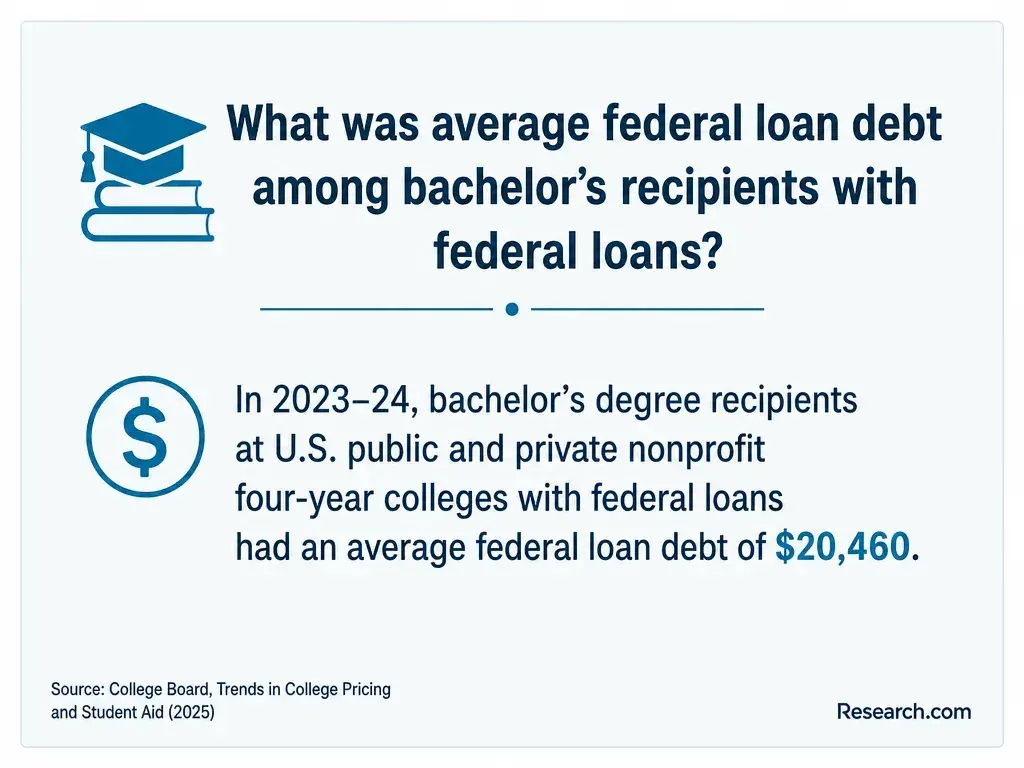
How can dropping a course affect your financial aid and student loans?
The effect depends on the aid source, the date, and whether you remain enrolled in other courses. Dropping below half-time enrollment can affect eligibility for new federal Direct Loan disbursements and may start the process that leads to repayment on existing loans, subject to the loan's terms. Grants, state aid, scholarships, and employer benefits can have different enrollment conditions. Ask financial aid to assess your post-withdrawal credit load rather than assuming your original award will remain unchanged.
Withdrawing from all courses in a payment period raises a separate issue: the school may have to calculate how much federal Title IV aid you earned under Return of Title IV Funds rules. After the 60% point of the applicable payment period, federal aid is generally considered fully earned for that calculation; this does not mean the school must refund tuition or that other aid is unaffected. Courses taught in modules can make the calculation more complicated, so get an individualized answer before leaving your last active class.
Lower prices for a future degree will not resolve a balance from this term. If graduate study is in your plans, compare lower-tuition psychology master's options separately from the immediate question of what you owe for this BA course.
Schools use these terms differently, but the distinction usually turns on when your enrollment ends and what appears on your transcript. The comparison below identifies the common outcomes; your registrar's definitions control.
| Outcome | Typical transcript result | Typical academic consequence |
| Drop during the add/drop period | Often no course entry | Usually no course grade; refund and aid rules still depend on timing |
| Withdrawal after add/drop | Usually a W | Typically no GPA effect, but attempted credits may count in aid-progress calculations |
| Remain enrolled and fail | Failing grade | Usually affects GPA and may require a repeat to satisfy a degree requirement |
Do not assume that missing the refund deadline means you must accept an F, or that withdrawing guarantees a W regardless of date. Also check whether your school uses a different notation for a late or nonattendance withdrawal. If you later move from general psychology toward a professional program, its transcript-review rules may differ from your BA school's rules; compare them before relying on a W as the better outcome. For example, accelerated accredited clinical mental health counseling programs are distinct graduate pathways, not a continuation of your BA's grading policy.
Yes. For federal aid, satisfactory academic progress (SAP) includes a GPA measure, a pace measure comparing completed with attempted credits, and a maximum timeframe. A W generally does not lower your GPA, but a course attempted and not completed can lower your completion pace. Whether one withdrawal puts you below your school's standard depends on your existing record, the school's published policy, and when it evaluates SAP.
Ask financial aid to show how the proposed withdrawal would change your attempted and completed credits and whether any warning, appeal, or academic plan would apply. Switching programs is not an automatic reset: if you later pursue degree pathways for substance use counseling work, ask the receiving school how it evaluates prior coursework and aid eligibility. A general psychology BA and a counseling credential can have different academic and professional requirements.
The delay depends less on the W itself than on which course you leave. Withdrawing from an elective offered every session may have little effect. Leaving statistics, research methods, or a required general psychology course could block later courses if it is a prerequisite or offered infrequently. A repeat may also use credits and tuition that your original plan did not include.
Request an updated degree audit and ask when the requirement is next available, whether a suitable approved equivalent exists, and how the change affects your expected completion term. Do not register for a substitute elsewhere without written confirmation that it will satisfy the requirement. This course sequencing check also matters if you are weighing shorter graduate degree timelines in forensic psychology: a fast graduate option cannot compensate for a missing BA prerequisite or delayed graduation.
Get answers before the withdrawal deadline, ideally in writing. The sequence below helps you compare the cost of staying with the cost of leaving.
- Find the refund and withdrawal deadlines for your exact section, and confirm how to submit an official withdrawal.
- Ask the instructor and academic advisor whether a realistic completion plan, approved accommodation, or incomplete is available under school policy.
- Ask student accounts what you would owe and financial aid how your grants, loans, enrollment status, and SAP would change.
- Check the degree audit and next offering of the course, especially if it is a prerequisite for statistics, research methods, or a capstone.
- Save the policy, written estimates, and submission confirmation; then act before the applicable deadline.
If work or caregiving conflicts caused the problem, compare the actual weekly commitments of a replacement course rather than assuming another online section will be easier. The same caution applies to later fast-track online clinical counseling master's options, which may have scheduling and supervised-training obligations beyond online coursework.
A late academic withdrawal and a tuition adjustment are usually separate requests with separate decision-makers. Start with the registrar or academic advising office for the transcript outcome and student accounts for the charge. Ask for each policy's deadline, eligibility criteria, documentation requirements, and appeal route. Approval of one request does not imply approval of the other.
Explain the dates, what prevented timely action, when you contacted the school, and the specific remedy you seek. Provide relevant documentation while limiting unnecessary medical or other sensitive details. If you work in an addiction recovery job family or another service role with unpredictable hours, describe the documented schedule conflict rather than assuming employment alone qualifies for an exception. Keep attending or communicating with the instructor while the request is pending unless the school directs otherwise, and ask how a successful appeal would affect aid and your account balance.
One W does not ordinarily prevent you from completing a general psychology BA. The important questions are whether you still meet major and graduation requirements, whether repeated withdrawals affect aid or academic standing, and whether the course was needed for your intended next step. Preserve the updated degree audit and check any future program's actual prerequisite and application rules.
A general psychology BA provides academic preparation; it does not authorize psychotherapy, diagnosis, or independent psychological assessment. If your goal is a regulated profession, identify its required degree, supervised experience, and jurisdictional rules before deciding that retaking a particular elective will advance that goal. Likewise, career planning with a forensic psychology graduate degree should distinguish nonclinical work from licensed forensic practice. Protect required coursework first; do not pay to repeat an optional course solely because its subject sounds professionally relevant.
How can you choose an accredited online psychology program with flexible withdrawal policies?
For a current or prospective student, check institution-level accreditation through the institution and its recognized accreditor, then review the policy that applies to your entry term. General psychology BA programs are not made professionally licensure-qualifying by institutional accreditation, and APA accreditation should not be assumed to apply to an undergraduate major.
Compare the practical flexibility of schools: section-specific refund and withdrawal dates; course lengths; access to advising and financial aid staff; late-withdrawal and tuition-appeal procedures; repeat-course rules; and how often required courses run. Ask for written policies and a sample sequence, especially if employment or caregiving could interrupt a compressed session. A guide to selecting an online psychology bachelor's program can help build a shortlist, but the school must confirm the policies, costs, and degree requirements that would apply to you.
Other Things You Should Know About Psychology
It can be if you have completed substantial work and can finish the remainder within the school's deadline. An incomplete usually requires instructor approval and has conditions for converting to a final grade; it is not an automatic alternative to a W.
Check your employer's written benefit rules. Some plans require completion or a minimum grade and may require repayment even when the school does not refund the course.
Access depends on the learning platform and school policy and may end promptly. Save your own permitted notes and records before withdrawal, but follow course rules on downloading or retaining materials.
Only if your school permits reinstatement and approves it within its applicable timeframe. Contact the registrar immediately; do not assume you can resume participation merely because the online classroom remains visible.
- Staying Eligible | Federal Student Aid https://studentaid.gov/understand-aid/eligibility/staying-eligible
- Refund Policies - Bursar's Office - The University of Arizona https://bursar.arizona.edu/refunds/options/policies
- Academic Standing | Howard University https://howard.edu/academics/academic-standing
- Student Tuition Appeals and Late Drops | Ohio University https://www.ohio.edu/provost/tuition-appeals-drops
- Excused Withdrawal | Office of the University Registrar https://registrar.temple.edu/excused-withdrawal
- Impact of Withdrawal on Students Receiving Federal Financial Aid | Student Account Services https://studentaccounts.ua.edu/impact-of-withdrawal-on-students-receiving-federal-financial-aid/
- Withdrawals and Return of Title IV Aid | Northwestern Michigan College https://www.nmc.edu/financial-aid/withdrawals-and-return-of-title-iv-aid.html
- Learn more about Satisfactory Academic Progress (SAP) | UW-La Crosse https://www.uwlax.edu/finaid/actions/understand-satisfactory-academic-progress-sap/