2027 Online BA in Psychology - Mental Health vs. a Bachelor's in Public Health: Compare Curriculum, Cost, and Career Fit
Audited and Verified:
Our Editorial and Data Verification Process
Research.com uses government datasets, official education statistics and primary institutional information to support its career and degree guides. Our review process checks factual accuracy, occupational definitions, source dates and the requirements associated with the credentials discussed.
How This Article Was Fact-Checked
Our editorial team verifies salary estimates, employment projections, education requirements and program information against original data providers and official organizations. Salary figures are checked against the relevant occupational definitions and reporting periods. Information about licensure, accreditation and required in-person training is reviewed separately.
Fact-checked and verified on:

Co-Founder and Chief Data Scientist
If you want to improve mental health, your choice of major depends on whether you hope to understand and support individuals or prevent problems across communities. An online psychology BA with a mental-health focus and a bachelor's in public health can both lead to meaningful nonclinical work, but they teach different methods and do not confer the same career preparation.
This comparison is for prospective students, transfer applicants, and career changers weighing curriculum, total cost, practical experience, and future qualifications. It will help you choose a degree around the work you actually want to do.
Key Things You Should Know
- Choose psychology for deeper study of behavior and mental-health concepts; choose public health for population-level prevention, outreach, and program evaluation.
- Neither bachelor's degree qualifies you to diagnose conditions or provide psychotherapy. Compare supervised experience and the requirements of your target job or graduate program.
- Compare the cost of credits still required, not advertised tuition alone: a typical 120-credit bachelor's degree can take eight semesters at 15 credits per semester before transfer credits or scheduling constraints are considered.
What Is the Difference Between an Online BA in Psychology and a Bachelor's in Public Health?
A psychology BA studies behavior, thought, development, and research about people. A mental-health focus may add courses on psychopathology, addiction, or service systems, but its status varies: it could be an official concentration, a set of electives, or simply a program description. Check the transcript designation and required courses rather than assuming the label signals a separate credential.
A bachelor's in public health studies health across populations. Students examine prevention, social and environmental influences on health, epidemiology, health communication, and how programs reach communities. Mental health can be its subject - such as evaluating a suicide-prevention initiative - but the unit of work is often a population or service system rather than an individual's psychological processes.
Degree names alone are an imperfect guide. One psychology program may offer substantial statistics and community research; another may not. An online psychology degree selection guide can help you identify options, but compare each school's actual catalog with your intended career or next degree.
How Do Psychology and Public Health Bachelor's Curricula Compare?
The table shows the typical academic emphasis of each route, not guaranteed courses at every school. Use it to identify the skills you would need to add through electives, projects, or experience.
| Area | Psychology BA with mental-health focus | Public health bachelor's |
| Core questions | How do people think, develop, behave, and respond to their environments? | What shapes health across groups, and which prevention strategies reach them? |
| Methods | Psychological research design, statistics, and interpretation of behavioral evidence | Epidemiology, population data, program planning, and evaluation |
| Mental-health study | Psychopathology or addiction as academic subjects; sometimes service-system electives | Prevention, access to care, health disparities, and community interventions |
| Potential applied work | Faculty research or an approved nonclinical human-services placement | Community assessment, outreach, or an approved public-health project |
Look past course titles. If your goal is to assess whether an outreach program works, seek training in measurement, statistics, and evaluation in either major. If you want to understand individual behavior before pursuing graduate clinical training, prioritize a strong psychology methods sequence. An addiction-focused option, such as those discussed in accredited addiction psychology undergraduate education, adds subject knowledge; it does not itself grant a counseling credential.
What Careers Can You Pursue With Each Bachelor's Degree?
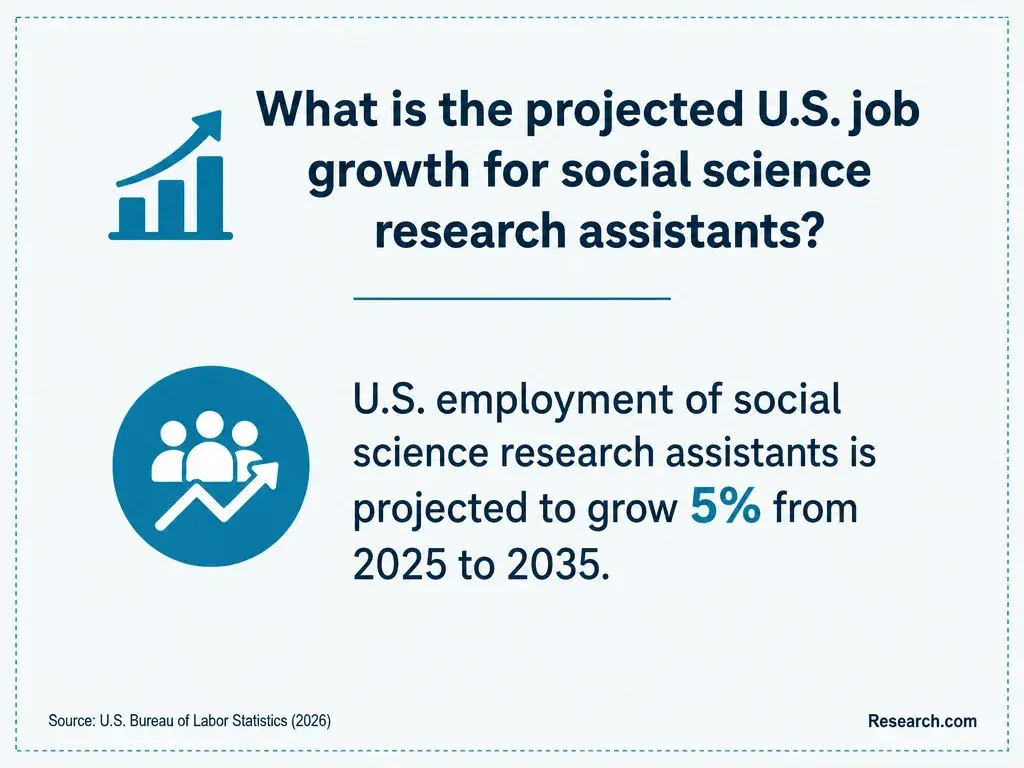
Both degrees can support applications for nonclinical roles, but employers hire for duties and experience, not a major label alone. Psychology may fit behavioral-health intake, research support, victim services, or human-services coordination. Public health may fit community health outreach, prevention-program support, health communication, or entry-level evaluation work. Some positions accept either degree; others specify experience, certification, or a different qualification.
For example, a behavioral-health support worker might document service needs and make referrals under organizational procedures, while a community health worker might connect residents with resources and help deliver outreach. Neither role is interchangeable with independent diagnosis or therapy. Work involving children, protected health information, or crisis response may also require screening, training, and strict role boundaries.
Students drawn to justice settings should compare actual job duties before choosing a specialization. An online forensic psychology degree selection guide may help with that narrower choice; forensic coursework alone does not confer investigative authority or qualify someone to conduct forensic assessments.
Neither major has an inherently lower price. Your cost depends on the institution's charges, accepted credits that apply to graduation requirements, enrollment pace, aid, and any required in-person experience. Published tuition per credit is only one input.
The following comparison identifies charges that can change the total even when two programs advertise similar tuition. Request a written, program-specific estimate rather than treating either column as a quoted price.
| Cost component | What to check in either degree |
| Tuition | Rate per credit or term; remaining credits after the degree audit |
| Required fees | Online, technology, course, and graduation charges |
| Applied experience | Placement travel, background checks, or unpaid hours, if required |
| Time away from work | Whether scheduled classes or field hours reduce earnings |
For a fair comparison, calculate required remaining credits × applicable tuition rate, then add fees and realistic experience-related costs. Ask each financial-aid office how your enrollment pace affects eligibility and whether employer assistance is available. Students considering addiction-related study can also review comparing grants for undergraduate addiction counseling study, while confirming that any aid applies to the specific program they choose.
A bachelor's program commonly requires about 120 semester credits. At 15 credits each fall and spring semester, that represents roughly four academic years without applicable prior credit. Neither major is automatically faster: transfer evaluation, prerequisites, course rotation, and an internship or capstone can determine the actual finish date.
Transfer students should ask for a term-by-term plan showing when statistics, research methods, epidemiology, and other required courses are offered. A school may accept a course as elective credit without allowing it to replace a major requirement.
If speed is decisive, compare documented schedules rather than assuming shorter terms mean less work; shorter forensic psychology BA and BS timelines illustrate why completion claims need to be checked against starting credits and required course sequences.
First-year applicants generally need the institution's undergraduate application and evidence of secondary-school completion; transfer applicants generally submit college transcripts. Some schools also set minimum academic standards or separate requirements for entering a major. Neither introductory psychology nor prior public-health coursework should be assumed to be a universal admission prerequisite.
For a returning student, admission is only the first decision. The registrar or authorized transfer office must determine which credits are accepted, and an approved degree audit must show which ones satisfy general education, major, and residency requirements. Request that audit before committing, especially if you have an associate degree or prior statistics coursework.
A guide to psychology degree transfer pathways can help you frame questions, but only the enrolling institution can approve your credits.
Online delivery changes access, not the academic or professional standard of the degree. Recorded lectures may suit working students, while live meetings, group projects, exams, research supervision, and community placements can still have fixed schedules. Public-health projects may depend on a local organization; psychology students seeking research experience may need to arrange access to a faculty team or an approved remote project.
Campus study can make in-person labs, faculty contact, and local networking easier. Online study may reduce commuting but can shift more responsibility to the student to secure suitable experiences. Before choosing either format, ask who arranges placements, whether local sites are allowed, and whether any campus visits are mandatory. When reviewing fast-track bachelor's study in psychology, check weekly workload and required meeting times - not just the advertised finish date.
Start by confirming that the institution holds recognized institutional accreditation and that the accreditation covers the institution offering the online degree. Then check whether any program-specific recognition matters for your intended next step. The Council on Education for Public Health accredits eligible public-health programs, but not every bachelor's offering has separate program accreditation. Verify the status of the exact degree rather than the university's public-health branding.
The American Psychological Association does not accredit general undergraduate psychology majors. A psychology BA's institutional accreditation should not be confused with accreditation of a future clinical or counseling program. If licensed counseling is your goal, investigate the graduate program's applicable accreditation and your state board's rules; accredited clinical counseling program timeline comparisons concern that later, distinct qualification.
No reliable occupation-wide wage represents "psychology BA graduates" or "public health graduates." For a role accessible through several educational routes, the U.S. Bureau of Labor Statistics reported a $48,200 median annual wage for community health workers in May 2023. That is the midpoint for people employed in the occupation, not a starting salary or an expected return on either degree.
Its Occupational Outlook Handbook also provides occupation-specific projections; check the latest edition and local postings before relying on an outlook figure for your area.
Pay and opportunities differ substantially between outreach, research support, and human-services positions, and experience can matter as much as major. Some higher-paid mental-health occupations require qualifying graduate education and licensure, so their wages should not be counted as bachelor's-level outcomes.
If further study is part of your financial plan, fast-paced master's study in psychology is one option to investigate, but a general psychology master's does not automatically qualify you for licensed clinical work.
Which Degree Is Better for Mental Health or Public Health Careers?
Choose the psychology BA if your priority is psychological theory, behavioral research, or preparation for a graduate program that values psychology coursework. Its mental-health focus can inform nonclinical support work, provided you also build relevant experience.
Choose public health if you want to plan prevention initiatives, communicate health information, work with community partners, or evaluate population-level services. Check that its methods courses and field opportunities match the jobs you intend to seek.
The recommendation changes if your target is licensed therapy: neither bachelor's degree is sufficient, and the qualifying graduate route and state requirements should drive your undergraduate course choices. A bachelor's in social work may be worth comparing if direct social-services practice is your principal goal. If you already hold a bachelor's and only need a specific skill for your current community role, a focused course or supervised project may cost less than earning another degree.
Before enrolling, compare two actual degree audits and course maps, then examine several target-job postings and any intended graduate program's prerequisites. For a counseling goal, investigate qualifying programs - not just speed - when considering faster-paced online mental health counseling master's study. This sequence keeps your decision tied to the qualification and work you want, rather than the appeal of a concentration name.
Other Things You Should Know About Psychology
Often, yes, through prevention, health equity, or community-program coursework. Check the catalog for mental-health electives and relevant projects rather than assuming they are required.
Diploma wording varies by institution. Ask the registrar for the exact diploma and transcript language if it matters to you.
No, but checking likely prerequisites now can preserve options. Compare required statistics, research, science, and fieldwork courses for any graduate routes you may pursue.
Possibly, if the program permits it and approves the duties, supervision, and learning objectives. Existing employment does not automatically count as an internship or capstone.
- Fast Facts: Tuition costs of colleges and universities (76) | ed.gov https://nces.ed.gov/fastfacts/display.asp
- Professional Counselor Licensure Requirements (LCPC) | Maryland.gov Enterprise Agency Template https://health.maryland.gov/bopc/pages/profcounselor.aspx
- Accreditation in the U.S. | ed.gov http://www.ed.gov/laws-and-policy/higher-education-laws-and-policy/college-accreditation/accreditation-in-the-us
- The Landscape of US Undergraduate Public Health Education | nih.gov https://pmc.ncbi.nlm.nih.gov/articles/PMC6134569/
- Frequently Asked Questions for Mental Health Counselors | nysed.gov https://www.op.nysed.gov/professions/mental-health-counselors/faqs-education-requirements
- BA in Health, Behavior, and Society: Undergraduate Programs | rochester.edu https://www.sas.rochester.edu/ph/undergraduate/majors/health-behavior-society.html
- Capstone for Current Students | UCLA Luskin https://luskin.ucla.edu/undergraduate-program/experiential-learning-2/experiential-learning-students
- MPH Fieldwork | Public Health | Binghamton University https://www.binghamton.edu/decker/public-health/academics/fieldwork.html
- Tuition and Fees Charts - Student Financial Services https://sfs.gsu.edu/resources/student-acct/tuition-breakdown/
- BS Community Health/MPH Epidemiology | ouhsc.edu https://publichealth.ouhsc.edu/academics/degree-programs/dual-degrees/bs-community-health-mph-epidemiology