2027 Online BA in Psychology - Mental Health for Work in Veteran Service Organizations: Compare Degree Fit and Hiring Requirements
Audited and Verified:
Our Editorial and Data Verification Process
Research.com uses government datasets, official education statistics and primary institutional information to support its career and degree guides. Our review process checks factual accuracy, occupational definitions, source dates and the requirements associated with the credentials discussed.
How This Article Was Fact-Checked
Our editorial team verifies salary estimates, employment projections, education requirements and program information against original data providers and official organizations. Salary figures are checked against the relevant occupational definitions and reporting periods. Information about licensure, accreditation and required in-person training is reviewed separately.
Fact-checked and verified on:

Co-Founder and Chief Data Scientist
A veteran service organization may need outreach staff, case coordinators, peer supporters, and licensed therapists - but those jobs require different preparation. If you are considering an online BA in psychology with a mental health focus, the useful question is whether its courses and applied experience match the work you want to do.
This guide compares realistic bachelor's-level roles with clinical pathways, explains what employers may require beyond a degree, and shows how to check an online program's fit before committing time and money.
Key Things You Should Know
- An online psychology BA can support outreach, intake, referrals, and program coordination in veteran services; it does not qualify you to diagnose or provide psychotherapy.
- For bachelor's-level jobs, relevant service experience, documentation skills, and knowledge of veteran referral systems may matter as much as a mental health concentration.
- Compare the degree against actual vacancies before enrolling: check institutional accreditation, total remaining credits, placement access, and any employer-specific credential requirements.
What can an online bachelor's degree in psychology prepare you to do in veteran service organizations?
A veteran service organization, or VSO, may be a nonprofit or community organization helping veterans and their families navigate benefits, housing, employment, social connection, or behavioral-health referrals. An online psychology BA can provide a foundation for nonclinical work in these settings: understanding behavior and stress, communicating respectfully, evaluating evidence, and supporting service delivery.
For someone already working in a nonprofit, military support role, or public agency, the degree may strengthen existing outreach or program skills rather than open an entirely new profession. A newcomer may need supervised experience to show that classroom learning translates into reliable intake, follow-up, and collaboration. Compare undergraduate psychology degree program choices by the skills and experiences they make possible, not by a mental health label alone.
Useful applied work might include preparing a resource directory, tracking aggregate referral outcomes, or evaluating whether outreach materials are accessible. Handling identifiable service records requires organizational permission and appropriate privacy safeguards; a student project does not create access to client data.
Which veteran service organization jobs accept a bachelor's degree in psychology?
Some VSO vacancies accept psychology among several related majors; others prioritize a BSW, human services degree, benefits expertise, lived experience, or a specific credential. Job titles are unreliable guides to scope, so compare the duties and qualifications in individual postings.
The distinctions below help separate plausible BA-entry work from jobs that require a different qualification.
| Role to investigate | Typical nonclinical work | Requirement to verify |
| Outreach or program coordinator | Build partnerships, organize events, track participation | Community experience, scheduling, and reporting skills |
| Intake or resource navigator | Document needs, explain resources, arrange referrals | Employer rules for screening, records, and supervision |
| Case coordination assistant | Follow up on service plans set within an agency's procedures | Whether the employer requires a social work degree or prior casework |
| Peer support worker | Offer support grounded in qualifying lived experience | Peer eligibility, training, and state or employer certification rules |
A psychology degree is not a substitute for peer eligibility, and an intake role should not be assumed to include clinical assessment. If your target is victim advocacy or justice-system support rather than general VSO services, forensic psychology admissions and education planning can help you assess that distinct route; forensic coursework itself grants neither investigative nor clinical authority.
What degree and license do mental health professionals need to treat veterans?
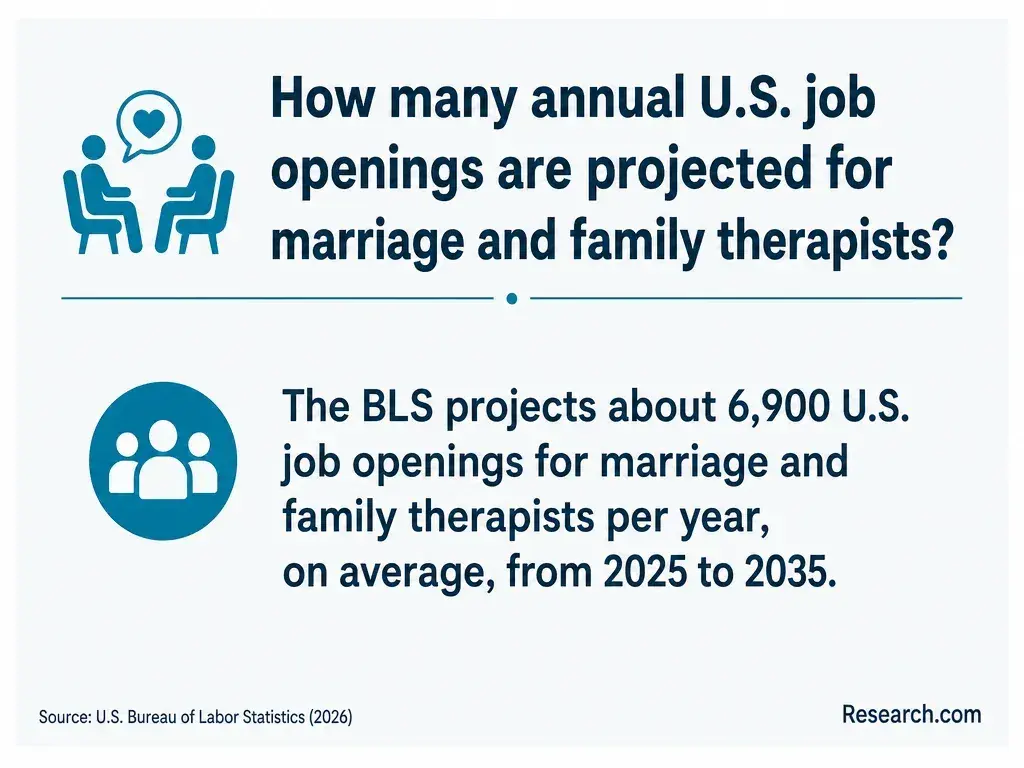
Providing psychotherapy or diagnosing a mental health condition is different from offering support and referrals. Licensed clinical social workers, professional counselors, marriage and family therapists, and psychologists generally follow profession-specific graduate education, supervised practice, examination, and state licensing requirements. Psychologist licensure ordinarily requires doctoral-level professional training; exact rules depend on the jurisdiction and role.
If your goal is therapy, work backward from the license and employer you want. Check the state board's educational criteria and the intended graduate program's eligibility disclosures before choosing a BA. A psychology BA may provide useful preparation but is not itself a clinical credential, and a general psychology MS is not automatically a substitute for a qualifying counseling or social work degree. When considering short counseling master's formats and career planning, examine supervised training and licensure alignment - not just the advertised completion time.
VSO employment and employment in a VA clinical position are also different hiring questions. A VA vacancy may specify professional credentials and other federal qualifications beyond those used by a community nonprofit.
For many nonclinical hiring decisions, the more useful comparison is an institutionally accredited degree with relevant experience versus one without it - not online versus on-campus coursework. Employers can still assess whether an applicant has practiced interviewing within role boundaries, writing accurate notes, collaborating with referral partners, and working respectfully with veterans.
Online delivery does not guarantee a self-paced program. Ask whether courses have live meetings, group projects, fixed deadlines, campus visits, or locally arranged field experiences. Those details matter if you work shifts or provide care at home. They matter even more if therapy is your long-term goal: clinical mental health master's programs by study pace still need to be judged against their practical training obligations.
Institutional accreditation supports a degree's general standing; it does not certify a BA for clinical practice. Where a future professional degree is the goal, separately check that graduate program and the relevant licensing board.
Prioritize a solid psychology core - research methods, statistics, developmental and social psychology, and study of mental health and substance use - then add courses that address the services you hope to provide. Trauma-informed approaches, cultural responsiveness, disability, aging, family systems, and community psychology can be useful if offered. Coursework should teach students to evaluate claims and recognize referral boundaries, not present them as clinicians.
Look for applied opportunities alongside the catalog: a supervised, nonclinical placement; a community evaluation project; or work documenting resources and outcomes without exposing client information. Ask who approves sites, what supervision is required, and whether an existing job can meet academic requirements. If you are weighing accelerated psychology master's study for working adults after the BA, check whether it adds a skill your target VSO job actually requests; speed and an additional psychology credential do not establish treatment eligibility.
First-time applicants commonly submit evidence of secondary education and meet the institution's undergraduate admissions rules. Transfer applicants generally submit official college transcripts. Schools differ on GPA thresholds, application materials, and whether admission to the institution also grants entry to the psychology major.
For a returning student, the consequential question is not merely how many credits a school accepts: it is how many satisfy general education, psychology, statistics, methods, and residency requirements. Request a written degree audit and ask which courses remain and when they are offered. Guidance on finding psychology colleges that consider prior credits can help you build a shortlist, but only the receiving institution can determine how your coursework applies.
If you have military learning or an applied associate degree, ask how it will be evaluated rather than assuming it replaces psychology prerequisites. A degree audit is more useful for planning than an advertised maximum transfer-credit allowance.
A full-time bachelor's pathway is commonly planned around four academic years, but your actual timeline depends on accepted credits, required course sequencing, enrollment pace, and term availability. An accelerated calendar can shorten the schedule without reducing the work required. Compare accelerated BA and BS psychology pathways against your weekly availability, especially if you will also seek a placement or continue working.
Without a named school and a completed degree audit, no responsible total-price estimate is possible. Ask each institution for tuition and mandatory fees for your remaining courses, plus likely books, technology, travel, and any fieldwork expenses. Then compare that cost with the requirements of the specific VSO jobs you want. If you already hold a bachelor's degree and need only targeted service skills, employer training or a focused credential may be less costly than earning another BA.
Veterans should ask the school's benefits office to confirm how their particular education benefits apply to the program and enrollment pace; service history alone does not establish eligibility for a specific benefit.
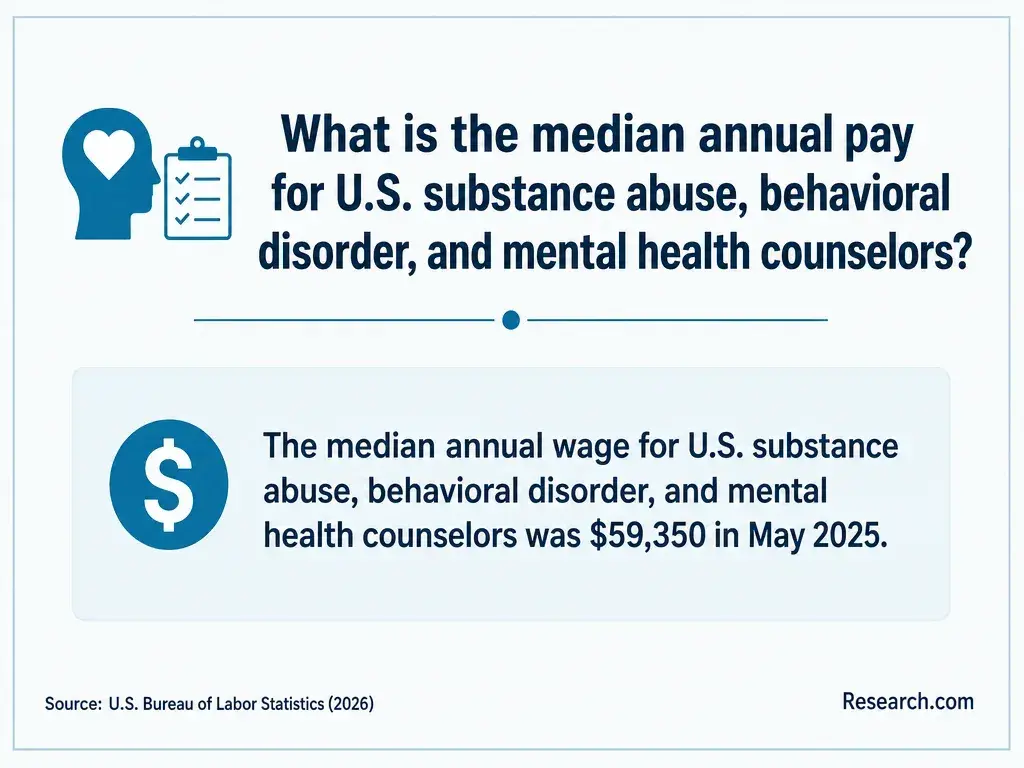
There is no reliable single salary for "an online psychology BA graduate in veteran services." A small nonprofit outreach position, a government human-services job, and a licensed therapy role have different duties and pay structures. The US Bureau of Labor Statistics reports occupational wages and projections - not outcomes for a particular degree or VSO - so compare its social and human service assistant occupation with assistant-level duties, and use a different occupation when the posting describes a different job.
Local postings offer the clearest immediate comparison: note the pay range, required experience, funding status, benefits, and advancement criteria. Do not use therapist or psychologist wages to estimate BA-level earnings. Similarly, earning potential after a master's in forensic psychology concerns a different educational choice and does not predict pay for VSO outreach or intake work. Job growth projections describe an occupation across employers; they cannot establish how many openings a particular organization will have.
The best additional training depends on the vacancy, not on a universal "veteran mental health" certificate. For outreach or intake, an employer may value training in suicide-prevention response procedures, crisis referral, privacy, benefits navigation, or accessible communication. For peer positions, check the specific state or employer's lived-experience, training, supervision, and certification rules. None of these credentials independently authorizes psychotherapy.
Before paying for a certificate, compare several target postings and ask employers whether they recognize it. A supervised volunteer role or employer-provided training may provide stronger evidence of readiness. If you are considering a graduate credential instead, examine forensic psychology one-year program value considerations only if the jobs you want call for that specialization; an accelerated forensic degree is not a general requirement for supporting veterans.
How can you choose an accredited online psychology program for veteran services?
Start with a small set of actual vacancies and separate their required qualifications from preferred ones. Then compare programs on the evidence most likely to close your gaps: institutional accreditation, a written transfer evaluation, relevant methods and service-system coursework, accessible advising, and a feasible way to gain supervised nonclinical experience. Confirm accreditation through the institution and its recognized accreditor; do not expect APA accreditation of a general psychology BA.
Ask the program how students secure local placements, whether a placement is optional or required, who approves the site, and what happens if a suitable site is unavailable. Request the published course schedule and a personalized estimate of remaining credits and charges. If graduate study is part of your plan, compare that later expense separately; finding a lower-cost psychology master's degree is useful only after establishing that the degree meets your actual career or further-study goal.
Decision rule: Choose the BA when you need a bachelor's credential or substantial psychology preparation for a clearly identified nonclinical role. Choose targeted experience or training when you already meet the degree requirement but lack service-specific skills. If your objective is to treat veterans, plan from the required professional license backward.
Other Things You Should Know About Psychology
Not generally. Some peer roles require qualifying lived experience, while other positions are open to applicants who meet the organization's job requirements. Read each posting rather than assuming one rule applies to every role.
Possibly, but the academic program must approve the site, duties, supervision, and documentation. Obtain approval before assuming volunteer hours will earn credit.
Follow your organization's emergency and escalation procedures, involve an appropriately qualified supervisor or responder, and stay within your training and role. Do not attempt an independent clinical assessment.
Not without appropriate organizational authorization and privacy safeguards. A resource guide or project using public information is usually a safer portfolio choice than identifiable service records or personal accounts.
- General Requirements - Florida Board of Psychology https://floridaspsychology.gov/general-requirements-2/
- Medi-Cal Peer Support Services Specialist Program - DHCS https://www.dhcs.ca.gov/medi-cal-peer-support-services-specialist-program-frequently-asked-questions/
- Authority of VA Professionals To Practice Health Care | Federal Register https://www.federalregister.gov/documents/2020/11/12/2020-24817/authority-of-va-professionals-to-practice-health-care
- Discover the power of your story as a peer specialist at VA https://vacareers.va.gov/job-news-advice/discover-story-power-as-a-va-peer-specialist/
- Accreditation in the U.S. | ed.gov http://www.ed.gov/laws-and-policy/higher-education-laws-and-policy/college-accreditation/accreditation-in-the-us
- Chapter 6 - How To Become a Peer Specialist - NCBI https://www.ncbi.nlm.nih.gov/sites/books/NBK596268/
- National Social Work Program - VHA Social Work - VA.gov https://www.socialwork.va.gov/VA_Employment.asp
- Psychology careers guide | apa.org https://www.apa.org/education-career/guide/careers
- Is an Online Degree Respected by Employers? (2025 Research) | Newlane University https://newlane.edu/is-online-degree-respected-by-employers/
- Understanding Accreditation for Online Degrees | UMass Global https://www.umassglobal.edu/blog-news/online-degrees-accredited-identify-quality-distance-learning-programs