2027 Online BA in Psychology - Mental Health Admissions with English Composition Credit from Another Institution: What to Ask Before Applying

Co-Founder and Chief Data Scientist
If you have already taken English composition elsewhere, an online psychology program may look like a faster route into mental health-related work. But a school can accept a course for transfer without counting it toward the writing requirement you expected.
This guide is for transfer and returning students considering an online BA in psychology with a mental health focus. It explains which approvals to request before applying, how to compare the resulting time and cost, and where the degree can - and cannot - take you professionally.
Key Things You Should Know
- Ask for a written evaluation that separates admission, acceptance of your English composition credit, satisfaction of the writing requirement, and its placement in your degree audit.
- Check the course's grade, content, credit conversion, and any additional writing or residency requirements; an accepted course does not necessarily shorten the degree.
- A psychology BA can support applications for nonclinical mental health roles, but it does not authorize psychotherapy, diagnosis, or independent psychological assessment.
What Is an Online BA in Psychology for Mental Health Careers?
An online BA in psychology studies behavior and psychological science through coursework delivered primarily online. A mental health focus may be an official concentration, a set of electives, or simply a program description; ask which appears on the transcript. For a returning student, that distinction matters less than whether the curriculum and remaining requirements fit the intended job or next degree.
The BA may provide preparation for supervised, nonclinical work in community services, behavioral-health organizations, or research support. It is not a clinical qualification. If substance-use services interest you, compare the actual coursework and transfer rules of distance learning bachelor's degrees in addiction psychology rather than assuming every mental health focus covers recovery services equally.
Can English Composition Credits Transfer to an Online Psychology Degree?
Often, yes - but the receiving institution decides whether your course transfers and what it fulfills. Credit acceptance and requirement satisfaction are separate decisions. A course might count as an elective yet leave the BA's composition requirement unfinished. A quarter-credit course may also convert to fewer semester credits than a requirement demands.
The table shows the different outcomes a transfer evaluation can produce. Use the school's written degree audit, not a general transfer-credit estimate, to identify which outcome applies to you.
| Evaluation outcome | What it means for your plan |
| Course is not accepted | You receive no credit for it and may need another course. |
| Course transfers as an elective | It may contribute credits toward graduation without satisfying composition. |
| Course satisfies composition | The requirement is met, subject to any separate upper-level writing or residency rules. |
Before applying, send the transfer-credit office an unofficial transcript, the course description or syllabus if requested, and the institution and term in which you took the course. Ask whether the grade meets policy, whether the course matches the required composition sequence, and who can approve a substitution if it does not. Then ask an academic advisor to show its placement in a program-specific degree audit. The same checks apply when comparing online bachelor's program choices in psychology; each receiving school makes its own determination.
What Accreditation Should an Online Psychology Program Have?
Verify that the degree-granting institution holds recognized institutional accreditation and that the accreditation covers the institution offering the online BA. The U.S. Department of Education's accreditation database and the accreditor's directory can help you confirm status; the school should also identify the legal name under which it operates. Accreditation does not guarantee that your particular composition course will transfer.
Do not reject a psychology BA because it lacks American Psychological Association program accreditation: APA accreditation applies to specified professional psychology training, not general psychology bachelor's degrees. If your eventual goal is counseling, check the later graduate program and your state board's educational rules separately. Even tuition-conscious shorter mental health counseling master's study must be assessed against those requirements rather than assumed to qualify because it follows an accredited BA.
Requirements vary by school and by whether you apply as a first-year or transfer student. A school may request prior college transcripts, evidence of secondary-school completion, and a minimum academic record. Admission to the institution does not necessarily mean admission to the psychology major, approval of transfer courses, or clearance to graduate.
Ask admissions which applicant category applies to you and whether official transcripts are needed before a final credit decision. Ask the psychology department whether there are major-entry prerequisites or grade thresholds, and ask the registrar or transfer-credit office who makes equivalency decisions. If you are comparing psychology with planning a degree focused on addiction counseling, check each program's entry rules and intended credential pathway separately; similar subject matter does not imply identical requirements.
Expect psychology foundations alongside research methods and statistics, with mental health-related study potentially covering psychopathology, development, health, or substance use. Course names and required sequences differ. Ask whether your previous statistics or psychology coursework satisfies a major requirement, not merely whether it transfers as an elective; a missing prerequisite can affect when you can take later courses.
Check whether an internship, capstone, or research project is required, whether it can be completed remotely, and who approves its site and supervision. Coursework about disorders, counseling, or psychological assessment does not authorize clinical practice. Likewise, forensic psychology degree formats and academic requirements may offer interesting electives, but an elective is not a formal mental health qualification or permission to conduct forensic evaluations.
Your timeline depends on requirements remaining, not just credits accepted. An accepted composition course may save a course if it fulfills general education, while an elective-only decision might leave the schedule unchanged. Major prerequisites, courses offered only in certain terms, required institutional credits, and part-time enrollment can all extend the path.
Request a term-by-term plan after the initial evaluation. Confirm which courses are available in your intended terms and whether "online" includes scheduled meetings or an in-person placement. If speed matters, compare that plan with psychology degree completion through accelerated study; a shorter advertised format is useful only if your credits apply and the course load is manageable.
No reliable total can be calculated from a tuition rate alone. Ask for the current charge per credit or term, mandatory online fees, books or software costs, and any placement-related travel. Then price the remaining required courses shown on your audit, including any composition course you may have to repeat. Compare schools using the same enrollment pace and likely completion period.
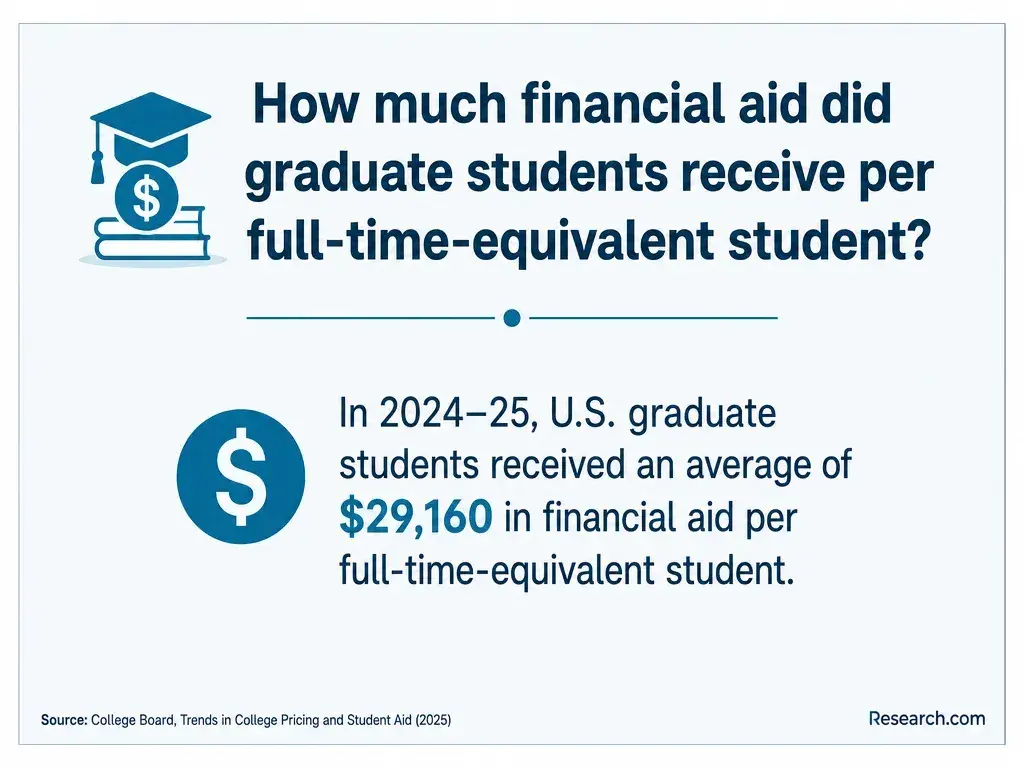
Ask financial aid how transfer credits, enrollment intensity, and satisfactory academic progress affect your eligibility; confirm any employer assistance with your employer. For a substance-use-services goal, bachelor's-level substance use counseling scholarship planning can help you identify funding questions, but do not count a grant or scholarship in your budget until awarded. A cheaper published tuition rate may not be the cheaper path if fewer prior credits meet requirements.
A psychology BA can be relevant to nonclinical positions such as behavioral-health support, intake coordination, community outreach, victim advocacy, or research assistance. Duties and hiring standards depend on the employer and state. Previous experience in service work, administration, or data handling may matter as much as the focus named on the degree.
Look at actual job postings for responsibilities, supervision, and required credentials before choosing a program. Recovery-support work, for example, can involve outreach, navigation, and referrals, while some positions require a state-recognized credential or lived-experience qualification. An addiction recovery employment guide can help distinguish these roles; none should be confused with independently diagnosing or treating clients.
A BA in psychology does not itself qualify someone to practice psychotherapy, diagnose mental health conditions, or use a protected clinical title. Licensed counseling, clinical social work, marriage and family therapy, and psychology follow different educational and supervised-practice pathways. Requirements also vary by jurisdiction and sometimes by the specific license sought.
If therapy is your goal, work backward from the state licensing board's rules before choosing undergraduate electives. A qualifying graduate program and supervised experience may be necessary; a general psychology master's is not automatically a substitute. When considering accelerated online master's preparation in mental health counseling, verify the program's recognition, placement arrangements, and fit with the state where you expect to practice.
What Are the Salary and Job Outlook for Psychology Graduates?
There is no single salary or job-growth rate for "psychology BA graduates." Federal occupational figures describe workers in defined jobs, not everyone holding a particular degree. For example, a published median for mental health counselors includes workers meeting that occupation's qualifications; it should not be read as the expected pay for a new BA graduate seeking a support position.
Compare labor-market information for the specific roles you could pursue now, in your location, against roles that would require further education or licensure. This distinction also matters when reading forensic psychology graduate occupations and salary considerations: a graduate-degree occupation is not a bachelor's-level earnings forecast. Before committing to tuition, review local job postings for pay, duties, experience, and credential requirements.
Other Things You Should Know About Psychology
Often, but ask when the school needs the final grade and official transcript. A preliminary evaluation may change after the course ends.
Only if the receiving school awards credit for your score and applies it to the relevant requirement. Request that determination separately from a college-course evaluation.
Ask the prior institution's registrar or department for an archived description. If none exists, ask the receiving transfer-credit office what alternative evidence it accepts.
Find out which agency holds its records and request an official transcript from that custodian. Ask the receiving school what it needs if course descriptions are unavailable.
- School-Determined Requirements - FSA Partner Connect https://fsapartners.ed.gov/knowledge-center/fsa-handbook/2026-2027/vol1/ch1-school-determined-requirements
- Eligibility Requirements | Federal Student Aid https://studentaid.gov/understand-aid/eligibility/requirements
- Accreditation in the U.S. | ed.gov http://www.ed.gov/laws-and-policy/higher-education-laws-and-policy/college-accreditation/accreditation-in-the-us
- .14 Evaluation and Review Process for Transfer of Courses and Credits. | Library of Maryland Regulations https://regs.maryland.gov/us/md/exec/comar/13B.06.02.14
- Transfer credit policies - Office of Admissions https://admit.washington.edu/apply/transfer/policies/
- Gen Ed Requirements | General Education @ Illinois https://gened.illinois.edu/requirements/
- The Traditional Curriculum Requirements - General Education https://gened.as.virginia.edu/traditional-curriculum-requirements
- Completing Gened Requirements With Transfer Credits | Temple University Undergraduate Education https://undergraduate.temple.edu/transfer/gened
- College Transfer Credit | Official Catalog | Charter Oak State College https://www.charteroak.edu/catalog/current/sources_credit/college_transfer_credit.php
- Transfer Credit Guidelines | Department of English https://english.chass.ncsu.edu/undergraduate/fywp/transfer-credit-guidelines/