2027 Online BA in Psychology - Mental Health: How to Evaluate a Course in Ethics Before Field Experience

Co-Founder and Chief Data Scientist
Before entering a mental health placement, an online psychology student needs more than a passing grade in ethics. The course should prepare them to protect private information, recognize the limits of an undergraduate role, and respond appropriately when a situation exceeds their training.
This guide is for prospective and current BA students comparing courses or planning fieldwork. It explains what evidence to request from a program, which skills to look for, and how to confirm that the course actually meets the placement's requirements.
Key Things You Should Know
- Choose an ethics course that assesses decisions through realistic mental health scenarios - not one that only asks students to memorize professional rules.
- Before enrolling, confirm in writing that the course satisfies your program's fieldwork prerequisite and that the proposed site and supervisor can be approved.
- An undergraduate placement can develop support and referral skills, but neither an ethics course nor a psychology BA authorizes diagnosis, psychotherapy, or independent clinical practice.
What Is an Online BA in Psychology With a Mental Health Focus?
An online BA in psychology typically combines general education, psychological science, research methods, and electives. A mental health focus may be an officially named concentration, a group of recommended electives, or simply a program description. Check the catalog and degree audit to learn which it is; an elective alone does not create a separately awarded credential.
Relevant coursework may examine psychopathology, development, social context, prevention, and mental health services. Studying those subjects is different from learning to treat patients. For this article's decision, the important question is whether ethics instruction is sequenced before any approved work with clients, participants, or sensitive service information. When psychology program admissions and curriculum comparisons help narrow your options, request each program's current ethics syllabus and fieldwork handbook before choosing.
How Do You Evaluate an Ethics Course Before Psychology Field Experience?
Evaluate the course against the work you expect to do, not just its title. A course in research ethics may be excellent preparation for a research assistantship yet leave important gaps for an agency placement involving intake, referrals, or contact with distressed people. Conversely, a course centered on helping relationships may not adequately cover consent and data handling for a participant-based project.
Use the following sequence to test both course quality and placement eligibility:
- Ask the academic fieldwork coordinator for the required ethics course, minimum grade if applicable, completion deadline, and policy on transfer or substitute courses.
- Compare the syllabus with the proposed tasks: look for assessed scenarios involving confidentiality, boundaries, cultural responsiveness, safeguarding, and referral or escalation.
- Request a sample assignment or rubric to see whether students must explain decisions, document them appropriately, and identify when to consult a supervisor.
- Ask the site which policies and training apply before access to clients, records, or systems, and confirm who supervises students during difficult situations.
- Obtain written program approval for the course sequence and site before assuming that enrollment, employment, or volunteering will count as fieldwork.
A strong course makes students practice saying what they would not do. If a client requests treatment advice from a student assigned to resource navigation, the ethical response includes acknowledging the request, staying within the assigned role, and involving the appropriate supervisor. Duties vary across addiction recovery job families, so a case manager's or peer worker's responsibilities should not be treated as permission for a student to counsel independently.
What Should an Online Psychology Ethics Course Include?
Effective instruction connects general principles to undergraduate decisions. Students should encounter privacy and records practices; informed consent where relevant; professional boundaries and dual relationships; respectful, accessible communication; bias and cultural context; safeguarding and reporting procedures; and the difference between observing, supporting, researching, and providing regulated care.
Online delivery should still allow feedback on judgment. Recorded lectures and quizzes can introduce rules, but instructor-reviewed case analyses, structured discussions, or supervised role-play better reveal whether a student can recognize uncertainty and seek help. Ask how feedback is given and whether a student who makes an unsafe decision in an exercise must revise it before fieldwork.
Standards must be taught in context. The APA Ethics Code is a useful professional reference, but it does not itself define every undergraduate's placement duties. Site policy, university rules, applicable law, and the supervisor's directions also matter. Research involving people may require institutional review; service work raises different questions about access, confidentiality, and referral. Students considering online colleges offering addiction counseling study should check whether ethics content addresses substance-use stigma and recovery support without presenting undergraduate coursework as a counseling credential.
Check the institution's recognized institutional accreditation and confirm that it applies to the school awarding the online BA. Accreditation helps establish institutional oversight; it does not certify that a particular ethics class is strong, that a local agency will accept a student, or that the degree meets a professional licensing board's requirements.
Do not look for APA accreditation of a general psychology bachelor's program. APA accreditation applies to specified professional psychology training programs and internships, not a standard BA. If you later consider a regulated profession, check the applicable graduate program recognition and your state board's rules for that profession. The distinction also matters when reading about forensic psychology graduate career value and qualifications: a degree's subject area alone does not establish authority to perform forensic assessments.
For the immediate fieldwork decision, ask the BA program for its current placement handbook, student conduct procedures, supervisor qualifications, and process for reporting a placement concern. Those documents provide more relevant evidence of fieldwork safeguards than an accreditation label by itself.
First-year applicants generally need to meet the institution's undergraduate admission rules; transfer applicants also need an evaluation of prior coursework. Requirements for entry to the psychology major, if separate, depend on the school. Admission to the university does not mean an ethics course taken elsewhere will satisfy a major requirement or fieldwork prerequisite.
Returning students should submit transcripts and request a degree audit showing where accepted credits apply: general education, psychology core, electives, or free electives. Have the department review any proposed ethics substitution using the old course's syllabus and learning outcomes.
Check whether ethics, methods, and fieldwork must be taken in a particular order; this can affect graduation even when many credits transfer. Advice about planning a shorter undergraduate forensic psychology degree illustrates the broader point: an accelerated schedule is useful only if required courses and approvals fit the student's actual degree audit.
Time to completion depends on accepted credits, enrollment pace, course availability, and whether ethics must be completed before fieldwork registration. An otherwise flexible program can still delay a student if the prerequisite runs infrequently or the site approval process begins well before a term starts.
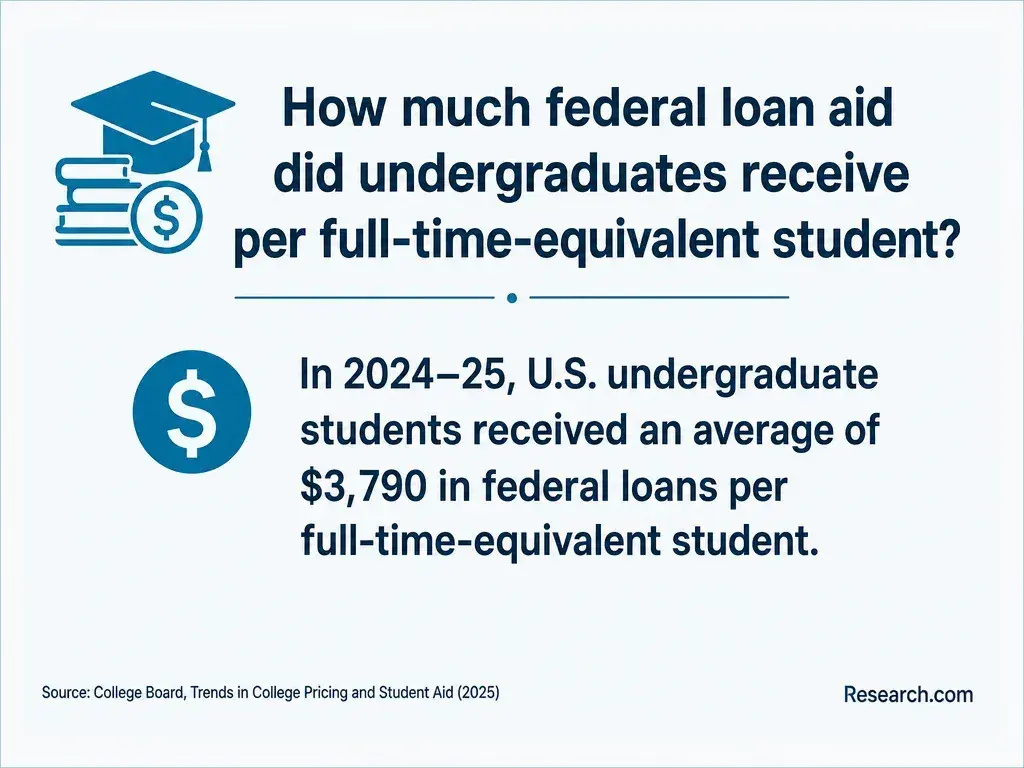
Compare the school's current per-credit or per-term tuition, mandatory fees, and the credits remaining on your degree audit. Then account for books, technology, background checks if required, and travel or lost work time for an in-person placement. A lower advertised tuition rate may not mean a lower total cost if credits do not apply to the major. Listings of low-cost online psychology degrees can help identify schools to investigate, but use each institution's written cost estimate and transfer evaluation for a personal comparison.
Course format changes how students receive feedback and arrange fieldwork; it does not change the need for ethical supervision. An asynchronous ethics class may suit a student with work or caregiving obligations, while a live class may make it easier to question an instructor about ambiguous scenarios. Neither format guarantees access to an approved local placement.
The comparison below separates classroom delivery from placement obligations, which are often the less flexible part of an online degree.
| Feature | Online program | Campus-based program |
| Ethics discussion | May use asynchronous cases, live meetings, or both | Often uses scheduled in-person discussion |
| Feedback to students | Depends on instructor access and assignment design | Depends on class size and assignment design |
| Field experience | May require an approved site near the student | May offer local relationships, without guaranteeing a placement |
| Scheduling constraint | Possible live sessions plus site-set hours | Campus class times plus site-set hours |
Request a typical weekly schedule and ask about live attendance, group work, campus visits, and placement hours before enrolling. Similar checks matter later for graduate study: comparing fast-track mental health counseling master's formats should include supervised training commitments, not just online course delivery.
An approved undergraduate experience might involve supervised resource navigation, outreach, program support, behavioral observation within an assigned role, or research assistance. Its value depends on substantive learning objectives, appropriate supervision, and permitted tasks - not whether the site calls the role an "internship." Observation at a clinic is not clinical training, and access to a service setting does not authorize treatment.
Before accepting a site, ask the academic coordinator and site supervisor what the student may do, who is present or available for consultation, how concerns are escalated, and which training must be completed before contact with people or records. Establish who assesses the work and whether the site can accommodate the program's required hours and schedule. If an existing job is proposed, request explicit approval; ordinary job duties may not meet academic objectives.
A research assistantship can be a better fit than agency fieldwork for students interested in evidence and evaluation. It brings its own rules for participant contact, data access, and oversight. A student considering budget-friendly online psychology graduate degrees for later research development should distinguish these undergraduate experiences from any graduate program's actual research or placement requirements.
A psychology BA may support applications for nonclinical positions in community outreach, human services, intake coordination, program support, and research assistance. Hiring depends on the employer's requirements, relevant experience, and demonstrated skills. An ethics course and supervised placement can provide evidence of sound documentation, boundaries, teamwork, and appropriate referrals, but they do not guarantee a job.
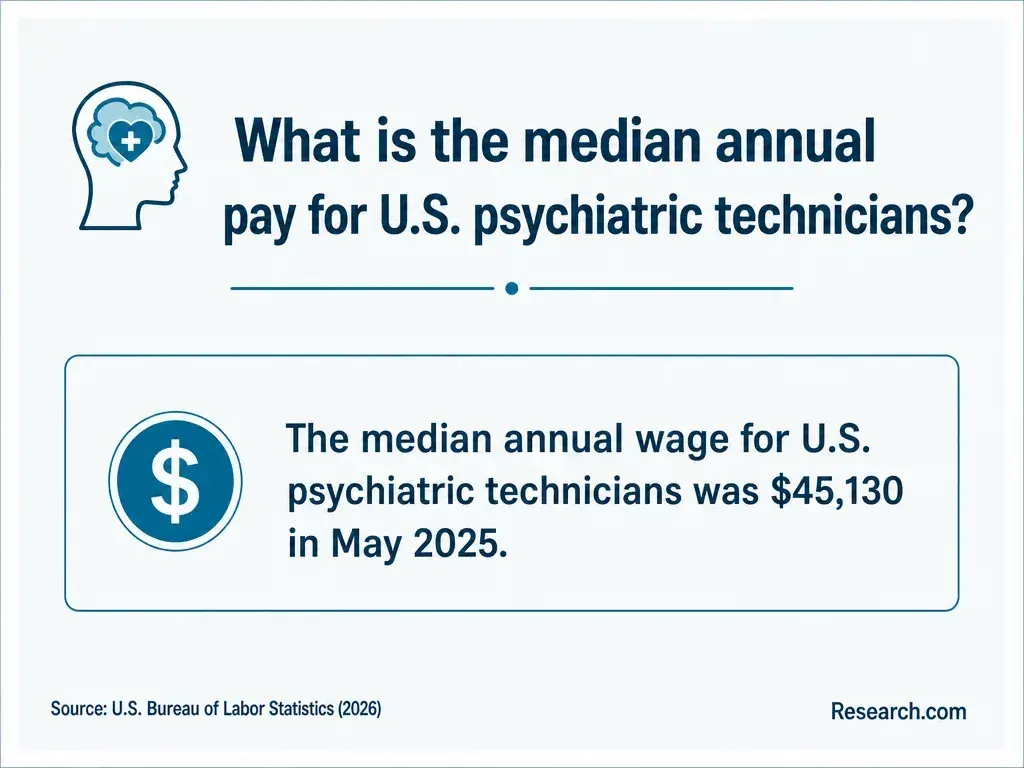
Salary comparisons should use the specific occupation, location, and employer rather than a single "psychology graduate salary." Federal occupational wage figures describe everyone in an occupation, including experienced workers and people with different credentials; they are not starting-pay estimates for BA graduates. Job titles can also conceal different duties. For example, discussions of mental health counseling fees and financial support concern a further professional education decision, not the expected pay or qualifications of a new psychology BA graduate.
What Education and Licensure Are Required for Mental Health Professions?
A psychology BA is undergraduate preparation, not a license to diagnose conditions, provide psychotherapy, or practice as a psychologist. Licensed mental health counselor, clinical social worker, psychologist, and other regulated titles have distinct education, supervised experience, examination, and jurisdictional requirements. Requirements for addiction counseling and peer-support credentials also vary by state and role.
If your intended job involves therapy, identify the exact license and state before choosing further education. Ask the relevant licensing board whether a proposed graduate program meets its educational criteria, and ask the program how it supports required supervised training. A general psychology master's degree should not be assumed equivalent to a qualifying counseling or social-work degree. When budgeting for that path, information on clinical counseling master's fees and graduation timelines is a starting point, not a substitute for checking a specific program and board.
If your goal is nonclinical outreach or service coordination instead, a full licensure pathway may be unnecessary. An approved BA placement, employer training, or a role-specific credential could be more direct; verify the target employer's qualifications before committing to another degree.
Other Things You Should Know About Psychology
Possibly. Send the syllabus to your psychology department before enrolling and obtain written confirmation that the course will satisfy the fieldwork prerequisite, not merely transfer as elective credit.
Ask the fieldwork coordinator whether another site type, supervised research role, or later term is permitted. Do not assume a remote volunteer position will qualify.
Pause the task and consult your site supervisor and academic coordinator. Follow the applicable safety and reporting procedures if someone may be at risk.
Describe your responsibilities and skills without sharing identifiable client, participant, or agency information. Follow your site agreement even after the placement ends.
- The Five C's of Confidentiality and How to DEAL with Them | nih.gov https://pmc.ncbi.nlm.nih.gov/articles/PMC2922345/
- FERPA | Protecting Student Privacy - Department of Education https://studentprivacy.ed.gov/ferpa
- Fieldwork Requirements and Procedures | Brooklyn College https://www.brooklyn.edu/soe/fieldwork-requirements-and-procedures/
- Ethics: Ethical Considerations in Student Supervision | nova.edu https://nsuworks.nova.edu/hpd_aud_facarticles/29/
- 15.4 Ethical Challenges and Dilemmas in Supervision | Guidelines for Online Teaching and Design https://open.lib.umn.edu/ethicalpractice/chapter/15-4-ethical-challenges-and-dilemmas-in-supervision/
- Online Psychology & Mental Health Bachelor's Degree | George Fox University https://www.georgefox.edu/adult-degree/psychology-mental-health.html
- Addressing Ethical Issues in Internship | sagepub.com https://sk.sagepub.com/book/mono/the-human-services-internship-experience/chpt/6-addressing-ethical-issues-internship
- Code of Ethics: English | socialworkers.org https://www.socialworkers.org/about/ethics/code-of-ethics/code-of-ethics-english