2027 Best Jobs for Students Who Want to Help People

Co-Founder and Chief Data Scientist
Choosing a career that helps people is also a practical labor-market decision. The U.S. Bureau of Labor Statistics projects healthcare occupations to add about 1.9 million openings each year on average, driven by growth and worker replacement needs. This guide is for students comparing service-focused careers in healthcare, education, counseling, public safety, and human services.
You will learn which jobs fit different education levels, how salaries and outlooks compare, what credentials matter, and how to choose a program that supports your goals without overpaying or missing licensing requirements.
Key Things You Should Know
- Healthcare, mental health, and community service roles offer some of the strongest helping-focused demand; BLS projects nurse practitioners to grow 46% and home health and personal care aides to grow 21% from 2023 to 2033.
- The fastest path into helping work is often a certificate or associate degree, but higher-paid licensed roles usually require a bachelor's, master's, supervised experience, or state board approval.
- Median pay varies widely, from about $34,900 for home health and personal care aides to $93,600 for registered nurses and more than $130,000 for physician assistants, so students should compare mission fit with training time and cost.
What are the best jobs for people who want a career centered on helping others?
The best jobs for students who want to help people are careers where the main purpose is to improve someone's health, safety, learning, independence, or quality of life. "Helping professions" include direct-care roles such as nursing assistant, registered nurse, and EMT; support roles such as social worker and counselor; education roles such as teacher and special education teacher; and community roles such as case manager, public health worker, and victim advocate.
A good helping career should match both your values and your tolerance for the work environment. Some roles are emotionally intense, some require shift work, and some involve long licensing paths. The table below compares popular options by what you actually do and who they tend to fit best.
| Career | How the role helps people | Common education path | Best fit for students who |
| Registered nurse | Provides patient care, education, medication support, and care coordination | ADN or BSN plus RN licensure | Want hands-on healthcare work with strong advancement options |
| Social worker | Connects people with services, supports families, and helps clients manage crises | BSW for entry roles; MSW for clinical licensure | Care about advocacy, systems, and long-term client support |
| Mental health counselor | Helps clients manage anxiety, trauma, substance use, grief, and life challenges | Master's degree plus supervised clinical hours | Want one-on-one helping work and can commit to graduate study |
| Special education teacher | Supports students with disabilities through individualized instruction | Bachelor's degree plus state teacher certification | Enjoy education, patience-based coaching, and structured school settings |
| EMT or paramedic | Responds to emergencies and provides urgent medical care | State-approved EMT or paramedic program | Work well under pressure and want a faster entry path |
| Occupational therapy assistant | Helps patients build daily living and work skills after illness, injury, or disability | Accredited associate degree plus certification or licensure | Like practical rehabilitation work and measurable patient progress |
| Public health worker | Improves community health through prevention, education, outreach, and data-informed programs | Bachelor's in public health or related field | Want to help populations, not only individual clients |
Students who want the quickest route into meaningful work may prefer EMT, medical assistant, home health aide, or childcare roles. Students who want broader responsibility and higher long-term mobility should look at licensed careers such as nursing, counseling, social work, occupational therapy, speech-language pathology, or teaching.
Which degrees and majors prepare you for careers focused on helping people?
The most useful degrees for helping careers are usually tied to a specific license, population, or workplace. A psychology degree can be valuable, for example, but it does not qualify someone to become a licensed therapist by itself. A nursing degree, social work degree, or education degree is often more direct because the curriculum is designed around professional standards and required field experience.
The table below shows common majors and the career directions they support. Use it to avoid one of the biggest student mistakes: choosing a major because it sounds helpful without checking whether it leads to the credential your target job requires.
| Degree or major | Typical level | Careers it can support | Important limitation |
| Nursing | Associate or bachelor's | Registered nurse, school nurse, public health nurse, nurse case manager | Must pass the NCLEX-RN and meet state board requirements |
| Social work | Bachelor's or master's | Case manager, child welfare worker, medical social worker, clinical social worker | Clinical practice generally requires an MSW and supervised hours |
| Education | Bachelor's or master's | Teacher, special education teacher, instructional support specialist | Public school teaching requires state certification |
| Psychology | Bachelor's, master's, or doctorate | Behavioral health technician, case worker, counselor with graduate training, psychologist with doctoral training | A bachelor's alone rarely qualifies for independent counseling practice |
| Public health | Bachelor's or master's | Health educator, community health worker, program coordinator, epidemiology assistant | Some analytic or leadership roles prefer an MPH |
| Human services | Associate or bachelor's | Residential counselor, case aide, family services worker, nonprofit program assistant | Advancement may require specialized licensure or graduate study |
| Rehabilitation sciences | Associate through doctorate | Occupational therapy assistant, physical therapist assistant, rehabilitation specialist | Clinical roles require accredited programs and licensing exams |
If income is a major factor, compare helping careers with broader labor-market outcomes before committing. Students weighing purpose against earning potential can review highest paid degrees to see which bachelor's-level fields tend to offer stronger compensation and where helping-focused majors fit into that picture.
What entry-level helping professions can you start with a certificate or associate degree?
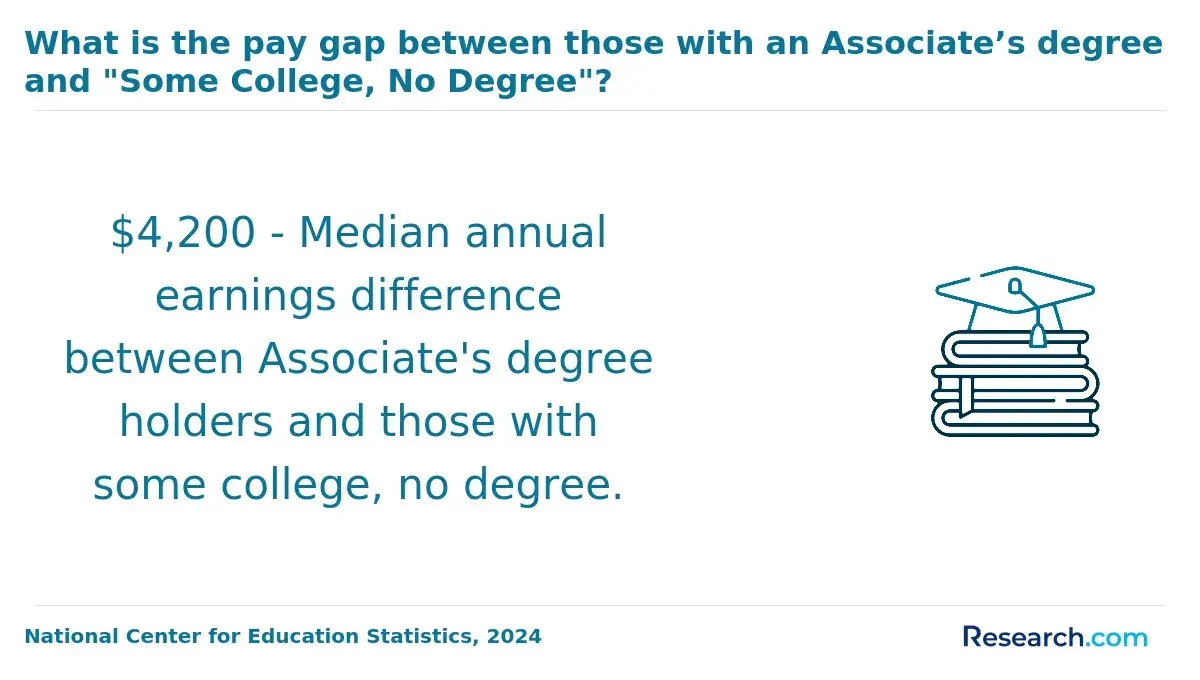
Students do not always need a four-year degree to begin helping people. Certificates and associate degrees can lead to entry-level roles in healthcare, emergency services, early childhood education, and community support. These paths make sense when you need to start earning sooner, want to test a field before committing to a bachelor's degree, or plan to stack credentials over time.
The following options are common starting points because they combine direct service with relatively short training. Requirements vary by state and employer, so students should confirm local rules before enrolling.
| Role | Typical preparation | What you do | Good next step |
| Certified nursing assistant | State-approved CNA program and competency exam | Helps patients with daily care, mobility, hygiene, and basic monitoring | LPN, RN, or allied health program |
| Medical assistant | Certificate, diploma, or associate program | Supports clinical and administrative work in clinics and physician offices | Nursing, health administration, or clinical specialty training |
| EMT | Approved EMT course and state certification | Provides emergency response and transport care | Paramedic, nursing, fire service, or emergency management |
| Substance abuse or behavioral health technician | Certificate or employer-based training; requirements vary | Supports clients in treatment, recovery, or residential settings | Human services, counseling, psychology, or social work degree |
| Early childhood educator or childcare worker | Certificate, CDA credential, or associate degree depending on setting | Supports young children's learning, safety, and development | Early childhood education bachelor's or teacher certification |
| Occupational therapy assistant | Accredited associate degree | Helps patients practice therapeutic activities under an occupational therapist | Advanced rehabilitation, healthcare leadership, or bridge programs |
Certificate routes are practical, but students should avoid programs that promise quick jobs without explaining certification, clinical placement, transferability, and total cost. If you want a shorter credential with labor-market value, compare options carefully; some easy licenses and certifications to get online can support career entry or advancement, but hands-on healthcare roles often still require in-person labs or supervised practice.
How do salary ranges compare across popular jobs that focus on helping people?
Salary should not be the only reason to choose a helping profession, but it should shape your education plan. A role that requires graduate school may be worth it if it leads to licensure, higher autonomy, and better long-term fit. A lower-cost certificate may be smarter if you want quick entry, low debt, or a stepping-stone job while finishing college.
The table below uses U.S. Bureau of Labor Statistics median annual wage data from May 2024 where available. Medians describe the middle of the national wage distribution, not what a specific graduate will earn in a particular city or employer setting.
| Career | Typical entry education | Median annual pay | Salary context for students |
| Home health and personal care aide | High school diploma or equivalent; employer training | $34,900 | Fast entry, high demand, and meaningful work, but limited pay without advancement |
| Medical assistant | Postsecondary certificate or diploma often preferred | $44,200 | Good clinic-based entry role for students considering healthcare |
| EMT or paramedic | Postsecondary nondegree award | $44,780 | Strong service mission, but pay and schedules vary by region and agency |
| Substance abuse, behavioral disorder, and mental health counselor | Bachelor's or master's depending on role and license | $59,190 | Demand is strong, but independent clinical practice usually requires graduate training |
| Social worker | Bachelor's for many entry roles; master's for clinical roles | $61,330 | Broad settings, including schools, hospitals, government, and nonprofits |
| Licensed practical or licensed vocational nurse | Postsecondary practical nursing program | $62,340 | Shorter nursing route than RN, with bridge options in many schools |
| Registered nurse | Associate or bachelor's degree plus licensure | $93,600 | Higher pay and mobility, especially with BSN completion or specialization |
| Physician assistant | Master's degree and certification | $130,020 | High responsibility and pay, but competitive admissions and intensive clinical training |
Use salary data as a planning tool, not a guarantee. Pay depends on state, rural or urban location, shift differentials, union coverage, employer type, experience, and specialty. A student choosing between two helping careers should compare the total cost of education, time out of the workforce, licensing fees, and realistic local wages before borrowing heavily.
What is the job outlook for helping professions in healthcare, education, and human services?
The outlook for helping professions is strongest where demographic pressure, healthcare access needs, mental health demand, and school support needs overlap. Healthcare and behavioral health roles generally show stronger growth than many education roles, while education careers may still create openings because of retirements, turnover, and local shortages.
The table below summarizes U.S. job outlook patterns from BLS projections for 2023 to 2033. Growth rates are national projections, so students should also check local employer demand, state budgets, and clinical placement availability.
| Career area | Example roles | Projected growth signal | What it means for students |
| Advanced practice healthcare | Nurse practitioners, physician assistants | Nurse practitioners are projected to grow 46%; physician assistants 28% | Strong demand, but programs are selective and require advanced clinical preparation |
| Home and community care | Home health aides, personal care aides | Home health and personal care aides are projected to grow 21% | Many openings, but students may need additional credentials for higher wages |
| Mental health and substance use | Counselors, behavioral health workers | Substance abuse, behavioral disorder, and mental health counselors are projected to grow 19% | Strong mission fit and demand, with licensure rules that vary by state |
| Rehabilitation services | Occupational therapy assistants, physical therapist assistants | Many therapy support roles are projected to grow faster than average | Associate-level options can lead to direct patient care with structured credentials |
| K-12 education | Teachers, special education teachers, teacher assistants | National growth is slower, but openings continue through replacement needs | Local shortages matter more than national averages; check state and district demand |
| Social services | Social workers, case managers, community service workers | Social workers are projected to grow 7% | Stable demand across healthcare, government, schools, and nonprofits |
Technology is also changing helping work. AI tools are being used for documentation, scheduling, risk screening, translation support, and tutoring assistance, but they do not replace the human judgment, empathy, and hands-on care required in most helping professions. Students who become comfortable with digital records, telehealth, data privacy, and assistive technologies may be more adaptable in modern workplaces.
What education, licensing, and certification requirements apply to common helping professions?
Licensing is one of the most important differences among helping careers. Some jobs allow entry after employer training, while others require an accredited degree, a national exam, supervised hours, background checks, continuing education, and state board approval. Before choosing a school, students should start with the credential required for the job they actually want.
The table below explains common requirements by role. It is a planning summary, not a substitute for checking your state licensing board or professional regulator.
| Profession | Typical requirement | Why accreditation matters | Common mistake to avoid |
| Registered nurse | Approved nursing program, NCLEX-RN, and state licensure | State boards may require completion of an approved program | Choosing a nursing program without confirming NCLEX eligibility and clinical placement quality |
| Teacher | Bachelor's degree, educator preparation program, exams, and state certification | State-approved teacher preparation is often required for public schools | Assuming any education degree automatically leads to certification in your state |
| Licensed clinical social worker | MSW, supervised clinical experience, exam, and state licensure | CSWE accreditation is commonly expected for social work licensure paths | Enrolling in a non-aligned program that limits clinical licensing options |
| Mental health counselor | Master's degree, supervised hours, exam, and state license | CACREP or state-recognized alignment may affect licensing portability | Ignoring state-specific course and practicum requirements |
| Occupational therapy assistant | Accredited associate degree, certification exam, and state licensure where required | Accreditation is tied to exam eligibility | Choosing a program without enough fieldwork support |
| EMT or paramedic | Approved training program, psychomotor and cognitive exams, and state certification | Program approval affects eligibility for certification | Assuming certification transfers automatically across states |
Graduate credentials can be worth the investment when they unlock licensure or leadership roles, but students should compare costs early. If your path requires an MSW, counseling master's, education master's, or public health graduate degree, reviewing a cheapest masters degree online resource can help you think about affordability before you commit to a program.
How can students choose between online and campus programs for helping careers?
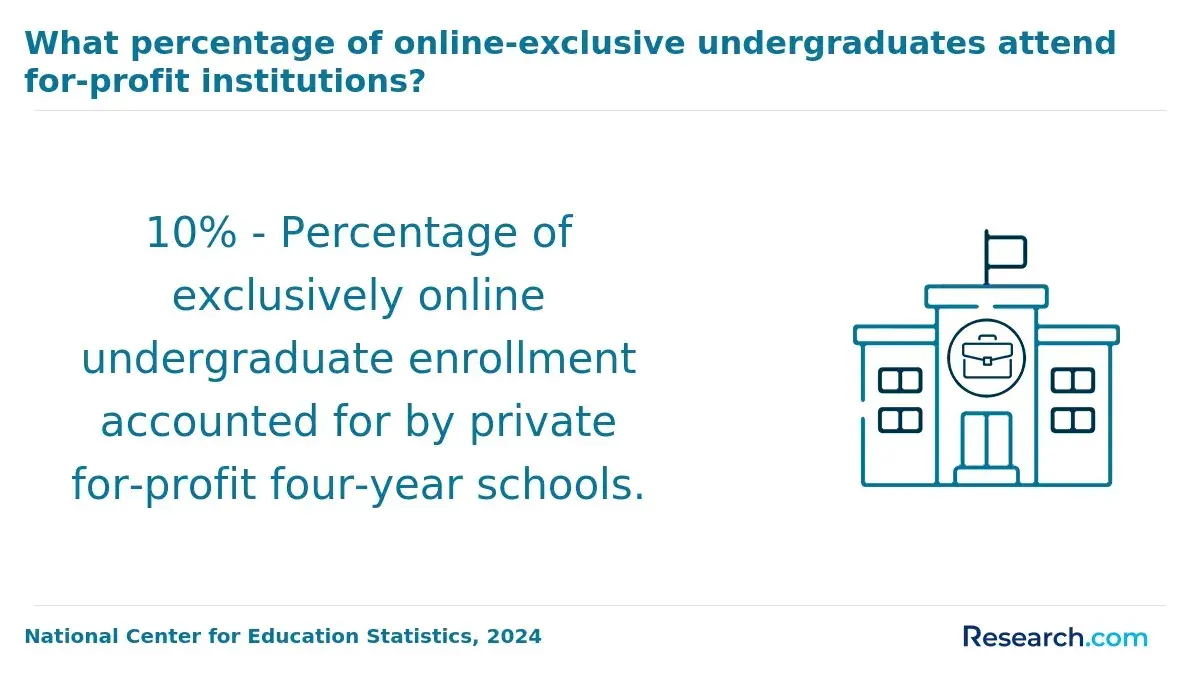
Online and campus programs can both prepare students for helping careers, but the right choice depends on the role. Lecture-based courses in psychology, public health, education theory, and healthcare administration may work well online. Clinical skills, lab practice, student teaching, and field placements usually require in-person components even when the program is advertised as online.
The table below compares formats using decision factors that matter most for helping careers. The goal is not to find the easiest format, but the format that helps you meet graduation, placement, and licensing requirements.
| Factor | Online program | Campus program | Best choice when |
| Schedule flexibility | Often stronger for working adults and caregivers | More fixed class times | Online is better if you need to keep working while studying |
| Hands-on practice | May require local labs, intensives, or arranged placements | Often easier access to simulation labs and campus-based support | Campus may be better for nursing, therapy, and lab-heavy programs |
| Field placement | Quality depends on the school's local placement network | Often tied to regional employers and school districts | Choose the school with stronger placement support in your area |
| Licensure alignment | Can be excellent, but state-by-state verification is essential | Often designed around the school's home-state rules | Pick the format that clearly meets your state's requirements |
| Peer and faculty interaction | Requires intentional participation | More natural face-to-face networking | Campus may help if you learn best through live feedback |
| Cost control | May reduce commuting and relocation costs | May offer campus jobs, labs, and local partnerships | Compare total cost, not tuition alone |
Students interested in remote or hybrid work should be realistic. Many helping roles require in-person service, but some paths in health education, case management, telehealth support, counseling administration, nonprofit program coordination, and instructional design can offer flexibility. If flexibility is a top priority, compare degrees for work from home jobs alongside traditional helping majors.
What courses and skills do helping-focused degree programs usually include?
Helping-focused programs usually combine subject knowledge, supervised practice, ethics, communication, and documentation. The exact curriculum depends on the field, but most programs are designed to teach students how to assess needs, build trust, work within legal boundaries, and coordinate care or services with other professionals.
Students should look for courses and experiences that connect directly to the workplace. The list below highlights skill areas that commonly appear across healthcare, education, counseling, and human services programs.
- Human development and behavior: Courses in lifespan development, psychology, sociology, child development, or aging help students understand how people's needs change across life stages.
- Communication and interviewing: Students learn active listening, motivational interviewing, conflict resolution, family communication, and culturally responsive interaction.
- Ethics, law, and professional boundaries: Programs cover confidentiality, mandated reporting, informed consent, disability rights, educational law, and scope of practice.
- Assessment and documentation: Students practice writing care notes, education plans, case records, treatment plans, or service referrals accurately and professionally.
- Crisis response and trauma-informed care: Many programs teach de-escalation, safety planning, referral procedures, and support for clients affected by trauma.
- Data and technology: Students may use electronic health records, learning management systems, assistive technology, telehealth platforms, or community health data tools.
- Field experience: Clinical rotations, internships, practicums, student teaching, or service-learning placements let students test whether the career feels sustainable.
The strongest students in helping professions are not simply "nice." They are reliable, observant, coachable, ethical, organized, and able to handle difficult situations without taking over a client's choices. Emotional resilience matters because many roles involve grief, poverty, illness, disability, family conflict, or emergencies.
How can you evaluate and compare accredited schools for careers helping people?
Accreditation is the first filter when comparing schools for helping careers. Institutional accreditation affects federal financial aid eligibility and credit transfer, while programmatic accreditation may determine whether you can sit for licensing exams in fields such as nursing, social work, counseling, education, occupational therapy, physical therapy, and speech-language pathology.
Use the following checklist when speaking with admissions advisors. These questions help reveal whether a program is aligned with your career goal, not just whether it is convenient to enroll.
- Confirm the school's institutional accreditation through the U.S. Department of Education or the Council for Higher Education Accreditation database.
- Ask whether the specific program meets licensing or certification requirements in the state where you plan to work.
- Request recent outcomes such as exam pass rates, completion rates, job placement support, and clinical or field placement availability.
- Compare total cost, including tuition, fees, books, background checks, uniforms, exam fees, travel, and lost work time.
- Ask how transfer credits work, especially if you plan to move from a certificate to an associate degree or from an associate degree to a bachelor's degree.
- Check whether online students receive equal access to advising, tutoring, placement coordination, disability services, and career services.
- Speak with current students or alumni when possible to understand workload, faculty responsiveness, and placement quality.
A common red flag is a school that markets compassion and career purpose but gives vague answers about licensure, field placements, or exam eligibility. Students considering advanced clinical, leadership, or academic roles should also think ahead about doctoral costs; comparing options such as a cheapest doctorate degree resource can be useful if your long-term path may require a terminal credential.
What steps should students take to explore and confirm a helping-focused career path?
The smartest way to choose a helping career is to test the work before you build an expensive education plan around it. A role can sound meaningful from the outside but feel very different when you experience shift work, client crises, paperwork, classroom management, bodily care, or emergency response.
Use these steps to narrow your options and confirm your path before enrolling in a costly program.
- Choose a population first: Decide whether you most want to help children, older adults, patients, people with disabilities, families, people in crisis, students, or whole communities.
- Identify the daily work: Shadow workers, watch approved career videos, read job postings, and ask professionals what they do during a normal week.
- Check the credential ladder: Map the route from entry-level work to your target role, including certificates, degrees, exams, supervised hours, and renewals.
- Volunteer or work part time: Try settings such as hospitals, schools, shelters, clinics, youth programs, senior centers, crisis lines, or disability services.
- Compare local demand: Search job postings in your area and note required credentials, preferred experience, schedules, and pay ranges.
- Calculate affordability: Estimate total program cost, expected debt, realistic starting wages, and whether you can work while studying.
- Build durable skills: Practice writing, communication, digital tools, basic data use, teamwork, and stress management because these transfer across helping careers.
Students should also give themselves permission to adjust. Many people begin in one helping role and move into another after discovering their strengths. A CNA may become an RN, an EMT may move into nursing or public health, a teacher may become a school counselor, and a case aide may become a licensed social worker. The goal is not to choose the perfect title immediately; it is to choose a path that teaches you more about the kind of help you are best prepared to give.
Other Things You Should Know About
The best choice depends on how you want to help. Nursing is strong for hands-on healthcare, social work for advocacy and services, counseling for mental health support, teaching for student development, and public health for community-level impact.
Yes. CNA, medical assistant, EMT, home health aide, childcare, behavioral health technician, and some human services roles can start with a certificate, diploma, employer training, or associate degree. Advancement may require more education.
Among common helping professions, physician assistants, nurse practitioners, registered nurses, healthcare managers, and some therapy or advanced clinical roles tend to have higher median pay. These roles usually require more education, licensing, or clinical training.
Test the setting before committing. Volunteer, shadow professionals, interview workers, review job postings, and try entry-level service work. Pay attention to whether the daily tasks, emotional demands, schedule, and education requirements fit your life.
References
- CourseCareers https://coursecareers.com/blog-posts/15-careers-you-can-start-with-no-experience-or-degree
- Top Careers for Students Who Want to Make a Difference https://www.collegexpress.com/articles-and-advice/career-search/articles/explore-careers/top-careers-students-who-want-make-difference/
- Career Exploration Activities for Students Lead to Better Future https://cisjax.org/how-career-exploration-activities-for-students-lead-to-better-future-decisions/
- 3 Helping Professions in High Demand https://www.umassglobal.edu/blog-news/3-helping-professions-high-demand
- Building a Future-Focused Blueprint Part 1: 6 Steps to Supporting Students in Making Career Decisions https://blog.definedlearning.com/building-a-future-focused-blueprint-part-1/
- Career paths you can take if you like helping people https://www.bcu.ac.uk/blog/education-and-teacher-training/career-paths-you-can-take-if-you-like-helping-people
- Health and Human Services Career Guide https://www.ultimatemedical.edu/blog/hhs-guide/
- Counseling Licensure https://socialworklicensemap.com/social-work-resources/counseling-licensure-requirements/
- Beyond the Degree: The Skills Students Want From Their Program https://www.keg.com/news/beyond-the-degree-skills-students-want-from-their-program
- 6 steps to a future-focused blueprint: Supporting students in making career decisions https://www.k12dive.com/spons/6-steps-to-a-future-focused-blueprint-supporting-students-in-making-career/740173/