2027 What Can You Do With an English Degree?

Co-Founder and Chief Data Scientist
An English degree can lead to more than teaching or writing novels; it can prepare you for communication-heavy work in business, media, law, tech, education, and public service. The choice matters because employers are still hiring for roles that require clear writing, research, editing, and audience analysis.
For example, BLS May 2024 wage data places technical writers at a median annual wage of $91,670, showing how language skills can pay off when paired with specialized knowledge. This guide helps you compare career paths, degree formats, costs, and next steps.
Key Things You Should Know
- An English degree is most marketable when paired with a practical direction such as technical writing, content strategy, teaching, law, communications, publishing, UX writing, or nonprofit work.
- BLS May 2024 wage data shows wide variation by role: technical writers had a median annual wage of $91,670, editors $75,260, and writers and authors $72,270, so career focus matters more than the major title alone.
- The smartest program choice depends on cost, accreditation, format, transfer credits, and career goals; a low-cost online or accelerated option may fit working adults, while an on-campus program may better support internships, publishing networks, or teacher preparation.
What careers and job roles are available with an English degree?
An English degree prepares students to analyze language, write for different audiences, interpret complex texts, and communicate ideas clearly. Those abilities translate into several career families, but the best path usually depends on whether you want to write, teach, manage information, persuade audiences, or use communication skills in another profession.
The table below summarizes common roles for English majors and how each one typically uses the degree. It is useful because "English major jobs" vary widely in duties, hiring standards, and advancement paths.
| Career path | Common roles | How the English degree helps | Best fit for |
| Writing and content | Content writer, copywriter, grant writer, speechwriter, proposal writer | Develops audience awareness, argument structure, editing, and research skills | People who enjoy producing polished written work under deadlines |
| Editing and publishing | Editor, proofreader, literary agent assistant, production editor | Builds close-reading, grammar, style, and manuscript evaluation skills | Detail-oriented readers who like improving other people's work |
| Technical and professional communication | Technical writer, documentation specialist, UX writer, instructional content developer | Applies clear writing to specialized subjects, products, policies, and user needs | Students willing to learn tools, software, or industry-specific vocabulary |
| Marketing and communications | Communications specialist, social media strategist, PR assistant, brand copywriter | Supports messaging, storytelling, campaign writing, and audience analysis | Students who want a business-facing communication role |
| Education | English teacher, curriculum writer, tutor, literacy specialist | Provides literature, writing, reading, and language foundations | Students prepared to meet state licensure or graduate study requirements |
| Law, policy, and public service | Paralegal, legislative aide, policy assistant, pre-law student | Strengthens reading comprehension, argumentation, evidence evaluation, and writing | Students considering law school, government, or advocacy work |
Entry-level English degree jobs often start with writing samples, internships, campus publications, tutoring, administrative roles, or communications assistant positions. From there, English majors can move into senior copywriting, content management, editorial leadership, communications strategy, instructional design, legal study, or graduate education.
A common mistake is assuming the degree alone will identify the career. A stronger approach is to choose a target role by sophomore or junior year, then build evidence through clips, projects, internships, teaching fieldwork, technical writing samples, or a portfolio.
What skills do English majors gain, and how are they valued by employers?
English majors gain transferable skills, but employers value them most when students can show how those skills solve workplace problems. That means turning "I'm a strong writer" into proof: policy memos, edited publications, user guides, research briefs, grant drafts, classroom materials, or digital content campaigns.
The skills below are especially valuable because they apply across industries and are difficult to automate completely. AI tools can draft and summarize text, but employers still need people who can judge accuracy, adapt tone, check evidence, and communicate responsibly.
- Writing for audience and purpose: English majors learn to adjust tone, structure, evidence, and style depending on whether they are writing an essay, report, article, proposal, script, or public-facing message.
- Close reading and analysis: Students practice identifying assumptions, interpreting complex language, and explaining meaning clearly, which helps in law, policy, research, editing, and business communication.
- Research and evidence evaluation: English coursework often requires finding sources, evaluating credibility, synthesizing arguments, and citing evidence responsibly.
- Editing and revision: Employers value workers who can improve clarity, remove ambiguity, maintain consistency, and make documents easier to use.
- Storytelling and persuasion: English majors learn how narratives, examples, structure, and rhetoric influence readers, which is useful in marketing, fundraising, advocacy, and leadership communication.
- AI-literate communication: Students who can use generative AI for brainstorming, outlining, editing, and workflow support while checking facts and preserving voice may have an advantage in content-heavy roles.
The biggest risk is underselling these skills as abstract academic strengths. To improve employability, translate each skill into a workplace deliverable: "edited a 40-page report," "created a style guide," "wrote grant copy," "built a documentation sample," or "managed a publication calendar."
What is the typical salary range and earning potential for English majors?
English degree salaries vary because graduates enter many different occupations. The major itself does not determine earnings; industry, location, portfolio quality, technical knowledge, graduate credentials, and management responsibility all affect pay.
The table below uses BLS May 2024 median annual wage data for selected occupations that commonly align with English-major skills. These figures describe occupations, not guaranteed outcomes for every English graduate.
| Occupation | Median annual wage | What affects earning potential |
| Technical writers | $91,670 | Software, engineering, healthcare, regulatory, or product knowledge can raise competitiveness |
| Editors | $75,260 | Experience, subject matter expertise, publication type, and leadership responsibility matter |
| Writers and authors | $72,270 | Income can vary widely because freelance, contract, salaried, and creative work differ |
| Public relations specialists | $69,780 | Industry, campaign experience, writing samples, and media relations skills influence advancement |
| High school teachers | $64,580 | State pay scales, licensure, district, seniority, and graduate credits affect compensation |
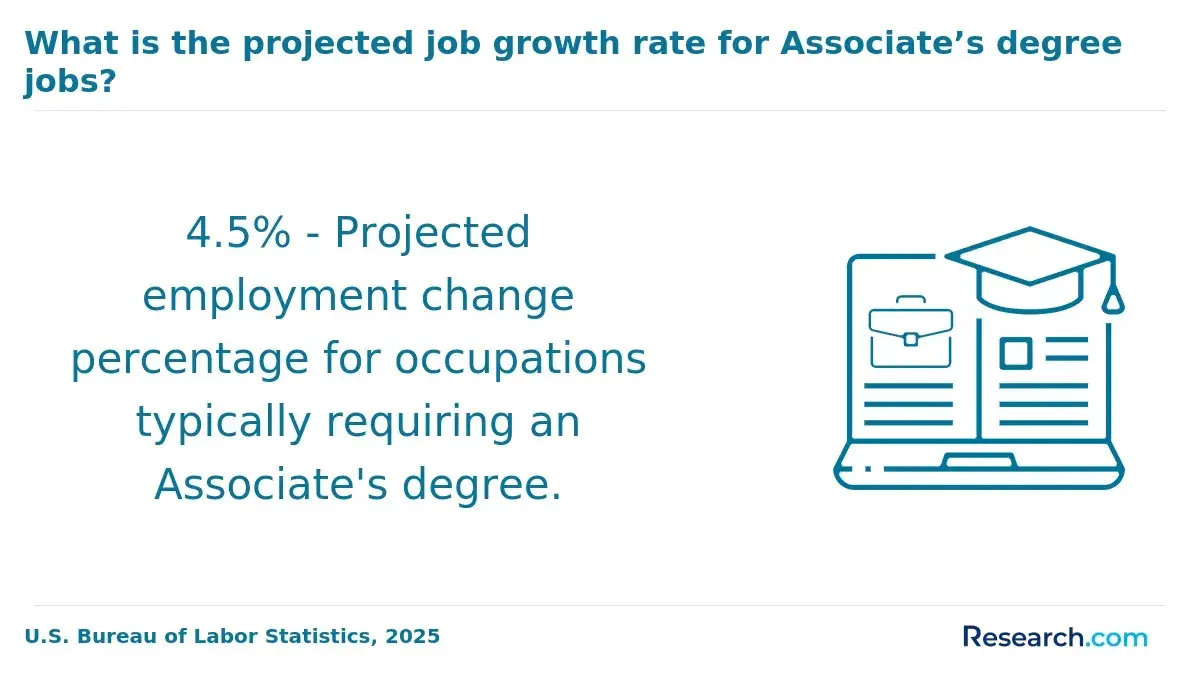
Job outlook also differs by role. BLS projections for 2023 to 2033 show technical writers growing faster than editors, which reflects demand for clear documentation in technology, healthcare, and regulated industries. For readers comparing ROI, this means a general English degree may be strongest when combined with a concentration, certificate, internship, or portfolio tied to a growing field.
Be careful with salary averages from individual schools or job boards. They may reflect small samples, self-reported data, or graduates from high-cost labor markets. Use national medians as a baseline, then check local postings for the exact job titles you want.
What types of English degree programs exist, and which is right for you?
English degrees exist at multiple levels, and each level serves a different purpose. The right choice depends on whether you want broad undergraduate preparation, a career change, teaching credentials, advanced scholarship, or a faster path into a communication role.
The table below compares common English degree types. Use it to decide whether you need a full degree, an advanced credential, or a more flexible path.
| Program type | Typical purpose | Who it fits | When to be cautious |
| Associate degree in English | Builds foundational writing, literature, and general education credits | Students planning to transfer to a bachelor's program or reduce cost | If credits will not transfer cleanly to the intended four-year school |
| Bachelor's degree in English | Provides the standard undergraduate credential for many writing, communications, and pre-professional paths | Students seeking entry-level roles or preparation for graduate study | If the program lacks career advising, internships, or practical writing options |
| Master's degree in English | Deepens literary, rhetoric, writing, or composition expertise | Teachers, writers, editors, and students considering doctoral study | If the cost is high and the target job does not require graduate education |
| MFA in creative writing | Focuses on fiction, poetry, nonfiction, screenwriting, or literary craft | Writers seeking intensive workshop training and a writing community | If the expected career outcome is unclear or funding is limited |
| PhD in English | Prepares students for advanced research, teaching, and academic work | Students committed to scholarship and competitive academic pathways | If the goal is general writing work that does not require a doctorate |
Working adults, parents, and students managing childcare may also compare English with other flexible majors before enrolling. If schedule fit is a major factor, resources on the best degrees for single moms can help frame questions about flexibility, support, and career alignment.
One practical rule is to choose the lowest-cost credential that credibly supports your goal. For example, a bachelor's degree may be enough for entry-level communications work, while public school teaching usually requires a state-approved educator preparation route, and college teaching often requires graduate study.
How do online English degree programs compare to on-campus options?
Online and on-campus English degrees can cover similar academic material, but they differ in scheduling, networking, classroom interaction, and access to local opportunities. The better option depends less on prestige and more on how you learn, work, and build career evidence.
The table below compares the formats in practical terms. It can help you decide which environment supports your schedule and career goals.
| Factor | Online English degree | On-campus English degree |
| Schedule | Often more flexible for working adults, caregivers, and students outside commuting distance | More structured, with scheduled class meetings and campus routines |
| Interaction | May rely on discussion boards, video meetings, peer review platforms, and digital feedback | Offers face-to-face workshops, office hours, readings, and campus events |
| Career building | Can work well if the school offers online tutoring, portfolio support, internships, and career services | May offer easier access to campus newspapers, literary magazines, writing centers, and local internships |
| Best fit | Self-directed students who need flexibility and can manage deadlines independently | Students who want in-person mentorship, campus community, and structured learning |
| Watch out for | Weak student support, unclear accreditation, limited faculty access, or no portfolio development | Higher housing, commuting, or relocation costs that may increase total debt |
Online study is not automatically easier. English courses often require heavy reading, frequent writing, peer feedback, and revision. Students considering flexible formats should compare deadlines, course pacing, faculty feedback, and whether the program includes real portfolio work rather than only discussion posts and exams.
If you need maximum flexibility, compare programs that offer online self-paced college courses, but confirm how self-paced work affects financial aid, transfer credit, faculty interaction, and graduation timelines.
What courses and concentrations are common in an English major curriculum?
An English major curriculum usually combines literature, writing, language, theory, research, and electives. The best curriculum is not simply the one with the most famous authors; it is the one that helps you build the kind of reading, writing, and communication portfolio your target career requires.
Common courses often include the following areas. Review these categories when comparing programs because course mix can shape your career options.
- Literature surveys: British, American, world, multicultural, or contemporary literature courses that build historical and cultural context.
- Writing and rhetoric: Composition, persuasive writing, professional writing, creative writing, and rhetorical analysis.
- Language and linguistics: Grammar, history of the English language, sociolinguistics, or language structure.
- Critical theory and research methods: Courses that teach interpretive frameworks, scholarly research, and advanced argumentation.
- Editing and publishing: Copyediting, literary magazine production, digital publishing, and style guide work.
- Digital and technical communication: Web writing, documentation, content strategy, usability, and multimedia communication.
- Capstone or portfolio: A final project, thesis, internship, or writing portfolio that demonstrates career-ready work.
Concentrations vary by school, but common options include creative writing, professional writing, technical communication, rhetoric and composition, literature, linguistics, education, publishing, and digital humanities. If you want a job soon after graduation, prioritize programs that require internships, public-facing writing, editing projects, or a portfolio review.
A common mistake is choosing courses only by personal interest. Interest matters, but a balanced plan should include at least one marketable writing format, one research-intensive course, one editing or revision-heavy course, and one project that can be shown to employers.
What admission requirements and prerequisites do English degree programs have?
Admissions requirements for English degree programs depend on degree level and school selectivity. Undergraduate programs usually look for academic readiness and writing ability, while graduate programs often require a stronger writing sample, faculty fit, and evidence that the applicant can handle advanced reading and research.
Applicants should expect some combination of the following requirements. Checking them early helps you avoid missing deadlines or applying to a program that does not match your background.
- Undergraduate admission materials: High school transcript or GED, application form, personal statement, recommendations, and sometimes optional test scores.
- Transfer admission materials: College transcripts, minimum GPA, course descriptions, and evaluation of prior credits.
- Graduate admission materials: Bachelor's degree, writing sample, statement of purpose, letters of recommendation, resume or CV, and sometimes GRE scores if required by the school.
- Teaching pathway requirements: State-approved educator preparation coursework, field experience, background checks, and licensure exams, which vary by state.
- International or multilingual student requirements: English proficiency documentation may be required depending on the applicant's prior education and school policy.
Some learners want to finish a bachelor's degree faster by using transfer credits, year-round terms, or shorter sessions. If speed is important, compare accelerated bachelor's degree online accredited options carefully and ask whether English major courses are available often enough to support an accelerated timeline.
The biggest admissions mistake is assuming that English programs have no prerequisites because the subject feels familiar. Strong programs may expect college-level writing readiness, literature experience, research ability, or a polished sample for advanced study.
How long does it take to earn an English degree, and what does it cost?
A bachelor's degree in English typically takes about four years of full-time study, while an associate degree often takes about two years and a master's degree commonly takes one to two years. Part-time study, transfer credits, developmental coursework, changed majors, and course availability can extend the timeline.
Cost depends on tuition, fees, books, technology, housing, transportation, lost work time, and whether credits transfer efficiently. College Board's 2024 Trends in College Pricing reported average published tuition and fees of $11,610 for in-state students at public four-year institutions and $43,350 at private nonprofit four-year institutions for 2024-25, which shows why school type and residency can strongly affect the starting price.
The table below highlights cost factors that matter when comparing English programs. Use it to estimate total cost rather than focusing only on tuition per credit.
| Cost factor | Why it matters | Question to ask |
| Tuition and mandatory fees | These are the most visible costs, but not the only ones | What is the total program cost after all required fees? |
| Transfer credit policy | Accepted credits can shorten time and reduce tuition | How many prior credits will apply to the English major and general education requirements? |
| Books and materials | Literature courses can require many texts, though used and digital options may reduce cost | Are low-cost or open educational resources used in major courses? |
| Housing and commuting | Campus attendance can add costs beyond tuition | Can required courses be completed online or locally? |
| Time to completion | Extra semesters can increase tuition and delay earnings | Are required courses offered every term or only once per year? |
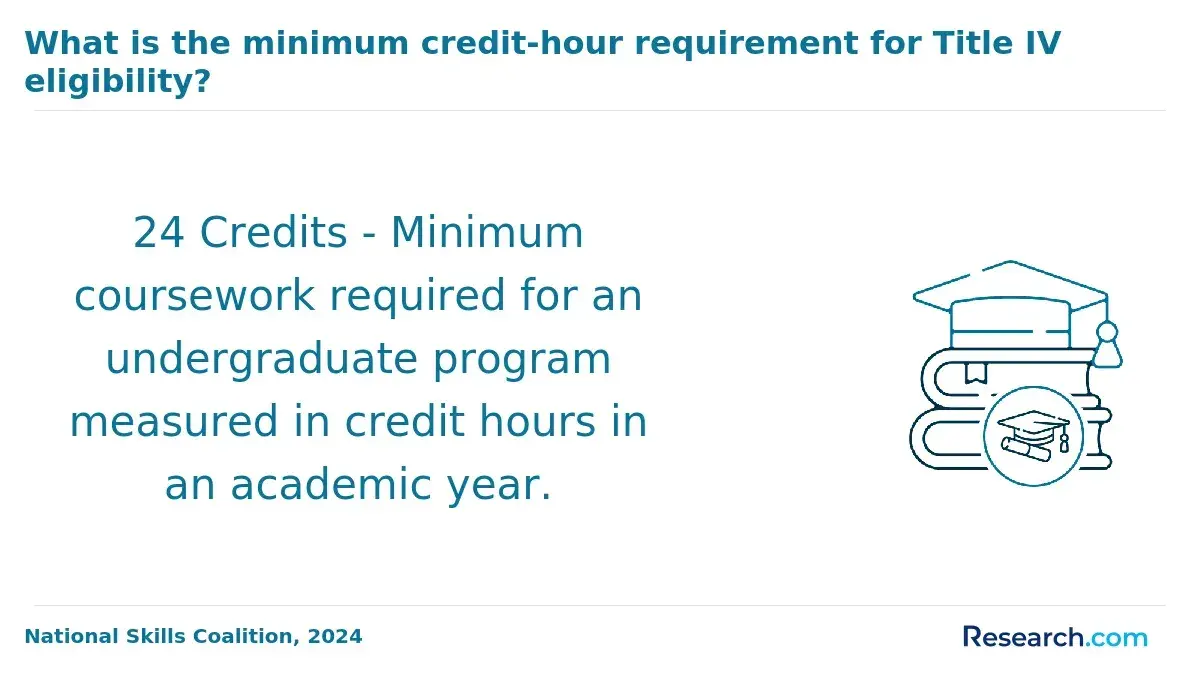
Students who plan to use federal aid should confirm that the institution participates in Title IV aid programs and that the specific program is eligible. If affordability is your top priority, compare accredited online colleges that accept FAFSA and still verify program quality, transfer rules, and graduation support.
A smart cost strategy is to start with a target job, estimate likely entry-level pay in your region, compare total borrowing, and avoid paying graduate-level prices for a role that only requires a bachelor's degree and a strong portfolio.
How can you specialize an English degree for fields like tech, law, or education?
An English degree becomes more career-specific when you combine it with a concentration, minor, certificate, internship, or project portfolio. Specialization helps employers understand where your writing and analysis skills fit.
The options below show how to tailor an English degree toward several high-interest fields. Choose a specialization based on the job postings you want to qualify for, not only the courses that sound interesting.
- Technology: Add technical writing, UX writing, web content, documentation tools, basic HTML, software terminology, and usability testing projects. Build samples such as user guides, help-center articles, release notes, or product tutorials.
- Law: Take courses in rhetoric, logic, legal writing if available, political science, ethics, and research. Look for internships in legal offices, courts, nonprofits, or policy organizations.
- Education: Confirm state educator preparation requirements before choosing electives. Add adolescent literacy, composition pedagogy, classroom observation, tutoring, and subject-area methods.
- Marketing and public relations: Combine English with digital marketing, communications, analytics basics, media writing, and campaign projects. Create writing samples for different audiences and platforms.
- Publishing and editing: Prioritize copyediting, style guides, literary magazine work, book history, digital publishing, and internships with presses, journals, or communications offices.
- Nonprofit and grant work: Add grant writing, public policy, community writing, research methods, and project evaluation. Build samples that show persuasive writing tied to measurable needs.
AI is changing these fields, especially content production and editing. Rather than avoiding AI, English majors should learn to use it responsibly for drafting support, brainstorming, summarizing, and editing while maintaining fact-checking, originality, ethical citation, and human judgment.
The most common specialization mistake is adding random certificates without a portfolio. A better strategy is to complete two or three polished projects that match a real job description, then explain your role, audience, tools, and results.
How do you choose an accredited, reputable English program that fits your goals?
Accreditation is the first quality check. In the U.S., students should look for institutional accreditation from an agency recognized by the U.S. Department of Education or the Council for Higher Education Accreditation. For teaching pathways, also confirm that the program meets state educator preparation and licensure requirements where you plan to teach.
Use the following steps when comparing English programs. They are designed to help you avoid expensive mismatches and choose a program that supports your actual goal.
- Confirm institutional accreditation and, if relevant, state approval for teacher preparation.
- Review the English curriculum for practical writing, research, editing, digital communication, internship, and capstone options.
- Ask how many credits will transfer and whether transferred courses apply to the major or only electives.
- Compare total cost, not just tuition, including fees, books, travel, housing, and extra semesters.
- Look for career evidence such as internship partners, writing center jobs, alumni outcomes, portfolio requirements, and employer-connected projects.
- Evaluate faculty access, feedback quality, class size, and whether online students receive the same advising and career support as campus students.
- Read program policies on academic honesty, AI use, course availability, leave of absence, and graduation requirements.
Some students may benefit from flexible completion models that award credit for demonstrated learning rather than seat time. If that fits your background, compare competency-based universities, but make sure the model includes enough faculty feedback for writing-intensive English coursework.
Red flags include unclear accreditation, pressure-heavy admissions calls, vague total cost estimates, no writing portfolio opportunities, limited access to instructors, poor transfer transparency, or promises of specific jobs and salaries. A reputable program should be able to explain requirements, costs, support services, and outcomes without guaranteeing results.
Other Things You Should Know About
An English degree can be worth it if you use it strategically. It is strongest when paired with a career direction, practical writing samples, internships, technical or industry knowledge, and a realistic cost plan.
Yes, but the best opportunities usually go to graduates who can show relevant experience. A portfolio, internship, campus publication work, tutoring experience, or technical writing sample can make a major difference.
No. Teaching is one option, but English majors also work in writing, editing, communications, marketing, publishing, public relations, technical documentation, law-related support roles, nonprofits, and business operations.
Choose English if you want deeper training in writing, literature, interpretation, editing, and research. Choose communications if you want broader study of media, public relations, organizational communication, and campaigns. Many careers overlap, so compare course requirements and portfolio opportunities before deciding.
References
- How to choose the right English course for your goals https://www.englishpath.com/blog/how-to-choose-the-right-english-course-for-your-goals/
- Online Degree vs. Traditional: Choosing the Right Path https://beal.edu/online-degree-vs-traditional/
- Online Bachelor's Degree: English https://www.umgc.edu/online-degrees/bachelors/english
- How to choose UK English courses in 2026 https://ecenglish.com/en/blog/travel/how-to-choose-uk-english-courses/
- In-Demand Jobs for English Degree Holders | OEd https://oed.com.ph/top-10-careers-for-english-major-graduates/
- List of Bachelors in English Programs – Campus & Online https://yescollege.com/degrees/bachelors-in-english/
- What Kinds of Classes Do English Majors Take, Anyway? https://www.belmont.edu/stories/articles/2024/classes-for-english-majors.html
- The Best English Language Schools https://internationalenglishtest.com/blog/the-best-english-language-schools/
- English language requirements https://www.universityadmissions.se/en/entry-requirements/english-language-requirements/
- Five Tips For Choosing The Right Language Course | CEL https://www.englishcollege.com/post/how-find-best-language-course