2027 School Counselor Salary: Career Guide for Students and Graduates

Co-Founder and Chief Data Scientist
Choosing school counseling means weighing a graduate degree, state licensure, and long-term public-service pay. The latest U.S. Bureau of Labor Statistics data reports a 2024 median annual wage of $65,140 for school and career counselors and advisors, with demand tied to student mental health, college readiness, and career planning needs.
This guide is for students, graduates, career changers, and educators comparing whether the path is financially and professionally worthwhile. You will learn what counselors do, how salaries vary, which degree and license steps matter, and how to choose a program wisely.
Key Things You Should Know
- The latest BLS median pay for school and career counselors and advisors is $65,140, but actual school counselor salary depends heavily on state salary schedules, district funding, degree level, and years of experience.
- Most public school counselor roles require a master's degree in school counseling or a closely related counseling field, supervised field experience, and state-issued certification or licensure.
- BLS projects 4% employment growth for school and career counselors and advisors from 2024 to 2034, so the field is stable but not a shortcut to high earnings without graduate training and licensure planning.
What does a school counselor do, and where do they typically work?
A school counselor supports students' academic development, social-emotional well-being, college readiness, and career planning. The role is different from classroom teaching and different from long-term clinical therapy: school counselors work within a school system, coordinate with educators and families, and use counseling skills to help students succeed in an educational setting.
Daily responsibilities vary by grade level, but most school counselors balance direct student support with program planning and documentation. Common responsibilities include the following:
- Meeting with students individually or in small groups about academic progress, peer conflict, attendance, grief, bullying, anxiety, or postsecondary plans.
- Coordinating course selection, graduation planning, college applications, scholarships, career exploration, and transition planning.
- Collaborating with teachers, administrators, families, social workers, psychologists, and community agencies when students need extra support.
- Using student data to identify barriers such as chronic absenteeism, failing grades, discipline patterns, or inequitable access to advanced coursework.
- Responding to crises, making referrals, and following mandated reporting requirements when student safety is at risk.
Most school counselors work in elementary schools, middle schools, high schools, career and technical education centers, and district offices. Some also work in private schools, charter schools, virtual schools, college access nonprofits, or educational consulting roles. If your long-term goal is a counseling-related role with more remote flexibility, compare this path with degrees for work from home jobs, because school counseling is usually tied to scheduled student contact and on-site school operations.
The table below shows how the role changes by setting. This matters because salary, daily schedule, caseload, and emotional demands can look very different across school levels.
| Setting | Typical focus | What to consider |
| Elementary school | Social-emotional learning, behavior support, classroom lessons, family communication | Best for people who enjoy early intervention and frequent collaboration with teachers and parents |
| Middle school | Transition support, identity development, peer relationships, attendance, academic habits | Often requires strong crisis prevention, group facilitation, and conflict-resolution skills |
| High school | Graduation planning, college and career readiness, course pathways, scholarship guidance | Best for people who enjoy advising, data tracking, and helping students make postsecondary decisions |
| District or specialized program | Program coordination, counseling leadership, college access, crisis response, equity initiatives | May require several years of school counseling experience and strong systems-level skills |
What is the average school counselor salary in the United States?
The most useful national benchmark is the BLS category for school and career counselors and advisors. The latest BLS Occupational Outlook Handbook figure lists a 2024 median annual wage of $65,140. That median is not a guaranteed starting salary; it is the midpoint across workers in the broader occupation, including professionals with different employers, experience levels, and education settings.
For a student deciding whether the degree is worth it, the key issue is not only the national median. Public school counselors are often paid according to district salary schedules, which may reward years of service, graduate credits, additional certifications, and contract length. A counselor with a 10-month contract may have a different annual total than a counselor on an extended-year contract, even if their monthly rate looks similar.
The table below summarizes how to interpret salary numbers before using them in a career decision. It can help you avoid comparing a national median to a local job offer incorrectly:
| Salary measure | What it tells you | How to use it |
| National median wage | The midpoint for the occupation nationwide | Use it as a broad benchmark, not as a prediction for your first job |
| District salary schedule | Pay by education level, years of experience, and contract terms | Use it to estimate realistic local earnings before enrolling in a program |
| State labor data | Regional pay patterns and employer demand | Use it to compare relocation options and high-cost versus lower-cost areas |
| Job posting salary range | What a specific employer is offering now | Use it to evaluate immediate opportunities, benefits, and contract length |
Benefits also matter. Public school roles may include health insurance, retirement contributions, paid leave, and predictable school-year calendars. Those benefits can improve total compensation, especially for graduates comparing school counseling with private-sector advising, nonprofit student support, or entry-level human services roles.
Which factors most influence school counselor pay across states and settings?
School counselor pay is shaped by local labor markets and public education funding more than by job title alone. Two counselors with the same master's degree can earn different salaries if they work in districts with different collective bargaining agreements, cost-of-living pressures, or staffing shortages.
The biggest pay factors are practical and checkable before you apply to graduate school or accept a job. Review these items when comparing locations or employers:
- State and district salary schedules: Many public schools publish salary lanes based on degree level, graduate credits, and years of experience.
- Contract length: A 10-month contract, 11-month contract, summer assignment, or extended-year role can change annual income.
- Experience credit: Some districts credit prior teaching, counseling, or related experience differently when placing new hires on the salary scale.
- Credentials beyond the minimum: Additional graduate credits, bilingual authorization, special education knowledge, or leadership credentials may affect placement or advancement.
- School level and caseload: High schools may involve intensive graduation and college planning, while elementary roles may involve more classroom guidance and early intervention.
- Local cost of living: Higher salaries in expensive metro areas may not translate into higher purchasing power.
Technology is also changing the work, though it is not replacing the counselor's core role. Schools increasingly use student information systems, early-alert tools, college planning platforms, and tele-support models. Counselors who can interpret data ethically, protect student privacy, and use technology to prioritize outreach may be more competitive for leadership or district-level roles.
A common mistake is focusing only on the highest posted salary. A better approach is to compare salary, benefits, caseload, supervision, contract days, and advancement pathways together. A slightly lower salary in a supportive district can be a better early-career move than a higher salary in a setting with unsustainable caseloads and limited mentoring.
What education and degree do you need to become a school counselor?
Most school counselor positions require a master's degree in school counseling, counseling, counselor education, or a closely related field that meets state certification requirements. A bachelor's degree is usually the starting point, but the graduate program is what prepares you for supervised practice, ethical decision-making, child and adolescent development, group counseling, assessment, and school-based interventions.
The typical path has several stages. The exact sequence varies by state, but most candidates follow a version of this progression:
- Earn a bachelor's degree from a regionally accredited institution, often in psychology, education, social work, human development, sociology, or a related field.
- Complete prerequisite or recommended coursework if your undergraduate background is outside education or behavioral sciences.
- Enroll in a master's program that meets your state's school counselor certification or licensure rules.
- Complete practicum and internship hours in approved school settings under qualified supervision.
- Pass any required state exams, background checks, and application steps for school counselor certification.
- Apply for school counselor roles and maintain continuing education or renewal requirements after hiring.
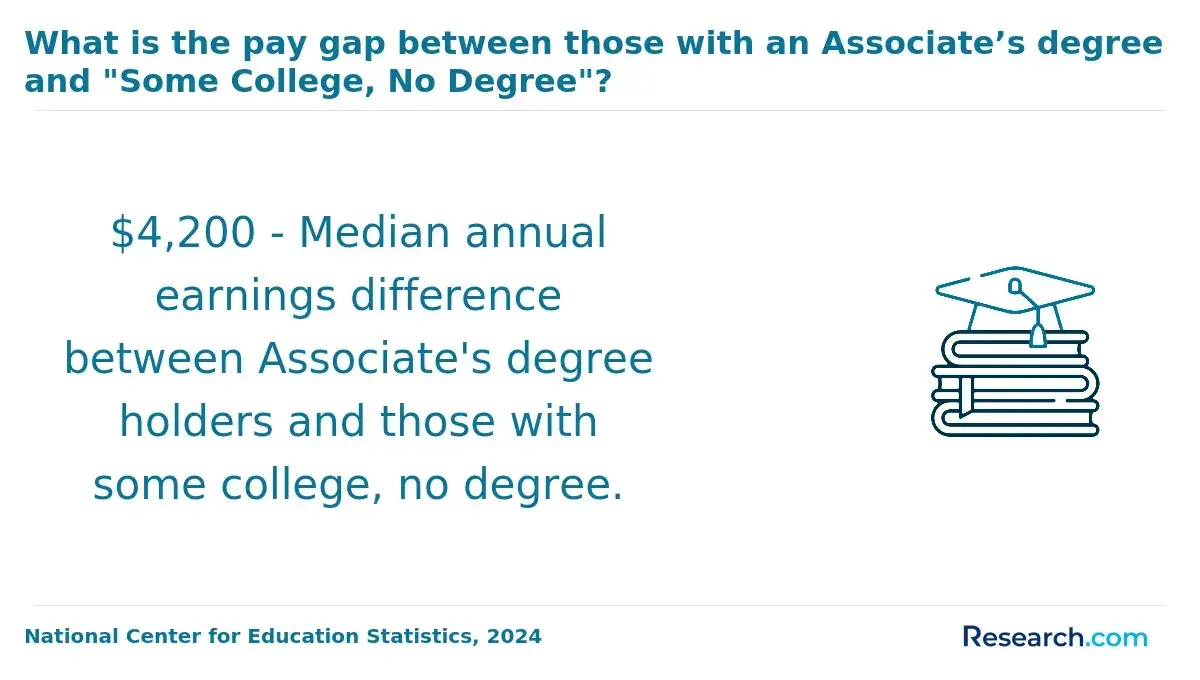
If you are still early in college planning, an associate degree can lower the cost of your first two years before transfer, but it will not qualify you for school counselor licensure by itself. Students exploring a lower-cost starting point can compare associate degree online programs before moving into a bachelor's and then a counseling master's pathway.
The table below compares common education options. It is useful because not every counseling-adjacent credential leads to the same school-based job:
| Credential | Typical purpose | Is it enough for school counselor roles? |
| Bachelor's degree | Foundation for graduate admission and related entry-level student support work | No, not for most licensed or certified school counselor positions |
| Master's in school counseling | Primary preparation for K-12 school counseling certification | Usually yes, if it meets state requirements |
| Master's in clinical mental health counseling | Preparation for clinical counseling licensure | Only if coursework and fieldwork also meet school counselor rules |
| Education specialist or doctoral degree | Advanced practice, leadership, supervision, research, or district-level roles | Not usually required for entry-level school counselor jobs |
Before enrolling, ask the program which states it is designed to serve. This is especially important if you plan to study online while living in a different state from the university.
How do online school counseling programs compare with campus-based options?
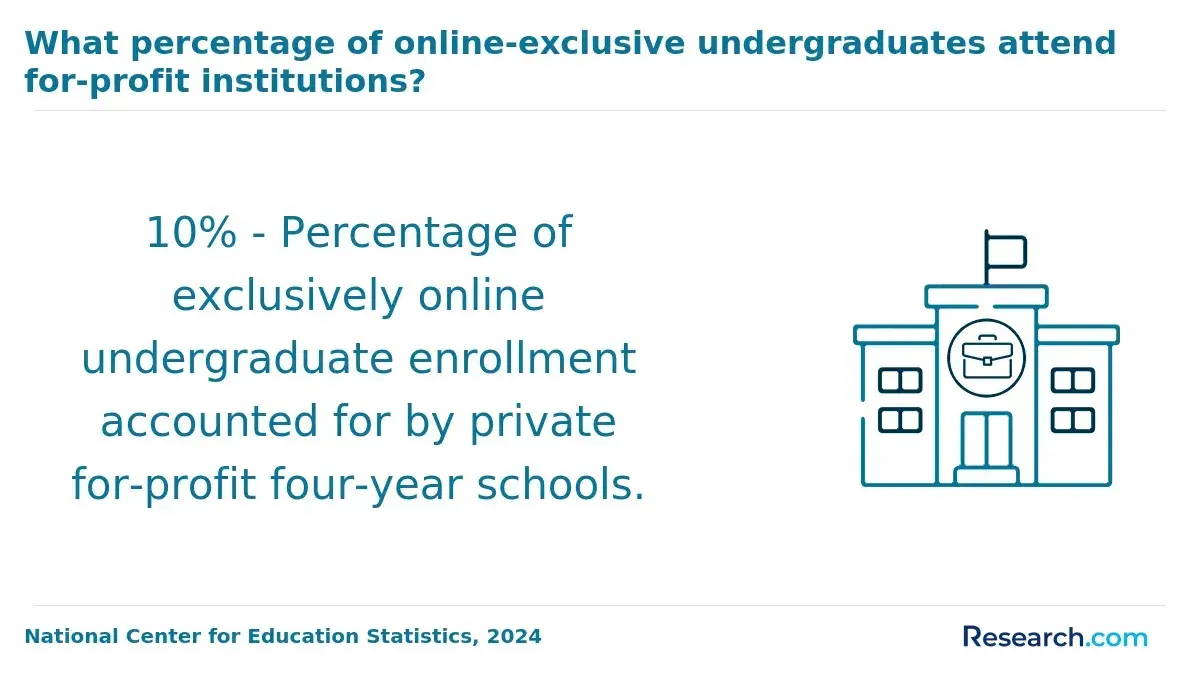
Online school counseling programs can be a strong fit for working adults, career changers, and students who cannot relocate. The main trade-off is that school counseling is not fully remote training: even online programs require in-person practicum and internship placements in approved schools.
Cost is often part of the decision. Federal Student Aid currently allows graduate students to borrow up to $20,500 per academic year in Direct Unsubsidized Loans, but borrowing the maximum is not always wise. Compare tuition, fees, travel, technology costs, internship scheduling, and lost work hours before deciding whether a program is affordable.
The table below compares online and campus-based formats. Use it to match the format to your schedule, learning style, and licensure needs:
| Program format | Best fit | Main trade-off |
| Fully online coursework with local fieldwork | Working adults and students far from campus | You must secure approved school placements that meet program and state rules |
| Hybrid program | Students who want flexibility plus some face-to-face interaction | Campus visits may add travel costs or scheduling pressure |
| Campus-based program | Students who prefer in-person classes, local school partnerships, and structured cohorts | Less flexible for full-time workers or students outside the region |
| Accelerated program | Students who can handle heavier course loads and fieldwork demands | Less time for paid work, reflection, and gradual skill development |
When comparing programs, affordability should include more than advertised tuition. Students looking for lower-cost graduate options can use lists of the most affordable online masters as a starting point, then verify whether each program specifically meets school counseling licensure requirements in their state.
Good questions to ask an online program include the following:
- Does the program meet school counselor certification requirements in my state?
- Who approves my practicum and internship sites, and how early should I start arranging them?
- Are live class meetings required, and do they conflict with work or school placement hours?
- What is the total program cost after fees, books, background checks, testing, and travel?
- What support is available if my state changes certification requirements before I graduate?
Why is CACREP and regional accreditation important for school counseling degrees?
Accreditation helps you determine whether a school and program meet recognized quality standards. For school counseling students, two types matter most: institutional accreditation and programmatic accreditation. Institutional accreditation confirms that the college or university meets broad academic standards.
Programmatic accreditation, such as CACREP accreditation for counseling programs, evaluates whether the counseling curriculum and training model meet profession-specific standards.
CACREP's 2024 standards are especially relevant because school counseling programs are expected to align coursework and field experiences with current professional competencies.
However, CACREP is not the only factor. Some states accept non-CACREP programs if they meet state coursework and fieldwork rules, while others may make CACREP status highly advantageous or required for certain pathways.
The table below explains what each accreditation signal means for your decision. It can help you avoid a costly enrollment mistake:
| Accreditation or approval | What it means | Why it matters |
| Regional or institutional accreditation | The college or university meets recognized academic standards | Often required for federal financial aid, transfer credit, and employer recognition |
| CACREP accreditation | The counseling program meets counseling-specific educational standards | Can simplify licensure review and signal alignment with professional expectations |
| State approval | The program is approved or recognized for school counselor preparation in a specific state | Most important if you plan to work in that state's public schools |
Red flags include vague licensure language, lack of clear field placement requirements, no published accreditation information, or admissions staff who cannot explain whether the program prepares graduates for school counseling certification.
If you are comparing counseling with broader graduate options, review how school counseling fits among the most versatile masters degrees, because licensure-focused degrees can be powerful but less flexible outside their intended field.
What are typical admission requirements for master's programs in school counseling?
Admissions requirements vary by university, but school counseling programs usually look for academic readiness, communication skills, ethical maturity, and evidence that you understand the realities of working with children and adolescents. You do not always need a teaching license or a psychology major, but relevant experience can strengthen your application.
Most programs request a combination of academic records and fit-based materials. Expect to prepare the following:
- Official transcripts showing a completed bachelor's degree from an accredited institution.
- A minimum undergraduate GPA, often with possible conditional admission if other parts of the application are strong.
- Letters of recommendation from faculty, supervisors, school professionals, or human services employers.
- A personal statement explaining your interest in school counseling, experience with youth, and career goals.
- A resume listing education, employment, volunteer work, tutoring, mentoring, advocacy, or school-based experience.
- An interview, group interview, or writing sample to assess interpersonal skills and professional judgment.
- Background check or fingerprinting steps before fieldwork, depending on the program and placement site.
If your GPA is weaker, do not assume the path is closed. Programs may value upward grade trends, strong recommendations, relevant work experience, and a clear explanation of your readiness for graduate study. Taking a prerequisite course in counseling, psychology, child development, or statistics can also help demonstrate preparation.
Applicants should avoid applying only to the fastest or cheapest program. A better admissions strategy is to shortlist programs that match your target state, schedule, field placement needs, and total cost. Then contact each program directly and ask for written confirmation about licensure alignment before submitting deposits.
What courses, practicum, and internship experiences do school counseling programs include?
School counseling master's programs combine counseling theory, applied skills, ethics, assessment, multicultural competence, and school-based practice. The goal is to prepare you to support students while working within legal, educational, and family systems.
Course names differ by university, but the curriculum commonly includes these areas:
- Counseling theories and helping relationships, including individual and group counseling methods.
- Child and adolescent development, learning, motivation, and social-emotional development.
- Ethics, legal issues, confidentiality, mandated reporting, and professional identity.
- Multicultural counseling, equity, disability awareness, trauma-informed practice, and family systems.
- Career development, college readiness, academic advising, and postsecondary planning.
- Assessment, data use, program evaluation, and school counseling program design.
- Crisis response, suicide prevention, bullying prevention, and referral practices.
Field experience is the part of the degree that most directly affects career readiness. Practicum usually begins with closely supervised counseling practice, while internship places you in a school setting for more sustained work with students, staff, and families. CACREP-aligned programs commonly require substantial supervised experience, and states may set their own hour requirements.
To get the most from fieldwork, treat placement selection as a career decision rather than a scheduling task. Strong placements expose you to different student needs, grade levels, documentation practices, and collaboration models. If possible, seek supervision from an experienced school counselor who gives regular feedback, lets you observe meetings, and gradually increases your responsibility.
Students considering long-term advancement sometimes ask whether they need a doctorate. For most school counselor jobs, the answer is no. A doctorate may make sense for counselor education, research, district leadership, or university teaching, but it is not the fastest route into K-12 counseling.
If you are comparing advanced study options later, resources on the easiest PhD to get can help you understand doctoral formats, but doctoral convenience should never outweigh program quality or career fit.
What licenses or certifications do school counselors need in different states?
School counselor requirements are set by states, not by a single national license. In public schools, the credential may be called school counselor certification, school counseling licensure, pupil personnel services credential, educational services certificate, or a similar title. Private schools may set different requirements, but many still prefer candidates who meet public school standards.
Although details vary, most states require several core elements. Before enrolling in a program, verify each item with your state education agency or licensing board:
- Confirm the exact credential title required for K-12 school counselor employment in your state.
- Check whether your target master's program is approved, CACREP-accredited, or otherwise accepted for that credential.
- Review required coursework areas, including school counseling, ethics, assessment, career development, and child or adolescent development.
- Verify practicum and internship hour requirements, including whether hours must be completed in specific grade bands.
- Identify required exams, such as state-specific tests or a school counselor specialty exam.
- Check background check, fingerprinting, mandated reporter training, and renewal requirements.
- Ask how reciprocity works if you may move to another state after graduation.
The table below groups common state differences. It is not a substitute for official state rules, but it shows what you need to compare before committing to a program:
| Requirement area | How states may differ | Why it matters |
| Teaching experience | Some states require or value teaching experience, while others do not | Career changers should check this early to avoid surprises |
| Exam requirements | States may require different school counseling or educator exams | Exam timing can affect how soon you can be hired after graduation |
| Fieldwork hours | Required hours and grade-level placements may vary | Your internship must match the state where you want certification |
| Reciprocity | States may review out-of-state credentials differently | Important if you plan to relocate or study online across state lines |
| Renewal | Continuing education, professional development, or service requirements may apply | Licensure is an ongoing obligation, not a one-time step |
The most common mistake is assuming an online master's degree automatically qualifies you in every state. It may not. Get written confirmation from the program, compare it with official state requirements, and keep copies of syllabi, fieldwork logs, supervisor credentials, and internship evaluations in case your licensing agency asks for documentation.
What is the job outlook and career advancement potential for school counselors?
The job outlook for school counselors is steady rather than explosive. BLS projects 4% growth for school and career counselors and advisors from 2024 to 2034, which suggests ongoing demand but also regional variation. Hiring is influenced by school budgets, student enrollment, counselor-to-student priorities, and public attention to mental health and college-career readiness.
Career advancement can happen in several directions. Some counselors move into lead counselor roles, district counseling coordinator positions, student services administration, college and career readiness leadership, crisis response coordination, or counselor supervision. Others transition into higher education advising, nonprofit college access, educational consulting, or clinical counseling after earning additional credentials.
The table below outlines possible advancement paths. It can help you decide whether school counseling fits only your first job goal or your longer career plan:
| Career stage | Possible role | What helps you advance |
| Entry level | School counselor, college access adviser, student support specialist | Strong internship experience, state credential, data skills, and youth-facing experience |
| Mid-career | Lead counselor, department chair, specialized counselor for college, crisis, or career programs | Program leadership, measurable student outcomes, mentoring, and professional development |
| Advanced | District counseling coordinator, student services administrator, counselor educator | Leadership credential, doctoral study, supervision experience, or policy and systems expertise |
| Adjacent path | Higher education adviser, nonprofit program manager, workforce development counselor | Transferable advising, case management, grant, data, and partnership-building skills |
This career is a good fit if you want meaningful student contact, can handle emotional complexity, and are comfortable working within school policies and calendars. It may not be the best fit if your main goal is rapid income growth, fully remote work, or independent clinical practice without additional licensure.
The smartest next step is to compare local salary schedules, verify licensure rules, and choose a program that clearly aligns with the state and setting where you want to work.
Other Things You Should Know About
It can be worth it if you want a student-centered career with stable demand, school-based work, and a clear licensure pathway. The return on investment depends on graduate program cost, local salary schedules, benefits, loan borrowing, and whether you plan to stay in the field long enough to benefit from experience-based pay increases.
In many states, yes. Some states or districts may require or prefer teaching experience, but many school counseling programs admit candidates from psychology, social work, human services, education, and other backgrounds. Always check the rules for the state where you plan to work.
After a bachelor's degree, many master's programs take about two to three years depending on full-time or part-time enrollment, field placement timing, and state requirements. Additional time may be needed for exams, background checks, and certification processing.
Sometimes, but not always. In many public districts, counselors and teachers are paid on similar salary schedules, with differences based on contract length, graduate credits, years of experience, and local agreements. Compare actual district salary schedules rather than relying on national averages alone.
References
- School Counselor Internship: What to Expect (2026) https://www.school-counselor.org/topics/how-internships-create-confident-competent-school-counselors/
- Online Master's in School Counseling https://onlinecounselingprograms.com/online-counseling-degrees/online-masters-in-school-counseling/
- 30 Best Online Master's in School Counseling Programs https://schoolcounselingmasters.org/online-masters-school-counseling-programs/
- School Counselor Career Overview | Psychology.org https://www.psychology.org/counseling/school-counseling/career-overview/
- Become a School Counselor - Education, Licensure & Salary https://www.counselingschools.com/careers/school-counseling
- Become a School Counselor - American School Counselor Association (ASCA) https://www.schoolcounselor.org/About-School-Counseling/Careers-in-School-Counseling
- CACREP-Accredited Program | Should I Attend a CACREP accredited program for my Master's in Counseling? https://www.corban.edu/cacrep-accredited-program/
- How to Become a School Counselor https://socialworklicensemap.com/social-work-resources/become-school-counselor/
- Becoming An International School Counselor https://iscainfo.com/becoming-an-international-school-counselor/