2027 How to Get Experience if You Don't Have Any Yet

Co-Founder and Chief Data Scientist
The hardest part of starting a career is often proving you can do the work before anyone has paid you to do it. Employers still value experience, but the definition is broader than many beginners think: projects, internships, labs, volunteer work, freelancing, and supervised training can all count.
The U. S. Bureau of Labor Statistics reported a $49,500 median annual wage for all occupations in May 2024, making early career choices financially meaningful. This guide helps students, career changers, and first-time job seekers build credible experience and choose education options that improve their odds.
Key Things You Should Know
- You can build legitimate experience before your first job through internships, clinicals, labs, capstone projects, volunteer roles, freelancing, job simulations, and documented portfolio work.
- College Board reported average published tuition and fees of $11,610 for in-state public four-year colleges in 2024-25 before housing, books, and personal costs.
- BLS May 2024 wage data and 2024-2034 projections can help you target fields where entry-level openings, advancement paths, and skill demand are realistic.
What are the best ways to get work experience when you have no experience yet?
The best way to get work experience when you have none is to stop thinking of experience as only paid, full-time employment. Employers usually want evidence that you can solve problems, communicate, meet deadlines, use tools, and learn quickly. You can prove those things through structured, documented activities even if your work history is short.
A good starter strategy combines fast exposure, skill-building, and proof. The steps below are arranged from easiest to more career-specific, so you can begin even if you are still in school or changing fields.
- Pick one target role, not just a broad field, so your experience-building activities match actual job postings.
- Study 10 to 15 entry-level job descriptions and write down repeated tools, tasks, credentials, and soft skills.
- Choose one low-barrier experience source, such as volunteering, campus work, a short project, job shadowing, or a virtual internship.
- Create evidence as you go, including work samples, screenshots, reports, presentations, supervisor feedback, or measurable outcomes.
- Translate every activity into resume language that shows action, tools used, and results rather than simply listing participation.
The biggest mistake is waiting until you feel "qualified" to start. Entry-level hiring is partly about potential. If you can show that you understand the work, have practiced the core tasks, and can explain what you learned, you are already more credible than an applicant who only says they are hardworking.
Different experience sources help in different ways. Use the table below to compare options by credibility, speed, and best fit so you can avoid wasting time on activities that do not support your target career.
| Experience source | Best for | Main advantage | Watch out for |
| Internship | Students and recent graduates | Recognized by employers and often supervised | Competitive deadlines and possible unpaid roles |
| Volunteer work | Human services, healthcare support, education, nonprofits, events | Accessible and community-based | May need careful resume wording to connect it to job skills |
| Campus job | Students needing flexible work | Shows reliability, customer service, teamwork, and time management | May not match your major unless you choose strategically |
| Portfolio project | Technology, design, writing, marketing, data, business | Lets employers inspect your work directly | Weak projects look generic if they do not solve a real problem |
| Freelance or micro-contract work | Digital, creative, administrative, tutoring, repair, and consulting tasks | Creates client-facing experience | Requires boundaries, payment clarity, and realistic scope |
| Job shadowing | Exploring healthcare, trades, law, education, business, and public service | Helps confirm whether a career fits before investing in training | Observation alone is usually not enough for a resume unless paired with reflection or follow-up work |
For most beginners, the strongest plan is not one perfect opportunity. It is a sequence: observe the field, learn the basics, complete a project, get supervised feedback, then apply for a more formal role.
How can degree programs, certificates, or bootcamps help you build initial experience?
Degree programs, certificates, and bootcamps can help you build initial experience when they include structured practice, not just lectures. The value depends on whether the program gives you supervised work, labs, projects, practicums, clinical hours, employer partnerships, or portfolio-ready assignments.
A degree may make sense when your target occupation commonly requires college-level education, licensure preparation, or a broader academic foundation. A certificate or bootcamp may make more sense when you already have a degree, need a career pivot, or want a focused skill set for an entry-level technical or administrative role. If you are comparing shorter academic routes, resources on a 1-year masters degree can help you understand how accelerated graduate options differ from longer programs.
The table below compares common education routes by timeline, experience type, and decision fit. Use it to narrow your options before speaking with admissions teams.
| Path | Typical fit | Experience you may gain | Best decision test |
| Associate degree | Students seeking a lower-cost start, transfer pathway, or technical entry role | Labs, fieldwork, simulations, practicums, and general education projects | Does it transfer cleanly or prepare you for a specific local job market? |
| Bachelor's degree | Students targeting fields where a four-year degree is common or preferred | Internships, research, capstones, student organizations, labs, and career-center support | Do graduates enter roles you would actually accept? |
| Graduate degree | Career advancers, licensed professionals, and specialized roles | Research, advanced projects, residencies, practicums, or applied capstones | Is the credential required, preferred, or merely nice to have? |
| Certificate | Career changers and workers adding a defined skill | Tool-based assignments, applied projects, and sometimes externships | Is the certificate recognized by employers in your target postings? |
| Bootcamp | Learners targeting fast skill acquisition in areas such as coding, data, design, or cybersecurity | Portfolio projects, team sprints, mock interviews, and career coaching | Can you verify outcomes, refund policies, instructor quality, and employer connections? |
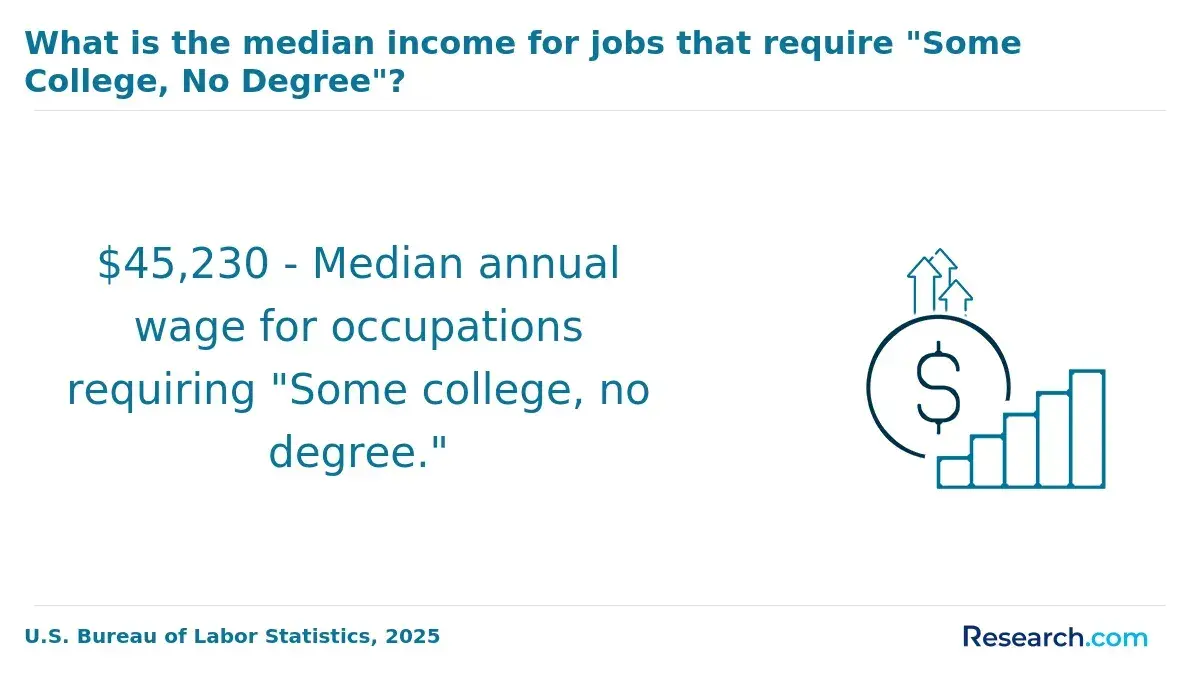
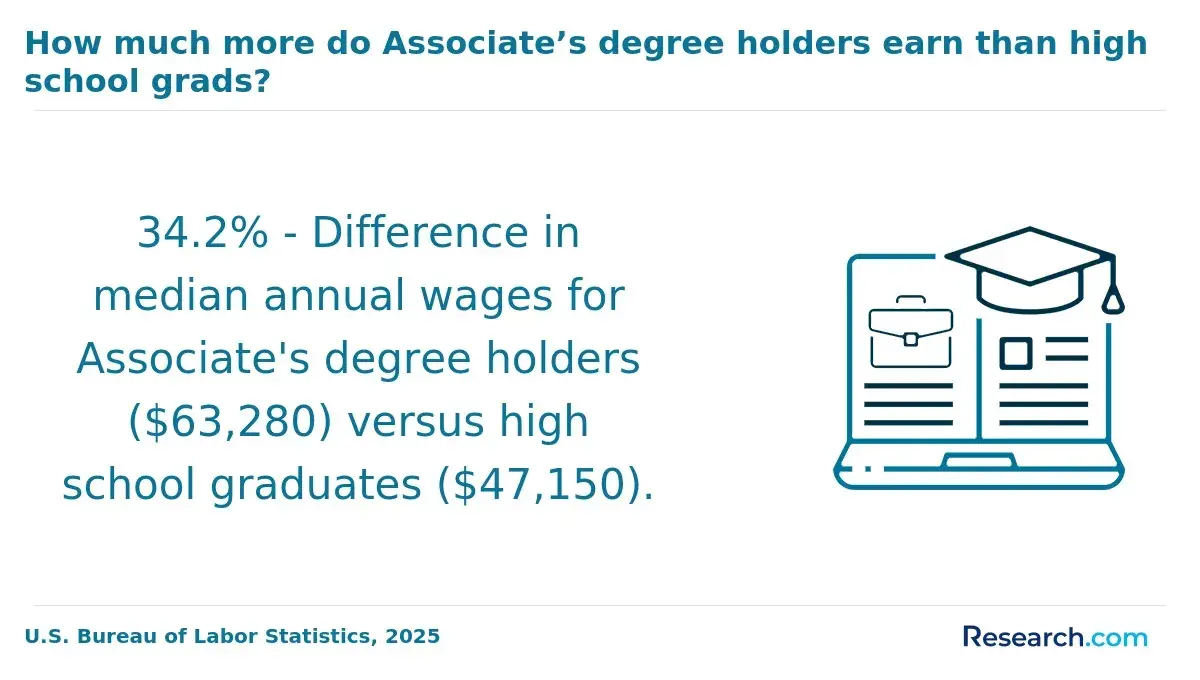
Cost should be part of the decision, not an afterthought. College Board reported average published tuition and fees of $4,050 for public two-year in-district colleges in 2024-25, which can make community college a practical starting point for students who need affordable credits and hands-on coursework before transferring or entering the workforce.
Before enrolling, ask programs for concrete evidence of experience opportunities. The most useful questions are specific and hard to answer with marketing language.
- Which courses produce portfolio pieces, lab records, clinical hours, field reports, or employer-reviewed projects?
- Are internships, practicums, externships, or co-ops required, optional, or unavailable?
- Who helps students secure placements, and what happens if a student cannot find one?
- What software, equipment, labs, simulations, or case tools will students use?
- Can the school share recent career outcomes by program, not just institution-wide outcomes?
A common red flag is a program that promises career transformation but cannot explain how students practice the work. The more expensive the program, the more you should require clear evidence of applied learning, employer relevance, and student support.
What entry-level jobs, internships, or volunteer roles are realistic with no experience?
Realistic entry-level opportunities with no experience are usually roles that train for process, service, safety, documentation, or basic technical tasks. They may not be your dream job, but they can put you near the industry, teach workplace norms, and give you examples for future interviews.
Look for roles where employers expect to train beginners. The options below are common starting points, but requirements vary by employer, state, and industry.
- Administrative assistant, office clerk, receptionist, records assistant, or scheduling coordinator for business, healthcare, education, or public agencies.
- Customer service representative, help desk trainee, call center associate, bank teller, or client support assistant.
- Retail associate, shift lead trainee, warehouse associate, inventory clerk, or logistics support worker.
- Teaching assistant, tutor, youth program aide, library assistant, or after-school program worker.
- Healthcare support roles such as patient transporter, home health aide, medical receptionist, pharmacy clerk, or certified nursing assistant where allowed by state rules.
- Nonprofit volunteer coordinator assistant, event volunteer, crisis-line trainee, community outreach assistant, or food pantry support role.
- Junior content assistant, social media assistant, data entry clerk, quality assurance tester trainee, or web support assistant.
Community colleges can be a strong entry point because they often connect coursework to local employers. If you are weighing lower-barrier academic options, reviewing guidance on what is the easiest associate degree to get can help you compare program difficulty, timeline, and career fit without assuming that "easy" always means better.
The smartest entry-level choice is one that teaches transferable skills. A front-desk job can support a future in healthcare administration. A warehouse role can support logistics, supply chain, or operations. A tutoring role can support education, training, youth services, or communication-heavy careers.
Use the table below to connect starter roles with the experience they can help you claim later. This is useful when you are choosing between jobs that seem unrelated to your long-term goal.
| Starter role | Experience you can build | Possible next step |
| Receptionist or office assistant | Scheduling, records, customer communication, confidentiality, software use | Administrative coordinator, medical office assistant, HR assistant |
| Retail or customer service associate | Conflict resolution, sales support, cash handling, product knowledge, teamwork | Account coordinator, client support specialist, supervisor trainee |
| Campus tutor or peer mentor | Instruction, coaching, communication, subject-matter support, documentation | Training assistant, education aide, academic advisor assistant |
| Volunteer event worker | Logistics, registration, public interaction, problem solving, team coordination | Program assistant, events assistant, nonprofit operations role |
| Help desk trainee | Troubleshooting, ticketing systems, technical communication, escalation | IT support specialist, systems support, cybersecurity trainee role |
Do not reject a role only because the title feels basic. Reject it if it offers no training, no supervision, no skill growth, unsafe conditions, unclear pay, or no way to describe the work professionally later.
How can you use projects, portfolios, and freelancing to prove your skills?
Projects, portfolios, and freelancing help you prove skills when your resume is thin. They are especially useful in fields where employers can evaluate work samples, such as software development, data analysis, UX design, writing, digital marketing, accounting support, photography, video, research, and business operations.
A strong project is not just something you made. It should show a problem, your process, tools used, decisions made, and the result. This matters because hiring managers often need evidence that you can think through a task, not merely follow a tutorial.
Use this project-building sequence when you do not know where to begin. It turns a basic idea into evidence you can discuss in applications and interviews.
- Choose a realistic problem, preferably one tied to a local business, nonprofit, student organization, public dataset, or personal workflow.
- Define the audience and goal so the project has a purpose beyond practice.
- Use tools that appear in entry-level job descriptions for your target role.
- Document your process, including research, drafts, decisions, obstacles, and revisions.
- Ask for feedback from a teacher, mentor, peer, client, or practitioner and record what changed because of it.
- Create a short case study explaining the problem, your contribution, tools used, and outcome.
Freelancing can be valuable, but beginners should start with small, low-risk projects. Examples include creating a flyer for a community group, organizing spreadsheet data for a small business, editing a resume, setting up a simple website, photographing an event, tutoring a student, or building a basic dashboard. The goal is not to underprice yourself forever; it is to gain client communication, deadlines, and deliverables.
Portfolio quality matters more than quantity. Three well-explained projects are usually more persuasive than 12 unfinished samples. Each project should answer the employer's unspoken question: "Can this person do a version of the work we need?"
Avoid these common project mistakes when you are trying to look job-ready.
- Copying a tutorial without changing the problem, dataset, audience, or final deliverable.
- Showing only the final product and not explaining your decisions or process.
- Using tools that are unrelated to the roles you want.
- Claiming team results without making your individual contribution clear.
- Publishing confidential, copyrighted, or client-owned material without permission.
If your field is not portfolio-based, you can still document experience. A future nurse might track simulation skills and patient-communication reflections. A future teacher might show lesson plans and tutoring outcomes. A future operations analyst might show process maps, inventory improvements, or scheduling templates.
How do online programs compare with campus programs for gaining hands-on experience?
Online and campus programs can both help you gain hands-on experience, but they do it differently. The better choice depends on your schedule, career field, location, need for equipment, and whether your target role requires in-person labs, clinical placements, studios, fieldwork, or networking.
Online programs are strongest when they are intentionally designed for applied learning. That can include virtual labs, simulations, remote team projects, proctored skill assessments, employer-sponsored capstones, or local internship placements. Campus programs are often stronger when students need physical labs, immediate faculty access, student clubs, research spaces, or local employer pipelines.
For military-affiliated learners, location flexibility and support services can be decisive. If that applies to you, comparing good online colleges for military can help you evaluate schools that understand transfer credits, deployments, benefits, and student support needs.
The table below summarizes the main trade-offs. Use it to decide which format is more likely to produce usable experience, not just a credential.
| Factor | Online programs | Campus programs | Decision tip |
| Schedule | Often better for working adults, parents, and military students | More structured meeting times | Choose online if flexibility is essential; choose campus if structure keeps you accountable |
| Hands-on practice | Can include simulations, remote tools, and local placements | May include labs, studios, clinics, and in-person demonstrations | Ask exactly how skills are assessed, not just whether courses are "interactive" |
| Networking | Depends on virtual events, alumni access, discussion quality, and career services | Often easier through clubs, faculty offices, local employers, and campus events | Online students should intentionally schedule networking rather than hoping it happens |
| Cost and relocation | May reduce commuting or relocation costs | May require commuting, housing, parking, or relocation | Compare total cost, not tuition alone |
| Career fit | Strong for many business, IT, education, communication, and healthcare administration paths | Often useful for lab-heavy sciences, performing arts, some health fields, and technical trades | Check licensing, lab, and placement rules before enrolling |
Online learning continues to be a serious option, but it is not automatically easier. The best online students create their own structure: weekly study blocks, project deadlines, faculty check-ins, career-service appointments, and peer collaboration. The biggest online-program mistake is enrolling in a flexible format without confirming how you will get supervised or portfolio-ready experience.
How can you turn schoolwork, labs, and class projects into "real" experience on a resume?
Schoolwork can count as experience when it involved real skills, defined outputs, feedback, and measurable effort. The key is to translate academic tasks into employer language without exaggerating them. A lab report is not "research experience" in every context, but it may demonstrate data collection, documentation, analysis, safety procedures, and technical writing.
Start by identifying assignments that resemble workplace tasks. Capstones, group projects, presentations, research papers, simulations, practicum hours, case studies, business plans, lesson plans, clinical documentation, design briefs, and lab procedures can all become resume-ready if you describe them clearly.
Use this conversion method to turn schoolwork into credible resume bullets.
- Name the workplace skill behind the assignment, such as analysis, documentation, communication, troubleshooting, design, instruction, or compliance.
- Identify the tool, method, framework, dataset, equipment, or professional standard you used.
- Describe your individual contribution if the project was completed by a team.
- Add scale or context when accurate, such as audience size, project duration, number of sources reviewed, or type of system analyzed.
- Explain the result, such as a recommendation, prototype, presentation, report, process improvement, or instructor-reviewed deliverable.
For example, "completed marketing class project" is weak. A stronger version is: "Developed a social media content plan for a local restaurant concept using audience research, competitor analysis, and a four-week posting calendar." The second version makes the work visible.
The table below shows how ordinary coursework can become professional experience language. Use it as a model, but keep your wording truthful and specific to what you actually did.
| Academic activity | Employer-ready experience angle | Possible resume wording |
| Group presentation | Teamwork, research, public speaking, slide design | Collaborated with a four-person team to present market-entry recommendations based on customer and competitor research |
| Science lab | Procedure, measurement, safety, documentation | Maintained lab notes, followed safety protocols, and analyzed results from controlled experiments |
| Case study | Problem solving, decision analysis, written communication | Evaluated operational challenges and proposed evidence-based recommendations in a written case analysis |
| Capstone project | Project management, applied research, deliverable creation | Completed a semester-long capstone producing a final report, presentation, and implementation plan |
| Clinical or practicum simulation | Applied judgment, documentation, professional standards | Practiced client intake, documentation, and scenario-based decision-making under instructor supervision |
Be careful not to inflate coursework into employment. It is acceptable to label it under "Projects," "Academic Experience," "Clinical Experience," "Relevant Coursework," or "Portfolio Projects." That transparency builds trust while still showing what you can do.
What role do networking, mentoring, and professional associations play in gaining experience?
Networking, mentoring, and professional associations help beginners access the hidden learning that job descriptions do not explain. They can show you which skills matter, which credentials employers respect, which entry-level roles are realistic, and which mistakes to avoid before spending time or money.
Networking is not asking strangers for a job. It is building informed relationships. A 20-minute conversation with someone in your target role can save months of guessing, especially in fields where titles vary across employers.
Use these outreach steps to make networking practical rather than awkward.
- Identify five people in roles close to your goal, including alumni, instructors, family contacts, local professionals, association members, or LinkedIn connections.
- Ask for advice, not employment, and keep the request specific and brief.
- Prepare three questions about skills, entry-level roles, training, and what they wish they knew earlier.
- After the conversation, send a short thank-you message and mention one thing you learned.
- Use their advice to improve your project, resume, course selection, or job-search strategy.
Mentors can also help you interpret feedback. For example, if employers keep saying you need "more Excel experience," a mentor can help you decide whether that means formulas, pivot tables, dashboards, data cleaning, or financial modeling. That level of detail makes your learning more efficient.
Professional associations are useful even before you are fully qualified. Many offer student memberships, webinars, conferences, job boards, competitions, mentorship programs, certification information, and local chapters. Before paying dues, check whether the association is active in your region and whether students or early-career members actually receive opportunities.
The common mistake is treating networking as a one-time favor. Better networking is cumulative: ask thoughtful questions, follow through, share progress, and become known as someone who acts on advice.
How do you choose accredited programs and reputable providers that offer strong experience opportunities?
Accreditation and provider reputation matter because they affect credit transfer, financial aid eligibility, employer trust, licensure preparation, and the credibility of your experience. A program can sound practical but still be a poor choice if it lacks recognized accreditation, transparent costs, or real support for internships and projects.
Accreditation is a quality-review process conducted by recognized accrediting agencies. Institutional accreditation applies to the school as a whole. Programmatic accreditation applies to specific fields such as nursing, education, counseling, engineering, public health, business, or allied health. Some careers require graduation from an approved or accredited program before licensure, and rules can vary by state.
If you are still choosing a college path and want a manageable academic route, reviewing easy degrees to get may help you compare workload and flexibility. However, ease should never be the only factor; the program still needs to match your career goal, budget, learning style, and employer expectations.
Use the checklist below before committing to any school, certificate, or bootcamp. It focuses on the evidence that matters most for gaining experience.
- Confirm institutional accreditation through the school and recognized federal or accreditor databases.
- Check whether your field requires programmatic accreditation, state approval, clinical hours, student teaching, supervised practice, or exam eligibility.
- Ask whether credits transfer to other institutions and whether prior learning, military training, or workplace training can be evaluated.
- Request total cost information, including fees, books, equipment, software, placement costs, commuting, and exam fees.
- Verify internship, practicum, lab, research, clinical, or project requirements in the actual curriculum.
- Ask for recent student outcome information by program, including completion, placement support, licensing exam preparation, or portfolio expectations.
- Read refund policies, withdrawal rules, and bootcamp outcome disclosures before paying deposits.
Provider reputation should be based on verifiable signals, not ads. Strong signs include transparent curriculum, qualified instructors, employer partnerships, active career services, accessible student support, clear complaint processes, and alumni whose roles align with your goals.
Be cautious with programs that promise jobs, advertise unusually high earnings without context, pressure you to enroll quickly, hide fees, refuse to discuss accreditation, or cannot explain how hands-on experience is built into the program. No credential can guarantee employment, and reputable providers are careful about that.
How can you build experience strategically for specific careers, salaries, and job outlooks?
Building experience strategically means starting with the career outcome and working backward. Different careers reward different kinds of experience. A future accountant needs accuracy, compliance, software, and documentation. A future software developer needs code samples and problem solving. A future nurse needs approved clinical preparation. A future manager needs leadership, operations, communication, and decision-making examples.
Salary and job outlook should inform your strategy, but they should not be treated as promises. BLS May 2024 data can show the median wage for an occupation, while BLS 2024-2034 projections can show whether employment is expected to grow, decline, or change slowly. Use those figures to compare risk and opportunity, then combine them with local hiring conditions and your own constraints.
If your goal is flexibility, compare careers by both remote-work compatibility and experience requirements. Programs related to degrees for work from home jobs can be useful for exploring fields such as technology, business, communications, data, accounting, and certain healthcare administration roles.
The table below shows how to align experience-building with career direction. It is not a guarantee of hiring outcomes, but it can help you choose activities that match employer expectations.
| Career direction | Experience to prioritize | Useful starter activities | What employers often look for |
| Business and administration | Organization, customer communication, spreadsheets, reporting, scheduling | Office assistant work, student organization treasurer role, operations project | Reliability, communication, software comfort, attention to detail |
| Technology | Troubleshooting, coding, systems, cybersecurity basics, data handling | Help desk role, GitHub project, home lab, website build, data dashboard | Portfolio evidence, problem-solving process, tool familiarity |
| Healthcare support | Patient interaction, documentation, privacy, safety, teamwork | Volunteer role, front-desk clinic work, CNA or aide training where applicable | Professionalism, compassion, compliance, approved training if required |
| Education and youth services | Instruction, mentoring, lesson support, behavior management, communication | Tutoring, camp counseling, classroom aide work, peer mentoring | Patience, communication, supervision experience, background-check readiness |
| Creative and communications | Writing, design, editing, campaign planning, audience research | Portfolio, student media, nonprofit content project, freelance assignment | Work samples, revision ability, audience awareness, deadlines |
| Skilled trades and technical work | Safety, tools, measurements, repair, diagnostics, physical procedures | Pre-apprenticeship, lab course, shop assistant work, maintenance helper role | Safety mindset, reliability, hands-on aptitude, willingness to train |
AI and automation are changing how beginners should prepare. Routine tasks may be increasingly assisted by software, but employers still need people who can verify outputs, communicate with clients, use judgment, protect data, and solve messy problems. That means your experience should show both tool use and human judgment.
A practical career strategy has three layers: one credential or learning path, one supervised or client-facing experience, and one portfolio or resume proof point. If you are missing any layer, make that your next priority.
How do you present limited experience on applications, resumes, LinkedIn, and interviews?
When you have limited experience, your application should make your relevant evidence easy to find. Do not apologize for being new. Instead, show what you have practiced, what tools you can use, how you learn, and where you have already demonstrated responsibility.
Your resume can include more than paid work. Use sections such as "Relevant Projects," "Clinical Experience," "Internship Experience," "Volunteer Experience," "Campus Leadership," "Technical Skills," or "Certifications" when they help the employer see fit quickly.
Use the structure below to write stronger bullets from limited experience. It keeps your wording specific without overstating your background.
- Start with an action verb such as developed, assisted, analyzed, coordinated, documented, supported, presented, created, maintained, or resolved.
- Name the task or problem you worked on.
- Add the tool, audience, method, or setting when relevant.
- Include an accurate result, deliverable, scale, or learning outcome.
- Keep the wording honest about your level of responsibility.
For LinkedIn, use your headline and About section to connect your target role with your evidence. A beginner headline might say "Business student building experience in operations, data reporting, and customer support" rather than simply "Student." The goal is to make your direction clear.
In interviews, prepare short stories from school, volunteering, projects, and part-time work. Employers often ask behavioral questions because they want to know how you act under real constraints. You can answer with nontraditional experience if the example shows judgment, teamwork, accountability, or learning.
The table below shows common weak statements and stronger alternatives. Use it to improve applications without pretending to have experience you do not have.
| Weak wording | Stronger wording | Why it works better |
| No experience, but willing to learn | Completed three customer-service simulations and volunteered at weekly community registration events | Shows evidence of practice and public interaction |
| Worked on a group project | Coordinated research tasks for a four-person team and presented recommendations to the class | Clarifies contribution and communication skill |
| Good with computers | Built Excel tracking sheets using formulas, filters, and charts for a student budget project | Names tools and applied use |
| Interested in marketing | Created a sample content calendar and audience profile for a local nonprofit campaign concept | Shows initiative and role-specific practice |
| Fast learner | Learned a new scheduling platform during a volunteer event and trained two other volunteers on check-in steps | Turns a trait into a story with action |
Cover letters should be short and targeted. Use them to explain why you are changing fields, why the role fits your preparation, and what evidence supports your interest. Avoid repeating your resume line by line.
The main mistake is hiding limited experience behind vague enthusiasm. Employers expect beginners to be beginners. What they need is proof that you are prepared enough to train, reliable enough to trust, and self-aware enough to keep improving.
Other Things You Should Know About
Yes. Put them under "Projects," "Academic Experience," or "Relevant Coursework" and describe the task, tools, your contribution, and the final deliverable. Be clear that it was academic work, not paid employment.
Experience can include internships, volunteering, part-time jobs, class projects, labs, freelance work, student leadership, caregiving, military experience, and supervised training. The key is showing skills that match the job.
A certificate can help if job postings in your target field request that skill or credential. If employers mainly want work samples, customer experience, or basic software ability, a project or entry-level role may be more useful than another credential.
Briefly explain that you are early in your career, then point to relevant practice: coursework, projects, volunteering, part-time work, or training. Focus on what you did, what you learned, and how it prepares you for the role.
References
- Online Vs On-Campus - What Are The Pros and Cons? https://notgoingtouni.co.uk/blogs/online-vs-on-campus-what-are-the-pros-and-cons-322
- Bootcamp vs Certificate: Which Is Best for You? https://online.maryville.edu/blog/bootcamp-vs-certificate/
- Does Graduating a Coding Bootcamp Help you Get a Job? https://kingslanduniversity.com/graduating-coding-bootcamp-job
- How to Choose The Right College Program https://abes.ca/blog/how-to-choose-the-right-college-program/
- 7 in-demand certifications in 2025 | edX https://www.edx.org/resources/in-demand-professional-certifications
- How to create a plan for your career https://www.robertwalters.ie/insights/career-advice/blog/how-to-create-a-plan-for-your-career.html
- 5 Unlikely Places to Get Work Experience https://www.rbc.com/en/future-launch/resource-type/advice-tips/no-experience-no-problem-5-unlikely-places-to-get-work-experience/
- The Role of a Mentor in Nonprofit: Supporting Professional and Personal Growth - MentorCity https://www.mentorcity.com/the-role-of-a-mentor-in-nonprofit/
- How to build a freelance portfolio from scratch - Useme Blog https://useme.com/en/blog/how-to-build-freelance-portfolio-from-scratch/
- Professional Associations Use Mentoring to Recruit and Retain Members https://chronus.com/blog/mentoring-helps-professional-associations-recruit-and-retain-members