2027 Career Planning for Working Students

Co-Founder and Chief Data Scientist
Working students have to make career decisions with limited time, money, and energy. Recent NCES reporting shows that most part-time undergraduates are employed while enrolled, which means program format, cost, transfer credit, and employer relevance can matter as much as the major itself.
This guide is for students balancing a job with college, certificates, or career changes. You will learn how to choose a realistic path, compare education options, check career outcomes, and avoid costly enrollment mistakes.
Key Things You Should Know
- A strong working-student career plan starts with a target role, a realistic weekly schedule, and a credential that employers or licensing boards actually recognize.
- According to the College Board's latest Trends in College Pricing, average published tuition and fees vary widely by institution type, so total cost, transfer credit, and time to completion should be compared before enrolling.
- BLS employment projections released in 2024 show that job growth differs sharply by field, making salary research, licensing checks, and local employer demand essential before choosing a degree or certificate.
How can working students build a realistic career plan that fits their current job?
A realistic career plan for a working student connects three things: your current job, your next credential, and the role you want within the next two to five years. It should not be a vague statement such as "move into business" or "get into healthcare." It should name a target job family, the skills you need, the education or certification required, and the schedule you can actually sustain.
Start by treating your current job as a constraint and an asset. Your work schedule limits when you can study, but it may also provide transferable skills, tuition assistance, supervisors who can recommend you, and projects that can become portfolio evidence.
The following steps help turn a broad career goal into a plan you can test before committing to a program:
- Choose one target role and two backup roles that use similar skills, such as medical billing specialist, health information technician, and medical office coordinator.
- Read job postings in your local area and remote job boards to identify repeated requirements, including degree level, software tools, certifications, and years of experience.
- Compare those requirements with your current experience and list only the gaps that prevent you from qualifying now.
- Decide whether the fastest credible gap-closer is a certificate, associate degree, bachelor's degree, master's degree, apprenticeship, employer training program, or licensure track.
- Build a weekly schedule before you enroll, including class time, commuting, study blocks, work shifts, family responsibilities, and recovery time.
A useful plan also includes decision points. For example, after one term you might evaluate whether your grades, finances, and workload support continuing at the same pace. After one year, you might decide whether to seek an internal promotion, apply for internships, change employers, or reduce course load.
Common mistakes include choosing a major before choosing a career direction, assuming a degree automatically changes your job prospects, and ignoring how much study time each credit hour requires. A safer approach is to map every course or credential to a hiring requirement, promotion requirement, licensure rule, or skill gap.
What degrees or training paths are best for advancing your career while working?
The best education path depends on your target role, current credits, budget, timeline, and tolerance for risk. A working student who needs a near-term pay increase may benefit from a short certificate, while someone aiming for licensed teaching, nursing, engineering, accounting, counseling, or management may need a degree sequence that takes longer but opens more regulated or advanced roles.
Use the table below to compare common training paths. It summarizes when each option usually makes sense, not what every employer will require.
| Path | Typical fit for working students | Best when | Watch for |
| Short certificate | Students targeting a specific skill or entry-level role | You need a fast credential tied to job postings | Some certificates are not enough for advancement without experience |
| Associate degree | Students starting college, changing fields, or planning to transfer | You want a lower-cost foundation and an option to continue later | Credits may not transfer unless the receiving school accepts them |
| Bachelor's degree | Students targeting roles that commonly list a four-year degree | Your field values broad education, internships, and advancement potential | Time and cost can rise if you change majors or lose transfer credits |
| Master's degree | Students seeking leadership, specialization, or a career pivot | Your target jobs consistently request graduate education | A master's may not pay off if the field values experience more than credentials |
| Doctoral or professional degree | Students pursuing advanced clinical, academic, executive, or research roles | The role requires or strongly rewards advanced credentials | Workload, residency, dissertation, and licensure requirements can be demanding |
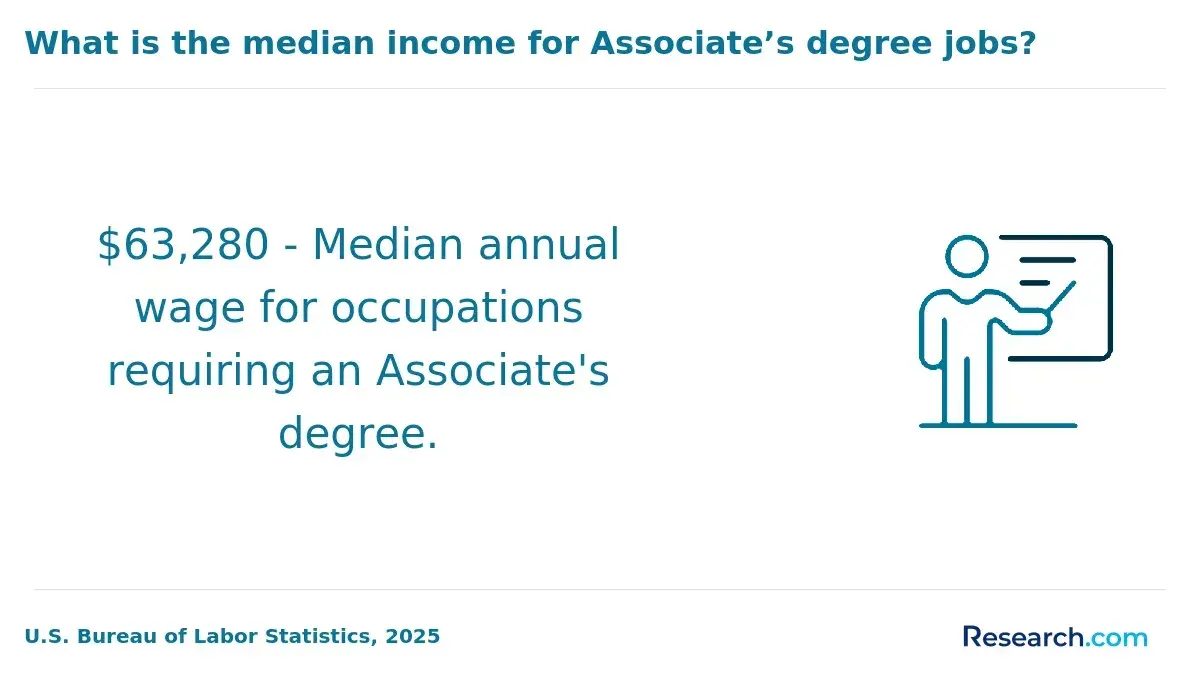
For many working adults, an online associates degree can be a practical starting point because it may combine general education, career-focused courses, and transfer potential. It is especially useful if you have no college credential yet or want a structured path toward a bachelor's degree.
Choose a certificate when the target job posting names a specific technical skill, software platform, or industry certification. Choose a degree when the role requires broader preparation, general education, supervised practice, or eligibility for graduate study. Choose employer training when your company has a clear promotion pathway and the training is recognized beyond your current workplace.
How do online, hybrid, and campus programs compare for busy working students?
Online, hybrid, and campus programs can all work for busy students, but they solve different problems. The best format is the one that fits your schedule while still providing the instruction, networking, labs, clinical experiences, or faculty access your field requires.
The table below compares formats from a working-student perspective. Use it to identify trade-offs before assuming that online automatically means easier or campus automatically means better.
| Format | Strengths | Limitations | Best fit |
| Fully online asynchronous | Most flexible for shift workers and caregivers | Requires strong self-management and may offer less live interaction | Students who need control over when they study |
| Fully online synchronous | Live discussion and structure without commuting | Class meeting times may conflict with work shifts | Students who want accountability and real-time instruction |
| Hybrid | Combines flexibility with periodic in-person support | Campus visits, labs, or weekend sessions still require planning | Students in fields with labs, simulations, or cohort meetings |
| Campus-based | Direct access to facilities, faculty, peers, and campus services | Commute and fixed schedules can be hard for full-time workers | Students who benefit from in-person structure or hands-on training |
Online learning has become a mainstream option, but it is not automatically lighter than in-person study. A three-credit online course can still require several hours of reading, assignments, discussions, and exam preparation each week. The difference is that you may control when those hours happen.
Students considering advanced study should also look closely at residency, practicum, dissertation, and supervision rules. Even an online doctorate may include milestones that require intensive writing, committee meetings, research design, or approved field placements, so format flexibility should be evaluated alongside completion requirements.
A good rule is to match format to risk. If you are entering a field with labs, clinical hours, state licensure, or complex software, choose a program with strong student support and clear placement processes. If your field is project-based, such as business analytics, digital marketing, or information technology, an online format with portfolio assignments may be highly practical.
How should working students evaluate accredited colleges and programs for career advancement?
Accreditation is one of the most important checks a working student can make because it affects federal financial aid eligibility, transfer credit, graduate admission, employer recognition, and licensure pathways. Institutional accreditation applies to the school as a whole, while programmatic accreditation applies to specific fields such as nursing, education, counseling, business, social work, or engineering.
Before comparing rankings or advertisements, verify the basics. The school should be recognized by an accreditor listed by the U.S. Department of Education or the Council for Higher Education Accreditation. For regulated careers, the program should also meet the standards of the relevant state board or professional accreditor.
These questions help you evaluate whether a program is a career investment rather than just an available class schedule:
- Is the institution currently accredited, and is the specific program accredited if the profession expects it?
- Will the program meet licensing, certification, or exam eligibility requirements in the state where you plan to work?
- How many of your prior credits, military training, industry credentials, or workplace learning experiences can transfer?
- What are the total costs after fees, books, technology, commuting, exam fees, and lost work hours?
- What career services are available to online and evening students, not only traditional campus students?
- Does the school publish graduation, retention, licensure pass rate, or employment information for your program?
Students with uneven academic histories should avoid assuming they have no options. Some online colleges that accept 2.0 GPA may offer conditional admission, transfer-friendly pathways, or academic support, but you should still verify accreditation, costs, and program outcomes before applying.
Red flags include pressure to enroll immediately, unclear tuition pages, promises of guaranteed jobs, refusal to explain transfer policies, and programs that claim to prepare you for licensure without naming the states where they meet requirements. If an admissions representative cannot answer accreditation or licensure questions in writing, pause before signing an enrollment agreement.
What admission requirements and scheduling options matter most for working adult learners?
Admission requirements matter because they can affect both your starting point and your completion timeline. Working adult learners often bring prior credits, military experience, workplace training, industry credentials, or gaps in education, so the best programs are clear about how they evaluate nontraditional applicants.
Common admission requirements vary by level. Undergraduate programs may ask for transcripts, a minimum GPA, placement testing, or proof of high school completion. Graduate programs may require a bachelor's degree, prerequisite courses, recommendations, a resume, a statement of purpose, or professional experience. Competitive healthcare, education, and counseling programs may also require background checks, immunizations, interviews, or supervised placement approvals.
Scheduling options can be just as important as admission criteria. Before applying, ask how the program is built for students who work:
- Are courses offered in eight-week, ten-week, semester, weekend, evening, or self-paced formats?
- Can you pause enrollment without losing good academic standing or financial aid eligibility?
- Are required courses offered every term, or could one missed course delay graduation by a year?
- Are labs, clinicals, practicums, student teaching, or internships available outside standard business hours?
- Can you start in multiple terms during the year, or only in fall?
- Does the program offer part-time maps that show exactly when each required course should be taken?
Rolling admission and multiple start dates can help working students begin sooner, but they should not replace careful planning. A faster start is only useful if the required courses are available when you need them and the workload fits your work schedule.
Also ask how financial aid works for part-time enrollment. Some aid programs require a minimum credit load, and dropping below that level can affect eligibility. If you rely on employer tuition assistance, confirm whether your employer reimburses after grades are posted, pays the school directly, or limits funds by calendar year.
How can you align coursework, internships, and part-time jobs with long-term career goals?
The smartest working-student plans turn coursework and employment into evidence of career readiness. Employers often want proof that you can apply concepts, communicate professionally, solve problems, and work with relevant tools. Your goal is to graduate with more than completed classes; you want a resume, portfolio, references, and experience aligned with your target role.
Use your current job as a testing ground whenever possible. A retail supervisor moving into human resources can ask to help with onboarding. A customer service representative pursuing data analytics can track call trends and build a dashboard. A medical assistant studying healthcare administration can volunteer for scheduling, compliance, or patient flow projects.
The following actions help connect school and work in a practical way:
- Save major assignments that demonstrate employer-valued skills, such as reports, presentations, coding projects, lesson plans, care plans, case studies, or business analyses.
- Ask instructors whether course projects can be customized around problems from your current workplace, as long as privacy and employer policies are respected.
- Seek internal stretch assignments that match your future role, even if they are small or temporary.
- Use career services early to revise your resume before applying for internships, promotions, apprenticeships, or part-time roles in your field.
- Build relationships with faculty, supervisors, and classmates who can later provide references or job leads.
Internships are not only for traditional full-time students. Some programs offer virtual internships, project-based consulting, co-ops, practicums, or employer-sponsored projects. If your schedule makes an unpaid internship unrealistic, ask whether your current job can qualify as an approved field placement or whether a paid role in the industry can meet the requirement.
A common mistake is waiting until the final semester to think about experience. By then, you may have completed the academic requirements but still lack evidence that employers can evaluate. Start building proof in the first term, even if the evidence is a simple portfolio, LinkedIn project description, supervisor recommendation, or volunteer experience tied to your field.
What are typical program lengths and costs for working-student-friendly degrees and certificates?
Program length and cost vary widely, especially for part-time students. The sticker price is only one part of the decision. You also need to account for fees, books, exams, commuting, technology, childcare, reduced work hours, and the risk of paying for credits that do not transfer or do not count toward your credential.
Recent College Board pricing data shows that public two-year colleges continue to have lower average published tuition and fees than four-year institutions, which is one reason many working students start with community college or transfer pathways. The practical takeaway is not that one institution type is always best, but that the first 30 to 60 credits can strongly affect total cost.
The table below gives broad U.S. planning ranges by credential type. Actual timelines depend on credit load, transfer credit, prerequisites, course availability, and whether the program has fieldwork or licensure components.
| Credential | Common working-student timeline | Major cost drivers | Good fit when |
| Short certificate | Several weeks to one year | Tuition, exam fees, software, tools, certification tests | You need a specific skill for entry or advancement |
| Associate degree | Two to four years part time | Per-credit tuition, general education courses, books, transfer planning | You want an affordable starting point or transfer foundation |
| Bachelor's degree | Four to six years part time, less with transfer credit | Upper-division tuition, fees, major changes, lost credits | Your target role commonly requires a four-year degree |
| Master's degree | One to three years part time | Graduate tuition, employer reimbursement rules, practicum costs | You need specialization, leadership preparation, or career change credibility |
| Doctoral or professional degree | Three or more years depending on field | Graduate tuition, residencies, research, clinical hours, licensing exams | Your goal requires advanced practice, research, academic, or executive preparation |
Graduate students should compare total program cost, not just per-credit tuition. Lists of online affordable master's programs can be a useful starting point, but the better comparison includes transfer limits, required credits, fees, employer reimbursement, and whether the degree matches your target role.
To reduce cost, ask about prior learning assessment, credit for industry certifications, military credit, transfer agreements, scholarships for adult learners, payment plans, and employer tuition benefits. Also compare accelerated programs carefully. A shorter calendar can reduce time away from advancement, but it can also create a workload that is hard to sustain with full-time employment.
How can working students research salary ranges and job outlook before choosing a pathway?
Salary and job outlook research helps you avoid choosing a pathway based only on interest, advertising, or a single success story. It does not predict your personal outcome, but it shows whether the labor market has enough demand and whether the typical pay range supports the cost and time required.
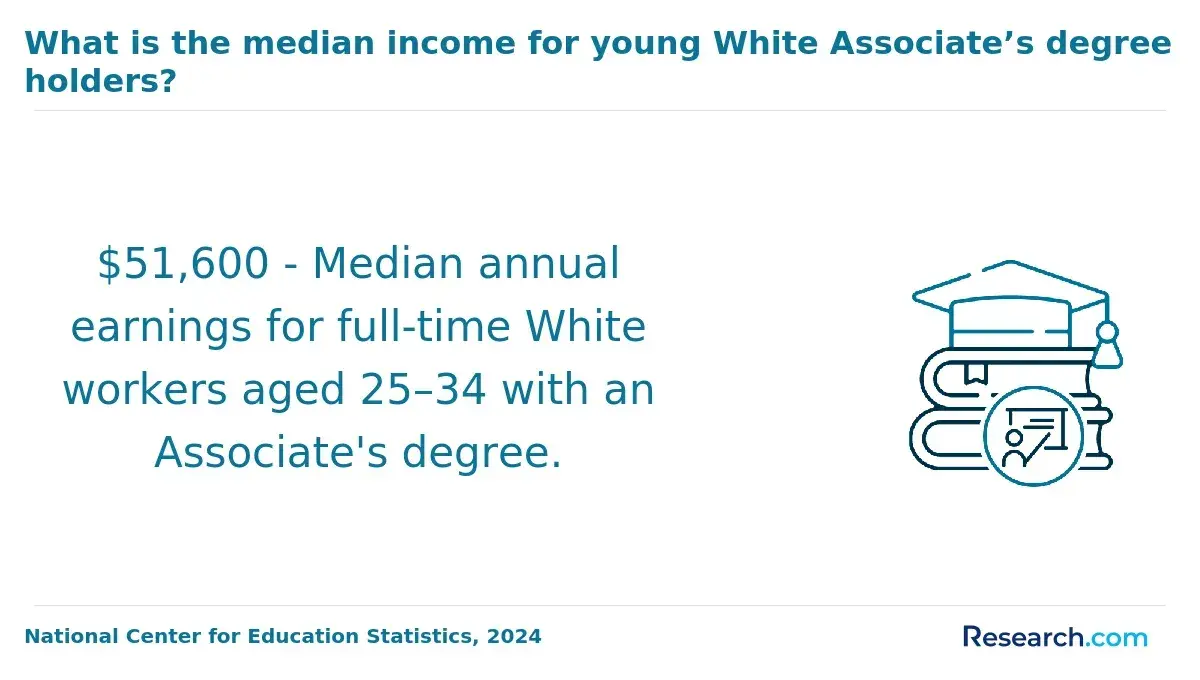
Use national data for context and local data for decisions. The BLS Occupational Outlook Handbook, updated with 2024 projection data, is a strong starting point because it reports median pay, typical education, work experience, on-the-job training, and projected employment change by occupation. State labor market websites, regional workforce boards, and job postings can then show whether your area looks stronger or weaker than the national picture.
Follow this process before committing to a program:
- Identify the exact occupational titles that match your goal, not just the academic major.
- Check median pay and projected employment on BLS for each title.
- Search local job postings to see whether employers request a degree, certificate, license, software skill, portfolio, or experience.
- Compare entry-level postings with senior postings to understand the promotion path.
- Estimate total education cost and time, then decide whether the likely opportunities justify the investment for your situation.
Be careful with salary claims from schools, influencers, or bootcamps. A median salary is not an entry-level salary, and a national figure may not reflect your region. Pay can vary by state, industry, union coverage, shift, employer size, security clearance, commission structure, and prior experience.
AI and automation also affect career planning. Some routine administrative, data-entry, and basic content tasks are increasingly supported by AI tools, while roles that combine technical skill, judgment, compliance knowledge, customer interaction, and problem-solving may remain more resilient. For working students, this means choosing programs that teach both tools and transferable thinking skills.
Which careers require licensing or certification, and how can you plan requirements around work?
Licensing and certification requirements can determine whether a credential actually qualifies you for the job you want. Licensing is usually a legal requirement set by a state board or government agency. Certification is often granted by a professional organization or vendor and may be optional, employer-preferred, or required for advancement.
Many high-responsibility careers have licensing rules. These often include healthcare, education, accounting, counseling, social work, real estate, skilled trades, aviation, cosmetology, and certain public safety roles. Requirements may include an approved program, supervised hours, background checks, exams, continuing education, and state-specific applications.
The table below shows why early planning matters. It is not a complete legal guide; always confirm rules with the state board or credentialing organization for your intended location.
| Career area | Common requirement type | Planning issue for working students |
| Nursing and allied health | Approved program, clinical hours, exam eligibility | Clinical schedules may occur during daytime or fixed blocks |
| Teaching | State-approved educator preparation and student teaching | Student teaching may require temporary reduction in work hours |
| Counseling and social work | Graduate degree, supervised hours, state exams | Postgraduate supervised experience can take years |
| Accounting | Education hours, exam, experience requirements for CPA licensure | Credit-hour requirements may exceed a bachelor's degree |
| Skilled trades | Apprenticeship hours, exams, state or local licenses | Paid work and training may be integrated but time requirements are strict |
| Information technology | Vendor or industry certifications in many roles | Certifications may need renewal and hands-on practice |
For students who need a faster employment step before a degree, certificate programs that pay well may be worth exploring, especially in fields where employers value demonstrable technical skills. Still, check whether the certificate is enough for the job or only a stepping stone toward licensure or a degree.
The safest approach is to plan backward from the credentialing rule. Identify the license or certification first, confirm eligible programs, ask about field placement schedules, and make sure your work hours can accommodate required exams or supervised practice. If you may move states, ask whether the credential is portable or whether you would need additional coursework or exams.
What strategies help working students manage time, burnout, and support resources during school?
Time management for working students is not just about productivity; it is about sustainability. A plan that works for two weeks may fail during midterms, busy season at work, family illness, or required field hours. The goal is to build a schedule with enough structure and flexibility to survive real life.
Start by calculating your true weekly load. Include paid work, commuting, class meetings, study time, assignments, household responsibilities, sleep, meals, and recovery. If the schedule only works when everything goes perfectly, it is probably too tight.
These strategies help reduce burnout and improve persistence:
- Take fewer credits during your first term if you are returning to school after a long break or starting a demanding job schedule.
- Use a weekly planning block to identify deadlines, work shifts, exams, family obligations, and high-energy study times.
- Tell instructors early if your work schedule affects participation, but do not wait until after missing major assignments.
- Use tutoring, writing centers, library support, disability services, advising, and mental health resources before problems become emergencies.
- Protect sleep and recovery time because chronic exhaustion can damage grades, job performance, and decision-making.
- Create a backup plan for childcare, transportation, internet access, and shift changes during exams or major projects.
Burnout red flags include falling behind in multiple classes, losing sleep to catch up every week, missing work obligations, feeling unable to start assignments, or repeatedly considering withdrawal without talking to an advisor. If that happens, contact academic advising and financial aid before dropping courses because withdrawal can affect aid, billing, academic progress, and graduation timing.
Support is part of the plan, not a sign that you are failing. Working students often succeed by using structured advising, employer flexibility, peer study groups, family communication, and realistic course loads. A slower path that you finish is usually better than an aggressive path that forces you to stop out.
Other Things You Should Know About Career Planning
Many full-time workers start with one or two courses to test the workload. The right number depends on course difficulty, family responsibilities, commute time, and whether classes include labs, clinicals, or major projects.
An online degree can be respected when it comes from an accredited institution and matches the field's expectations. Employers usually care more about accreditation, skills, experience, and program relevance than whether every class met online.
Choose a certificate first if it directly qualifies you for a near-term role or skill upgrade. Choose a degree first if your target career requires broad education, licensure eligibility, graduate study, or long-term advancement beyond entry-level roles.
The biggest mistake is enrolling before confirming that the program connects to a specific job, license, transfer pathway, or salary goal. Always verify accreditation, total cost, schedule fit, and career requirements before committing.
References
- Meeting the Needs of Adult Students | Insight Into Academia https://insightintoacademia.com/meeting-the-needs-of-adult-students/
- Internship to Career Goals | Internships Abroad https://jenza.com/infohub/infoblog/align-your-intern-goals-with-long-term-career-aspirations/
- College Students: 12 Tips to Start Building Your Career - Stephen J Dupont https://stephendupont.co/college-students-12-tips-to-start-building-your-career/
- Adult learners: who they are and what they want out of college | EAB https://eab.com/resources/blog/adult-education-blog/adult-learners-who-they-are-what-they-want-college/
- 9 Things to Consider When Starting to Work With Adult Learners https://www.cael.org/resouces/pathways-blog/9-things-to-consider-when-starting-to-work-with-adult-learners
- Finding Your Path: How to Align Studies with Career Goals https://www.alfabetaglobal.com/blogs/finding-your-path-how-to-align-your-studies-with-your-career-goals
- Short-term programs bring lasting benefits—when student centered https://www.luminafoundation.org/focus-magazine/spring-2023/short-term-programs-bring-long-lasting-benefits-when-designed-with-students-in-mind/
- Career Development 101: A Complete Guide to Professional Growth https://www.nsls.org/what-is-career-development