
2027 Fastest Online Colleges Programs Ranking in Rhode Island

Co-Founder and Chief Data Scientist
Choosing the right online college program in Rhode Island can feel overwhelming. That's why this article introduces the 2027 Fastest Online Colleges Programs Ranking in Rhode Island, created by the Research.com team of data scientists.
This ranking makes it easier for you to identify degree programs that offer fast completion times and valuable learning experiences. By exploring this guide, you'll gain insights to confidently select a program that fits your goals.
Investing in your education is a powerful step toward a brighter future, and this article is here to support you on that journey.
Key benefits of getting online degrees in Rhode Island
- Graduates in Rhode Island with a bachelor's degree earn a median salary of about $58,000 annually, while those with a master's can earn around $75,000, showing clear financial benefits tied to higher degree levels.
- An online business graduate from the University of Rhode Island frequently pursues roles in management or marketing, enjoying flexible career opportunities and steady job growth in the local market.
- Online degrees from institutions like Rhode Island College offer convenience and affordability, allowing students to balance work and study, which many traditional students find challenging.
- 2027 Fastest Online Colleges Programs Ranking in Rhode Island
- What can I expect from online degrees in Rhode Island?
- How much can I make with online degrees in Rhode Island?
What can I expect from online degrees in Rhode Island?
When diving into an online degree in Rhode Island, expect a dynamic blend of learning styles designed to fit your busy life. Picture tuning into a live lecture from the University of Rhode Island while sipping your morning coffee, then catching up on discussion boards whenever your schedule frees up. This mix of real-time and self-paced formats makes balancing work, family, and studies feel natural, not forced.
Graduates often share how the programs make them feel connected despite the virtual setup - digital resources and engaging assignments create a vibrant learning community. Whether you're pursuing healthcare or business administration, interactive tools and clear guidance help you stay on track.
Residency requirements won't tie you down; many programs welcome Rhode Island residents without campus visits, though some healthcare or education courses may have hands-on elements. The supportive vibe extends beyond classes: career services, libraries, and tutoring are just a click away, offering a reassuring safety net as you navigate your degree journey.
How much can I make with online degrees in Rhode Island?
With an online degree from a Rhode Island institution, the earning possibilities spark curiosity and promise. Imagine a graduate from the University of Rhode Island diving into a tech career; they typically land salaries around $90,000 annually, a rewarding outcome for their adventurous leap into software development. Those earning a bachelor's degree locally often see median wages near $62,000, opening doors to exciting opportunities.
Graduates from Rhode Island College with associate degrees discover their journey leads to steady roles with earnings near $42,000, or even up to $60,000 in fields like dental hygiene or paralegal work. Picture nurses who studied online through Rhode Island's programs-many now enjoy the satisfaction of $80,000 yearly salaries, merging care with career growth.
The thrill of pursuing a master's degree, such as an MBA online from top regional schools, unfolds with a typical paycheck of about $95,000, reflecting an enriching blend of ambition and achievement. Exploring these paths in Rhode Island reveals not just income, but promising adventures in career and life.
- Rhode Island offers online degree programs through accredited public and private institutions, including in-state and national providers.
- Average tuition for in-state public universities is around $15,000 per year for undergraduate programs, while private schools often exceed $35,000 annually.
- Online degrees can lower costs by reducing commuting, housing, and campus fees.
- Entry-level salaries for graduates with bachelor's degrees range from $45,000 to $55,000, with experienced professionals earning between $65,000 and $75,000 annually.
- Growing sectors like healthcare, business, education, and technology align with online degree fields, supporting strong employment for graduates.
- Rhode Island participates in regional agreements that allow students to access online courses across state lines, often with flexible and asynchronous class options.
Completing an online degree in Rhode Island sparks a unique journey that depends on your pace and program choice. Many graduates from the Community College of Rhode Island find themselves finishing an associate degree in about two years, diving full-time into classes and savoring the flexible online format. Others choose an accelerated path, wrapping up in as little as 18 months by weaving summer courses and continual enrollment into their busy lives.
At places like Rhode Island College or the University of Rhode Island, bachelor's degree seekers often envision a four-year adventure. Yet, many alumni recall stretching their timelines pleasantly by studying part-time, juggling family and work while moving steadily toward graduation. Some empowered students have pushed ahead faster-taking extra credits or using transfer credits to shave months off their journey.
This rhythm of learning keeps students feeling inspired and in control, making each step toward a degree a personal triumph tailored to real life in Rhode Island.
Imagine waking up in Providence and logging into your University of Rhode Island online class with a cup of coffee, ready to learn without facing the morning traffic. Many graduates cherish this flexibility, balancing studies with jobs or family demands. Online programs deliver lectures and assignments digitally, making study time fit around your life rather than the other way around.
On the other hand, students choosing on-campus degrees enjoy the buzz of campus life-walking historic pathways, interacting face-to-face with professors, and joining clubs at Rhode Island College. These experiences deepen connections and offer hands-on learning that some find energizing and motivating.
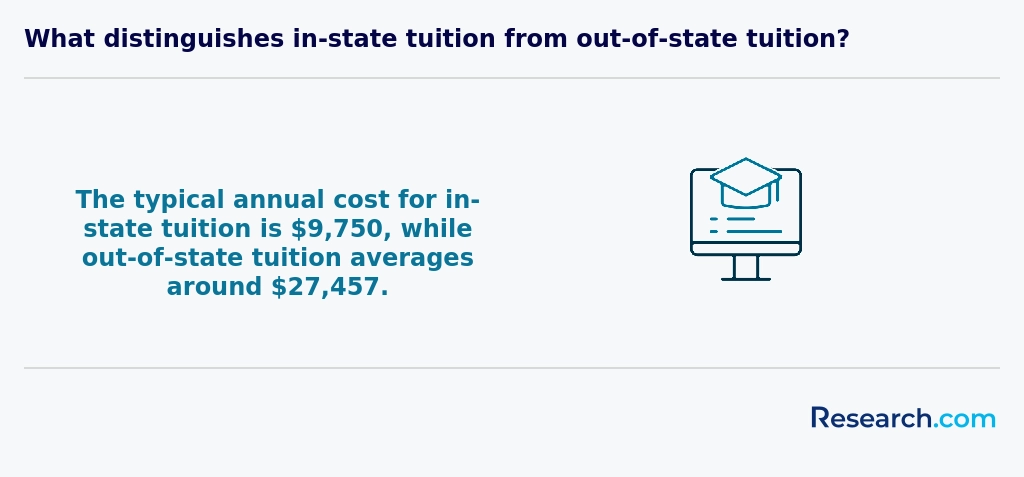
Tuition fees are often similar between formats, around $15,000 annually for in-state learners, yet online learners might save on commuting and campus fees. However, they invest in tech and software. Graduates often reflect on how online learning in Rhode Island taught them self-discipline and adaptability, while on-campus peers highlight friendships and campus resources that enriched their journey.
The average cost of an online degree in Rhode Island reflects a unique blend of opportunity and investment. Graduates from institutions like the University of Rhode Island often share how the financial commitment, typically around $30,937 for a full degree, feels balanced by the flexibility and quality of education they received. For many, Rhode Island online college tuition fees offer a clear path to advancing their careers without the hefty expenses of traditional, on-campus lifestyles. One alumni recalled the joy of saving on commuting and housing, turning those savings into enriching experiences and resources for their studies.
Online students in Rhode Island often encounter tuition costs that are competitive yet reasonable given the local living expenses and school reputations. Public institutions offer accessible rates, though private colleges can command higher tuition, pushing the total cost upward. This variation invites students to explore scholarship opportunities and financial aid - a necessary step to making education affordable. Imagine navigating this landscape while enrolled, with programs tailored to keep learners engaged and supported.
Thinking about the best way to accelerate your journey? Some opt for fast masters programs, balancing quicker completion and manageable costs. These pathways add another exciting dimension to studying online in Rhode Island, helping students turn ambitious dreams into tangible credentials.
Many Rhode Island graduates emphasize the rewarding feeling of mixing academic rigor with home comforts, a blend that defines the essence of online learning here. This adventurous route also means students can tailor their education to personal rhythms while keeping costs transparent and realistic.
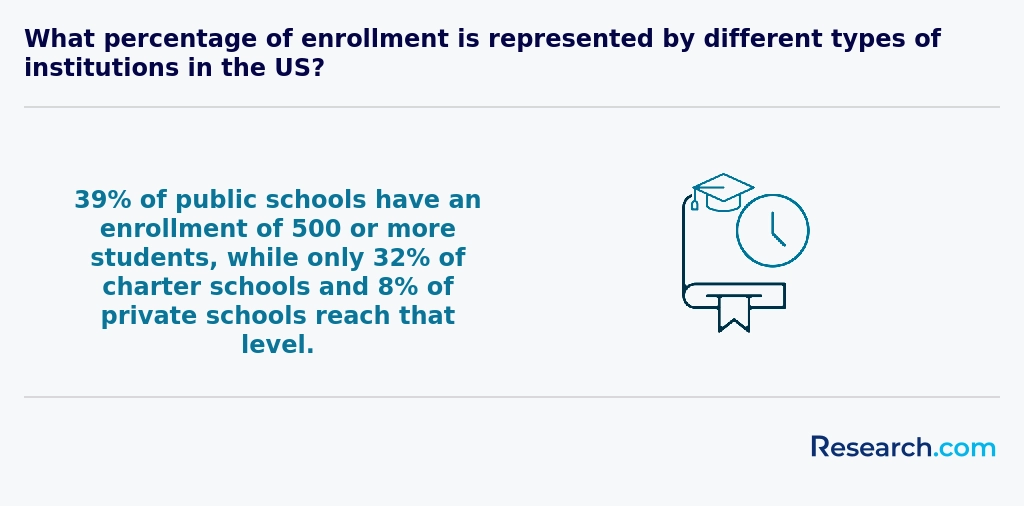
Imagine attending the University of Rhode Island or Rhode Island College from your living room, knowing that financial aid can ease the journey. Many online students here unlock federal Pell Grants, which can provide up to $7,395 annually, a vital boost when tuition averages around $14,500. One graduate recalls how the Pell Grant made the difference between postponing and completing her degree on time.
Rhode Island's own scholarships, like those from the Rhode Island Foundation, reach out to residents studying online, turning dreams into tangible opportunities. Another graduate, balancing work and classes, found the Rhode Island College Promise Scholarship especially helpful after high school, covering much of her tuition.
Federal loans with attractive rates offer an additional safety net, while flexible tuition payment plans at local colleges allow spreading costs comfortably over time. This flexibility empowers many to weave education seamlessly into their busy lives.
Plus, working students often discover employer tuition assistance programs that turn professional growth into a financial win. Exploring all these paths can transform online learning in Rhode Island from a challenge into an exciting adventure.
Starting an online degree in Rhode Island often begins with holding a high school diploma or a GED, a simple yet meaningful step for many eager learners. Imagine logging into your first virtual class at a well-known Rhode Island university, where official transcripts from your past schools become your ticket to exploring fresh opportunities. Graduates from local colleges frequently share how meeting a minimum GPA - usually between 2.0 and 3.0 - helped them feel confident and prepared for the journey ahead.
Standardized tests like the SAT or ACT are mostly optional now, easing the path for students balancing work or family. Many online learners appreciate this flexibility, especially those attending institutions known for accommodating busy schedules.
For those diving into graduate programs, submitting transcripts, recommendation letters, and a statement of purpose becomes a rewarding rite of passage. Graduates from Rhode Island's health-related fields often recall how prior work experience enriched their studies, bridging theory with real-world skills.
Equally important is having reliable tech and mastering online tools-graduates say this gives them a sense of control and connection, turning their homes into vibrant classrooms.
Exploring online degree courses in Rhode Island often reveals a rich mix of foundational classes designed to build strong academic roots. Graduates from prominent Rhode Island colleges share how their first semesters were full of engaging challenges, from mastering English composition to tackling mathematics ranging from algebra to statistics. These core courses lay the groundwork for success and offer a sense of achievement early on.
Many students find excitement in science classes like biology or environmental science, which connect learning to real-world issues prominent in Rhode Island's coastal and urban environments. Social sciences, including psychology and history, often spark curiosity about human behavior and society, nurturing a well-rounded perspective. Plus, information technology courses equip learners with indispensable digital skills, essential for today's dynamic job market.
Those searching for the best online college programs Rhode Island has to offer often discover specialized courses that reflect the state's economic heartbeat. Whether aiming to move into healthcare, business, or education, the journey is supported by thoughtfully crafted curricula. For students aspiring to lucrative careers, exploring the highest paying bachelor degrees can provide valuable guidance as they tailor their studies toward emerging opportunities.
Choosing the best online degree program in Rhode Island means diving deep into what truly fits your lifestyle. Picture a graduate from the University of Rhode Island who juggled a full-time job while enjoying the freedom of asynchronous classes-no rigid schedules, just learning on their own time. Flexibility like this can transform your experience, making education a thrilling adventure instead of a chore.
Affordability also matters-especially in a state where tuition can climb. Many find that exploring affordable online degree programs Rhode Island residents offer helps balance ambition with budget. Public institutions often have lower tuition for locals, but private schools' scholarships can be a hidden treasure for online learners craving personalized support and community.
Accreditation is your compass. Graduates from Rhode Island College often praise the reassuring value of NECHE accreditation, which opens doors to careers and further studies. Remember, strong student support services and clear alignment of course content with your goals are the stars guiding you through. Exploring fields identified among most lucrative college majors can also light the way toward a rewarding future.

Graduates from online degree programs in Rhode Island discover a world of career possibilities that spark excitement and promise. Imagine stepping into a healthcare role, energized by the impact you make as a nurse or health services manager at a local hospital, a path many graduates from the University of Rhode Island have embraced. Meanwhile, education graduates find themselves shaping the future as teachers or school administrators, inspired by flexible online studies that fit their busy lives while staying connected to Rhode Island communities.
The tech scene in Rhode Island pulses with opportunity. Online degree holders often land roles as software engineers or cybersecurity analysts, engaging with initiatives like the state's Tech Collective and feeling the thrill of innovation firsthand. Business-minded graduates join Providence's finance sector, where accountants and marketing managers thrive. Manufacturing calls out too, with supply chain and engineering graduates leading smart, automated production in evolving local industries.
For students curious about fastest online degree career paths Rhode Island offers, the journey is vibrant and varied. Graduates from popular colleges report embracing adventure in their careers, encouraged by the state's growing employer recognition of online degrees. To explore the financial prospects behind these paths, check out insights on highest paying master degrees.
Exploring the job market for online degree jobs in Rhode Island reveals an exciting path filled with opportunity. Graduates from popular institutions like the University of Rhode Island and Rhode Island College share stories of landing roles in thriving local healthcare systems and tech hubs around Providence. These success stories echo the state's favorable unemployment rate, painting a dynamic scene where skills and flexibility matter just as much as traditional degrees.
In particular, graduates often find that earning their credentials online allowed them to balance work and family while enhancing their expertise, fueling confidence as they pursued roles in business or education. Rhode Island's employers are increasingly valuing online credentials-especially when paired with certifications or hands-on experience-making the job market accessible and welcoming to those stepping into sectors like IT and healthcare administration.
For those curious about how to maximize their investment in education, it's worth exploring options like the cheapest associate degree online available, which can serve as a practical, affordable launchpad into Rhode Island employment for online graduates.
2027 Fastest Online Colleges Programs Ranking in Rhode Island
Investing in your education is a significant decision that can shape your future, and the Research.com team understands the importance of making informed choices. To assist prospective students in Rhode Island, we have meticulously compiled the "2027 Fastest Online Colleges Programs Ranking in Rhode Island." Our commitment to quality, credibility, and accuracy is demonstrated through extensive research and careful analysis to create this ranking.
We utilized the following reputable data sources to ensure a comprehensive evaluation of online college programs:
By exploring this ranking, readers will gain valuable insights into the fastest online college programs in Rhode Island, empowering them to make well-informed decisions about their educational journeys. For more details on our methodology, please visit our Research.com methodology page.


Frequently Asked Questions
Students in Rhode Island can maximize their learning experience in online degree programs by actively engaging with digital resources and campus support services. According to the Rhode Island Board of Education, nearly 35% of local undergraduates participate in some form of online learning, highlighting the importance of self-discipline and time management.
Utilizing virtual libraries and tutoring provided by institutions like the University of Rhode Island enhances understanding and retention. Additionally, connecting with peers and instructors through online discussion boards fosters collaboration and motivation.
Rhode Island students should also explore state-funded financial aid and scholarship options to reduce stress and focus better on studies, as reported by the Rhode Island Student Loan Authority.
After completing an online degree in Rhode Island, preparing for the job market involves strategic steps tailored to the local economy. Rhode Island's unemployment rate was approximately 4.2% in early 2024, slightly below the national average, signaling a competitive yet steady job market (U.S. Bureau of Labor Statistics).
Graduates should focus on building a professional network through platforms like LinkedIn and local organizations such as the Rhode Island Manufacturers Association and the Rhode Island Economic Development Corporation. These connections can increase job leads in key state industries like healthcare, education, and manufacturing.
Additionally, internships and part-time work during or after studies enhance practical skills highly valued by employers. Mastering resume writing and interview skills through Rhode Island's career centers can significantly boost employment chances.
Employers in Rhode Island value a combination of technical and soft skills in graduates, particularly those earning online degrees. According to the Rhode Island Department of Labor and Training, critical thinking and problem-solving rank among the top skills sought by local employers. Communication skills, both written and verbal, are also highly valued, helping graduates succeed in team settings and customer-facing roles. Digital literacy and proficiency with relevant software tools are essential as many employers adopt advanced technology in operations. Additionally, adaptability and teamwork remain crucial in Rhode Island's evolving job market, especially in sectors like healthcare, education, and manufacturing.
Finding internships in Rhode Island begins with exploring local resources tailored to students and recent graduates. The Rhode Island Department of Labor and Training offers internship listings and career services that can help connect candidates with employers. Additionally, institutions such as the University of Rhode Island often host virtual career fairs and maintain online databases for internship opportunities.
Networking is important; consider joining Rhode Island-based professional groups or LinkedIn communities related to your field. Sites like Handshake, often supported by Rhode Island colleges, provide numerous internship posts specific to the state.
Target industries in Rhode Island include healthcare, maritime, education, and technology, where internships are frequently available. According to the Rhode Island Economic Development Corporation, these sectors are actively recruiting entry-level talent, including interns.
In Rhode Island, earning an online degree significantly enhances career mobility and advancement opportunities. According to the Rhode Island Department of Labor and Training, individuals with a bachelor's degree earn approximately 65% more than those with only a high school diploma. Online degrees offer flexibility, allowing working adults to upskill without interrupting their careers. Employers in Rhode Island increasingly recognize accredited online programs, especially in growing sectors like healthcare, IT, and business administration. The state's focus on workforce development supports graduates in transitioning into higher-paying roles. Thus, obtaining an online degree can open doors to promotions, higher salaries, and new job fields within Rhode Island's competitive job market.
Choosing between a thesis and a non-thesis online degree program in Rhode Island depends on your academic and career goals. Thesis programs focus on research, requiring students to produce an original study, ideal for those pursuing doctoral studies or research careers. Non-thesis programs emphasize coursework and practical skills, suitable for professionals aiming to enter or advance in the workforce quickly.
Rhode Island's public universities, such as the University of Rhode Island, offer both options online. According to the National Center for Education Statistics, around 20% of graduate students in Rhode Island opt for thesis programs, reflecting strong research engagement locally. Consider your time availability, learning style, and future plans carefully when deciding.
Students in Rhode Island interested in studying abroad while pursuing online degrees have several options through partnerships between local institutions and international programs. Rhode Island College and the University of Rhode Island often collaborate with global universities to offer virtual exchange programs, allowing students to earn credits abroad without leaving the state. According to the Rhode Island Board of Education, about 15% of undergraduates participate in some form of study abroad or exchange annually, including virtual opportunities.
Additionally, many accredited US institutions provide fully online global degrees or internships abroad that fit Rhode Island students' schedules. These programs enable cultural exposure and international coursework without disrupting degree progress.
Rhode Island offers a variety of part-time job opportunities ideal for students pursuing online degrees. Many roles align well with academic programs, particularly in healthcare, education, and technology. For example, students enrolled in nursing or allied health programs can find part-time work as medical assistants or patient service representatives, leveraging the state's growing healthcare sector.
Education majors often secure tutoring or teaching assistant positions within local school districts. The tech industry also provides roles such as junior web developers or IT support, which complement degrees in computer science or information technology.
According to the Rhode Island Department of Labor and Training, these part-time positions not only support income but also offer valuable professional experience relevant to students' fields of study.
Online students in Rhode Island benefit from various networking opportunities despite not being physically on campus. Many universities in the state, such as the University of Rhode Island and Rhode Island College, offer virtual career fairs and online student organizations that connect learners with peers and professionals.
Additionally, Rhode Island's small size fosters a close-knit community, enabling easier access to local industry events held both virtually and in nearby urban centers like Providence. According to the Rhode Island Department of Labor and Training, over 350 technology and healthcare companies in the state regularly engage with higher education institutions for internships and job placements.
Such connections provide online students crucial professional networking exposure essential for career growth.
Alumni networks offer significant benefits to online degree students in Rhode Island by providing access to professional connections and career resources. These networks facilitate mentoring opportunities, which are especially valuable for remote learners who may lack in-person experiences.
The Rhode Island Board of Education highlights that engaged alumni networks can increase job placement rates by up to 15% for graduates. Alumni events and digital platforms enable students to connect with past graduates working in local industries such as healthcare, technology, and education, which are strong sectors in Rhode Island's economy.
Networking through alumni can also lead to internships and job referrals, supporting career advancement after graduation.
Online degree programs in Rhode Island often offer flexible pathways that allow students to tailor their education to specific career goals. Many institutions provide elective courses, specializations, or certificate options within broader degree programs, enabling learners to focus on their industry interests.
Students can consult academic advisors to align course selections with skills demanded by local employers. For example, Rhode Island's growing healthcare and tech sectors influence many available concentrations. The Rhode Island Department of Labor and Training reports steady growth in IT and healthcare jobs, signaling areas where targeted skills may improve employability.
Additionally, some programs facilitate internships or partnerships with local companies, enhancing practical experience. By selecting relevant coursework and experiential learning opportunities, students craft a personalized degree that supports both immediate and long-term career objectives.
Online students in Rhode Island face several common challenges despite growing access to digital education. One major issue is limited local networking opportunities, which can affect professional connections and internships. Rhode Island's smaller population and fewer large-scale employers mean students often rely heavily on virtual career services.
Another difficulty involves balancing studies with work or family responsibilities, a concern reflected nationwide, including Rhode Island, where about 40% of online learners are working adults aged 25 and older, according to the National Center for Education Statistics.
Technical issues also persist, as some parts of Rhode Island still experience slow internet speeds, complicating streaming lectures or submitting assignments on time.
Finally, adapting to self-discipline and managing time effectively remain critical challenges for many online learners in the state.
To write a winning application for a college or university program in Rhode Island, start by thoroughly researching each institution's specific requirements. Rhode Island schools like the University of Rhode Island and Rhode Island College emphasize clear, concise personal statements that reflect your goals and motivation.
Highlight your relevant experience and academic achievements, particularly those related to your intended online degree. According to the Rhode Island Department of Labor and Training, demonstrating skills that match local industry demands can enhance your application's impact.
Ensure all materials are complete, including transcripts and recommendation letters. Proofread carefully to avoid errors. Meeting deadlines is crucial as Rhode Island schools often receive a high volume of candidates.
Finally, tailor each application to the program, showing you understand its unique offerings and how they align with your career plans.
Gaining practical experience while pursuing an online degree in Rhode Island is achievable through several key opportunities. Many Rhode Island colleges partner with local businesses and organizations to offer internships and cooperative education programs, even to online students. These programs provide valuable hands-on experience aligned with students' academic goals.
Additionally, Rhode Island's proximity to Providence, a major urban center, offers numerous part-time and project-based job opportunities relevant to various fields. The Rhode Island Department of Labor and Training reports that sectors like healthcare, technology, and education provide robust internship options.
Students can also engage in virtual internships or research projects, which have grown substantially in popularity nationwide. These alternatives allow for practical learning without geographical constraints.
Choosing the right concentration within an online degree program in Rhode Island begins with evaluating your career goals and interests. Rhode Island's economy features strong sectors like healthcare, education, and technology, which can guide your decision on specialization.
Research programs offered by accredited Rhode Island institutions, such as the University of Rhode Island or Rhode Island College, to see which concentrations align with regional job markets. According to the Rhode Island Department of Labor and Training, healthcare and information technology have some of the fastest growth rates in the state.
Consider the curriculum depth and how it matches your skill development needs. Also, review graduation and employment rates of the concentration to ensure positive outcomes.
Finally, check for flexible scheduling and available academic support services tailored to online learners in Rhode Island.
- 2027 Fastest Online Colleges Programs Ranking in Massachusetts
- 2027 Fastest Online Colleges Programs Ranking in Connecticut
- 2027 Fastest Online Colleges Programs Ranking in New York
- 2027 Fastest Online Colleges Programs Ranking in New Jersey
- 2027 Fastest Online Colleges Programs Ranking in Pennsylvania
- 2027 Fastest Online Colleges Programs Ranking in Maine
- 2027 Fastest Online Colleges Programs Ranking in Maryland
- 2027 Fastest Online Colleges Programs Ranking in Virginia
- 2027 Fastest Online Colleges Programs Ranking in Ohio
- 2027 Fastest Online Colleges Programs Ranking in West Virginia
- Networking Events in Providence - Elevate Your Career | Eventbrite https://www.eventbrite.com/d/ri--providence/networking/
- Skills for Rhode Island's Future | Jobs in Rhode Island https://skillsforri.com/
- For students - Studyportals https://studyportals.com/for-students/
- Networking – Community Health Worker Association of RI https://chwari.org/networking/
- Build Your Career with a Goal-Oriented Development Plan – Step by Step https://sundancecollege.com/blog/goal-oriented-career-development-plan-guide/
- Online Master’s Degrees in Rhode Island: Compare Programs https://www.onlinemastersdegrees.org/best-programs/rhode-island-ri/
- Rhode Island Child Wellbeing Data & Policy | RI Kids Count https://rikidscount.org/
- LEARN 365 RI Strategy https://engage.zencity.io/east-greenwich-ri/en-US/projects/learn-365-ri-strategy
- Top 15 Skills Employers Look for in College Graduates https://www.vupune.ac.in/blog/top-15-skills-employers-look-for-in-college-graduates
- Students: This is How You Should Prepare for the Job Market https://www.agencycentral.co.uk/articles/students-this-is-how-you-should-prepare-for-the-job-market/


