
2027 Fastest Online Colleges Programs Ranking in Virginia

Co-Founder and Chief Data Scientist
Choosing the right online college program in Virginia can feel overwhelming, especially with so many options available. Our article introduces the 2027 Fastest Online Colleges Programs Ranking in Virginia, created by the expert Research.com team of data scientists. This ranking helps you quickly identify degree programs that offer efficient paths to success.
By exploring this guide, you'll gain valuable insights to make an informed decision, saving time and effort. Earning a degree can open doors to new opportunities, and finding the right program is the first step toward a brighter future.
Key benefits of getting online degrees in Virginia
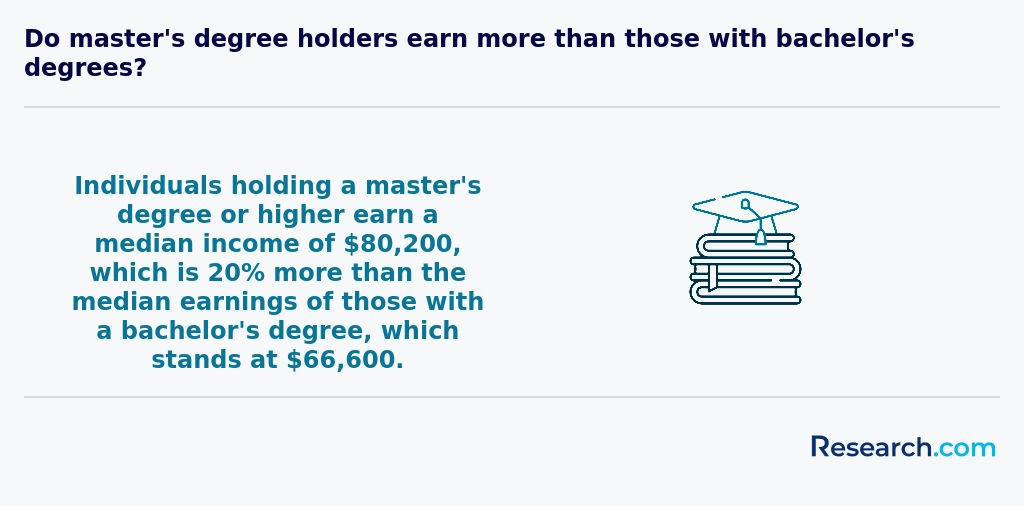
- Graduates in Virginia with an online bachelor's degree earn an average salary of $60,000, while those with a master's degree can earn up to $80,000, showing clear financial growth with higher degree levels.
- An online graduate from Virginia Tech studying computer science often finds rewarding careers in software development or cybersecurity, reflecting strong job demand and exciting opportunities in the tech industry.
- Online degrees from schools like George Mason University offer flexibility for working adults, allowing students to balance life and study effectively, which many graduates say leads to greater satisfaction compared to traditional programs.
- 2027 Fastest Online Colleges Programs Ranking in Virginia
- What can I expect from online degrees in Virginia?
- How much can I make with online degrees in Virginia?
What can I expect from online degrees in Virginia?
Students pursuing an online degree in Virginia can expect flexible, accredited programs designed to fit busy lifestyles. Graduates from George Mason University and Old Dominion University often report the convenience of asynchronous courses, enabling them to study after work or between family commitments while maintaining progress toward their degrees.
Coursework parallels traditional campus programs, with rigorous assignments, exams, and active participation in digital discussion boards. Many students appreciate how Virginia's accredited institutions uphold quality standards, ensuring their online learning is respected by employers and academic peers alike.
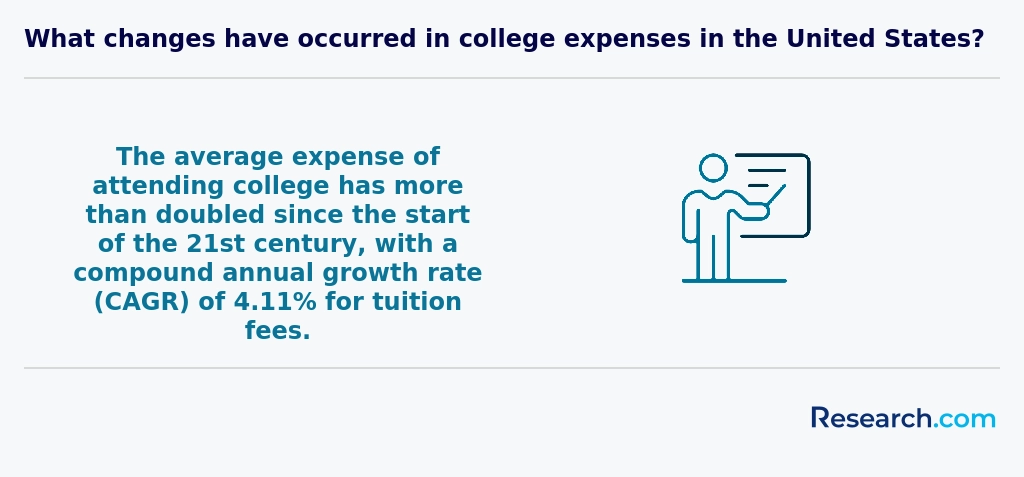
Financially, online learners benefit from in-state tuition rates, sometimes available even to out-of-state residents, helping reduce costs. With average tuition between $8,000 and $15,000 annually at public universities, students find pursuing business administration, nursing, or education online both accessible and affordable.
Beyond academics, students value virtual networking events and online advising services that support engagement and community, replicating important aspects of the traditional college experience despite physical distance.
How much can I make with online degrees in Virginia?
Graduates holding an online bachelor's degree from Virginia universities typically see median annual earnings around $61,000, significantly higher than the approximately $38,000 earned by those with only a high school diploma. For instance, alumni from the University of Virginia or Virginia Tech often report starting salaries in this range, reflecting the state's strong job market.
Fields such as nursing and computer science boost these figures further. Graduates with a Bachelor of Science in Nursing (BSN) from institutions like Old Dominion University frequently earn median wages near $75,000, while IT graduates enjoy salaries exceeding $80,000, demonstrating clear value in technical online programs.
Master's degree holders from Virginia's online graduate programs, such as business administration or cybersecurity at George Mason University, can expect earnings between $90,000 and $120,000. These professionals often share how Virginia's internship opportunities and local industry connections elevated their income and career satisfaction.
The variation in earnings also depends on location within Virginia, with Northern Virginia traditionally offering higher salaries aligned with living costs, reinforcing the financial benefits of pursuing online degrees from Virginia-based schools.
- Virginia offers many accredited public and private universities with fully online programs, including Virginia Tech and Old Dominion University.
- In-state tuition for online bachelor's degrees at public universities ranges from $8,000 to $12,000 per year, while private schools can charge over $20,000 annually.
- The average starting salary for bachelor's degree holders in Virginia is around $50,000, with experienced professionals earning above $75,000 after 10 years.
- High-demand job fields for graduates include information technology, cybersecurity, nursing, and business, especially in cities like Richmond and Arlington.
- Virginia participates in the SARA agreement, making it easier for students to enroll in online programs across state lines.
Completing an online degree in Virginia typically takes about four years for bachelor's programs when pursued full-time, aligning with requirements of roughly 120 credit hours. Many students at institutions like George Mason University or Old Dominion University find that flexible scheduling options help them balance work and study, often enabling accelerated progress that shortens this timeline.
Part-time learners, common among working adults at schools such as Virginia Commonwealth University, may extend their studies by one to two years, reflecting personal and professional commitments. Associate degrees usually require around two years full-time, but accelerated online options allow some to finish in 18 to 24 months.
Graduate students pursuing master's degrees online generally study between 30 and 60 credit hours, completing programs in 12 to 24 months. Graduates from programs at the University of Virginia have reported satisfaction with pacing that fits busy careers while maintaining high academic standards.
Transfer credits and course availability often influence completion time. Virginia's community college system supports credit transfers that allow students to start locally and finish bachelor's degrees at universities like James Madison University, positively impacting the overall duration.
Virginia’s diverse economy offers online degree graduates a wealth of employment opportunities across key sectors, from healthcare and technology to government and finance. Major health systems such as Sentara Healthcare and Inova Health System regularly recruit online nursing and health administration graduates for roles in patient care coordination, clinical leadership, and telehealth services. In the tech corridor of Northern Virginia, companies like Capital One, Amazon Web Services, and Booz Allen Hamilton seek graduates with online degrees in information technology, cybersecurity, and data analytics. These employers value candidates who combine technical expertise with the flexibility and self-discipline developed through online learning. Government agencies and defense contractors in the Richmond and Hampton Roads regions also hire online program alumni. The Department of Defense, NASA Langley Research Center, and firms like Northrop Grumman offer positions in project management, cybersecurity, and systems engineering. Graduates with a background in public administration or cybersecurity can advance rapidly by demonstrating leadership and specialized skills gained through accredited online programs. In the financial sector, Richmond-based banks and investment firms-such as SunTrust (now Truist) and Dominion Energy-look for online graduates in business administration, accounting, and finance to fill roles in financial analysis, compliance, and strategic planning. For those interested in exploring graduate-level credentials alongside practical experience, consider paths like our curated list of easiest master’s degrees, which can boost your marketability without compromising your professional schedule. Whether you aim to join a leading hospital, a cutting-edge tech firm, or a government research center, Virginia’s robust job market rewards online degree holders who leverage virtual networking, professional certifications, and the adaptable skill set cultivated through online education.
In Virginia, the main difference between online and on-campus degrees lies in how students engage with their studies. Online programs, offered by universities like Old Dominion University and Virginia Commonwealth University, allow students to attend classes remotely, giving flexibility to those balancing work or family. Graduates often mention the convenience of studying from home, avoiding daily commutes, and tailoring learning schedules around personal commitments.
On-campus students experience campus life firsthand, benefiting from face-to-face interactions with professors and peers, plus direct access to libraries and academic resources. For some graduates, these personal connections foster a stronger sense of community and motivation.
Tuition rates for both formats at Virginia public universities hover around $13,000 annually for in-state students, but online learners save on housing and transportation costs. Technology plays a key role for online students, requiring reliable internet and familiarity with digital platforms, while on-campus learners enjoy immediate in-person support.
Employment outcomes tend to depend more on accreditation and the degree earned than delivery mode, reassuring many Virginia students choosing online paths.
Graduates from Virginia’s top online degree programs are finding exciting opportunities across a wide spectrum of industries. Whether you’re interested in healthcare, technology, business, or education, employers value the adaptability and self-discipline that online learning fosters. In healthcare, for instance, institutions such as hospitals, outpatient clinics, and long-term care facilities are actively recruiting nursing and health administration professionals. Technology graduates can explore roles in IT consulting, cybersecurity, and data analytics, while business degree holders often secure positions in management, marketing, and entrepreneurial ventures. Additionally, education graduates may find placements in virtual schools, online tutoring platforms, and administrative roles within traditional educational institutions. Exploring these diverse career paths is key to understanding the real-world value of an online education in Virginia. By examining program rankings and tuition structures, you can ensure that your educational investment meets your career goals. For more detailed comparisons between online and traditional options, consider reviewing the most affordable online general programs in virginia, where comprehensive data can help you make an informed decision about your future. This holistic view of employment opportunities reinforces the fact that online degrees are not just about flexibility in learning-they also open numerous avenues for professional growth and success within Virginia’s dynamic job market.
The average total cost of an online degree in Virginia typically centers around $43,800, with variations depending on residency status and the type of institution attended. In-state students often benefit from significantly lower tuition fees, with median costs near $29,478. Out-of-state students, however, can expect median expenses around $34,729. These figures reflect overall investment in programs offered by public universities, private colleges, and community colleges across Virginia.
Graduates often recall balancing cost with quality by choosing schools like the University of Virginia or Virginia Tech for their reputation and relatively affordable online tuition compared to private institutions. Many find that public universities offer a practical pathway to earning a bachelor's degree without the steep costs-especially for Virginia residents. In contrast, private nonprofit colleges, while offering diverse specialized programs, come with higher tuition, pushing total costs toward the higher median range.
Community colleges throughout Virginia offer an even more budget-friendly alternative for students pursuing associate degrees or certificates online, with costs approximately $6,000 per year, allowing students to reduce debt and gain early career skills. Considering tuition alongside fees and materials, it's wise for prospective students to research specific programs. A helpful resource is the statewide ranking of the most affordable online general programs in virginia. This data-driven approach helps students understand the full scale of Virginia online college tuition and fees while making informed decisions about their education expenditure.
- Virginia Tech’s Online Master of Information Technology leads the list, with students completing the program in an average of 12 months through a blend of synchronous and asynchronous courses.
- Old Dominion University’s Accelerated RN-to-BSN track secures the second spot, enabling registered nurses to earn their Bachelor of Science in Nursing in just 11 months.
- Liberty University’s Online MBA follows closely, offering a fully online, cohort-based curriculum that wraps up in 12 months.
- George Mason University’s Online Bachelor of Arts in Communication ranks fourth, with an average completion time of 24 months for highly motivated learners.
- James Madison University’s Bachelor of Science in Information Technology rounds out the top five, boasting a 15-month finish time thanks to intensive, project-driven modules. Across these programs, key themes emerged: 1. Cohort-based learning accelerates peer support and timely graduation. 2. Credit for prior learning and transfer pathways reduces total seat-time. 3. Flexible start dates and modular formats empower working adults. For students seeking to complement their degree with quick, high-impact credentials, exploring easy certifications that pay well can further enhance employability and ROI.
Students pursuing online degrees in Virginia benefit from multiple financial aid options that ease the burden of the $14,500 average annual tuition at public universities. Federal Pell Grants, for example, provide up to $7,395 annually and are a lifeline for many who qualify based on need. A graduate from a well-known Virginia public university recalled how Pell Grants made completing their online bachelor's degree feasible while managing family expenses.
Federal Direct Student Loans add flexible repayment terms, allowing students to tailor loan payments to their income post-graduation. Additionally, state programs like the Virginia Tuition Assistance Grant (TAG) contribute up to $4,000 per year to residents attending private institutions offering online programs.
Community college students, including those studying online at institutions such as Northern Virginia Community College, can access the Virginia Community College Grant (VCCG), which significantly reduces costs. Many institutional scholarships at universities incorporate academic merit and consider the needs of adult learners balancing work and study.
Online learners in metropolitan areas often take advantage of employer tuition assistance, further lightening financial concerns, while veterans access GI Bill benefits, delivering peace of mind during their academic journey.
Virginia’s robust online education ecosystem stands out when compared to other regions, offering a blend of quality, flexibility, and career-focused outcomes. While states like Illinois emphasize affordability-as highlighted by the Affordable Online Colleges Programs Ranking in Lebanon, IL-Virginia balances cost with program speed and graduate earnings. The median total cost for an online degree in Virginia is $43,200, slightly higher than Lebanon, IL’s average, yet Virginia graduates report average starting salaries of $60,000 for bachelor’s degrees, compared to around $55,000 in many Midwestern markets. Additionally, Virginia’s institutions frequently rank among the fastest to completion, with accelerated pathways in nursing and business that can shave up to a year off traditional timelines. The Commonwealth’s investment in online infrastructure-such as statewide academic advising networks and virtual labs-further differentiates it from peer states. When weighing options, prospective students should consider not only sticker price but also time-to-degree, local industry demand, and post-graduation salary potential. This holistic comparison reveals why Virginia remains a top choice for online learners seeking both speed and return on investment.
Enrolling in an online degree program in Virginia typically requires a high school diploma or GED, as seen in many applicants to institutions like George Mason University and Virginia Commonwealth University. Graduates often share that fulfilling this basic requirement gives them confidence in starting their academic journey.
Standardized testing such as SAT or ACT scores is less emphasized due to the rise of test-optional policies among Virginia's universities, improving accessibility for many students. A graduate from a well-known university noted how this policy reduced application stress and encouraged more diverse applicants.
Applicants must submit formal applications including personal statements, letters of recommendation, and proof of Virginia residency to benefit from in-state tuition averaging around $12,000 annually-significantly lowering financial barriers.
For specialized or graduate programs, relevant work experience or prerequisite coursework is often mandated. For example, business programs at the University of Virginia may require prior credits or certifications, aligning student skills with program rigor.
Technical readiness with reliable internet and digital literacy is essential for successful participation. Many students appreciate institutions' orientation sessions that ease their transition to online platforms and create a positive learning environment.
Completing your online program faster takes strategic planning and leveraging available resources. Implement these steps to shorten your timeline without sacrificing quality.
- Transfer maximum credits from previous coursework or dual-enrollment programs to reduce required credits
- Enroll in accelerated or 8-week terms to maintain momentum and avoid long breaks
- Use credit-by-exam options like CLEP or DSST to earn credits through testing rather than coursework
- Plan a full course load each term and meet regularly with an academic advisor to stay on track
- Balance cost and speed by choosing an affordable accelerated program such as the cheapest online college bachelor degree
Online degree programs in Virginia typically include core courses in English composition, mathematics, social sciences, and natural sciences, forming a foundational base for critical thinking and communication skills. Graduates from institutions like Virginia Tech and George Mason University often highlight how these general education requirements prepared them well for diverse career paths. Business administration programs frequently offer classes in accounting, marketing, management principles, and economics, while IT degrees cover programming, systems analysis, cybersecurity, and network administration. These practical courses help students stay competitive in Virginia's growing digital economy.
Healthcare tracks concentrate on health policy, medical terminology, healthcare ethics, and public health, reflecting workforce demand in the region. The Virginia Community College System reports rising enrollment in these areas, emphasizing their relevance. Education degrees integrate curriculum development and classroom management tailored to meet licensure standards.
Students seeking affordable online college courses Virginia benefit from programs including liberal arts and social sciences courses like psychology and political science, which develop vital analytical skills. Many graduates appreciate the experiential learning components, often gained through virtual simulations and local internships, which enhance real-world readiness. Exploring the easiest master's degrees available online can be a smart step for those prioritizing flexibility and career growth.
Choosing the best online degree program in Virginia hinges on key factors like accreditation, cost, and program relevance. Graduates of Virginia Tech appreciate the in-state tuition rate of about $350 per credit hour, which significantly reduces the financial burden compared to out-of-state options. Such cost considerations are vital when assessing the best online degree programs Virginia cost-wise.
Aligning the program with career goals is equally essential. For example, students enrolling in Old Dominion University's engineering or nursing online degrees often report strong post-graduation job placement due to the programs' alignment with local workforce demands. Affordable online colleges Virginia ranking data shows that institutions with high accreditation standards, like those recognized by SACSCOC, consistently provide better credit transfer and employer recognition, boosting long-term value.
Student support services make a tangible difference, as demonstrated by University of Virginia alumni who benefited from 24/7 technical assistance and comprehensive virtual libraries. Technology platforms like Canvas further enhance engagement and flexibility. Moreover, prospective students should explore financial aid and consider easy certifications that pay well to supplement their degree pathways.

Graduates with online degrees in Virginia have diverse career paths due to the state's robust economy and variety of industries. For example, those graduating from well-known institutions such as Virginia Tech or George Mason University often find success in Information Technology and Cybersecurity roles. Virginia ranks among the top states for cybersecurity opportunities, with more than 15,000 job openings statewide, making roles like network administrator or cybersecurity analyst highly attainable.
Virginia job prospects for online graduates also extend into healthcare, with rising demand for registered nurses and health administrators. Other thriving career fields include business and finance, where degrees in accounting or financial planning can lead to positions in major companies and federal agencies statewide. Education graduates benefit from licensure pathways available through online programs, fueling teaching and administrative careers in public schools.
Many graduates report positive experiences balancing work and study, enabling them to leverage their online education for advancement. Those seeking data on affordable options can consult the Affordable Online Colleges Programs Ranking in Lebanon, IL for comparisons relevant to their goals and budget. This practical approach aligns with the continued growth of online degree career opportunities Virginia offers.
The Virginia online degree job outlook is particularly strong due to the state's thriving sectors such as technology, healthcare, and government. Graduates from institutions like George Mason University and Old Dominion University have reported positive employment outcomes, especially when their online programs include practical skills and recognized certifications. Many employers in Northern Virginia's government contracting industry show increased acceptance of online credentials, valuing demonstrated competencies over traditional campus experience.
Employment opportunities for online graduates in Virginia also benefit from the rapid expansion of the healthcare field, growing by approximately 15% through 2030. Graduates holding degrees in nursing or health administration from well-regarded online programs often find rewarding roles with competitive salaries. Online students frequently highlight their ability to network through virtual events, bridging education with local industry needs effectively.
For those exploring accelerated pathways, Virginia's colleges offer options such as best one year masters programs online, which many graduates have leveraged to quickly enhance their marketability. This blend of flexibility and job market relevance strongly supports career advancement within Virginia's dynamic labor market.
2027 Fastest Online Colleges Programs Ranking in Virginia
Investing in your education is a significant decision that can shape your future, and the Research.com team understands the importance of making informed choices. To assist prospective students, we have meticulously crafted the "2027 Fastest Online Colleges Programs Ranking in Virginia." Our commitment to quality, credibility, and accuracy is reflected in the extensive research and analysis conducted to compile this ranking.
We utilized the following reputable data sources to ensure a comprehensive evaluation of online college programs:
By exploring this ranking, readers will gain valuable insights into the fastest online college programs in Virginia, empowering them to make informed decisions about their educational pursuits. For more details on our methodology, please visit our Research.com methodology page.


# 12 position
Virginia Commonwealth University
Master of Homeland Security And Emergency Preparedness
Frequently Asked Questions
Students in Virginia can maximize their online learning experience by actively engaging with digital resources and staying disciplined in their study routines. Virginia offers over 80 accredited institutions with online degree options, including well-regarded public universities like Virginia Tech and Old Dominion University, which provide robust virtual platforms designed to support student success.
Participating in virtual study groups and utilizing academic support services, such as tutoring and advising, can enhance understanding and retention of course material. According to the Virginia Department of Education, students who regularly interact with faculty and peers online report higher satisfaction and completion rates.
Additionally, leveraging state-specific resources like the Virginia Education Wizard can help students plan effectively and access financial aid opportunities. Creating a dedicated study space and managing time carefully are also critical strategies for balancing work, life, and education commitments.
After completing an online degree in Virginia, preparing for the job market requires a strategic approach. Graduates should start by tailoring their resumes and LinkedIn profiles to highlight skills gained through their online program, emphasizing time management and digital communication abilities.
Virginia's Department of Labor and Industry reports that sectors like information technology, healthcare, and advanced manufacturing are growing rapidly. Targeting these industries can improve employment prospects.
Networking is essential; attending virtual career fairs hosted by Virginian universities and joining local professional groups can connect graduates with potential employers.
Additionally, using Virginia's online resources, such as the Virginia Workforce Connection, offers access to job listings and career counseling relevant to online degree holders.
Employers in Virginia prioritize a mix of technical and soft skills when evaluating graduates. According to the Virginia Department of Labor, critical thinking and problem-solving are among the top skills in demand. Communication skills, both written and verbal, also remain essential across industries.
Technical proficiency varies by field but often includes digital literacy and data analysis capabilities. Employers in tech-driven sectors particularly seek graduates familiar with software development, cybersecurity, and cloud computing.
Additionally, adaptability and teamwork are highly valued, as Virginia's economy includes dynamic sectors like defense, healthcare, and finance. The Virginia Chamber of Commerce highlights that nearly 70% of hiring managers look for strong interpersonal skills alongside academic credentials.
Finding internships in Virginia starts with leveraging both local resources and online platforms tailored to the state's job market. The Virginia Career Works centers provide support for students seeking internships by offering job listings, resume assistance, and workshops. According to the Virginia Employment Commission, sectors such as technology, healthcare, and government services consistently offer numerous internship opportunities.
Many Virginia colleges and universities partner with regional employers to connect online students with internships. Websites like Handshake and the National Association of Colleges and Employers (NACE) list internships specifically for Virginia residents. Networking through professional associations and LinkedIn groups focused on Virginia industries can also open doors.
Research indicates that nearly 70% of internships in Virginia are secured through direct contact or referrals, so building relationships with career counselors and alumni is essential.
In Virginia, earning an online degree can significantly affect career mobility and advancement. According to the Georgetown University Center on Education and the Workforce, individuals with a bachelor's degree earn about 74% more over their lifetime compared to those with only a high school diploma. This wage premium applies across many Virginia industries, including technology, healthcare, and government.
The Virginia Employment Commission highlights that holders of bachelor's or higher degrees experience lower unemployment rates and more job opportunities. Employers in the state increasingly recognize accredited online degrees, which can open doors to promotions and leadership roles.
Online degrees also allow working professionals to balance education with current employment, accelerating skill development relevant to Virginia's growing economy.
When choosing between a thesis and a non-thesis online degree program in Virginia, consider your career goals and learning preferences. Thesis programs often suit students interested in research, higher education, or specialized expertise. They usually require conducting original research and writing a comprehensive thesis.
Non-thesis programs focus more on coursework and practical skills, making them appealing for working professionals aiming to advance careers without committing to research. According to the Virginia Department of Education, several public institutions like Virginia Tech and UVA offer both formats to accommodate diverse needs.
Cost, duration, and faculty availability also influence your choice in Virginia's growing online education market.
Students in Virginia seeking to study abroad while pursuing online degrees have several options through their institutions. Many Virginia universities, such as the University of Virginia and Virginia Tech, offer study abroad programs and international internships designed to complement online coursework. These programs typically provide opportunities for short-term or semester-long exchanges.
Virginia ranks among the top states in the U.S. for participation in study abroad programs, according to the Institute of International Education's 2022 Open Doors Report. The report indicates over 2,000 Virginia-based college students studied abroad that year.
Moreover, some online programs include virtual global learning components, allowing students to engage with international peers and faculty without traveling. Financial aid and scholarships specifically for study abroad are also frequently available through Virginia colleges.
Virginia offers many part-time job opportunities that can complement your online degree studies. Positions in healthcare, such as medical assistants or pharmacy technicians, are in high demand, reflecting the state's strong healthcare sector. According to the Virginia Employment Commission, healthcare occupations are projected to grow by 16% through 2030.
For business or IT students, internships or part-time roles in Richmond's growing technology firms provide practical experience. Additionally, tutoring or academic support positions at local colleges can enhance teaching and communication skills.
Retail and customer service jobs, common across Virginia, help develop soft skills valuable in any field. These roles offer flexible schedules suitable for online learners balancing coursework and employment.
Online students pursuing degrees in Virginia benefit from a variety of networking opportunities despite not being physically on campus. Many Virginia institutions, such as Virginia Tech and the University of Virginia, offer virtual career fairs, online student organizations, and discussion forums that connect students with peers and professionals statewide.
The Virginia Tech Career and Professional Development office reports that over 70% of online learners engage in virtual networking events annually. Additionally, statewide groups like the Virginia Council of Higher Education promote collaboration among online students and alumni, facilitating mentorship and job placement.
Local alumni chapters and professional associations also provide online meetups, expanding connections within industries relevant to students' fields of study.
Alumni networks play a vital role in supporting online degree students in Virginia by connecting them with experienced professionals across various industries. These networks offer mentorship opportunities that help students navigate their careers and enhance their professional skills.
Virginia boasts several universities with strong alumni communities, such as Virginia Tech and George Mason University, which actively engage graduates through events and online platforms.
According to a 2023 report from the Virginia Council of Higher Education, over 70% of online graduates found job opportunities through alumni contacts, highlighting the practical value of these connections.
Such networks also provide access to job boards, internships, and exclusive workshops tailored for online students.
Customizing your online degree program in Virginia involves selecting courses and specializations that align directly with your career goals. Many Virginia colleges offer flexible online curricula allowing students to choose electives or minors related to industries like technology, healthcare, or business. According to the Virginia Department of Education, over 40% of public institutions provide personalized advising to help students map courses to career paths.
Students may also engage in internships or project-based learning remotely, enhancing practical skills. Additionally, some programs allow credit transfer from professional certifications, accelerating degree completion while aligning with job requirements. These options make online degrees in Virginia adaptable to changing market demands and individual ambitions.
Online students in Virginia face several challenges that can affect their academic success. A common issue is maintaining motivation and time management due to the flexibility of online programs. Without a structured campus environment, students might struggle to balance coursework with work and family responsibilities. According to the National Center for Education Statistics (NCES), about 40% of Virginia's online learners report difficulties staying engaged.
Access to reliable internet is another concern, especially in rural areas where broadband availability is limited. The Virginia Department of Education highlights that approximately 15% of households still lack high-speed internet, impacting students' ability to participate in live classes and access resources.
Additionally, some students find limited opportunities for direct interaction with professors and peers challenging, which can affect networking and support systems critical for success.
Writing a winning application for an online degree program in Virginia requires a clear focus on your academic goals and relevant experiences. Virginia hosts over 30 accredited institutions offering online programs, including well-known public universities such as Virginia Commonwealth University and Old Dominion University. According to the Virginia Department of Education, successful applications often include a strong personal statement explaining why you chose the specific program and how it aligns with your career plans.
Applicants should highlight any professional or volunteer experiences that showcase relevant skills. Attention to detail in providing all required documents, such as transcripts and test scores, is critical to avoid delays. Researching each school's unique application prompts and deadlines on official websites ensures a tailored and punctual submission.
Students pursuing online degrees in Virginia can gain practical experience through various methods integrated with their studies. Many Virginia institutions offer virtual internships and cooperative education (co-op) programs, allowing learners to work with local businesses or nonprofits while completing coursework. According to the Virginia Department of Labor, the state supports internship programs that enhance career readiness in key sectors like technology and healthcare.
Additionally, students may engage in service-learning projects or research collaborations with university faculty. Some colleges also facilitate partnerships with employers in the Richmond and Northern Virginia areas, providing remote work opportunities that align with students' academic goals.
Choosing the right concentration within an online degree program in Virginia begins with understanding your career goals and interests. According to the Virginia Board of Education, concentrations that align with in-demand fields like healthcare, information technology, and business tend to offer better employment prospects.
Next, investigate the curriculum and specializations offered by Virginia's accredited online colleges, such as Old Dominion University and Virginia Tech. Review course content to ensure it matches your professional aspirations and skill development needs.
Additionally, consider the job market in Virginia. The Virginia Employment Commission reports strong growth in tech and healthcare sectors, making related concentrations particularly valuable. Finally, evaluate your time commitment and flexibility needs to select a program fitting your lifestyle.
- 2027 Fastest Online Colleges Programs Ranking in West Virginia
- 2027 Fastest Online Colleges Programs Ranking in North Carolina
- 2027 Fastest Online Colleges Programs Ranking in Tennessee
- 2027 Fastest Online Colleges Programs Ranking in Kentucky
- 2027 Fastest Online Colleges Programs Ranking in Pennsylvania
- 2027 Fastest Online Colleges Programs Ranking in South Carolina
- 2027 Fastest Online Colleges Programs Ranking in Ohio
- 2027 Fastest Online Colleges Programs Ranking in New Jersey
- 2027 Fastest Online Colleges Programs Ranking in Georgia
- 2027 Fastest Online Colleges Programs Ranking in New York
- Soft Skills Employers are Looking for in a Graduate https://www.law.ac.uk/resources/blog/soft-skills-employers-are-looking-for-in-a-graduate/
- Online Colleges in Virginia https://www.onlineschools.org/guides/virginia/
- Online Programs https://www.vsu.edu/online/online-programs.php
- Careers Evolve but Majors Matter: Career Pathways and College Majors in Virginia | Richmond Fed https://www.richmondfed.org/region_communities/regional_data_analysis/regional_matters/2024/rm_11_14_24_college_majors_virginia
- Top 15 Skills Employers Look for in College Graduates https://www.vupune.ac.in/blog/top-15-skills-employers-look-for-in-college-graduates
- Studying Abroad: A Complete Guide https://accessscholarships.com/blog/studying-abroad/
- Virginia Works https://virginiaworks.gov/im-a-job-seeker/
- Students: This is How You Should Prepare for the Job Market https://www.agencycentral.co.uk/articles/students-this-is-how-you-should-prepare-for-the-job-market/
- Networking in Virginia Beach, Virginia | Meetup https://www.meetup.com/find/us--va--virginia-beach/networking/
- The eight graduate skills employers want https://www.unitemps.com/career-advice/the-eight-graduate-skills-employers-want/


