
2027 Best Online Colleges Programs Ranking in Vermont

Co-Founder and Chief Data Scientist
Choosing the right online college program in Vermont can feel overwhelming. With so many options available, it's important to find a program that fits your goals and lifestyle. This article features the 2027 Best Online Colleges Programs Ranking in Vermont, created by the Research.com team of data scientists to help you make an informed decision.
By exploring this ranking, you'll discover valuable insights into top degree programs that offer quality education and flexibility. Earning a degree can open new opportunities and bring a rewarding sense of accomplishment.
Let this guide support your journey toward success and confidence in your educational choices.
Key benefits of getting online degrees in Vermont
- Graduates with a bachelor's degree in Vermont earn an average of $57,000 annually, while those with master's degrees can see salaries rise to about $75,000, showing clear financial benefits across degree levels.
- A graduate from the University of Vermont who completed an online nursing program often starts as a registered nurse and can advance to healthcare management roles, illustrating strong career growth.
- Online degrees from Champlain College allow students like marketing majors to balance work and study flexibly, gaining skills and experience faster than traditional on-campus students.
- 2027 Best Online Colleges Programs Ranking in Vermont
- What can I expect from online degrees in Vermont?
- How much can I make with online degrees in Vermont?
What can I expect from online degrees in Vermont?
Choosing an online degree in Vermont means flexibility is at the heart of your experience. Graduates from the University of Vermont often reflect on how programs accommodate their busy lives, allowing them to study while managing work and family. Whether it's nursing degrees from Vermont State University or cybersecurity at Champlain College, the ability to engage deeply with coursework without sacrificing personal commitments is a common benefit.
Students also find reassurance in the quality of education, knowing programs meet strict regional accreditation standards through NECHE. Many appreciate that their online learning is just as rigorous and respected as traditional classes, which adds confidence when entering the job market.
Graduates frequently mention the satisfaction of having access to local support networks and career services, which help bridge the gap between online study and real-world opportunities. Affordable tuition combined with financial aid options such as VSAC scholarships often brings relief, making higher education accessible without overwhelming debt.
How much can I make with online degrees in Vermont?
Graduates from online degree programs in Vermont often see promising earnings that reflect both their level of education and field of study. For example, those finishing a bachelor's degree from institutions like the University of Vermont or Champlain College report median salaries near $60,000 annually, significantly outpacing high school graduates earning around $38,000. This notable increase often brings a sense of accomplishment and confidence as graduates enter Vermont's workforce.
Many graduates who pursued healthcare or technology degrees online find even stronger financial returns. Nurses with online BSN degrees typically earn about $72,000, while IT professionals with bachelor's degrees from Vermont colleges can approach $75,000 yearly. These figures illustrate the real value of aligning your online education with Vermont's in-demand sectors.
Advancing to a master's degree boosts earning potential further, often by 20% to 30%. For example, online graduate degree holders in education from Vermont institutions frequently secure salaries between $65,000 and $80,000, especially in leadership roles. Graduates often share feelings of fulfillment and reassurance knowing their investment in advanced education translates directly to better career opportunities in their home state.
- Annual tuition for online degree programs in Vermont's public institutions ranges from $10,000 to $15,000 for in-state students.
- Private online programs can cost over $20,000 per year, similar to traditional on-campus tuition rates.
- Graduates typically earn starting salaries between $45,000 and $50,000, with average salaries rising to about $65,000 over time.
- High-demand fields in the state include healthcare, education, business, and technology, offering better employment opportunities.
- In-state tuition rates, scholarships, and state grants help reduce the cost of earning an online degree in Vermont.
- Employers in Vermont increasingly recognize accredited online degrees, aiding graduate employability in key industries.
Completing an online degree in Vermont often feels like a flexible journey rather than a race. Many graduates from the University of Vermont and Community College of Vermont share how their programs, designed for working adults, allowed them to balance family, work, and study without overwhelming pressure. Typically, earning an associate degree takes about two years full-time, while bachelor's degrees generally require four years. However, some online students have found joy in accelerated options, finishing their bachelor's in three years or less by embracing an intense but rewarding pace.
Masters students often report completing their degrees in as little as 12 to 18 months, appreciating the focused curriculum that aligns well with Vermont's emphasis on competency-based learning. For those studying part-time, the path naturally extends, sometimes doubling the time, yet many express satisfaction in progressing steadily without sacrificing other life priorities. Transfer credits and prior learning recognition further brighten the timeline, turning what might feel like a long haul into a manageable and empowering experience.
Students in Vermont face a meaningful choice between online and on-campus degrees, each offering distinct experiences while maintaining strong academic standards. Graduates from the University of Vermont often highlight the energizing atmosphere of attending classes in person, where lively discussions with professors and peers spark deeper connections. Yet, those who pursued online degrees from Castleton University appreciate the flexibility to balance studies with work or family, enjoying the freedom to learn at their own pace.
Cost differences also surface in real life; many online learners find reduced tuition appealing, though private colleges in Vermont may not always offer a price break. One graduate shared how digital platforms allowed them to tap into course materials anytime, turning study moments into quiet evenings after the kids were asleep-an option rarely possible with traditional schedules.
On-campus students cherish access to campus libraries and labs, enriching their learning hands-on, while online learners build resilience and self-discipline through virtual collaboration and time management.
The average cost of an online degree in Vermont typically hovers around $38,160, a figure that many graduates find reflective of the investment required to advance their careers. Students from popular Vermont institutions often share how balancing cost with quality was essential in their decision-making process. For example, graduates from public universities describe the tuition as more affordable compared to private schools, reinforcing that understanding the average cost of online degree Vermont programs can help manage expectations.
Many online learners recall paying additional fees beyond tuition, such as technology charges or purchasing books, which sometimes caught them by surprise. However, they often felt these expenses were reasonable when weighed against the flexibility and personalized attention they received. This nuanced view of online college tuition and fees Vermont helps prospective students appreciate the comprehensive cost, not just the headline price.
The degree level also significantly influences costs. Graduates who pursued associate degrees mention spending between $6,000 and $15,000 total, highlighting affordability at this level. Conversely, bachelor's degree earners report costs ranging from $20,000 to $60,000, reflecting a broader range depending on the program's reputation and length. Many master's degree recipients note even higher expenses but consider them worthwhile because of career growth.
Students often emphasize how financial aid and scholarships softened the financial burden. Vermont offers specific grants that many found helpful in making their education attainable. Additionally, some students explored certification courses that pay well alongside their degree programs to supplement income and increase employability.
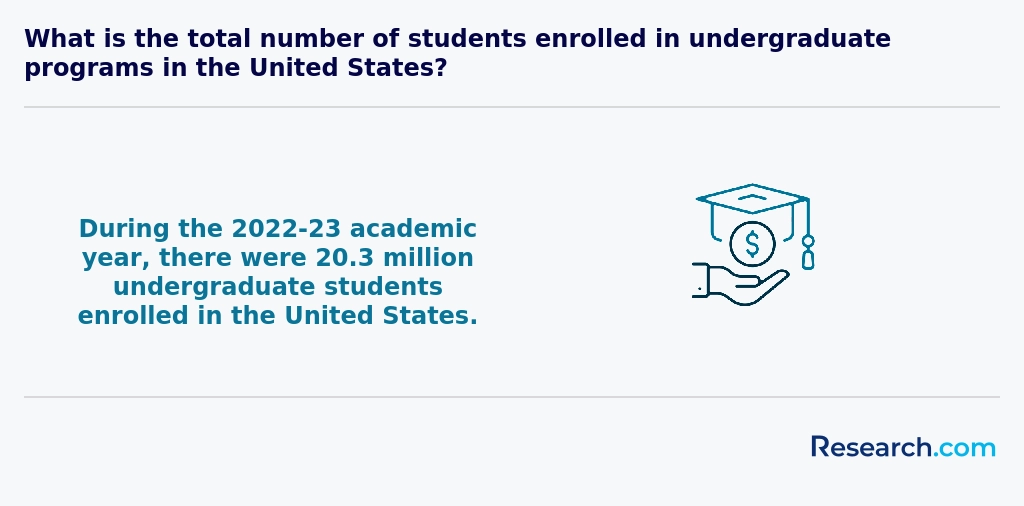
Online degree students in Vermont find reassurance in a variety of financial aid options tailored to their unique needs. Many graduates recall how completing the FAFSA opened doors to Pell Grants, covering significant portions of tuition without the weight of repayment. These grants, reaching up to $7,395 for 2023-2024, provided crucial support to those balancing studies and family life.
For residents, the Vermont State Grant is a beacon of hope, often bridging the gap between federal aid and out-of-pocket costs. Graduates from institutions like the University of Vermont remember how this grant eased financial pressures, making education attainable despite economic challenges.
Merit-based scholarships from Vermont Technical College and similar schools reward dedication and academic achievement, fueling motivation with rewards tied to personal effort. Veterans also share stories of relief, thanks to GI Bill benefits and state programs that made their transition to online learning smoother.
Work-study opportunities and flexible tuition payment plans often create a sense of control and stability, allowing students to manage expenses thoughtfully while progressing towards their degrees.
Enrolling in an online degree program in Vermont usually starts with securing a high school diploma or a GED, a step that many graduates from the University of Vermont have found straightforward yet essential. One alum shared how submitting official transcripts early helped smooth the admission process, ensuring her academic background was clearly understood.
For programs at colleges like Vermont State, standardized tests such as the SAT or ACT might be requested, but increasingly, schools embrace test-optional policies. This flexibility has relieved many students, allowing them to focus on strengthening other parts of their application, such as personal statements or letters of recommendation.
Technical readiness is another cornerstone; successful graduates often mention the importance of a reliable internet connection and access to a functional computer, which made participating in live lectures and submitting assignments hassle-free. Graduate applicants, particularly at institutions like Champlain College, also found that preparing a polished resume or recommendations enriched their application profiles.
Financial planning is a practical prerequisite. Knowing that in-state tuition averages about $350 per credit hour in Vermont's public colleges encourages students to budget wisely for tuition and materials, turning what might feel like a daunting cost into a manageable investment in their future.
- High school diploma or GED equivalency
- Official transcripts from prior education
- Standardized test scores, if required or test-optional policies apply
- Technical readiness: internet access and computer
- Additional materials for graduate programs such as recommendations and statements
- Financial planning to cover tuition and associated costs
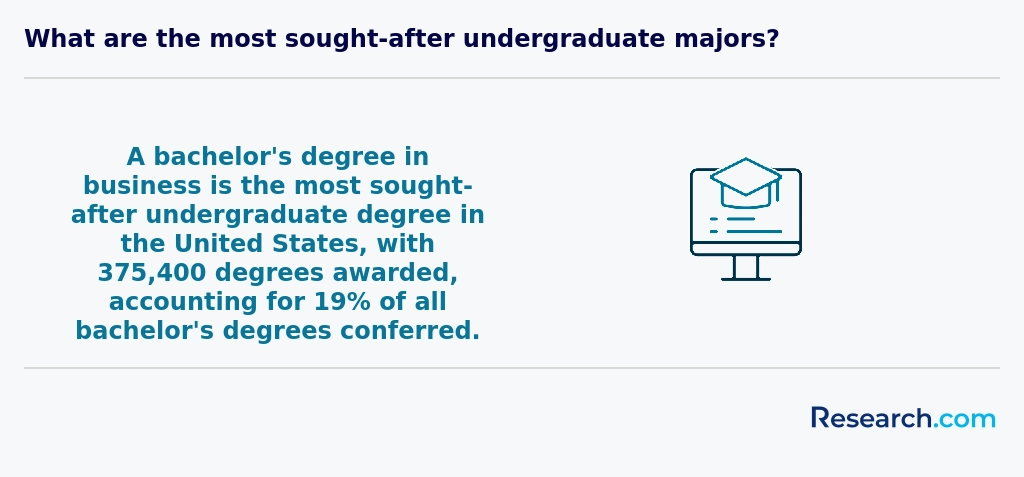
Typical online degree courses Vermont students encounter often balance foundational knowledge with state-tailored content. Graduates from popular institutions like the University of Vermont frequently recall starting with core classes in English Composition to sharpen communication skills, alongside Psychology or Sociology to understand human behavior. These universal courses build essential skills that support more specialized study later on.
Many online degree programs in Vermont also prioritize subjects reflecting local priorities, such as Environmental Science, which resonates deeply given Vermont's commitment to sustainability. For example, graduates note the value of case studies drawn from Vermont's unique ecosystems, making learning feel immediate and relevant. This approach nurtures a sense of connection to the region while preparing students for careers aligned with local needs.
Those exploring typical online college programs Vermont will find mathematics or statistics courses frequently appear on the curriculum, strengthening analytical skills vital across diverse fields. Students appreciate how these classes challenge them to think critically while offering practical problem-solving tools.
For insights into nationally recognized options, prospective learners value resources highlighting nationally accredited online colleges, which help guide choices toward reputable programs that meet Vermont's specific educational and professional standards.
Choosing the best online degree program in Vermont often starts with checking the accreditation to ensure the education you receive holds value. Graduates from the University of Vermont appreciate how regional accreditation guarantees their degree's recognition by employers. Many students find that programs offered by Champlain College's online platform combine rigorous coursework with flexibility, allowing them to balance studies and work effectively. Reflecting on personal experiences, affordability also plays a key role; affordable online colleges Vermont provide tuition rates that respect in-state residents' budgets without compromising quality. It's common to hear from alumni who benefited from scholarships unique to Vermont, easing the financial burden.
Career alignment is another important consideration. Vermont institutions emphasize fields like healthcare, education, business, and technology, reflecting local job markets. Graduates often mention that the support services-academic advising, tutoring, and career counseling-were vital to their success, making their online journey feel personalized and motivating. When exploring options, it helps to look into outcome data and employment trends from Vermont's Department of Labor. For those seeking the best jobs for introverts, choosing programs tailored with such insight makes the path forward clearer and more hopeful.

Graduates holding online degrees in Vermont find diverse career paths that truly reflect the state's economic landscape. Many online alumni from well-regarded institutions like the University of Vermont and Champlain College have successfully entered healthcare roles such as registered nurses and health services managers, thriving in a field that makes up about 16% of Vermont's job market. These graduates often express pride in contributing to their communities by supporting the aging population.
Others pursuing online degrees in education appreciate Vermont's respect for personalized learning, finding fulfilling roles within local schools that accept their credentials. The close-knit educational communities here make the journey rewarding, especially for those with degrees focused on special education or school leadership, enabling them to impact students' lives directly. This reflects the best job prospects for Vermont graduates who seek meaningful careers.
Technology graduates report a sense of excitement moving into Vermont's expanding IT sector. With opportunities in cyber security, software development, and network administration growing, online degree programs from Vermont colleges prepare students for these promising roles. For those balancing life's demands, exploring the best accelerated online degree programs for working adults can be a game changer, opening doors to careers in burgeoning Vermont industries.
The job market for graduates holding an online general degree in Vermont demonstrates a steadily promising outlook. Many graduates from well-known institutions such as the University of Vermont and Champlain College share stories of landing roles that blend remote work flexibility with local engagement, especially in sectors like healthcare, technology, and business management. The Vermont online graduates employment outlook is bright because employers increasingly recognize the value of degrees earned through digital platforms, particularly when paired with practical experience gained via internships or project collaborations that these colleges often facilitate.
Graduates often find their credentials resonate well in local sectors like healthcare and IT, where demand remains high and growth projections are positive. For those considering skill-building in shorter timeframes, exploring 6 month certificate programs that pay well can complement online degrees and boost employability. These real-world pathways reflect Vermont's evolving economy, where flexible learning ties directly into meaningful job opportunities, especially for those balancing study with life in rural areas.
2027 Best Online Colleges Programs Ranking in Vermont
Investing in your education is a significant decision that can shape your future, and the Research.com team understands the importance of making informed choices. To assist prospective students in Vermont, we have meticulously crafted the "2027 Best Online Colleges Programs Ranking in Vermont." Our commitment to quality, credibility, and accuracy is reflected in the extensive research and analysis conducted to compile this ranking.
We utilized the following reputable data sources to ensure a comprehensive evaluation of online college programs:
By exploring this ranking, readers will gain valuable insights into the top online colleges in Vermont, empowering them to make well-informed decisions about their educational journeys. For more details on our methodology, please visit our Research.com methodology page.


# 13 position
Vermont State University - Randolph
Bachelor of Dental Hygiene
Frequently Asked Questions
Students in Vermont can maximize their online learning experience by actively engaging with their course materials and instructors. Research from the Vermont Student Assistance Corporation highlights that time management and regular communication with faculty improve success rates in online courses. Leveraging local resources such as the Vermont State Colleges system's online tutoring and library services also supports deeper understanding.
Participating in virtual study groups and using technology effectively can enhance collaboration and information retention. Additionally, setting a dedicated study space at home helps minimize distractions, which is critical considering Vermont's rural internet access challenges reported by the Federal Communications Commission.
After completing an online degree in Vermont, effective job market preparation is essential. First, leverage Vermont's strong network of local employers by connecting with the Vermont Department of Labor, which offers tailored career services and labor market information. Networking through professional platforms like LinkedIn can also help, along with joining Vermont-based industry groups or chambers of commerce.
Graduates should build a compelling resume highlighting both online learning skills and any practical experience, such as internships or volunteer work. According to the U.S. Bureau of Labor Statistics, Vermont's unemployment rate was 2.4% in early 2024, indicating a competitive but accessible job market.
Additionally, consider enhancing skills through Vermont's workforce development programs to stay current with in-demand occupations, especially in healthcare, technology, and education sectors, which are prominent in the state.
Employers in Vermont increasingly value a mix of technical and soft skills in recent graduates. According to the Vermont Department of Labor, critical thinking and problem-solving remain top priorities, with nearly 70% of job postings emphasizing these abilities.
Communication skills, both written and verbal, are essential as many Vermont employers seek candidates who can collaborate effectively in team environments. Adaptability and digital literacy are also key, given the growing demand for remote work capabilities and proficiency with technology.
Data from the Vermont Higher Education Council shows that fields like healthcare, advanced manufacturing, and information technology prioritize skills such as attention to detail and data analysis. These skills align closely with Vermont's evolving job market needs.
Finding internships in Vermont involves a mix of online research, networking, and using local resources. Start by exploring the websites of Vermont-based companies and organizations, especially those in key industries like healthcare, technology, and agriculture. The Vermont Department of Labor offers an online job bank that frequently lists internship opportunities.
Additionally, many colleges and universities in Vermont, including those offering online degrees, provide career services and internship placement support. Connecting with alumni through LinkedIn or school platforms can open doors to hidden internships. According to the Vermont Higher Education Council, partnerships between schools and local businesses make internship placement more accessible for students statewide.
Networking at local job fairs or virtual career events hosted by Vermont colleges also boosts chances. Consider contacting the Vermont Chamber of Commerce for information on internship programs promoted by local employers. Taking advantage of these options enhances the likelihood of securing an internship that complements your online degree.
In Vermont, earning an online degree can significantly enhance career mobility and advancement opportunities. According to the Vermont Department of Labor, occupations requiring a bachelor's degree or higher are projected to grow by 7% between 2020 and 2030, faster than average growth rates. Online degrees provide flexible access to higher education, enabling working adults to upskill without relocating.
Employers in Vermont increasingly recognize accredited online degrees, especially from regionally accredited institutions, as valid credentials. This recognition helps graduates access promotions and higher-paying roles in sectors like healthcare, education, and technology, which are prominent in Vermont's economy.
Moreover, Vermont's commitment to workforce development, through programs like the Vermont Higher Education Grant, supports adults pursuing online degrees, making advancement more achievable.
Choosing between a thesis and a non-thesis degree program in Vermont depends largely on your career goals and learning preferences. Thesis programs require original research and a formal paper, ideal for students aiming at academic careers or advanced research roles. Non-thesis options focus more on coursework and practical applications, suited for those seeking direct entry into the workforce.
In Vermont, institutions like the University of Vermont offer both pathways in many graduate programs. According to the Vermont Higher Education Council, about 40% of graduate students opt for thesis degrees, reflecting a strong emphasis on research.
Consider factors like time commitment and skills development. Thesis work typically demands more time and independent study, while non-thesis paths might finish faster with a focus on professional skills.
Students based in Vermont who pursue online degrees have several opportunities to engage in study abroad programs, often through partnerships between their home institutions and foreign universities. Although Vermont itself has a smaller population, local schools such as the University of Vermont collaborate with international programs to offer virtual exchanges and limited on-site experiences abroad. According to NAFSA data, about 5% of Vermont college students participated in study abroad during the 2021-2022 academic year, a figure slightly below the national average.
Online learners can benefit from virtual study abroad options, which include language immersion, cultural workshops, and joint research projects with international peers. These allow students to gain global perspectives without leaving Vermont, making them ideal for those balancing work or family commitments.
In Vermont, part-time job opportunities that complement online degrees vary by field but often focus on healthcare, education, and technology. Due to the state's growing demand for healthcare workers, positions such as medical assistants or administrative aides in clinics can provide practical experience alongside studies. According to the Vermont Department of Labor, healthcare-related jobs are among the fastest growing sectors.
Additionally, education-related roles like tutoring or teaching assistantships are common for students pursuing degrees in teaching or social sciences. Vermont's emphasis on sustainable technology and environmental science also opens part-time opportunities in local nonprofits or startups focused on clean energy.
These roles help build relevant skills while accommodating flexible schedules needed by online learners.
Online students pursuing degrees in Vermont benefit from various networking opportunities that connect them with peers, faculty, and professionals. The University of Vermont and other institutions often host virtual career fairs and alumni events, enabling students to build valuable relationships despite physical distance. According to the Vermont Department of Labor, these events help students engage with local industries including healthcare, technology, and education.
Additionally, online students can join professional associations such as the Vermont Technology Alliance or the Vermont Bar Association, depending on their field. These organizations frequently offer webinars and local meetups that foster career connections.
Overall, Vermont's online programs emphasize creating accessible networking options to support student success and career growth.
Alumni networks offer valuable benefits to online degree students in Vermont by providing connections that support both academic and professional growth. Graduates from Vermont's colleges often remain active in these networks, which facilitate mentorship opportunities, internships, and job placements within the state's diverse economy.
According to the Vermont Department of Labor, connections through alumni have helped many graduates secure positions in growing fields such as healthcare and technology. These networks also provide guidance on navigating local industries and workforce trends, which is crucial for online students who may not have on-campus access.
Engaging with alumni can create a sense of community and open doors that otherwise might remain closed to remote learners. This makes networking a key factor in leveraging an online degree effectively in Vermont's job market.
Customizing an online degree program in Vermont allows students to align their education with specific career objectives. Many Vermont colleges offer flexible curricula, enabling learners to choose electives and concentrations that suit their professional goals. For example, Norwich University and Castleton University provide options to tailor coursework in fields like business, education, or health sciences.
Additionally, students can often participate in internships or practical experiences to build relevant skills. Academic advisors play a key role in helping students select courses and pathways that match Vermont's local job market demands. According to the Vermont Department of Labor, healthcare and technology remain top growth sectors, which students can target through focused study.
With online delivery, working professionals can balance education with employment, accelerating their career advancement.
Online students in Vermont often face challenges related to technology access. Despite strong internet infrastructure statewide, rural areas can experience connectivity issues, which impacts participation in live classes and timely submission of assignments. According to the Vermont Department of Public Service, about 10% of Vermonters still lack reliable high-speed internet, affecting remote learners significantly.
Another hurdle is balancing coursework with work and family responsibilities. Many online students are non-traditional learners juggling multiple roles, which can limit the time available for study and increase stress.
Additionally, some students find it difficult to build meaningful connections with peers and instructors in virtual environments, which may reduce engagement and support.
Writing a winning application for an online degree program in Vermont starts with careful research. Understand the specific requirements of the school and program, as standards can vary. Vermont institutions like the University of Vermont and Champlain College emphasize clear, concise personal statements that reflect your goals and fit with their mission.
Demonstrate academic readiness by submitting transcripts and, if required, standardized test scores. Highlight any relevant work or volunteer experience that shows your commitment and skills. According to the Vermont Department of Education, strong letters of recommendation boost your application by providing insight into your character and abilities.
Pay attention to application deadlines, as Vermont colleges often have rolling admissions for online programs, but missing dates can disqualify you. Finally, proofread every part of your submission to avoid errors, as attention to detail reflects professionalism and seriousness.
Students pursuing online degrees in Vermont can gain practical experience through various methods. Many Vermont colleges collaborate with local businesses and organizations to offer virtual internships, allowing students to apply theoretical knowledge in real-world environments. According to the Vermont Department of Labor, sectors like healthcare, education, and technology actively seek interns and apprentices.
Additionally, some online programs incorporate capstone projects or applied research assignments to develop hands-on skills. Students may also participate in service learning or community-based projects remotely, providing valuable exposure to professional practices while studying.
Networking opportunities with Vermont alumni and professionals can further enhance practical learning and career prospects.
Choosing the right concentration within an online degree program in Vermont starts with understanding local workforce demands. Vermont's Department of Labor reports strong growth in healthcare, education, and information technology sectors. Aligning your concentration with these fields can improve job prospects after graduation.
It is also important to consider your personal interests and strengths. Concentrations that match your skills are more likely to keep you motivated. Research program specifics at Vermont-based institutions like the University of Vermont or Champlain College, which often offer concentrations tailored to regional industries.
Look for concentrations that provide relevant internships or networking opportunities. Online programs with access to Vermont's professional communities can enhance practical experience. Additionally, verify that the concentration meets accreditation standards to ensure transferability and employer recognition.
- 2027 Best Online Colleges Programs Ranking in Massachusetts
- 2027 Best Online Colleges Programs Ranking in New York
- 2027 Best Online Colleges Programs Ranking in Connecticut
- 2027 Best Online Colleges Programs Ranking in Maine
- 2027 Best Online Colleges Programs Ranking in New Jersey
- 2027 Best Online Colleges Programs Ranking in Pennsylvania
- 2027 Best Online Colleges Programs Ranking in Maryland
- 2027 Best Online Colleges Programs Ranking in Virginia
- 2027 Best Online Colleges Programs Ranking in Ohio
- 2027 Best Online Colleges Programs Ranking in West Virginia
- Pathways to Stay: Creating Meaningful Early-Career Opportunities in Vermont https://vbsr.org/pathways-to-stay-creating-meaningful-early-career-opportunities-in-vermont
- Burlington Young Professionals https://lccvermont.org/burlington-young-professionals
- Discover Accredited Online Colleges In Vermont https://www.accreditedschoolsonline.org/vermont/
- CCV Financial Aid | Grants, Scholarships & Assistance https://ccv.edu/paying-for-ccv/financial-aid/
- Vermont's Most Promising Jobs https://mcclurevt.org/most-promising-jobs/
- 50+ Scholarships & Grants for Study Abroad in 2025 | Go Overseas https://www.gooverseas.com/blog/study-abroad-scholarships-grants
- Count on Vermont https://education.vermont.gov/student-learning/count-on-vermont
- Vermont Tech Alumni Association https://vermontstate.edu/alumni/randolph-alumni/vermont-tech-alumni-association/
- Flexible Degree Completion - Vermont State Colleges System https://www.vsc.edu/continuing-professional-education/flexible-degree-completion/
- Thesis vs. Non-Thesis: How to Choose for Your Degree (Guide) https://degreefromanywhere.com/what-is-a-thesis/


