2027 Best Online Colleges Programs Ranking in Virginia

Co-Founder and Chief Data Scientist
Choosing the right online college program can feel overwhelming, especially with so many options available in Virginia. This article features the 2027 Best Online Colleges Programs Ranking in Virginia created by the Research.com team of data scientists to guide you toward the best choices.
By exploring this ranking, you'll discover degree programs that match your goals and provide real value. Earning a degree opens doors to new opportunities and personal growth, and we're here to make that journey easier for you.
Key benefits of getting online degrees in Virginia
- In Virginia, graduates with a bachelor's degree earn an average annual salary of about $65,000, while those with a master's can earn up to $85,000, showing how higher degree levels significantly boost income potential.
- A graduate from Old Dominion University who completed an online nursing degree often progresses rapidly into roles like nurse practitioner, enjoying both rewarding work and strong job security.
- Online degrees from institutions such as George Mason University offer flexible schedules, allowing graduates to balance work and study, which many find more convenient and less stressful than traditional campus programs.
- 2027 Best Online Colleges Programs Ranking in Virginia
- What can I expect from online degrees in Virginia?
- How much can I make with online degrees in Virginia?
What can I expect from online degrees in Virginia?
When pursuing an online degree in Virginia, you can expect a flexible learning environment tailored to your busy life. Graduates from Virginia Tech and George Mason University often highlight how asynchronous courses let them study on their own schedule, fitting coursework around jobs and family time without feeling rushed.
Many programs blend these with live discussions and video lectures, fostering real-time interaction with professors and classmates. This balance helps maintain motivation and a strong sense of community, even from a distance.
Students appreciate that Virginia's accredited schools, like Old Dominion University, deliver rigorous curricula matching their on-campus counterparts. This ensures the degree holds value in the job market and offers seamless credit transfer options through the state's Guaranteed Transfer Pathway, helping reduce tuition costs.
Support services like academic advising and career counseling are also readily available, providing essential guidance and boosting confidence throughout the online learning journey.
How much can I make with online degrees in Virginia?
Graduates with online degrees from Virginia institutions often see competitive earnings aligned with their field and education level. For example, those with bachelor's degrees typically earn between $65,000 and $75,000 annually. Graduates from well-known schools such as Old Dominion University or George Mason University in business or technology programs report starting salaries in this range, reflecting Virginia's strong job market.
Online nursing graduates with a BSN from colleges like Virginia Commonwealth University can expect wages around $70,000, benefiting from the state's robust healthcare sector. Software developers with online degrees from Virginia Tech frequently secure jobs paying $85,000 to $95,000, benefiting from fast-growing tech opportunities.
Entry-level earners holding associate degrees or certificates from Northern Virginia Community College often start with salaries from $35,000 to $50,000. Continuing education to a bachelor's or master's degree generally increases earning potential significantly.
Many online students combine work and study, gaining practical experience that helps secure higher pay quickly. Overall, an online degree from Virginia institutions can boost earnings by about 20% compared to only a high school diploma, providing both flexibility and financial growth.
- Online undergraduate tuition in Virginia public universities ranges from $8,000 to $12,000 per year for in-state students.
- Private institutions in Virginia typically charge about $20,000 annually for online undergraduate programs.
- Graduates with an online bachelor's degree in Virginia earn an average starting salary of $50,000, increasing to nearly $75,000 after 10 years.
- Key job sectors in Virginia include information technology, healthcare, education, and government services.
- Many online programs offer asynchronous classes, allowing flexible study schedules for students.
- Virginia's State Council of Higher Education ensures quality and transparency in online degree programs.
Completing an online degree in Virginia typically aligns with traditional timelines but offers flexibility to fit your lifestyle. For example, graduates from Virginia Commonwealth University who enrolled full-time in an associate degree program usually finish in about two years, matching on-campus pacing. Those balancing work often choose part-time schedules, extending their completion time but allowing steady progress without overwhelming commitments.
Bachelor's degrees at institutions like Old Dominion University generally take around four years for full-time online students. However, motivated learners can accelerate their studies by taking summer courses or extra credits, finishing sooner and feeling a strong sense of achievement. Graduate students pursuing online master's programs often wrap up in one to two years, depending on credit requirements and specialization.
Many Virginia online students appreciate self-paced options, which let them tailor their semesters based on personal and professional demands. This flexibility helps maintain motivation and reduces stress, empowering students to succeed on their own terms while advancing toward their goals.
When weighing the benefits of an online degree against a traditional on-campus program, students in Virginia can expect both distinct advantages and unique challenges. Online programs tend to offer greater flexibility, allowing learners to balance work, family, and studies without having to relocate or adhere to a fixed campus schedule. This freedom often comes with reduced overhead costs, making education more accessible-especially when considering options such as most affordable online degrees. In contrast, traditional programs emphasize face-to-face interactions and campus life, providing opportunities for immediate networking and hands-on experiences that some learners may find valuable. However, these benefits can correspond with higher costs and less flexible scheduling. Both formats maintain rigorous academic standards, ensuring that graduates are well-equipped to meet the demands of the job market. Selecting between the two ultimately depends on individual learning styles, career goals, and lifestyle needs, with online programs increasingly integrating support services that mimic many aspects of the traditional college experience.
Online degrees in Virginia offer a high level of flexibility, allowing students from schools like George Mason University or Old Dominion University to balance work, family, and study. Graduates often share how remote access to lectures and assignments helped them continue education without sacrificing their daily responsibilities. This option suits those living far from campus or with busy schedules.
On the other hand, pursuing an on-campus degree at institutions such as the University of Virginia or Virginia Tech means regular in-person classes and easy access to campus facilities like libraries and labs. Students enjoy face-to-face interaction with professors and peers, which many find valuable for networking and immediate academic support.
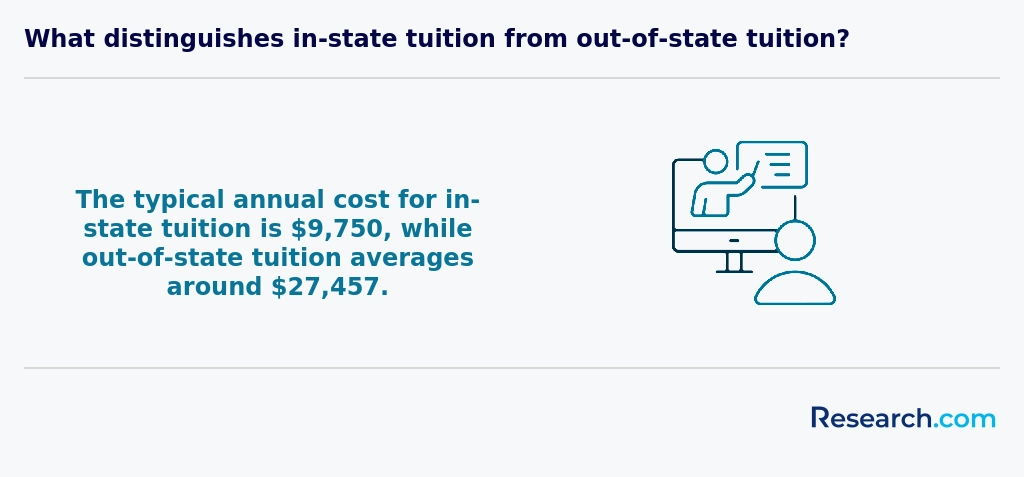
Cost differences can also influence your choice. While in-state tuition at Virginia public universities averages around $13,000 annually, online program fees sometimes run lower due to fewer campus-related costs, though some programs charge equal tuition. Choosing between formats depends on your lifestyle, with online options providing adaptable learning and on-campus programs offering immersive experiences within Virginia's collegiate communities.
The average cost of an online degree in Virginia varies significantly depending on residency status, institution type, and degree level. For in-state students, the median total cost typically falls around $29,478, making public universities like George Mason University or the University of Virginia accessible options for many. Graduates from these schools often highlight the value of affordable tuition combined with the flexibility and support offered by online programs. In contrast, out-of-state students usually face higher costs, with median expenses closer to $34,729, reflecting the premium charged for non-resident learners.
Private institutions in Virginia tend to have steeper tuition rates, which can push the median closer to $43,800. Despite this, several students appreciate the smaller class sizes and specialized programs private colleges provide through their online offerings. To manage costs, many Virginia residents start at community colleges where tuition for online associate degrees remains below $5,000 per year, providing a budget-friendly foundation before transferring to four-year institutions.
When exploring Virginia online college tuition and fees, it is important to consider additional charges such as technology or course material fees, though these are often outweighed by the savings from avoiding commuting and housing. Students frequently recommend researching financial aid and employer tuition assistance, which can substantially lessen the out-of-pocket burden.
For those aiming to find the most affordable options, the cheapest online general school in Virginia offers detailed, updated choices tailored to Virginia students seeking quality at a lower cost.
Graduates of online degree programs in Virginia enter a diverse job market that spans both public and private sectors. Many find opportunities in government agencies-particularly in Northern Virginia-where federal contractors and agencies like the Department of Defense and NASA employ skilled professionals in fields such as project management, cybersecurity, and data analysis. Healthcare remains another robust employer; organizations like Inova Health System, Sentara Healthcare, and Virginia Commonwealth University Health System frequently hire online-trained nurses, health administrators, and public health specialists. The technology sector offers roles in software development, IT management, and network administration at companies ranging from Amazon Web Services and Microsoft’s data centers to local startups in Richmond and Arlington. Education and nonprofit organizations, including Virginia’s public school districts and community outreach programs, also recruit graduates for instructional design, curriculum coordination, and adult education positions. Finance and professional services firms-such as Capital One, Freddie Mac, and regional accounting practices-seek online degree holders for roles in financial analysis, auditing, and risk management. For remote-friendly careers, Virginia-based graduates can leverage the state’s growing emphasis on telework to join national or international companies offering flexible work arrangements. Students exploring budget-conscious program options may discover Research.com’s list of most affordable online bachelor’s degrees to balance cost savings with career readiness, ensuring they’re prepared for Virginia’s dynamic employment landscape.
Students pursuing online degrees in Virginia often find substantial financial aid options that make education more affordable. For example, graduates from popular schools like Old Dominion University share how federal Pell Grants, which offered up to $7,395 in 2023-2024, significantly eased their tuition burden without needing repayment.
Federal student loans with low interest and flexible terms also support online learners balancing work and study. State programs like the Virginia Tuition Assistance Grant (VTAG) benefit students attending qualifying private institutions, while the Virginia Community College System provides targeted scholarships and tuition aid for online students, a saving grace for many community college learners.
Merit and need-based scholarships from Virginia colleges and local organizations are crucial, and checking platforms such as the Virginia Education Wizard helps uncover these opportunities. Working students often tap into employer tuition reimbursement programs, especially in health and tech fields. Veterans benefit from GI Bill support, covering much of their costs, making their educational journeys smoother and more optimistic.
Virginia’s online degree offerings consistently outperform national averages in quality, affordability, and graduate outcomes. According to the National Center for Education Statistics, the average online program completion rate nationwide is 56%, while Virginia institutions report an impressive 62% completion rate, driven by strong student support services and state-backed initiatives like the Online Virginia Network (OVN). Academically, 94% of Virginia’s online programs hold regional accreditation, surpassing the 88% national rate. Many Virginia schools rank in the top 25 for online business, education, and technology degrees, reflecting rigorous curricula and faculty expertise. Student satisfaction surveys indicate a 4.3 out of 5 rating for course quality-higher than the 4.0 national average-underscoring the state’s commitment to distance learning excellence. On cost, Virginians pay a median of $43,200 for an online degree, compared to a $50,000 national median. For a deeper look at state-specific affordability, check out the Affordable Online Colleges Programs Ranking in Lebanon, IL, which highlights similar cost-saving opportunities in other regions. Employment outcomes further distinguish Virginia: online bachelor’s graduates earn an average of $60,000 annually, exceeding the national online graduate median of $55,000. With targeted programs in high-demand fields-such as cybersecurity, healthcare administration, and data analytics-Virginia’s online colleges prepare students to thrive in a competitive job market, often securing positions within six months of graduation.
To enroll in an online degree program in Virginia, you first need a high school diploma or GED, ensuring you're ready for college-level work. For undergraduates, submitting official transcripts from high school and any prior colleges is essential. Graduates aiming for a master's or professional degree must hold a relevant bachelor's degree. For example, many graduates from popular institutions like the University of Virginia mention how submitting their transcripts and meeting GPA requirements streamlined their applications.
Standardized tests like the SAT or ACT may still be requested, but numerous Virginia colleges now adopt test-optional policies, making admission more accessible. If applying for graduate programs, expect requirements such as letters of recommendation and sometimes GRE scores, reflecting your academic readiness and professional promise.
Virginia residency can positively impact tuition costs, with residents enjoying significantly lower in-state rates-proof like a driver's license or tax forms is necessary. Reliable internet, a suitable device, and completing online orientation programs are practical steps graduates recommend to stay ahead and feel confident in their virtual learning environment.

Graduates of online programs in Virginia can pursue a wide array of career opportunities across key industries, leveraging flexible learning to meet workforce demands. In the technology sector, alumni from George Mason University’s online IT programs often secure roles as software developers, network administrators, or cybersecurity analysts for employers like Capital One and CGI Federal. Public health graduates from the University of Virginia transition into positions with the Virginia Department of Health or non-profits such as the American Red Cross, working as community health coordinators or epidemiologists. Business degree holders find success as project managers, financial analysts, or marketing coordinators at major hubs in Northern Virginia, including Amazon HQ2 and Deloitte. Education majors, particularly those with an online Master of Arts in Education from James Madison University, frequently join K–12 schools and higher education institutions as instructional designers, curriculum specialists, or academic advisors. Healthcare professionals with an online nursing degree from UVA or Virginia Tech often step into roles as registered nurses, nurse educators, or health services managers in hospital systems like Sentara and Inova. For students aiming to expedite entry into the workforce, exploring the easiest bachelor's degree to get can reveal majors-such as communications or general studies-that align with high-demand administrative and support roles across sectors. Additionally, many online learners in Virginia enhance their career prospects through internship partnerships and career services offered by institutions like Virginia Commonwealth University, ensuring a smooth transition from degree completion to professional success.
Online degree programs in Virginia typically include a solid mix of core courses designed to build essential skills such as critical thinking, communication, and quantitative reasoning. Students enrolling in Virginia accredited online courses at well-known institutions often start with general education classes like English composition, mathematics, and social sciences. These foundational courses prepare learners for a variety of professional paths while ensuring a well-balanced education.
Many graduates from Virginia's top colleges share that targeted courses tailored to their majors made a significant difference. For example, those studying business encounter practical coursework in accounting, marketing, and management, which helped them feel confident stepping into leadership roles. Similarly, degrees in healthcare cover anatomy and healthcare policy, offering real-world insights that feel immediately relevant.
Exploring options like those at the Virginia Community College System can also help you manage your schedule efficiently. Students appreciate asynchronous classes that allow studying at their own pace while still engaging with live sessions. If you're comparing options, check out the most affordable online degrees for budget-friendly paths without compromising quality.
To choose the best online degree program in Virginia, start by confirming the school's accreditation, ideally from SACSCOC, which ensures recognized quality education. Graduates from George Mason University often praise its flexible schedules that accommodate working adults balancing family commitments. Exploring programs offered by Virginia Tech reveals strong options in business and nursing, aligning well with career goals. When considering costs, many students save significantly by attending affordable online colleges in Virginia that offer lower tuition for in-state residents, including reduced fees for textbooks and technology.
Another key factor is the level of student support. Those who excel in online studies often mention the value of academic advising and career counseling services available virtually. Checking graduation rates and employment outcomes through resources like NCES helps gauge program success, providing peace of mind about your investment. For practical budgeting, consider looking into the most affordable online bachelor's degrees in Virginia that meet your educational and financial needs.
Graduates with online degrees from Virginia universities find rewarding career paths in diverse fields, reflecting the state's dynamic economy. Northern Virginia's booming tech sector offers roles in cybersecurity, software development, and network management, especially for graduates from institutions like George Mason University. These professionals often share how their online programs balanced with work enabled quick success in competitive IT roles, illustrating strong online degree career opportunities in Virginia.
Healthcare is another expanding area, with graduates from universities such as Old Dominion University transitioning into nursing, health administration, or public health roles within local hospitals and clinics. They appreciate the flexibility of virtual degrees allowing them to gain credentials while managing family commitments.
Business graduates from schools like Virginia Commonwealth University often secure positions in marketing, financial analysis, and project management. Their stories highlight how online learning paired with Richmond's business hubs opens doors to remote and onsite opportunities, reflecting positive Virginia online graduates job prospects. For students exploring options, reviewing the easiest bachelor's degree to get can be a useful starting strategy.
Graduates who earn an online degree in Virginia find a job market that actively values their credentials, particularly from well-known institutions such as George Mason University or Old Dominion University. Industries like healthcare, IT, education, and business management welcome online degree holders, as employers prioritize practical skills developed through these flexible programs. Many online graduates share how their studies prepared them for real-world challenges, helping them secure roles as healthcare administrators or cybersecurity analysts within Virginia's expanding tech hubs.
For students planning their educational path, focusing on these in-demand sectors improves employment prospects. Graduates report that connecting coursework to Virginia's industry needs boosted their confidence during job interviews. Many also highlight the advantage of combining online degrees with certifications, especially for roles tied to public administration or specialized IT fields.
Those exploring programs can compare options and affordability through resources like the Affordable Online Colleges Programs Ranking in Lebanon, IL, ensuring they choose credible online programs aligned with Virginia's evolving labor market.
Ultimately, online degree employment opportunities in Virginia reward proactive students who align studies with regional demand, opening doors to rewarding careers across diverse fields.
2027 Best Online Colleges Programs Ranking in Virginia
Investing in your education is a significant decision that can shape your future, and the Research.com team understands the importance of making informed choices. To assist prospective students in Virginia, we have meticulously crafted the "2027 Best Online Colleges Programs Ranking in Virginia." Our commitment to quality, credibility, and accuracy is reflected in the extensive research and analysis conducted to compile this ranking.
We utilized the following reputable data sources to ensure a comprehensive evaluation of online colleges:
By exploring this ranking, readers will gain valuable insights into the best online college programs available in Virginia, helping them make informed decisions about their educational paths. For more details on our methodology, please visit our Research.com methodology page.


# 9 position
Virginia Commonwealth University
Master of Homeland Security And Emergency Preparedness


Frequently Asked Questions
Students in Virginia can maximize their learning experience in online degree programs by actively engaging with course materials and instructors. According to the Virginia Community College System, students who regularly participate in discussion boards and virtual office hours tend to achieve higher grades. Time management is crucial; creating a structured study schedule helps balance coursework with personal and professional responsibilities.
Additionally, taking advantage of state resources enhances learning. The Virginia Department of Education offers online tutoring and career counseling tailored for remote learners. Networking with peers via study groups or university platforms also supports deeper understanding and motivation.
After earning an online degree in Virginia, preparing for the job market begins with leveraging state-specific resources. The Virginia Employment Commission offers valuable tools including job listings, resume workshops, and career counseling tailored to local industries.
Networking is essential. Engage with alumni networks from your university and join local professional groups or Virginia-focused LinkedIn communities. According to the Virginia Economic Development Partnership, sectors like advanced manufacturing, IT, and healthcare are growing strongly, which can guide your job search.
Additionally, consider internships or certifications that enhance practical skills. Virginia ranks high nationally in workforce readiness, and combining your online degree with hands-on experience can boost employability significantly.
Employers in Virginia increasingly value a mix of technical and soft skills when hiring graduates. According to the Virginia Chamber of Commerce, critical thinking and problem-solving abilities rank among the top requirements. Employers also prioritize strong communication skills, both written and verbal, essential for collaboration in diverse workplaces.
Technical proficiency varies by industry but often includes digital literacy and familiarity with data analysis tools. The Virginia Employment Commission highlights adaptability and teamwork as key traits, reflecting the dynamic nature of today's job market. Graduates with these competencies tend to have a competitive edge in Virginia's evolving economy.
Finding internships in Virginia begins with leveraging local resources designed to connect students with employers. Many Virginia colleges, including online programs, offer career services that help students find internships. According to the Virginia Department of Labor, industries such as technology, healthcare, and government provide numerous internship opportunities statewide.
Students should also explore Virginia's official job portals like Virginia Workforce Connection, which lists internship openings statewide. Additionally, professional organizations in Richmond, Northern Virginia, and Virginia Beach often post internships relevant to various fields.
Networking is critical: attending virtual career fairs, joining LinkedIn groups focused on Virginia industries, and connecting with alumni can increase chances of securing internships. Early application is vital, as competitive positions fill quickly, especially in major Virginia metro areas.
In Virginia, earning an online degree can significantly impact career mobility and advancement. According to the Virginia Employment Commission, workers with at least a bachelor's degree generally experience lower unemployment rates and higher wages compared to those without. Online degrees from accredited Virginia institutions provide flexibility and access to education without geographic constraints, making career progression more achievable for working adults.
The Virginia Chamber of Commerce highlights that employers increasingly recognize online credentials, especially when earned from reputable institutions. This acceptance helps graduates qualify for promotions or new roles within diverse sectors like technology, healthcare, and education in Virginia's growing economy.
Furthermore, the State Council of Higher Education for Virginia reports that in-demand fields such as information technology and nursing offer numerous online degree programs, which align with local labor market needs. This connection between degree qualifications and job availability encourages sustained career growth.
When choosing between a thesis and a non-thesis online degree program in Virginia, students should consider their career goals and academic interests. Thesis programs emphasize original research, ideal for those planning to pursue doctoral studies or research-focused careers. Non-thesis options typically require additional coursework and are suited for professionals seeking practical skills for immediate application in the workforce.
Virginia's public institutions, such as Virginia Tech and the University of Virginia, offer both formats online, reflecting the state's diverse educational needs. According to the Virginia Higher Education Authority, approximately 40% of graduate students opt for thesis programs, highlighting their popularity among research-oriented learners.
Cost and time commitments also differ. Thesis tracks may extend degree duration due to research demands, whereas non-thesis paths can be completed more quickly. Prospective students should review program curricula and consult advisors to align choices with long-term objectives.
Students based in Virginia interested in studying abroad have several practical options, even when pursuing online degrees. Many Virginia universities with online programs also participate in exchange or study abroad partnerships, offering students flexibility to combine virtual learning with international experiences.
According to the Virginia Department of Education, state universities like Virginia Commonwealth University and the University of Virginia facilitate study abroad programs for online learners, enabling short-term travel or virtual global coursework. These programs may include summer sessions or faculty-led trips aligned with degree requirements.
Moreover, resources such as the National Security Education Program reported a steady rise in participation from Virginia students in federally supported abroad programs between 2020 and 2023, emphasizing increasing institutional support for international exposure.
Financial aid and scholarships are often available to reduce costs, including opportunities specifically for online students aiming to study abroad, enhancing accessibility to global education.
Virginia offers a variety of part-time job opportunities that align well with online degree programs. For example, students pursuing degrees in healthcare can find positions as medical assistants or pharmacy technicians, roles that Virginia's Department of Labor recognizes as growing steadily. Business and IT students often take on roles such as administrative assistants or help desk support, benefiting from Richmond and Northern Virginia's expanding tech sectors. Additionally, tutoring or freelance writing can complement education or English majors. According to the Virginia Employment Commission, part-time roles in education and retail also remain accessible for students balancing work and study.
Online students pursuing degrees in Virginia have growing networking opportunities that support academic and professional advancement. Many Virginia institutions offer virtual career fairs, workshops, and alumni networking events specifically designed for remote learners. For example, Virginia Tech and George Mason University provide online platforms where students connect with fellow classmates, faculty, and industry professionals. According to the Virginia Higher Education Authority, these efforts have contributed to increased engagement among remote students statewide.
Additionally, statewide organizations such as the Virginia Online Advisory Board promote collaborations between schools and employers, enhancing internships and job placements for online learners. These networks help students build connections despite geographic distances.
Alumni networks significantly benefit online degree students in Virginia by providing valuable professional connections and career support. Many Virginia institutions, such as Virginia Commonwealth University and Old Dominion University, have extensive alumni networks that help graduates access job opportunities statewide. According to the Virginia Economic Development Partnership, connections through alumni associations often lead to a higher likelihood of employment within local industries.
These networks offer mentorship programs, career workshops, and exclusive job boards tailored for Virginia graduates. This support is especially crucial for online students, who might lack face-to-face campus interactions.
Moreover, active alumni often engage in networking events and webinars, enhancing students' chances to build meaningful relationships and advance in competitive job markets throughout Virginia.
When customizing an online degree program in Virginia, students can select elective courses aligned with their career goals. Many Virginia institutions allow flexibility in course choices to target specific skills or industries. For example, a student interested in healthcare may choose electives in health informatics or public health.
Virginia's public universities often offer concentration tracks within degrees, enabling students to specialize without pursuing a separate program. According to the State Council of Higher Education for Virginia (SCHEV), over 70% of online degree programs provide some form of customization by allowing students to blend core requirements with electives.
Advisors play a crucial role in this process, helping students tailor their curriculum to fit unique career paths. Additionally, some programs integrate internships or practical projects, which further personalize learning based on professional ambitions.
Online students in Virginia often face several challenges that impact their academic experience. One common difficulty is balancing coursework with work and family responsibilities, especially since many online learners are adult students. According to the National Center for Education Statistics, nearly 60% of Virginia's online undergraduates are part-time students, which can extend degree completion times.
Another challenge is limited access to reliable internet in rural areas of Virginia. The FCC reports that about 8% of Virginians lack high-speed internet, which can hinder participation in live lectures or timely submission of assignments.
Additionally, online learners sometimes experience feelings of isolation. Without face-to-face interaction, students may find it harder to engage with peers and instructors, affecting motivation and retention rates. Virginia institutions continue developing support services to address this issue, but gaps persist.
Writing a winning application for an online degree program in Virginia starts with understanding the state's competitive higher education landscape. Many Virginia institutions emphasize clear, concise personal statements that showcase your goals and commitment to online learning. According to the Virginia Community College System, highlighting your time management and self-discipline skills is crucial for success in remote studies.
Include up-to-date transcripts and letters of recommendation from professionals or educators familiar with your abilities. Schools like Old Dominion University recommend tailoring your application to reflect their program's values and mission.
Finally, proofread thoroughly to avoid errors. The Virginia Department of Education stresses that attention to detail can differentiate your application in a large applicant pool.
Gaining practical experience while studying online in Virginia is possible through several avenues. Many Virginia colleges and universities offer virtual internships, enabling students to work with local businesses or nonprofits remotely. According to the Virginia Economic Development Partnership, internships in sectors like technology and healthcare are growing in demand.
Additionally, students can engage in service-learning projects tied to their coursework, which combine academic study with community service. Some institutions also provide access to virtual labs and simulation tools to develop hands-on skills, especially in STEM fields.
Networking through online student organizations and career services can lead to job shadowing or part-time roles, enhancing real-world experience.
Choosing the right concentration within an online degree program in Virginia begins with understanding your career goals and interests. The state offers diverse options in fields like business, healthcare, technology, and education. According to the Virginia Community College System, concentrations aligned with in-demand jobs-such as cybersecurity and nursing-can improve your employment prospects.
Research local job market trends through sources like the Virginia Employment Commission to identify skills employers seek. Many Virginia online programs allow flexibility to switch or stack concentrations, giving students room to explore. Additionally, consider programs accredited by recognized agencies to ensure quality education and transferability.
Evaluating course content, faculty expertise, and alignment with industry standards can help you make an informed decision. Financial aid availability in Virginia for specific fields may also impact your choice.
- 2027 Best Online Colleges Programs Ranking in West Virginia
- 2027 Best Online Colleges Programs Ranking in Tennessee
- 2027 Best Online Colleges Programs Ranking in Kentucky
- 2027 Best Online Colleges Programs Ranking in Pennsylvania
- 2027 Best Online Colleges Programs Ranking in South Carolina
- 2027 Best Online Colleges Programs Ranking in Ohio
- 2027 Best Online Colleges Programs Ranking in New Jersey
- 2027 Best Online Colleges Programs Ranking in Georgia
- 2027 Best Online Colleges Programs Ranking in Indiana
- 2027 Best Online Colleges Programs Ranking in New York
- How to Choose Your College Degree Based on Career Goals https://collegedegree.education/how-to-choose-your-college-degree-based-on-career-goals/
- Online Programs https://www.vsu.edu/online/online-programs.php
- Cheapest Online Colleges In Virginia [2025 Guide] https://www.edsmart.org/cheap-online-colleges/virginia/
- Data & Reports https://voee.org/virginia-college-and-career-outcomes-explorer/
- Create Your Own Degree (Disrupt the Job Market!) https://degreefromanywhere.com/create-your-own-degree/
- U.Va. alumni network gives graduates a path to stay connected https://www.cavalierdaily.com/article/2026/05/uva-alumni-network-gives-graduates-a-path-to-stay-connected
- 2025 Best Online Colleges in Virginia https://www.onlineu.com/best-online-colleges/virginia
- Tips for Choosing Your Graduate Concentration - Graduate Programs for Educators https://www.graduateprogram.org/blog/tips-for-choosing-your-graduate-concentration/
- Alumni Network - UVA Student Council https://www.uvastudco.com/alumni
- 6 Great Virginia Jobs for College Degree Holders https://www.smarterdegree.com/6-great-virginia-jobs-college-degree/