
2027 Best Online Colleges Programs Ranking in Kentucky

Co-Founder and Chief Data Scientist
Choosing the right online college program can feel overwhelming, especially in Kentucky's growing educational landscape. This article introduces the 2027 Best Online Colleges Programs Ranking in Kentucky, carefully crafted by Research.com's team of data scientists. It's designed to help you confidently find degree programs that truly stand out.
By exploring this ranking, you'll gain insight into quality programs tailored for your goals. Earning your degree opens new doors and strengthens your future, making this a valuable step toward success.
Key benefits of getting online degrees in Kentucky
- Graduates in Kentucky with online bachelor's degrees earn an average salary of around $55,000 annually, while those with master's degrees can expect salaries closer to $75,000, showing clear financial benefits for higher education levels.
- A graduate from the University of Kentucky with an online nursing degree often advances quickly to roles like nurse practitioner, enjoying rewarding career growth and strong job demand.
- Online degrees from schools like Western Kentucky University offer flexible schedules and lower costs, helping students balance work and life effectively while still earning respected credentials.
- 2027 Best Online Colleges Programs Ranking in Kentucky
- What can I expect from online degrees in Kentucky?
- How much can I make with online degrees in Kentucky?
What can I expect from online degrees in Kentucky?
When you enroll in an online degree program in Kentucky, you enter a world of flexible learning tailored to fit your busy life. Imagine studying at your own pace while balancing work and family, just like many graduates from the University of Kentucky and the University of Louisville have done. These programs use engaging video lectures, lively discussion boards, and virtual labs to make learning interactive and rewarding, no matter where you are.
You'll benefit from the same rigorous curriculum and expert faculty that on-campus students receive, ensuring you earn a degree respected by employers and other institutions. The affordable in-state tuition rates, often between $300 and $500 per credit hour, make quality education accessible without the burden of high costs.
Graduates often express pride in their achievements, highlighting how these online programs gave them the freedom to grow personally and professionally. With accreditation from the Southern Association of Colleges and Schools, your hard work is recognized and valued across Kentucky and beyond.
How much can I make with online degrees in Kentucky?
Graduates with online degrees in Kentucky experience rewarding financial growth that truly reflects their dedication and hard work. On average, those holding a bachelor's degree from respected institutions like the University of Kentucky or Eastern Kentucky University can expect annual earnings near $65,000, a substantial increase compared to the approximately $38,000 median wage of those without degrees.
Online programs in fields such as business, IT, and healthcare open doors to salaries ranging from $55,000 up to $90,000, depending on specialization and experience. For example, a graduate from an online nursing program in Louisville may start with an annual salary around $60,000, increasing with expertise. Similarly, a business graduate from the University of Louisville can anticipate salaries closer to $65,000 or more as they advance.
These figures highlight the practical value of completing an online degree through Kentucky's top universities, especially when combined with lower commuting costs and flexible schedules. Many graduates find themselves empowered by the balance of career advancement and personal growth.
- In-state tuition for online degrees at Kentucky public universities averages about $10,500 per year, which is below the national average.
- The average starting salary for graduates with online degrees is approximately $40,000 annually, with long-term earnings ranging from $55,000 to $65,000.
- Key industries for online degree holders include healthcare, education, manufacturing, logistics, and technology sectors in Kentucky's growing job market.
- Many Kentucky universities offer fully online bachelor's and master's programs, plus certificates, with credit transfer accepted from regionally accredited schools.
- State financial aid and scholarships are available to online students, along with support services like tutoring, advising, and career counseling.
Completing an online degree in Kentucky offers flexible timelines tailored to your lifestyle and goals. Many graduates from universities like the University of Kentucky or Northern Kentucky University finish their associate degrees in about two years, embracing a manageable pace that fits their busy lives.
Bachelor's degrees often take around four years, but with accelerated programs, some students proudly complete theirs in just three years by leveraging year-round courses and credit transfers. Imagine the satisfaction of crossing the stage sooner, armed with a degree that opens doors.
Graduate students pursuing master's degrees at institutions such as Bellarmine University often complete their programs within one to two years, balancing career and family commitments while advancing their expertise.
Whether studying full-time or part-time, the journey in Kentucky keeps you empowered. Part-time learners, many juggling work and family, find joy in steady progress, knowing each semester brings them closer to their dreams at a comfortable, personal pace.
When deciding between online and traditional on-campus programs in Kentucky, it’s important to weigh factors like flexibility, cost, and student outcomes. Online degrees often offer asynchronous coursework and accelerated formats, allowing busy adults to balance work and family commitments. In contrast, on-campus programs provide face-to-face interaction, real-time lab experiences, and campus resources such as career fairs and student organizations that can enrich networking opportunities. Cost is another key differentiator. Online learners typically save on commuting, housing, and campus fees, translating to lower overall expenses without sacrificing quality. Kentucky’s public universities, for example, cap online tuition at rates competitive with in-state on-campus programs. Prospective students comparing affordability across regions may also find value in our Inexpensive Online Colleges Programs Ranking in Boca Raton, FL, which highlights innovative cost-saving strategies that can inspire similar efficiencies in Kentucky institutions. Academic rigor and accreditation standards remain consistent across delivery modes; many online programs in Kentucky are fully accredited by agencies like SACSCOC, ensuring that coursework meets the same benchmarks as traditional formats. However, on-campus learners often benefit from immediate access to labs, libraries, and in-person tutoring, which can be pivotal for hands-on disciplines such as nursing or engineering. Ultimately, choosing between online and on-campus education depends on your personal learning style, career goals, and lifestyle needs. By understanding these key distinctions-flexibility, cost, and campus engagement-you can make an informed decision that aligns with both your professional aspirations and your day-to-day responsibilities.
Choosing between online and on-campus degrees in Kentucky opens exciting opportunities tailored to your lifestyle. Graduates from the University of Kentucky praise online programs for their flexibility, letting them study around work and family commitments without the stress of commuting. Imagine logging in from home or a favorite café, managing your own schedule to complete courses on your terms.
Meanwhile, students at the University of Louisville cherish the vibrant campus life, where face-to-face interactions with professors and peers create lasting connections and lively discussions. Hands-on labs and group projects bring learning to life in ways that energize many on-campus learners.
Online degrees eliminate extra costs like housing and transportation, saving money while delivering quality education recognized throughout Kentucky. Success here means cultivating discipline, and many learners find pride in balancing studies with their busy daily routines.
Both paths offer accredited, respected degrees, empowering you to pursue your dreams with confidence-whether through a digital classroom or the bustling halls of Kentucky's campuses.
Ensuring an online program’s accreditation is vital for credit transfer, licensure eligibility, and employer recognition. In Kentucky, reputable colleges typically hold regional accreditation from the Southern Association of Colleges and Schools Commission on Colleges (SACSCOC) or equivalent agencies.
- Regional accreditation recognized by the U.S. Department of Education
- Program-specific accreditation (e.g., CCNE for nursing, AACSB for business, ABET for engineering)
- State authorization confirming compliance with Kentucky regulations
Choosing an accredited program safeguards your investment and career prospects. Many online programs also offer specializations aligned with the most lucrative college majors to maximize your return on education.
The average cost of an online degree in Kentucky presents an accessible opportunity for many students eager to advance their education without relocating. In-state students often find that online college tuition and fees Kentucky public universities offer typically fall around $19,920 total, reflecting a balance of quality and affordability. Graduates from these programs share how managing costs while studying from home allowed them to focus on learning and career growth without financial stress.
For those considering options beyond public institutions, out-of-state students or those attracted to private universities might expect median costs closer to $21,252, with some programs reaching higher based on specialization. However, many students find this investment worthwhile, envisioning how their degrees from reputable Kentucky institutions open doors to valuable career opportunities and personal development.
Students often recall their experience attending popular Kentucky colleges known for strong online programs, where planning finances around tuition and supplemental fees felt manageable. With scholarships, flexible payment plans, and supportive faculty, the challenge of budgeting became a source of motivation rather than a barrier.
When evaluating your path, consider exploring the top 10 online universities in usa, where several Kentucky schools appear, offering inspiring examples of how students turn educational dreams into reality.
Overall, the average costs underscore that achieving an online degree in Kentucky is both a practical and empowering step toward your future goals.

Kentucky’s online doctoral degree landscape has expanded rapidly, offering working professionals the chance to achieve the highest level of academic credentialing without relocating. Whether you’re aiming for a Doctor of Education (EdD), Doctor of Nursing Practice (DNP), Doctor of Business Administration (DBA), or a PhD in fields such as Psychology, these programs combine rigorous scholarship with flexible delivery. Key aspects to consider:
- Common Specializations: EdD in Educational Leadership, DNP in Healthcare Administration, DBA in Strategic Management, PhD in Counseling Psychology. Each program emphasizes research, advanced theory, and applied practice tailored to professional contexts.
- Program Length and Structure: Most online doctorates require 48–60 credit hours beyond the master’s level, completed over 3–5 years. Coursework is often asynchronous, supplemented by synchronous seminars, residencies, or research colloquia.
- Admission Requirements: A relevant master’s degree with a minimum GPA (typically 3.0+), letters of recommendation, a professional CV, and a research proposal or portfolio. GRE/GMAT waivers are increasingly common for experienced professionals.
- Career Outcomes: Graduates frequently advance to executive leadership, university faculty roles, clinical director positions, or high-level consultancy. Salaries for doctoral holders in Kentucky can start above $90,000, reflecting the specialized expertise gained. For budget-conscious learners seeking quality and value, explore our curated list of most-affordable online doctorate programs to compare tuition rates, funding opportunities, and program rankings.
Students pursuing online degrees in Kentucky discover a world of financial support that makes education achievable and rewarding. Imagine attending institutions like the University of Kentucky or Northern Kentucky University, where many graduates recall receiving federal Pell Grants that trimmed their annual tuition costs by up to $7,500. This vital aid lightens the financial load, enabling students to focus on their studies and future careers with confidence.
State programs administered by the Kentucky Higher Education Assistance Authority (KHEAA) further empower learners. For example, the College Access Program (CAP) Grant offers up to $1,800 annually to eligible students, providing helpful relief for in-state residents committed to their degree goals.
Many online learners also benefit from unique scholarship opportunities and institutional grants tailored for flexible online programs, easing financial pressures. Graduates often highlight how these supports, combined with employer tuition assistance, create a hopeful pathway toward personal and professional growth while balancing work and study.
When deciding between an online and a traditional campus-based education in Kentucky, it is important to evaluate several core differences that can influence your educational experience and long-term career success. Online programs offer unparalleled flexibility, allowing students to balance coursework with work and family responsibilities. This format is particularly advantageous for non-traditional students or those living in remote areas, as it removes the geographical constraints of campus-based learning. Another significant benefit of online programs is cost efficiency. Typically, online degrees reduce expenses associated with commuting, housing, and other on-campus costs. This affordability, combined with the ability to progress at a self-determined pace, makes online education a compelling alternative to traditional programs. Quality is also a key consideration. Many online degrees in Kentucky maintain rigorous academic standards comparable to their on-campus counterparts, often incorporating interactive technologies that enhance the learning experience. In fact, accredited online institutions pride themselves on ensuring that students receive the same quality of education and career-focused training as those attending classes in person. For those interested in exploring a wider range of options and understanding how online programs measure up nationally, consider reviewing the offerings from the top 10 online universities in usa. This comparative insight can help you make a well-informed decision about which educational pathway best aligns with your personal and professional goals. Ultimately, whether you choose an online or traditional program, it is beneficial to consider factors such as flexibility, cost, and the availability of robust support services to ensure that your educational investment leads to successful career outcomes.
To enroll in an online degree program in Kentucky, the journey begins with holding a high school diploma or an equivalent like the GED, a common stepping stone embraced by many students at institutions such as the University of Kentucky and Western Kentucky University. Graduates often share how this achievement opens doors to flexible learning, fitting studies around work and family commitments.
Standardized test requirements have become more accessible, with many colleges adopting test-optional policies that encourage you to apply with confidence, focusing on your unique strengths rather than just scores. This positive trend helps prospective students from schools across Kentucky feel empowered to pursue their dreams.
For those aiming higher, graduate online programs typically require a bachelor's degree and, at times, supporting documents like letters of recommendation or relevant experience, enabling learners to build on their passions. Success stories from graduates highlight how technical readiness, such as having reliable internet and a capable computer, transforms challenges into opportunities for growth and achievement.
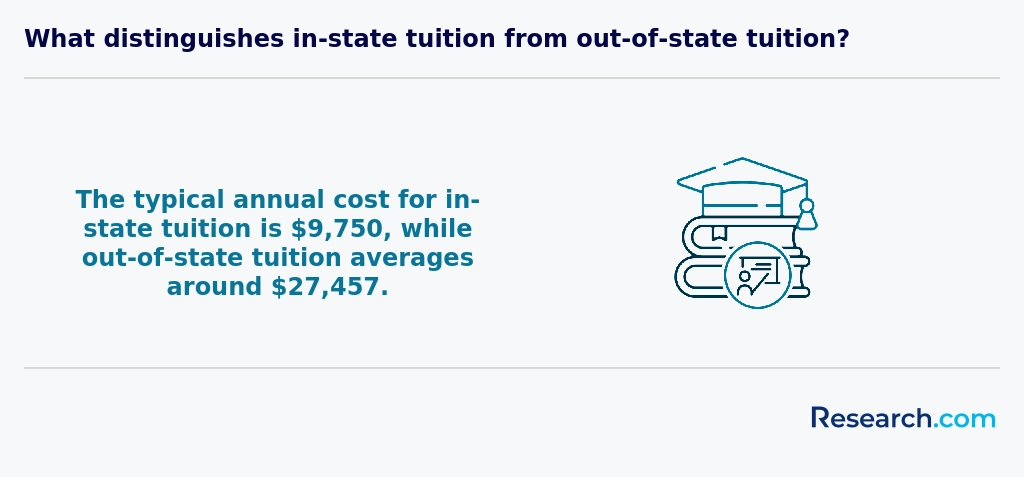
Students weighing an online degree against a traditional on-campus program in Kentucky often consider flexibility, cost, and outcomes. Online formats allow learners to study asynchronously, fitting lectures and assignments around work or family commitments. In contrast, on-campus classes provide face-to-face interaction and structured schedules, which can foster real-time collaboration but may limit time management options for non-traditional students. Cost differences also play a significant role. Tuition for online programs in Kentucky averages $21,252 for in-state students, often lower than on-campus rates once room, board, and commuting are factored in. However, on-campus learners may access campus grants and scholarships not always available to remote students. Both formats maintain quality through regional accreditation, ensuring employers value degrees equally whether earned online or in person. When it comes to networking and career services, on-campus students benefit from in-person events, career fairs, and lab facilities. Online students, however, can tap into virtual career centers and alumni platforms that connect them statewide. For those pursuing advanced education under tight time constraints, some universities even highlight the easiest master degree pathways-accelerated online tracks designed to remove common barriers. Outcomes data reveal that Kentucky online graduates report comparable job placement and salary growth to their on-campus peers. Whether you prioritize the campus experience or the convenience of remote learning, understanding these trade-offs will help you choose the right path to achieve your academic and professional goals.
Online degree programs in Kentucky typically offer a rich curriculum that balances foundational knowledge with career-ready skills. Graduates from well-known institutions like the University of Kentucky often share how courses such as English composition, mathematics, natural sciences, and social sciences set a solid base for their academic journeys, providing a broad understanding essential for success.
Students pursuing top online college programs Kentucky can expect specialized courses tailored to their fields. For instance, business majors engage in accounting, marketing, management, and economics classes that develop practical skills applicable in the real world. Meanwhile, those in health sciences benefit from anatomy, physiology, pharmacology, and healthcare ethics, often combined with virtual simulations to meet professional standards.
Furthermore, technology and communication courses are integral, with subjects like information systems and technical writing empowering students to thrive in today's digital economy. Many graduates appreciate how Kentucky's online programs weave these elements together, enhancing critical thinking and research capabilities.
Those aiming higher can explore the most-affordable online doctorate programs in Kentucky, continuing their educational ascent with confidence and flexibility.
Choosing the best online degree program in Kentucky starts with finding a top accredited online college Kentucky institutions offer that fits your lifestyle and goals. Graduates from the University of Kentucky and Western Kentucky University often share how important accreditation was in ensuring their degree held value in the job market, providing confidence as they advanced in their careers. Imagine joining a program with flexible, asynchronous classes that allow you to study on your own time, balancing work and family commitments seamlessly.
Many students appreciate programs with strong student support services that make the online experience feel connected, from academic advising to career counseling tailored for Kentuckians. Affordability is key-public universities in Kentucky often offer competitive tuition rates, making it easier to pursue your dreams without financial stress. Exploring financial aid options can open doors, alongside resources highlighting the best affordable online degree programs Kentucky offers.
For those seeking a smooth academic journey, consider the easiest master degree paths that still deliver quality and respect from employers. Aligning program choices with graduation and job placement success stories from local schools can transform your education into a rewarding adventure.
Graduates earning online degrees from well-known Kentucky institutions often find rewarding careers across a variety of dynamic fields. Many have stepped confidently into healthcare roles such as nursing and health services management, benefiting from strong demand in this vital sector. Others who pursued studies in engineering technology or business administration have successfully entered Kentucky's thriving automotive manufacturing industry, contributing to a workforce that supports over 70,000 jobs statewide.
Kentucky's expanding tech landscape offers exciting prospects in information technology, where graduates with skills in cybersecurity and digital marketing thrive. These opportunities perfectly illustrate how online degree career opportunities in Kentucky align with fast-growing industries, opening doors to roles with meaningful impact.
Graduates from popular programs at Kentucky colleges also find fulfillment in education, counseling, and social work, applying their knowledge in schools and community organizations. For those seeking affordable options to launch impactful careers, exploring the Inexpensive Online Colleges Programs Ranking in Boca Raton, FL can provide valuable guidance and inspiration.
The job market for online general degree graduates in Kentucky is vibrant and full of opportunity. Graduates from institutions like the University of Kentucky and Western Kentucky University share inspiring stories of securing roles in healthcare, technology, and education shortly after completing their degrees online. Many find that employers in Kentucky appreciate the flexibility and adaptability that come with an online education, especially in fields experiencing growth such as nursing and advanced manufacturing. This positive trend encourages students to pursue their dreams while balancing life's commitments.
Online degree job opportunities Kentucky offer promising pathways for those passionate about contributing locally while advancing their careers. Graduates often highlight how regional accreditation and strong connections between colleges and Kentucky's workforce ensure their online education opens doors. The expanding remote work culture further supports this dynamic, allowing for diverse career options across the state.
Students looking for the quickest adult degree programs online also discover that Kentucky's economy welcomes skilled professionals ready to thrive in industries like education and technology.
2027 Best Online Colleges Programs Ranking in Kentucky
Investing in your education is a significant decision that can shape your future, and the Research.com team understands the importance of making informed choices. To assist prospective students in Kentucky, we have meticulously crafted the "2027 Best Online Colleges Programs Ranking in Kentucky." Our commitment to quality, credibility, and accuracy is reflected in the extensive research and analysis conducted to compile this ranking.
We utilized the following reputable data sources to ensure a comprehensive evaluation of online college programs:
By exploring this ranking, readers will gain valuable insights into the best online colleges in Kentucky, empowering them to make well-informed decisions about their educational futures. For more details on our methodology, please visit our Research.com methodology page.


Frequently Asked Questions
Students in Kentucky can maximize their online learning experience by actively engaging with their courses and utilizing available resources. Research from the Kentucky Council on Postsecondary Education highlights that time management and self-discipline are critical for success in online programs. Setting a consistent study schedule and minimizing distractions helps maintain focus.
Taking advantage of virtual office hours and communicating regularly with instructors enhances understanding and creates a support network. Additionally, many Kentucky colleges offer academic advising and peer tutoring online, which can improve retention and grades.
Finally, students should explore technology tools and reliable internet access to ensure smooth participation in coursework and discussions.
After completing an online degree in Kentucky, graduates should actively prepare for the job market by leveraging both local and national resources. Kentucky's unemployment rate stood at around 3.8% in early 2024, according to the U.S. Bureau of Labor Statistics, signaling stable employment opportunities. Graduates should start by updating resumes and LinkedIn profiles to highlight skills gained through online programs.
Networking is vital; joining local professional associations and attending virtual job fairs can connect graduates with employers statewide. Additionally, Kentucky's WorkReady program offers certification helpful for demonstrating workforce readiness to local employers. Using university career services, even after graduation, can provide tailored job placement support and interview preparation.
Staying informed about regional industries with growing job demand-such as healthcare, manufacturing, and information technology-also improves employment chances. Kentucky's Cabinet for Economic Development offers labor market data to guide job seekers toward sectors with abundant openings.
Employers in Kentucky increasingly seek graduates with a blend of technical and soft skills. According to the Kentucky Chamber of Commerce, communication and critical thinking rank among the top skills desired. Employers also emphasize adaptability and problem-solving abilities, as these skills help workers navigate the evolving job market. Data from the National Association of Colleges and Employers (NACE) highlights teamwork and leadership as essential for career success. Additionally, proficiency in digital tools and basic data analysis is becoming increasingly important due to Kentucky's growing technology and manufacturing sectors. These skills reflect current employer demands within the state's workforce.
Finding internships in Kentucky as an online student involves leveraging several local resources. Start by exploring the Kentucky Education and Workforce Development Cabinet, which provides job and internship listings statewide. Many universities also have virtual career centers offering databases of Kentucky-based internships. According to the Kentucky Center for Statistics, internships in fields like manufacturing, healthcare, and technology are growing due to regional economic development.
Networking is essential. Joining local professional associations, such as the Kentucky Chamber of Commerce or industry-specific groups, can open doors to internships. Additionally, platforms like Handshake are widely used by Kentucky institutions for posting remote and in-person internship opportunities.
In Kentucky, earning an online degree can significantly enhance career mobility and advancement. According to the Kentucky Center for Statistics, individuals with a bachelor's degree earn approximately 64% more than those with only a high school diploma. Online degrees provide flexible access to higher education, allowing working adults to upskill without relocating.
Employers in Kentucky increasingly recognize accredited online degrees, especially in high-demand fields like healthcare, business, and technology. This recognition helps graduates move into supervisory roles or switch careers more easily.
Data from the Kentucky Higher Education Assistance Authority shows that 45% of working adults pursuing online degrees report promotions within two years of graduation.
Choosing between a thesis and a non-thesis degree program in Kentucky depends on your academic and career goals. Thesis programs require original research and a final written document, which is ideal for students considering doctoral studies or research careers. Non-thesis options focus more on coursework and practical skills, suitable for professionals aiming to advance in their fields without focusing on research.
According to the Kentucky Council on Postsecondary Education, many public universities like the University of Kentucky and Kentucky State University offer both formats online. Students should assess their interest in research, time availability, and post-degree plans before deciding.
Students based in Kentucky who are interested in studying abroad while pursuing online degrees have several options to consider. Many Kentucky public universities, including the University of Kentucky and the University of Louisville, offer study abroad programs integrated with their degree plans. These programs typically last from a few weeks to an entire semester, allowing remote students to gain international experience without interrupting their online studies.
Moreover, Kentucky students enrolled in accredited online colleges can take advantage of exchange programs or short-term faculty-led trips offered through partnerships worldwide. According to Open Doors data, about 1,200 Kentucky students participated in study abroad experiences in recent years, highlighting a growing interest despite the distance learning format.
Financial aid and scholarships specifically for study abroad are also available through Kentucky's institutions, making global education more accessible.
Part-time job opportunities in Kentucky that complement degree education vary across industries. For students pursuing business or finance degrees, positions such as bank teller, administrative assistant, or retail supervisor provide relevant experience. According to the Kentucky Center for Statistics, sectors like healthcare and technology are growing rapidly, making roles like medical assistant or IT support technician valuable for those studying related fields.
Many online degree students benefit from flexible jobs such as tutoring, which supports education majors, or freelance writing for communications students. The median hourly wage for part-time workers in Kentucky typically ranges from $10 to $18, depending on skill level and industry, according to the U.S. Bureau of Labor Statistics.
Online students pursuing degrees in Kentucky have access to a variety of networking opportunities. Many state universities, such as the University of Kentucky and Eastern Kentucky University, offer virtual career fairs and alumni events that connect students nationwide. According to the Kentucky Council on Postsecondary Education, over 70% of colleges in the state provide online platforms for student interaction and professional networking.
Additionally, Kentucky's regional business organizations often host webinars and networking sessions open to online learners. Online students can also join professional groups on platforms like LinkedIn tailored to Kentucky's key industries, including healthcare and manufacturing. These options help build valuable industry connections despite geographic distance.
Alumni networks provide valuable support for online degree students in Kentucky by connecting them with graduates who have navigated similar academic and career paths. These networks often offer mentorship programs, helping students gain insights into local job markets and professional growth opportunities. According to the Kentucky Council on Postsecondary Education, active alumni groups help enhance employment prospects, especially in industries prominent in the state like healthcare and manufacturing.
Kentucky's online degree programs leverage these networks to promote internships and job placements, which can be crucial for remote learners. Additionally, alumni events and online platforms build a sense of community, reducing the isolation often felt by online students. This support enhances student engagement, persistence, and success rates for Kentucky's online learners.
In Kentucky, customizing your online degree program to match career goals involves choosing flexible course options and relevant specializations. Many universities offer online learners the ability to select electives aligning with industries like healthcare, business, or technology.
Advisors at institutions such as the University of Kentucky and Western Kentucky University help students design degree plans that emphasize skills in demand by local employers. For example, Kentucky's healthcare sector, employing over 300,000 people, often encourages degrees with healthcare management focuses.
Students can also pursue certificates alongside degrees to build niche expertise quickly. Additionally, online internships or practicum opportunities based in Kentucky can provide real-world experience. Utilizing these resources helps tailor education to meet evolving job market needs.
Online students in Kentucky often face challenges related to reliable internet access, especially in rural areas where broadband coverage remains limited. According to the Kentucky Broadband Deployment Board, about 15% of rural residents lack high-speed internet, affecting their ability to participate in synchronous classes or download materials efficiently.
Another issue is balancing coursework with work and family responsibilities. Many online learners in Kentucky are non-traditional students who juggle multiple commitments alongside their studies. Time management and self-discipline become critical skills for success.
Additionally, some students report difficulties in accessing academic support services remotely. While institutions have expanded online tutoring and advising, the experience can differ significantly from in-person support, impacting learning outcomes for some.
When applying to online degree programs in Kentucky, a well-crafted application is essential. Start by thoroughly researching the specific admission requirements for your chosen institution, as standards can vary. For example, Kentucky's Council on Postsecondary Education reports that many schools emphasize a strong academic record and relevant test scores.
Highlight your motivation for pursuing an online degree, especially how it fits your career goals and personal circumstances. Be clear and concise in your personal statement, addressing Kentucky's unique educational opportunities or workforce needs if applicable.
Also, ensure all transcripts and documents are complete and submitted on time. If possible, get recommendations that speak to your readiness for online learning. According to the National Center for Education Statistics, Kentucky has seen a rise in online enrollment, making competition fiercer.
Proofread carefully, and tailor your application to demonstrate both academic ability and commitment to succeed in a flexible learning environment.
Gaining practical experience while studying online in Kentucky is achievable through various methods. Many Kentucky institutions partner with local businesses and organizations to offer internships and cooperative education (co-op) programs. These opportunities allow students to apply classroom knowledge in real-world settings.
Additionally, students can engage in service-learning projects linked to their courses, which Kentucky universities often incorporate to meet community needs. According to the Kentucky Council on Postsecondary Education, nearly 60% of online students participate in experiential learning activities.
Virtual labs and simulations are also growing in popularity, especially in fields like nursing and engineering, providing hands-on experience remotely.
Choosing the right concentration within an online degree program in Kentucky involves evaluating your career goals and interests. Start by researching in-demand fields in Kentucky's job market; for example, healthcare and IT sectors are growing rapidly according to the Kentucky Cabinet for Economic Development.
Consider the curriculum offered by the online programs. Look for concentrations that match your skills and future employment prospects. Many Kentucky universities provide detailed course descriptions and outcomes, which can help guide your decision.
Additionally, check if the concentration offers relevant internships or networking opportunities specific to Kentucky industries. These can enhance practical experience and job placement after graduation.
Finally, review resources such as the Kentucky Postsecondary Education Data system for statistics on graduation rates and employment success by concentration to make an informed choice.
- 2027 Best Online Colleges Programs Ranking in Indiana
- 2027 Best Online Colleges Programs Ranking in Ohio
- 2027 Best Online Colleges Programs Ranking in Tennessee
- 2027 Best Online Colleges Programs Ranking in West Virginia
- 2027 Best Online Colleges Programs Ranking in Virginia
- 2027 Best Online Colleges Programs Ranking in Illinois
- 2027 Best Online Colleges Programs Ranking in Georgia
- 2027 Best Online Colleges Programs Ranking in South Carolina
- 2027 Best Online Colleges Programs Ranking in Pennsylvania
- 2027 Best Online Colleges Programs Ranking in Iowa
- Employment https://www.kentucky.gov/employment/pages/default.aspx
- Internship Programs https://www.kyagr.com/commissioner/internship-program.html
- New Research Shows Crises Facing Rural Students in Kentucky – Prichard Committee for Academic Excellence https://prichardcommittee.org/new-research-shows-crises-facing-rural-students-in-kentucky/
- Kentucky Kids Facing Mental Health Crisis https://www.kysupts.org/blog/kentucky-kids-facing-mental-health-crisisdf96d9b3
- Discover The Best Online Colleges In Kentucky https://www.accreditedschoolsonline.org/kentucky/
- Career Goals: 17 Inspirational Examples for you in 2026 https://www.imd.org/blog/learning-and-development/career-goals/
- Online Degree Programs https://www.kysu.edu/academics/dist-ed/programs/index.php
- For students - Studyportals https://studyportals.com/for-students/
- Alumni https://www.ukalumni.net/s/
- Five Challenges Kentucky College Students Face in 2016 - Kentucky Center for Economic Policy https://kypolicy.org/five-challenges-kentucky-college-students-face-2016/


