2027 Fastest Online Colleges Programs Ranking in Delaware

Co-Founder and Chief Data Scientist
Are you a student in Delaware eager to advance your education quickly and efficiently? This article introduces the 2027 Fastest Online Colleges Programs Ranking in Delaware, designed by the Research.com team of data scientists. It offers a clear, data-driven guide to help you identify degree programs that balance speed and quality.
By exploring these top online options, you can make informed decisions tailored to your goals. Earning a degree opens doors to exciting career opportunities and personal growth, and this ranking is here to support your journey every step of the way.
Key benefits of getting online degrees in Delaware
- In Delaware, graduates with a bachelor's degree earn an average of $61,000 annually, while those with a master's degree can see boosts to around $78,000, showing how higher degree levels positively impact salary potential.
- For example, a University of Delaware online business graduate often advances to roles like marketing manager or financial analyst, enjoying rewarding career growth and local job opportunities.
- An online degree from Wilmington University allowed a graduate to balance work and study efficiently, proving online education offers flexibility and accessibility without sacrificing quality compared to traditional programs.
- 2027 Fastest Online Colleges Programs Ranking in Delaware
- What can I expect from online degrees in Delaware?
- How much can I make with online degrees in Delaware?
What can I expect from online degrees in Delaware?
Students pursuing an online degree in Delaware can expect programs that parallel the rigor and quality of on-campus offerings. For instance, graduates from the University of Delaware often highlight the seamless interaction facilitated by advanced learning management systems, featuring video lectures, discussion boards, and live virtual classrooms. This fosters a collaborative environment despite the physical distance.
Delaware State University's online learners frequently report satisfaction with the flexible scheduling designed for working adults balancing careers and family. Access to academic advising, tutoring, and career counseling services mirrors those available to on-campus students, providing comprehensive support throughout the degree journey.
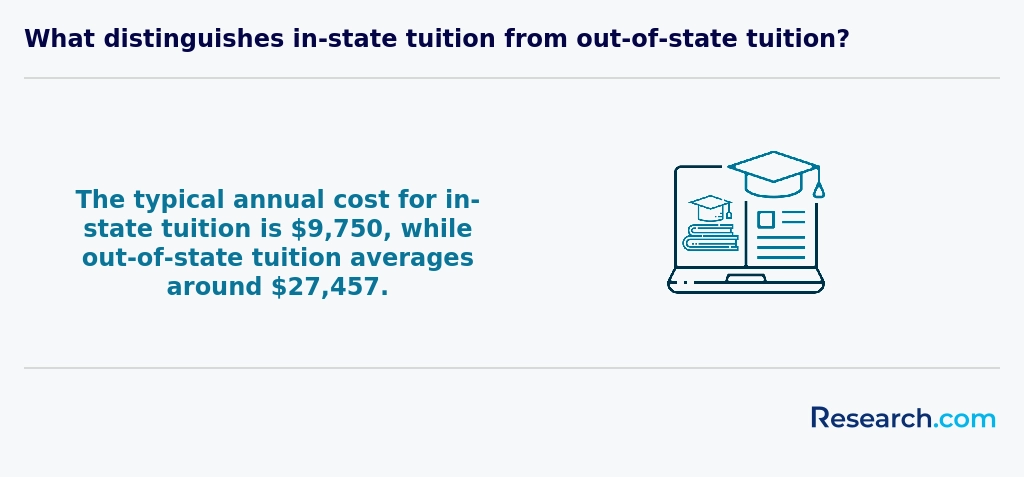
Tuition costs are competitive, with in-state rates often making online education more affordable than out-of-state alternatives. Community colleges offer particularly economical associate degrees, appealing to those seeking cost-effective credentials. Overall, online students in Delaware benefit from recognized regional accreditation, ensuring their qualifications are valued by employers and further educational institutions.
How much can I make with online degrees in Delaware?
Graduates with online degrees in Delaware can expect median annual earnings that vary notably by education level and field. Those holding a bachelor's degree typically earn about $66,000 per year, significantly higher than the $39,000 median for individuals without a degree. For example, graduates from the University of Delaware's online programs in business or IT often report starting salaries in the $60,000 to $70,000 range, reflecting strong local demand.
Health-related roles, especially registered nurses with online bachelor's degrees from Delaware Technical Community College, see median wages near $73,000, highlighting the state's robust healthcare sector. Similarly, computer and information technology graduates from regionally recognized schools earn around $85,000 annually, matching industry growth projections through the 2020s.
Postgraduate online degrees, particularly in STEM or business fields pursued by Delaware State University alumni, frequently result in salaries between $80,000 and over $100,000, especially within Delaware's urban centers. These figures demonstrate how online education in Delaware translates directly into competitive income and improved job security.
- Online undergraduate tuition in Delaware ranges from $10,000 to $15,000 per year for in-state students.
- Graduate online programs typically cost between $14,000 and $20,000 annually.
- Entry-level salaries for those with online bachelor's degrees average $45,000 to $50,000 per year in Delaware.
- After ten years, the median salary for online degree holders increases to around $65,000 to $70,000 annually.
- Delaware's online programs are nationally accredited and supported by state financial aid and student services.
- The state's location near Philadelphia and Baltimore offers expanded regional job opportunities for graduates.
Completing an online degree in Delaware typically takes around two years for associate degrees and approximately four years for bachelor's degrees, closely matching national averages. For example, graduates from the University of Delaware's online programs often report finishing bachelor's degrees in about 4.2 years, slightly above the national average. Many appreciate the flexibility to balance work and family while progressing at their own pace.
Associate degrees from institutions like Delaware Technical Community College usually require 60 credit hours and can be completed in as little as 18 months through year-round enrollment and accelerated courses. Online bachelor's programs often allow motivated students to finish in three years by taking extra summer courses.
Graduate degree timelines vary widely, with many master's programs designed for working professionals completing between 1 and 4 years depending on full-time or part-time enrollment. Delaware State University's online master's students frequently praise the ability to customize their schedules to fit busy lives.
Credit transfer policies enabling up to 60 transferred credits further shorten completion times, making online degrees accessible and efficient for returning adult learners.
In Delaware, online and on-campus degrees offer distinct experiences despite both being regionally accredited and recognized nationwide. On-campus programs at institutions like the University of Delaware provide a traditional college atmosphere, where students attend scheduled classes, engage directly with professors, and participate in campus life, including clubs and lab access. Graduates often emphasize strong social bonds and collaborative learning achieved through face-to-face interaction.
Conversely, online degrees cater to flexibility. Many working adults and parents appreciate the ability to study asynchronously from home, balancing education with life responsibilities. Delaware State University's fully online bachelor's programs illustrate this model, supported by reliable technology requirements such as stable internet-though rural students sometimes face connectivity challenges.
Cost-wise, Delaware public colleges charge roughly $10,000 annually for in-state students, whether online or in person, but online learners save on commuting and housing. Success in either format demands discipline; however, online students often share they develop greater initiative, managing their schedules without fixed class times.
The average cost of an online degree in Delaware typically centers around a median total cost of approximately $33,318. Public institutions like the University of Delaware and Delaware State University often set undergraduate in-state tuition between $12,000 and $14,000 annually for online learners. Graduate-level programs may vary, sometimes costing up to $18,000 per year depending on specialization. Many graduates recall managing these fees effectively by leveraging financial aid or scholarships offered by such universities. This aligns well with affordable online college tuition Delaware options, providing a balance between quality education and reasonable pricing.
Out-of-state students generally face higher expenses, sometimes close to double the in-state rates, though precise data is limited. Some universities alleviate this by offering residency waivers or special online discounts, making the opportunity to study remotely more accessible. Students often appreciate the flexibility these savings bring, enabling them to focus more on their studies rather than financial strain.
Additional costs beyond tuition include technology fees, course materials, and proctoring charges, which can add several hundred dollars each semester but remain manageable for many. Many Delaware learners find that combining these expenses with financial aid options can make online education competitive nationally. Furthermore, those interested in shorter, career-focused paths may explore certificate programs online that pay well for additional value and practical experience.

Students pursuing online degrees in Delaware benefit from several targeted financial aid options that make higher education more accessible. Federal aid remains the cornerstone, with Pell Grants offering up to $7,395 annually for undergraduates demonstrating financial need, accessed through the FAFSA application. Federal Direct Subsidized and Unsubsidized Loans also provide low-interest funds to cover remaining expenses.
State programs like the Delaware Scholarship Program further alleviate tuition costs for eligible residents attending Delaware public institutions. Many online learners have praised how this renewable aid eased their financial burdens during studies at universities such as the University of Delaware.
Institutional aid plays a critical role, too. Graduates from Delaware State University highlight merit-based and need-based scholarships tailored to online students, reflecting each institution's commitment to affordable education.
Additionally, working adults often leverage employer tuition assistance to manage costs, while military members utilize the National Guard State Tuition Assistance Program, reducing expenses significantly.
Enrolling in an online degree program in Delaware typically requires a high school diploma or GED, ensuring foundational readiness for college-level work. Graduates from institutions like the University of Delaware often share how submitting official transcripts helped streamline their admissions process, affirming academic history. For transfer students, completing a minimum number of credits eases entry into advanced courses, a common practice at Delaware State University.
Many Delaware colleges have adopted test-optional policies, so while SAT or ACT scores aren't always mandatory, submitting them can enhance an application. English proficiency proof, via TOEFL or IELTS, remains essential for non-native speakers, reflecting Delaware's inclusive approach to international students.
Financial preparedness is critical; with annual in-state tuition averaging around $12,000, students at Wilmington University appreciate flexible payment options that accommodate diverse needs. Some specialized programs may require prerequisite courses or work experience, making a personalized review of program-specific criteria vital for success.
Online degree courses in Delaware typically begin with a core set of general education classes designed to build foundational skills and knowledge critical for academic success. Students often take courses in English composition and communication, which enhance their writing and speaking abilities-skills that graduates frequently cite as valuable in both their careers and personal lives. Mathematics courses commonly focus on college algebra or statistics, equipping learners with quantitative reasoning important for fields like business and social sciences. Science requirements include natural sciences such as biology or environmental science, adapted with online lab components to retain hands-on learning experiences. Social science classes-covering psychology, sociology, or history-provide context on human behavior and society, enriching students' critical thinking and cultural awareness. Humanities courses, like literature or ethics, further foster analytical skills and ethical reasoning.
These structured programs, including those at institutions like the University of Delaware and Delaware State University, exemplify Delaware accredited online programs that balance flexibility with academic rigor, helping students progress confidently toward their majors and career goals.
For students evaluating options, the emphasis on both synchronous and asynchronous learning formats ensures accessible education tailored to diverse schedules and commitments. Many appreciate that accredited curricula integrate real-world applications, often culminating in capstone projects or internships. For further details on the quality and standards of such programs, consider exploring nationally accredited online colleges at nationally accredited online colleges.
Choosing the best online degree program in Delaware starts with verifying accreditation, specifically from the Middle States Commission on Higher Education (MSCHE), which ensures programs meet strict academic standards. Graduates from institutions like the University of Delaware often highlight how this accreditation helped their credits transfer smoothly and boosted employer confidence in their degrees.
Cost is another crucial factor; the average annual tuition for in-state public colleges in Delaware hovers around $10,000. Many students appreciate finding the best affordable online degree programs Delaware offers, especially when programs include scholarships or discounts for online learners. For example, Delaware State University provides competitive pricing combined with financial aid options that ease the burden on working adults balancing family and education.
Students also emphasize the importance of accessible support services and flexible scheduling. Programs with fully asynchronous formats let learners complete coursework on their own time, critical for professionals managing busy lives. Such flexibility, paired with robust advising and career services, fosters motivation and success in online environments.
Lastly, when exploring options, consider graduation rates as indicators of program quality. Data-driven students reference the Delaware Department of Education and National Center for Education Statistics to identify top accredited online colleges Delaware that maintain high completion rates. For those who appreciate calm and focus, researching the best jobs for introverts can also align career goals with chosen programs.
Online degree graduates in Delaware have strong prospects in several sectors aligned with the state's economic strengths. Business and finance careers thrive due to Delaware's corporate-friendly environment, especially around Wilmington, where graduates often secure roles as financial analysts or compliance officers. This aligns well with online college graduate job prospects Delaware, with finance employment expected to grow about 6% through 2030.
Healthcare fields also provide expanding opportunities, fueled by the state's aging population. Graduates from institutions like the University of Delaware find rewarding roles in nursing or healthcare administration, working in hospitals or public health agencies. These career paths reflect the fastest online degree career options Delaware, offering both stability and growth.
The tech sector attracts graduates with degrees in computer science or cybersecurity, supported by Delaware's commitment to improving IT infrastructure. Many online learners from Delaware State University leverage these pathways into software development and IT management roles, enjoying a positive transition from study to workforce.
Education and social services complete the picture, with graduates working in K-12 schools and community programs statewide. For those seeking flexible programs with real-world impact, programs noted among the best accelerated online degree programs for working adults offer tailored options that enhance career readiness in Delaware's diverse job market.
Graduates with online degrees in Delaware encounter a robust job market, benefiting from the state's diverse economy and supportive employment climate. With an unemployment rate near 3.8% as of early 2024, Delaware offers a stable environment for those entering the workforce. Popular institutions like the University of Delaware and Delaware State University report that their online alumni find meaningful roles in healthcare, finance, and education sectors across the state.
Many online degree holders secure positions such as registered nurses, financial analysts, or educators adapting to hybrid learning models-demonstrating positive career outcomes firsthand. The technology sector, including IT support and cybersecurity roles, is also expanding, fueled by Delaware's advantageous proximity to major metro areas and startup-friendly policies.
Wages align well with national averages, with healthcare and tech graduates seeing median salaries ranging from $70,000 to $85,000 annually statewide. Additionally, workforce programs connecting graduates to local employers enhance these prospects for online students.
Delaware students exploring flexible credentials might also consider 6 month certificate programs that pay well, which complement online degree job opportunities Delaware and improve employment prospects for online graduates.
2027 Fastest Online Colleges Programs Ranking in Delaware
Investing in your education is a significant decision that can shape your future, and the Research.com team understands the importance of making informed choices. To assist prospective students in Delaware, we have meticulously developed the "2027 Fastest Online Colleges Programs Ranking in Delaware." Our commitment to quality, credibility, and accuracy is demonstrated through the thorough research and analysis undertaken to create this ranking.
We utilized the following reputable data sources to ensure a comprehensive evaluation of online college programs:
By exploring this ranking, readers will gain valuable insights into the fastest online college programs available in Delaware, empowering them to make informed decisions about their educational journeys. For more information about our approach, please visit our Research.com methodology page.

# 4 position
Wilmington University
Master of Nursing Leadership Executive, Educator or Legal Nurse Consultant

# 5 position
Wilmington University
Bachelor of Nursing
# 6 position
Wilmington University
Master of Applied Technology in Education
# 7 position
Wilmington University
Master of Administration of Justice
# 8 position
Wilmington University
Bachelor of Business Management
# 9 position
Wilmington University
Bachelor of Criminal Justice
# 10 position
Wilmington University
Bachelor of Psychology
Frequently Asked Questions
Students in Delaware can maximize their online learning experience by leveraging state resources and institutional support. Delaware ranks among the top states offering access to quality online degree programs through public institutions like the University of Delaware and Delaware State University. According to the National Center for Education Statistics, nearly 30% of Delaware students enrolled in higher education took at least one online course in recent years.
Engaging actively with virtual class discussions and using available tutoring services can significantly boost comprehension. Additionally, creating a dedicated study space and setting a consistent schedule helps maintain focus and time management.
Taking advantage of Delaware's statewide initiatives, such as the Delaware Library System's subscription services, can provide free access to academic resources and databases. Staying connected with peers through online study groups also promotes collaboration and motivation.
Preparing for the job market after completing an online degree in Delaware requires focused planning and practical steps. First, graduates should utilize Delaware's local workforce resources, such as the Delaware Department of Labor, which offers job search assistance and career counseling.
Building a strong professional network through platforms like LinkedIn and attending virtual career fairs can improve job prospects. In Delaware, sectors like healthcare, finance, and information technology are growing, so aligning skills with these industries increases employability.
Additionally, gaining relevant internships or certifications can boost a resume. According to the U.S. Bureau of Labor Statistics, Delaware's unemployment rate stood near 3.5% in early 2024, indicating a competitive but active job market.
Employers in Delaware increasingly prioritize a mix of technical and soft skills in their graduates. According to the Delaware Department of Labor, critical thinking, communication, and problem-solving are among the most sought-after abilities. In addition, proficiency in digital literacy and data analysis stands out, reflecting trends in the state's growing technology and healthcare sectors.
Collaboration and adaptability are also key as employers look for candidates who can work effectively in team settings and quickly adjust to changing environments. Delaware's focus on innovation means graduates with skills in project management and leadership often have a competitive edge in the job market.
Finding internships in Delaware begins with exploring resources offered by local universities and community colleges, many of which support online students through career services. Institutions such as the University of Delaware and Delaware State University maintain internship databases relevant to local industries.
Online platforms like Delaware's Department of Labor website provide listings tailored to internships and entry-level jobs within the state. Delaware employers often seek interns in sectors like healthcare, finance, and government, which align well with many online degree programs.
Networking is crucial. Students should attend virtual career fairs and connect with Delaware-based professional organizations to increase internship opportunities. According to the National Association of Colleges and Employers, Delaware's internship placement rates have been steadily improving, reflecting growing employer engagement.
In Delaware, earning an online degree can significantly enhance career mobility and advancement opportunities. According to the Delaware Department of Labor, individuals with a bachelor's degree earn approximately 60% more than those with only a high school diploma. Online degree programs offer flexibility, allowing working adults to gain credentials without interrupting their careers.
Delaware's growing sectors-like healthcare, finance, and technology-favor candidates with accredited degrees, which improves hiring prospects. The state's strong focus on workforce development means employers often prioritize degree holders for promotions and higher salaries.
Additionally, regional employers recognize reputable online degrees from accredited institutions, making them a valuable asset for career growth in Delaware's competitive job market.
When choosing between a thesis and a non-thesis online degree program in Delaware, consider your career goals and learning preferences. Thesis programs typically involve original research and are suited for students aiming for doctoral studies or research-intensive careers. Non-thesis options focus more on coursework and practical skills, ideal for professionals seeking advancement without research demands.
Delaware's higher education institutions, including the University of Delaware, offer both paths in various disciplines. According to the Delaware Department of Education, nearly 60% of graduate students opt for non-thesis tracks for their flexibility and faster completion times. It is important to review specific program requirements and consult academic advisors to ensure the best fit.
Students based in Delaware seeking study abroad opportunities while pursuing online degrees have several options. Many Delaware colleges and universities participate in exchange programs with institutions worldwide, enabling students to study overseas for a semester or year. For example, the University of Delaware partners with universities across Europe, Asia, and Latin America.
Online learners can also explore virtual exchange programs, which have grown since 2020. These allow cultural and academic collaboration without physical travel, making study abroad feasible without interrupting online studies.
According to the Institute of International Education, about 7% of Delaware college students study abroad, slightly lower than the national average of 11%. Support services at Delaware institutions help students navigate visa, credit transfer, and financial aid challenges related to international study.
Delaware offers several part-time job opportunities that can complement your online degree education, helping build relevant skills and experience. For students in healthcare programs, local hospitals such as ChristianaCare frequently seek part-time assistants and administrative support. According to the Delaware Department of Labor, healthcare remains a top employment sector in the state, growing by 7% annually.
Business and finance students might find roles in Wilmington's robust financial services sector, including part-time positions at banks or credit firms. These experiences align well with degree coursework and offer networking advantages.
Technology students can explore part-time IT support or software internship opportunities, especially in growing hubs like Newark. The Delaware Technology Park reports an increase in tech-related jobs by nearly 5% yearly. Securing a relevant part-time role can enhance practical skills and increase employability post-graduation.
Online students in Delaware have various networking opportunities despite studying remotely. Many universities in the state, such as the University of Delaware, offer virtual career fairs and alumni networking events accessible to online learners. These events connect students with local employers and professionals across industries.
Additionally, Delaware is part of the Delaware Association for Higher Education, which facilitates collaborations and networking among students and faculty statewide. Online students can join professional organizations and local chapters related to their fields, increasing their networking reach.
According to the Delaware Department of Labor, engaging with state-supported workforce programs can also enhance networking and job placement chances for remote students.
Alumni networks play a vital role for students pursuing online degrees in Delaware by providing valuable professional connections and career support. Delaware's universities often maintain active alumni groups that offer mentoring, job lead sharing, and networking events tailored to local industries.
Research from the Delaware Department of Labor highlights that 65% of job placements involve some connection through alumni or professional networks, showing how important these associations are. Online students, who may lack on-campus interaction, can particularly benefit from these networks to build relationships and gain insider information about jobs and internships.
Furthermore, alumni networks help in skill development through workshops and webinars, often free or discounted for graduates. This ongoing engagement strengthens students' chances of career advancement within Delaware's growing sectors like healthcare, finance, and technology.
In Delaware, online degree programs offer flexibility for students to tailor their studies to specific career paths. Many institutions allow you to choose electives or concentrations aligned with your professional goals, such as business analytics or healthcare management. This customization helps build relevant skills that meet employer demands.
Some Delaware colleges provide options to combine certificates with degree programs, enhancing specialization without lengthening study time. According to the Delaware Department of Education, over 60% of online learners seek such personalized curricula to boost job market readiness.
Advisors often support students in creating individualized plans that reflect labor market trends in Delaware's growing sectors like finance and information technology.
Online students in Delaware often face challenges related to balancing their coursework with personal and professional responsibilities. According to the Delaware Department of Education, many learners juggle full-time jobs and family commitments, which can impact their study time and course completion rates.
Another common issue is access to reliable high-speed internet. While Delaware ranks above the national average in broadband availability, rural areas still experience connectivity problems, which can disrupt online learning. The Federal Communications Commission highlights this digital divide as a significant barrier for some students.
Additionally, online students sometimes encounter limited interaction with faculty and peers. This lack of engagement can affect motivation and academic performance. Experts recommend that institutions increase virtual support services to address these gaps in communication.
Writing a winning application for a college or university program in Delaware requires clear and concise presentation of your goals and achievements. Many Delaware institutions, such as the University of Delaware and Delaware State University, emphasize personal statements that reflect your motivation and fit for the program.
Highlight relevant experiences, such as work or volunteer positions, especially if they relate to your intended online degree field. Delaware's higher education data from the National Center for Education Statistics shows a growing emphasis on applicants' practical skills alongside academic records.
Be sure to follow all application instructions carefully and submit required documents on time. Strong letters of recommendation from relevant professionals can also improve your chances. Remember, a tailored application that addresses Delaware-specific opportunities demonstrates your commitment and awareness of local educational resources.
Gaining practical experience while studying online in Delaware is increasingly accessible thanks to partnerships between local employers and educational institutions. Many Delaware colleges offer internships, cooperative education (co-op) programs, or virtual practicums integrated into their online degree curricula.
The Delaware Department of Labor reports that sectors such as healthcare, technology, and finance-key industries in the state-regularly recruit students for hands-on opportunities. Online students can leverage nearby business hubs in Wilmington or Dover for remote internships, allowing real-world application of their studies without commuting.
Additionally, Delaware's higher education institutions often connect online learners with alumni networks and career services that promote experiential learning. These programs enhance employability while balancing flexibility for remote study.
Choosing the right concentration within an online degree program in Delaware involves assessing your career goals and local industry demands. Delaware's economy is strong in sectors like healthcare, finance, and logistics, so selecting concentrations aligned with these can enhance job prospects. According to the Delaware Department of Labor, healthcare positions are projected to grow by 15% through 2030, signaling promising opportunities.
Consider your personal interests alongside labor market trends. Research the curriculum and flexibility offered by Delaware institutions to ensure it matches your learning style and schedule. Additionally, verify program accreditation to maintain quality education standards recognized nationwide.
- 2027 Fastest Online Colleges Programs Ranking in Maryland
- 2027 Fastest Online Colleges Programs Ranking in New Jersey
- 2027 Fastest Online Colleges Programs Ranking in Pennsylvania
- 2027 Fastest Online Colleges Programs Ranking in Virginia
- 2027 Fastest Online Colleges Programs Ranking in West Virginia
- 2027 Fastest Online Colleges Programs Ranking in New York
- 2027 Fastest Online Colleges Programs Ranking in Connecticut
- 2027 Fastest Online Colleges Programs Ranking in North Carolina
- 2027 Fastest Online Colleges Programs Ranking in Ohio
- 2027 Fastest Online Colleges Programs Ranking in Kentucky
- Build Your Career with a Goal-Oriented Development Plan – Step by Step https://sundancecollege.com/blog/goal-oriented-career-development-plan-guide/
- Online Degree vs. Traditional: Choosing the Right Path https://beal.edu/online-degree-vs-traditional/
- Connect to Careers - Tech Council of Delaware https://techcouncilofdelaware.org/page/connecttocareers
- 10 Key Benefits of Part-Time Jobs for Students While Studying https://www.ue-amsterdam.com/blog/top-10-benefits-of-working-part-time-for-students-while-studying
- The Best Online Colleges In Delaware https://www.affordablecollegesonline.org/online-colleges/delaware/
- Thesis vs. Non-Thesis Master's Programs: Which is Right for You? https://potomac.edu/thesis-vs-non-thesis-masters/
- 10 Tips for Getting Your First Job After University https://euroguidance.eu/10-tips-for-getting-your-first-job-after-university
- Online Colleges in Delaware https://www.onlineschools.org/guides/delaware/
- Do career 'pathways' work? Delaware offers early clues https://hechingerreport.org/proof-points-pathways-delaware/
- Admission Procedures | Delaware County Community College Catalog https://catalog.dccc.edu/admission-procedures/