
2027 Best Online Colleges Programs Ranking in San Francisco, CA

Co-Founder and Chief Data Scientist
Choosing the right online college program can feel overwhelming, especially with so many options available in San Francisco. This article introduces the 2027 Best Online Colleges Programs Ranking in San Francisco, CA, thoughtfully created by data scientists at Research.com. It's designed to help you make an informed decision about which degree programs truly stand out.
Exploring this ranking will give you confidence in selecting a path that matches your goals. Earning a degree can open doors and empower your future-and knowing the best options makes the journey clearer and more exciting.
Key benefits of getting online degrees in San Francisco
- Graduates with online bachelor's degrees in San Francisco often earn around $70,000 annually, while those with online master's degrees can see salaries rise to approximately $95,000, showing clear financial benefits at higher degree levels.
- A graduate from San Francisco State University with an online business degree, for example, typically advances into roles like marketing manager or financial analyst, reflecting promising and diverse career opportunities.
- Online degree graduates from the University of San Francisco report greater flexibility and lower costs compared to traditional programs, making education more accessible and tailored to busy lifestyles.
- 2027 Best Online Colleges Programs Ranking in San Francisco, CA
- What can I expect from online degrees in San Francisco?
- How much can I make with online degrees in San Francisco?
What can I expect from online degrees in San Francisco?
Students enrolling in online degree programs in San Francisco, such as those offered by San Francisco State University and University of San Francisco, typically experience a blend of flexibility and academic rigor. Graduates often highlight the convenience of balancing coursework with full-time jobs while accessing interactive lectures and comprehensive digital resources. The California State University system reports a 20% increase in online course enrollment over five years, underscoring growing demand for adaptable schedules that fit busy Bay Area lifestyles.
Programs emphasize real-world applicability, with many students engaging in virtual internships or collaborative projects tied to local companies, which helps bridge theory and practice. The tech infrastructure in San Francisco supports seamless video streaming and collaborative tools, making remote interaction smooth and productive. Graduates frequently value the degree's recognition by local employers, particularly in the thriving technology and healthcare sectors, where online credentials from accredited institutions strengthen career prospects.
How much can I make with online degrees in San Francisco?
Graduates with an online bachelor's degree in the San Francisco-Oakland-Hayward metro area typically earn around $78,000 annually, reflecting the city's competitive job landscape and high living costs. Those holding online master's degrees from respected institutions like San Francisco State University or the University of San Francisco often see median salaries rise above $95,000, especially in fields like technology and healthcare.
For example, online degree holders in information technology or data science from local universities frequently start with salaries near $90,000. With a few years of experience, many reach mid-career earnings exceeding $120,000, benefitting from San Francisco's booming tech sector. Business graduates with online degrees report average salaries ranging from $70,000 to $110,000, influenced by roles within the city's strong financial services industry.
Online graduates from creative or education programs at popular colleges in the city typically begin with salaries around $50,000 to $60,000, which increase substantially as they build expertise and networks. The combination of accredited programs and local internships often gives these graduates a tangible advantage in revenue growth.
Graduates often feel encouraged by how local universities' partnerships enhance access to internships and job placements, making the investment in online education both practical and financially rewarding in San Francisco's economy.
- Tuition for online undergraduate programs in San Francisco ranges from $7,000 to $10,000 at public universities and $15,000 to $30,000 at private schools annually.
- Living costs in San Francisco remain high, which can affect the total expenses for students despite the savings from online learning.
- Entry-level salaries for bachelor's degree holders average about $70,000 per year, with mid-career professionals earning around $110,000 annually.
- Approximately 65-70% of online degree graduates find employment in their field within six months of graduation.
- Online degrees from accredited California institutions are increasingly accepted by employers, reducing the stigma associated with remote education.
Completing an online bachelor's degree in San Francisco typically requires about four years when attending full-time. Graduates from San Francisco State University, a well-known institution for flexible online schedules, often share how balancing work and studies extended their timeline to five or six years when enrolling part-time. This flexibility allows working adults to progress at their own pace without sacrificing income.
Associate degrees tend to take around two years full-time, but many students accelerate completion by transferring credits from local community colleges. Some report finishing sooner thanks to online testing options that San Francisco programs sometimes offer.
Graduate degrees, such as master's programs, exhibit wider variation. Full-time online students frequently finish within one to two years, while part-time learners may take three or four years, depending on course loads and personal commitments.
Factors like credit transfer policies, program intensity, and self-paced options contribute significantly to these variations, helping San Francisco students tailor their educational timelines to fit busy lifestyles and financial considerations.
In San Francisco, the key difference between online and on-campus degree programs lies in how the coursework is delivered. Online degrees, offered by universities such as San Francisco State University and the University of San Francisco, enable students to study remotely, providing flexibility ideal for working professionals balancing demanding jobs or family life in the city's fast-paced environment. Graduates often highlight the relief of managing coursework on their own schedule without commuting through busy traffic.
On-campus students experience direct engagement with faculty and peers on vibrant campuses like those of City College of San Francisco, enjoying access to libraries, research labs, and extracurricular activities. This face-to-face interaction supports networking and hands-on learning opportunities that online programs can only partially replicate through virtual platforms.
Tuition-wise, public universities in California generally charge between $7,000 and $15,000 annually for in-state on-campus students. Online programs sometimes offer cost savings by eliminating commuting and housing costs, though local San Francisco institutions often price both formats similarly due to shared faculty and curriculum.
Accreditation remains consistent across both modes, ensuring employer recognition is equivalent. Hybrid options also emerge, blending remote study with occasional campus visits, enabling students to enjoy the best of both worlds.
The average cost of an online degree in San Francisco typically centers around $51,340, reflecting the city's status as a high-cost metropolitan area. Many graduates from local universities report that while tuition can be significant, the value they gain from the strong academic reputation and networking opportunities is worth the investment. San Francisco online college tuition and fees vary widely based on institution type; for example, public universities often offer more affordable rates for in-state students, while private schools command higher tuition closer to or above the average.
Students pursuing online degrees in San Francisco highlight expenses beyond tuition, such as technology fees and required materials, which add to the overall cost but remain manageable within their budgets. Graduates often appreciate the flexibility of online programs, allowing them to balance work and study without relocation expenses. This blend of convenience and quality education softens the impact of tuition costs, making the investment more appealing despite the high figures.
Financial aid resources also play a critical role in reducing the effective cost of an online degree, with scholarships, grants, and employer tuition assistance available to many local students. Those interested in exploring career paths with efficient training can benefit from reviewing the best jobs for trade school graduates, which may offer alternative routes to a successful career at a lower cost.
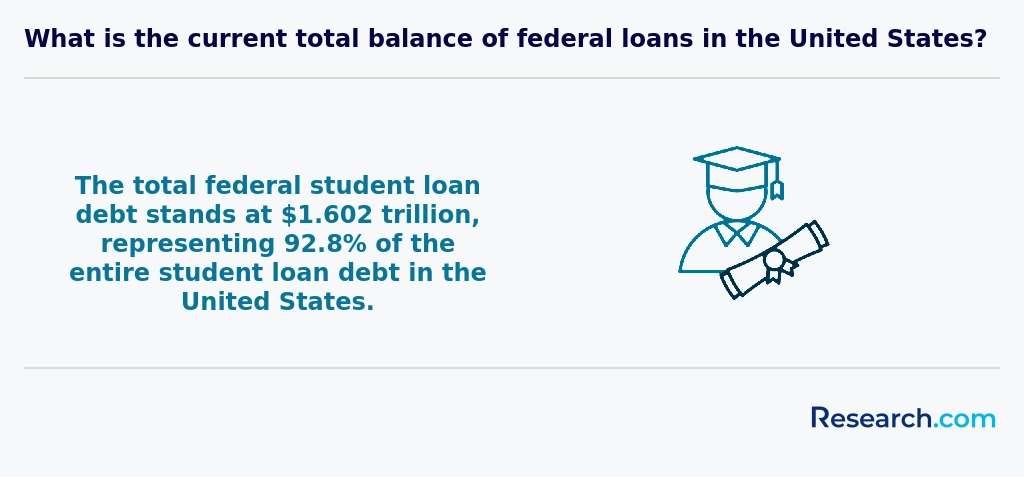
Online degree students in San Francisco can access multiple financial aid options to manage the rising costs specific to this metropolitan area. Federal aid programs like Pell Grants offer up to $7,395 annually, which many graduates from institutions such as San Francisco State University have found crucial in covering tuition and living expenses. Federal student loans and work-study opportunities further supplement this support.
California's Cal Grant program is especially beneficial for online learners in San Francisco, providing up to $12,570 annually for eligible students attending public universities with approved online degrees. Graduates often cite this state aid as transformative, significantly reducing their financial burden.
Local scholarships from San Francisco-based foundations cater to residents and those enrolled in area colleges, helping online students bring down costs even further. Additionally, employer tuition assistance is common among local companies, which many working professionals leverage to balance education and career advancement.
Finally, financial aid offices at schools like the University of San Francisco frequently offer unique scholarships and emergency grants designed to support online students in navigating unexpected financial challenges.
To enroll in an online degree program in San Francisco, students typically need a high school diploma or equivalent for undergraduate admission. Graduate applicants must hold a bachelor's degree from an accredited institution. Many local programs, like those at prominent San Francisco State University, require submission of official transcripts to verify academic records. While standardized tests such as the SAT or ACT have traditionally been required, more programs have adopted test-optional policies since 2020, easing access for many applicants.
Proof of residency or citizenship also plays a role, especially influencing tuition costs. San Francisco residents often benefit from significantly lower in-state tuition, averaging around $7,500 annually at California public universities, compared to over $25,000 for out-of-state students. Graduates recall appreciating these financial advantages when studying online through local institutions.
Applicants should also prepare additional materials like letters of recommendation or statements of purpose for competitive fields, such as healthcare or business. Access to reliable technology and digital literacy is essential, with the city's strong tech infrastructure supporting students' smooth navigation of online platforms.

Online degree programs in San Francisco commonly include courses designed to meet the demands of the city's thriving tech and business sectors. Students often engage in computer science classes covering programming languages like Python and Java, paired with data analytics and information systems essential for big data roles. Business administration courses integrate marketing, finance, and entrepreneurship to align with San Francisco's innovative startup environment, enabling graduates to confidently navigate dynamic market challenges. Those studying health sciences focus on public health topics, reflecting local healthcare priorities.
Graduates from popular colleges in San Francisco report a strong sense of accomplishment from hands-on courses in project management and design thinking, which enhance practical problem-solving skills. Cybersecurity and cloud computing modules address growing industry needs important for regional employers. Flexibility also stands out; many students benefit from asynchronous learning and opportunities for virtual collaboration, internships, or capstone projects tailored to this market.
For those interested in further specialization, online graduate certificates complement core courses, equipping students with advanced competencies relevant to their career goals within the San Francisco context. Overall, courses offered in San Francisco online colleges are both comprehensive and strategically aligned with local job market trends.
Choosing the best online degree program in San Francisco requires careful consideration of accreditation, curriculum relevance, and cost. Graduates from local universities frequently emphasize the importance of regional accreditation, such as WASC Senior College and University Commission (WSCUC), to ensure their online degrees are recognized by employers in the Bay Area. Programs aligned with the city's economic focus-technology, healthcare, and business-provide practical skills that increase job readiness in this competitive market. For instance, students from popular San Francisco colleges report satisfaction with courses that reflect current industry trends, making transitions into roles in local tech firms or healthcare providers smoother.
Affordability is critical when evaluating any of the best online degree programs San Francisco offers. Public institutions within the CSU and UC systems remain cost-effective options, with typical tuition ranging from $6,000 to $12,000 per year. Flexible scheduling options are another frequent positive noted by working graduates who balance demanding careers and family life. Many find asynchronous formats vital, enabling study without conflicts with professional obligations.
Student support services, including virtual advising and career counseling, greatly enhance the online learning experience. Schools offering robust networking opportunities through events or alumni connections often stand out. In fact, some graduates credit these networks with facilitating local job placements. Those looking for comprehensive guidance might also explore resources at best military-friendly online colleges in America for additional support options tailored to varied backgrounds, including veterans.

Graduates with online degrees in San Francisco encounter diverse career paths across thriving industries. Many find positions in technology, benefiting from the city's status as a Bay Area tech hub. Roles such as software developers and data scientists are common for those who studied computer science or data analytics. The local job market's projected 15% growth in tech occupations underscores strong opportunity.
Finance and business graduates gain access to firms ranging from venture capital to financial services. Careers as financial analysts or marketing specialists align well with degrees in business administration or accounting. Reports show these financial roles in San Francisco offer median salaries above the national average, encouraging graduates to pursue such paths.
Health care attracts online degree holders in nursing or health administration into positions like registered nurses or health services managers. Demand is rising steadily due to demographic shifts and expanding facilities.
Other graduates succeed in education, social services, or creative careers supported by San Francisco's vibrant cultural environment and institutional needs. Popular local universities equip students with marketable online credentials that alumni praise for flexibility and career readiness.
For those exploring options, comprehensive guides to best accredited online degrees can further clarify paths tailored to the San Francisco job market's unique demands and opportunities.
The job market for online degree graduates in San Francisco is notably strong, with unemployment rates around 3.5% as of early 2024, reflecting steady demand across key industries. Graduates from popular local institutions, pursuing online degrees in fields like computer science or business administration, often find themselves competitive candidates for tech companies and financial firms headquartered in the city. For example, online graduates from well-known universities report securing positions in data analytics and software development shortly after completing their studies.
San Francisco online college graduate employment outlook is also positive in healthcare and biotechnology sectors. Graduates with online degrees in nursing or health administration frequently benefit from the city's robust medical research facilities and healthcare providers, which actively recognize the value of accredited online education. Remote work opportunities further broaden access, enabling graduates to balance careers with ongoing education.
Understanding these trends, prospective students may explore the top online open enrollment colleges to capitalize on expanding job opportunities for online degree graduates in San Francisco.
2027 Best Online Colleges Programs Ranking in San Francisco, CA
Investing in your education is a significant decision that can shape your future, and the Research.com team understands the importance of making informed choices. To assist prospective students in San Francisco, CA, we have meticulously crafted the "2027 Best Online Colleges Programs Ranking in San Francisco, CA." Our commitment to quality, credibility, and accuracy is reflected in the extensive research and analysis conducted to compile this ranking.
We utilized the following reputable data sources to ensure a comprehensive evaluation of online college programs:
By exploring this ranking, readers will gain valuable insights into the best online college programs available in San Francisco, helping them make confident and informed decisions about their educational paths. For more details on our methodology, please visit our Research.com methodology page.

# 6 position
Golden Gate University
Master of Finance

# 7 position
Golden Gate University
Master of Human Resource Management
# 8 position
Golden Gate University
Bachelor of Accounting
# 9 position
University of California-San Francisco
Master of Healthcare Administration and Interprofessional Leadership

# 10 position
Golden Gate University
Master of Information Technology Management
# 11 position
Golden Gate University
Master of Business Administration
# 12 position
Academy of Art University
Master of Graphic Design

# 13 position
Academy of Art University
Master of Game Development
# 14 position
Academy of Art University
Bachelor of Fashion Merchandising
# 15 position
Academy of Art University
Bachelor of Graphic Design
# 16 position
Academy of Art University
Master of Visual Development
# 17 position
Academy of Art University
Bachelor of Visual Development
# 18 position
Academy of Art University
Master of Communications & Media Technologies
# 19 position
Academy of Art University
Master of Fashion Merchandising and Management
# 20 position
Academy of Art University
Bachelor of Communications & Media Technologies
Frequently Asked Questions
Students in San Francisco can maximize their online learning experience by leveraging local resources and structured study habits. The city's average internet speed of 150 Mbps supports smooth video lectures, essential for remote study (Ookla 2023). Utilizing San Francisco Public Library's digital collections can supplement coursework with free access to journals and e-books.
Effective time management is critical. Students benefit from setting clear schedules and designated study spaces at home. Joining online study groups linked to local universities like San Francisco State University increases engagement and networking opportunities.
Many students take advantage of citywide coworking spaces such as WeWork, which offer reliable internet and quiet environments. Lastly, seeking academic advising and technical support from accredited online programs ensures alignment with educational goals and industry standards.
Preparing for the job market after completing an online degree in San Francisco involves strategic planning and local awareness. The city's competitive tech and business sectors mean graduates should focus on gaining practical skills alongside their degrees.
Internships and networking opportunities are crucial. According to the San Francisco Chamber of Commerce, 65% of jobs in the city are secured through professional connections. Joining local industry groups or online communities can help build these networks.
Additionally, career services offered by online programs, such as resume reviews and interview coaching, can improve employment prospects. Tailoring applications to match San Francisco employers' expectations also increases success rates in this job market.
Employers in San Francisco highly value both technical and soft skills in graduates. According to a 2023 report by the San Francisco Office of Workforce Development, critical thinking, communication, and adaptability rank among the top desired attributes. These skills complement technical expertise, particularly in IT, data analysis, and software development, which remain in high demand due to the city's strong tech industry presence.
Additionally, teamwork and problem-solving abilities are essential, reflecting the collaborative nature of many San Francisco workplaces. Familiarity with emerging technologies such as artificial intelligence and cloud computing also boosts graduates' competitiveness in the local job market.
Finding internships in San Francisco requires a strategic approach enhanced by the city's strong tech and business environment. Start by leveraging online platforms like Handshake, LinkedIn, and local job boards, which frequently list internships specifically for students in the Bay Area. San Francisco hosts over 40,000 startups, providing abundant internship opportunities especially in technology, finance, and healthcare sectors, according to the San Francisco Chamber of Commerce.
University career centers, even for online students, offer valuable connections and often partner with local companies for internships. Networking through professional groups and attending virtual career fairs can also increase chances of securing positions. The San Francisco Office of Economic and Workforce Development provides resources tailored for interns seeking hands-on experience.
In San Francisco, holding an online degree can significantly impact career mobility and advancement. The city's competitive job market highly values higher education credentials, especially in technology, business, and healthcare sectors. According to the U.S. Bureau of Labor Statistics, workers with a bachelor's degree earn nearly 65% more than those with only a high school diploma nationwide; this trend is reflected in San Francisco's professional landscape.
Employers increasingly recognize accredited online degrees from reputable institutions, making them viable options for career changers and working professionals.
Furthermore, San Francisco's diverse economy and emphasis on innovation create opportunities for degree holders to climb the corporate ladder or switch industries more easily than non-degree holders, supported by local workforce data from the California Employment Development Department.
When choosing between a thesis and a non-thesis degree program in San Francisco, consider your career goals and learning preferences. Thesis programs require original research and a formal document, ideal for students aiming at academic or research careers. Non-thesis options focus on coursework and practical skills suited for professional advancement.
San Francisco universities offer both formats online, reflecting broader US trends where about 60% of master's degrees include a thesis component. Local job markets, especially in tech and healthcare, often prefer practical experience, favoring non-thesis degrees.
Review program requirements carefully and consult advisors to match your ambitions with the program structure.
Students based in San Francisco seeking to study abroad have several options to consider, despite focusing on online degrees. Many local universities, including City College of San Francisco and San Francisco State University, offer virtual exchange programs that connect their students with institutions worldwide. These programs enable learners to participate in international coursework without leaving the city.
Additionally, students can enroll in fully online degree programs offered by US universities that have global partnerships. These partnerships sometimes provide short-term study-abroad residencies or internships abroad as part of a hybrid model.
According to the Institute of International Education, California ranks among the top states for study abroad participation, reflecting strong interest and institutional support for global education access.
San Francisco offers a variety of part-time job opportunities that can complement your online degree education. Many students find positions in the city's strong tech sector, such as internships or roles in software development, data analysis, and IT support. According to the San Francisco Office of Economic and Workforce Development, tech jobs grew by 8.5% in 2023, providing ample entry-level openings.
Additionally, roles in healthcare and biotech are expanding, reflecting local industry trends. Part-time jobs in research assistance or clinical support align well with degrees in health sciences or biology. Retail and customer service jobs also remain popular, offering flexible hours for students.
Overall, San Francisco's diverse economy supports various side jobs that enhance academic experience and professional growth.
Online students in San Francisco have access to extensive networking opportunities despite studying remotely. Many local universities offer virtual career fairs and alumni events, connecting students to regional employers and industry leaders. For example, San Francisco State University, which serves a large online student population, hosts online networking sessions tailored to the city's tech and business sectors.
Additionally, San Francisco's vibrant professional groups often welcome online students. Platforms like Meetup feature over 500 business and tech-focused groups in the area, providing chances to join discussions and workshops. According to the San Francisco Chamber of Commerce, nearly 60% of local networking events now offer hybrid or online attendance options.
Alumni networks offer significant benefits to online degree students in San Francisco by providing essential career resources and community connections. These networks facilitate job placement and mentorship opportunities in a competitive job market known for its tech and innovation sectors. According to a 2023 report from the San Francisco Chamber of Commerce, 65% of local employers value alumni referrals when hiring.
Such networks also promote professional development through workshops and networking events tailored to Bay Area industries. For online students, who may lack in-person campus experiences, alumni groups create a valuable sense of belonging and access to local business leaders.
Customizing an online degree program in San Francisco allows students to align their education with specific career goals. Many local universities offer flexible curricula where you can select electives tailored to industries thriving in the Bay Area, such as technology, biotechnology, or finance. For example, San Francisco State University provides concentration options within business and computer science degrees to target particular job roles.
Students can also engage in internships or project-based courses, which are often available remotely, to gain practical experience connected to San Francisco's job market. According to the National Center for Education Statistics, about 45% of online degree students choose programs offering such customizable features. This helps graduates effectively prepare for competitive employment in the region's evolving economy.
Online students in San Francisco often face challenges balancing their studies with the city's high cost of living. According to the U.S. Bureau of Labor Statistics, San Francisco's rent is among the highest in the nation, which can create financial stress alongside tuition fees. Time management is another common hurdle, as many students juggle full-time jobs and family commitments with their coursework.
Technical issues also impact learning. Although San Francisco has strong internet infrastructure, occasional connectivity problems or lack of access to private, quiet study spaces can hinder online education. Additionally, some students report feeling isolated due to limited face-to-face interaction, which can affect motivation and engagement.
Writing a winning application for a college or university program in San Francisco requires careful preparation and attention to detail. Begin by thoroughly researching the programs offered by local institutions such as San Francisco State University and University of San Francisco, which both have strong online degree options. Focus on clearly articulating your educational goals and how the program aligns with your career aspirations.
Highlight any relevant experience and explain why studying online suits your lifestyle, emphasizing flexibility and self-discipline. According to the National Center for Education Statistics, about 15% of San Francisco's adult population holds a bachelor's degree, so demonstrating your unique strengths is key to standing out.
Lastly, adhere to application deadlines and tailor each essay to the specific school's values and offerings, ensuring a polished and professional presentation.
Gaining practical experience while studying online in San Francisco is achievable through various avenues. Many local universities and colleges offer internships and cooperative education programs designed for remote learners. These opportunities allow students to apply classroom knowledge in real-world settings, often in the city's vibrant tech and biotech industries. According to the San Francisco Chamber of Commerce, over 35% of employers in the area actively seek interns from nearby colleges.
Additionally, virtual internships and project-based work with San Francisco companies provide valuable hands-on skills. Networking events and online workshops hosted by local professional organizations further support student engagement. Leveraging these resources can significantly enhance a graduate's readiness for the competitive job market.
Choosing the right concentration within an online degree program in San Francisco depends on your career goals and local job market trends. San Francisco is a tech hub, so concentrations in computer science, data analytics, and cybersecurity are in high demand. According to the San Francisco Office of Economic Analysis, technology roles are projected to grow by over 15% through 2027.
Consider the concentration's alignment with emerging industries like green energy or health tech, both expanding in the region. Also, evaluate how the program's curriculum fits with your skills and interests.
Research local employers and internship opportunities linked to your chosen concentration to increase employment chances post-graduation.
- 2027 Best Online Colleges Programs Ranking in Palo Alto, CA
- 2027 Best Online Colleges Programs Ranking in Los Angeles, CA
- 2027 Best Online Colleges Programs Ranking in San Diego, CA
- 2027 Best Online Colleges Programs Ranking in Boise, ID
- 2027 Best Online Colleges Programs Ranking in Salt Lake City, UT
- 2027 Best Online Colleges Programs Ranking in Flagstaff, AZ
- 2027 Best Online Colleges Programs Ranking in Ellensburg, WA
- 2027 Best Online Colleges Programs Ranking in Phoenix, AZ
- 2027 Best Online Colleges Programs Ranking in Tempe, AZ
- 2027 Best Online Colleges Programs Ranking in Moscow, ID
- Elon Statement on Conditions for Meaningful Learning Experiences - Center for Engaged Learning https://www.centerforengagedlearning.org/publications/elon-statements/elon-statement-on-conditions-for-meaningful-learning-experiences/
- Should You Live in San Francisco as a Student | Royal Moving & Storage https://royalmovingco.com/blog/should-you-live-in-san-francisco-as-a-student/
- Networking in San Francisco, California | Meetup https://www.meetup.com/find/us--ca--san-francisco/networking/
- International Application - San Francisco Film School https://www.sanfranciscofilmschool.edu/application-international/
- Financial Aid For Online Colleges https://www.affordablecollegesonline.org/financial-aid/financial-aid-for-online-colleges/
- San Francisco Bay University Expands Its Online Degree Programs https://www.prnewswire.com/news-releases/san-francisco-bay-university-expands-its-online-degree-programs-301615027.html
- 8/30 Welcome To Your City! https://harvardclubsf.org/
- Experiential Learning | Millennium Middle School https://www.millenniumschool.org/academics/experiential-learning
- Tuition and Costs https://www.sfbu.edu/financial-support/tuition-and-costs
- Mathnasium Tutoring Learning Centers in San Francisco https://pellearning.com/san-francisco-tutoring/


