2027 Most Valuable Psychology Degree Programs Ranking in Bloomington

Co-Founder and Chief Data Scientist
Choosing the right psychology degree program in Bloomington can shape your future in meaningful ways. This article introduces the 2027 Most Valuable Psychology Degree Programs Ranking in Bloomington, developed by the Research.com team of data scientists. It's designed to guide you toward programs that offer strong value and opportunities.
By exploring this ranking, you'll gain insight into programs worth considering for your education and career. Earning a psychology degree opens doors to helping others and personal growth, making it a deeply rewarding path.
Key benefits of getting psychology degree in Bloomington
- Psychology degree graduates in Bloomington can pursue rewarding careers such as Human Resources Specialist with a mean annual wage of $76,060, Marketing Research Analyst earning $83,190, or Clinical Research Associate making $62,370, reflecting strong salary potential.
- Graduates from popular Bloomington colleges often find diverse career paths in counseling, research, or organizational roles, offering exciting opportunities to apply their skills in meaningful environments.
- Online psychology degrees provide flexible learning, allowing students to balance work and study while accessing quality education from Bloomington's recognized universities, creating a convenient and empowering experience.
- 2027 Most Valuable Psychology Degree Programs Ranking in Bloomington
- What can I expect from psychology degree in Bloomington?
- Where can I work with psychology degree in Bloomington?
What can I expect from psychology degree in Bloomington?
The average cost of earning a psychology degree in Bloomington varies mainly based on residency status. For example, at Indiana University Bloomington, in-state students typically pay significantly less in tuition and fees than out-of-state students. Graduates often share that managing tuition costs is more feasible thanks to the university's financial aid programs and scholarships, which many students successfully apply for early in their studies.
Public institutions like Indiana University offer affordable options for residents, with in-state tuition often amounting to thousands less per year compared to out-of-state rates. Many students find that by combining part-time work, scholarships, and financial aid, they can keep their overall expenses manageable. Those who choose Bloomington benefit from strong university connections to local internships, providing paid or low-cost practical experience, which helps offset living costs while gaining valuable skills.
Graduates recall how careful financial planning, along with support from university counseling on funding options, made earning their degrees in Bloomington a rewarding and realistic investment.
Where can I work with psychology degree in Bloomington?
Graduates from psychology programs at Indiana University Bloomington find diverse employment opportunities that match their skills and interests. Many step into the healthcare sector, working in hospitals or mental health clinics as licensed therapists or behavioral health specialists. This pathway is rewarding and stable, especially with Indiana's projected 10%-15% job growth in clinical psychology roles.
Others choose education, taking roles in research, academic support, or as school psychologists in Monroe County's K-12 schools. These positions allow graduates to make a direct impact on student well-being and learning, often requiring specialized certification but offering meaningful career satisfaction.
Social service agencies and nonprofits also welcome psychology graduates eager to support community health through case management or rehabilitation programs. These roles offer a hands-on approach to applying psychological principles and can be deeply fulfilling for those passionate about social change.
Some graduates explore private practice or business environments, using organizational psychology skills to improve workplace wellness and employee training at Bloomington-based companies. Many credit their Indiana University Bloomington training for preparing them well for these varied career paths.
Graduates with a psychology degree in Bloomington can expect a range of salary opportunities depending on their career path. For example, those stepping into roles like Human Resources Specialist-a common transition-earn a mean annual wage of around $76,060, reflecting strong demand in local businesses near Indiana University. This salary is competitive for early-career professionals eager to apply their understanding of human behavior in corporate settings.
Marketing Research Analyst positions, another relevant option for psychology graduates, offer a higher mean annual pay of approximately $83,190. Graduates engaging in consumer behavior research or data analysis often find Bloomington's vibrant economy and university resources valuable for building these roles.
Clinical Research Associates and Survey Researchers-jobs more closely connected to direct psychological research-earn about $62,370 annually. For Bloomington graduates involved in academic or healthcare-related research, these salaries provide a solid entry point with room for growth, especially when combined with advanced degrees or certifications.
Many psychology graduates in Bloomington share how combining studies with internships at local hospitals or research centers enhances their employability and boosts earning potential, often exceeding these averages as experience grows.
- Annual tuition for in-state psychology bachelor's programs in Bloomington ranges from $10,000 to $12,000, while out-of-state students may pay over $30,000.
- Starting salaries for early-career psychology graduates average between $45,000 and $50,000 per year.
- Experienced professionals or those with advanced degrees can earn median wages around $75,000 or higher.
- Job opportunities in Bloomington include healthcare, education, social services, and research institutions.
- Psychology degrees typically require four years for a bachelor's and two to six years for graduate programs depending on specialization.
- Licensure for clinical practice requires a doctoral degree, supervised experience, and passing state exams in Illinois.
A psychology degree in Bloomington typically takes four years to complete at the undergraduate level, especially for full-time students at Indiana University Bloomington. Graduates often describe this timeframe as manageable when balancing classwork, social activities, and campus resources. Those enrolled full time find it easier to stay on track, finishing the Bachelor of Arts or Science in psychology within the standard academic schedule.
For students pursuing graduate studies in Bloomington, timelines vary more. Master's degrees usually require about two years post-bachelor's, though completing thesis work or practica can extend this period slightly. Doctoral programs, such as PhD or PsyD, often span five to seven years due to intensive research and clinical training demands. Graduates recall the rewarding challenge of managing these commitments while benefiting from faculty support and networking opportunities.
Part-time enrollment or internships may lengthen your academic journey, but many students find these options provide valuable hands-on experience. Planning ahead, using available advising services, and staying consistent with coursework are proven strategies to complete your psychology degree efficiently in Bloomington.
Students in Bloomington, IN, looking to fast-track their careers can explore accelerated and combined degree options that integrate graduate studies with professional training. Many universities now offer programs that allow undergraduates to begin graduate coursework during their senior year, reducing the total time and cost required to earn a master’s or doctorate. For example, Indiana University Bloomington and Purdue University Global provide pathways where credits count toward both bachelor’s and graduate degrees, minimizing redundant coursework and tuition fees. These accelerated tracks often include seamless transitions into specialized graduate programs, such as clinical psychology or counseling. For those aiming for the highest level of professional qualification, researching psychology masters phd programs combined can reveal top institutions offering integrated master’s and PsyD degrees. Such combined formats typically span five to six years, compared to the seven or more years required when pursued separately, enabling graduates to enter the workforce sooner. Admission into accelerated or combined programs usually requires a strong academic record (GPA of 3.5 or higher), relevant research or internship experience, and faculty recommendations. Prospective students should prepare a compelling personal statement outlining their commitment to clinical practice or research. Additionally, these programs often include a structured mentorship model, pairing candidates with faculty advisors who guide their thesis projects, clinical practicums, and licensure exam preparation. By choosing an accelerated or combined degree option, students can benefit from streamlined curricula, cost savings, and early professional networking. This approach not only enhances academic continuity but also positions graduates for competitive licensure and employment opportunities in clinical settings, academia, and research institutions across Indiana and beyond.
On-campus psychology programs in Bloomington, such as those at Indiana University Bloomington, offer direct interaction with professors and peers, which helps students build strong mentorships and networking connections. Graduates often remember valuable hands-on experiences like lab work and local internships that deepened their understanding and boosted their confidence in practical settings.
Online psychology degrees provide flexibility that suits students balancing jobs or family life. Bloomington-based students appreciate being able to attend virtual lectures and participate in discussion boards on their own schedules, making it easier to stay motivated while managing other commitments. Many online programs maintain the same academic standards as their on-campus counterparts, ensuring a rigorous education.
Cost is a key difference, too. While on-campus tuition in Bloomington might average around $10,000 for in-state students, online options can cut costs linked to commuting and housing. Students looking to enter telepsychology often find online learning beneficial to develop essential technology skills.
Internships remain vital; on-campus students enjoy easier access to local placements and career center support, but online learners can still secure relevant positions in Bloomington's healthcare and social services, depending on their program's network.
Accreditation ensures your psychology degree meets professional standards and paves the way for state licensure:
- Choose APA- or CACREP-accredited programs to satisfy Indiana board requirements
- Complete 1,500–2,000 supervised practicum or clinical hours under licensed professionals
- Pass the Examination for Professional Practice in Psychology (EPPP) or relevant state licensure exam
- Submit documentation (exam scores, supervised hours, background checks) to the Indiana Psychology Board
For an accredited graduate pathway with flexible schedules, consider the affordable online psychology masters.
The average cost of a psychology degree in Bloomington depends greatly on residency status and program level. For in-state students attending Indiana University Bloomington, psychology graduates often report a median total cost around $12,144, making degree completion more affordable and manageable. Out-of-state students face higher expenses, with total costs reaching approximately $57,125, reflecting additional tuition and fees. These figures align with typical psychology degree tuition and fees Bloomington students encounter, capturing the full financial commitment beyond just yearly tuition.
Several graduates share how budgeting carefully for these costs changed their academic experience positively. They emphasize pursuing financial aid and scholarships to reduce the impact. In graduate psychology programs, costs can range widely; some doctoral students secure assistantships that alleviate tuition burdens, while master's students budget between $10,000 and $30,000 depending on residency. Beyond tuition, graduates highlight expenses for materials, clinical training, and housing as important considerations when planning finances.
Students at Indiana University Bloomington often recommend exploring all available help, such as state grants and university funding, to keep costs reasonable. Many find this approach worthwhile for the rewarding career paths ahead. For those aiming to identify the best economic approach, understanding the average cost of psychology degree in Bloomington is crucial, especially when informed by real student experiences.
Exploring strategies to offset the costs associated with pursuing a degree can open doors to opportunities including the highest paying jobs inpsychology, making the investment in education both practical and fulfilling.
Calculating the true return on investment (ROI) of a psychology degree in Bloomington, IN involves comparing total program costs against projected earnings and career advancement opportunities. On average, in-state tuition for a bachelor’s degree at public universities like Indiana University Bloomington is $7,070 per year, while out-of-state and private institutions can exceed $30,000 annually. Factoring in living expenses, books, and fees, most students graduate with $20,000–$30,000 in debt. However, with entry-level salaries for Human Resources Specialists averaging $73,080 and Clinical Research Associates around $57,760, graduates can recoup educational costs within four to six years. Key variables that influence ROI include: • Scholarship and grant awards: Leveraging departmental scholarships and federal grants can reduce debt by up to 50%. • Part-time research or teaching assistantships: Graduate assistant positions often include tuition waivers and stipends, cutting net costs. • Career services and internship placements: Programs with robust internship pipelines shorten the time to full-time employment, accelerating earning potential. Prospective students seeking the most budget-friendly psychology programs nationwide can compare benchmarks with our Low Cost Psychology Degree Programs Ranking in Texas, which highlights institutions that optimize affordability without sacrificing quality. By strategically combining financial aid, work-study options, and high-demand specializations-such as industrial/organizational psychology or health psychology-students in Bloomington can maximize ROI, ensuring a sustainable balance between educational investment and long-term career growth.
Students pursuing a psychology degree in Bloomington can access several financial aid options that make their education more affordable and manageable. Federal aid, including Pell Grants and Direct Loans, often serves as the foundation-graduates from Indiana University Bloomington recall how Pell Grants relieved financial pressure during their undergraduate years.
Indiana residents can also benefit from state grants like the 21st Century Scholars program, which some psychology students have used to significantly reduce tuition costs. Institutional scholarships are plentiful, with Indiana University and other local colleges offering merit-based awards targeted at psychology majors, giving many students a confidence boost and tangible recognition of their achievements.
- Graduate students often secure research or teaching assistantships within Bloomington's psychology departments, gaining tuition remission and stipends that help balance study and living expenses.
- Additionally, private scholarships from community foundations and psychology organizations provide extra support, helping students feel hopeful and less burdened by financial concerns.
Completing the FAFSA early and consulting with university aid offices are key steps graduates advise to maximize available resources and avoid missing out on first-come, first-served funding opportunities.
As the field of psychology evolves, professionals in Bloomington, IN, must be prepared to adapt to innovative practices and new technologies. Recent shifts include the integration of telepsychology services, an increased focus on digital mental health tools, and a growing demand for data-driven research in behavioral sciences. Emerging trends also point toward the rise of interdisciplinary approaches, where collaboration with technology and healthcare sectors is proving to enhance treatment outcomes and service delivery. Students and graduates should keep an eye on evolving industry standards, such as the incorporation of online behavioral analysis courses that are making quality education more accessible. For example, many programs are now integrating modules that prepare students for roles in digital therapeutics and remote counseling. Additionally, as the demand for specialized roles increases, candidates can further boost their qualifications by exploring cost-effective online alternatives; for instance, you can learn more about what is the cheapest online bcba program to complement your academic journey. Keeping up with these trends not only enhances career prospects but also ensures that upcoming psychologists are well-prepared to contribute to the advancement of mental health services in a rapidly changing landscape. Continuous professional development and networking with industry experts are key practices that can lead to successful integration into these emerging sectors.
To enroll in a psychology degree program in Bloomington, you first need a high school diploma or GED, which is the basic entry ticket to schools like Indiana University Bloomington or Ivy Tech Community College. Graduates often recall how completing key high school courses-especially Biology, Algebra II or higher, English, and Social Studies-made their transition smoother by building essential analytical skills.
Maintaining a solid GPA, typically between 2.5 and 3.0, is crucial; many students find that focusing on these courses early gives them confidence and a competitive edge during admissions. Bloomington institutions may ask for SAT or ACT scores, but many have embraced test-optional policies recently, so check each college's latest requirements before applying.
For those transferring or aiming for graduate studies, having a strong undergraduate background in psychology or related fields, a GPA of 3.0 to 3.5, compelling letters of recommendation, and a personal statement are key. Several graduates highlight how sharing their passion for research or clinical experience helped deepen their acceptance chances.

When considering a psychology degree, one crucial factor to think about is the value of the program, which can significantly impact future career prospects and personal growth. Investing time in researching the most valuable psychology programs can lead to a more fulfilling academic journey and career. For instance, understanding what makes a valuable psychology school in Indiana can provide insights into the qualities and opportunities that distinguish top programs from others. By examining factors such as faculty expertise, curriculum depth, and alumni success rates, prospective students can make informed decisions about their educational path, ultimately enhancing their potential for success in the psychology field.
Students pursuing a psychology degree in Bloomington typically engage with a well-rounded curriculum that balances foundational theory and applied skills. Core courses often include Introduction to Psychology, which breaks down complex concepts and theories into relatable real-life examples, helping students connect with everyday human behavior. Research Methods in Psychology and Statistics for Psychology provide graduates from Indiana University Bloomington, for instance, with essential tools to design experiments and analyze data confidently-skills highly valued in research and clinical settings.
Courses like Biological Psychology and Cognitive Psychology immerse students in understanding how brain functions and mental processes shape behavior, often bringing insights to practical scenarios such as memory or decision-making challenges. Many students appreciate how Developmental and Social Psychology courses reflect their own experiences growing up or interacting within diverse communities in Bloomington, enhancing empathy and real-world perspective.
Graduates from popular local colleges emphasize how Abnormal Psychology deepened their awareness of mental health disorders, preparing them for careers in counseling and therapy. Electives and internships further tailor learning, encouraging hands-on experience that makes coursework come alive and builds confidence for the job market.
Psychology degree specializations in Bloomington offer students practical pathways to align their studies with career ambitions. At Indiana University Bloomington, graduates frequently highlight the benefit of programs like Clinical Psychology, where hands-on training prepares them for roles in mental health settings diagnosing and treating disorders. Cognitive Psychology attracts students fascinated by real-life applications such as improving decision-making processes and memory techniques through research initiatives on campus.
Bloomington psychology program concentration options also include Developmental Psychology, ideal for those passionate about understanding growth across life stages, and Social Psychology, which is deeply connected to community and group dynamics, resonating well with local social science research. Another specialization gaining attention is Industrial-Organizational Psychology, supporting graduates pursuing workplace effectiveness roles in Bloomington's business environments.
These diverse tracks are coupled with strong academic support and opportunities. For students seeking flexibility, exploring online behavioral psychologycourses can complement campus learning and career objectives efficiently.
Start by verifying the accreditation of psychology programs in Bloomington, especially those at Indiana University Bloomington, as APA accreditation is essential for licensure and clinical practice. Graduates often emphasize how this assurance boosted their confidence in the quality of education they received. Cost is another priority-local students appreciate that affordable psychology colleges Bloomington offer cheaper in-state tuition compared to national averages, making a bachelor's degree more accessible without sacrificing quality. Look closely at curriculum options; many programs provide specializations like clinical psychology or neuroscience, pairing coursework with internships that allow students to apply theory in real-world settings, which past graduates found invaluable for career preparation.
Class size can transform your experience-smaller, focused classes at Bloomington universities enable closer mentorship from faculty recognized for research in cognitive psychology. These connections often foster rewarding research opportunities and professional growth. Finally, assess job placement rates and alumni success stories. Many find that the strong network around Bloomington, combined with partnerships with nearby mental health services, creates clear career paths. For students exploring options beyond Indiana, consider checking psychology courses kentucky universities for broader perspectives.

Graduates from Indiana University Bloomington and other local colleges find diverse psychology career opportunities in Bloomington spanning clinical, research, education, and business sectors. Many pursue licensure to become psychologists or counselors, gaining fulfilling roles in mental health clinics and hospitals. For those interested, training pathways and certification processes are essential, which can be explored here. Graduates often share how their practical experiences during internships in Bloomington's health facilities helped them build confidence and a strong professional network.
Others apply psychology knowledge to improve workplace environments through industrial-organizational roles, collaborating with Bloomington businesses to boost productivity. Psychology degree holders also find rewarding work in educational psychology, designing tailored learning programs at local schools, or engaging in academic research at Indiana University. Sharing real-life student stories from Bloomington, many highlight how hands-on projects and local connections directly influenced their career success and satisfaction.
Expanding fields like forensic psychology and social services offer meaningful roles supporting community wellbeing, demonstrating promising job outlook for psychology graduates Bloomington. Understanding local demand and opportunities can guide students to shape practical career paths that align with their strengths and aspirations.

The psychology degree job opportunities in Bloomington are promising, especially for graduates from Indiana University Bloomington, which is known as a valuable psychology school in Indiana. Graduates often find roles in clinical and counseling services, educational support, and social service agencies, where hands-on experience gained through local internships is highly valued. Many graduates describe feeling motivated and optimistic as they secure positions within hospitals, schools, or community programs that directly impact mental health and behavioral support.
Bloomington psychology graduate employment outlook is shaped by steady regional demand for mental health professionals, supported by local universities and healthcare providers. Entry-level salaries typically start between $45,000 and $55,000, rising to around $75,000 with experience. Graduates recommend leveraging university partnerships to access research assistantships or counseling internships, which provide essential supervised experience needed for clinical licensure and career advancement.
2027 Most Valuable Psychology Degree Programs Ranking in Bloomington
Investing in your education is a significant decision that can shape your future, and the Research.com team understands the importance of making informed choices. To assist prospective students in Bloomington, we have meticulously crafted the "2027 Most Valuable Psychology Degree Programs Ranking in Bloomington." Our commitment to quality, credibility, and accuracy is reflected in the extensive research and analysis conducted to compile this ranking.
We utilized the following reputable data sources to ensure a comprehensive evaluation of psychology degree programs:
By exploring this ranking, readers will gain valuable insights into the most valuable psychology programs available in Bloomington, enabling them to make informed decisions about their educational paths. For more details on our methodology, please visit our Research.com methodology page.

Frequently Asked Questions About psychology
Psychology degree students in Bloomington can maximize their learning experience by actively engaging with both academic and practical opportunities available locally. Enrolling in courses at institutions like Indiana University Bloomington, which offers one of the top psychology programs nationally, provides access to experienced faculty and diverse research projects. According to the National Center for Education Statistics, Indiana University awarded over 600 psychology bachelor's degrees in recent years, highlighting substantial program capacity.
Students should pursue internships at nearby mental health clinics or research centers to apply theoretical knowledge. Participating in campus organizations focused on psychology also enhances networking and professional development.
Utilizing Bloomington's rich academic resources, including its libraries and workshops on research methodology, will strengthen critical thinking and experimental skills. Staying involved in ongoing studies or attending psychology seminars can provide current insights aligned with trends and innovations in the field.
The psychology field is evolving with several emerging niches gaining prominence, particularly for students in Bloomington. One rapidly growing area is health psychology, which focuses on how mental, emotional, and social factors affect physical health. In Bloomington, healthcare organizations increasingly seek expertise in this niche to improve patient outcomes. Another notable growth sector is neuropsychology, emphasizing brain-behavior relationships. Local research institutions contribute to advances here, especially in understanding neurological disorders.
Additionally, industrial-organizational psychology is expanding, driven by Bloomington's business community aiming to enhance workforce productivity and satisfaction. Furthermore, positive psychology, which studies well-being and happiness, attracts interest among those pursuing innovative mental health strategies. These niches align with current labor market demands and offer diverse career pathways for psychology graduates.
To prepare for the job market after completing a psychology degree in Bloomington, students should focus on gaining practical experience. Internships and research assistant positions at local institutions like Indiana University Bloomington are valuable for building relevant skills. According to the Bureau of Labor Statistics, psychology-related jobs are projected to grow 8% nationwide through 2031, emphasizing the importance of applied experience.
Networking in Bloomington's psychology community can open doors. Joining professional organizations such as the Indiana Psychological Association provides connections and job leads. Additionally, obtaining licensure, when applicable, enhances job prospects, especially for clinical or counseling roles.
Developing skills in data analysis and statistics, often taught in Bloomington programs, is critical as employers prioritize candidates with strong research capabilities and technical knowledge.
Employers in Bloomington seeking psychology degree graduates prioritize a combination of analytical and interpersonal skills. Critical thinking and data analysis abilities are essential, as psychology professionals frequently interpret research findings and assess behavioral patterns. Communication skills also rank highly, enabling graduates to effectively convey complex psychological concepts to clients and colleagues.
According to recent data from the U.S. Bureau of Labor Statistics, psychology-related jobs emphasize teamwork and ethical decision-making. Familiarity with statistical software and conducting evidence-based research enhances employability. Additionally, cultural competence is increasingly valued in Bloomington's diverse communities, reflecting local workforce needs reported by the Indiana Department of Workforce Development.
Overall, candidates showing adaptability, empathy, and strong problem-solving capabilities tend to stand out to employers in the Bloomington psychology job market.
Finding internships in Bloomington for psychology students involves leveraging both local institutions and university resources. Indiana University Bloomington, the largest university in the area, offers extensive internship programs through its Department of Psychological and Brain Sciences.
Students can access placements in clinical settings, research labs, and community organizations. Local hospitals like IU Health Bloomington Hospital and community mental health centers provide practical experience opportunities relevant to psychology.
Additionally, checking listings on university career services and networking at psychology events can increase chances of securing internships. According to recent IU data, nearly 70% of psychology undergraduates complete an internship before graduation, enhancing employability.
Obtaining a psychology degree in Bloomington can significantly enhance career mobility and advancement. The demand for psychology professionals in the area has grown steadily, supported by a 12% projected job growth rate in mental health care-related fields over the next decade, according to the U.S. Bureau of Labor Statistics.
Local institutions often connect students with internships and research opportunities, fostering practical experience that employers highly value. Graduates with advanced degrees, such as master's or doctorates, tend to access roles with higher responsibility and better salaries in clinical, educational, and corporate sectors.
Furthermore, Bloomington's diverse economy supports psychology professionals in various settings, including hospitals, schools, and private practices, enhancing prospects for career shifts and promotions within the region.
Studying for a psychology degree in Bloomington equips students with skills valued across multiple disciplines. Programs often emphasize collaboration between psychology and fields like neuroscience, education, and public health. According to Indiana University Bloomington's Department of Psychological and Brain Sciences, students engage in research projects that integrate data analysis, cognitive science, and behavioral studies.
Such interdisciplinary training prepares graduates for careers in areas like healthcare, social work, and human resources. Bloomington's psychology curriculum also includes electives in statistics and computer science, enabling students to apply psychological principles using technical tools.
This diverse skill set reflects national trends, as the U.S. Bureau of Labor Statistics projects a 14% growth in psychology-related occupations tied to interdisciplinary expertise by 2031.
Choosing between a thesis and a non-thesis psychology degree program in Bloomington depends largely on your career goals and learning style. Thesis programs usually require original research, which is ideal if you plan to pursue a PhD or work in a research-focused role. Non-thesis options emphasize coursework and practical experience, often favored by those aiming for professional practice or immediate employment.
Bloomington, home to reputable institutions like Indiana University, offers both pathways with varying credit requirements and timelines. According to the National Center for Education Statistics, about 40% of psychology master's students nationwide opt for thesis tracks, reflecting a balance between academic research and professional training.
Consider your interest in research intensity, faculty mentorship availability, and post-graduation plans when deciding. Consulting academic advisors at local universities can also provide tailored insights based on current program structures and opportunities in Bloomington's psychology community.
Students based in Bloomington interested in studying psychology abroad have several pathways aligned with the US higher education system. Many universities in Bloomington, including Indiana University Bloomington, offer study abroad programs with partner institutions worldwide. These programs often provide psychology courses that can count toward degree credits.
Additionally, students can apply for exchange programs, internships, or research opportunities in countries with strong psychology research traditions. The Institute of International Education reports that psychology is among the popular fields for US students studying abroad.
Financial aid and scholarships specifically for study abroad in psychology are increasingly accessible through campus offices and external organizations.
Bloomington offers several part-time job opportunities that can complement a psychology degree education effectively. Students often find roles as research assistants at institutions like Indiana University, which hosts strong psychology and neuroscience departments. Such positions provide hands-on experience in experimental design, data collection, and statistical analysis.
Local healthcare facilities and mental health clinics frequently seek part-time aides or intake coordinators. These roles help students gain exposure to patient interaction and clinical procedures. Additionally, school and community centers hire tutors and behavioral aides, allowing psychology students to apply developmental and educational psychology concepts.
The US Bureau of Labor Statistics indicates that gaining relevant experience alongside study can improve employability in applied psychology fields. Bloomington's active academic and healthcare environments present valuable opportunities for students to build practical skills.
Psychology students in Bloomington benefit from various networking opportunities that can enhance their academic and professional growth. Indiana University Bloomington, the city's major research institution, hosts events like psychology department seminars and guest lectures where students meet faculty and leading researchers. These gatherings offer students access to cutting-edge studies and potential mentorships.
Additionally, local chapters of national organizations such as the American Psychological Association provide venues for students to connect with practicing psychologists and peers. Bloomington's community clinics and research centers often welcome student volunteers and interns, enabling real-world experience and professional contacts.
According to Indiana University's Career Development Center, about 65% of psychology undergraduates participate in internships linked to the school's network, boosting employment prospects through direct employer interaction.
Alumni networks play a crucial role in supporting psychology degree students in Bloomington. These networks connect current students with graduates who have firsthand experience navigating local career opportunities. According to the National Association of Colleges and Employers, students engaged in alumni networks report a 20% higher chance of securing internships and research positions.
In Bloomington specifically, alumni often provide mentorship, career advice, and introductions to mental health organizations and clinics. This localized networking helps students gain access to Bloomington's vibrant psychology community, including institutions like Indiana University's clinical training centers. Strong alumni ties can open doors to job placements within the city's growing psychology sector.
Moreover, many alumni organize workshops and seminars, enhancing professional skill development. These activities foster long-term relationships that benefit students beyond graduation by supporting continuous career growth in Bloomington's mental health field.
In Bloomington, customizing your psychology degree to fit career goals starts with selecting the right specialization. Many local colleges offer concentrations such as clinical, counseling, or industrial-organizational psychology. This allows you to focus on areas that align with your desired profession.
Additionally, you can choose electives that enhance relevant skills, like research methods, neuroscience, or social psychology. Some programs also provide internships or practicum opportunities within Bloomington's healthcare or educational facilities, helping build practical experience.
Certification preparation and graduate pathway advising are often available to tailor your academic journey toward licensure or advanced study, ensuring your education supports your career ambitions.
Psychology students in Bloomington face several common challenges throughout their academic journey. One significant hurdle is managing the rigorous coursework, which often includes statistics, research methods, and abnormal psychology. These courses require strong analytical skills and can be demanding for newcomers to the field.
Another challenge is balancing practical experience with academic responsibilities. Many programs emphasize internships or lab work, but securing these opportunities in Bloomington's competitive environment can be difficult. According to the National Center for Education Statistics, about 65% of psychology undergraduates in Indiana complete an internship before graduation, highlighting practical experience's importance.
Financial constraints also affect students, as psychology programs often require additional expenses for materials and fieldwork. Lastly, students may find it challenging to plan career paths within Bloomington's local job market, which is less extensive for psychology roles compared to larger cities.
With a psychology degree in Bloomington, graduates can pursue several professional certifications to enhance their career opportunities. Common certifications include Licensed Professional Counselor (LPC) and Licensed Clinical Social Worker (LCSW), both of which require graduate education and supervised experience. The state of Indiana, where Bloomington is located, regulates these licenses through the Indiana Professional Licensing Agency.
Additionally, certifications such as Certified Alcohol and Drug Counselor (CADC) are available for those interested in substance abuse treatment. For school psychologists, the Nationally Certified School Psychologist (NCSP) credential is widely respected.
These certifications often lead to higher salaries and better job prospects. According to the Bureau of Labor Statistics, Indiana shows steady demand for mental health professionals, reflecting a growing need in the Bloomington area.
To write a winning application for a psychology program in Bloomington, start by highlighting your academic achievements, especially in psychology and related sciences. Admissions committees value strong GPAs and relevant coursework. Bloomington hosts reputable institutions like Indiana University, where the psychology department emphasizes research experience. Including any undergraduate research projects or internships strengthens your profile.
Personal statements should clearly express your motivation and career goals within psychology. Tailor your essay to each program's strengths and faculty interests. Bloomington psychology programs often look for evidence of critical thinking and commitment to community involvement.
Request recommendation letters from professors who can attest to your analytical skills and passion for psychology. Finally, ensure your application meets all deadlines and requirements, as punctuality reflects professionalism in US higher education.
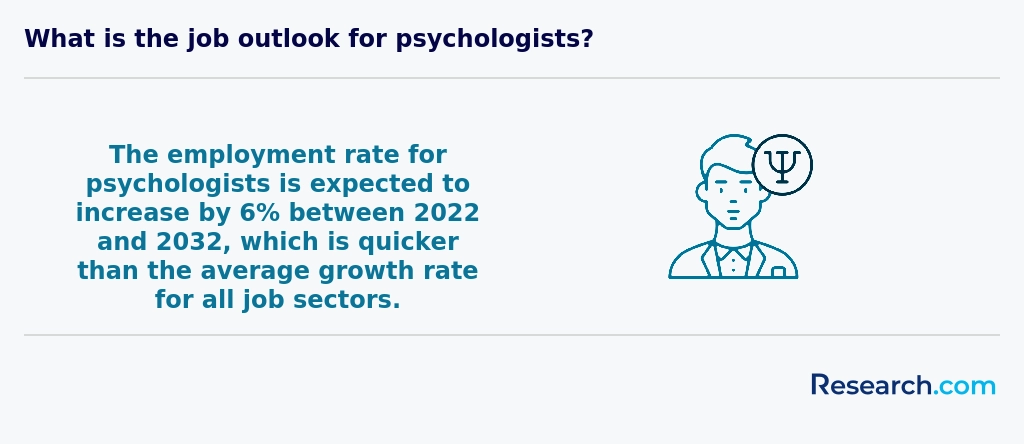
Psychology careers hold significant value worldwide, but the U.S. remains a crucial hub for training and research. Bloomington, home to respected universities, connects students to global psychological practices while addressing local community needs. According to the U.S. Bureau of Labor Statistics, psychology job growth is projected at 8% from 2022 to 2032, indicating steady demand.
Globally, psychology professionals face varying licensing requirements, but U.S. degrees, including those from Bloomington institutions, are widely recognized. Graduates can engage in diverse fields such as clinical psychology, counseling, research, and organizational psychology, often influencing international mental health strategies.
This international relevance makes psychology an appealing career choice for Bloomington students aiming to work both locally and abroad.
Gaining practical experience while studying for a psychology degree in Bloomington is essential for career readiness. Many universities, including Indiana University Bloomington, offer research assistant positions where students can work directly with faculty on ongoing psychology studies. According to the Indiana University Psychology Department, over 60% of undergraduates participate in hands-on research projects before graduation.
Internships are another valuable option. Local mental health clinics, schools, and social service agencies often provide internships tailored for psychology students. These placements help develop clinical and counseling skills in real-world settings.
Additionally, Bloomington hosts psychology-related organizations and community programs that welcome student volunteers, offering opportunities to observe and engage in psychological services and outreach.
Choosing the right concentration within a psychology degree program in Bloomington begins with understanding your career goals and interests. Psychology concentrations commonly include clinical, cognitive, developmental, and industrial-organizational tracks. Research from the Indiana Commission for Higher Education highlights that Bloomington-based students pursuing psychology often favor clinical psychology due to strong local healthcare industry connections.
Consider the program's faculty expertise and research opportunities. Indiana University Bloomington, for example, is known for robust research in behavioral neuroscience and clinical psychology.
Additionally, evaluate internship and practicum options available through local institutions, as hands-on experience is crucial for licensure and employment.
Review labor market data from the Bureau of Labor Statistics indicating that clinical and counseling psychology roles are expected to grow faster than average in Indiana through 2030.
- 2027 Most Valuable Psychology Degree Programs Ranking in Cincinnati
- 2027 Most Valuable Psychology Degree Programs Ranking in Columbus
- 2027 Most Valuable Psychology Degree Programs Ranking in Saint Louis
- 2027 Most Valuable Psychology Degree Programs Ranking in Detroit
- 2027 Most Valuable Psychology Degree Programs Ranking in Cleveland
- 2027 Most Valuable Psychology Degree Programs Ranking in Pittsburgh
- 2027 Most Valuable Psychology Degree Programs Ranking in Birmingham
- 2027 Most Valuable Psychology Degree Programs Ranking in Springfield
- 2027 Most Valuable Psychology Degree Programs Ranking in Charlotte
- 2027 Most Valuable Psychology Degree Programs Ranking in Greensboro
See What Experts Have To Say About Studying Psychology
Read our interview with Psychology experts

Joann Farrell Quinn, Ph.D., MBA
Psychology Expert
Director at the College of Medicine Department of Medical Education
Morsani College of Medicine

Robin M. Kowalski. Ph.D.
Psychology Expert
Professor of Psychology
Clemson University

Elizabeth L. Jeglic Ph.D.
Psychology Expert
Professor of Psychology
City University of New York

- Professional Networking For Psychologists | Psychology.org https://www.psychology.org/resources/professional-networking/
- What Can You Do With a Psychology Degree? Careers, Paths, and What to Study https://www.griffith.ie/knowledge/what-can-you-do-with-a-psychology-degree-careers-paths-and-what-to-study
- A Guide to Psychology Internships | Psychology Degree Guide https://psychologydegreeguide.org/resources/internships/
- Psychology Placement Opportunities for Year 12 Students https://studymind.co.uk/ucas-guide/year-12-guide-to-gaining-psychology-work-experience/
- Financial Aid for Psychology Students https://www.onlinepsychologydegrees.com/financial-aid/
- Ontario Psychological Association - Networking and Community Resources https://www.psych.on.ca/become-a-member-(1)/member-services/networking-and-community-resources
- Sample letters in psychology https://www.mystudies.com/en-in/human-and-social-sciences/psychology/letter-model/
- Unveiling IU Bloomington Tuition: Costs, Aid & More https://w3.framtida.no/framtida-news/unveiling-iu-bloomington-tuition-costs-aid-and-more-1764798126
- Society for the Teaching of Psychology https://teachpsych.org/page-1784686/8675326
- Have You Found a Niche? https://www.apaservices.org/practice/business/marketing/building/niche