2027 Most Affordable Online Master's in Psychology Degree Programs Ranking in California

Co-Founder and Chief Data Scientist
If you're considering advancing your career in psychology, choosing the right online master's program is crucial. This article presents the 2027 Most Affordable Online Master's in Psychology Degree Programs Ranking in California, developed by the Research.com team of data scientists to help you find quality programs that fit your budget.
Reading through this ranking will guide you toward informed decisions and open doors to rewarding opportunities in psychology. Earning your degree online offers flexibility and access to knowledgeable faculty, making your educational journey both practical and inspiring.
Key benefits of getting online psychology degree in California
- Psychology graduates in California can earn competitive salaries, such as School Psychologists making around $91,990 annually and Industrial-Organizational Psychologists earning approximately $154,380 per year.
- Graduates from popular California universities often pursue careers in counseling, therapy, or organizational psychology, offering diverse opportunities to make a real difference in people's lives.
- Completing an online psychology degree provides flexibility and convenience, allowing students to balance work and study while gaining respected credentials from well-known institutions.
- 2027 Most Affordable Online Master's in Psychology Degree Programs Ranking in California
- What can I expect from online psychology degree in California?
- Where can I work with online psychology degree in California?
What can I expect from online psychology degree in California?
The average cost of an online psychology degree in California can vary quite a bit depending on the school you choose. For example, graduates from well-known schools like California State University often mention spending around $7,000 to $15,000 per year for tuition when studying online. On the other hand, online programs at private universities like the University of Southern California might be a bit pricier, sometimes reaching $20,000 or more annually.
Many students share that despite these costs, the flexibility and quality of education make it worth every penny-especially since you can balance studies with work or family life. Plus, with options like Cal Grant financial aid, some grads felt more confident managing expenses. It's common to hear how the investment felt manageable and exciting when seeing the program align with California's licensing and career growth paths.
Overall, the process feels pretty straightforward and tailored for California residents who want reputable training without needing to relocate or pause their daily hustle.
Where can I work with online psychology degree in California?
Graduates with an online psychology degree from California schools like UCLA or San Diego State often land jobs in healthcare, schools, or community programs where they actually get to make a difference. Many start as behavioral health techs or case managers, helping people navigate their mental health journeys alongside licensed pros. It's pretty rewarding to see real progress with clients in these roles.
For those aiming higher, say licensing as a psychologist, things get a bit more intense-supervised hours and passing state exams are part of the path. But once you're licensed, you could open a private practice or work at a hospital or rehab center. Graduates from reputable programs say it feels amazing to build their own client base or work in bustling mental health clinics.
Not everyone wants the clinical grind, though. Some grads take their skills into HR departments or market research in companies around Silicon Valley, using psychology to understand consumer habits or boost employee well-being. It's exciting how diverse your options really are with that Cali online degree.
If you're studying an online psychology degree in California, you're looking at some pretty solid earning potential, especially compared to the national average. Graduates from popular schools like UCLA or San Diego State often land jobs that pay well. For example, if you become a school psychologist, you're likely to make around $91,990 a year, which breaks down to about $44 an hour-pretty decent for helping students thrive.
Other common roles grads dive into include mental health counseling or marriage and family therapy. Mental health counselors pull in about $60,080 annually, while marriage and family therapists earn a bit more, around $68,730. So, if you're passionate about guiding families or supporting individuals, those paychecks reflect meaningful work.
Then there's industrial-organizational psychology-perfect if you're into boosting workplace dynamics. Graduates working in this field can expect to make a whopping $154,380 a year on average in California, which is fantastic for an online degree holder.
Even rehabilitation counselors, often starting out with a bachelor's or master's, can expect decent pay, around $48,430 annually. Overall, California grads are in a great spot to turn their online degree into a rewarding career with competitive salaries.
- Online psychology degrees in California cover foundational subjects like cognitive and developmental psychology, matching on-campus curricula.
- Annual tuition for bachelor's degrees ranges from $6,000 to over $30,000, depending on public or private institutions and residency.
- Master's degree programs cost approximately $10,000 to $25,000 per year for online studies.
- The average psychologist salary in California was about $107,000 in 2023, with entry-level roles paying between $50,000 and $70,000.
- Psychologist job openings in California are expected to grow by 18% by 2030, driven by demand in mental health services.
- Licensing requires completing education, supervised hours, and exams, with many online programs supporting these through APA accreditation and local practicum arrangements.
If you're wondering how long it takes to finish an online psychology degree in California, it really depends on the degree level and your pace. For example, bachelor's degrees usually take about four years if you're going full-time. Most programs at places like California State University or the University of Southern California need around 120 to 130 credits, mixing general classes with psychology courses.
Some grads share how their online master's took about two to three years, especially in programs at Cal State Fullerton, but others sped things up with accelerated options finishing in 18 months. These flexible paths are perfect if you're juggling work or family.
Doctoral degrees, like a PhD or PsyD, take longer-usually 4 to 7 years-because of research projects and clinical work, even if part is online. Plenty of students appreciate the freedom to study part-time here in California, making it easier to balance life while chasing their psychology goals.
Understanding accreditation and state licensure is crucial when selecting an online psychology program in California. Regional accreditation by agencies such as the WASC Senior College and University Commission (WSCUC) ensures that your degree meets rigorous academic standards, while programmatic accreditation-especially from the American Psychological Association (APA)-is essential if you plan to pursue clinical practice. Aspiring clinicians should verify that their master’s program aligns with the California Board of Behavioral Sciences (BBS) education requirements, including specific coursework in ethics, assessment, and supervised practicum hours. To practice as a licensed psychologist or therapist in California, graduates must complete a master’s or doctoral degree from an APA-accredited institution, accumulate supervised experience (typically 3,000 hours), and pass the national Examination for Professional Practice in Psychology (EPPP). For those targeting a doctoral path, exploring the best clinical psychology psyd programs can help ensure your training meets both licensure and accreditation standards. Additionally, confirm whether the program offers support with internship placement, supervisor matching, and exam preparation, as these services significantly impact your readiness for licensure. By prioritizing both regional and APA accreditation, and by mapping program requirements to California’s licensure statutes, you safeguard your investment and streamline your path to professional practice. This diligence not only enhances your employability but also reinforces your credibility as a trained psychology professional.
If you're thinking about studying psychology in California, the biggest difference between online and on-campus programs is how and where you learn. Online students, like those from big names such as California State University, enjoy the freedom to watch lectures and do assignments whenever their schedule allows-perfect if you're working or have family commitments. On the flip side, on-campus students get that buzzing college vibe, joining classes and group discussions face-to-face, which some find super motivating and fun.
Another real perk on campus is the easy access to libraries, counseling centers, and labs. Graduates often say these hands-on experiences helped them connect more deeply with the subject and classmates. For clinical training, students at schools like UC Berkeley have local internship options overseen by professors, while online learners have to coordinate their own fieldwork, which can be a bit of a juggling act but offers flexibility.
Costs can vary too. On-campus tuition at places like San Diego State runs around $7,000 to $15,000 yearly for in-state students. Online programs might chip in extra tech fees but save you money on commuting and housing. Plus, both paths lead to accreditation that employers respect, so it's really about what fits your lifestyle best.
Choosing an accredited program is the first critical step toward eligibility for licensure in California. Prospective students should look for regional accreditation by bodies like the WASC Senior College and University Commission (WSCUC) and programmatic accreditation from the American Psychological Association (APA) for clinical or counseling psychology tracks. Graduating from an APA-accredited online master’s program ensures you meet the educational standards required by the California Board of Psychology or the Board of Behavioral Sciences for marriage and family therapists (LMFT) and Licensed Professional Clinical Counselors (LPCC). In addition to a degree from an accredited institution, California requires master’s graduates to complete a specified number of supervised professional hours-typically 3,000 for LPCC licensure-and pass the Examination for Professional Practice in Psychology (EPPP) or the California Law and Ethics Exam. Many online programs embed practicum placements or internship coordination to streamline this process, partnering with community clinics, schools, and telehealth platforms across the state. Confirm that your program offers clear pathways to arrange supervised clinical experience and provides exam preparation support. Understanding how your master’s specialization aligns with state credentials is also essential. For example, if you’re considering advanced roles in school settings, you may wish to explore [what can you do with a masters in educational psychology](https://research.com/degrees/masters-in-educational-psychology-degree) to see how additional credentials and certifications-such as a Pupil Personnel Services (PPS) credential-can expand your practice options and ensure compliance with California’s education code. Aligning your program choice with licensure requirements from the outset will accelerate your transition from graduation to a fully licensed practice.
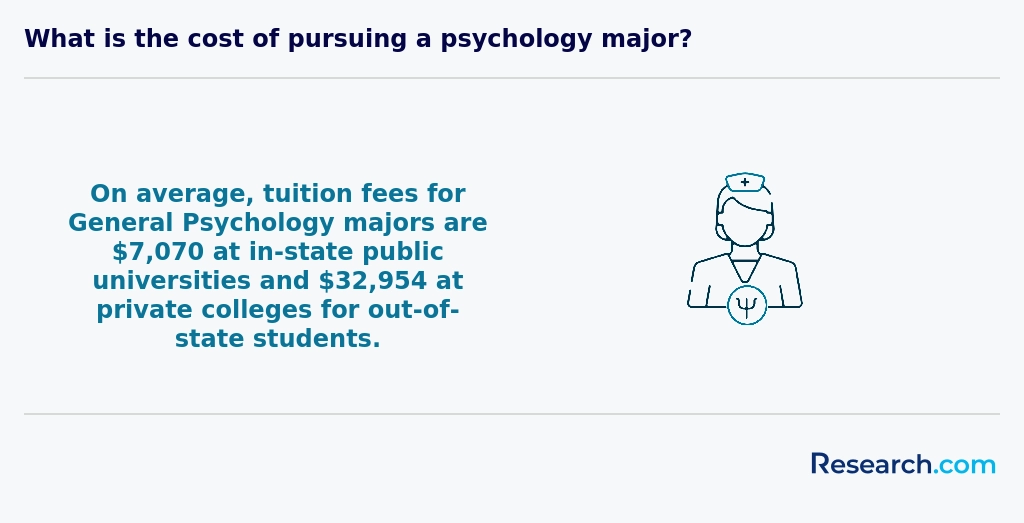
If you're curious about the average cost of an online psychology degree in California, you'll find it's pretty reasonable compared to other states. Generally, graduate programs in the California State University system run between $7,000 and $9,000 per year for residents. Many students pursuing online psychology degrees from CSU campuses appreciate how affordable it is without sacrificing quality. One graduate shared how this pricing made it possible to balance work and study without piling on debt.
Private universities in California, of course, tend to be pricier, often charging between $15,000 and $30,000+ annually. But some students feel the extra investment pays off with specialized programs and extra resources that can really boost their learning and career prospects. When you factor tuition by credit hours, public schools tend to cost around $300 to $600 per credit, while private institutions may charge $800 to $1,200 per credit.
Many folks looking for an affordable online master's in psychology California options often start with public universities before considering private ones. It's also worth remembering that additional expenses like textbooks, tech fees, or online exam proctoring can add to the total, but financial aid and scholarships are often available. For anyone wondering about what comes next, they sometimes explore master's degree in psychology career options early on to motivate their studies.
- California State University system: approximately $7,000-$9,000 per year for resident graduate students
- Private universities: often $15,000 to $30,000+ annually
- Cost per credit hour: $300-$600 (public), $800-$1,200 (private)

After completing an accredited online master’s in psychology, many graduates pursue licensure as a Licensed Professional Clinical Counselor (LPCC). Key steps include:
- Complete a master’s degree from a regionally accredited institution
- Register as an Associate Professional Clinical Counselor (APCC) with the California Board of Behavioral Sciences (BBS)
- Accrue 3,000 hours of supervised post-degree clinical experience
- Pass the California Law and Ethics Exam and the National Clinical Mental Health Counseling Examination (NCMHCE)
- Apply for LPCC licensure upon meeting education, experience, and examination requirements
To practice as a licensed psychologist, a doctoral degree is required; consider exploring psyd programs for doctoral pathways.
If you're thinking about an online psychology degree in California, you'll be happy to know there are plenty of ways to ease the financial burden. Plenty of students at schools like California State University or UCLA have snagged federal aid through FAFSA, unlocking grants, loans, and work-study options. Even though Pell Grants usually focus on undergrads, some grad students in psychology have had good luck finding exceptions.
State aid offers extra help too - many grads at universities across California rely on Cal Grants or the California Dream Act if they're eligible. It's a win for residents and undocumented students alike.
Then there's institutional aid. Scholarships or assistantships based on merit or need have been lifesavers for online learners juggling families or jobs. A lot of grads mention how the financial aid office was super helpful guiding them through options.
Plus, professional groups like the American Psychological Association often award scholarships that feel tailor-made for psychology fans.
And if you're already working in mental health, employer tuition assistance can really take the edge off. Many grads say it's like a financial boost that keeps their studies doable and exciting.
When selecting an online psychology degree program in California, it's essential to consider several key factors that can impact your academic and professional journey. For instance, accreditation is crucial, as it can affect financial aid, licensure, and employment opportunities. The program's curriculum and whether it provides practical experience, such as internships or practicums, is also important, as it can prepare you for the job market. Additionally, the availability of specializations or concentrations within the psychology field, such as clinical psychology or cognitive science, can help you tailor your education to your specific interests and career aspirations. Many students have reported that their decision to enter the workforce or attend graduate school was influenced by experiences, relationships, uncertainty, and self-knowledge. By considering these factors and reflecting on your own experiences and goals, you can make an informed decision and choose an online psychology degree program that aligns with your interests and career aspirations. For those interested in exploring affordable psychology schools in California, there are many options available that can provide a high-quality education at a lower cost.
If you're thinking about enrolling in an online psychology degree in California, the main thing you'll need is a bachelor's degree-usually from an accredited school. It doesn't always have to be in psychology, but a solid foundation in courses like intro to psych, statistics, and research methods definitely helps. Graduates from popular schools like California State University have often shared that having these basics made the jump to graduate-level stuff way smoother.
Besides the degree, schools usually look for a GPA around 3.0 or higher. Some students recalled having to submit GRE scores, but many online programs in California are moving away from that requirement to keep things flexible and accessible. You'll also want to prepare a strong personal statement and snag a couple of recommendation letters-those really show your passion and readiness.
For certain clinical or licensing-focused online programs, some professional experience in areas like mental health or social services can be a game changer. Students from UC campuses sometimes mention how that practical background made their coursework feel real and rewarding.

Accreditation is the cornerstone of any reputable online Master’s in Psychology program in California, affecting everything from financial aid eligibility to professional licensure. Prospective students should verify that their institution holds regional accreditation from agencies recognized by the U.S. Department of Education and, for clinical tracks, programmatic accreditation from the American Psychological Association (APA). Programs lacking these credentials may not meet the educational standards required by the California Board of Psychology, potentially delaying or disqualifying graduates from licensure. To confirm accreditation status, visit the U.S. Department of Education’s Database of Accredited Postsecondary Institutions and Programs (DAPIP) or the APA’s official directory of accredited doctoral program options. For those beginning their journey at the undergraduate level, our Affordable Online Bachelor's in Psychology Degree Programs ranking provides a vetted list of regionally accredited schools that seamlessly articulate into California’s top online master’s programs. After graduating from an accredited master’s program, aspiring psychologists must complete 3,000 hours of supervised professional experience, pass the Examination for Professional Practice in Psychology (EPPP), and fulfill any additional state-specific requirements. Staying informed about evolving licensure regulations-such as proposed changes to supervised hours or continuing education mandates-is critical for a smooth transition from student to licensed practitioner in California’s dynamic mental health landscape.
If you're diving into an online psychology degree in California, expect to cover some core classes that really lay the groundwork for understanding human behavior and the mind. Most grads from well-known schools like UCLA Extension or CSU East Bay rave about starting with Introduction to Psychology, where you get a solid overview-from why we do what we do to different psychological theories.
Then, students often jump into more hands-on stuff like Research Methods in Psychology and Statistics for Behavioral Sciences. These classes help you learn how to collect and analyze data, which is super useful whether you're going for grad school or a job in research. Many California online programs really stress these skills since psychology is all about evidence-based approaches.
Courses like biological psychology or neuroscience give you the "aha!" moments about how brain function connects to behavior. Other favorites include Social Psychology and Developmental Psychology, which feel very relevant if you're into counseling or working with kids and adults.
Plus, you'll usually get to pick from cool electives such as Abnormal Psychology, Cognitive Psychology, and even therapeutic techniques. Graduates say these courses helped them connect theory to real-life vibes, like understanding a friend's mental health struggles or navigating social dynamics at work.

If you're exploring an online psychology degree in California, you'll find a bunch of specializations designed to fit different career vibes. For instance, Clinical Psychology is a favorite for grads at big-name schools like UCLA or San Diego State because it gears you up for hands-on work diagnosing and treating mental health issues. Graduates love how it opens doors to licensing and solid gigs with good pay.
Other popular paths include Counseling Psychology, perfect if you want to help folks through tough times, and Industrial-Organizational Psychology, which is cool if you're into making workplaces better and boosting productivity. Schools like California State University offer these options online, and grads often talk about how these programs fit their busy lives. Some also dive into Health Psychology or even Forensic Psychology, which ties into legal work - a neat niche in California's vast legal system.
Many students appreciate how flexible these online degrees are, especially professionals who want to balance work and school. Plus, if you're curious about meeting state requirements, some programs cover practicum needs, and you might find info on psychology experience hours arizona useful for comparison. These specializations truly make it easier to find a perfect match with interests and career goals.
When picking the best online psychology degree programs California offers, it really boils down to a few key things. First off, make sure the school is accredited by trusted agencies like WASC or APA. Graduates who went this route often mention how confident they felt knowing their degree was well-recognized by employers and licensing boards.
Think about what specialty excites you because psychology's a big field. Some programs at popular California schools offer tracks in clinical, counseling, or even industrial-organizational psychology. Knowing your focus makes a huge difference when it comes to job prospects.
Cost matters too! Many grads share how affordable online options at public California universities helped them avoid crushing debt, especially compared to pricier private schools. Remember to budget for extra fees and textbooks.
Flexibility is a game changer. Working professionals frequently praise programs with asynchronous classes that let you study anytime. Plus, great online psychology degrees in California often come with strong support services.
If licensing is your goal, check that the program meets California's requirements so you're all set for your career.
For some insight, talk to people who've completed degrees at top California institutions. Their experiences show how crucial faculty expertise and research opportunities are-plus, you might find connections through community partnerships.
Also, if you're curious about another nearby region, look into online psychology programs in Nevada for comparison.
Graduates with an online psychology degree in California find a bunch of exciting career options waiting for them. Many jump into becoming licensed therapists or counselors, especially as LMFTs or LPCCs, which means diving into master's programs and getting that crucial supervised clinical experience. Folks coming out of places like UCLA or San Diego State really appreciate the hands-on training, which is key to success in these roles. The job growth for clinical and counseling psychologists in California is strong-around 13% projected growth-so there's a real demand for these skills.
Others love using their degree in social services or case management, where understanding people is everything. Some graduates pursue roles as school psychologists, supporting kids' mental health, though that usually means additional certification. If you're into research, California universities and health orgs offer cool spots but often need advanced degrees like a PhD.
Anyone wondering about career opportunities with California online psychology degree programs can also explore HR or public health careers. And for more on qualifications, check out psychology degree qualifications.

The job market for online psychology degree graduates in California is buzzing with opportunities, especially in areas like clinical psychology, counseling, and behavioral health. Many grads from well-known universities in the state find roles as psychological assistants or behavioral health counselors, often working in schools, healthcare centers, or social service agencies. For example, a graduate from a popular psychology program at a California university shared how their online master's opened doors to flexible telehealth counseling roles that fit their busy life.
California's need for mental health pros is growing fast, with the Employment Development Department projecting a 15% employment increase for psychologists through 2032. This means solid career prospects if you're pursuing an online psychology degree job prospects California offers, especially as more people seek mental health support.
Many grads enjoy competitive salaries ranging generally from $90,000 to over $130,000, though metropolitan areas like Los Angeles and San Francisco often pay more but come with a higher cost of living. Of course, certification and state licensure matter a lot - many master's grads become Licensed Clinical Social Workers or Licensed Professional Clinical Counselors.
With tuition for online psychology master's programs in California averaging between $20,000 and $60,000, it's no surprise more professionals are choosing digital classrooms. If you want to explore affordable options, check out this list of affordable psychology schools in California.
2027 Most Affordable Online Master's in Psychology Degree Programs Ranking in California
Investing in your education is a significant decision that can shape your future, and the Research.com team understands the importance of making informed choices. To assist prospective students in California, we have meticulously crafted the "2027 Most Affordable Online Master's in Psychology Degree Programs Ranking in California." Our commitment to quality, credibility, and accuracy is reflected in the extensive research and analysis conducted to compile this ranking.
We utilized the following reputable data sources to ensure a comprehensive evaluation of psychology programs:
By exploring this ranking, readers will gain valuable insights into the most affordable and high-quality online master's programs in psychology in California, helping them make informed decisions about their educational journey. For more details on our methodology, please visit our Research.com methodology page.



# 4 position
Sofia University
Master of Transpersonal Psychology

# 5 position
Saybrook University
Master of Psychology

Frequently Asked Questions About psychology
Students pursuing online psychology degrees in California can maximize their learning by actively engaging with coursework and using available resources. California is home to many accredited universities offering online psychology programs, ensuring quality education aligned with state licensure requirements. According to the California Board of Psychology, students should prioritize courses that meet licensing prerequisites if they intend to become licensed psychologists.
Networking is important; students should join online study groups or psychology associations, such as the California Psychological Association, to connect with peers and professionals. Additionally, utilizing digital libraries and participating in virtual internships can provide practical experience that enhances theoretical knowledge.
Keeping up with California's specific mental health laws and ethics, often integrated into coursework, will prepare students for local practice environments. Consistent communication with faculty and advisors helps clarify program expectations and career pathways.
The field of psychology is evolving rapidly, with several emerging niches gaining attention, especially in California. One notable area is neuropsychology, which explores the relationship between brain function and behavior. Demand for neuropsychologists is growing, particularly in medical centers and rehabilitation facilities across the state.
Another expanding niche is health psychology, focusing on how mental health affects physical well-being. California's diverse population increases the need for professionals who understand cultural influences on health behaviors.
Technological advances have also spurred growth in telepsychology, making mental health services more accessible statewide. According to the California Board of Psychology, demand for telehealth providers surged by over 40% since 2020.
Finally, industrial-organizational psychology is rising in importance due to California's large tech and business sectors, with employers seeking experts to improve workplace productivity and employee well-being.
After earning an online psychology degree in California, preparing for the job market requires strategic steps. First, students should pursue internships or practicum experiences to gain hands-on skills. The California Board of Psychology mandates supervised hours for licensure, so early field experience is valuable.
Networking is essential. Joining organizations like the California Psychological Association can provide connections and job leads. According to the U.S. Bureau of Labor Statistics, California employs over 27,000 psychologists, with growth projected at 14% through 2031, signaling strong demand.
Obtaining relevant certifications or continuing education enhances employability. Lastly, tailoring resumes and practicing interview skills focused on psychology roles in hospitals, schools, or private practice can improve job prospects significantly.
Employers in California highly value specific skills in psychology degree graduates, particularly those that align with real-world applications. Critical thinking and strong analytical skills are essential, as they enable graduates to assess complex psychological data effectively. Communication skills, both written and verbal, are also crucial for working with clients and interdisciplinary teams.
Additionally, proficiency in research methods and statistical analysis is important, reflecting the data-driven nature of psychology. According to the California Board of Psychology, practical experience through internships or applied projects significantly enhances employability.
Understanding ethical standards and cultural competence is vital in diverse California communities.
Finding internships in California relevant to a psychology degree involves strategic research and networking. Many online psychology programs require or recommend internships for practical experience. Students should begin by exploring California's licensed institutions and clinics, such as those listed with the California Board of Psychology.
Universities often have established partnerships with local healthcare facilities, schools, and community organizations that provide psychology internships. Additionally, students may consult the California Psychological Association's internship resources for opportunities.
Due to California's diverse population, placements in various settings like hospitals, nonprofit organizations, or schools offer valuable hands-on experience in behavioral health. Starting early and utilizing university career services increases the likelihood of securing a position aligned with career goals.
An online psychology degree in California can significantly enhance career mobility and advancement by providing flexible learning tailored to working professionals. The state's diverse job market for psychologists, including healthcare, education, and business sectors, offers multiple pathways. According to the California Employment Development Department, employment for psychologists is projected to grow by 10% from 2022 to 2032, faster than the average for all occupations.
Holding a master's degree, often attainable online, qualifies graduates for higher-paying roles, such as licensed therapists or counselors. California's licensing board requires specific accredited coursework, which many online programs meet, facilitating credential attainment essential for career growth. Additionally, online degrees from accredited institutions provide networking opportunities and access to California-specific practicum placements, supporting advancement within the state's competitive job environment.
Studying for an online psychology degree in California equips students with skills relevant to interdisciplinary roles by integrating knowledge from diverse fields such as sociology, neuroscience, and education. California universities often emphasize collaborative learning and practical applications, helping students understand psychological principles within various professional settings.
California's workforce demands professionals who can bridge psychology with healthcare, social services, and business. According to the California Labor Market report, psychology-related jobs are expected to grow by 13% through 2030, especially in multidisciplinary teams.
Online programs also enhance digital communication and research skills, critical for roles involving technology and behavioral science. This prepares graduates for careers beyond traditional counseling or therapy, including human factors, organizational development, and public health.
When choosing between a thesis and a non-thesis psychology degree program in California, consider your career goals and learning preferences. Thesis programs focus on original research and typically prepare students for doctoral studies or research-oriented roles. Non-thesis options emphasize coursework and practical skills, ideal for those seeking clinical work or professional advancement without intense research.
California universities align with national trends, where roughly 40% of online psychology master's students select thesis tracks, according to the National Center for Education Statistics. Additionally, the California Psychological Association notes that research experience can enhance licensure prospects and job competitiveness.
Prospective students should also evaluate program length and workload; thesis routes often require additional semesters. Cost differences between tracks may vary by institution. Reviewing detailed curriculum and faculty research interests helps inform the best fit for your academic and professional objectives.
Students in California interested in studying psychology abroad have several pathways, even while pursuing an online degree from home. Many U.S. institutions with psychology programs offer partnerships with foreign universities, allowing credits to transfer and providing access to international courses. California residents can also enroll directly in accredited online psychology programs offered by foreign universities, though they should verify whether these degrees are recognized by U.S. licensing boards.
According to the California Board of Psychology, degrees must meet specific accreditation standards for licensure in the state. The American Psychological Association (APA) accredits many U.S. programs, which helps ensure transferability.
Options range from joint international degrees to summer abroad experiences integrated into online studies, providing valuable global perspectives.
Part-time job opportunities in California that complement psychology degree education often include roles in mental health support, research assistance, and educational services. For example, many psychology students find employment as behavioral health technicians or mental health aides, supporting licensed clinicians in outpatient clinics or community health agencies. These roles provide practical experience aligned with the state's growing demand for mental health services, as reported by the California Department of Health Care Services.
Additionally, universities and research institutes in California frequently offer part-time research assistant positions, allowing students to engage directly with psychological studies. This experience deepens understanding of experimental design and data analysis.
Some students also take roles in academic tutoring or peer counseling programs, which enhance communication skills essential for psychology careers. According to the Bureau of Labor Statistics, California's psychology-related fields are expanding, so gaining relevant work experience early can be highly beneficial.
Online psychology students in California have several networking opportunities to enhance their professional growth. Many accredited programs offer virtual networking events, including webinars, guest lectures, and student discussion forums. These platforms allow students to connect with professors, alumni, and peers statewide.
Additionally, students can join professional organizations such as the California Psychological Association (CPA), which hosts conferences and workshops open to online learners. CPA membership provides access to local chapters, career resources, and mentorship programs tailored for psychology students in California.
According to the Bureau of Labor Statistics, California employs over 29,000 psychologists, making it one of the largest markets for psychology professionals nationwide. Online students benefit from proximity to this vibrant professional community, further supported by internships and practicum placements arranged through their schools.
Alumni networks play a significant role in supporting online psychology degree students in California. These networks provide access to professional connections, which can be crucial when seeking internships, research opportunities, or employment in a competitive field.
California has one of the largest psychology job markets in the U.S., with the Bureau of Labor Statistics reporting over 45,000 practicing psychologists statewide as of 2023. Alumni networks facilitate mentorship, helping students navigate specific local licensing requirements governed by the California Board of Psychology.
Strong alumni communities often host events, webinars, and workshops, fostering continuous learning and collaboration. This ongoing engagement is valuable for remote learners, reducing isolation and enhancing career development.
California offers a variety of ways to customize an online psychology degree to align with your career goals. Many programs allow students to choose electives focused on specialized areas like clinical psychology, counseling, or organizational psychology. This flexibility helps tailor your education to specific interests.
Additionally, some schools provide options for concentrations or certificate tracks within the psychology master's programs. These can include topics such as child psychology or neuropsychology, allowing you to deepen expertise relevant to your professional path.
Internship opportunities and practicum placements, often available through partnerships within California, enable practical experience essential for licensure and employment.
It is important to ensure your chosen program is regionally accredited and meets California Board of Psychology requirements if licensure is a goal (California Board of Psychology, 2024).
Online psychology students in California often face challenges related to maintaining motivation and time management in a virtual learning environment. Without traditional classroom settings, it can be difficult to stay engaged and disciplined, especially when juggling work or family commitments. According to a 2023 report by the California Department of Education, nearly 40% of online students cited balancing personal and academic responsibilities as their main hurdle.
Another common issue is limited access to in-person practica or internships, which are crucial in psychology training. Students may struggle to find local placements that meet accreditation requirements.
Technical difficulties and feelings of isolation also affect many, as online courses demand reliable internet and strong self-directed study skills.
With an online psychology degree in California, graduates can pursue various professional certifications to enhance their careers. One key certification is the Licensed Professional Clinical Counselor (LPCC), which requires a master's degree, supervised hours, and passing the California Law and Ethics exam.
Another option is becoming a Registered Psychological Assistant, allowing those with a master's degree to work under supervision while gaining hours toward a psychologist license. California also offers certifications for school psychologists and behavior analysts.
According to the California Board of Behavioral Sciences, LPCC demand has grown notably, reflecting the state's high need for mental health professionals. These certifications can lead to increased job opportunities and earning potential for graduates.
When applying to an online psychology program in California, start by thoroughly researching the program's requirements. Many accredited California schools require a bachelor's degree, transcripts, letters of recommendation, and a personal statement. Highlight your motivation for studying psychology online and your career goals. According to the California Psychological Association, emphasizing relevant experience and a clear understanding of online learning benefits strengthens your application.
Next, ensure your personal statement is well-organized, concise, and tailored to the specific program. Mention any research or volunteer work related to psychology in California if applicable. Finally, follow all application instructions carefully to avoid delays or disqualification.
The field of psychology holds a significant global presence, with diverse career opportunities across countries. In the United States, psychology careers are among the fastest growing, and California reflects this trend with strong demand for mental health professionals. According to the U.S. Bureau of Labor Statistics, employment for psychologists is expected to grow 8% from 2021 to 2031, faster than the average for all occupations.
Internationally, psychology professionals often need to meet country-specific licensure requirements, which vary widely. However, foundational knowledge gained from U.S.-accredited programs, including online degrees, is well respected worldwide. California especially supports accessible psychology education, enabling students to pursue careers that may also lead to global opportunities.
Gaining practical experience while pursuing an online psychology degree in California is essential for career readiness. Many programs require or recommend internships, which students can complete at local hospitals, clinics, schools, or community organizations. California's diverse population offers unique opportunities for applied learning across various settings.
Students can also seek volunteer positions related to mental health through nonprofit organizations or support groups. These roles help develop counseling and research skills.
Additionally, some universities partner with agencies to provide virtual practicum placements, accommodating distance learners.
According to the California Board of Psychology, supervised hours are critical for licensure, making practical experience a necessary component of education.
Choosing the right concentration within an online psychology degree in California requires careful consideration of your career goals and interests. Popular concentrations include clinical psychology, counseling, educational psychology, and industrial-organizational psychology. Each prepares you for different roles and certifications.
California has over 145 licensed psychologists per 100,000 residents, indicating strong demand, especially in clinical and counseling fields (California Board of Psychology, 2023). If you aim to become a licensed therapist, prioritize concentrations aligned with state licensure requirements.
Consider program curriculum, faculty expertise, and alignment with California's professional standards. Research course offerings to ensure they cover skills needed in your preferred specialization, such as assessment, therapy techniques, or organizational behavior.
- 2027 Most Affordable Online Master's in Psychology Degree Programs Ranking in Texas
- 2027 Most Affordable Online Master's in Psychology Degree Programs Ranking in Kansas
- 2027 Most Affordable Online Master's in Psychology Degree Programs Ranking in Missouri
- 2027 Most Affordable Online Master's in Psychology Degree Programs Ranking in Indiana
- 2027 Most Affordable Online Master's in Psychology Degree Programs Ranking in Alabama
- 2027 Most Affordable Online Master's in Psychology Degree Programs Ranking in Florida
- 2027 Most Affordable Online Master's in Psychology Degree Programs Ranking in Ohio
- 2027 Most Affordable Online Master's in Psychology Degree Programs Ranking in Virginia
- 2027 Most Affordable Online Master's in Psychology Degree Programs Ranking in Pennsylvania
- 2027 Most Affordable Online Master's in Psychology Degree Programs Ranking in New York
See What Experts Have To Say About Studying Psychology
Read our interview with Psychology experts

Catherine Caldwell-Harris, Ph.D.
Psychology Expert
Associate Professor of Psychology
Boston University

Robin M. Kowalski. Ph.D.
Psychology Expert
Professor of Psychology
Clemson University

Elizabeth L. Jeglic Ph.D.
Psychology Expert
Professor of Psychology
City University of New York

- Bachelor of Arts (BA) in Psychology Degree Program https://www.calsouthern.edu/online-degree-programs/behavioral-sciences/bachelors-psychology-ba/
- Online BS Bachelor of Science in Psychology Degree Program https://www.calcoast.edu/online-bs-bachelor-of-science-in-psychology-degree.html
- Mental Health Challenges Faced by Psychology Students | The Healthcare Guys https://healthcareguys.com/2023/11/23/mental-health-challenges-faced-by-psychology-students/
- Most Affordable Online Psychology Degree Programs: School Reviews https://www.degreesforgood.org/online-degrees/psychology-programs/most-affordable/
- Online B.S. in Psychology https://www.biola.edu/degrees/o/psychology-bs
- A Guide to Psychology Internships | Psychology Degree Guide https://psychologydegreeguide.org/resources/internships/
- Call for papers https://www.hogrefe.com/us/journal/international-perspectives-in-psychology-research-practice-consultation
- Sample letters in psychology https://www.mystudies.com/en-in/human-and-social-sciences/psychology/letter-model/
- 25+ California Online Psychology Degrees: Undergrad Programs https://californiadegrees.org/mental-health/online-psychology-degrees/
- How To Find Psychology Internships https://www.psychology.org/resources/how-to-find-an-internship/