2027 Best Psychology Degree Programs Ranking in San Antonio

Co-Founder and Chief Data Scientist
If you're considering pursuing a psychology degree in San Antonio, making the right choice is essential for your future success.
This article features the 2027 Best Psychology Degree Programs Ranking in San Antonio created by the Research.com team of data scientists to help you identify programs that truly stand out.
Exploring this ranking will provide valuable insights to guide your decision, ensuring you select a program that fits your goals and passions.
Getting a psychology degree opens doors to meaningful careers, and we're here to support you in taking that exciting step forward.
Key benefits of getting psychology degree in San Antonio
- Psychology graduates in San Antonio can earn solid wages, such as $76,060 annually for Human Resources Specialists or $83,190 for Marketing Research Analysts, offering strong financial reward for their studies.
- Career options include roles like Clinical Research Associate or Survey Researcher, reflecting the diverse paths a psychology degree graduate at the University of Texas at San Antonio can pursue.
- Completing a psychology degree online, for example from Texas A&M University-San Antonio, provides flexible learning to balance work and life, accelerating career progress without relocating.
- 2027 Best Psychology Degree Programs Ranking in San Antonio
- What can I expect from psychology degree in San Antonio?
- Where can I work with psychology degree in San Antonio?
What can I expect from psychology degree in San Antonio?
Paying for a psychology degree in San Antonio often feels like navigating a map with clear landmarks-in-state tuition at public universities such as the University of Texas at San Antonio (UTSA) hovers around $10,000 per year, making it a grounded and achievable destination for many local students. Graduates frequently recall how this affordability allowed them to focus more on immersive internships and research projects with local communities rather than juggling financial stress.
Private institutions like Our Lady of the Lake University offer distinct experiences with specialized programs, though tuition can be higher, parents and students often find scholarships and grants smoothing the path. Imagine a student diving into cognitive psychology at UTSA, supported by financial aid that feels like a reassuring handshake from the city itself-encouraging exploration without burden.
These cost structures in San Antonio don't just represent dollars but the freedom to engage deeply in evolving mental health challenges unique to the region, fueling passion and practical growth without the cloud of overwhelming debt.
Where can I work with psychology degree in San Antonio?
Picture this: fresh psychology graduates from the University of Texas at San Antonio stepping confidently into bustling hospital corridors, becoming the heartbeat of mental health teams at University Health System. These grads find their days filled with meaningful moments-guiding patients through recovery as behavioral health specialists or coordinating clinical care behind the scenes. Others dive into San Antonio's public sector labyrinth, where the Texas Department of Criminal Justice taps their forensic psychology skills to help reshape lives and steer youth in juvenile justice programs toward hope.
Across town, those from St. Mary's University embody the role of compassionate school counselors or research assistants in local colleges, nurturing academic growth and emotional resilience in students who reflect their own passionate journeys.
Meanwhile, corporate offices pulse with energy as psychology grads innovate in human resources and workplace wellness, weaving behavioral insights into vibrant employee programs.
In San Antonio, the psychology degree isn't just a paper-it's a passport to diverse careers fueled by community need and a genuine thirst to understand and uplift human experience.
Graduates from psychology programs in San Antonio often discover a spectrum of earning possibilities that feel as vibrant as the city itself. Picture a recent graduate from a popular university in San Antonio stepping into a role as a Human Resources Specialist, earning around $76,060 annually. This position combines the art of understanding human behavior with practical business skills-imagine the satisfaction of shaping workplace culture while earning a solid income.
Others dive into analytical depths as Marketing Research Analysts, where the mean annual wage jumps to $83,190. Envision applying psychology knowledge to decode consumer minds, fueling local businesses, and reaping the rewards of being a strategic thinker in a growing market.
Some graduates embrace roles more directly connected to research and data, such as Clinical Research Associates or Survey Researchers, both earning about $62,370 per year. Imagine the thrill of contributing to breakthroughs in mental health studies or influencing policy through data-each dollar earned telling a story of impact.
Within the creative pulse of San Antonio's academic community, psychology alumni find their passion matched by promising salary figures, grounded in real-world demand and enriched by the city's supportive environment.
- In-state undergraduate tuition for public universities in San Antonio ranges from $9,000 to $12,000 per year, while private schools can cost over $20,000 annually.
- Graduate psychology programs in the area have tuition fees between $10,000 and $25,000 per year depending on the institution and degree level.
- Starting salaries for bachelor's degree holders in psychology are about $40,000 per year, with median salaries for advanced degree holders ranging from $65,000 to $95,000 annually.
- Job growth for psychology-related roles in San Antonio is expected to increase by around 10% over the next decade, surpassing the national average.
- Licensure for professional psychologists in Texas requires a doctoral degree, supervised experience, and passing the EPPP exam; other psychology roles have separate licensing rules.
Imagine stepping onto the vibrant campus of the University of Texas at San Antonio, where the heartbeat of psychology study pulses through lecture halls and coffee-fueled late nights. Here, most undergraduates embark on a four-year journey, weaving together 120 to 130 credits of general education and psychology courses, slowly crafting their understanding of the human mind.
Graduate students at St. Mary's University find their rhythm over roughly two years, navigating a labyrinth of advanced theories, practicums, and sometimes thesis work. It's a dance between rigorous academics and hands-on experience, stirring a deep sense of accomplishment as they balance internships with evening classes.
For the brave few chasing a doctorate within San Antonio's academic landscape, the path stretches from four to seven years-years marked by breakthroughs in research, tense moments during dissertation defenses, and the thrill of clinical rotations. Their perseverance feels almost palpable, fueled by dreams of changing lives and shaping the future of psychology.
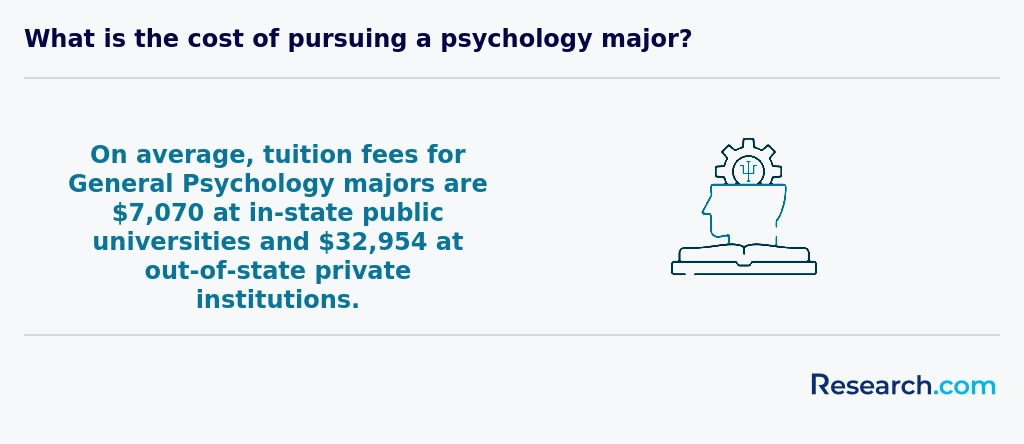
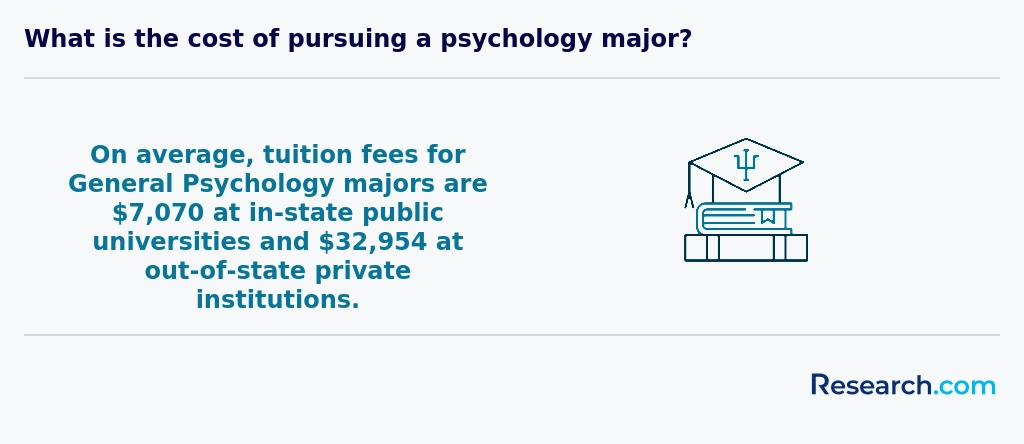
Discover the highest-rated psychology programs in San Antonio for 2024, evaluated on curriculum strength, research opportunities, clinical placements, and student satisfaction. 1. University of Texas at San Antonio (UTSA) – Accredited by the APA, UTSA offers a Bachelor of Arts in Psychology with concentrations in Clinical and Experimental Psychology. – Highlights: On-campus research labs, 600-hour practicum requirement, average in-state tuition of $7,070. – Career Prep: Dedicated internship office, 85% employment or graduate school placement within six months of graduation. 2. Texas A&M University–San Antonio (A&M–SA) – BA in Psychology emphasizing community outreach and telehealth practices. – Highlights: Online hybrid options, small cohort sizes (20:1 ratio), state grant eligibility up to $2,000 per year. – Student Feedback: “Hands-on research projects in local clinics accelerated my clinical skills.” 3. Our Lady of the Lake University (OLLU) – BA in Psychology with a Social Justice specialization. – Highlights: Service-learning partnerships with San Antonio nonprofits, 12:1 student-faculty ratio, average private tuition $32,954. – Unique Feature: Mandatory community practicum in underserved neighborhoods. 4. Trinity University – BA in Psychology known for small seminars and faculty-led research. – Highlights: 100% participation in undergraduate research, study-abroad opportunities in Mexico, average private tuition $51,230. – Career Outcomes: 90% graduate school acceptance rate for MA/PhD programs. 5. University of the Incarnate Word (UIW) – BS in Psychology focusing on cognitive neuroscience and developmental psychology. – Highlights: On-site EEG lab, dual-degree MS options, average private tuition $30,800. – Support Services: Robust mentoring program pairing freshmen with senior psychology majors. For additional insights on cost-effective psychology programs, explore our Inexpensive Psychology Degree Programs Ranking in Springfield, MO.
Picture yourself walking the vibrant halls of the University of Texas at San Antonio, where face-to-face debates spark over cognitive psychology theories and spontaneous study groups emerge outside the classroom. Graduates from these on-campus programs often talk about the electric buzz of connection-sharing ideas in real time, feeling the pulse of campus life, and hands-on lab experiences that turn abstract concepts into tangible understanding.
Now imagine a different rhythm: logging into your online platform from a cozy corner of your home, where discussion boards replace classroom chatter and video lectures mold your schedule around work and family. Those who choose this path appreciate the freedom to dive into developmental psychology materials between life's demands, embracing self-discipline as a tool for success.
San Antonio's local colleges like St. Mary's offer both worlds-each with its unique flavor. In essence, on-campus students soak in immediate interaction and rich resources like counseling centers, while online learners savor accessibility and reduced costs without sacrificing depth. Both paths lead toward mastering psychology, but the journey's scenery couldn't be more distinct.
When considering a psychology degree in San Antonio, TX, one of the most crucial factors to consider is the cost. Tuition fees, living expenses, and additional costs such as books and materials can quickly add up, making it essential for prospective students to have a clear understanding of what to expect financially. Students can explore options like the cheapest psychology school in Texas to find more affordable alternatives. By carefully evaluating these costs and exploring available financial aid options, students can make informed decisions about their educational path and minimize financial stress throughout their studies.
Grasping the average cost of psychology degree in San Antonio feels like piecing together a personal puzzle, where each corner reveals a different cost story. For many graduates from the University of Texas at San Antonio, the journey through their in-state psychology degree hovered around a median total cost of $32,106-a figure that balances dreams with dollars. Those who ventured out-of-state found their total costs reaching about $43,194, a reminder that geography can deeply shape the financial landscape of learning. Private institutions here, known for their vibrant campus life and close-knit communities, often come with a steeper price tag, yet they energize students with scholarships and aid, making the climb more accessible and emotionally rewarding.
Consider a psychology student navigating both tuition and extra expenses-from lab supplies to internship transport-all blending into that total picture of psychology degree tuition and fees San Antonio residents encounter. It's a real-world dance of budgeting, hope, and investment as they adapt and thrive, fueled by passionate professors and the city's unique cultural milieu. For anyone scouting for options, a handy guide like cheapest psychology school in Texas can illuminate paths that are both affordable and enriching, making this academic pursuit a tangible reality surrounded by supportive peers.
Choosing an accredited psychology program is critical for ensuring your degree meets professional standards and qualifies you for licensure in Texas and beyond. In San Antonio, most reputable universities hold regional accreditation from the Southern Association of Colleges and Schools Commission on Colleges (SACSCOC). However, students aiming for clinical or counseling practice should prioritize programs with American Psychological Association (APA) accreditation or those approved by the Council for Accreditation of Counseling & Related Educational Programs (CACREP), as these accreditations directly impact eligibility for the Examination for Professional Practice in Psychology (EPPP) and state licensure. In Texas, the State Board of Examiners of Psychologists requires candidates to: • Graduate from an APA-accredited doctoral program (or equivalent CACREP-accredited master’s program for counselors) • Complete a minimum of 3,000 hours of supervised professional experience • Pass the EPPP and the Texas Jurisprudence Exam Prospective students should verify each institution’s accreditation status early in the application process. While balancing academic quality with cost, you may also want to explore our Inexpensive Psychology Degree Programs Ranking in Springfield, MO to compare tuition rates and accreditation across similarly positioned schools. Ensuring both affordability and accreditation safeguards your investment and smooths the path to becoming a licensed psychologist or counselor.
Imagine stepping onto the campus of the University of Texas at San Antonio, clutching the key to a financial maze: FAFSA. For many psychology students here, unlocking Pell Grants-free money up to $7,395 a year-feels like finding a secret door to academic freedom. Graduates recall juggling study sessions with federal work-study gigs, where each hour woven into the campus fabric not only paid bills but built confidence and experience in real-world psychology settings.
Down the street, community college learners tap into the Texas Educational Opportunity Grant, turning modest $400-per-semester boosts into stepping stones toward bigger dreams. Meanwhile, those enrolled at private colleges in San Antonio savor relief from the Texas Tuition Equalization Grant, easing the heft of tuition bills that exceed $25,000.
Local scholarships power the ambitions of psychology majors, like the carefully crafted awards at UTSA, rewarding grit and passion. Across the city's scholarly network, professional organizations like the APA cast wide nets of fellowships, offering competitive scholarships that transform hope into tangible opportunities for research and clinical success.
The psychology field is rapidly evolving, and staying informed about emerging trends can provide prospective students with a competitive edge. With advancements in technology and changes in societal needs, new specializations and digital learning platforms are reshaping educational experiences and career pathways. For example, telepsychology and digital mental health services have become significant due to growing demand for remote care. Additionally, innovative approaches like virtual reality therapy and data-driven psychological research are opening fresh avenues for clinical practice and academic inquiry. As online learning continues to expand, accelerated programs that offer flexible yet rigorous coursework are gaining popularity. These programs are designed to efficiently prepare students for the dynamic work environments in mental health and research. If you’re curious about expedited learning options that blend quality education with technological advancements, explore the ranking of the best accelerated psychology degree programs online for insights into innovative formats that can fast-track your career. By keeping an eye on these trends, students can make proactive decisions about their education and seek programs that not only meet current industry standards but also prepare them for the future of psychological practice and research.
To step into the vibrant world of psychology at a San Antonio university, imagine your journey starting with a solid foundation: a high school diploma sprinkled with strong grades in English and math. Graduates often recall how those early biology and social science classes felt like opening a door to understanding the human mind, preparing them for deeper dives at colleges like UTSA or St. Mary's University.
Picture submitting your transcripts and maybe shining a bit with your SAT or ACT scores-though nowadays, many programs show love even without them. Letters of recommendation and personal statements become your storytellers, revealing your passion and experience, whether it was volunteering at a local behavioral health center or leading a community mental wellness workshop. These moments resonate with admissions committees who know enthusiasm matters as much as grades here.
For graduate hopefuls eyeing San Antonio's advanced psychology seats, it's about your undergraduate GPA shining above 3.0, plus GRE scores and demonstrated research chops. These requirements shape a path that's challenging yet exhilarating, just like the dedicated students who now thrive in the city's energetic psychology circles.
Graduate students pursuing a master’s in psychology in San Antonio can expect tuition rates that vary widely by institution and residency status. At the University of Texas at San Antonio (UTSA), in-state master’s tuition averages around $10,500 per year, while out-of-state students pay closer to $20,000 annually. Texas A&M University-San Antonio mirrors these figures, with additional fees for lab courses or practicum placements. Private institutions like Our Lady of the Lake University can charge up to $24,000 per year, making scholarships and assistantships critical to managing costs. When budgeting for a graduate degree, it’s essential to factor in books, software subscriptions, and practicum supervision fees, which can add an extra $1,500–$2,000 each semester. Many programs offer teaching and research assistantships that waive up to 50% of tuition and provide stipends ranging from $5,000 to $12,000. Prospective students should also explore professional development grants and departmental scholarships to reduce out-of-pocket expenses. For a comprehensive look at affordable graduate options and to compare program expenses nationwide, refer to our guide on masters psychology cost, which highlights cost-effective online and on-campus pathways tailored to your budget and career goals.
Diving into a psychology degree in San Antonio means immersing yourself in courses that feel like unlocking the mysteries of the mind while grounding you in real-world impact. Graduates from the University of Texas at San Antonio often describe their journey starting with essentials like Introduction to Psychology and Research Methods, where theory meets hands-on experiments, sparking an excitement for discovery. Imagine studying Biopsychology and suddenly seeing how neural circuits light up during emotional responses-facts once abstract become vivid realities.
Courses such as Developmental Psychology and Social Psychology invite you to explore life's unfolding stories and the dance of human connections, making the campus experience feel like a live lab of human behavior. At local colleges, the challenge and thrill of Psychological Assessment and Ethics prepare students to confidently step into counseling roles, knowing they have both empathy and precision as tools.
For those specializing, electives offer paths into clinical or cognitive psychology, weaving personal passion with rigorous science. The blend of classroom learning and practical internships in San Antonio cultivates a genuine joy in understanding minds and helping others thrive.
Diving into psychology degree specializations San Antonio brings to life vibrant pathways tailored to the city's unique pulse. Imagine studying clinical psychology at UTSA, where graduates proudly recall moments helping real people untangle mental health challenges amidst Texas's rising need for compassionate therapists. Others find their calling in industrial-organizational psychology, inspired by San Antonio's bustling military and corporate scene, applying psychology like a secret weapon to boost morale and productivity.
San Antonio psychology degree concentration options stretch further-like forensic psychology, where students train to decode criminal minds and work closely with courts, feeling the electric thrill of blending psychology with justice. Graduates often reminisce about hands-on experiences linking theory to city crimes and courtroom dynamics.
Less mainstream but equally stirring, specializations like child and adolescent psychology, health psychology, and neuropsychology offer fresh lenses through which students connect deeply with communities. Curious learners can explore all this and more through a ranking of the best accelerated psychology degree programs online tailored to ambitious San Antonio students eager to transform passion into impact.
Imagine walking through the vibrant campus of UTSA, where psychology graduates recall how the program's APA-accredited courses shaped their understanding of the mind amid San Antonio's unique cultural tapestry. Choosing the best psychology degree programs in San Antonio means immersing yourself in a learning environment that not only meets high academic standards but connects you with local communities through internships and clinics.
Think about balancing your dreams with realities-tuition costs fluctuate between public and private schools, and many students find affordability a key to peace of mind. In fact, exploring options like masters psychology cost can unlock flexible online paths, letting you work and study without missing a beat.
Consider a graduate who thrived by selecting a program offering specializations in counseling psychology tailored to San Antonio's healthcare scene. Their joy came not just from lectures but from hands-on partnerships that made learning feel alive and deeply relevant.
Ultimately, affordable psychology colleges San Antonio boast personalized faculty connections and vibrant research projects, where every lecture whispers a promise: your degree here is the gateway to a meaningful future.
In San Antonio's vibrant academic landscape, psychology graduates unlock doors to a kaleidoscope of career paths. Imagine a graduate from one of the city's popular colleges stepping into the role of a mental health counselor, weaving empathy and science to heal and empower communities within schools or bustling hospitals. These professionals ride the pulse of San Antonio's growing need for mental health support, a dynamic especially vivid for those exploring psychology career opportunities in San Antonio.
Meanwhile, another graduate channels their passion into industrial-organizational psychology, tackling real-world challenges at the expanding military bases and corporate hubs. Picture them crafting strategies that elevate workplace morale and productivity - a blend of human insight and practical impact that feels both exhilarating and purposeful. These opportunities echo the unique economic rhythm that San Antonio hums to.
Others dive into social services, championing vulnerable populations, or engage in rich psychological research at universities renowned locally. For students comparing options, the value shines clear when exploring Inexpensive Psychology Degree Programs Ranking in Springfield, MO, underscoring affordability alongside ambition. The San Antonio psychology degree job prospects thus pulse with promise, inviting graduates to craft meaningful, rewarding careers rooted in local context and global awareness.
The job market for psychology degree holders in San Antonio hums with opportunity, driven by local growth and a community eager for mental health support. Graduates from universities like the University of Texas at San Antonio often find themselves stepping into roles as counselors, social workers, or mental health specialists, fueled by practicum experiences that open doors in hospitals and nonprofit organizations. This real-world preparation complements a market that is expanding faster than the national trend, with employment opportunities for psychology graduates in San Antonio increasing by about 18% through 2030.
Imagine a fresh graduate navigating the vibrant bilingual counseling scene or contributing to veteran services-a unique profile of jobs shaped by the city's diverse makeup. Salaries around $85,000 may seem modest but pair well with San Antonio's affordable living. Those with a bachelor's degree might merge psychology with careers in human resources or market research, while advanced degrees unlock clinical roles requiring licensure. Exploring best certifications for high paying jobs can further boost these graduates' prospects and stability in the evolving job market.
2027 Best Psychology Degree Programs Ranking in San Antonio
Investing in your education is a significant decision that can shape your future, and the Research.com team understands the importance of making informed choices. To assist prospective students in San Antonio, we have meticulously crafted the "2027 Best Psychology Degree Programs Ranking in San Antonio." Our commitment to quality, credibility, and accuracy is reflected in the extensive research and analysis conducted to compile this ranking.
We utilized the following reputable data sources to ensure a comprehensive evaluation of psychology programs:
By exploring this ranking, readers will gain valuable insights into the best psychology degree programs available in San Antonio, helping them make well-informed decisions about their educational paths. For more details on our methodology, please visit our Research.com methodology page.



Frequently Asked Questions About psychology
Psychology degree students in San Antonio can enhance their learning by engaging in hands-on experiences such as internships and research opportunities. Local universities often collaborate with community organizations, allowing students to apply theoretical knowledge in real-world settings. According to the American Psychological Association, practical experience is essential for developing effective clinical and research skills.
Joining student psychology associations and attending regional conferences also help students build professional networks. San Antonio's diverse population offers unique research possibilities, especially in cultural and community psychology.
Additionally, leveraging the city's mental health resources for volunteer work provides valuable exposure to different psychological practices and client needs.
The psychology field is evolving with several emerging niches gaining attention among students and professionals in San Antonio. One notable area is neuropsychology, which explores the relationship between brain functions and behavior. Demand for neuropsychologists is projected to grow by over 10% nationally through 2030, according to the U.S. Bureau of Labor Statistics.
Another expanding specialty is health psychology, focusing on how psychological factors affect physical health and illness. With Texas ranking high in chronic disease rates, health psychologists play a crucial role in community wellness in San Antonio.
Additionally, forensic psychology is attracting interest as it blends law and mental health. Local legal systems increasingly rely on psychological expertise for assessments and trials.
Finally, digital and telepsychology services are rapidly advancing, especially due to the COVID-19 pandemic's impact on healthcare delivery in San Antonio.
Graduates with a psychology degree in San Antonio should focus on gaining practical experience to enhance their job prospects. Internships and volunteer opportunities at local mental health clinics or hospitals are valuable for developing hands-on skills. According to the Bureau of Labor Statistics, the demand for psychologists in Texas is projected to grow 12% from 2022 to 2032, indicating strong employment opportunities.
Networking is equally important. Joining regional professional organizations like the San Antonio Psychological Association can connect graduates with potential employers and mentors. Additionally, many employers in San Antonio prefer candidates with relevant certifications or licenses, so planning for graduate education or licensing exams early is advisable.
Employers in San Antonio seeking psychology degree graduates prioritize strong communication skills. Being able to convey complex psychological concepts clearly is essential for both clinical and research roles. Analysts from the U.S. Bureau of Labor Statistics highlight that critical thinking and problem-solving abilities are equally vital, especially in applied psychology settings common in San Antonio.
Additionally, employers value proficiency in data analysis and familiarity with statistical software like SPSS or R, given the growing focus on evidence-based practice. The local job market, influenced by healthcare and social service organizations, also demands cultural competence to effectively work with San Antonio's diverse population.
Time management and ethical decision-making round out the core skills expected, aligning with professional standards outlined by the American Psychological Association.
Finding psychology internships in San Antonio involves leveraging local resources and academic connections. Many San Antonio universities, such as the University of Texas at San Antonio, offer internship placement assistance for psychology students. Students should explore partnerships with local hospitals, community mental health centers, and nonprofit organizations, which commonly provide hands-on experience.
Additionally, the San Antonio Psychological Association regularly posts internship opportunities suitable for undergraduates and graduate students. Students are encouraged to network at local events and apply early, as psychology internships can be competitive. According to the U.S. Bureau of Labor Statistics, internships increase job market readiness by 20%, a key consideration in this field.
A psychology degree in San Antonio can significantly enhance career mobility and advancement opportunities. The city's growing healthcare sector, including hospitals and mental health clinics, increasingly demands qualified psychology professionals. According to the U.S. Bureau of Labor Statistics (2023), psychologists in Texas earn a median annual wage of approximately $85,000, higher than many related social science fields.
Local employers often prefer candidates with advanced degrees, such as a master's or doctorate, for supervisory roles or specialized counseling positions. Additionally, licensure requirements in Texas encourage graduates to pursue further certifications, which can lead to higher salaries and leadership roles.
San Antonio's expanding population also drives demand for psychology experts in schools and community programs, boosting job prospects.
Studying for a psychology degree in San Antonio equips students with skills that extend beyond traditional psychology roles, preparing them for interdisciplinary careers. Local programs often emphasize collaboration with fields such as healthcare, social work, education, and criminal justice, reflecting San Antonio's diverse community needs. For example, several universities partner with regional hospitals and social agencies, offering practical experience that integrates psychological principles with public health and community outreach.
Such settings help students develop competencies in data analysis, communication, and cultural awareness, essential for teamwork across disciplines. According to the Texas Higher Education Coordinating Board, interdisciplinary approaches in San Antonio's psychology programs have increased steadily since 2019, highlighting this growing trend.
Choosing between a thesis and a non-thesis psychology degree program in San Antonio depends on your academic and career goals. A thesis program requires original research and a formal written document, which is ideal if you plan to pursue a Ph.D. or a career in research or academia.
Non-thesis programs focus more on coursework and practical skills, making them suitable for those aiming for applied psychology roles or professional practice. In San Antonio, universities like the University of Texas at San Antonio offer both options with strong faculty support.
Consider factors like your interest in research, time commitment, and career plans. Data from the Texas Higher Education Coordinating Board shows about 40% of local psychology graduates prefer thesis tracks targeting research careers.
Students based in San Antonio seeking to study psychology abroad have several pathways through their local universities. Institutions like the University of Texas at San Antonio (UTSA) offer study abroad programs or exchange partnerships with universities in Europe, Australia, and Latin America, allowing psychology majors to gain international experience while earning credit.
According to UTSA's Global Initiatives Office, approximately 10% of psychology undergraduates participate in study abroad opportunities each year, often choosing countries with strong psychology research traditions such as the United Kingdom and Spain.
Additionally, San Antonio students can access third-party providers specializing in psychology-focused international experiences, facilitating placements in clinical or research settings abroad.
These programs help students develop a global perspective crucial for careers in psychology, enhancing cultural competence and research skills aligned with professional standards in the U.S.
Students pursuing psychology degrees in San Antonio have several part-time job options that align well with their academic interests and career goals. Working as a research assistant at local universities, such as the University of Texas at San Antonio, provides hands-on experience in psychological studies and data analysis. These positions enhance understanding of experimental methods and improve critical thinking skills.
Other opportunities include roles as behavioral health aides or mental health technicians in San Antonio clinics and community centers. These positions allow students to apply psychological principles in real-world settings, gaining valuable patient interaction experience. According to the Texas Workforce Commission, healthcare support jobs in San Antonio are expected to grow by 15% through 2030.
Additionally, tutoring psychology or related subjects for high school or college students can reinforce academic knowledge while improving communication skills.
Psychology students in San Antonio benefit from numerous networking opportunities through local universities like the University of Texas at San Antonio (UTSA) and Texas A&M University-San Antonio. Both institutions host psychology clubs and honor societies, offering students a space to connect with peers and faculty. The city is home to professional organizations such as the San Antonio Psychological Association, which organizes events, workshops, and conferences. These provide valuable chances to meet practicing psychologists and potential mentors.
Internship programs in hospitals and community centers in San Antonio also help students build professional contacts. According to UTSA's career services, over 60% of psychology students engage in internships, enhancing real-world experience and networking.
Alumni networks play a significant role in supporting psychology degree students in San Antonio. These networks provide valuable mentoring opportunities by connecting current students with graduates working in local clinical, counseling, and research settings. According to the Texas Higher Education Coordinating Board, strong alumni engagement in San Antonio helps students gain insight into career pathways and access internships or job openings within the mental health field.
Networking events and workshops organized by alumni groups foster professional development and community building. They often share updated licensing requirements and research opportunities relevant to Texas psychology standards, benefiting students preparing for state licensure exams.
Overall, such connections enhance students' chances of successful employment and growth within the San Antonio psychology community.
Customizing a psychology degree program in San Antonio allows students to align their education with specific career goals. Many local institutions offer elective courses in areas such as clinical, counseling, educational, or industrial-organizational psychology. This flexibility helps students focus on their desired specialization.
Students may also participate in internships or practicum placements in San Antonio's diverse health and social service sectors, gaining hands-on experience. The Texas Workforce Commission reports consistent demand for psychology-related roles in the region, reinforcing the value of practical training.
Additionally, some programs provide research opportunities or dual degree options, enabling students to tailor their academic paths to graduate studies or professional licenses. Academic advisors at San Antonio colleges often assist in creating individualized study plans to meet licensure or certification requirements.
Psychology students in San Antonio often face challenges related to balancing rigorous coursework with practical experience requirements. Many programs require extensive fieldwork or internships, which can be difficult to manage alongside classes and part-time jobs. According to the National Center for Education Statistics, the demand for psychology internships in Texas outpaces the number of available placements, intensifying competition among students.
Another common obstacle is the cost of education. The Texas Higher Education Coordinating Board reports that tuition and fees have risen steadily, posing financial strain for many students pursuing psychology degrees. Additionally, access to specialized faculty and research opportunities within San Antonio can vary, which may affect the ability to gain hands-on experience in specific subfields.
Finally, adapting to evolving licensure requirements remains a significant concern. Psychology students must stay updated on state regulations and the Texas State Board of Examiners of Psychologists' criteria, which demand specific coursework and supervised hours for credentialing. This adds complexity to planning educational and professional pathways.
A psychology degree in San Antonio opens doors to several professional certifications, enhancing career prospects in clinical, counseling, or industrial-organizational psychology. Graduates may pursue licensure as a Licensed Professional Counselor (LPC), requiring a master's degree, supervised experience, and passing the National Counselor Examination.
Additional certifications include becoming a Certified Alcohol and Drug Counselor (CADC), which addresses substance abuse treatment, an important field in Bexar County according to the Texas Department of State Health Services.
For those interested in school settings, the Texas State Board of Examiners of Psychologists offers certification as a School Psychologist, requiring a specialist-level degree and supervised internships.
These credentials reflect both national standards and local demand, aiding San Antonio psychology graduates in obtaining competitive roles within healthcare and educational systems.
Writing a strong application for a psychology program in San Antonio requires clear focus and preparation. Start by researching local universities like the University of Texas at San Antonio, widely recognized for its psychology offerings. Highlight your academic achievements, particularly in psychology-related courses, and mention any relevant research or volunteer experience.
Admissions committees value well-written personal statements that explain your motivation for studying psychology, career goals, and understanding of the field. According to the Texas Higher Education Coordinating Board, over 1,300 students enrolled in psychology programs statewide in 2023, making competition fairly strong.
Be sure to include strong letters of recommendation from professors or professionals familiar with your skills. Also, meet all deadlines and submission requirements carefully to avoid disqualification.
Psychology careers in the United States, including San Antonio, reflect global trends emphasizing mental health awareness and diverse professional opportunities. The U.S. Bureau of Labor Statistics projects a 10% growth in psychologist jobs nationwide from 2021 to 2031, faster than average for all occupations. San Antonio's healthcare and education sectors contribute to demand for psychology professionals, mirroring the global focus on mental well-being and behavioral research.
Internationally, psychology integrates cultural contexts, but U.S. education emphasizes evidence-based practices, research methods, and clinical training. Graduates often pursue licensure or advanced degrees to work in healthcare, education, or business sectors.
Gaining practical experience while studying psychology in San Antonio is crucial for career development. Many local universities encourage internships in various settings such as hospitals, schools, and community centers. For example, the University of Texas at San Antonio offers programs with partnerships connecting students to mental health clinics and social service agencies.
Students can also engage in research projects alongside faculty, providing hands-on experience with psychological methods. Additionally, volunteering with organizations like the San Antonio Behavioral Health Institute allows students to work directly with diverse populations.
Licensing requirements in Texas often mandate supervised clinical hours, so early practical involvement benefits future credentialing.
Choosing the right concentration within a psychology degree program in San Antonio involves understanding your interests and career goals. Psychology offers diverse fields such as clinical, counseling, industrial-organizational, and developmental psychology. Each concentration can lead to different job opportunities and salary ranges, so research which aligns best with your aspirations.
The University of Texas at San Antonio, for example, offers various specialized tracks with access to local internships in healthcare and education sectors, important for hands-on experience. According to the Bureau of Labor Statistics, clinical and counseling psychologists in Texas earn an average annual wage of around $80,000, reflecting demand in the region.
Additionally, consider faculty expertise and research facilities available, as these impact your academic growth. Exploring San Antonio's mental health organizations and job market trends can further clarify which concentration might provide strong employment prospects after graduation.
- 2027 Best Psychology Degree Programs Ranking in Baton Rouge
- 2027 Best Psychology Degree Programs Ranking in New Orleans
- 2027 Best Psychology Degree Programs Ranking in Hattiesburg
- 2027 Best Psychology Degree Programs Ranking in Wichita
- 2027 Best Psychology Degree Programs Ranking in Springfield
- 2027 Best Psychology Degree Programs Ranking in Mobile
- 2027 Best Psychology Degree Programs Ranking in Kansas City
- 2027 Best Psychology Degree Programs Ranking in Birmingham
- 2027 Best Psychology Degree Programs Ranking in Montgomery
- 2027 Best Psychology Degree Programs Ranking in Lincoln
See What Experts Have To Say About Studying Psychology
Read our interview with Psychology experts

Robin M. Kowalski. Ph.D.
Psychology Expert
Professor of Psychology
Clemson University

Elizabeth L. Jeglic Ph.D.
Psychology Expert
Professor of Psychology
City University of New York

Joann Farrell Quinn, Ph.D., MBA
Psychology Expert
Director at the College of Medicine Department of Medical Education
Morsani College of Medicine

- Sample letters in psychology https://www.mystudies.com/en-in/human-and-social-sciences/psychology/letter-model/
- Explore Psychology Degrees Online | Psychology.org https://www.psychology.org/online-degrees/
- Alumni Perspectives - Meet Our FPN Alumni https://www.aanmelder.nl/alumni-perspectives-june-2023
- Know more about thesis vs non- thesis: what is the difference? https://studyfans.com/en/blogs/816
- Psychology, Bachelor of Arts https://catalog.tamusa.edu/undergraduate/arts-sciences/health-behavioral-sciences/psychology-ba/
- Call for papers https://www.hogrefe.com/us/journal/international-perspectives-in-psychology-research-practice-consultation
- How to help students cope with mental health challenges https://www.eaie.org/resource/help-students-cope-mental-health-challenges.html
- Mental Health Challenges Faced by Psychology Students | The Healthcare Guys https://healthcareguys.com/2023/11/23/mental-health-challenges-faced-by-psychology-students/
- Psychology (AA-T Degree A0324) https://catalog.mtsac.edu/programs/programsaz/psychology/aa-psychology-transfer/
- A Guide to Psychology Internships | Psychology Degree Guide https://psychologydegreeguide.org/resources/internships/