2027 Best Psychology Degree Programs Ranking in Ohio

Co-Founder and Chief Data Scientist
Choosing the right psychology degree program in Ohio can shape your future and open doors to rewarding career opportunities. This article introduces the 2027 Best Psychology Degree Programs Ranking in Ohio, created by the Research.com team of data scientists to help you make an informed decision.
By exploring this ranking, you'll gain valuable insights into top programs that balance quality education and practical experience. Pursuing a psychology degree is a meaningful step toward understanding human behavior and making a positive impact in your community.
Take the first step with confidence and clarity.
Key benefits of getting psychology degree in Ohio
- A psychology degree in Ohio opens doors to careers like Human Resources Specialist, with a mean annual wage of $76,060, or Marketing Research Analyst, earning around $83,190 yearly, offering rewarding and well-paid opportunities.
- Graduates from Ohio State University often explore diverse roles in research, counseling, and organizational behavior, gaining skills that are valued in many industries and making it easier to find fulfilling work.
- Completing a psychology degree online through institutions like University of Cincinnati Online offers flexibility and convenience, allowing students to balance studies with work or family while still achieving strong career outcomes.
- 2027 Best Psychology Degree Programs Ranking in Ohio
- What can I expect from psychology degree in Ohio?
- Where can I work with psychology degree in Ohio?
What can I expect from psychology degree in Ohio?
The average cost of pursuing a psychology degree in Ohio can vary, but many students find public universities to be a financially sensible choice. For example, graduates from schools like Ohio State University often report that the in-state tuition averages around $11,000 per year, making their education more affordable without sacrificing quality. This steadiness in cost allows you to focus on gaining valuable skills rather than worrying constantly about finances.
Private institutions tend to be pricier, but these often come with additional scholarship opportunities targeted at psychology students, which can significantly ease the burden. Imagine a student at the University of Cincinnati who balances rigorous coursework with part-time research assistantships, benefiting both their knowledge and financial situation.
Many students find that combining financial aid options, internships, and campus resources creates a supportive environment where they can thrive. This approach helps you enjoy the full experience of hands-on learning and clinical practice, all while managing your expenses in Ohio's diverse education landscape.
Where can I work with psychology degree in Ohio?
Graduates with a psychology degree in Ohio find themselves stepping into a wide array of rewarding roles across healthcare, education, corporate, and government sectors. Many who studied at universities like Ohio State or Case Western Reserve thrive in hospitals, outpatient clinics, or community mental health centers, helping individuals heal and grow. The demand for mental health counselors and clinical psychologists is growing rapidly, offering hopeful graduates a chance to make a real difference in people's lives.
Others who graduate from colleges such as Kent State discover fulfilling careers as school counselors or academic advisors, supporting students' emotional and behavioral needs in K-12 schools and universities. These roles bring the joy of directly shaping young lives in Ohio's diverse educational settings.
Additionally, psychology grads often enter corporate spaces in Columbus or Cleveland, applying their knowledge in human resources or marketing to improve workplace wellbeing and consumer insight. Government roles, for example in offender rehabilitation programs, provide meaningful work that protects community wellbeing while utilizing psychological expertise.
With practical internships and clinical training embedded in Ohio's psychology programs, graduates feel confident stepping into these careers, knowing they hold the tools to positively impact their communities.
If you graduate with a psychology degree in Ohio, your earning potential will vary greatly depending on the career path you choose. Graduates from schools like Ohio State University or Miami University have shared that starting roles such as social and human service assistants typically offer around $35,000 to $45,000 annually, which matches the general trend in Ohio for entry-level positions.
Those who step into roles like Human Resources Specialists can look forward to a mean annual wage of about $76,060, reflecting the valuable organizational skills gained through psychology studies.
Marketing Research Analysts, a popular choice for psychology grads interested in data and consumer behavior, earn a higher mean salary of $83,190 per year. This path often excites graduates who thrive on blending psychology with business insights.
Careers in research-related roles such as Clinical Research Associates or Survey Researchers offer mean salaries around $62,370 annually, providing a great balance for those passionate about contributing to scientific knowledge while earning a solid wage.
Graduates often describe the experience of applying their psychology degree in Ohio's diverse job market as empowering-especially knowing they can grow professionally in vibrant cities like Columbus or Cleveland, where demand and salaries tend to be higher.
- Ohio offers psychology degree programs at public and private universities accredited by the American Psychological Association (APA).
- Annual tuition ranges from $10,000 to $12,000 at public universities for in-state students, and $25,000 to $35,000 at private institutions.
- Entry-level psychology salaries start around $40,000 for bachelor's degree holders, $50,000 to $60,000 for master's degree graduates, and can exceed $90,000 for doctoral degree holders.
- Psychology employment in Ohio is projected to grow 7% over the next decade, matching the national average.
- Licensing for clinical psychologists requires supervised hours and passing the Examination for Professional Practice in Psychology (EPPP).
- Many Ohio programs provide internships and practicum experiences through hospitals, clinics, and community agencies to build practical skills.
Completing a psychology degree in Ohio typically takes dedication and patience, but the journey is rewarding. For example, many graduates from Ohio State University and Miami University finish their bachelor's degrees in about four years of full-time study. This timeframe balances core psychology courses with general education, helping students build a solid foundation.
Graduate studies vary more. Master's programs at places like Kent State University often range from 1.5 to 3 years. During this time, students dive deeper into specialized areas and complete internships, which many find exciting as they apply theory to real-world settings.
For those pursuing a doctorate at institutions such as Case Western Reserve University, the timeline extends to 4 to 7 years. This path involves rigorous research and clinical training that graduates describe as challenging but immensely fulfilling, fueling their passion to make a positive difference in mental health.
Many Ohio students also embrace online or part-time options, balancing studies with work or family life, which naturally extends completion time but brings valuable flexibility.
Accreditation ensures that a psychology degree meets the rigorous standards set by professional bodies and state licensing boards. In Ohio, aspiring psychologists should prioritize programs accredited by the American Psychological Association (APA) or regionally accredited institutions recognized by the Higher Learning Commission (HLC). Graduating from an APA-accredited doctoral program is a prerequisite for licensure through the Ohio Board of Psychology, which mandates:
- Completion of an APA-accredited doctoral degree (PsyD or PhD)
- A minimum number of supervised clinical hours (usually 1,500–2,000)
- Passing the Examination for Professional Practice in Psychology (EPPP)
- State-specific jurisprudence or ethics exam For master’s-level careers, such as licensed professional counselor (LPC) or social worker (LSW), students should verify that their program meets Ohio Counselor, Social Worker, and Marriage and Family Therapist Board requirements, including supervised practicum hours and relevant coursework in ethics, assessment, and intervention techniques. When comparing programs, confirm: 1. Accreditation status via the APA’s online directory or the HLC database. 2. State licensing prerequisites to avoid post-graduate surprises. 3. Internship and practicum partnerships that guarantee placement in accredited settings. Financial factors are important, but they should never outweigh accreditation. While exploring affordable online options outside Ohio, consider our Cheapest Online Psychology Degree Programs Ranking in Virginia to see how accredited programs balance cost and quality. Ensuring your program’s accreditation not only safeguards eligibility for licensure but also enhances employment prospects and professional credibility.
Choosing between an online and an on-campus psychology degree in Ohio really comes down to how you learn best and what fits your lifestyle. Graduates from Ohio State University often speak about the energy of in-person classes-the lively discussions, hands-on lab work, and easy access to counseling centers that deepen their understanding beyond textbooks.
On the other hand, those who completed their degrees online appreciated the flexibility-balancing work, family, and studies from home while still earning a respected degree from an Ohio institution. Many online programs, especially bachelor's and master's levels, maintain strict accreditation standards, so you know the education is solid, even if you're not on campus.
Keep in mind, practical experience is key in psychology. On-campus students at University of Cincinnati benefit from structured internships and supervised clinical hours, while online learners must proactively find local placements, which can be a rewarding challenge.
Ultimately, whether onsite or online, Ohio psychology programs offer rigorous learning paths that prepare you for meaningful, impactful careers in mental health.
Graduates of Psychology degree programs in Ohio must obtain state licensure or certification to practice professionally, ensuring they meet rigorous standards for public safety and ethical care. The Ohio Board of Psychology oversees credentialing for psychologists, while the Ohio Counselor, Social Worker, and Marriage and Family Therapist Board regulates counselors. Key steps to licensure include:
- Educational Credentials: A doctoral degree (PhD or PsyD) is required for psychologist licensure; a master’s in counseling or related field is necessary for LPC or school psychologist credentials.
- Supervised Experience: Aspirants must complete 2,000–4,000 hours of supervised work under a licensed professional, depending on the specific license.
- Examination Requirements: Psychologists take the Examination for Professional Practice in Psychology (EPPP), while counselors sit for the National Counselor Examination (NCE) or the Ohio LPC exam.
- Application and Fees: Submission of official transcripts, verification of supervised hours, background check, and payment of application fees (typically $150–$200). Specialized certifications expand career opportunities. For instance, behavior analysts in Ohio seeking Board Certified Behavior Analyst status must fulfill coursework in applied behavior analysis and supervised fieldwork. Many professionals bolster their credentials through targeted graduate study-explore affordable online bcba masters programs to meet these requirements efficiently. Maintaining licensure involves ongoing professional development:
- Continuing Education: Licensees must complete 20–30 hours of approved CE credits biennially.
- Ethical Standards: Adherence to APA or NBCC ethical codes is mandatory, with periodic audits by state boards. By understanding and planning for these licensure pathways early, Ohio psychology students can seamlessly transition from academic study to licensed practice, ensuring compliance and career growth in diverse mental health settings.
The average cost of a psychology degree in Ohio is an important consideration for any student eager to pursue this rewarding field. For in-state students, the total cost typically comes to around $24,600 for the entire program, while out-of-state students often face fees closer to $47,528. These figures integrate tuition and fees but keep in mind additional expenses like textbooks and living costs. Many graduates from well-known Ohio institutions, such as Ohio State University or the University of Cincinnati, share that understanding these costs early helps them better plan and embrace their educational journey without unexpected surprises.
Choosing a psychology degree involves weighing these numbers against the value of the education you receive. Several students find that the investment pays off through enriching experiences, internships, and networking opportunities that these schools offer. The psychology degree tuition and fees Ohio students encounter reflect both quality education and pathways to impactful careers in mental health, counseling, or research. Meanwhile, financial aid options and scholarships provide vital support, making the dream of earning your degree more accessible than it seems at first glance.
If you're looking to make an informed decision, exploring the cheapest psychology schools in Ohio can reveal options that balance cost and quality perfectly. Taking advantage of these resources and planning thoroughly empowers you to pursue your passion confidently and turn your psychology aspirations into reality.
After earning a psychology degree in Ohio, graduates must navigate state licensure and certification to practice professionally. For those pursuing clinical practice, Ohio requires completion of an APA-accredited doctoral program, at least 2,000 hours of predoctoral supervised experience and 4,000 postdoctoral hours, followed by passing the Examination for Professional Practice in Psychology (EPPP). Applicants then register with the Ohio Board of Psychology and pay relevant fees to obtain their license. Counselors and social workers follow parallel pathways: Licensed Professional Counselors (LPCs) need a master’s degree in counseling, 3,000 supervised hours and successful passage of the National Counselor Examination (NCE), while Licensed Independent Social Workers (LISWs) require a Master of Social Work, 3,000 supervised practice hours and the ASWB Clinical exam. Continuing education is mandatory for all license types, typically ranging from 20 to 30 credit hours every two years. Prospective students evaluating program affordability and outcomes should also compare out-of-state online options to ensure cost-effective licensure preparation-consider the Cheapest Online Psychology Degree Programs Ranking in Virginia as a benchmark for tuition and curriculum designed to meet national certification standards.
When pursuing a psychology degree in Ohio, students discover a variety of financial aid options that can truly lighten the financial load. Graduates from Ohio State University often express how filling out the FAFSA opened doors to federal Pell Grants, which provided crucial funds without the stress of repayment. These grants can cover up to $7,395 annually, making a real difference in managing the average tuition of around $10,700 for in-state students.
Ohio residents also benefit from state-specific programs like the Ohio College Opportunity Grant, which many Kent State University psychology majors have used to significantly reduce their tuition bills. Plus, universities frequently offer scholarships rewarding academic excellence or research involvement, which past Wright State University students have found motivating and financially uplifting.
For those advancing to graduate studies, assistantships and fellowships offer both financial support and invaluable experience, often including tuition waivers in exchange for teaching or research. Private scholarships, such as those from the American Psychological Association, are also valuable resources-just ask alumni who secured them early, paving the way for a less stressful college journey.
When considering a psychology degree in Ohio, one of the most critical factors to evaluate is the cost of the program. Prospective students should research not only the tuition fees but also explore financial aid options, scholarships, and the potential return on investment. For those seeking affordable options, it's essential to look into cheapest psychology schools in Ohio, which can offer quality education at a lower cost. By understanding the financial implications and available resources, students can make informed decisions about their educational journey, ensuring that their investment in a psychology degree yields the greatest returns.
To begin your journey toward a psychology degree in Ohio, you'll need a high school diploma or equivalent, along with solid academic records showcasing strengths in English, math, and science. Many graduates from popular Ohio universities recall how foundational courses in biology or social sciences gave them the confidence to pursue psychology with clarity and enthusiasm. Standardized tests like the SAT or ACT may be required, but several schools now offer test-optional admissions, easing this hurdle.
Graduate programs ask for a bachelor's degree-often in psychology or a related field-with a minimum GPA around 3.0. Students across Ohio have shared how emphasizing research projects and internships in mental health settings really made them stand out during admissions. Prerequisite courses in statistics and biological psychology prepare you well for advanced study challenges. Taking these steps not only meets Ohio's academic standards but also builds a strong foundation to thrive emotionally and intellectually in your psychology career.
The field of psychology is evolving rapidly, with technological innovations and shifting societal needs reshaping both academic programs and career opportunities. In recent years, we’ve seen a surge in online learning modalities, flexible scheduling, and competency-based education, all designed to meet the diverse needs of today’s learners. Emerging programs increasingly integrate real-world experiences-such as virtual internships, research collaborations, and mentorship opportunities-to better prepare students for the complex challenges of modern mental health care. Prospective students are also encouraged to explore innovative options like accelerated clinical psychology programs, which offer a fast-tracked route to advanced expertise while maintaining rigorous academic standards. These trends not only address evolving industry demands but also enhance student engagement and career readiness, making it easier for graduates to transition smoothly into high-impact roles in the workforce. As technology continues to transform education, staying informed about such advances can provide a significant competitive advantage in both academic pursuits and professional journeys.
In Ohio, psychology degree programs are thoughtfully designed to give you a solid grasp of both foundational and specialized knowledge. Graduates from well-known schools like Ohio State University and Miami University often share how courses like introductory psychology sparked their curiosity about human behavior-from understanding brain functions to the complexities of mental processes.
You'll dive into research methods and statistics early on, skills that proved essential for alumni who worked on real studies or internships in Columbus or Cincinnati. Imagine analyzing data and designing experiments that can genuinely impact people's lives-that's what these core courses prepare you for.
As you progress, classes in developmental, social, cognitive, and abnormal psychology bring theories to life. Students from Kent State recall how exploring lifespan growth or the dynamics of group behavior at practical workshops helped them connect textbook concepts to real-world counseling or community projects.
Many Ohio programs also unfold advanced topics like neuroscience, ethics, and industrial-organizational psychology. Hands-on experiences, such as internships or research opportunities in local hospitals or companies, let you apply what you learn and build confidence for your future career.
When exploring psychology degree specializations in Ohio, you'll find a range of paths tailored to your passions and career goals. Graduates from Ohio State University, for instance, often speak enthusiastically about their clinical psychology training that prepares them to address real mental health challenges, a field growing rapidly due to local demand. Counseling psychology is another popular choice, offered at institutions like Kent State, where students gain hands-on experience helping individuals and families navigate emotional struggles.
For those intrigued by how people learn and behave, cognitive and behavioral psychology offers opportunities in research or applied fields such as industrial-organizational roles. Many Ohio schools also emphasize developmental psychology, equipping students to support children and families in community settings. Other exciting niches include forensic psychology, health psychology, neuropsychology, and school psychology, which some students discover while pursuing Ohio psychology program concentration options.
If clinical work interests you, consider exploring accelerated clinical psychology programs in Ohio that combine rigorous academics with practical internships, making the journey fulfilling and career-ready.
Choosing the right psychology degree in Ohio means understanding what fits your career ambitions and lifestyle. Graduates from Ohio State University often share how their bachelor's degree laid a strong foundation, helping them confidently enter graduate programs or start in entry-level roles. If you aim to become a licensed clinical psychologist, exploring doctoral programs offered by institutions like Cleveland State University is essential, especially those with APA accreditation, which ensures Ohio licensure requirements are met.
Many students emphasize the importance of finding affordable psychology degree programs Ohio that don't compromise quality. Public universities such as the University of Cincinnati provide competitive tuition rates paired with rich clinical training opportunities, making learning both cost-effective and hands-on.
For those balancing work and study, flexible options like hybrid or online master's degrees have become invaluable. Students pursuing online bcba masters programs have praised their ability to maintain family commitments while advancing academically in specialized fields.

Graduates with a psychology degree in Ohio find themselves stepping into a world rich with diverse and rewarding career paths. Licensed psychologists, for instance, play a vital role in clinical settings and private practices across Ohio's cities, including Columbus and Cleveland. These professionals bring hope and healing, addressing mental health needs while enjoying steady job growth driven by the state's commitment to expanding mental health services.
Beyond clinical roles, many graduates embrace careers as counselors or therapists, a decision often influenced by personal passion and Ohio's licensing pathways for social workers and counselors. Others channel their understanding of human behavior into business, taking roles in human resources, marketing, or organizational development, where their insights lead to improved employee engagement and smarter consumer research.
Ohio's education sector offers vibrant opportunities too. Graduates from well-regarded institutions like Ohio State University or Miami University frequently become school psychologists or education specialists, supporting student growth or contributing to behavioral research. For those exploring affordability alongside career options, check out the Cheapest Online Psychology Degree Programs Ranking in Virginia for ideas on combining cost savings with career ambitions in psychology career opportunities in Ohio.
Whether your passion lies in clinical work, counseling, corporate settings, or education, jobs with psychology degree Ohio provide a solid foundation to create a lasting impact while fostering personal fulfillment.
The psychology job opportunities in Ohio are promising for graduates who are ready to engage with diverse sectors such as healthcare, education, and business. Many psychology graduates from well-known institutions like Ohio State University and Case Western Reserve University find rewarding roles in clinical and counseling settings, especially in cities like Columbus and Cleveland. These roles not only offer the chance to make a real difference in people's lives but also provide a stable income, with an average annual wage around $76,000.
Graduates often share how their education opened doors to dynamic careers in mental health counseling, a field expected to grow significantly through 2030. Ohio's evolving healthcare landscape values licensed psychologists, making the long-term investment in a degree worthwhile. For those balancing education with life, exploring accessible options like 1 year master programs online can accelerate entry into the field while managing costs effectively-a key factor in the Ohio psychology degree employment outlook.
2027 Best Psychology Degree Programs Ranking in Ohio
Investing in your education is a significant decision that can shape your future, and the Research.com team understands the importance of making informed choices. To assist prospective students in Ohio, we have meticulously crafted the "2027 Best Psychology Degree Programs Ranking in Ohio." Our commitment to quality, credibility, and accuracy is reflected in the extensive research and analysis conducted to compile this ranking.
We utilized the following reputable data sources to ensure a comprehensive evaluation of psychology programs:
By exploring this ranking, readers will gain valuable insights into the best psychology degree programs available in Ohio, helping them make informed decisions about their educational paths. For more details on our methodology, please visit our Research.com methodology page.


Frequently Asked Questions About psychology
Psychology degree students in Ohio can enhance their learning by engaging in hands-on research and internships. Many Ohio universities, like Ohio State University and Kent State University, offer opportunities to participate in active research projects that deepen theoretical knowledge. According to the American Psychological Association, practical experience through internships or assistantships significantly improves career readiness.
Joining student psychology organizations provides networking and skill-building chances. Students are encouraged to attend conferences hosted within Ohio, such as the Ohio Psychological Association annual meeting, to stay updated on industry trends.
Additionally, Ohio's universities often provide access to licensed professionals for mentorship, which helps students understand real-world applications of psychological principles. Taking advantage of these resources can maximize academic growth and future employability.
The psychology field in Ohio is rapidly evolving with several emerging niches gaining attention among students and professionals. One growing area is neuropsychology, focusing on brain-behavior relationships, which aligns with Ohio's strong medical research institutions. Another expanding niche is industrial-organizational psychology, reflecting Ohio's diverse business economy and the increasing demand for workplace mental health strategies.
Health psychology also stands out, as Ohio faces public health challenges like the opioid crisis, prompting more specialists in behavioral health interventions. Additionally, forensic psychology is on the rise due to Ohio's active legal system and interest in criminal justice applications. These niches offer promising career paths within Ohio's unique regional context.
After completing a psychology degree in Ohio, preparing for the job market involves a combination of gaining relevant experience and networking. Ohio's psychology graduates benefit from internships and practicum opportunities offered by many universities, which allow hands-on learning in clinical, counseling, or research settings. According to the Ohio Board of Psychology, licensure is required for most positions involving independent clinical practice, so graduates should plan for further education or supervised hours as needed.
Joining professional organizations like the Ohio Psychological Association can provide valuable connections and access to job postings. Additionally, Ohio's growing healthcare and social services sectors offer diverse employment options but often require strong communication and data analysis skills.
Employers in Ohio highly value psychology graduates who demonstrate strong communication skills, both written and verbal. These abilities enable professionals to effectively interact with clients, colleagues, and stakeholders in various settings. Critical thinking and analytical skills are essential as well, helping graduates to assess complex psychological data and develop evidence-based solutions.
Understanding ethical standards and maintaining confidentiality are also crucial, especially in clinical or counseling roles governed by state laws, such as those outlined by the Ohio Psychological Association. Additionally, familiarity with research methods and statistical analysis is important, as Ohio employers often seek candidates capable of contributing to ongoing studies or program evaluations.
According to the U.S. Bureau of Labor Statistics, Ohio's growing demand for psychological services highlights the importance of adaptability and cultural competence in diverse work environments. Mastery of these skills significantly improves job prospects for graduates in both public and private sectors.
Finding internships in Ohio relevant to a psychology degree involves a strategic approach focused on local resources. Many Ohio universities with psychology programs, such as Ohio State University and Kent State, offer dedicated internship placement services for their students. According to the Ohio Psychology Association, connecting with licensed psychologists and clinics in Ohio can lead to valuable experiential learning opportunities.
Students should also explore hospitals, mental health centers, and nonprofit organizations offering psychology-focused positions. Websites like Handshake and OhioMeansJobs list internships specifically in Ohio. Networking through professional associations and attending career fairs further enhances internship prospects.
A psychology degree in Ohio significantly enhances career mobility and advancement opportunities across various sectors. Graduates often find positions in healthcare, education, social services, and business, benefiting from Ohio's diverse job market. According to the U.S. Bureau of Labor Statistics, Ohio's employment for psychologists is projected to grow by 14% between 2020 and 2030, faster than the national average. This growth supports strong demand for advanced psychological expertise in clinical and counseling roles.
Holding a psychology degree can qualify individuals for licensure and specialized certifications, which are essential for higher-level positions in Ohio. Additionally, Ohio's emphasis on continuing education helps professionals keep skills current, aiding long-term career progression. Professional networking opportunities through Ohio psychology associations also support advancement and job mobility.
Studying for a psychology degree in Ohio equips students with skills vital for interdisciplinary roles across healthcare, education, and social services. Many Ohio programs emphasize collaboration, critical thinking, and research methodologies that intersect with fields like neuroscience, public health, and counseling. For example, Ohio State University offers integrated coursework fostering teamwork and applied psychology skills.
Students often engage in internships or research projects with professionals from diverse disciplines, providing practical experience in multidisciplinary settings. According to the Ohio Department of Higher Education, over 60% of psychology undergraduates gain exposure to interdisciplinary work through internships or cooperative education placements.
This approach enhances graduates' adaptability and prepares them to contribute effectively in varied professional environments.
Choosing between a thesis and a non-thesis psychology degree program in Ohio depends largely on your academic and career goals. A thesis option typically suits students interested in research or planning to continue toward a doctoral degree. It requires conducting original research, which develops critical thinking and analytical skills. According to the Ohio Board of Regents, about 40% of psychology graduate programs in Ohio offer a thesis option.
In contrast, non-thesis programs focus more on coursework and practical application, appealing to students aiming for immediate work in clinical or counseling roles. These programs often include internships or practicum experiences. Data from the Ohio Psychological Association indicate that non-thesis tracks are more common, constituting approximately 60% of programs statewide.
Ultimately, your choice should reflect your interest in research versus applied work, as well as your future education or career plans. Consulting academic advisors at Ohio's universities can provide personalized guidance based on program specifics.
Students in Ohio looking to study psychology abroad have several pathways available through their home institutions. Many Ohio universities with psychology programs, such as Ohio State University and Case Western Reserve University, offer study abroad opportunities tailored for psychology students. These programs often include partner universities in Europe, Asia, and Australia where students can take courses aligned with their degree requirements.
Additionally, Ohio students can participate in exchange programs through organizations like CIEE or IES Abroad, which provide access to psychology-focused internships and research projects overseas. According to the Institute of International Education, about 10% of Ohio State students study abroad annually, with psychology being a popular major within these programs.
It is important for students to consult their academic advisors to ensure that credits earned abroad will transfer back and count toward their psychology degree. Ohio institutions typically emphasize cross-cultural psychology and global mental health in their international offerings.
Part-time job opportunities in Ohio that complement psychology degree education often align with gaining practical experience and developing relevant skills. Positions such as behavioral health technician, research assistant, or mental health aide are common choices.
For example, behavioral health technicians assist licensed professionals in clinics, hospitals, or community mental health centers. The Ohio Department of Mental Health and Addiction Services reports an increasing demand for such roles due to the state's focus on expanding mental health services.
Research assistant roles at Ohio universities help students build analytical and experimental skills. Ohio has over 10 universities offering psychology programs, many actively recruiting undergraduates for ongoing research projects.
Additionally, roles in social services or crisis intervention centers provide valuable experience working directly with diverse populations. These opportunities strengthen communication, client assessment, and counseling skills important for psychology careers.
Psychology students in Ohio have various networking opportunities through universities, professional organizations, and local events. Many Ohio institutions, such as Ohio State University and Case Western Reserve University, host psychology clubs and honor societies that connect students with peers and faculty.
The Ohio Psychological Association (OPA) provides a key platform for students to engage with practicing psychologists, attend conferences, and access mentorship programs. According to the OPA, over 1,000 members participate in statewide events annually, offering valuable professional connections.
Additionally, internships and research assistantships are widely available across Ohio's healthcare and academic sectors, fostering real-world experience and networking with professionals in psychology fields.
Alumni networks play a crucial role in supporting psychology degree students in Ohio by providing valuable professional connections and mentorship. These networks often include graduates working in various settings such as clinical psychology, research, and counseling, creating diverse opportunities for current students.
Participation in alumni events and online groups allows students to gain insights into Ohio's job market, which according to the Bureau of Labor Statistics, employs over 18,000 psychologists statewide as of 2023. Networking can lead to internships and job placements, which are vital given the competitive nature of psychology careers.
Moreover, alumni frequently offer guidance on licensure paths specific to Ohio, helping students navigate requirements set by the Ohio Board of Psychology. This support can improve students' chances of success after graduation.
Customizing a psychology degree program in Ohio involves selecting courses and experiences aligned with your career goals. Many Ohio universities offer concentrations such as clinical, counseling, industrial-organizational, or forensic psychology. According to the Ohio Board of Regents, students can tailor studies through electives, internships, and research projects to gain hands-on experience.
Ohio schools often provide access to practicum placements in local hospitals, schools, or businesses, which helps build practical skills. Some programs also allow dual degrees or certificates, enhancing career prospects in fields like social work or human resources. Exploring faculty expertise and university partnerships can guide your specialization choice.
Psychology students in Ohio often face several notable challenges throughout their academic journey. A common difficulty is the competitive nature of admission into accredited graduate programs, as Ohio has a limited number of APA-accredited clinical psychology programs, requiring students to maintain strong GPAs and research experience. According to the Ohio Psychological Association, many students also find balancing rigorous coursework with unpaid internships or practicum requirements demanding, as real-world experience is essential for licensure.
Additionally, the cost of education remains a barrier. Ohio averages around $10,000 per year for in-state undergraduate tuition, but graduate studies in psychology can be significantly higher, leading to concerns about student debt. Students must navigate complex Ohio licensure requirements, including obtaining supervised clinical hours, which prolong training periods.
With a psychology degree in Ohio, graduates can pursue a variety of professional certifications to enhance their careers. Licensed Professional Counselor (LPC) and Licensed Independent Social Worker (LISW) are common state certifications for those wishing to provide therapy or counseling. Both require a master's degree, supervised experience, and passing a state exam, as outlined by the Ohio Counselor, Social Worker, and Marriage and Family Therapist Board.
Additionally, Ohio offers certification as a Licensed Psychologist for doctoral graduates, which involves extensive postdoctoral supervision and examination per Ohio Revised Code Chapter 4757.
Other certifications include Certified Alcohol and Drug Counselor (CADC), important in addiction treatment roles, and Board Certified Behavior Analyst (BCBA), growing in demand statewide due to autism support services.
Applying to psychology degree programs in Ohio requires a clear and focused approach. Start by carefully reviewing each university's admission requirements, as they can differ widely. For example, Ohio State University emphasizes strong academic records and relevant experience. Including a well-crafted personal statement is crucial; explain your motivation for studying psychology and how your background aligns with the program's goals.
Highlight any research or volunteer experience related to psychology to strengthen your application. According to the Ohio Board of Regents, applicants with research experience have a higher chance of acceptance into competitive programs.
Ensure your letters of recommendation come from professionals familiar with your academic or psychological work. Lastly, maintain a competitive GPA; for many Ohio universities, the average admitted psychology student has around a 3.5 GPA or higher, reflecting the program's selectivity.
Psychology careers in Ohio reflect broader global trends emphasizing interdisciplinary skills and cultural competence. The American Psychological Association notes a growing demand for professionals skilled in evidence-based therapies and data analysis, aligning with international standards. Globally, psychology integrates with neuroscience, health care, and technology, offering diverse career paths.
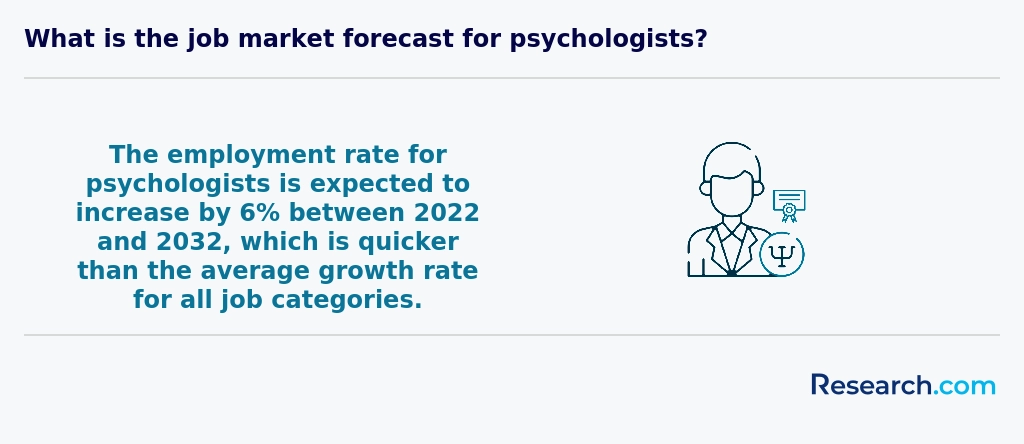
In Ohio, institutions contribute significantly to research and clinical training, preparing graduates for both local and international markets. According to the U.S. Bureau of Labor Statistics, Ohio's employment of psychologists is expected to grow about 6% through 2031, mirroring a steady global increase in mental health awareness and services.
This demand highlights the importance of understanding psychological issues within cultural contexts, a key global perspective shaping education and career development in psychology today.
Gaining practical experience while studying psychology in Ohio is essential for building skills and enhancing employability. Many Ohio universities offer internships or practicum placements within local hospitals, schools, and community agencies. These opportunities allow students to apply theoretical knowledge in real-world settings under professional supervision.
The Ohio Psychological Association highlights that approximately 70% of accredited programs in the state encourage or require internships as part of their curriculum. Students can also seek volunteer roles or research assistant positions to deepen their understanding of psychological methods and client interactions.
Additionally, Ohio's numerous mental health facilities provide valuable settings for hands-on learning, often accessible through university partnerships. These experiences are critical in meeting licensure requirements post-graduation, as Ohio mandates supervised practical hours for practicing psychologists.
Choosing the right concentration within a psychology degree program in Ohio depends on your career goals and interests. Common concentrations include clinical, counseling, industrial-organizational, and developmental psychology. Ohio colleges often tailor these tracks to meet regional employment demands.
The Ohio Department of Job and Family Services reports a steady growth rate of about 10% in psychology-related jobs through 2030, especially in healthcare and human services. Selecting a concentration aligned with these trends can enhance job prospects.
It's important to review specific program curricula, faculty expertise, and internship opportunities offered by Ohio institutions. Accreditation by the American Psychological Association (APA) is crucial for clinical and counseling tracks if licensure is a future goal.
Finally, consider reaching out to academic advisors or current students in Ohio schools to gain insights on how different concentrations prepare you for the state's unique professional landscape.
- 2027 Best Psychology Degree Programs Ranking in Illinois
- 2027 Best Psychology Degree Programs Ranking in Maryland
- 2027 Best Psychology Degree Programs Ranking in Georgia
- 2027 Best Psychology Degree Programs Ranking in Delaware
- 2027 Best Psychology Degree Programs Ranking in Alabama
- 2027 Best Psychology Degree Programs Ranking in Iowa
- 2027 Best Psychology Degree Programs Ranking in Florida
- 2027 Best Psychology Degree Programs Ranking in Louisiana
- 2027 Best Psychology Degree Programs Ranking in Connecticut
- 2027 Best Psychology Degree Programs Ranking in Kansas
See What Experts Have To Say About Studying Psychology
Read our interview with Psychology experts

Catherine Caldwell-Harris, Ph.D.
Psychology Expert
Associate Professor of Psychology
Boston University

Joann Farrell Quinn, Ph.D., MBA
Psychology Expert
Director at the College of Medicine Department of Medical Education
Morsani College of Medicine

Elizabeth L. Jeglic Ph.D.
Psychology Expert
Professor of Psychology
City University of New York

- How to help students cope with mental health challenges https://www.eaie.org/resource/help-students-cope-mental-health-challenges.html
- How To Find Psychology Internships https://www.psychology.org/resources/how-to-find-an-internship/
- Call for papers https://www.hogrefe.com/us/journal/international-perspectives-in-psychology-research-practice-consultation
- Psychology - SWPS University https://english.swps.pl/academics/warsaw/ba-programs/psychology
- Psychology Degree Requirements | University of Bridgeport https://www.bridgeport.edu/news/psychology-education-requirements/
- Study Psychology Abroad https://astarfuture.co.uk/study_psychology_abroad.html
- A Guide to Psychology Internships | Psychology Degree Guide https://psychologydegreeguide.org/resources/internships/
- Study Psychology Abroad | Go Overseas https://www.gooverseas.com/study-abroad/psychology
- Know more about thesis vs non- thesis: what is the difference? https://studyfans.com/en/blogs/816
- 2026 Rankings of the Best Psychology Degree Programs in Ohio https://psychologyonlinedegrees.org/programs/ohio/