
2027 Most Valuable Online Nursing Degree Programs Ranking in Boston, MA

Co-Founder and Chief Data Scientist
Choosing the right nursing degree program is a big step toward a rewarding career in healthcare. For students in Boston, our article introduces the 2027 Most Valuable Online Nursing Degree Programs Ranking in Boston, MA, carefully crafted by the Research.com team of data scientists.
This ranking helps you discover which programs truly deliver value, making your decision easier and more confident. Earning a nursing degree opens doors to meaningful work, personal growth, and stability in a caring profession. Dive in to find the best path for you!
Key benefits of getting online nursing degree in Boston
- Graduates with a nursing degree in Boston can expect strong salary potential, with roles like Registered Nurse and Public Health Nurse earning around $94,480 annually, while specialized positions such as Operating Room Nurse can reach $128,490 yearly.
- Nursing degree holders enjoy diverse career paths, from clinical nurse educator roles to emergency room nursing, often starting their journey at institutions like Northeastern University or Boston University, known for practical training and community health focus.
- Online nursing degrees in Boston offer flexible schedules and the chance to balance work and study, as seen with graduates from schools like University of Massachusetts Boston who appreciate learning at their own pace without sacrificing quality education.
- 2027 Most Valuable Online Nursing Degree Programs Ranking in Boston, MA
- What can I expect from online nursing degree in Boston?
- Where can I work with online nursing degree in Boston?
What can I expect from online nursing degree in Boston?
The average cost of an online nursing degree in Boston can vary widely, but students typically face tuition rates ranging from $15,000 to $40,000 depending on the program and degree level. Graduates from well-known Boston institutions often mention how this investment, though substantial, aligns with the value gained through flexible learning schedules and the city's strong healthcare network.
One graduate recalls balancing her coursework from a local university while working nights at a Boston hospital, appreciating how the online format allowed her to manage clinical hours arranged at nearby clinics. The cost felt manageable given the program's comprehensive curriculum and support services, which helped her excel without sacrificing family time.
Others highlight how Boston's partnerships between schools and medical centers add priceless hands-on training, often included in overall tuition. This blend of virtual lessons and real-world practice, though not cheap, confirms the city's commitment to producing capable nurses ready for local demand and above-average salaries.
Where can I work with online nursing degree in Boston?
Graduates from online nursing programs affiliated with Boston's renowned institutions often find themselves stepping into vibrant roles across the city's healthcare landscape. Imagine starting your career at Massachusetts General Hospital or Brigham and Women's Hospital, where many online degree holders have secured nursing positions that challenge and inspire daily. These settings value nurses who combine solid clinical skills with the flexibility and discipline shown by distance learners.
Many alumni recall beginning in outpatient clinics or community health centers, where their work directly impacts diverse, urban populations-scenarios far removed from the traditional hospital bedside, yet deeply rewarding. Others find meaningful careers in nursing homes or rehabilitation facilities, where the human connection is palpable and every day brings a fresh challenge.
For graduates of programs at Boston College or Northeastern University, advanced practice roles like nurse practitioner or clinical nurse specialist feel within reach, thanks to the pathways open through online BSN completion. Their stories echo a shared emotion: pride in contributing to Boston's dynamic medical community while balancing life's demands.
Licensure hurdles exist, but the collective experience affirms that accredited online degrees aligned with Massachusetts licensing pave the way. Many feel empowered knowing their skills transfer smoothly across Boston's diverse healthcare institutions, from pioneering research centers to public health organizations focused on community wellness.
Graduates from online nursing programs in Boston, such as those offered by prominent local institutions, often enter a job market where registered nurses earn a mean annual wage of about $94,480. This figure, grounded in recent Bureau of Labor Statistics data, reflects a rewarding return that surpasses the national average, giving graduates a compelling financial incentive to pursue their degrees here.
Imagine a graduate from an online BSN program at a well-known Boston university stepping into a hospital role and immediately earning close to this average. The steady hourly wage of $45.42 transforms the dedication of their studies into tangible income, validating the long hours spent mastering clinical skills remotely.
For those advancing their education online toward specialties like operating room nursing, the salary jump is undeniable-a mean annual wage of $128,490, significantly higher, embodies the premium Boston's healthcare market places on advanced expertise. This difference illustrates how further education unlocks access to more senior roles, making the commitment to an online MSN not just an academic milestone but a strategic career move.
Graduates often recount the satisfaction of balancing coursework with real-world experiences in Boston's vibrant medical centers, reinforcing that online study does not sacrifice practical preparedness or earning potential. The strong local demand ensures that those with updated, flexible credentials are valued, paid well, and positioned to thrive.
- Tuition for nursing programs in Boston ranges from $15,000 to $40,000, higher than the national average due to the city's educational and medical status.
- Starting salaries for new nurses in Boston average around $70,000 per year, with mid-career salaries between $90,000 and $110,000.
- Online nursing degrees must meet Massachusetts accreditation standards and prepare students for the NCLEX-RN exam, including clinical hours often arranged locally.
- Nursing jobs in Boston are projected to grow by about 15% over the next decade, driven by an aging population and demand for specialized care.
- Many online programs in Boston provide career counseling and job placement support tailored to the local healthcare market.
Completing an online nursing degree in Boston reveals a timeline shaped by more than just hours spent on coursework. Graduates from institutions like Northeastern University or Boston College often reflect on how their journeys ranged from two years for an Associate Degree in Nursing (ADN) to as little as 12 months when pursuing accelerated Bachelor of Science in Nursing (BSN) programs. The vibrant healthcare landscape in Boston drives many students to choose accelerated paths, balancing work, family, and study with a palpable sense of purpose.
Registered nurses advancing through RN-to-BSN or Master of Science in Nursing (MSN) programs at places like Simmons University report taking one to three years, often tailoring their schedules around clinical practicums in local hospitals. What surprises many is how quickly these degrees can be completed with strategic transfer credits and part-time pacing, enabling a sense of accomplishment without overwhelming personal commitments.
Such adaptable program lengths invite reflection: is traditional timeline thinking limiting the potential for career growth amidst Boston's demanding healthcare environment?
Online nursing students often cite robust support and resources as key factors in their academic success. In Boston, MA, top programs offer dedicated academic advising, 24/7 technical assistance, and virtual simulation labs to ensure a seamless learning experience. Academic advisors guide students through course selection and clinical placements, while librarians provide access to nursing journals, e-books, and research databases critical for assignments and evidence-based practice. Career services teams host virtual workshops on resume writing and interview prep, connecting graduates with local healthcare employers. Peer mentoring programs pair new students with alumni mentors who share insights on time management, clinical rotations, and licensure exam preparation. Responsive IT support ensures trouble-free access to learning management systems and telehealth platforms used during clinical simulations. For those planning to advance their practice quickly, exploring specialized certificate paths like the shortest post masters fnp certificate online can streamline your journey to becoming a Family Nurse Practitioner. By leveraging these comprehensive resources, students can stay motivated, overcome challenges, and achieve their goals in Boston’s competitive nursing landscape.
Choosing between an online and an on-campus nursing degree in Boston means weighing flexibility against immersion. Graduates from UMass Boston often reflect on how the online path let them juggle family life and part-time work while accessing course materials at any hour. This kind of freedom is a lifeline for many, allowing learning to fit into busy, real lives without uprooting routines.
On the other hand, those who studied on-campus at institutions like Boston College recall the energized buzz of classroom debates and spontaneous study groups, experiences that can spark deeper connections and immediate support. The hands-on clinicals tied directly to Boston's top hospitals, such as Mass General, are often easier to organize on campus, enriching practical skills through proximity to world-class medical facilities.
Both formats require clinical hours, but online students must proactively secure local placement, a task that builds independence but can feel daunting. Meanwhile, tuition differences might be subtle, with online programs slightly lowering costs but adding fees for tech and travel. The decision challenges students to reflect on their personal rhythm and career ambitions in Boston's unique healthcare environment.
Online nursing programs in Boston, MA, go beyond quality coursework by offering robust student support and resources designed to help you succeed academically and professionally. From day one, you’ll have access to dedicated academic advisors who guide you through course selection, prerequisite management, and career planning. Virtual tutoring centers staffed by experienced nursing professionals provide one-on-one assistance in subjects like pharmacology and health assessment, ensuring you master challenging concepts before clinical rotations. Moreover, leading Boston institutions integrate cutting-edge clinical simulation platforms-such as virtual patient scenarios and interactive lab modules-so you can practice critical skills in a safe, controlled environment. These tools mirror real-world nursing challenges, enhancing your confidence and competence when you transition to in-person clinical hours at facilities like Massachusetts General Hospital. Technical support is available around the clock, with IT help desks ready to troubleshoot connectivity issues or learning management system queries. Comprehensive online libraries grant you 24/7 access to peer-reviewed journals, e-books, and nursing databases, while discussion boards and virtual study groups foster peer interaction and knowledge sharing. For holistic well-being, many programs also include free counseling services and stress-management workshops-crucial for maintaining mental health during an intensive nursing curriculum. Career services teams offer resume reviews, mock interviews, and personalized job placement assistance, connecting graduates with Boston’s top healthcare employers. And if you’re comparing program costs and support offerings, don’t miss our Affordable Nursing Degree Programs Ranking in the Midwest to explore cost-effective alternatives with equally strong student resources. These combined support systems ensure online nursing students in Boston are fully equipped to excel in their studies and launch impactful careers.
The average cost of an online nursing degree in Boston hovers around $62,740, a figure that often surprises prospective students considering local options. Graduates from well-known Boston colleges recall the financial challenge but emphasize how investing in their education paid off through higher job placements and professional satisfaction. This total tuition and fees for nursing programs in Boston MA reflect not only the city's elevated living expenses but also the robust healthcare environment that nurtures such programs.
Students pursuing online nursing degrees frequently encounter variable per-credit costs as well. For instance, online BSN programs usually charge between $400 and $700 per credit hour, while MSN programs run higher, roughly $600 to $900 per credit hour. Doctoral-level DNP programs exceed $1,000 per credit hour, illustrating the gradation in costs tied to academic level. Beyond tuition, consider the extra expenses for clinical placements and textbooks, especially since many Boston programs blend online study with in-person clinical requirements.
Many alumni from Boston's nursing schools describe the emotional resilience they built navigating tuition demands paired with rigorous programs. They often find relief in scholarships and financial aid options aimed at easing the burden. For clarity around further specialization, exploring an advanced nursing program could illuminate additional costs and pathways that impact your overall investment in this career.
When considering an online nursing program, it's essential to weigh various factors to ensure you're making an informed decision. One critical aspect is the program's accreditation and reputation, as this directly impacts the quality of education and future employment opportunities. Prospective students should also consider the curriculum, clinical experience requirements, and support services offered by the institution. Furthermore, understanding the cost and available financial aid options, such as scholarships and grants, can significantly affect the accessibility of the program. For those interested in exploring the most valuable online nursing programs, visiting the most valuable nursing schools in massachusetts can provide valuable insights into top-ranked institutions and their offerings. By carefully evaluating these factors, aspiring nurses can choose a program that aligns with their career goals, learning style, and financial situation, ultimately leading to a successful and fulfilling nursing career.
Many online nursing students in Boston navigate the financial maze by tapping into federal aid. For instance, a graduate from a Boston college recalls how completing the FAFSA unlocked Pell Grants that eased her tuition burden significantly, covering up to $7,395 annually. This direct aid made her feel empowered rather than overwhelmed by debt.
Loans, while often seen as burdensome, became a strategic tool for another online nursing student who carefully balanced Direct Subsidized and Unsubsidized Loans, managing repayment plans alongside part-time work. These options offered flexibility without sacrificing financial stability.
Local scholarships and state programs provide more than just money-they connect students to the Massachusetts healthcare community. Graduates mention how the Nursing Incentive Scholarship not only funded their education but also created a profound sense of responsibility toward serving Boston's healthcare needs.
Institutional scholarships at well-known Boston colleges vary widely, prompting many students to proactively engage with financial aid offices. Employer reimbursement and veteran benefits further expand this landscape, turning the dream of earning a BSN while working into a tangible, hopeful reality.
After completing your online nursing degree, you must secure state licensure and any specialty certifications before practicing.
- Apply to the Massachusetts Board of Registration in Nursing: submit official transcripts, background check, and application fee.
- Register for and pass the NCLEX-RN exam to demonstrate core nursing competencies.
- Verify health requirements, including immunizations and CPR/BLS certification, prior to clinical work.
- Renew your RN license every two years by completing mandated continuing education credits.
- For advanced practice (e.g., WHNP), obtain national certification and explore top cheapest online whnp programs to fulfill specialty prerequisites.
Entering an online nursing program in Boston isn't just about ticking boxes; it demands a solid foundation that many graduates from prominent schools like Northeastern University or Simmons University recall as crucial. Imagine preparing for the intensity of clinical practice while balancing coursework in anatomy, physiology, and microbiology-all prerequisites that ensure you're truly ready for the nursing journey ahead.
Most programs expect at least a high school diploma, but Boston's competitive nursing schools often require some college-level science courses, reflecting the reality that understanding medical complexities isn't superficial-it's essential. Graduates frequently mention how early exposure to these subjects helped them connect theory to hands-on care, even in online formats.
Additionally, earning your RN license through Massachusetts' Board of Registration in Nursing is a key step, especially for RN-to-BSN or MSN tracks, reinforcing that nursing in Boston is both a regulated and respected profession. Testimonials from past students reveal a shared sense of accomplishment tied to meeting GPA thresholds and gathering strong recommendations-elements that shape both academic discipline and professional identity.
Finally, even in an online setting, requirements like background checks and immunization records ground students in the reality of clinical environments, highlighting that behind every screen is a future nurse ready to make a difference.

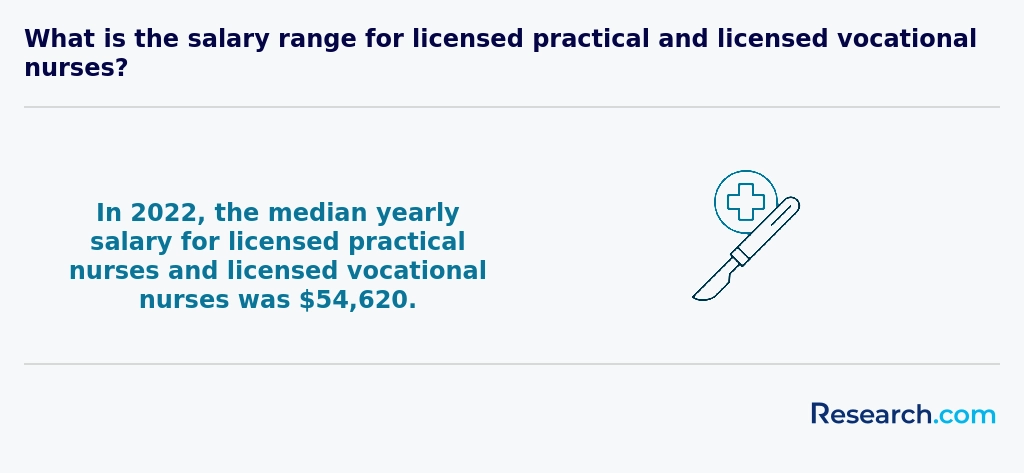
After completing an accredited online nursing program, graduates must navigate Massachusetts’ specific licensure and certification process to practice legally and safely. Understanding each step not only ensures compliance with the Board of Registration in Nursing (BORN) but also helps new nurses plan ahead for employment. 1. Application to BORN: Submit an online application through the Massachusetts Division of Health Professions Licensure portal, including proof of graduation from an accredited program and transcripts. 2. Background Check and Fingerprinting: Complete a state-mandated fingerprinting appointment and authorize a criminal history check. Results must be received by BORN before scheduling the NCLEX. 3. NCLEX Registration: Register with Pearson VUE to take the NCLEX-RN (for Registered Nurses) or NCLEX-PN (for Practical Nurses). Schedule your exam as early as four weeks after BORN approves your eligibility. 4. Continuing Education and Renewal: Once licensed, maintain your registration by completing 15 contact hours of approved continuing education every two years, including at least one hour in patient safety. 5. Advanced Certifications: Consider specialty certifications (e.g., CCRN, OCN) through organizations like the American Nurses Credentialing Center (ANCC) to enhance career prospects in high-demand fields. Prospective students exploring the licensed practical nurse route can also find state-approved curricula by researching top-rated online lpn programs that align with Massachusetts prerequisites. Planning early for licensure steps-especially NCLEX preparation and fingerprinting-will streamline your transition from graduation to bedside practice.
Online nursing programs in Boston challenge students with a curriculum that blends rigorous science and compassionate care. Graduates from institutions like Northeastern University often recall how courses in anatomy, physiology, and microbiology felt like unlocking the body's mysteries-knowledge immediately relevant when shadowing nurses in local hospitals.
Alongside these fundamentals, nursing theory and patient management courses push students to think deeply about the human experience behind medical charts. Many Boston-based learners describe moments when studying ethics sparked intense discussions about real-world healthcare dilemmas faced in community clinics.
Clinical training remains essential, but Boston's online students arrange hands-on practice in nearby facilities, experiencing firsthand the diversity of patient needs. They engage with topics such as pharmacology, pediatric nursing, and mental health, gaining confidence that textbooks alone can't provide.
Some graduates find leadership and healthcare policy modules particularly empowering, equipping them to advocate for change within Boston's dynamic healthcare system. This combination of theory, practice, and local relevance makes these courses both intellectually stimulating and deeply rewarding.
Nursing students pursuing an online degree in Boston often find that their education can branch into a variety of specialized paths designed to meet the city's unique healthcare demands. From graduates of prominent Boston universities, the Family Nurse Practitioner (FNP) specialization is a popular choice, enabling nurses to provide comprehensive primary care-a critical need as Boston's population ages. Students in this track often describe a rewarding sense of purpose, knowing they can impact families across all generations.
Another vital specialization includes Psychiatric-Mental Health Nurse Practitioner programs, reflecting the growing awareness and priority Boston healthcare places on mental health. Graduates from top local colleges highlight how this specialization equips them to handle complex psychiatric cases, often echoing how fulfilling it is to give voice to those struggling with mental illness.
Adult-Gerontology Acute Care and Pediatric Nursing tracks also thrive in Boston, with students appreciating how these programs connect them with renowned hospitals for clinical practicum. This hands-on experience is essential for mastering care in Boston's vibrant healthcare ecosystem. For those considering broader roles, exploring NP degrees Georgia can also offer interesting comparative perspectives on nursing specializations outside Massachusetts.
Ultimately, choosing among these specializations within online nursing programs in Boston MA challenges students to align their professional passions with the city's healthcare landscape, encouraging a thoughtful, impactful career path.
Choosing the best online nursing degree in Boston means looking beyond just accreditation-it requires immersing yourself in the lived experiences of graduates who've balanced demanding clinical rotations with online study. Many find that programs connected to well-known Boston institutions offer crucial clinical placements at hospitals like Massachusetts General, providing a sense of community and confidence even when most coursework happens remotely. Imagine completing your RN-to-BSN or MSN degree while juggling life in a busy city, supported by robust tutoring and career counseling tailored to Boston's healthcare landscape. These graduates often share how flexible program structures made it possible to advance without uprooting their schedules, a vital consideration for anyone searching for affordable nursing schools online Boston MA. Successful students urge prospective nurses to verify if clinical experiences fit within local parameters to avoid exhausting travels. For an insightful starting point that challenges the usual choices, look here.
Graduates holding an online nursing degree in Boston find themselves at a crossroads of diverse and meaningful career paths. Many who studied at well-known Boston institutions report how their BSN opened doors to roles in critical care units or pediatric wards, where every shift challenges and rewards their skills in unique ways. Beyond traditional hospital roles, some have embraced public health nursing, directly impacting community wellness amid Boston's evolving urban landscape. These real-life experiences underscore the higher demand for nurses across specialized fields.
Others pursue advanced degrees at local schools to become Nurse Practitioners or Clinical Nurse Specialists, seizing the opportunity to diagnose and manage patient care independently. Meanwhile, some leverage their nursing background in healthcare administration or research settings, tapping into Boston's status as a medical research hub. Reflecting on the growing job prospects, graduates often cite the city's vibrant healthcare environment as motivating their pursuit of an online nursing career opportunities in Boston.
Exploring nursing degree job prospects Boston MA reveals how graduates' versatility-navigating clinical and non-clinical roles alike-turns a nursing degree into a dynamic, fulfilling career foundation.

The job market for online nursing degree graduates in Boston MA remains vibrant, driven by world-class medical centers such as Massachusetts General Hospital and Boston Children's Hospital. Graduates from top nursing programs in Boston experience firsthand how the demand for flexible online education aligns with the need for skilled nurses in these institutions. Many share stories of balancing coursework with clinical rotations, empowered by the ability to learn on their own schedules while preparing for roles that meet local healthcare needs.
The nursing degree employment outlook Boston suggests steady growth at a rate exceeding national averages, supported by factors like aging populations and expanding healthcare services. Nurses completing online degrees enjoy competitive salaries averaging nearly $98,000 annually in Boston, making the investment in education promising. Additionally, graduates often pursue specialized roles, sometimes inspired by programs linked to nutritionist nurse specialized services that enhance patient care in innovative ways.
2027 Most Valuable Online Nursing Degree Programs Ranking in Boston, MA
Investing in your education is a significant decision that can shape your future, and the Research.com team understands the importance of making informed choices. To assist prospective students interested in nursing programs in Boston, MA, we have meticulously crafted the "2027 Most Valuable Online Nursing Degree Programs Ranking in Boston, MA." Our commitment to quality, credibility, and accuracy is reflected in the extensive research and analysis conducted to compile this ranking.
We utilized the following reputable data sources to ensure a comprehensive evaluation of nursing programs:
By exploring this ranking, readers will gain valuable insights into the most valuable online nursing degree programs offered in Boston, enabling them to make informed and confident decisions about their educational futures. For more details on our methodology, please visit our Research.com methodology page.


# 4 position
UMassOnline
Nursing, RN to BS
Frequently Asked Questions About nursing
Students pursuing online nursing degrees in Boston can enhance their learning by actively engaging with local healthcare networks. For example, Boston's extensive network of hospitals, including Massachusetts General and Boston Medical Center, offer clinical placement opportunities essential for hands-on experience. Connecting early with these institutions through school partnerships can provide valuable practical learning.
Utilizing Boston-specific resources, like the Massachusetts Board of Registration in Nursing, helps students stay updated on licensure requirements. Also, joining professional nursing associations such as the Massachusetts Nursing Association supports networking and continuing education.
Research from the Massachusetts Department of Higher Education highlights that hybrid learning models combining online theory with in-person clinical hours improve student success by 20% compared to fully remote programs.
The nursing profession is evolving rapidly, with several emerging niches gaining importance in Boston's healthcare landscape. One notable area is geriatric nursing, driven by Massachusetts' growing elderly population, which is expected to increase by over 20% in the next decade according to the U.S. Census Bureau.
Another expanding specialty is informatics nursing, which combines nursing science with data management and digital technology. Boston's significant investment in health IT supports this growing demand.
Additionally, psychiatric-mental health nursing is critical due to rising awareness of mental health issues, with Massachusetts reporting one of the highest rates of mental health service utilization in the country as per the Kaiser Family Foundation.
Finally, community health nursing and telehealth nursing are advancing, fueled by the COVID-19 pandemic's impact on remote care accessibility.
Preparing for the job market after completing an online nursing degree in Boston involves strategic steps aligned with local healthcare demands. Graduates should prioritize obtaining state licensure by passing the NCLEX-RN exam, a mandatory requirement for registered nurses in Massachusetts.
Networking is essential-joining professional organizations like the Massachusetts Nurses Association can connect graduates with local employers and job opportunities. Additionally, clinical experience obtained during studies or through local healthcare facilities enhances employability.
Boston's healthcare sector is robust, with employers such as Massachusetts General Hospital and Boston Medical Center frequently hiring nurses. Understanding specific workplace requirements and gaining expertise in high-demand specialties, like geriatric or pediatric care, may improve job prospects.
According to the U.S. Bureau of Labor Statistics, registered nursing jobs in Massachusetts are projected to grow 8% from 2022 to 2032, supporting a positive employment outlook for new nurses in the region.
Employers in Boston highly value nursing graduates who demonstrate strong clinical skills combined with effective communication. According to the Massachusetts Board of Registration in Nursing, proficiency in patient care and critical thinking ranks among the top competencies expected from new nurses.
In Boston's healthcare environment, teamwork and adaptability are essential due to the fast-paced nature of hospitals and clinics. Research from the Massachusetts Health Policy Commission highlights that nearly 40% of nursing roles require evidence of problem-solving under pressure.
Digital literacy is increasingly important as well, with many hospitals adopting advanced electronic health record systems. Nursing graduates with experience in these technologies often have an advantage in the Boston job market.
Finding nursing internships in Boston involves connecting with local hospitals and healthcare organizations, many of which partner with universities to offer clinical experience. Institutions such as Massachusetts General Hospital and Boston Children's Hospital frequently provide internship opportunities for nursing students. The Massachusetts Department of Higher Education also lists resources for clinical placements.
Students enrolled in online nursing programs should proactively contact their school's career services, as many programs maintain relationships with Boston healthcare providers. Additionally, joining professional nursing associations like the Massachusetts Nurses Association can open doors to networking and internship offers.
According to the Boston Public Health Commission, healthcare jobs in the city are growing, making internship positions more abundant than in some other sectors.
Obtaining an online nursing degree in Boston can significantly enhance career mobility and advancement opportunities. With Massachusetts ranking among the top states for healthcare employment, nurses are in high demand, especially in Boston's numerous hospitals and medical centers (U.S. Bureau of Labor Statistics, 2023).
Online nursing programs offer flexible scheduling, allowing working professionals to balance education and employment. Graduates can pursue promotions, specialize in areas like nurse practitioner or nurse educator, or transition into leadership roles.
The Massachusetts Board of Registration in Nursing recognizes accredited online degrees, ensuring graduates meet licensure requirements essential for career progress.
According to Massachusetts Department of Labor, registered nurses earn a median salary of $88,000, with advanced degrees increasing earning potential and job prospects in Boston's competitive market.
Studying for a nursing degree in Boston equips students with skills essential for interdisciplinary healthcare roles. Boston's nursing programs emphasize collaboration with professionals in medicine, social work, pharmacy, and public health. Many online degrees incorporate case studies and simulations based on real-world Boston healthcare settings, preparing graduates to navigate complex patient care teams.
According to the Massachusetts Board of Registration in Nursing, the region's growing healthcare sector demands nurses who can lead and coordinate across specialties. Boston hospitals like Massachusetts General and Boston Children's actively recruit nurses educated in interdisciplinary practices.
This training improves communication and critical thinking, both vital for patient-centered care environments common in Boston's health systems.
Choosing between a thesis and a non-thesis nursing degree program in Boston depends on your career goals and time commitment. Thesis programs focus on research and often prepare students for doctoral studies or academic roles. Non-thesis options usually emphasize practical skills and clinical application, appealing to those aiming for leadership or advanced practice roles.
In Boston, a hub for healthcare innovation, nursing graduates with research experience may benefit from connections with institutions like Massachusetts General Hospital. According to the Massachusetts Board of Nursing, the demand for nurse researchers and educators is growing alongside clinical roles.
Consider workload and your preference for independent research. Thesis programs may require more time for writing and defense, while non-thesis tracks often include additional clinical practice or capstone projects. Both pathways lead to respected credentials recognized by employers in Boston's healthcare sector.
Students in Boston seeking to study nursing abroad through online programs have several pathways available within the U.S. higher education system. Many accredited universities offer online nursing degrees designed with flexible options for clinical placements, which can sometimes be completed internationally through partnerships or approved healthcare facilities. However, since nursing licensure is state-specific, students must ensure that any foreign clinical experience complies with Massachusetts Board of Registration in Nursing requirements.
Boston's strong healthcare network, including connections to institutions like Massachusetts General Hospital, supports practical nursing education domestically, but students aiming abroad typically enroll in programs with global clinical components verified by U.S. accreditors such as CCNE or ACEN.
According to the Massachusetts Department of Higher Education, about 20% of Boston nursing students pursue study-related travel or international internships within their degree track, reflecting growing interest but requiring careful coordination to maintain licensure eligibility.
Boston offers several part-time job opportunities that can complement an online nursing degree. Many students find positions as nursing assistants or patient care technicians in local hospitals such as Massachusetts General or Boston Medical Center. These roles provide hands-on experience that enhances clinical skills relevant to nursing education.
Additionally, medical scribing jobs are in demand in Boston's busy healthcare system, offering students insight into patient documentation and medical terminology. According to the Massachusetts Department of Labor, healthcare support roles in Boston are projected to grow by 12% through 2030, indicating increasing opportunities.
Pharmacy technician roles and home health aide positions also align well with nursing coursework and flexible scheduling needs.
Online nursing students in Boston benefit from multiple networking opportunities despite their remote coursework. Many local nursing schools partner with healthcare facilities like Massachusetts General Hospital and Boston Medical Center, facilitating clinical placements and professional connections. According to the Massachusetts Nurses Association, Boston hosts an active nursing community with frequent events and workshops that online students can attend. Virtual groups and alumni networks further support relationship-building among peers and professionals.
Local chapters of national nursing organizations, such as the American Nurses Association Massachusetts, also provide access to conferences, mentorship programs, and job fairs. These resources help online nursing students establish valuable connections within the Boston healthcare industry.
Alumni networks provide valuable support for online nursing degree students in Boston by connecting them with experienced graduates working across Massachusetts healthcare. These networks often offer mentorship opportunities, helping students navigate clinical placements and job searches.
In Boston, a city with over 40 major hospitals, alumni connections can lead to increased access to local nursing positions and professional development events. According to the Massachusetts Board of Registration in Nursing, networking significantly improves job placement rates for new nurses.
Furthermore, alumni often share insights on evolving local healthcare regulations and continuing education, ensuring students stay informed and competitive in this dynamic field.
Customizing your online nursing degree program in Boston allows you to align education with your unique career goals. Many Boston-area schools let you choose concentrations like gerontology, pediatrics, or nurse leadership to specialize in growing fields. For example, programs accredited by the Commission on Collegiate Nursing Education offer electives tailored to regional healthcare demands.
Additionally, Boston's nursing workforce data from the Massachusetts Board of Registration in Nursing highlights high demand for advanced practice nurses, making options such as nurse practitioner tracks particularly valuable. Part-time and accelerated formats help accommodate working professionals, enabling flexible pacing.
Clinical placements can often be arranged locally, providing practical experience with Boston's diverse patient population and healthcare systems.
Online nursing students in Boston often face challenges related to balancing clinical hours with remote coursework. While theoretical content is accessible online, clinical practice requires in-person attendance at healthcare facilities within Massachusetts, which can be difficult to schedule and coordinate. Time management becomes critical as students juggle work, family obligations, and demanding clinical shifts.
Technical issues and access to reliable internet can also impact learning, especially for those in areas with connectivity limitations. According to the Massachusetts Department of Higher Education, about 10% of students report difficulties with online learning platforms.
Another challenge involves financial constraints, as nursing programs in Boston may have varied tuition costs and limited financial aid options for fully online students.
With an online nursing degree, graduates in Boston can pursue several professional certifications to advance their careers. Common certifications include the Certified Nurse Assistant (CNA), Licensed Practical Nurse (LPN), and Registered Nurse (RN) credentials, all recognized by the Massachusetts Board of Registration in Nursing.
Further specialization is possible with certifications such as the Certified Nurse Educator (CNE), Certified Pediatric Nurse (CPN), or Certified Critical Care Nurse (CCRN). These credentials require passing exams administered by entities like the American Nurses Credentialing Center.
In Boston, the demand for advanced nursing certifications aligns with the city's robust healthcare system employing over 30,000 nurses, according to the Massachusetts Department of Public Health.
When applying to an online nursing program in Boston, start by thoroughly researching the school's accreditation, especially from the Commission on Collegiate Nursing Education (CCNE) or the Accreditation Commission for Education in Nursing (ACEN). Boston's healthcare market is highly competitive; programs here often seek candidates with solid academic records and relevant experience. Highlight any healthcare-related roles, volunteer work, or certifications in your application to demonstrate commitment.
Strong letters of recommendation, preferably from nursing professionals or educators, add significant weight. Tailor your personal statement to reflect local healthcare challenges in Massachusetts, showing awareness of the state's nursing demands documented by the Massachusetts Board of Registration in Nursing.
Lastly, don't overlook the importance of a clear, error-free application and meeting all deadlines strictly, as Boston programs have high applicant volumes and rigorous selection standards.
The nursing profession is recognized worldwide as a vital and growing field. Globally, demand for nurses is increasing due to aging populations and expanded healthcare access. In the United States, nursing offers strong career stability, with the Bureau of Labor Statistics projecting a 9% growth rate from 2020 to 2030. Boston, a hub for healthcare and education, reflects this trend with numerous top hospitals and nursing schools.
Internationally, nurses often engage in cross-cultural care and may work abroad or with diverse patient populations. Online nursing degrees from Boston schools equip students with skills valued globally, blending clinical knowledge with technology. This prepares graduates for versatile roles inside and outside the U.S. healthcare system.
Students pursuing an online nursing degree in Boston gain essential practical experience through clinical placements arranged by their schools. These hands-on training sessions often occur at local hospitals, clinics, and healthcare facilities accredited by Massachusetts nursing boards. Boston's rich healthcare landscape, including institutions like Massachusetts General Hospital, offers diverse clinical environments.
The Massachusetts Board of Registration in Nursing requires completion of supervised clinical hours to qualify for licensure. Many programs coordinate with Boston-area partners to ensure students meet these requirements while studying online.
Additionally, simulation labs may be available on campuses near Boston for skills practice. Volunteering and internships in health organizations provide further real-world experience alongside academic learning.
Choosing the right concentration within an online nursing degree program in Boston depends on your career goals and local healthcare demands. Boston's healthcare sector is known for specialties like oncology, gerontology, and community health nursing, reflecting its large hospital systems and aging population, according to Massachusetts Department of Public Health data.
Consider programs that offer concentrations aligned with these needs, as they may increase job opportunities post-graduation. Research faculty expertise and clinical partnership availability in Boston, which can affect hands-on training quality.
Accreditation by bodies like CCNE or ACEN ensures the program meets national standards, crucial for licensure in Massachusetts.
Lastly, review employment statistics specific to Boston nurses with specialty certifications to gauge demand in fields such as critical care or pediatrics.
- 2027 Most Valuable Online Nursing Degree Programs Ranking in Saratoga Springs, NY
- 2027 Most Valuable Online Nursing Degree Programs Ranking in Dobbs Ferry, NY
- 2027 Most Valuable Online Nursing Degree Programs Ranking in South Orange, NJ
- 2027 Most Valuable Online Nursing Degree Programs Ranking in West Long Branch, NJ
- 2027 Most Valuable Online Nursing Degree Programs Ranking in Utica, NY
- 2027 Most Valuable Online Nursing Degree Programs Ranking in Rochester, NY
- 2027 Most Valuable Online Nursing Degree Programs Ranking in Washington, DC
- 2027 Most Valuable Online Nursing Degree Programs Ranking in Hampton, VA
- 2027 Most Valuable Online Nursing Degree Programs Ranking in Norfolk, VA
- 2027 Most Valuable Online Master's in Nursing Degree Programs Ranking in Pittsburgh, PA
See What Experts Have To Say About Studying Nursing
Read our interview with Nursing experts


- Nursing Schools in Boston - Complete Information https://colleges.cometoboston.com/nursing-schools-in-boston
- Nurse Salary https://nursinglicensemap.com/resources/nurse-salary/
- How to Choose the Right Nursing Program for Your Career Goals - Maria College https://mariacollege.edu/blog/how-to-choose-the-right-nursing-program-for-your-career-goals
- Online versus Face-to-Face Nursing Degrees: A Study of Recruiters’ Perceptions - OJDLA https://ojdla.com/articles/online-versus-face-to-face-nursing-degrees-a-study-of-recruiters-perceptions
- Nursing Internship and Externship Programs https://jobs.mayoclinic.org/nursinginternexternprograms
- How to Choose a Nursing Program: A Comprehensive Guide - Madonna ABSN https://absn.madonna.edu/blog/how-to-choose-a-nursing-program/
- Top Skills Employers Want in Practical Nursing Graduates https://vervecollege.edu/what-employers-look-for-in-practical-nursing-graduates/
- How to Choose the Right Nursing School for Your Career Goals | Archer Review https://www.archerreview.com/blog/how-to-choose-the-right-nursing-school-for-your-career-goals
- Guide to Making a Career Change to Nursing https://teach.com/online-ed/healthcare-degrees/online-msn-programs/career-change-to-nursing/
- Associate of Science in Nursing Online | Bay Path University https://www.baypath.edu/academics/undergraduate-programs/nursing-asn/


