2027 Most Valuable Nursing Degree Programs Ranking in Winston-Salem

Co-Founder and Chief Data Scientist
Exploring nursing degree programs in Winston-Salem? This article presents the 2027 Most Valuable Nursing Degree Programs Ranking in Winston-Salem, developed by the Research.com team of data scientists. It's designed to guide you toward making an informed choice about which programs offer the best opportunities for your future.
Discover options that align with your goals and aspirations. Pursuing a nursing degree can open doors to a rewarding, impactful career helping others every day. Let this ranking be your trusted companion on that journey.
Key benefits of getting nursing degree in Winston-Salem
- Nursing degree graduates in Winston-Salem can expect competitive salaries, such as $94,480 annually for Registered Nurses and Public Health Nurses, with Operating Room Nurses earning up to $128,490 per year.
- Career paths after graduation include roles like Clinical Nurse Educator or Emergency Room Nurse, offering diverse opportunities within healthcare driven by strong local university programs.
- Choosing an online nursing degree provides flexibility and convenience, allowing graduates to balance work and study while still accessing quality education from respected schools in Winston-Salem.
- 2027 Most Valuable Nursing Degree Programs Ranking in Winston-Salem
- What can I expect from nursing degree in Winston-Salem?
- Where can I work with nursing degree in Winston-Salem?
What can I expect from nursing degree in Winston-Salem?
The average cost of pursuing a nursing degree in Winston-Salem varies depending on the program and institution, but students often find it an investment well worth making. For example, attending Wake Forest University for a Bachelor of Science in Nursing (BSN) typically involves tuition and fees ranging from $30,000 to $40,000 per year. Nursing graduates here frequently reflect on the value of this experience, emphasizing the blend of rigorous academics and hands-on clinical practice that prepared them thoroughly for the NCLEX-RN and their careers.
Winston-Salem State University offers slightly more affordable options, with tuition generally between $7,000 and $10,000 annually for in-state students, making quality nursing education accessible without compromising on training. Many students share how financial aid, scholarships, and flexible part-time programs helped them manage costs while juggling work and study obligations.
Graduates often describe their clinical rotations at local hospitals like Novant Health Forsyth Medical Center as both challenging and rewarding, reinforcing the real-world value of their education. These tangible experiences make every dollar spent feel like a step closer to a fulfilling nursing career in a growing healthcare market.
Where can I work with nursing degree in Winston-Salem?
With a nursing degree earned in Winston-Salem, you'll find yourself stepping into a vibrant healthcare landscape full of rewarding opportunities. Many graduates from local programs at universities like Winston-Salem State University quickly secure roles at major employers such as Wake Forest Baptist Health, where they engage in acute care, specialty clinics, or even nursing education and research. Imagine working in a bustling emergency room or caring for patients in oncology units-these real-life scenarios bring your studies to impactful action.
Other graduates often join Forsyth Medical Center, thriving in intensive care or surgical services, where teamwork and skill are daily essentials. Beyond hospitals, nursing careers extend into outpatient clinics, rehabilitation centers, and home health care agencies-a perfect fit if you desire a more personalized patient connection.
Advanced degree holders sometimes move into primary care clinics or specialty practices, becoming trusted healthcare providers in the community. Many alumni also find joy working in public health departments or local non-profits, making a tangible difference beyond the bedside. Studying nursing here means preparing for diverse, fulfilling roles throughout Winston-Salem's expanding healthcare system.
If you're pursuing a nursing degree in Winston-Salem, graduates from local programs like those at Wake Forest University and Forsyth Technical Community College often find rewarding salary opportunities aligned with their education. Registered Nurses here earn an average annual wage of about $94,480, according to the latest Bureau of Labor Statistics data. This figure reflects real possibilities for new nurses starting in hospitals such as Wake Forest Baptist Health.
Graduates working as Clinical Nurse Educators or Public Health Nurses also enjoy similar wages near $94,480 annually, combining meaningful patient care with educational roles. For those drawn to fast-paced environments, Emergency Room Nurses maintain the same competitive mean salary, offering a dynamic career path.
Specialized roles, such as Operating Room Nurses, showcase even greater earning potential with mean annual wages near $128,490. Many graduates share how mastering these advanced skills through local clinical experiences has opened doors to higher pay and professional pride.
By focusing on your certification and experience and taking advantage of specialty units in Winston-Salem's healthcare centers, you can transform your passion into a thriving career with financial growth and personal fulfillment.
- Winston-Salem offers accredited nursing programs including ADN, BSN, and advanced degrees through community colleges and universities.
- Tuition costs range from $5,000 to $15,000 for ADN programs and $15,000 to $35,000 for BSN programs, excluding additional fees.
- Entry-level registered nurses (RNs) earn approximately $55,000 to $60,000 annually, with experienced nurses making $75,000 or more.
- The city is part of the Piedmont Triad region, which has a healthcare employment growth rate above the national average.
- Graduates must pass the NCLEX-RN exam to become licensed and many local programs offer exam preparation support.
- Nursing students can access clinical rotations in diverse settings such as teaching hospitals and community health centers for practical experience.
In Winston-Salem, completing a nursing degree varies by the path you choose, but each offers a meaningful step toward your career. Many students start with the Licensed Practical Nurse (LPN) certificate, which can be finished in about a year. This fast-paced program at local community colleges provides a hands-on experience that graduates often recall as both challenging and rewarding, giving them the confidence to begin working quickly.
If you aim to become a Registered Nurse (RN), the Associate Degree in Nursing (ADN) typically takes around two years. Many graduates from colleges like Forsyth Technical Community College share how the mix of classroom lessons and clinical practice shaped their readiness to care for patients on day one.
For those inspired to advance further, pursuing a Bachelor of Science in Nursing (BSN) at universities such as Winston-Salem State University usually requires four years. Students who already hold an ADN often choose accelerated RN-to-BSN programs, finishing in as little as 12 to 18 months, balancing studies with life commitments while feeling proud of their rapid progress.
Advanced degrees like MSN or DNP add two to four years beyond the BSN, offering specialized skills for leadership roles. Many find this journey demanding yet deeply fulfilling as they step into positions that make a lasting impact in healthcare.
Choosing between online and on-campus nursing degrees in Winston-Salem comes down to how you want to experience your education. On-campus programs at institutions like Wake Forest University offer vibrant, hands-on training where you're working side-by-side with instructors and peers. Graduates often recall the energy of clinical rotations in local hospitals, where immediate feedback sharpened their skills and built confidence in patient care.
Online programs, such as those offered by Winston-Salem State University, bring flexibility that many working professionals or parents find essential. Imagine attending lectures whenever your schedule allows, then arranging clinical hours close to home. Graduates appreciate this balance-it lets them learn deeply without sacrificing family time or a job.
Both paths adhere to strong accreditation standards and prepare you thoroughly for licensure. Just consider what feels right: immersive campus life with rich social and resource access, or adaptable learning that fits your unique pace. Either way, Winston-Salem's nursing programs equip you to make a real difference in healthcare.
Becoming a licensed Registered Nurse (RN) in North Carolina involves a series of essential steps governed by the North Carolina Board of Nursing (NCBON). First, applicants must submit official transcripts directly from their accredited nursing program to the NCBON, along with a completed application form and the required non-refundable fee. A criminal background check and fingerprinting are mandatory; any history of convictions must be reported and may require additional review. Once the Board approves your application, you will receive an Authorization to Test (ATT) for the NCLEX-RN exam, which you must schedule within the validity period specified on your ATT. After passing the NCLEX-RN, you will be issued your permanent North Carolina RN license. If you hold an active RN license in another U.S. state, you may apply for licensure by endorsement by submitting verification of your out-of-state license, proof of meeting North Carolina’s continuing education requirements, and paying the endorsement fee. North Carolina requires RNs to complete at least 30 contact hours of continuing education every two years, including two hours in nursing law and rules and two hours in opioid misuse and addiction-ensuring ongoing professional competency and adherence to state regulations. For nurses seeking to advance their credentials beyond initial licensure, pursuing a Doctor of Nursing Practice (DNP) or other advanced certification can open doors to leadership, education, and specialized clinical roles. Prospective doctoral candidates interested in balancing cost and quality may explore the Inexpensive Online Doctorate in Nursing Degree Programs Ranking in Michigan, which highlights affordable DNP options that can prepare you for advanced practice and administrative positions while meeting North Carolina’s requirements for APRN certification and licensure renewal.
In Winston-Salem, the average cost of earning a nursing degree varies widely depending on the program and your residency status. For in-state students attending schools like Winston-Salem State University or Forsyth Technical Community College, the average total cost is approximately $6,126. This figure reflects tuition and essential fees but doesn't always capture all expenses. Graduates often recall balancing financial challenges with the rewarding experience of clinical rotations and supportive faculty in these community-focused programs, which makes the investment feel worthwhile. Understanding the average cost of nursing degree in Winston-Salem helps you plan realistically for this meaningful career.
Many students aiming for a Bachelor of Science in Nursing (BSN) or an Associate Degree in Nursing appreciate that Winston-Salem offers affordability compared to national averages. The total expenses for nursing programs Winston-Salem are notably lower than private programs elsewhere, often making it easier to manage student debt. However, it's wise to budget for additional costs such as textbooks, uniforms, licensing exam fees, and clinical placement expenses, which can add up. Exploring financial aid options is highly encouraged-local scholarships can be a game-changer.
If you're considering further study, exploring advanced nursing programs in Honolulu might inspire future steps in your nursing journey. For now, knowing your options here in Winston-Salem is the first step to making nursing education both affordable and accessible.

For RNs holding an Associate Degree in Nursing, bridge programs that waive extra clinical rotations offer a streamlined path to a BSN. These options focus on advanced nursing theory, leadership, community health and research-allowing you to build on existing hands-on experience without repeating practicum requirements.
- Flexible, 100% online format designed for working professionals
- Curriculum centered on evidence-based practice, management and population health
- Accelerated timeline by eliminating duplicate clinical hours
- Accredited programs that maintain rigorous standards and employer recognition
Evaluate each program’s accreditation, graduation rates and support services to ensure a smooth transition. For a curated list of top bridge programs nationwide, visit rn to bsn no clinicals.
When pursuing a nursing degree in Winston-Salem, you'll find many financial aid options designed to lighten your path. Graduates from places like Forsyth Technical Community College and Wake Forest School of Medicine often share how federal aid through FAFSA-especially Pell Grants-provided crucial upfront support, offering up to $7,395 annually without the stress of repayment. This kind of help can make those yearly tuition costs, typically between $7,000 and $15,000 for in-state students, much more manageable.
State scholarships are another hopeful route. Many nursing students have benefited from the North Carolina Nursing Scholarship, which combines financial aid with a rewarding promise to work locally in healthcare, fostering community ties while reducing debt.
Private scholarships and employer tuition assistance programs also shine here. Nurses working in Winston-Salem hospitals often find their employer's support invaluable, receiving reimbursement while gaining hands-on experience-turning your studies into a shared investment.
By tapping into these resources, you're stepping into a future where financial worries recede, making room for your passion to thrive.
To make an informed decision when choosing a nursing school, it's essential to consider several factors, including accreditation, program quality, cost, and location. Prospective students should research the school's accreditation status, ensuring it is recognized by reputable accrediting agencies. Additionally, evaluating the program's quality by looking at graduation rates, NCLEX-RN pass rates, and job placement statistics can provide valuable insights. The cost of the program, including tuition, fees, and financial aid options, is also a crucial consideration. Location is another significant factor, as proximity to clinical sites and potential employers can impact the overall educational experience. By carefully weighing these factors, students can select a valuable nursing school that aligns with their career goals and financial situation. For instance, students looking for a valuable nursing school in North Carolina may prioritize schools with strong connections to local healthcare facilities, enhancing their chances of securing job placements upon graduation.
To enroll in a nursing degree program in Winston-Salem, you'll first need a high school diploma or GED to lay your foundation. Graduates from local programs like Winston-Salem State University often share how completing biology, chemistry, and anatomy courses before applying helped them feel confident and ready for nursing's challenges. These science prerequisites aren't just boxes to check-they prepare you for the hands-on, life-changing work ahead.
Many programs also require standardized test scores, especially the TEAS exam, which assesses essential skills in reading, math, science, and English. Passing it was a memorable milestone for former students, marking their readiness to dive into clinical studies.
Hands-on experience, such as volunteering at nearby clinics or hospitals, can give you a real feel for the profession and strengthen your application. Schools like Forsyth Technical Community College emphasize this practical background, which also boosts your confidence in patient care.
Finally, be ready for immunizations and background checks-these protect you and the patients you'll serve, creating a safe learning environment.
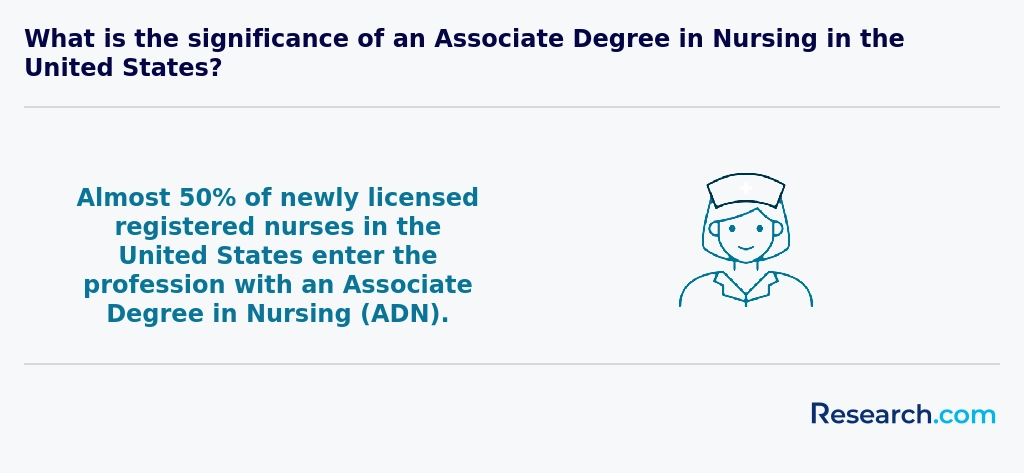
Accreditation is a critical marker of quality for nursing programs, influencing curriculum rigor, clinical partnerships, and licensure success. In Winston-Salem, leading institutions such as Winston-Salem State University and Forsyth Technical Community College maintain accreditation from the Commission on Collegiate Nursing Education (CCNE) or the Accreditation Commission for Education in Nursing (ACEN). These credentials ensure programs adhere to national standards for nursing education, directly impacting first-time NCLEX-RN pass rates. For example: • Winston-Salem State University reported a 92% first-time NCLEX-RN pass rate in 2023, well above the North Carolina average of 85%. • Forsyth Technical Community College’s ADN program achieved a 95% first-time pass rate, reflecting strong simulation lab experiences and clinical rotations. Prospective students should review each program’s published NCLEX pass statistics, as higher rates often indicate robust exam preparation and faculty support. Additionally, graduates aiming for advanced practice roles can build on this solid foundation by exploring pathways like our easiest nurse practitioner program, which outlines accelerated options for nurse practitioner licensure. By prioritizing accredited programs with proven licensure outcomes, students in Winston-Salem can maximize their return on investment and confidently launch their nursing careers.
Courses in nursing degree programs in Winston-Salem provide a powerful foundation that empowers you to make a real difference in patients' lives. At local institutions like Wake Forest University and Forsyth Technical Community College, expect to dive into Health Assessment, where you'll learn to perform thorough physical exams and decode patient histories. This skill feels incredibly rewarding when you realize you can spot subtle health changes that others might miss.
Pathophysiology opens your eyes to how diseases transform the body, turning complex biological processes into understandable patterns. Graduates often share how studying Adult and Pediatric Nursing lets them connect deeply with patients across all ages, from young children to seniors, fueling their passion for compassionate care.
Mental Health Nursing is another vital course-preparing you to support those battling psychological challenges. Community and Public Health Nursing inspires many to think beyond individual patients and contribute to healthier neighborhoods. Leadership skills gained in Nursing Leadership and Management help you feel confident guiding healthcare teams effectively.
Experiencing these courses alongside clinical rotations in Winston-Salem's renowned health centers is often described by students as both empowering and transformative.
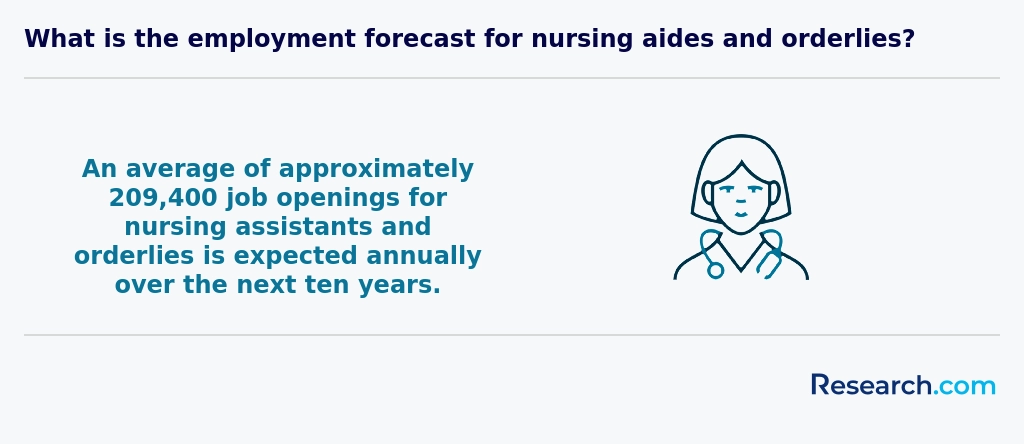
Nursing degree specializations in Winston-Salem offer a range of exciting paths tailored to real-world healthcare demands. Graduates from local programs often share how the Family Nurse Practitioner (FNP) track allowed them to confidently serve diverse patient populations, from young children to seniors, especially through clinical rotations at Wake Forest Baptist Medical Center. This specialization prepares you to thrive in primary care settings, aligning perfectly with the region's healthcare landscape.
Winston-Salem nursing program concentrations also include Gerontological Nursing, reflecting the area's growing elderly population. Many students find purpose working with older adults, managing chronic illnesses, and delivering compassionate palliative care during their training at recognized colleges. Meanwhile, those drawn to kids and adolescents appreciate the hands-on pediatric experiences offered through partnerships with local hospitals, building confidence in family-centered care.
For those passionate about mental health, Psychiatric-Mental Health Nursing prepares nurses to provide vital support in community settings. High-energy students often choose Critical Care or Emergency Nursing, gaining invaluable skills in intensive care units and emergency departments, thanks to Winston-Salem's advanced healthcare facilities. Remember, exploring these specializations also means preparing for licensure exams; be sure to check out resources for the NCLEX-PN exam in Pennsylvania if you plan to expand your practice beyond North Carolina.
Choosing the best nursing degree program in Winston-Salem means focusing on what aligns with your life and career dreams. Graduates from Wake Forest University often praise its well-structured BSN program that offers pathways to accelerate learning, though it comes with a higher tuition cost. Meanwhile, Forsyth Technical Community College stands out for those seeking affordable nursing schools Winston-Salem NC, with ADN programs costing significantly less and providing strong foundational training.
When deciding, consider accreditation and NCLEX-RN pass rates-these ensure your education meets national standards and will prepare you well for licensing exams. Picture yourself gaining hands-on experience in local hospitals, just like many students who share how crucial varied clinical placements were to their confidence and skills.
Cost matters, and many have found financial aid options essential when balancing school and life. Also, think about program flexibility; some working adults find part-time or accelerated formats better fit their schedules. For insight into the broader healthcare environment shaping your future, explore nursing shortage statistics to understand demand in related regions.
Graduates of nursing programs in Winston-Salem find themselves stepping into a diverse world of nursing career opportunities in Winston-Salem that cater to various passions and skills. Whether you envision yourself as a registered nurse working at Wake Forest Baptist Medical Center or exploring specialties like pediatrics or oncology, your nursing degree opens many doors. Many graduates from local colleges cherish the supportive clinical rotations that prepare them for hospital or outpatient care roles, where real-life experiences shape a meaningful career.
For those drawn to advanced practice, pathways as nurse practitioners or clinical nurse specialists offer both challenge and reward. Some graduates pursue leadership positions or focus on education, addressing the community's critical need for nurse educators. If you wonder about advancing your credentials, exploring nurse practitioner degrees wisconsin faculty profiles can provide valuable insight into familiarizing yourself with excellent programs elsewhere. Choosing the right specialization in Winston-Salem aligns your passion with the region's healthcare needs, creating a fulfilling and stable nursing career.
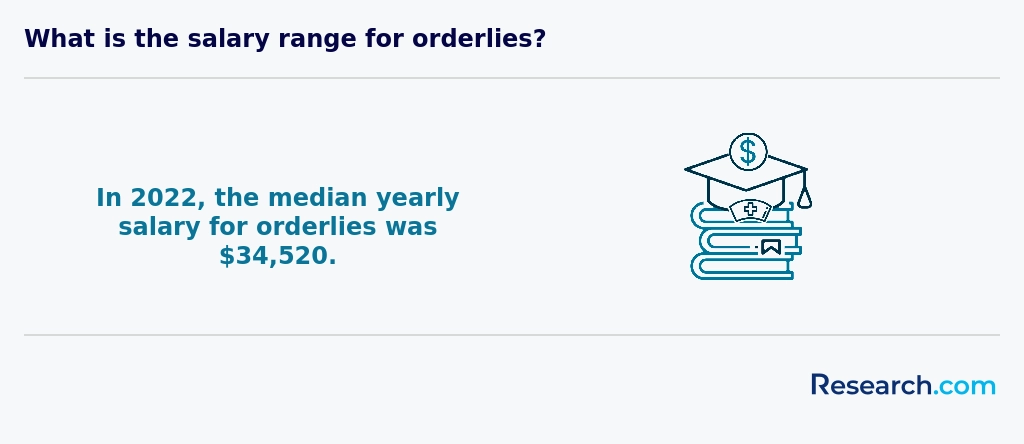
The nursing job opportunities in Winston-Salem are both plentiful and diverse, thanks to a strong local healthcare network anchored by institutions like Wake Forest Baptist Medical Center. Graduates from popular nursing programs in the city often find themselves quickly integrated into roles ranging from hospital nursing to specialized outpatient care, experiencing firsthand the community's commitment to quality health services. Many share stories of clinical rotations that transition seamlessly into full-time positions, bringing their education to life in vibrant healthcare settings.
The Winston-Salem nursing degree employment outlook is buoyed by the area's growing demand for skilled nurses, fueled by an aging population and advances in medical technology. Nursing students often appreciate the practical support offered through collaborations between local colleges and hospitals, which eases the path from classroom theory to hands-on patient care. For those exploring their educational options, programs known for excellent clinical placements stand out, alongside considerations of tuition relative to expected salary.
To dive deeper into options and discover pathways tailored to your goals, consider exploring the best BSN programs dallas, which can offer valuable insights into how nursing programs across regions focus on career readiness.
2027 Most Valuable Nursing Degree Programs Ranking in Winston-Salem
Investing in your education is a significant decision that can shape your future, and the Research.com team understands the importance of making informed choices. To assist prospective students in Winston-Salem, we have meticulously crafted the "2027 Most Valuable Nursing Degree Programs Ranking in Winston-Salem." Our commitment to quality, credibility, and accuracy is reflected in the extensive research and analysis conducted to compile this ranking.
We utilized the following reputable data sources to ensure a comprehensive evaluation of nursing programs:
By exploring this ranking, readers will gain valuable insights into the most valuable nursing degree programs in Winston-Salem, helping them make confident and well-informed decisions about their educational journeys. For more details on our methodology, please visit our Research.com methodology page.


Frequently Asked Questions About nursing
Nursing degree students in Winston-Salem can maximize their learning experience by engaging in hands-on clinical practice available through local medical centers. Facilities such as Wake Forest Baptist Medical Center offer diverse patient care settings, providing valuable real-world exposure.
Students should also take advantage of simulation labs found in many Winston-Salem nursing programs. These labs enhance critical thinking and decision-making skills without risk to patients.
Joining professional nursing organizations, such as the North Carolina Nurses Association, allows students to network and access continuing education resources. According to the NC Board of Nursing, experiential learning combined with academic coursework significantly improves NCLEX pass rates for new graduates in this region.
The nursing field in Winston-Salem is expanding into several emerging niches that reflect broader healthcare trends. One growing area is gerontological nursing, driven by the aging population in North Carolina. According to the state's Department of Health, seniors constitute over 17% of the region's population, increasing demand for specialized elder care.
Another emerging focus is informatics nursing, which combines healthcare with information technology to improve patient outcomes. Wake Forest Baptist Medical Center supports training nurses in electronic health record management and data analysis.
Additionally, community health nursing is gaining importance as public health challenges grow. Nurses with skills in wellness promotion and chronic disease management are needed in local clinics and rural areas around Winston-Salem.
After earning a nursing degree in Winston-Salem, preparation for the job market should focus on several key steps. First, obtaining licensure by passing the NCLEX-RN exam is essential to practice as a registered nurse in North Carolina. According to the North Carolina Board of Nursing, the state's NCLEX pass rate consistently ranks above national averages, reflecting strong local program quality.
Next, networking through local healthcare facilities like Wake Forest Baptist Health and Novant Health can enhance job prospects. These organizations frequently recruit new graduates and offer residency programs that ease the transition into clinical roles.
Additionally, consider gaining certifications in specialty areas such as gerontology or critical care, as Winston-Salem's aging population increases demand for nurses in these fields. Using resources from the North Carolina Nurses Association can support continuing education and professional development tailored to regional trends.
Employers in Winston-Salem prioritize several key skills in nursing degree graduates to meet local healthcare demands. Critical thinking and clinical decision-making are essential, as nurses must quickly assess patient conditions and respond accurately. Strong communication skills are also vital for collaborating with doctors, patients, and families. According to the North Carolina Board of Nursing, teamwork and adaptability stand out due to the diverse settings nurses encounter, from hospitals to community clinics around Winston-Salem.
Proficiency in electronic health records (EHR) is increasingly important as healthcare facilities in the region adopt advanced technologies. Additionally, cultural competence is recognized by Forsyth County healthcare leaders as crucial, given the area's growing diverse population.
Finding nursing internships in Winston-Salem involves leveraging both educational institutions and local healthcare providers. Wake Forest University and Forsyth Tech Community College, leading nursing education centers, often have partnerships with hospitals and clinics offering clinical placements. Students can contact their school's career services to access these internship opportunities.
Major healthcare facilities in Winston-Salem, such as Wake Forest Baptist Health and Novant Health, routinely offer internships for nursing students. These programs provide hands-on experience under supervision and may be competitive. According to the North Carolina Board of Nursing, practical clinical experience is essential to licensure and professional growth.
Networking through nursing student organizations and attending local job fairs can also reveal internship openings. Utilizing online platforms like the NC Nursing Network helps track available internships specifically in the region.
A nursing degree significantly enhances career mobility and advancement opportunities in Winston-Salem. The city's strong healthcare sector, anchored by institutions like Wake Forest Baptist Medical Center, seeks qualified nurses with formal education. According to the North Carolina Board of Nursing, registered nurses with bachelor's degrees in nursing (BSN) tend to have higher job placement rates and access to leadership roles compared to those with associate degrees.
Many employers in Winston-Salem prioritize BSN-prepared nurses for specialized positions such as nurse practitioners or clinical nurse specialists. Advanced degrees also support eligibility for increased salaries, which in North Carolina average about 10% higher for BSN holders than for ADN graduates, as reported by the Bureau of Labor Statistics.
Continuing education and degree advancement enable nurses to meet the growing demand for expertise in chronic disease management and patient-centered care prevalent in the region.
Studying for a nursing degree in Winston-Salem equips students with skills essential for interdisciplinary healthcare teams. Local programs emphasize collaboration with professionals in medicine, social work, and public health. This approach reflects national trends urging nurses to work effectively across disciplines to improve patient outcomes.
Winston-Salem's proximity to major medical centers, like Wake Forest Baptist Medical Center, offers nursing students hands-on clinical experiences alongside diverse healthcare providers. According to the North Carolina Board of Nursing, over 65% of nursing graduates in the region engage in multidisciplinary settings within their first year.
Courses incorporate communication, ethics, and leadership training that prepare nurses to coordinate care with varied specialists. This interdisciplinary foundation supports improved care delivery in complex health systems common in the U.S.
Choosing between a thesis and a non-thesis nursing degree program in Winston-Salem depends on your career goals and learning preferences. A thesis option involves conducting original research, which is ideal if you plan to pursue a PhD or work in academic or research settings. Non-thesis programs focus more on practical skills and clinical experience, suitable for those aiming for advanced nursing practice or leadership roles.
In Winston-Salem, programs align with national standards where about 40% of nursing graduates choose the thesis path, reflecting interest in research careers, according to the North Carolina Board of Nursing. Cost and time commitment also differ: thesis programs often require additional semesters for research completion.
Visit local institutions' websites or contact admissions counselors to understand specific curriculum details and support services before deciding.
Students in Winston-Salem interested in studying nursing abroad have several options through established exchange programs and partnerships facilitated by local universities. Wake Forest University, a major institution in the area, offers study abroad opportunities in countries like Ireland and Australia, which allow nursing students to gain international clinical experience while earning credits toward their degree.
Additionally, some programs focus on global health nursing, providing exposure to diverse healthcare systems. According to the North Carolina Board of Nursing, international study can enhance cultural competence, a critical skill for nurses in today's healthcare environment.
It is important for students to check with their academic advisors about credit transfer policies and eligibility for international placements that align with U.S. licensure requirements.
Students pursuing nursing degrees in Winston-Salem have several part-time job options to complement their education and gain relevant experience. Many find health care assistant roles in local hospitals such as Wake Forest Baptist Medical Center valuable for applying clinical skills and earning income.
Other common opportunities include working as certified nursing assistants (CNAs) in nursing homes or assisted living facilities. These positions offer practical patient care experience, which is highly regarded in nursing education. According to the North Carolina Department of Health and Human Services, the demand for CNAs in the Winston-Salem area has grown by over 10% in recent years.
Pharmacies and outpatient clinics often employ nursing students for administrative and support roles, providing insight into medication management and patient interaction. Combining part-time employment with study enhances both practical skills and resumes for future nursing careers.
Nursing students in Winston-Salem benefit from a range of networking opportunities that support their professional growth. Local universities with nursing programs often organize events where students can connect with healthcare professionals and alumni. For example, Wake Forest University's School of Medicine hosts career fairs and nursing mixers, facilitating direct interaction with clinical partners.
The city's strong healthcare presence, including Atrium Health Wake Forest Baptist, provides internships and shadowing experiences that foster connections within the nursing community. Additionally, regional chapters of organizations like the American Nurses Association offer seminars and conferences, helping students build relationships beyond campus.
These opportunities enhance job prospects and practical knowledge for nursing students in Winston-Salem.
Alumni networks play a significant role for nursing degree students in Winston-Salem by offering valuable professional connections. These networks connect current students to licensed nurses and healthcare leaders who previously graduated from local programs.
Access to alumni can lead to mentorship opportunities, internships, and job referrals within Winston-Salem's healthcare institutions such as Wake Forest Baptist Health. According to the North Carolina Board of Nursing, strong local networks enhance employment rates for new nurses.
Furthermore, alumni often organize events and workshops, providing students with insights into evolving nursing practices and career development. This community support fosters a smoother transition from education to professional nursing in Winston-Salem's competitive market.
Customizing a nursing degree program in Winston-Salem allows students to align their education with specific career goals. Many local institutions offer flexible degree pathways, including traditional Bachelor of Science in Nursing (BSN), Accelerated BSN, and RN-to-BSN programs.
Students can select clinical practicum sites in Winston-Salem's diverse healthcare settings, such as Wake Forest Baptist Health, to gain specialized experience. Elective courses and certifications in areas like pediatrics, geriatrics, or critical care are often available to tailor expertise.
Local nursing programs also emphasize preparation for licensure and advanced practice options, reflecting North Carolina's nursing workforce needs. According to the North Carolina Board of Nursing, over 10,000 nurses practice in the region, highlighting opportunities for specialization.
Nursing students in Winston-Salem face several common challenges during their studies. One major issue is balancing clinical practice hours with academic coursework. Clinical rotations in local hospitals and clinics require significant time commitments, often conflicting with class schedules. According to Forsyth Technical Community College, students typically complete over 700 clinical hours, which can be physically and emotionally demanding.
Additionally, the cost of nursing education in Winston-Salem can be a barrier. While public institutions offer lower tuition than private ones, students often incur expenses for uniforms, exams, and licensure preparation. Financial stress can impact academic performance.
Students also report high levels of stress due to rigorous coursework and preparation for the NCLEX-RN licensing exam. Support services, such as tutoring and counseling, are essential to help navigate these pressures.
With a nursing degree in Winston-Salem, graduates can pursue several respected professional certifications to enhance their careers. Common certifications include the Certified Nurse Assistant (CNA), Licensed Practical Nurse (LPN), and Registered Nurse (RN) credentials. More advanced certifications include the Certified Registered Nurse Anesthetist (CRNA) and Nurse Practitioner (NP) licenses.
The North Carolina Board of Nursing regulates these certifications within the state, ensuring standards align with national requirements.
According to the North Carolina Health Professions Data System, nurses with advanced certifications in Winston-Salem tend to see higher employment rates and salaries, reflecting strong local demand for skilled nursing professionals.
Specialty certifications such as in pediatrics, geriatrics, and critical care are also available, providing targeted expertise that can open doors to specialized healthcare roles.
To write a winning application for a nursing program in Winston-Salem, start by thoroughly researching the specific schools, such as Wake Forest University and Forsyth Technical Community College. These institutions often value a strong GPA, typically above 3.0, and competitive standardized test scores. Highlight relevant healthcare experience, including volunteering or employment in medical settings, which demonstrates commitment and practical understanding.
Craft a clear, focused personal statement explaining your motivation for nursing, emphasizing local health needs in Winston-Salem, such as addressing chronic diseases prevalent in Forsyth County according to the Forsyth County Department of Public Health.
Strong letters of recommendation from healthcare professionals or educators can also boost your application, reinforcing your academic and interpersonal skills.
Globally, nursing is recognized as a vital profession with strong demand and diverse career opportunities. For students in Winston-Salem considering nursing degrees, understanding how this field fits into the worldwide context is important. The U.S. nursing workforce, including North Carolina, is part of a larger global network, with many nurses working internationally or collaborating across borders.
According to the U.S. Bureau of Labor Statistics, employment of registered nurses is projected to grow 6% from 2021 to 2031, reflecting steady global demand. Winston-Salem's healthcare sector contributes to this trend, supported by institutions like Wake Forest Baptist Health. These connections highlight that nursing skills gained locally can be valuable worldwide.
Moreover, organizations such as the World Health Organization emphasize the importance of culturally competent nursing care. This global perspective encourages nursing programs in Winston-Salem to integrate diverse learning experiences preparing students for both national and international challenges.
Gaining practical experience while pursuing a nursing degree in Winston-Salem is essential for building clinical skills and improving job prospects. Many nursing programs in the area, such as those at Wake Forest University and Forsyth Technical Community College, integrate clinical rotations into their curricula. These rotations typically occur in local hospitals, clinics, and long-term care facilities.
Students can also participate in internships and externships through partnerships between schools and healthcare providers in Forsyth County, home to over 100 healthcare institutions. According to the North Carolina Board of Nursing, clinical hours are mandatory for licensure, ensuring hands-on experience.
Volunteer opportunities at local health centers offer additional practical exposure. These experiences help bridge classroom learning with real-world patient care.
Choosing the right concentration within a nursing degree program in Winston-Salem depends on your career goals and local healthcare demands. Nursing programs here often offer specialties such as pediatrics, gerontology, or community health, reflecting needs of the Piedmont Triad region.
Research by the North Carolina Center for Nursing notes a growing demand for nurses skilled in chronic disease management and elder care, given the area's aging population. This trend suggests concentrations like gerontological nursing may offer strong job prospects.
Consider also clinical opportunities affiliated with Winston-Salem's major hospitals, such as Wake Forest Baptist Medical Center, which supports advanced practice nursing education, providing valuable hands-on experience in selected concentrations.
Ultimately, align your choice with your interests and the local labor market to maximize your career potential in Winston-Salem's healthcare environment.
- 2027 Most Valuable Nursing Degree Programs Ranking in Charlotte
- 2027 Most Valuable Nursing Degree Programs Ranking in Columbia
- 2027 Most Valuable Nursing Degree Programs Ranking in Virginia Beach
- 2027 Most Valuable Nursing Degree Programs Ranking in Washington
- 2027 Most Valuable Nursing Degree Programs Ranking in Atlanta
- 2027 Most Valuable Nursing Degree Programs Ranking in Macon
- 2027 Most Valuable Nursing Degree Programs Ranking in Baltimore
- 2027 Most Valuable Nursing Degree Programs Ranking in Columbus
- 2027 Most Valuable Nursing Degree Programs Ranking in Cincinnati
- 2027 Most Valuable Nursing Degree Programs Ranking in Louisville
See What Experts Have To Say About Studying Nursing
Read our interview with Nursing experts


- The Nurses' Alumni Association https://giving.mainlinehealth.org/get-involved/auxiliaries-and-womens-boards/lankenau-medical-center-womens-board/the-nurses-alumni-association
- Nurse Salary https://nursinglicensemap.com/resources/nurse-salary/
- 7 Nursing School Tips for Studying https://www.denvercollegeofnursing.edu/blog/nursing/7-Nursing-School-Tips-for-Studying.html
- Career Advancement Pathways for Nurses : Expert RN shares 10+ Professional growth opportunities - MuminMed https://blog.muminmed.com/career-advancement-pathways-for-nurses/
- What Nursing Concentration Is Right for Me? | Maryville Nursing https://nursing.maryville.edu/blog/what-nursing-concentration-is-right-for-me
- School of Nursing Alumni Resources https://nursing.utmb.edu/About/Alumni
- Interdisciplinary Education and Practice https://www.aacnnursing.org/news-data/position-statements-white-papers/interdisciplinary-education-and-practice
- Winston-Salem State University RN to BSN Program Online https://www.rntobsnschools.org/schools/north-carolina/winston-salem-state-university-rn-to-bsn-program/
- How Much Can I Earn With a BSN? https://www.allnursingschools.com/bsn/salary/
- Nursing - WSEI University https://www.wsei.pl/en/admission/bachelors-degree/nursing-bachelor-degree/