
2027 Most Valuable Online Doctorate in Nursing Degree Programs Ranking in Pittsburgh, PA

Co-Founder and Chief Data Scientist
Choosing the right doctorate in nursing program is an important step for students in Pittsburgh looking to advance their careers. This article introduces the 2027 Most Valuable Online Doctorate in Nursing Degree Programs Ranking in Pittsburgh, PA, created by the Research.com team of data scientists to guide you in making an informed decision.
By exploring these rankings, you'll discover programs that offer strong value, flexibility, and quality education. Earning your nursing degree can open doors to new opportunities and professional growth.
We hope this article inspires and supports you on your educational journey.
Key benefits of getting online nursing degree in Pittsburgh
- Graduates with nursing degrees in Pittsburgh can expect strong earning potential, with roles such as Family Nurse Practitioners and Psychiatric Nurse Practitioners earning a mean annual wage of $128,490, which reflects rewarding financial stability.
- Career paths from nursing degrees are diverse, including opportunities in adult, acute care, and psychiatric nursing, providing fulfilling roles that impact community health across Pittsburgh.
- Online nursing degrees offer flexible schedules and reduced commuting time, as experienced by graduates from local universities, making it easier to balance education with work and personal life.
- 2027 Most Valuable Online Doctorate in Nursing Degree Programs Ranking in Pittsburgh, PA
- What can I expect from online nursing degree in Pittsburgh?
- Where can I work with online nursing degree in Pittsburgh?
What can I expect from online nursing degree in Pittsburgh?
The average cost of an online nursing degree in Pittsburgh varies depending on the institution, but many students find it surprisingly affordable compared to national averages. Graduates from schools like Carlow University and the University of Pittsburgh often mention how in-state tuition rates and employer tuition reimbursement programs significantly ease the financial burden. One student recalled how balancing coursework with a full-time job felt manageable because the program's asynchronous format allowed study on their own schedule, making every dollar spent feel more valuable.
Financial aid, scholarships, and local support systems also play a big role. The cost typically ranges from moderate to high, yet the sense of investing in a flexible, quality education linked with Pittsburgh's strong healthcare market gives students reassurance. Rather than seeing tuition purely as a cost, many perceive it as an investment in a future enriched by meaningful clinical experiences at institutions like UPMC, where they apply what they learn.
Where can I work with online nursing degree in Pittsburgh?
Graduates of online nursing programs in Pittsburgh often find themselves employed at major healthcare hubs like the University of Pittsburgh Medical Center (UPMC) or Allegheny Health Network, where the demand for skilled nurses spans from critical care units to outpatient services. Many alumni recall transitioning seamlessly into roles in medical-surgical nursing, appreciating how their online education prepared them for fast-paced hospital environments.
Others discover rewarding careers in community health organizations or long-term care facilities, drawn by opportunities to impact patient care beyond the hospital walls. For example, some graduates working with the Allegheny County Health Department blend nursing expertise with public health outreach, finding a deep sense of purpose in these roles.
Telehealth is another growing avenue, especially for those who value flexibility and innovation. Graduates reflect on how Pittsburgh's expanding telemedicine initiatives allowed them to provide vital care remotely while staying connected to local patients. Earning a BSN or DNP online from well-known Pittsburgh institutions offers a competitive edge, unlocking pathways to leadership, education, or specialty nursing that resonate with personal ambitions.
Graduates of online nursing programs in Pittsburgh quickly realize their earning potential often exceeds initial expectations. For example, nurses who begin with a Bachelor of Science in Nursing from institutions like the University of Pittsburgh or Chatham University typically start around $60,000-$65,000 annually. However, as these graduates gain experience and pursue advanced degrees, their salaries can surpass $110,000, particularly for Nurse Practitioners.
Data from the U.S. Bureau of Labor Statistics shows that Advanced Practice Registered Nurses, including Family, Psychiatric, Adult, and Acute Care Nurse Practitioners, earn a mean annual wage of $128,490 in the Pittsburgh metro area. This figure reflects not only higher education requirements but also the growing healthcare demand locally.
Graduates often share how advanced certifications and roles in specialized clinics meaningfully increase their income and job satisfaction. Online programs in Pittsburgh equip students with both flexibility and credibility, translating into competitive salaries and promising career growth.
- Pittsburgh offers a variety of accredited online nursing programs with tuition costs ranging from $12,000 to $25,000 per year depending on the degree level.
- The local healthcare sector has over 45,000 nursing jobs with registered nurses earning an average salary of around $74,000 annually after graduation.
- Experienced nurses in Pittsburgh can earn $95,000 or more in advanced practice or leadership roles.
- Registered nurse jobs in Pennsylvania are expected to grow by about 7% through 2030, indicating strong demand in the area.
- Online nursing students must complete clinical hours in person at approved healthcare facilities and pass the NCLEX-RN or other advanced certification exams.
Online nursing degrees in Pittsburgh challenge the notion that education must follow a fixed timeline. For example, a graduate from the University of Pittsburgh's online BSN program shared how she balanced full-time work and family, completing her degree in nearly four years part-time-transforming her evenings into powerful steps toward a new career.
Another graduate from Carlow University's RN-to-BSN track finished in just 18 months, propelled by an intense focus and prior experience as an associate degree nurse. This accelerated path fits many local RNs eager to elevate their careers without pausing their professional momentum.
Meanwhile, students pursuing an MSN or DNP through Duquesne University appreciate the flexible two-to-four-year window designed to accommodate their needs. One DNP graduate described how completing clinical hours at a Pittsburgh hospital brought the coursework alive, making the timeline feel purposeful rather than just a deadline.
Ultimately, the time to complete an online nursing degree in Pittsburgh is less about rigid schedules and more about personal dedication, local opportunities, and life's unique rhythms.
When evaluating online doctorate in nursing degrees in Pittsburgh, prospective students must understand the distinct focus and outcomes of the Doctor of Nursing Practice (DNP) versus the Doctor of Philosophy (PhD) in Nursing. A DNP is practice-oriented, designed to prepare clinicians for advanced practice roles, quality improvement initiatives, and healthcare leadership. In contrast, a PhD in Nursing emphasizes original research, theory development, and academic scholarship, positioning graduates for careers in university faculty, research institutions, and policy development. Program length and curriculum structure also differ: DNP programs typically span 2–3 years full-time, integrating clinical practicum hours and evidence-based project work, while PhD tracks can extend 4–6 years, with comprehensive research training, dissertation milestones, and funding opportunities through assistantships or fellowships. Career outcomes reflect these pathways-DNP holders often pursue executive clinical roles, healthcare administration, or practice innovations, whereas PhD graduates contribute to the nursing body of knowledge through research, grant writing, and teaching. For students aiming at advanced clinical practice roles but mindful of tuition costs, it’s worth considering specialized nurse practitioner pathways; explore the most affordable nurse practitioner programs online to compare program fees, clinical support, and long-term return on investment before committing to a doctoral track.
Choosing between online and on-campus nursing degrees in Pittsburgh reveals more than just a difference in location-it challenges how learning is experienced. Graduates from the University of Pittsburgh who studied on campus often recall the energy of collaborating face-to-face with peers and faculty, benefiting from immediate access to labs and simulation centers. These hands-on moments build confidence in ways a screen sometimes cannot replicate.
Conversely, online learners juggling jobs and family responsibilities appreciate the self-paced flexibility, a common theme among Duquesne University's distance students. They describe the relief of managing coursework around real-life demands without forfeiting career progress. Yet, both routes converge when it comes to clinical hours-students must engage in practical training at Pittsburgh's healthcare facilities, anchoring learning in the city's vibrant medical community.
The choice boils down to your personal rhythm: the structured immediacy of campus life or the adaptive freedom of online study. Both paths respect Pennsylvania's rigorous licensure standards, but the emotional texture of each experience molds future nurses differently.
When choosing an online doctorate in nursing, understanding the distinction between a Doctor of Nursing Practice (DNP) and a PhD in Nursing is crucial for aligning your education with career aspirations. The DNP emphasizes clinical leadership and advanced practice, typically requiring 35–45 credit hours of coursework focused on health policy, evidence-based practice, and quality improvement. In contrast, a PhD in Nursing centers on original research, demanding 45–60 credit hours and culminating in a dissertation that contributes new knowledge to nursing science. Curriculum focus varies significantly: DNP students engage in practicum hours to hone skills in advanced patient care and systems management, while PhD candidates immerse themselves in research methodologies, biostatistics, and grant writing. Graduates with a DNP often pursue roles as nurse practitioners, clinical directors, or healthcare executives, leveraging their training to implement evidence-based protocols and improve patient outcomes. PhD-prepared nurses, however, typically secure faculty positions, lead academic research projects, or work with governmental and nonprofit agencies to shape health policy through rigorous scientific inquiry. Accreditation and certification pathways also differ. DNP programs must hold accreditation from bodies like the Commission on Collegiate Nursing Education (CCNE) to qualify graduates for advanced practice licensure, whereas PhD programs are evaluated on research output, faculty publications, and institutional research funding. Salary trajectories reflect these distinctions: DNP-prepared nurse practitioners command median wages of $120,000+, while PhD holders often see academic salaries starting around $80,000 with strong potential for growth through grants and tenure. When evaluating program value, consider both your professional goals and financial investment. Some students compare costs and return on investment across regions-see our Affordable Online Nursing Degree Programs Ranking in Arizona for insight into cost-effective options that still meet rigorous quality standards. By weighing clinical versus research emphases, licensure requirements, and long-term career outcomes, prospective students can confidently select the doctorate pathway that best aligns with their vision for impact in nursing.
The average cost of an online nursing degree in Pittsburgh hovers around $45,795, a figure reflecting the typical investment many students face today. Graduates from well-known local institutions often mention the blend of quality education and financial strain, which makes budgeting a central part of the nursing journey. These students describe balancing coursework, clinical requirements, and personal life while keeping an eye on tuition expenses that can stack up quickly, especially without in-state tuition discounts clearly defined in public data.
For those exploring affordable online doctorate nursing programs Pittsburgh PA offers, the financial commitment is significant but often offset by tangible benefits. Learners appreciate how programs at Pittsburgh universities integrate real-world clinical placements in nearby hospitals, cutting down extra costs like travel and lodging. This practical approach allows many to focus resources on tuition without sacrificing hands-on experience, an aspect frequently highlighted by those who have successfully completed their degrees.
When comparing with broader trends, students often contrast Pittsburgh's costs with national averages, recalling that public universities in Pennsylvania typically charge $400 to $600 per credit hour. Graduates of programs such as those at the University of Pittsburgh reflect on the $540 per-credit tuition for advanced nursing degrees as a fair exchange for the flexibility and quality received. Exploring the most valuable nursing programs in Pennsylvania helps many make informed choices balancing cost against educational outcomes.
Online DNP curricula blend advanced theory with practical leadership skills, preparing graduates for top roles in healthcare innovation and policy. Core components often include:
- Advanced Clinical Practice: deep dives into specialty care models and complex patient management
- Evidence-Based Research Methods: training in data analysis, study design and translating findings into practice
- Health Policy & Leadership: strategies for influencing policy, managing interdisciplinary teams and driving system change
- Informatics & Quality Improvement: leveraging technology to optimize care delivery and patient outcomes
- Capstone Project & Practicum: hands-on projects applying research to real-world challenges, supported by 1,000+ clinical hours
Most DNP paths build on a BSN or MSN foundation-if you’re seeking your first nursing degree, consider rn to bsn online programs without clinicals.
Many nursing students enrolled in online programs at Pittsburgh's Duquesne University or University of Pittsburgh often find federal aid to be their cornerstone of financial support. By completing the FAFSA, they gain access to valuable grants like the Pell Grant, offering up to $7,395 yearly, which lifts an immense weight off their shoulders while juggling studies and work. One graduate shared how this grant turned anxiety about tuition into motivation to excel academically without drowning in debt.
State assistance through Pennsylvania's PHEAA further eases financial stress, with grants reaching $5,400 annually, especially helpful for those attending state-affiliated online programs. Imagine managing tuition by combining these grants rather than relying solely on loans that build interest and burden long after graduation.
Local scholarships tied to Pittsburgh hospitals and community foundations create unique opportunities, rewarding commitment to serve local communities. Employers often sweeten the deal with tuition reimbursement, transforming dreams of career advancement into achievable goals. This multifaceted aid landscape proves financial obstacles are not insurmountable barriers for passionate Pittsburgh nursing students.
Choosing an accredited online doctorate in nursing program is the cornerstone of both academic credibility and professional licensure. Accreditation bodies such as the Commission on Collegiate Nursing Education (CCNE) and the Accreditation Commission for Education in Nursing (ACEN) rigorously evaluate curriculum quality, faculty qualifications, and student outcomes-factors that directly impact your eligibility for advanced practice roles. Before enrolling, verify that your prospective institution holds regional accreditation (e.g., Middle States Commission on Higher Education) in addition to program-specific approval from CCNE or ACEN. After graduation, licensure is governed by the Pennsylvania State Board of Nursing, which requires applicants to hold a doctoral degree from an accredited program and to pass the National Council Licensure Examination (NCLEX) for registered nurses. Advanced practice roles, like Nurse Practitioner or Clinical Nurse Specialist, also demand certification from organizations such as the American Nurses Credentialing Center (ANCC) or the American Academy of Nurse Practitioners Certification Board (AANPCB). Maintaining certification involves meeting continuing education requirements, so graduates should plan for periodic renewal credits-often supplied through webinars, conferences, and online modules. For nurses who entered the field via an Associate Degree in Nursing (ADN) and plan to advance to a doctoral-level Nurse Practitioner role, it’s crucial to select bridge pathways with recognized accreditation. Exploring our adn to msn np programs can help you identify seamless transitions that uphold accreditation standards and streamline licensure processes. By prioritizing accredited programs and understanding state and national licensing prerequisites, prospective students in Pittsburgh can safeguard their investment, ensure employer recognition, and confidently advance into high-impact nursing careers.
Meeting prerequisites for an online nursing degree in Pittsburgh goes beyond simply ticking boxes; it's about building a foundation that fuels confidence and readiness. Graduates from local institutions like the University of Pittsburgh or Community College of Allegheny County often recall that having a high school diploma or GED was just the start. Many found that prerequisite courses in anatomy, physiology, and statistics not only prepared them academically but also ignited a genuine passion for nursing.
For those advancing from an ADN to a BSN online, the process can feel empowering as they submit official transcripts and a valid RN license-proof of commitment that opens doors to career growth. CPR certification and criminal background checks at Pittsburgh's clinical sites are more than hurdles; they symbolize the responsibility nurses carry in real patient care settings.
One common thread among students is the emotional reassurance that these requirements brought them: a sense of belonging to a community that values preparedness and compassion in equal measure.
- High school diploma or GED completion
- Completion of prerequisite courses in sciences and math
- Prior college credits or an ADN for advanced programs
- Current CPR certification
- Criminal background check clearance
- Proof of RN licensure for certain online BSN or MSN tracks
- Letters of recommendation and personal statements for graduate programs
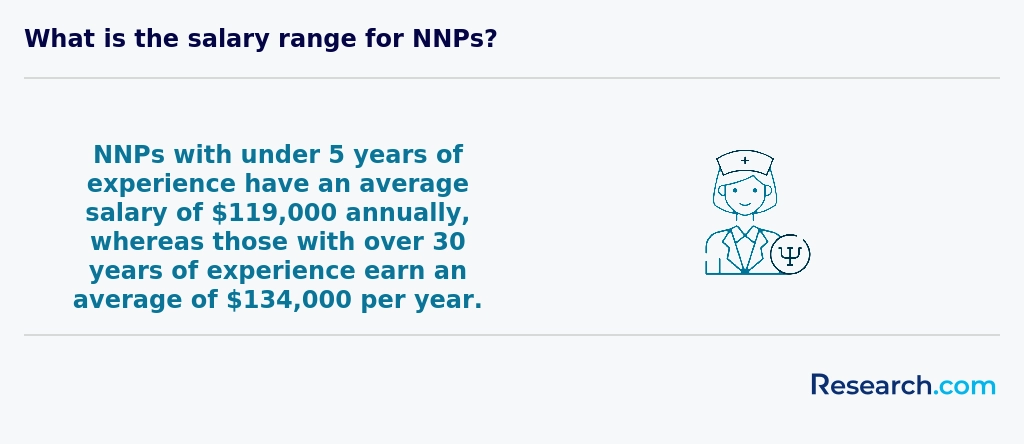
For those interested in pursuing a career in nursing, understanding the various specializations available is crucial. In Pennsylvania, aspiring nurses can explore a range of paths that cater to different interests and career goals. One of the key considerations for prospective students is the potential return on investment for their educational pursuits. By examining the most valuable nursing programs in Pennsylvania, students can gain valuable insights into which programs offer the best opportunities for career advancement and financial stability. This information is essential for making informed decisions about educational paths that align with personal and professional aspirations. Whether considering roles in advanced practice, clinical specializations, leadership, education, or other areas, understanding the landscape of nursing specializations in Pennsylvania is the first step towards a successful and fulfilling nursing career.
Online nursing degree programs in Pittsburgh immerse students in courses that reflect the complexity and humanity of nursing roles. Graduates from well-known local universities often recall how Human Anatomy and Physiology classes were more than textbooks-they were the foundation for understanding a patient's pain during night shifts. Pharmacology courses revealed the delicate balance of administering medications safely, a skill that graduates describe as empowering when caring for diverse patient needs.
Courses like Health Assessment taught students to read subtle signs of illness, transforming virtual lessons into real-life confidence during clinical practicum experiences across Pittsburgh's healthcare facilities. Evidence-Based Nursing Practice challenged students to question the "usual way" and embrace research-driven decisions, a mindset that graduates say distinguishes them in leadership roles. Community Health Nursing broadened their perspectives, showing how nursing impacts entire neighborhoods beyond hospital walls.
Such comprehensive coursework, paired with local practicum opportunities, makes online nursing degrees in Pittsburgh uniquely practical and deeply inspiring for those committed to making a difference.
Online nursing degree specializations in Pittsburgh challenge the idea that nursing is a one-size-fits-all profession. Graduates from top universities and colleges in the area often share how choosing paths like Family Nurse Practitioner or Adult-Gerontology Nurse Practitioner transformed their understanding of patient care. These specializations empower students to tailor their careers to real-world demands, whether managing chronic diseases in adults or promoting health across all ages.
Others have pursued Psychiatric-Mental Health Nurse Practitioner tracks, echoing the region's growing focus on mental well-being. Nursing Leadership and Administration programs equip nurses to influence healthcare policies directly, reflecting Pittsburgh's evolving medical landscape. Meanwhile, the Nurse Educator concentration helps those passionate about teaching pass on knowledge to future nurses. These Pittsburgh online nursing program concentration options allow students to blend rigorous academics with practical impact based on their personal and professional aspirations.
Many students appreciate how flexible online formats enable them to advance without pausing their careers, often leveraging offerings like adn to msn np programs to deepen their expertise. This adaptability resonates deeply with busy professionals eager to serve their communities more effectively.
Choosing the best online nursing degree in Pittsburgh requires more than glancing at accreditation or course catalogues-it demands reflection on how the program fits your life and career ambitions. Graduates from popular Pittsburgh universities often recall juggling asynchronous classes with shifts in local hospitals, appreciating programs that offer not only strong academic foundations but also meaningful clinical placements right here in the city. This real-world connection transforms abstract lessons into confident practice.
Students navigating affordable online nursing degrees Pittsburgh PA quickly learn that tuition isn't the entire financial story. One graduate shared how uncovering hidden fees and comparing them across institutions saved crucial dollars, while also tapping into scholarships and employer reimbursement. For those aiming to specialize, curriculum relevance is vital: nurse educators and family nurse practitioners benefit most from programs tailored to their paths rather than generic nursing degrees.
Seeking robust support networks-academic advising, tech help, career counseling-is a heartfelt priority highlighted by many alumni. Success in nursing here hinges on these guiding hands. For prospective students ready to explore options, reviewing most affordable nurse practitioner programs online can provide a strategic financial and academic roadmap within this competitive landscape.

Graduates of online nursing degree programs in Pittsburgh find diverse career paths shaped by the city's robust healthcare ecosystem and respected universities. Many step directly into Registered Nurse (RN) roles at renowned institutions like UPMC Health System, feeling both pride and purpose as they serve local communities. Others challenge the traditional nursing route, advancing to roles such as Advanced Practice Registered Nurses, Clinical Nurse Leaders, or Healthcare Administrators, embracing the city's growing need for specialized skills. These options reflect not just jobs but meaningful careers that respond to Pittsburgh's aging population and evolving healthcare demands.
For students balancing life and studies at Pittsburgh's top colleges, the appeal of online nursing careers in Pittsburgh lies in flexibility combined with real-world impact. Graduates often recount how the practical yet adaptable coursework empowered them to pursue specialties like nursing education or health informatics, fields gaining traction alongside the city's tech growth. Such stories highlight how nursing is more than bedside care-it's leadership, innovation, and advocacy.
Cost concerns also prove manageable, especially when exploring resources like the Affordable Online Nursing Degree Programs Ranking in Arizona, which inspires local learners to compare and strategize tuition investment against career goals. Opportunities in nursing degree job opportunities Pittsburgh PA reflect both competitive pay and gratifying work that online nursing graduates eagerly embrace.
The online nursing degree job opportunities Pittsburgh offers are highly encouraging for graduates seeking practical and flexible education paths. Graduates from universities known for their nursing programs in Pittsburgh often share how their online degrees allowed them to juggle work and family while gaining relevant skills tailored for the city's healthcare demands. These graduates quickly find roles in hospitals or outpatient clinics, with the local job market valuing their accredited online education equally to traditional programs.
Pittsburgh nursing degree employment outlook is strong, with key employers like UPMC preferring candidates who blend advanced knowledge with adaptable learning experiences. Nurses coming from online programs report feeling prepared to meet the technological and patient-care challenges unique to Pittsburgh's healthcare landscape. Many highlight the support from faculty and clinical placements that connect theory with real-world practice.
Cost considerations also play a significant role. Those exploring online degrees appreciate the affordability and flexibility, often consulting lists of top online schools with national accreditation to find programs that fit their budget and schedule while maximizing career potential.
2027 Most Valuable Online Doctorate in Nursing Degree Programs Ranking in Pittsburgh, PA
Investing in your education is a significant decision that can shape your future, and the Research.com team understands the importance of making informed choices. To assist prospective students in Pittsburgh, PA, we have meticulously developed the "2027 Most Valuable Online Doctorate in Nursing Degree Programs Ranking." Our commitment to quality, credibility, and accuracy is demonstrated through the comprehensive research and careful analysis that underpin this ranking.
We utilized the following reputable data sources to ensure a thorough evaluation of online Doctorate in Nursing programs:
By consulting this ranking, readers will gain valuable insights into the most valuable online Doctorate in Nursing programs available in Pittsburgh, PA, empowering them to make informed educational choices. For more information on how this ranking was created, please visit our Research.com methodology page.


Frequently Asked Questions About nursing
Online nursing degree students in Pittsburgh can maximize their learning experience by leveraging local resources and maintaining disciplined study habits. Pittsburgh hosts numerous healthcare facilities like the UPMC system, which offers clinical placement opportunities crucial for hands-on experience. Students should actively seek affiliations or internships through their online programs to gain practical skills.
Time management is vital, especially balancing coursework with clinical hours. Utilizing Pittsburgh area libraries and study groups, either virtually or in person, can foster collaboration and deepen understanding.
Accessing faculty support and online discussion forums enhances knowledge retention. According to the Pennsylvania State Board of Nursing, nearly 70% of licensed nurses in the state value continuing education combined with practical training for career advancement.
The nursing field continues to evolve, with several emerging niches gaining importance nationwide, including in Pittsburgh. One rapidly growing area is telehealth nursing, which has expanded significantly since the COVID-19 pandemic, allowing nurses to provide care remotely through digital platforms. According to the Pennsylvania Nurses Association, telehealth roles are expected to increase by over 30% in the next five years.
Another important niche is gerontological nursing, driven by Pittsburgh's aging population-Pennsylvania has one of the highest percentages of residents over 65 in the US. Nurses specializing in elderly care are vital for managing chronic conditions and improving quality of life.
Additionally, nursing informatics is becoming crucial as healthcare integrates more technology. Professionals in this niche help optimize electronic health records and data analytics to improve patient outcomes.
After completing an online nursing degree in Pittsburgh, graduates should focus on licensure and experience to enter the job market successfully. The first step is passing the NCLEX-RN exam, required to become a registered nurse in Pennsylvania. Obtaining certifications in high-demand specialties such as critical care or pediatrics can improve job prospects. Pittsburgh's healthcare sector employs over 60,000 nurses, with a steady growth rate of about 12% expected through 2030, according to the U.S. Bureau of Labor Statistics.
Networking through local nursing associations and attending job fairs hosted by Pittsburgh hospitals can also help.
Employers in Pittsburgh highly value nursing graduates who demonstrate strong clinical skills combined with excellent communication abilities. According to the Pennsylvania Center for Nursing Workforce, critical thinking and patient-centered care rank among the top competencies sought by healthcare providers across the region.
Proficiency in electronic health records (EHR) is also crucial, as Pittsburgh hospitals increasingly adopt digital systems. The U.S. Bureau of Labor Statistics notes that nurses with technology fluency have better job prospects.
Furthermore, teamwork and adaptability are essential, given the fast-paced hospital environments common in Pittsburgh. Local health systems emphasize cultural competence to serve diverse patient populations effectively.
Finding nursing internships in Pittsburgh involves leveraging local healthcare networks and educational resources. Pittsburgh is home to major hospital systems like UPMC and Allegheny Health Network, which offer structured internship and clinical placement programs for nursing students. According to the Pittsburgh Regional Health Initiative, UPMC alone employs over 28,000 nurses, highlighting ample opportunities for hands-on experience.
Students should contact their online nursing program's career services or clinical coordinators, as many have partnerships with Pittsburgh hospitals and clinics to facilitate placements. Additionally, professional organizations such as the Pennsylvania State Nurses Association provide listings and networking events relevant to internships.
Exploring local healthcare job boards and attending Pittsburgh-based nursing conferences can also help applicants connect with potential internship providers.
Obtaining an online nursing degree in Pittsburgh can significantly enhance career mobility and advancement. The city's healthcare sector continues to grow, with more than 106,000 healthcare jobs reported in 2023 by the Pennsylvania Department of Labor & Industry. Nurses with advanced degrees, including those earned online, are in higher demand for leadership, clinical specialist, and administrative roles.
Online nursing programs offer flexibility for working professionals, allowing them to balance education and job responsibilities. Graduates often benefit from higher earning potential; for instance, registered nurses in Pittsburgh earn an average annual wage of around $75,000, with advanced degree holders typically earning more.
Moreover, online degrees accredited by reputable bodies like CCNE and ACEN meet employer and licensing standards, facilitating career progression both within Pittsburgh's hospitals and statewide healthcare facilities.
Studying for a nursing degree in Pittsburgh offers unique advantages for preparing students for interdisciplinary roles. Many local online programs emphasize collaboration skills by integrating coursework with health professionals from diverse fields, such as social work, pharmacy, and public health. This reflects the region's growing healthcare networks, including the University of Pittsburgh Medical Center (UPMC), known for its team-based care models.
According to the Pennsylvania Center for Nursing, over 60% of Pittsburgh's healthcare jobs require nurses to coordinate closely with other specialists. Online nursing degrees in the area often incorporate case studies, virtual simulations, and practicum opportunities that foster communication and critical thinking across disciplines.
This approach equips graduates to effectively manage patient care in complex environments, making them valuable contributors to healthcare teams in Pittsburgh's evolving medical landscape.
Choosing between a thesis and a non-thesis nursing degree program in Pittsburgh depends largely on your career goals and learning preferences. Thesis programs emphasize research and require completing a substantial project, preparing students for roles in academia or research. Non-thesis options typically focus on coursework and practical skills, appealing to those aiming for clinical or administrative positions.
The University of Pittsburgh and Duquesne University, two prominent local institutions, offer both options, catering to different professional paths. According to the Pennsylvania State Board of Nursing, Pittsburgh's healthcare sector values advanced research skills, but many employers prioritize hands-on expertise.
Consider your long-term plans before deciding, as thesis tracks may take longer to finish and demand strong writing and analytical abilities.
Students based in Pittsburgh interested in studying nursing abroad through online programs have limited direct options, as most international nursing degrees require on-site clinical experience that must be completed in the host country. However, many U.S. institutions partner with foreign universities to provide exchange opportunities or dual-degree programs that combine online coursework with local clinical placements.
For Pittsburgh students, it is important to ensure foreign online nursing programs meet U.S. accreditation standards, such as those set by the Commission on Collegiate Nursing Education (CCNE), to facilitate licensure in Pennsylvania. Additionally, the Pennsylvania State Board of Nursing requires clinical hours to be completed under approved supervision, which can complicate purely international online study.
Due to regulatory and practical considerations, most Pittsburgh-based nursing students pursuing advanced online degrees choose accredited U.S. programs with global health or international nursing curriculum tracks rather than entirely foreign degree programs. According to the Pennsylvania Center for Nursing Workforce, the state continues to support programs aimed at expanding online nursing education access locally and nationally.
Students pursuing online nursing degrees in Pittsburgh can enhance their education through various part-time jobs. Positions such as certified nursing assistants (CNAs) or medical assistants provide hands-on patient care experience, reinforcing clinical skills learned in coursework. According to the Pennsylvania Department of Labor & Industry, these roles often pay between $12 and $17 per hour, helping students support themselves financially.
Other opportunities include healthcare administration assistant roles in local hospitals like UPMC and Allegheny Health Network, offering insight into healthcare systems. Additionally, volunteering or part-time work in nursing homes or outpatient clinics enables students to build practical communication and organizational skills essential for nurses.
Online nursing students in Pittsburgh have access to various networking opportunities despite studying remotely. Many local universities offering online nursing programs encourage participation in virtual seminars, workshops, and discussion forums, helping students connect with peers and faculty. Pittsburgh also hosts annual events through organizations such as the Pennsylvania State Nurses Association, providing networking venues for students.
Additionally, Pittsburgh's healthcare system is extensive, with major hospitals like UPMC facilitating internships and clinical placements where online students can build local professional relationships. According to the U.S. Bureau of Labor Statistics, Pittsburgh's nursing job market is expected to grow by 12% from 2020 to 2030, increasing the value of strong networks.
Alumni networks offer significant advantages to online nursing degree students in Pittsburgh. These networks connect current students with graduates who have firsthand experience in local healthcare settings, providing valuable mentorship and career guidance. According to the Pennsylvania Action Coalition, hospitals in Pittsburgh often seek nurses with strong professional ties, making alumni connections a critical resource for job placements.
Networking through alumni groups can increase access to exclusive internships and continuing education opportunities, particularly within Pittsburgh's large healthcare sector. This support helps students navigate licensure requirements and clinical expectations more effectively.
Overall, strong alumni associations enhance professional development and improve employment outcomes for online nursing students in the Pittsburgh area.
To customize your online nursing degree program in Pittsburgh, start by selecting a specialization that aligns with your career goals. Options often include nurse practitioner, nurse educator, or nurse administrator tracks.
Many Pittsburgh universities provide elective courses and clinical practicum placements tailored to local healthcare settings. This flexibility allows students to gain experience relevant to regional needs, such as geriatric care or acute care nursing, both in high demand locally.
Additionally, consider programs offering part-time or accelerated formats to fit your schedule. According to the Pennsylvania Center for Nursing Workforce, Pittsburgh's healthcare sector consistently seeks advanced practice nurses, making specialized credentials valuable for career advancement.
Online nursing students in Pittsburgh face several challenges unique to the region and the nature of remote education. One major issue is securing quality clinical placements locally, as Pittsburgh hospitals often have limited spots for online program students. This can delay graduation timelines.
Additionally, students must balance demanding coursework with personal and professional responsibilities. Studies show nearly 60% of nursing students in Pennsylvania juggle part- or full-time work alongside studies, increasing stress levels.
Technological barriers also impact learning success. Reliable high-speed internet and familiarity with digital platforms are essential but not uniform across all students in the area.
Finally, limited in-person interaction can hinder networking and peer support, which are critical for professional growth in nursing.
With an online nursing degree, professionals in Pittsburgh can pursue various certifications to enhance their careers. Common options include becoming a Certified Registered Nurse Anesthetist (CRNA), a Family Nurse Practitioner (FNP), or a Clinical Nurse Specialist (CNS). These certifications require passing national exams overseen by organizations such as the American Nurses Credentialing Center (ANCC) or the American Association of Nurse Practitioners (AANP).
According to the Pennsylvania State Board of Nursing, certified nurses often see higher salaries and greater job stability in the region. Many Pittsburgh healthcare facilities prefer hiring nurses with specialized credentials, reflecting a competitive local job market documented by the Pittsburgh Regional Health Survey (2023). These credentials validate advanced skills and can open doors to leadership roles.
When applying to online nursing programs in Pittsburgh, start by carefully reviewing each school's admission requirements. Many programs require a minimum GPA of around 3.0 and prerequisites such as anatomy, microbiology, and statistics. Highlight your clinical experience or relevant healthcare work, as Pittsburgh employers value practical skills highly. According to the Pennsylvania State Board of Nursing, licensed nurses in the region must meet continuing education standards, so demonstrate your commitment to lifelong learning.
Craft a clear personal statement explaining your motivation and career goals, linking them to nursing needs in Pittsburgh's healthcare system. Request strong recommendation letters from supervisors or instructors who can attest to your professional abilities.
Finally, ensure all transcripts and documents are submitted on time to increase your chances, since top Pittsburgh schools like the University of Pittsburgh receive many applications annually. Thorough preparation and attention to detail remain key in a competitive local market.
The nursing profession is recognized globally as essential to healthcare systems, with growing demand in many countries, including the United States. Nurses provide critical care and often serve as the frontline of patient interaction. In Pittsburgh, nursing opportunities reflect national trends; the U.S. Bureau of Labor Statistics projects a 9% growth in registered nursing positions from 2020 to 2030. This growth is driven by an aging population and increased access to healthcare.
Globally, nursing roles differ, but the U.S. places strong emphasis on advanced education, such as online nursing degrees, to prepare for leadership and specialized roles. Pittsburgh-based nurses benefit from Pennsylvania's emphasis on continuing education and professional development, supporting global nursing standards.
Gaining practical experience while studying for an online nursing degree in Pittsburgh is essential to meet licensure requirements and build clinical skills. Most accredited programs require students to complete clinical hours at local healthcare facilities. Pittsburgh has numerous hospitals like UPMC and Allegheny Health Network, which often partner with nursing schools for clinical placements.
Students can arrange these experiences through their program's clinical coordinators, who help match students with approved sites. According to the Pennsylvania State Board of Nursing, clinical hours typically range from 500 to 700 hours depending on the program level.
Additionally, students may volunteer or work part-time in healthcare settings to enhance practical knowledge while studying.
Choosing the right concentration within an online nursing degree in Pittsburgh requires understanding your career goals and the local healthcare environment. Pittsburgh's healthcare industry is robust, with specialties like geriatrics and critical care in high demand, partly due to an aging population reported by the Pennsylvania Department of Health. Researching concentrations related to these fields can increase job opportunities.
Consider your current experience and interests. If you work in hospital settings, acute care specialties may align well with your skills. Alternatively, public health nursing can be appealing if you want to impact community health in Pittsburgh's diverse neighborhoods.
Accreditation and faculty expertise in the online program also matter. Programs recognized by nursing bodies such as the CCNE tend to offer comprehensive, updated curricula tailored to various nursing roles.
- 2027 Most Valuable Online Nursing Degree Programs Ranking in Morgantown, WV
- 2027 Most Valuable Online Nursing Degree Programs Ranking in Athens, OH
- 2027 Most Valuable Online Nursing Degree Programs Ranking in Washington, DC
- 2027 Most Valuable Online Nursing Degree Programs Ranking in Toledo, OH
- 2027 Most Valuable Online Nursing Degree Programs Ranking in Livonia, MI
- 2027 Most Valuable Online Nursing Degree Programs Ranking in Rochester, NY
- 2027 Most Valuable Online Nursing Degree Programs Ranking in Radford, VA
- 2027 Most Valuable Online Nursing Degree Programs Ranking in Highland Heights, KY
- 2027 Most Valuable Online Nursing Degree Programs Ranking in Cincinnati, OH
- 2027 Most Valuable Online Nursing Degree Programs Ranking in Flint, MI
See What Experts Have To Say About Studying Nursing
Read our interview with Nursing experts


- Online Nursing Degree Programs | University of Phoenix https://www.phoenix.edu/online-nursing-degrees.html
- Scholarships & Financial Aid https://www.aacnnursing.org/students/scholarships-financial-aid
- Second Degree Nursing - Accelerated BSN - Carlow University - Pittsburgh, PA https://www.carlow.edu/academic-programs/nursing-degrees/nursing-major-second-degree/
- Guide to Making a Career Change to Nursing https://teach.com/online-ed/healthcare-degrees/online-msn-programs/career-change-to-nursing/
- What Nursing Concentration Is Right for Me? | Maryville Nursing https://nursing.maryville.edu/blog/what-nursing-concentration-is-right-for-me
- How to Set and Achieve Your Nursing Career Goals | HealthTrust https://engage.healthtrustjobs.com/how-to-set-achieve-nursing-career-goals
- How Much Can I Earn With a BSN? https://www.allnursingschools.com/bsn/salary/
- The Importance of Clinical Experience for Nursing Students https://bealuniversity.ca/clinical-experience-for-nursing-students/
- Financial Aid | UPMC Shadyside Nursing School https://www.upmc.com/healthcare-professionals/education/schools-of-nursing/campuses/shadyside/financial-aid
- CCAC Announces New Financial Assistance and Support for Existing and Potential Nursing Students https://www.ccac.edu/newsroom-and-marketing/ccac-newsroom/2023/0601-ccac-announces-new-financial-assistance-and-support-program-for-nursing-students.php


