2027 Most Valuable Nursing Degree Programs Ranking in Green Bay

Co-Founder and Chief Data Scientist
Choosing the right nursing degree program is an important step toward a rewarding healthcare career. For students in Green Bay, this article offers valuable insights to help you make that decision with confidence.
The 2027 Most Valuable Nursing Degree Programs Ranking in Green Bay, developed by the Research.com team of data scientists, highlights the programs that stand out in quality and value.
Reading this ranking can guide you toward programs that prepare you well for the future, making your investment in education truly worthwhile.
Key benefits of getting nursing degree in Green Bay
- Graduates with a nursing degree in Green Bay can expect competitive salaries, such as Registered Nurses earning a mean annual wage of $94,480 and Operating Room Nurses earning up to $128,490, offering strong financial stability.
- Career paths from local schools like the University of Wisconsin-Green Bay include roles as Clinical Nurse Educators, Public Health Nurses, and Emergency Room Nurses, providing diverse opportunities to match your passion.
- Online nursing degrees offer flexible learning schedules, allowing students to balance work and study effectively, as seen with graduates from UW-Green Bay's online programs who enjoy gaining skills without relocating.
- 2027 Most Valuable Nursing Degree Programs Ranking in Green Bay
- What can I expect from nursing degree in Green Bay?
- Where can I work with nursing degree in Green Bay?
What can I expect from nursing degree in Green Bay?
The average cost of pursuing a nursing degree in Green Bay varies widely depending on the institution and the program type. Graduates from the University of Wisconsin-Green Bay, for instance, often share how managing tuition fees alongside living expenses felt challenging yet achievable, thanks to available scholarships and financial aid specifically geared toward nursing students. Many nursing students find that the lower cost of living in Green Bay compared to larger cities helps offset educational expenses, making it more financially accessible.
Associate degree programs (ADN) typically require about two years and tend to be more affordable upfront, while the Bachelor of Science in Nursing (BSN) programs, which offer broader clinical and leadership training over four years, come with higher tuition but also potentially greater career opportunities. Several graduates emphasize that seeking loan options and institutional aid can ease the burden, highlighting how financial planning is crucial to balance costs and the rewarding hands-on clinical experiences provided by hospitals like Bellin Health and St. Vincent Hospital.
Where can I work with nursing degree in Green Bay?
Graduates with a nursing degree in Green Bay often find a variety of employment paths that align with their skills and career goals. Many begin their careers at well-known local health systems, such as Bellin Health or Aurora Baycare Medical Center, where they gain hands-on experience in areas like surgical care, emergency units, or maternity wards. For instance, nursing graduates from the University of Wisconsin-Green Bay report feeling valued as they manage real patient cases early, making their work both challenging and rewarding.
Others choose to work in long-term care or skilled nursing homes, environments that require compassion and patience for elderly or chronically ill patients. Graduates often share that working in these facilities strengthens their skills in geriatric care and offers emotional fulfillment from making a daily difference in vulnerable lives.
Community health centers and outpatient clinics provide alternative settings where nurses focus on education and prevention, engaging with public health initiatives in Brown County. Graduates from local colleges appreciate the chance to work on wellness programs that visibly impact local families.
Some nursing professionals find home healthcare particularly meaningful, helping patients recover in the comfort of their own homes-a role that many describe as allowing deeper personal connections with those they care for. School nursing roles are also a viable and rewarding option, combining health expertise with educational environments.
Nursing graduates from Green Bay, including those from well-regarded programs such as the University of Wisconsin-Green Bay, often find rewarding salary opportunities reflecting their education and experience. For Registered Nurses (RNs), mean annual wages reported by the U.S. Bureau of Labor Statistics indicate earnings around $94,480, or about $45.42 per hour, a figure consistent across roles like Clinical Nurse Educator, Public Health Nurse, and Emergency Room Nurse.
Some graduates pursuing specialized paths can expect even higher salaries. For instance, Operating Room Nurses in Green Bay earn a mean annual wage of approximately $128,490, highlighting how choosing a specialty can significantly impact income. Graduates often share enthusiasm about how this financial stability supports their commitment to patient care while allowing for career growth.
Still, individual salaries may vary due to factors like employer type, shift differentials, or years of experience. Many graduates note that while the starting pay may be modest, opportunities to advance within hospitals or clinics in Green Bay make the investment worthwhile. The local job market's stability and healthcare demand provide a positive outlook for new nurses stepping into these roles.
- Nursing programs in Green Bay are offered by the University of Wisconsin-Green Bay and Northeast Wisconsin Technical College with both classroom and clinical training.
- Annual tuition for in-district public nursing programs typically ranges from $6,000 to $10,000, which is affordable compared to national averages.
- Starting salaries for newly graduated nurses in Green Bay average between $55,000 and $62,000 per year.
- Experienced nurses with five or more years can earn between $75,000 and $85,000 annually depending on specialization and workplace.
- The job market for nurses in Green Bay is strong, with employment growth projected to exceed 10% over the next decade.
- Major local employers hiring nursing graduates include Bellin Health and Aurora BayCare Medical Center.
Completing a nursing degree in Green Bay varies widely depending on the program chosen, shaping students' experiences and timelines. Many graduates from local community colleges share that the Associate Degree in Nursing (ADN) typically takes about 2 to 3 years, a realistic pace that balances coursework and clinical practice. These programs equip students to sit for the NCLEX-RN exam, launching fulfilling careers as registered nurses.
Conversely, those attending the University of Wisconsin-Green Bay often describe the Bachelor of Science in Nursing (BSN) journey as a comprehensive four-year commitment. Beyond clinical skills, the BSN program integrates leadership and research, which many find energizing despite the longer duration.
For career changers, accelerated BSN programs near Green Bay condense study into 12 to 18 intense months. Graduates recall the fast pace as challenging yet empowering, allowing swift transitions into nursing.
These varying timelines reflect not just program structures but personal choices and life circumstances, with clinical hours and part-time options adding layers of flexibility or complexity to each pathway.
For students looking to expand their nursing education horizons, it's essential to consider programs beyond Green Bay, WI. Exploring options like valuable nursing programs in Wisconsin can provide insights into the diverse range of educational pathways available. This can include pursuing specialized nursing degrees, attending nursing conferences, or participating in online forums to network with other nursing professionals. By broadening their perspective, students can discover new opportunities for growth and development in the nursing field, ultimately enhancing their career prospects and contribution to healthcare.
In Green Bay, nursing students face distinct choices between on-campus and online degree programs, each appealing to different needs and lifestyles. Graduates from the University of Wisconsin-Green Bay's traditional program often reflect positively on the hands-on experiences gained through direct interaction with instructors and peers in simulation labs and clinical settings. This immersive environment helps develop essential practical skills required for licensure, though it demands a fixed schedule that can be challenging for those juggling work or family.
Conversely, online students pursuing degrees from local institutions appreciate the flexibility to study around personal and professional commitments. They engage with coursework via virtual classrooms and recorded lectures, which suits working nurses aiming to advance without pausing their careers. Yet, these students still arrange in-person clinical hours locally, which can sometimes require extra effort to coordinate.
Both paths in Green Bay share the necessity of hands-on clinical practice, but financial considerations differ slightly. Online programs may offer lower tuition and save on commuting costs, while on-campus programs provide rich face-to-face support that some find invaluable for mastering clinical techniques.
Accreditation by a recognized agency ensures your nursing program meets state board requirements and qualifies you to sit for the NCLEX. In Green Bay, look for programs accredited by:
- Accreditation Commission for Education in Nursing (ACEN)
- Commission on Collegiate Nursing Education (CCNE)
Compare each school’s first-time NCLEX pass rate with Wisconsin’s average (around 88%) to gauge exam readiness. Graduates from accredited programs often report higher confidence and stronger clinical competence. To boost your credentials after earning an ADN, explore RN-to-BSN pathways-some even offer fully online rn to bsn programs without clinicals.
The average cost of obtaining a nursing degree in Green Bay generally reflects a median total cost near $19,826 for in-state students, though this number varies depending on the institution and program level. Graduates from popular schools like the University of Wisconsin-Green Bay often share how the financial investment feels manageable when balanced with local tuition rates, typically ranging between $9,500 and $11,000 annually for bachelor's degrees. Meanwhile, students pursuing associate degrees at Northeast Wisconsin Technical College benefit from more affordable yearly costs estimated between $4,000 and $5,000.
Those considering the average nursing degree cost Green Bay should account for not just tuition but also expenses such as books, uniforms, and clinical supplies, which can add around $1,000 to $2,000 annually. Many nursing students describe feeling reassured by various financial aid opportunities available locally, including scholarships and grants, which help mitigate these extra costs and make completing their degrees more feasible.
It's worth noting that personal stories from graduates often highlight the rewarding nature of their nursing education despite the financial considerations. For some, the investment translates into meaningful careers that justify the upfront expenses. Additionally, students exploring their options might consult resources on the most valuable nursing programs in Wisconsin to choose paths that align with both their educational goals and budgets.
Accreditation is a key indicator of program quality and is required for licensure eligibility in Wisconsin. Nursing programs in Green Bay, WI, should hold full accreditation from recognized bodies such as the Accreditation Commission for Education in Nursing (ACEN) or the Commission on Collegiate Nursing Education (CCNE). This status ensures that curricula meet rigorous standards for clinical training, faculty credentials, and student support services-factors closely tied to graduate success on the NCLEX-RN exam. Prospective students should verify each school’s current NCLEX-RN pass rates, which are publicly reported by the Wisconsin Board of Nursing. For instance, the University of Wisconsin-Green Bay’s BSN program consistently posts an NCLEX-RN pass rate above 92%, while Bellin College reports rates in the 88–90% range. Northeast Wisconsin Technical College (NWTC) ADN graduates achieve pass rates near 85%, demonstrating strong preparation through hands-on simulation labs and community health rotations. High pass rates not only reflect program excellence but also influence employability and earning potential. Employers increasingly prioritize candidates from accredited programs with proven licensure success, reinforcing the importance of accreditation in program selection. For students seeking accelerated pathways, exploring accelerated rn programs online can provide a reputable, fast-track route to licensure while maintaining accreditation and high NCLEX-RN outcomes. When comparing nursing degrees, always confirm accreditation details and review the latest NCLEX-RN statistics to make an informed decision that maximizes your career prospects in Green Bay’s competitive healthcare market.
Students pursuing nursing degrees in Green Bay, such as those attending the University of Wisconsin-Green Bay or Northeast Wisconsin Technical College, often rely on multiple financial aid sources to manage costs that can range widely. Federal aid through FAFSA remains a cornerstone, particularly Pell Grants, which many graduates recall as essential support that lifted their financial burden early on.
State-specific programs like the Wisconsin Grant Program, offering up to $3,000 annually, are vital for local students. Some graduates describe how this aid made their decision to study nursing in Green Bay feasible without excessive debt. Likewise, technical college attendees frequently benefit from the Wisconsin Technical Excellence Scholarship, which helps keep tuition manageable.
Beyond grants and scholarships, local healthcare providers such as Bellin Health and Aurora BayCare play a crucial role by offering scholarships and loan forgiveness. Graduates often share encouraging stories about receiving such support in exchange for committing to work locally, creating a win-win that addresses both personal finances and regional nursing shortages.
Employer tuition reimbursement and clinical work opportunities add practical financial relief, helping students balance work and study. For advanced nursing tracks, specific loan forgiveness programs targeting nurse practitioners willing to serve underserved areas also provide meaningful incentives, reflecting a complex but promising financial aid landscape in Green Bay.
Many nursing graduates in Green Bay are choosing to expand their clinical expertise and leadership potential through advanced practice pathways. Enrolling in a Master of Science in Nursing (MSN) program or Post-Graduate Certificate can open doors to roles such as Clinical Nurse Specialist, Nurse Educator, or Nurse Administrator. These programs typically emphasize evidence-based practice, healthcare policy, and advanced pharmacology, ensuring that graduates are prepared to lead interdisciplinary teams and improve patient outcomes across a variety of settings. For those drawn to integrative and patient-centered modalities, specializing as a Holistic Nurse Practitioner offers a unique blend of conventional medicine and complementary therapies. Coursework often covers mind-body interventions, nutritional counseling, and lifestyle coaching to support whole-person wellness. To explore this pathway further, see our guide on how to become an hnp and discover the certification requirements, clinical hours, and continuing education credits needed to excel in this specialty. Advanced practice roles also bring significant salary increases and greater autonomy. In Green Bay, APRNs can command average annual salaries ranging from $110,000 to $135,000, depending on specialization and clinical setting. When selecting an advanced program, consider accreditation by CCNE or ACEN, faculty expertise in your chosen field, and clinical placement opportunities that align with your career goals.
To enroll in a nursing degree program in Green Bay, students must typically complete foundational requirements that reflect both academic readiness and practical preparation. Graduates from Northeast Wisconsin Technical College and the University of Wisconsin-Green Bay often recall starting their journey having fulfilled a high school diploma or GED, which sets the base for college-level learning.
Prerequisite courses play a vital role; many students highlight taking biology with lab components, chemistry, microbiology, and communication classes before admission. These courses do more than just check a box-they build confidence by grounding students in the essential sciences and communication skills they repeatedly use in clinical settings.
Standardized tests like the TEAS are common hurdles, assessing reading, math, science, and English skills. Several graduates describe this as a motivating challenge that helped affirm their dedication, rather than just a barrier.
Some programs also require letters of recommendation or personal statements, which give applicants a chance to express their passion for nursing. Candidates often find that reflecting on their healthcare volunteer work or interviews deepens their desire to care for others, echoing the supportive community they'll join in Green Bay.

Accreditation and NCLEX-RN pass rates are critical indicators of a nursing program’s quality and a graduate’s likelihood of licensure success. In Green Bay, WI, top institutions such as the University of Wisconsin-Green Bay and Bellin College hold CCNE and ACEN accreditation, ensuring their curricula meet rigorous national standards. Accredited programs not only enhance transferability of credits but also qualify graduates to sit for the NCLEX-RN exam, the gateway to becoming a licensed registered nurse. NCLEX-RN pass rates reflect both program effectiveness and student preparedness. For example, UW-Green Bay’s nursing graduates achieved a 92% first-time NCLEX-RN pass rate in 2023, surpassing the national average of 87%. Bellin College reported an impressive 95% pass rate, underscoring its commitment to hands-on simulation labs and targeted exam review sessions. Prospective students should verify each school’s most recent pass rates, as high performance often correlates with strong faculty support and robust student resources. When comparing online versus on-campus options, accreditation remains non-negotiable. Fully online programs must maintain the same rigorous oversight as traditional degrees. To balance cost with quality, prospective learners can explore affordability metrics alongside accreditation status-our Cheapest Online Bachelor’s in Nursing Degree Programs Ranking in Virginia offers a useful benchmark for evaluating cost-effective, accredited pathways. Ultimately, verifying accreditation and NCLEX-RN outcomes equips students with the confidence that their chosen program not only delivers a valuable education but also paves the way for a successful nursing career.
Nursing degree programs in Green Bay typically include foundational courses such as anatomy, physiology, microbiology, pharmacology, and pathophysiology. These subjects equip students with a clear understanding of the human body and how diseases affect it, which graduates from local universities often highlight as essential when they enter clinical settings. For example, one graduate recalls how detailed knowledge of pharmacology made medication administration during hospital rotations less intimidating and more precise.
Alongside these sciences, courses in nursing fundamentals focus on practical patient care and ethics, fostering confidence in complex, real-life healthcare situations. Many students appreciate the hands-on approach of colleges in Green Bay, where learning extends beyond textbooks to interactions in hospitals or community clinics. Advanced topics tend to cover medical-surgical nursing, pediatrics, mental health, and community health, allowing students to tailor their experience to preferred specialties.
Students frequently report that the variety and depth of courses reflect both national standards and local healthcare needs, making their education in Green Bay both comprehensive and relevant. This balance often inspires a positive sense of readiness and belonging within their future nursing roles.
Nursing degree specializations in Green Bay commonly include Registered Nurse (RN) to Bachelor of Science in Nursing (BSN) pathways with options to focus on leadership or community health, pediatric nursing, geriatric nursing, mental health nursing, critical care, and public health. Graduates from local institutions often express enthusiasm about their clinical rotations at hospitals like Bellin Health, which provide hands-on experience with diverse patient populations. This practical exposure helps students feel confident and prepared for their chosen specialization.
While the emphasis on geriatric nursing responds to Wisconsin's aging population, students are also encouraged to consider how their specialization aligns with state licensing requirements and career aspirations. Some Green Bay nursing program focus areas may require additional certification or graduate education, such as nurse practitioner roles. For those looking to accelerate their studies, exploring accelerated rn programs online can be a practical approach.
Choosing the best nursing degree in Green Bay requires carefully weighing factors beyond just program reputation. Graduates from the University of Wisconsin-Green Bay often reflect on how selecting a Bachelor of Science in Nursing (BSN) provided clearer career advancement and financial benefits, aligning with the local healthcare demand. Yet, some find that starting with an Associate Degree in Nursing (ADN) at a technical college offers a more affordable, quicker pathway into the field, especially relevant when exploring affordable nursing schools Green Bay WI offers.
Accreditation and hands-on clinical opportunities within local hospitals like Bellin Health are vital. Students appreciate programs with high NCLEX pass rates, typically above 85%, which signal strong preparation. Considering personal circumstances, potential students should also look into cost factors such as tuition, fees, and available scholarships to create a realistic plan.
For those wondering about further specializations, some graduates explore options and guidance on how to become an hnp, helping refine their career path after initial degree completion.
Nursing degree graduates in Green Bay have access to diverse career paths reflecting both local healthcare demands and broader trends. Many graduates find rewarding roles as Registered Nurses (RNs) in hospitals such as Bellin Health or Prevea Health, where they engage directly with patients in specialties like pediatrics or emergency care. These positions offer a balance between hands-on practice and community impact, appealing to those eager for substantive involvement in patient well-being.
Other graduates pursue quicker workforce entry as Licensed Practical Nurses (LPNs) in long-term care or rehabilitation centers, which suits individuals prioritizing swift employment without extensive study. For those continuing their education at institutions like the University of Wisconsin-Green Bay, advanced roles such as nurse practitioners or clinical nurse specialists become accessible, often accompanied by greater responsibility and compensation. These career trajectories highlight that nursing career opportunities in Green Bay urge thoughtful consideration of personal goals and educational investment.
Additionally, some graduates embrace public health nursing or home health roles addressing chronic illness and elderly care, reflecting shifting community health needs. Graduates from local colleges frequently note the positive impact of financial aid options, and exploring offerings like the Cheapest Online Bachelor's in Nursing Degree Programs Ranking in Virginia can influence decisions on balancing cost and career prospects.
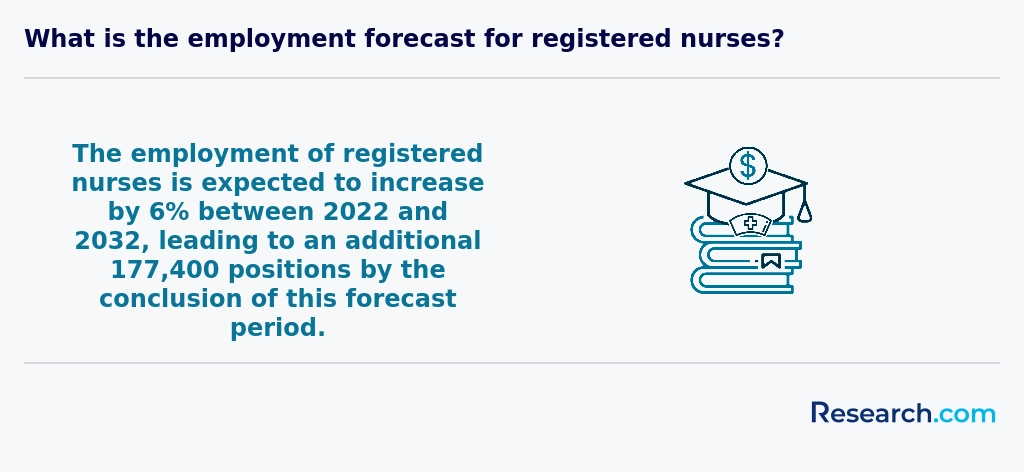
The nursing job market Green Bay offers shows steady growth, with registered nurses benefiting from expanding healthcare facilities like Bellin Health and Aurora BayCare Medical Center. Graduates from local programs report that practical experience gained during studies at popular colleges helps them transition confidently into roles at hospitals and clinics. This stable demand is supported by a projected 9% employment increase through 2032, aligning with national trends.
Yet, careful consideration is needed regarding education paths. Many graduates note that attaining a Bachelor of Science in Nursing at four-year institutions in Green Bay unlocks broader opportunities and higher salaries compared to associate degrees. The cost of nursing education here varies, but financial aid and employer tuition reimbursement programs often ease the burden. Some students explore quick 6 month certifications that lead to high paying jobs as alternatives or stepping stones to a full nursing degree.
Those entering this field in Green Bay find rewarding work in long-term care and community health settings, reflecting the diverse employment outlook for nursing degree holders. The supportive educational environment and positive job market often inspire confidence and optimism among recent graduates.
2027 Most Valuable Nursing Degree Programs Ranking in Green Bay
Investing in your education is a significant decision that can profoundly impact your career and future, and the Research.com team recognizes the importance of making well-informed choices. To support prospective students in Green Bay, we have carefully developed the "2027 Most Valuable Nursing Degree Programs Ranking in Green Bay." Our dedication to quality, credibility, and accuracy is demonstrated through thorough research and analysis.
We utilized the following reputable data sources to ensure a comprehensive evaluation of nursing degree programs:
By exploring this ranking, readers will gain valuable insights into the most valuable nursing degree programs in Green Bay, enabling them to make informed and confident educational decisions. For more information on how this ranking was created, please visit our Research.com methodology page.


# 4 position
Rasmussen University-Wisconsin
Bachelor of Science in Nursing

Frequently Asked Questions About nursing
Nursing degree students in Green Bay can maximize their learning experience by engaging in both academic and practical opportunities offered locally. Institutions such as the University of Wisconsin-Green Bay provide access to comprehensive curricula combined with hands-on clinical rotations at nearby healthcare facilities like Bellin Health and Aurora BayCare Medical Center.
Students should actively participate in simulation labs, which replicate real medical scenarios to develop critical thinking and technical skills. Networking with professionals through local nursing associations, such as the Wisconsin Nurses Association, also enhances learning and career prospects.
Additionally, balancing coursework with part-time internships or volunteer work offers valuable exposure to patient care and healthcare systems. According to the Wisconsin Department of Workforce Development, registered nursing jobs in Green Bay are projected to grow by 12% through 2030, emphasizing the importance of practical experience.
The nursing field is expanding rapidly with emerging niches offering new career opportunities, especially relevant for students in Green Bay. One notable area is *telehealth nursing*, which has grown due to technological advances and the pandemic-driven shift toward remote care. Telehealth nurses provide care and education via digital platforms, improving access for rural communities around Green Bay.
Another emerging niche is *gerontological nursing*, driven by Wisconsin's aging population. Nurses specialized in elderly care focus on managing chronic conditions and improving quality of life.
Additionally, *nurse informatics* combines healthcare with information technology. This specialty supports efficient patient data management, a critical need in the Green Bay healthcare system. According to the Wisconsin Department of Workforce Development, demand for these specialties is expected to grow by over 15% through 2030.
After completing a nursing degree in Green Bay, preparing for the job market involves several key steps. First, obtaining licensure is essential. Graduates must pass the NCLEX-RN exam to become registered nurses, a requirement enforced by the Wisconsin Board of Nursing.
Networking locally is valuable; Green Bay has several healthcare providers like Bellin Health and Aurora Baycare offering employment opportunities. Joining professional organizations such as the Wisconsin Nurses Association can provide access to job listings and career resources.
Gaining clinical experience through internships or volunteer work during school enhances employability. According to the U.S. Bureau of Labor Statistics, registered nurses in Wisconsin had a median annual wage of around $66,000 in 2023, reflecting strong local demand.
Continuing education and certifications, like ACLS or geriatric nursing, further increase competitiveness in the Green Bay job market.
Employers in Green Bay value several key skills when hiring nursing degree graduates. Strong clinical competence is essential, as it ensures effective patient care and safety. According to the Wisconsin Nurses Association, hands-on experience with medical technologies and electronic health records is increasingly crucial.
Communication skills rank highly, enabling nurses to collaborate with healthcare teams and educate patients effectively. Critical thinking and problem-solving abilities are also vital for responding to complex healthcare situations quickly.
Another important skill is cultural competence, reflecting Green Bay's growing diversity. Employers look for nurses who can provide inclusive and respectful care. Time management and adaptability are necessary to thrive in fast-paced medical environments like those found in the Bellin Health system.
Finding nursing internships in Green Bay involves targeting local healthcare facilities and educational institutions that partner to offer practical experience. Major employers like Aurora BayCare Medical Center and Bellin Health actively collaborate with nursing programs to provide clinical placements for students.
Contacting area colleges such as the University of Wisconsin-Green Bay is useful, as their nursing departments often maintain lists of available internships and can assist with application processes. The Wisconsin Nurses Association also offers resources and networking opportunities to help students connect with internship providers.
Additionally, students should utilize online platforms like the Wisconsin Department of Workforce Development's job portal, which frequently lists healthcare internships in the Green Bay area. Early outreach and maintaining a strong academic record increase the chances of securing relevant nursing internships locally.
Obtaining a nursing degree in Green Bay significantly enhances career mobility and advancement opportunities. According to the U.S. Bureau of Labor Statistics, the Green Bay metropolitan area expects a 15% growth in registered nurse employment through 2031, reflecting strong local demand. A formal nursing degree, such as an Associate Degree in Nursing (ADN) or Bachelor of Science in Nursing (BSN), is often required for higher-paying positions and leadership roles in hospitals and clinics.
Employers in Green Bay's healthcare sector prioritize degrees with clinical experience, boosting chances for promotions. Advanced degrees like a Master of Science in Nursing (MSN) further open doors to specialized fields or administrative roles. Credentials also improve eligibility for competitive nursing licenses and certifications recognized in Wisconsin.
Studying for a nursing degree in Green Bay offers students a solid foundation to excel in interdisciplinary healthcare roles. Local nursing programs emphasize collaboration with professionals from fields such as medicine, social work, and public health. This approach mirrors the real-world healthcare environment, enhancing communication and teamwork skills.
Green Bay's healthcare institutions, like Bellin Health and Aurora BayCare, often partner with nursing schools to provide clinical experiences that involve multidisciplinary teams. According to the Wisconsin Center for Nursing, nearly 60% of registered nurses in the state participate in such collaborative care models, reflecting local employment trends.
These educational experiences prepare students to navigate complex patient needs alongside diverse specialists, ensuring better healthcare outcomes through integrated care.
When choosing between a thesis and a non-thesis nursing degree program in Green Bay, students should consider their career goals and learning preferences. Thesis programs emphasize research skills and require students to complete a significant research project, preparing them for roles in academia or advanced clinical research.
Non-thesis options focus more on practical knowledge and clinical experience, appealing to those aiming to enter or advance in direct patient care or healthcare administration roles without a strong research component.
According to data from the Wisconsin Center for Nursing, nursing demand in Green Bay is growing, highlighting the importance of practical skills. Cost and program length can also differ, with thesis tracks sometimes requiring additional semesters.
Ultimately, evaluating job market needs in Green Bay and consulting academic advisors can guide students toward the most suitable choice.
Students in Green Bay seeking to study nursing abroad have several pathways to consider within the US higher education framework. While Green Bay itself offers reputable nursing programs, international studies often involve partnerships between local institutions and foreign universities. For example, programs may include semester exchanges or clinical rotations in countries with established healthcare systems.
Additionally, Green Bay students can explore study abroad options facilitated through nearby universities such as the University of Wisconsin-Green Bay, which occasionally offers nursing-related global learning experiences. These opportunities allow hands-on experience in diverse medical settings while earning credits transferable toward their nursing degree.
According to the Wisconsin Center for Nursing, gaining international experience can enhance cultural competence, a key skill in today's nursing practice. However, students must ensure that coursework abroad meets licensure requirements upon return to the US.
Students pursuing nursing degrees in Green Bay can benefit from several part-time job opportunities that closely complement their studies. Positions such as certified nursing assistant (CNA) or patient care technician are commonly available within local hospitals and nursing homes, providing hands-on clinical experience. According to the Wisconsin Department of Workforce Development, healthcare support roles in Brown County grew by 8% over the past five years, reflecting strong demand.
Other viable options include lab assistant roles and home health aide positions, which help build practical skills relevant to nursing. These roles also offer flexible hours suited for students balancing coursework and clinical rotations.
Volunteering at facilities like Bellin Health or St. Vincent Hospital can further enhance students' understanding of patient care and healthcare settings in Green Bay.
Nursing students in Green Bay have access to a range of valuable networking opportunities that enhance their education and career prospects. Local institutions such as the University of Wisconsin-Green Bay and Northeast Wisconsin Technical College often host events where students can connect with healthcare professionals. Students can also engage with the Green Bay Area Nurses Association, a group that organizes meetings, workshops, and seminars focused on professional development.
Additionally, nearby healthcare facilities, including Bellin Health and St. Vincent Hospital, frequently offer clinical placements and internship programs, allowing students to build relationships with practicing nurses and medical staff. These experiences provide both mentorship and job leads.
Statewide, the Wisconsin Nurses Association supports student involvement through conferences and leadership programs. According to the Wisconsin Department of Workforce Development, healthcare employment in the Green Bay region is projected to grow by 12% through 2030, making networking a crucial step for nursing students preparing to enter a competitive job market.
Alumni networks play an important role for nursing degree students in Green Bay by providing valuable professional connections. Graduates often join local healthcare facilities and rely on these networks to find job openings, internships, and mentorship opportunities.
The University of Wisconsin-Green Bay and Northeast Wisconsin Technical College, two prominent schools offering nursing programs, maintain active alumni associations. These groups host events and share resources tailored to helping current students navigate their careers.
According to the Wisconsin Center for Nursing, over 70% of new nursing professionals in Green Bay find employment through referrals, many facilitated by alumni links. This support directly influences student success and career placement.
Customizing a nursing degree program in Green Bay allows students to align their education with specific career goals. Many local institutions offer multiple specialization options, such as pediatrics, geriatrics, or mental health nursing. Students can often select electives and clinical placements that match their interests and desired work settings.
Part-time and accelerated tracks are available to accommodate working professionals or those seeking faster completion. Green Bay's healthcare industry, including hospitals like Bellin Health, provides valuable clinical sites for hands-on experience.
Engaging with academic advisors helps tailor coursework and practical experiences. According to the Wisconsin Nurses Association, focused training can improve job placement rates and satisfaction within the state's competitive nursing market.
Nursing students in Green Bay face several challenges common to the profession nationwide, along with distinct local factors. One primary difficulty is managing intense clinical and academic workloads, which require balancing classes, labs, and clinical placements. According to the Wisconsin Board of Nursing, many students report stress related to time management and hands-on experiences in area hospitals.
Access to clinical sites can be competitive due to the limited number of hospitals and care facilities in Green Bay. This competition sometimes leads to scheduling conflicts or fewer practical hours, which are essential for licensure. Additionally, students often encounter financial barriers, with tuition and associated costs rising steadily, as noted by the National Center for Education Statistics.
Mental health concerns are increasingly significant, with studies indicating higher levels of anxiety and burnout among nursing students in Wisconsin. Limited local resources for counseling and peer support add to this challenge.
A nursing degree obtained in Green Bay opens doors to various professional certifications that enhance clinical skills and career opportunities. Common certifications include the Certified Nurse Assistant (CNA), Licensed Practical Nurse (LPN), and Registered Nurse (RN) credentials. Advanced certifications such as the Certified Nurse Midwife (CNM), Nurse Practitioner (NP), and Clinical Nurse Specialist (CNS) are also attainable with further education and experience.
Locally, healthcare employers often value certifications from recognized bodies like the American Nurses Credentialing Center (ANCC) and the Wisconsin Nurses Association. According to the Wisconsin Department of Workforce Development, registered nurses in Green Bay earn a median salary of approximately $70,000, reflecting strong demand for certified professionals.
Writing a winning application for a nursing program in Green Bay requires careful preparation and attention to detail. Start by researching each program's prerequisites, which often include coursework in biology, chemistry, and anatomy. Meeting or exceeding GPA requirements, typically around 3.0, is essential for competitive consideration.
Emphasize your relevant experience, such as volunteering or working in healthcare settings, to demonstrate commitment. Craft a clear, concise personal statement highlighting your motivation for nursing and career goals. Many Green Bay nursing programs, like those at Northeast Wisconsin Technical College, value strong communication skills and resilience in applicants.
Additionally, ensure letters of recommendation come from professionals familiar with your academic or healthcare background. Finally, prepare thoroughly for any required entrance exams, such as the TEAS, which many Wisconsin programs use for assessment. Adhering to deadlines and submitting complete applications improves your chances significantly.
Nursing careers in Green Bay reflect broader global trends emphasizing the growing demand for skilled professionals. According to the U.S. Bureau of Labor Statistics, registered nursing jobs are expected to grow 9% nationally by 2031, highlighting a sustained global need for healthcare workers. In Wisconsin, including Green Bay, the demand aligns with an aging population requiring increased medical care, similar to trends seen worldwide.
Internationally, nursing is valued as a critical profession for public health. Programs in the U.S. focus on cultural competence and evidence-based care, preparing graduates to work effectively in diverse environments. This approach mirrors global efforts to improve healthcare outcomes through well-trained nurses.
Green Bay's nursing programs often integrate practical experience with theory to meet these global standards, enhancing career mobility for graduates.
Gaining practical experience while studying for a nursing degree in Green Bay is essential for building skills and career readiness. Local nursing programs often include clinical rotations that place students in hospitals and healthcare facilities around Green Bay, such as Bellin Health and Aurora BayCare Medical Center. These rotations allow hands-on patient care under professional supervision.
Additionally, many schools encourage volunteering or part-time work in medical settings. Internships and simulation labs are common, giving students a controlled environment to practice procedures.
According to the Wisconsin Nurses Association, clinical experience increases job placement rates significantly in the region.
Choosing the right concentration within a nursing degree program in Green Bay involves considering both your career goals and local healthcare needs. Green Bay's healthcare sector is growing, with demand highest for registered nurses specializing in gerontology, given the city's aging population, according to the Wisconsin Department of Workforce Development.
Start by researching concentrations offered by local institutions such as the University of Wisconsin-Green Bay. Popular options include pediatric nursing, psychiatric nursing, and community health nursing, each aligned with distinct patient groups and settings.
Consider practical factors like clinical placement opportunities in nearby hospitals or clinics, which can influence hands-on experience during your studies. Networking with local professionals can also clarify which specialties are in demand and offer job stability in the Green Bay area.
- 2027 Most Valuable Nursing Degree Programs Ranking in Milwaukee
- 2027 Most Valuable Nursing Degree Programs Ranking in Chicago
- 2027 Most Valuable Nursing Degree Programs Ranking in Saint Paul
- 2027 Most Valuable Nursing Degree Programs Ranking in Minneapolis
- 2027 Most Valuable Nursing Degree Programs Ranking in Peoria
- 2027 Most Valuable Nursing Degree Programs Ranking in Detroit
- 2027 Most Valuable Nursing Degree Programs Ranking in Indianapolis
- 2027 Most Valuable Nursing Degree Programs Ranking in Columbus
- 2027 Most Valuable Nursing Degree Programs Ranking in Cincinnati
- 2027 Most Valuable Nursing Degree Programs Ranking in Saint Louis
See What Experts Have To Say About Studying Nursing
Read our interview with Nursing experts

Lisa Grubb
Nursing Expert
Assistant Professor
Johns Hopkins School of Nursing

- How to Choose a Nursing Program | All Nursing Schools https://www.allnursingschools.com/how-to-get-into-nursing-school/choose-the-right-school/
- External Scholarships - Bellin College https://www.bellincollege.edu/admissions/financial-aid-and-scholarships/scholarships/external-scholarships/
- Compare BSN Online Nursing Programs | BSN@Home https://bsnathome.com/choose-a-campus/
- How to Choose the Right Nursing School for Your Career Goals | Archer Review https://www.archerreview.com/blog/how-to-choose-the-right-nursing-school-for-your-career-goals
- Nursing - SUM Admission https://admission.sum.edu.pl/nursing/
- THE FIELD OF NURSING - FIRST-DEGREE OF STUDIES https://wnoz.wum.edu.pl/pl/content/field-nursing-first-degree-studies
- Career Advancement Pathways for Nurses : Expert RN shares 10+ Professional growth opportunities - MuminMed https://blog.muminmed.com/career-advancement-pathways-for-nurses/
- HSHS WI RN Scholars - Green Bay, WI https://jobs.hshs.org/job/c381_365_R1035397/hshs-wi-rn-scholars/general-services/green-bay/wi
- School of Nursing Alumni Resources https://nursing.utmb.edu/About/Alumni
- What Nursing Concentration Is Right for Me? | Maryville Nursing https://nursing.maryville.edu/blog/what-nursing-concentration-is-right-for-me