
2027 Most Popular Nursing Degree Programs Ranking in Little Rock

Co-Founder and Chief Data Scientist
Choosing the right nursing degree program can be a challenging step toward a rewarding healthcare career. This article presents the 2027 Most Popular Nursing Degree Programs Ranking in Little Rock, created by the Research.com team of data scientists. It offers clear, data-driven insights to help you identify nursing programs that align with your goals.
Exploring this ranking will empower you to make confident decisions about your education. Pursuing a nursing degree opens doors to meaningful work, stability, and growth in an essential profession.
Key benefits of getting nursing degree in Little Rock
- Graduates with a nursing degree in Little Rock can expect competitive salaries, such as $94,480 annually for Registered Nurses and Public Health Nurses, while Operating Room Nurses earn even higher at $128,490 per year.
- A nursing degree opens diverse career paths in Little Rock, from emergency and clinical nurse roles to specialty areas like operating room nursing, offering opportunities for growth and meaningful work.
- Online nursing degrees provide flexible learning options for busy students in Little Rock, allowing them to balance work and study while gaining valuable hands-on experience through local clinical placements.
- 2027 Most Popular Nursing Degree Programs Ranking in Little Rock
- What can I expect from nursing degree in Little Rock?
- Where can I work with nursing degree in Little Rock?
What can I expect from nursing degree in Little Rock?
Expect to invest anywhere between $4,000 and $8,000 per year if you pursue an associate degree in nursing at community colleges like Pulaski Technical College, making it an affordable gateway into the nursing profession right in Little Rock. Graduates often recall the balance of manageable tuition with hands-on training, which lets them focus on learning patient care without crushing financial stress.
At the University of Arkansas for Medical Sciences (UAMS), tuition may be higher but students experience comprehensive programs that blend evidence-based practice with community health, helping them feel confident stepping into clinical settings. Many highlight feeling supported by scholarship opportunities and state grants, which offset costs and make the dream of becoming a nurse within reach.
This blend of reasonable tuition and financial aid creates a promising environment where students can concentrate on mastering skills, not worrying about overwhelming debt. Knowing the price range helps you plan your journey wisely while exploring the vibrant nursing culture in Little Rock's top institutions.
Where can I work with nursing degree in Little Rock?
With a nursing degree in Little Rock, graduates step into a vibrant world of healthcare possibilities. Picture yourself joining the University of Arkansas for Medical Sciences (UAMS), where nurses thrive in fast-paced critical care units or guide patients through outpatient treatments. Many graduates share excitement about working at bustling hospitals like Baptist Health Medical Center, where every shift brings new challenges and opportunities to grow.
Others find themselves drawn to specialized fields such as pediatrics or oncology, gaining hands-on experience that fuels their passion. Imagine the pride of being part of CHI St. Vincent Health's professional development programs, climbing the ladder from bedside nurse to clinical specialist or leader. Numerous grads embrace community roles too-partnering with the Arkansas Department of Health to lead outreach initiatives or manage preventive care projects that impact families across Little Rock.
Some choose to inspire the next generation by teaching at local colleges, sharing their firsthand knowledge and enthusiasm. This dynamic mix of clinical, community, and educational pathways creates an exhilarating career journey for nursing degree holders in Little Rock.
Graduates from nursing programs in Little Rock often find themselves embarking on rewarding careers with solid earnings that reflect both local healthcare dynamics and national standards. For example, a registered nurse stepping out from a respected program at the University of Arkansas for Medical Sciences might expect a mean annual wage around $94,480, according to the latest Bureau of Labor Statistics data. This level of pay provides a comforting foundation as they explore their new professional paths.
Specialized roles open even more exciting financial opportunities. Consider an operating room nurse, whose expertise commands a higher mean salary of about $128,490 annually. This figure illustrates how advancing skills and focusing on specialties can dramatically boost income, fueling both personal growth and financial stability.
Other interesting paths for nursing graduates include clinical nurse educators and public health nurses, both earning close to $94,480 on average. Imagine sharing knowledge gained at Little Rock's vibrant academic centers or impacting community health-all while earning competitively. The diversity of roles and salaries offers graduates a playground for both ambition and adventure in the healthcare landscape.
- Nursing degrees in Little Rock include ADN, BSN, and advanced specialized programs with preparation for the NCLEX-RN licensing exam.
- ADN tuition ranges from $5,000 to $10,000 per year, while BSN programs cost between $15,000 and $25,000 annually for in-state students.
- Additional costs for books, supplies, and fees can add several thousand dollars to overall expenses.
- Entry-level registered nurses earn an average salary of $58,000 to $65,000, with experienced nurses making $75,000 to $85,000 or more.
- The job market in Little Rock is strong with a 10% expected growth in nursing demand over the next decade, higher than the national average.
- Many programs include clinical placements at local healthcare facilities, providing practical experience for students.
Embarking on a nursing degree in Little Rock offers a thrilling journey through time and knowledge, tailored to your unique path. For those diving into an Associate Degree in Nursing at Pulaski Technical College, two years of immersive study and clinical practice quickly open doors to the nursing world, making the dream of becoming an RN excitingly close.
Imagine spending four vibrant years at the University of Arkansas for Medical Sciences, where a traditional BSN degree not only builds solid nursing roots but also shapes leaders ready to influence healthcare. Graduates often share how the comprehensive curriculum sparks confidence and endless opportunities.
For the bold adventurers switching careers and eager to dive in fast, accelerated BSN programs near Little Rock can shrink your timeline to just 12 to 18 months. This intense, laser-focused path challenges students but also fuels adrenaline and fulfillment as they swiftly step into crucial nursing roles.
And for those seeking mastery and leadership, adding about two years to earn an MSN at UAMS opens doors to specializations where passion meets impact in Arkansas's growing healthcare landscape.
Achieving a high NCLEX-RN pass rate is a critical indicator of a nursing program’s ability to prepare students for safe, entry-level practice. In Little Rock, AR, top nursing schools report impressive first-time NCLEX pass rates: University of Arkansas for Medical Sciences (UAMS) graduates average a 95% pass rate, Arkansas Baptist College boasts 92%, and Pulaski Technical College reports 89%. These figures not only reflect rigorous coursework and clinical experiences but also demonstrate commitment to licensure success. To support students, nursing programs in Little Rock integrate dedicated NCLEX prep courses, simulation-based assessments, and online question banks. At UAMS, for example, faculty host weekly review workshops covering pharmacology, health assessment, and care management. Arkansas Baptist College offers a comprehensive mock exam series that mirrors the actual testing environment, helping learners build confidence and test-taking strategies. Pulaski Technical College partners with local hospitals to provide capstone review sessions, ensuring that students encounter a wide array of patient scenarios before graduation. Beyond campus resources, many graduates form study cohorts and leverage virtual platforms for peer tutoring and feedback. Official state board guidelines are incorporated into syllabi, and programs often invite recent alumni to share real-world NCLEX insights. For aspiring advanced practice nurses seeking further specialization after licensure, you might also explore what are the best nurse practitioner programs in california to chart your next steps. By prioritizing NCLEX success through structured review, hands-on simulations, and collaborative learning, Little Rock nursing schools maintain high licensure rates-empowering graduates to enter the workforce fully prepared and confident in their clinical competence.
Choosing between an online and on-campus nursing degree in Little Rock feels like embarking on two exciting paths. Imagine a graduate from the University of Arkansas for Medical Sciences, thriving in hands-on labs and bustling clinical rotations on campus where they can feel the pulse of healthcare in real time. This on-campus experience offers direct interaction with faculty and peers, creating a genuine sense of community and support.
On the flip side, picture another graduate embracing the flexibility of an online program, juggling family life and work while accessing recorded lectures and virtual discussions from home. For them, learning nursing remotely means adventure in adaptability, crafting their own study rhythm without sacrificing accreditation standards through local clinical placements.
Both routes weave different stories of discovery - whether it's the steady rhythm of campus life or the empowering freedom of virtual learning in Little Rock. Each offers unique ways to grow, connect, and prepare for a meaningful nursing career.
To navigate the complex landscape of nursing education in Little Rock, AR, prospective students must consider several factors that influence their choice of program. One crucial aspect is understanding the available options and how they align with individual career goals and circumstances. For those interested in exploring top-ranked programs, visiting popular nursing schools can provide invaluable insights into what each institution offers. By weighing factors such as program length, curriculum, clinical experience, and career support, students can make informed decisions that set them on a path to success in the nursing profession. This thoughtful approach not only enhances their educational experience but also prepares them for the dynamic and rewarding field of nursing.
Discovering the average nursing degree cost Little Rock students face is like unfolding a map of opportunity mixed with practical investment. Nursing graduates from popular institutions such as the University of Arkansas for Medical Sciences and Pulaski Technical College share stories of managing tuition fees around $9,700 for in-state students, a figure that aligns with many local experiences. This median reflects tuition combined with essential expenses, offering a realistic glimpse into the financial journey ahead.
Imagining a day in the life of a nursing student here, balancing clinical hours with textbooks and supplies, shows how costs stretch beyond just tuition. Those extra expenditures can push the total expense nursing programs Little Rock students encounter to the mid-teens annually. Yet, these challenges become stepping stones as students embrace scholarships, grants, and sometimes work-study options to ease financial pressure. For many, that determination becomes a source of pride when they graduate.
Prospective students should also consider that out-of-state tuition can be much higher, so it's wise to look closely at options within Arkansas. And if you're curious about navigating these waters creatively, exploring online nursing programs eligibility could open new doors without geographic limits, expanding your pathway to earning a degree without ballooning costs.
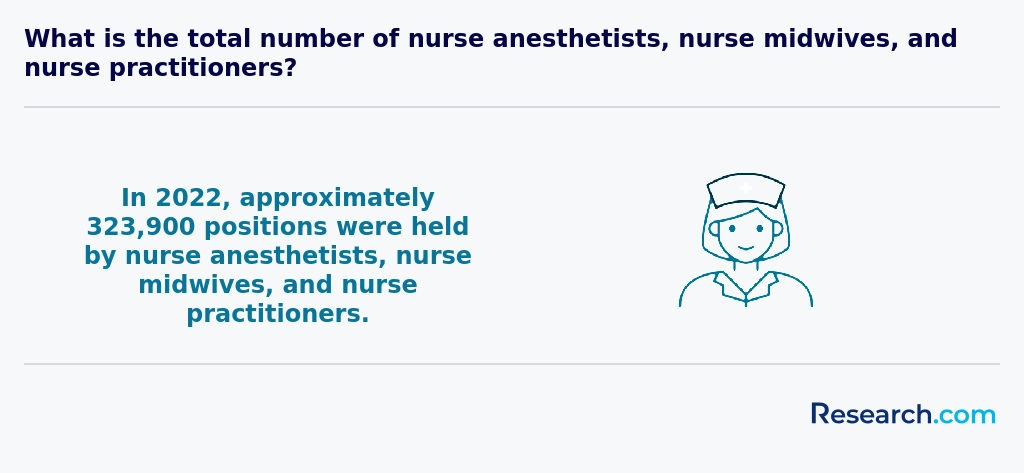
Many registered nurses in Little Rock aspire to expand their scope of practice by becoming nurse practitioners (NPs). This advanced role demands specific educational milestones, clinical experience, and state licensure: 1. Educational Pathways • BSN-to-MSN: Nurses with a Bachelor of Science in Nursing (BSN) typically enroll in a Master of Science in Nursing (MSN) program with an NP specialization, which takes 2–3 years to complete. • RN-to-MSN Direct Entry: For RNs holding an associate degree, accelerated RN-to-MSN programs blend BSN and MSN coursework, often allowing completion in as little as three years-learn more about the shortest time to become an np. 2. Clinical Requirements NP programs mandate 500–700 supervised clinical hours across primary care, acute care, or specialty tracks (e.g., family, pediatrics). Little Rock institutions partner with local hospitals to place NP students in diverse practicum settings. 3. Certification and Licensure Upon graduation, candidates must pass a national certification exam (AANP or ANCC) in their chosen NP specialty. Once certified, they apply to the Arkansas State Board of Nursing for advanced practice licensure, fulfilling state-specific jurisprudence and background-check requirements. 4. Career Impact As licensed NPs, professionals can diagnose conditions, prescribe medications, and manage patient care independently or in collaboration with physicians. In Arkansas, NPs earn an average annual salary of $110,000–$125,000, reflecting both advanced expertise and regional healthcare demand. By following this structured pathway-selecting the right program, completing essential clinical hours, and securing national and state certification-you can successfully transition from RN to NP and unlock greater autonomy, leadership opportunities, and competitive compensation in Little Rock’s evolving healthcare landscape.
Diving into nursing studies in Little Rock unlocks a treasure chest of financial aid designed to lighten the burden of tuition. Imagine starting your journey at the University of Arkansas for Medical Sciences, where many graduates recall the relief of receiving Federal Pell Grants-free money that doesn't need to be paid back. These grants can cover up to $7,395 a year, making those steep tuition fees feel more approachable.
State support adds another layer of opportunity. The Arkansas Department of Higher Education offers scholarships aimed specifically at nursing students who commit to staying local after graduation. One graduate from a local community college shares how this scholarship fueled their dream by easing costs and encouraging them to serve the vibrant Arkansas healthcare community.
Local hospitals and organizations also pitch in, granting scholarships that reward academic excellence and community care. Plus, work-study positions let students earn while gaining hands-on experience, blending learning with real-world nursing environments. These options transform financial challenges into stepping stones toward an exciting career in nursing right here in Little Rock.
After completing an accredited nursing program in Little Rock, AR, graduates must obtain licensure and certification to practice as Registered Nurses (RNs) or Advanced Practice Registered Nurses (APRNs). Understanding Arkansas’s regulatory framework ensures a smooth transition from student to licensed professional. 1. NCLEX-RN Examination • Eligibility: Graduates must apply through the Arkansas State Board of Nursing (ASBN) and receive Authorization to Test (ATT). • Preparation: Many programs offer NCLEX review courses-focus on pharmacology, medical-surgical nursing, and pediatrics to boost pass rates. • Scheduling: Select a testing center in Arkansas once the ATT is issued; timely scheduling can reduce delays in entering the workforce. 2. State Licensure Application • Documentation: Submit official transcripts, proof of clinical hours, and a background check to the ASBN. • Fees and Timelines: Application fees typically range from $75 to $100; processing can take 4–6 weeks. • Temporary Permits: New graduates may qualify for a temporary permit to practice under supervision while awaiting exam results. 3. APRN Certification (If Applicable) • National Certification: Obtain certification through ANCC or AANP for roles such as Nurse Practitioner (NP) or Clinical Nurse Specialist (CNS). • Collaborative Practice Agreements: For APRNs, Arkansas requires a collaborative physician agreement for prescriptive authority. Continuing Education and Renewal • RNs in Arkansas must complete 30 hours of continuing education every two years; specialty courses in geriatrics or community health can fulfill requirements. • Advanced pathways: Once licensed, many nurses expand their credentials by pursuing graduate education-explore the Affordable Online Master's in Nursing Degree Programs Ranking in the West to identify cost-effective MSN options that align with Arkansas licensure prerequisites.
Diving into a nursing degree in Little Rock means stepping into a world where preparation meets opportunity. Graduates from well-known institutions like the University of Arkansas for Medical Sciences recall the pivotal moment when their high school diploma or GED unlocked the door to their dreams. Core classes in biology and chemistry aren't just checkboxes-they're the foundation that makes navigating college-level nursing courses feel like an exciting challenge rather than a hurdle.
Many students share how taking the TEAS test felt like a rite of passage, pushing their skills in reading, math, science, and English to new heights. Success here often means a ticket to a coveted spot in programs at universities or community colleges around Little Rock.
- Proof of immunizations and up-to-date health screenings to meet clinical requirements
- Background checks and drug screenings that ensure safety and trust within Arkansas healthcare settings
- Basic life support (BLS) certification or a commitment to gain it early, opening doors to hands-on patient care
For BSN hopefuls, having college credits in anatomy, physiology, and nutrition beforehand felt like carrying a trusted map on their journey, guiding them confidently through program admissions in Little Rock's competitive nursing landscape.
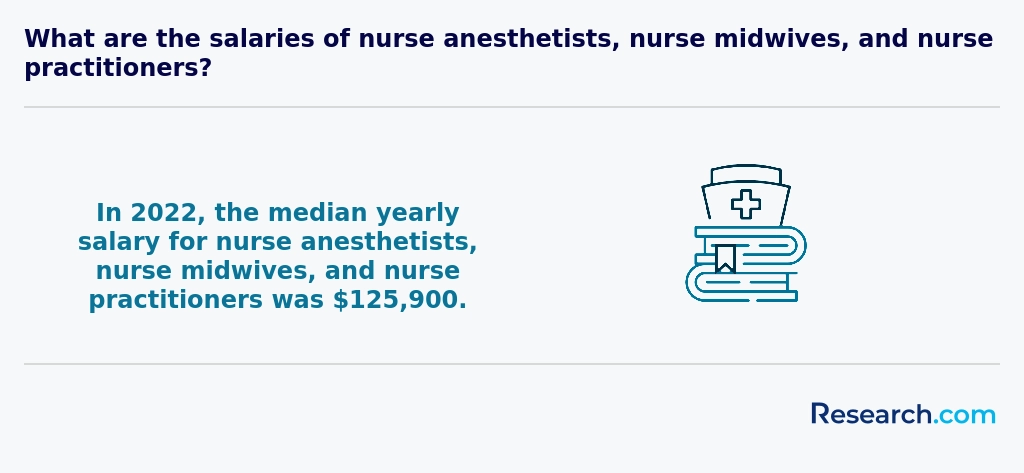
After earning your nursing degree in Little Rock, you must secure state licensure and pass national certification exams to practice professionally.
- Graduate from an accredited nursing program (ACEN, CCNE or CNEA)
- Register and schedule the NCLEX-RN exam through Pearson VUE
- Apply for licensure with the Arkansas State Board of Nursing: submit official transcripts, background check, application fee
- Pass the NCLEX-RN to receive your Arkansas RN license
- Complete required continuing education units (CEUs) and renew your license every two years
Advanced practice roles often require additional certification and a doctoral degree; explore dnp programs online for more information.
Diving into a nursing degree in Little Rock means embracing a vibrant mix of courses that shape you into a confident healthcare professional. Graduates from well-known local colleges often recall how anatomy and physiology courses gave them a fascinating glimpse into the human body's intricate design, making every heartbeat and breath feel like a new discovery.
Microbiology and pharmacology frequently spark curiosity, revealing the tiny organisms and powerful medications that nurses work with daily. Many students find pathophysiology especially eye-opening as it unfolds the mysteries behind illnesses they'll care for firsthand.
Hands-on experience through clinical practicums at Little Rock hospitals complements core classes beautifully, turning theory into real-life skills. Courses like pediatric nursing and maternal health bring moments of joy and challenge, while leadership classes build confidence to manage tough situations gracefully.
Other favorites include mental health nursing and community health, which prepare you to touch lives beyond hospital walls. These courses together create a rich, rewarding journey for anyone ready to step into the dynamic world of nursing in Little Rock.

Exploring nursing degree specializations in Little Rock unveils diverse pathways that spark excitement among students eager to shape their healthcare careers. Graduates from popular universities often share how the Registered Nurse (RN) to Bachelor of Science in Nursing (BSN) track challenged them to step into leadership roles, sharpening skills for dynamic clinical environments. Others choose Family Nurse Practitioner (FNP) programs, driven by a passion to provide vital primary care to all ages-experience often enriched by hands-on practice in local clinics serving Arkansas families.
Specializations like Psychiatric-Mental Health Nursing resonate deeply with students inspired to address growing mental health needs in communities, while Geriatric Nursing appeals to those enthusiastic about supporting Arkansas's expanding elderly population. Little Rock's emergency and trauma nursing training stands out too, where graduates recount thrilling moments of teamwork at regional trauma centers, preparing for fast-paced critical care.
Many students appreciate how their Little Rock nursing program concentration options immerse them in real-life challenges, while connections to supportive fields such as medical office administration broaden their healthcare horizons.
Choosing the best nursing degree in Little Rock is an exciting journey filled with important decisions. Many graduates recall the thrill of exploring programs at local schools like the University of Arkansas for Medical Sciences, where CCNE accreditation assures quality education and a strong foundation for passing the NCLEX-RN. Picture yourself diving into hands-on clinical experiences right in Little Rock's hospitals, a vital step confirmed by program flexibility and local placements.
Cost matters, too-the best nursing degree programs in Little Rock often come with affordable tuition, sometimes between $5,000 and $10,000 annually, complemented by scholarships and employer tuition assistance that ease financial worries. Former students often describe how knowing a program's high NCLEX pass rates and connections to local healthcare providers boosted their confidence in finding a great job afterward.
For those ready to level up, exploring pathways like the BN/RN-to-MSN - Leadership & Management can open doors to advanced roles. Adventure awaits when you choose a program that fits your lifestyle and ambitions!

Diving into nursing career opportunities in Little Rock reveals a vibrant landscape shaped by hands-on experiences in local hospitals like UAMS and CHI St. Vincent. Graduates often describe the excitement of stepping into roles as Registered Nurses, where every shift brings new challenges and the reward of making a difference in patient lives. For those craving specialization, options like critical care or pediatric nursing offer further adventure, working closely with unique patient populations.
Little Rock nursing degree job options don't stop at direct care. Many graduates pursue advanced roles through Master's programs available locally, opening doors to becoming Nurse Practitioners or Clinical Nurse Specialists. These roles bring autonomy and growth in a fast-expanding healthcare environment. Meanwhile, some find fulfillment in education or administration, shaping future nurses or leading teams within the thriving Arkansas healthcare community.
Exploring nursing pathways here is even more enticing when considering that affordable tuition invites a diverse group of students. Graduates often reflect proudly on how their time at local institutions prepared them to jump confidently into rewarding careers. For a glimpse at which fields might offer the best rewards, check out the list of highest salary college majors.
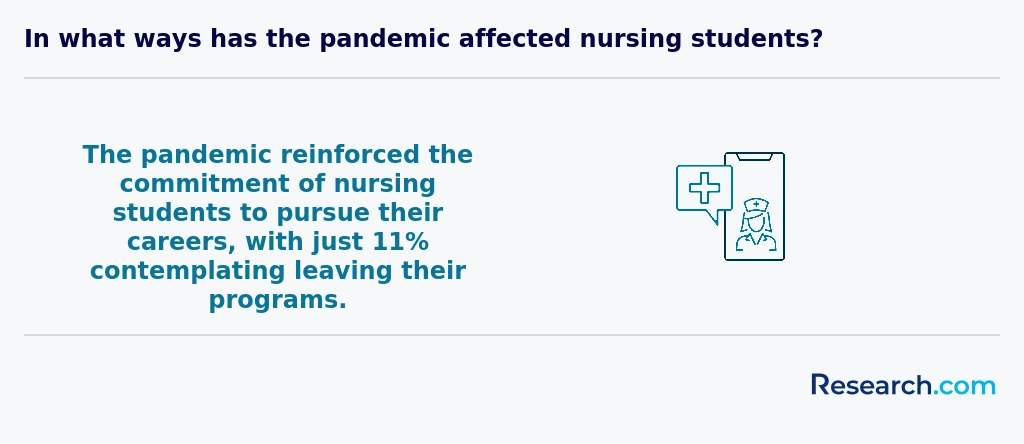
Exploring the nursing job outlook in Little Rock reveals a vibrant and stable market fueled by the city's growing healthcare needs. Graduates from popular nursing schools like the University of Arkansas at Little Rock or Pulaski Technical College often find themselves stepping confidently into roles across hospitals and clinics, where hands-on experience gained during clinical rotations turns adventurous learning into real-world impact. The city's aging population and expanding medical facilities create endless opportunities to apply skills and grow professionally in diverse healthcare settings.
Healthcare employment opportunities Little Rock offers extend beyond traditional hospitals to nursing homes and community health programs, making it easier for new nurses to find a niche that fits their passion and strengths. For many nursing students, the financial investment in these local programs pays off quickly thanks to affordable tuition and a cost of living that supports a comfortable lifestyle on an average nursing salary near $60,000.
Interested students can learn more about pathways and success stories through popular nursing schools in the area, where supportive faculty and collaborative environments foster both professional growth and personal fulfillment.
2027 Most Popular Nursing Degree Programs Ranking in Little Rock
Investing in your education is a significant decision that can shape your future, and the Research.com team is dedicated to helping you make well-informed choices. To support students exploring nursing programs in Little Rock, we have carefully developed the "2027 Most Popular Nursing Degree Programs Ranking in Little Rock." Our commitment to quality, credibility, and accuracy is demonstrated through thorough research and analysis.
We utilized the following reputable data sources to ensure a comprehensive evaluation of nursing degree programs:
By reviewing this ranking, readers will gain valuable insights into the most popular nursing degree programs in Little Rock, empowering them to make confident and informed decisions about their educational journey. For further information on how this ranking was created, please visit our Research.com methodology page.


Frequently Asked Questions About nursing
Nursing degree students in Little Rock can maximize their learning experience by engaging deeply with clinical opportunities offered through partnerships between local educational institutions and hospitals. For example, the University of Arkansas for Medical Sciences provides access to rotations in diverse healthcare settings, enhancing practical skills. Students should also utilize simulation labs, which are increasingly integrated into nursing curricula in Arkansas, to build confidence and critical thinking before patient interaction.
Additionally, joining professional organizations like the Arkansas State Nurses Association can provide networking, mentorship, and continuing education resources. According to the Arkansas Center for Nursing, Little Rock boasts a growing healthcare workforce, making internships and volunteer programs beneficial for real-world exposure and job placement prospects.
The nursing field is rapidly evolving, with several emerging niches gaining prominence in Little Rock and across the United States. One key area is gerontological nursing, driven by the growing population of older adults needing specialized care.
Another important niche is nurse informatics, combining healthcare with data management to improve patient outcomes. Telehealth nursing also continues to expand, especially as rural Arkansas areas seek better access to healthcare through virtual means.
Psychiatric-mental health nursing is increasingly vital due to rising awareness of mental health issues nationwide. According to the Arkansas Department of Health, these specialties are expected to see above-average growth by 2030.
After completing a nursing degree in Little Rock, preparing for the job market involves several key steps. First, obtaining licensure through the National Council Licensure Examination for Registered Nurses (NCLEX-RN) is essential to practice legally in Arkansas.
Engaging in clinical internships during your studies can provide practical experience and build local professional networks. Little Rock's healthcare sector, including institutions like the University of Arkansas for Medical Sciences, offers valuable employment opportunities for new nurses.
Additionally, joining professional nursing organizations in Arkansas can enhance job prospects. According to the Arkansas Center for Nursing, employment for registered nurses in the state is projected to grow by 12% through 2029, indicating strong demand.
Continuing education and specialty certifications also improve competitiveness in the job market.
Employers in Little Rock highly value nursing graduates who demonstrate strong clinical skills and critical thinking abilities. According to the Arkansas Center for Nursing, these competencies are essential for managing patient care effectively in a fast-paced healthcare environment.
Communication skills are also crucial, as nurses must interact clearly with patients, families, and medical teams. Cultural competence is increasingly important in Little Rock's diverse population, helping nurses provide respectful and personalized care.
Additionally, proficiency in electronic health records (EHR) systems is a sought-after skill, reflecting the nationwide shift toward digital healthcare management. Problem-solving and time-management skills further set candidates apart in this competitive job market.
Finding nursing internships in Little Rock involves exploring opportunities through local hospitals, clinics, and educational institutions. Facilities like the University of Arkansas for Medical Sciences (UAMS) offer structured clinical internship programs for nursing students. UAMS is recognized for collaborating closely with nursing schools to provide practical experience.
Additionally, searching on platforms such as the Arkansas Nursing Students' Association website or contacting Little Rock Community College's nursing department can reveal internship openings. Networking with local healthcare professionals and attending career fairs hosted by nursing programs improves chances of securing placements.
The Arkansas Department of Health often posts public health internship opportunities relevant to nursing students, supporting hands-on learning within the state's healthcare system.
Obtaining a nursing degree in Little Rock significantly enhances career mobility and advancement opportunities within the region's healthcare sector. According to the Arkansas Department of Workforce Services, registered nurses in Little Rock earn a median annual wage of approximately $66,000, above the national average, reflecting strong local demand. Higher degrees, such as a Bachelor of Science in Nursing (BSN), often lead to leadership roles and specialized positions in hospitals and clinics across the city.
Employers in Little Rock increasingly prefer nurses with advanced credentials due to a statewide push for improved patient outcomes. This trend opens pathways to roles in administration, education, and advanced practice nursing. Additionally, nursing degrees from accredited institutions support eligibility for licensure and certifications needed for upward career movement within Arkansas's healthcare systems.
Studying for a nursing degree in Little Rock offers students a comprehensive foundation for interdisciplinary healthcare roles. Programs emphasize teamwork by integrating courses in communication, healthcare ethics, and collaboration with other medical professionals. This approach aligns with national standards set by the American Association of Colleges of Nursing (AACN).
Local clinical experiences in Little Rock's diverse healthcare settings-such as Arkansas Children's Hospital and UAMS Medical Center-provide hands-on interdisciplinary practice. According to the Arkansas Department of Higher Education, about 65% of nursing graduates from Little Rock institutions work in team-based care environments within a year of graduation.
This preparation equips students with the skills needed to coordinate with physicians, therapists, and social workers effectively, reflecting the growing demand for collaborative healthcare in the US.
When choosing between a thesis and a non-thesis nursing degree program in Little Rock, students should consider their career goals and learning preferences. A thesis program emphasizes research and prepares students for roles in academia or advanced clinical research. It typically requires completing an original research project and a formal defense.
On the other hand, non-thesis programs focus more on practical skills and clinical experience, which suits those aiming for leadership or advanced practice roles without a research emphasis. According to Arkansas Nursing Workforce data, Little Rock employers often value clinical expertise, which non-thesis degrees highlight.
Students should also assess time commitment; thesis tracks often take longer. Local universities provide advisors to help weigh these options based on personal and professional goals.
Students based in Little Rock seeking to study nursing abroad have several pathways through partnerships and exchange programs offered by local institutions. The University of Arkansas for Medical Sciences (UAMS), a leading nursing school in Little Rock, supports international study opportunities aligned with its nursing curriculum.
These programs often include clinical rotations or semester exchanges in countries with established healthcare education, such as Canada or the United Kingdom. Participating students can gain international nursing experience while earning credits toward their degree. According to U.S. News & World Report, UAMS ranks among the top 50 in nursing education nationally, which enhances the value of such programs.
Additionally, many Little Rock students leverage study abroad scholarships and federal financial aid when available. It is important that programs are accredited by recognized U.S. nursing bodies to ensure licensure eligibility upon return.
Students pursuing nursing degrees in Little Rock have access to various part-time job opportunities that can enhance their education. Common roles include Certified Nursing Assistant (CNA) positions, which provide hands-on patient care experience and are available at many local hospitals and long-term care facilities. According to the Arkansas Department of Workforce Services, CNAs in Little Rock earn an average of $13 to $16 per hour, making it a viable option for students seeking relevant work.
Other opportunities include medical receptionist or unit clerk positions in clinics and hospitals, allowing students to learn healthcare administration. Volunteer work at community health centers also offers valuable exposure to public health nursing. These jobs not only support coursework but improve clinical skills and professional networks.
Nursing students in Little Rock benefit from numerous networking opportunities that can enhance their education and career prospects. Local universities often host nursing clubs and organizations, such as the Arkansas Nurses Association student chapters, which connect students with licensed professionals. These groups provide access to conferences, workshops, and job fairs held in Little Rock.
Clinical placements in nearby hospitals, including the University of Arkansas for Medical Sciences (UAMS), afford students a chance to meet experienced nurses and healthcare leaders. According to UAMS, clinical partnerships contribute to a higher employment rate for graduates.
Additionally, regional nursing symposia attract nationally recognized speakers, encouraging professional dialogue. These events are useful for expanding contacts within Arkansas's healthcare community.
Alumni networks play a crucial role for nursing degree students in Little Rock by providing valuable professional connections. Graduates often share job openings, mentorship opportunities, and career advice, which can ease the transition from school to employment. According to the Arkansas Department of Higher Education, nursing graduates in Little Rock benefit from connections to hospitals like Arkansas Children's Hospital and CHI St. Vincent.
These networks also offer access to continuing education workshops and seminars, helping students stay informed about evolving healthcare practices. Studies show that 70% of nursing jobs in Arkansas are obtained through networking, underscoring the importance of these alumni relationships.
Customizing a nursing degree program in Little Rock allows students to align their education with specific career goals. Many local schools offer flexible options including electives in pediatrics, geriatrics, or emergency care to deepen expertise in desired fields. Students can often choose between traditional, accelerated, or online course formats, accommodating working professionals or those seeking faster completion.
The University of Arkansas for Medical Sciences (UAMS) in Little Rock provides robust clinical placements in nearby hospitals, which helps tailor hands-on experience. According to the Arkansas Department of Higher Education, about 60% of nursing students in the area select specialties before graduation, improving job market readiness.
Additionally, certificate programs in areas like nurse anesthesia or case management can supplement degrees, helping meet specific employer requirements or licensing needs.
Nursing students in Little Rock often face several challenges that impact their academic success. A key issue is balancing rigorous coursework with clinical rotations, which can demand over 40 hours per week. Many students find this particularly stressful when combined with part-time jobs or family obligations.
Additionally, the competitive nature of nursing programs in Arkansas, including those in Little Rock, requires high academic performance. Attrition rates across the state can reach up to 20%, largely due to the difficulty of mastering both theory and hands-on skills.
Financial strain is another common challenge. According to the Arkansas Department of Higher Education, tuition and related expenses for nursing programs average $8,000 to $12,000 annually, creating burdens for some students without sufficient scholarships or aid.
Lastly, access to quality clinical placements is limited due to high demand, which can delay graduation or reduce practical experience opportunities, as noted by local nursing schools' reports.
With a nursing degree in Little Rock, you can pursue several professional certifications to advance your career. Popular options include becoming a Certified Nurse Assistant (CNA), Licensed Practical Nurse (LPN), or Registered Nurse (RN), depending on your education level. Many graduates aim for the Certified Nurse Midwife (CNM) or Nurse Practitioner (NP) credentials after earning a Bachelor of Science in Nursing (BSN) and gaining clinical experience.
The Arkansas State Board of Nursing oversees these certifications and requires passing specific exams like the NCLEX-PN or NCLEX-RN. According to the Arkansas Department of Health, there were over 10,000 licensed RNs statewide as of 2023, with many working in the Little Rock metropolitan area.
Specialty certifications-such as in pediatric or geriatric nursing-are also valuable. Organizations like the American Nurses Credentialing Center provide nationally recognized credentials to showcase expertise gained through education and practice.
Writing a winning application for a nursing program in Little Rock requires attention to academic credentials and clear communication of your passion for nursing. Most programs, like those at the University of Arkansas for Medical Sciences (UAMS), expect a competitive GPA, often around 3.0 or higher. Highlighting any healthcare-related experience or volunteer work strengthens your profile.
It is important to submit well-organized documents, including transcripts, recommendation letters, and a compelling personal statement that explains why you want to pursue nursing in Little Rock. Tailoring your essay to mention local healthcare needs shows your dedication to the community.
Additionally, make sure to meet all application deadlines and complete required prerequisite courses in biology, chemistry, and anatomy, as these are commonly required in Arkansas nursing programs. According to the Arkansas Center for Nursing, local demand for nurses is expected to grow by over 15% through 2030, making your timely preparation essential.
Nursing is recognized globally as a vital profession, with demand steadily rising in nearly every country. In the United States, including Little Rock, Arkansas, nursing offers diverse career paths and strong job security. The U.S. Bureau of Labor Statistics projects a 9% employment growth for registered nurses from 2021 to 2031, reflecting a growing need worldwide.
Globally, nurses often work in varied healthcare systems, but U.S. nursing education emphasizes evidence-based practice and patient-centered care. Little Rock, with its access to advanced nursing programs and healthcare facilities, prepares students for these international standards.
This global perspective highlights nursing as a respected, adaptable career with opportunities for travel and cross-cultural experience, appealing to many prospective students.
Gaining practical experience is essential while studying for a nursing degree in Little Rock. Most nursing programs in the area integrate clinical rotations, allowing students to work directly with patients under supervision. These hands-on experiences often take place in local hospitals, clinics, and long-term care facilities such as the University of Arkansas for Medical Sciences and Arkansas Children's Hospital.
Additionally, many schools encourage or require internships and externships, which help students apply theoretical knowledge in real-world settings. According to the Arkansas Department of Higher Education, over 70% of nursing students in Little Rock participate in clinical placements each semester, enhancing their skills and employability upon graduation.
Choosing the right concentration within a nursing degree program in Little Rock involves evaluating your career goals, interests, and the needs of the local healthcare market. Common concentrations include family nurse practitioner, pediatric nursing, and geriatric care. According to the Arkansas Department of Health, the region shows a growing demand for nurses specializing in elderly care due to its aging population.
Consider programs that offer clinical placements in Little Rock hospitals, ensuring hands-on experience in your chosen field. The University of Arkansas for Medical Sciences, for example, provides strong partnerships with local healthcare facilities, enhancing practical training opportunities.
Research accreditations and NCLEX pass rates of schools to ensure quality education and licensure success. Finally, reflect on your personal strengths and preferred work environments, as these are crucial to long-term satisfaction in your nursing career.
- 2027 Most Popular Nursing Degree Programs Ranking in Saint Louis
- 2027 Most Popular Nursing Degree Programs Ranking in Hattiesburg
- 2027 Most Popular Nursing Degree Programs Ranking in Birmingham
- 2027 Most Popular Nursing Degree Programs Ranking in Kansas City
- 2027 Most Popular Nursing Degree Programs Ranking in Mobile
- 2027 Most Popular Nursing Degree Programs Ranking in Louisville
- 2027 Most Popular Nursing Degree Programs Ranking in Peoria
- 2027 Most Popular Nursing Degree Programs Ranking in Atlanta
- 2027 Most Popular Nursing Degree Programs Ranking in Lincoln
- 2027 Most Popular Nursing Degree Programs Ranking in Indianapolis
See What Experts Have To Say About Studying Nursing
Read our interview with Nursing experts

Lisa Grubb
Nursing Expert
Assistant Professor
Johns Hopkins School of Nursing

- Nursing Internship and Externship Programs https://jobs.mayoclinic.org/nursinginternexternprograms
- Top Nursing Skills U.S. Employers Want to See on Your Resume | O'Grady Peyton https://www.ogradypeyton.com/blog/job-seeker-resources/top-nursing-skills-u.s.-employers-want-to-see-on-your-resume
- 10 Nursing Fields That Are Growing in Demand https://promedcert.com/blog/10-nursing-fields-that-are-growing-in-demand
- The Nurses' Alumni Association https://giving.mainlinehealth.org/get-involved/auxiliaries-and-womens-boards/lankenau-medical-center-womens-board/the-nurses-alumni-association
- Guide to Making a Career Change to Nursing https://teach.com/online-ed/healthcare-degrees/online-msn-programs/career-change-to-nursing/
- What Are the Best Jobs to Work While in Nursing School? https://www.dewv.edu/what-are-the-best-jobs-to-work-while-in-nursing-school/
- Client Challenge https://www.springerpflege.de/nursing-graduates-perceived-future-career-pathway-and-career-shi/50653658
- How Much Can I Earn With a BSN? https://www.allnursingschools.com/bsn/salary/
- 7 Nursing School Tips for Studying https://www.denvercollegeofnursing.edu/blog/nursing/7-Nursing-School-Tips-for-Studying.html
- How to Choose the Right Nursing Program for Your Career Goals - Maria College https://mariacollege.edu/blog/how-to-choose-the-right-nursing-program-for-your-career-goals


