
2027 Best Online Nursing Degree Programs Ranking in the Midwest

Co-Founder and Chief Data Scientist
Exploring your options for nursing education is a big step, especially if you want the flexibility of online learning. The 2027 Best Online Nursing Degree Programs Ranking in the Midwest provides a carefully researched overview designed to guide you toward the programs that truly stand out.
This ranking, created by the Research.com team of data scientists, offers clear insights so you can make an informed choice that fits your goals and lifestyle. Pursuing a nursing degree opens doors to a rewarding career helping others and growing in a high-demand field.
Discover which programs align with your ambitions and take the next step confidently.
Key benefits of getting online nursing degree in the Midwest
- Nursing degree graduates in the Midwest can expect competitive salaries, with registered nurses earning a mean annual wage of $94,480 and operating room nurses making up to $128,490, offering strong financial stability.
- Graduates from Midwestern universities often explore diverse career paths such as clinical nurse educator, public health nurse, and emergency room nurse, all with solid earning potential and growth opportunities.
- Earning a nursing degree online from a well-known Midwestern university provides flexible learning schedules and the ability to balance work and study, making it easier to achieve your goals without sacrificing income.
- 2027 Best Online Nursing Degree Programs Ranking in the Midwest
- What can I expect from online nursing degree in the Midwest?
- Where can I work with online nursing degree in the Midwest?
What can I expect from online nursing degree in the Midwest?
The average cost of an online nursing degree in the Midwest can vary widely, but many students find the financial investment surprisingly manageable when factoring in in-state tuition discounts and institutional aid. For example, graduates from popular institutions like the University of Illinois or Ohio State University often report tuition rates ranging from $10,000 to $25,000 for their programs. This range reflects not only the coursework but also the invaluable blend of online theory and local clinical practicums that these schools demand.
Many students share stories of balancing jobs and family while studying, appreciating how affordable tuition combined with flexible scheduling creates a genuine pathway to career advancement. This affordability contrasts with the demanding rigor of courses in pharmacology or nursing ethics delivered online, which prepare students thoroughly for licensing exams. The promise of gaining hands-on clinical experience at nearby healthcare facilities adds tangible value, making the cost feel like a worthwhile investment in a stable, growing field-a sentiment echoed by numerous Midwest nursing graduates.
Where can I work with online nursing degree in the Midwest?
Graduates with online nursing degrees from Midwestern institutions like the University of Illinois or Ohio State University discover that the region's healthcare landscape is rich with diverse employment paths. Conventional wisdom might confine nurses to hospital bedsides, but many find themselves thriving in outpatient clinics, bustling physician offices, or specialty units within major cities like Chicago and Minneapolis. One graduate recalls starting her career in an acute care hospital, only to later transition smoothly into home health nursing, attracted by the deeply personal connections formed in patients' homes.
Midwest nursing programs emphasize versatility, preparing students for community roles such as public health nursing or school health services-fields growing rapidly in Wisconsin and Michigan, where public health initiatives are expanding. The flourishing elderly population drives demand beyond acute care: long-term care and hospice positions offer emotionally rewarding careers. Graduates frequently reflect on the fulfillment of working in these settings, witnessing the profound impact of compassionate care over time. Ultimately, online degrees open pathways that flex with your aspirations and the region's evolving healthcare needs.
Graduates from online nursing programs in the Midwest often find themselves pleasantly surprised by the financial outcomes they can achieve. For Registered Nurses (RNs), including Clinical Nurse Educators, Public Health Nurses, and Emergency Room Nurses, the mean annual salary hovers around $94,480, reflecting a rewarding balance between skill and compensation in states like Illinois, Ohio, and Michigan.
Imagine a graduate from a well-known Illinois nursing program stepping into a hospital in Chicago, earning $45.42 hourly while gaining invaluable experience. Their peers from Minnesota or Wisconsin might pursue roles as Operating Room Nurses, tapping into an even higher earning potential with mean salaries reaching $128,490 annually, highlighting how specialized skills can boost income significantly.
This data challenges the outdated notion that online degrees limit career success or earnings. Instead, graduates across the Midwest's diverse urban and rural landscapes find these salaries not only viable but empowering, enabling them to support families while advancing in their healthcare careers.
- Tuition for online BSN programs in the Midwest ranges from $10,000 to $25,000, varying by institution and program length.
- Entry-level registered nurses in the region typically earn between $55,000 and $65,000 per year, with median salaries rising to $75,000 to $85,000 after gaining experience.
- Nursing employment in Midwestern states is projected to grow by over 10% through 2030, exceeding the national average.
- Accreditation by bodies such as CCNE or ACEN is important for licensure and employment and clinical hours must be completed at approved local facilities.
- Many Midwestern states require passing the NCLEX-RN exam for licensing, and participation in the Nurse Licensure Compact allows practicing across multiple states with one license.
Completing an online nursing degree in the Midwest often challenges the simplistic timelines commonly advertised. Many graduates from well-known institutions like the University of Illinois at Chicago or Ohio State University recall balancing rigorous ADN programs, typically lasting 2 to 3 years, while simultaneously managing work and family commitments. These programs are not just passages of time but journeys that test resolve and ignite passion for patient care.
For those pursuing a BSN, starting fresh usually means about 4 years, yet licensed RNs seamlessly advancing through RN-to-BSN programs at schools like Marquette University find unexpected flexibility by compressing their studies into 12 to 24 months. This option transforms career trajectories by enabling nurses to grow without stepping away from their jobs-something that often evokes a profound sense of accomplishment.
Meanwhile, MSN candidates appreciate the intensive 1.5 to 3 years online, navigating part-time or full-time paths at institutions such as the University of Michigan. Their stories emphasize that program duration transcends numbers; clinical experiences and state mandates shape an unpredictable timeline that ultimately reflects profound professional growth rather than mere academic clock hours.
After completing an accredited online nursing program in the Midwest, graduates must satisfy each state’s licensure requirements before practicing. Most states require successful passage of the NCLEX-RN exam, proof of program accreditation by the Commission on Collegiate Nursing Education (CCNE) or the Accreditation Commission for Education in Nursing (ACEN), and a minimum background check. While these core elements remain consistent, specific timelines, fees, and documentation vary by state. In Illinois, for example, applicants submit an application through the Department of Financial and Professional Regulation and must provide official transcripts directly from their nursing school. Indiana requires candidates to complete the Indiana State Board of Nursing’s fingerprinting and criminal history check within 30 days of application. Ohio mandates proof of continuing education units (CEUs) earned within two years prior to initial licensure, a requirement that underscores the state’s commitment to ongoing professional development. Graduates planning to relocate should explore endorsement processes. Most Midwest states allow registered nurses licensed elsewhere to transfer their credentials by verifying licensure in good standing, submitting authorization for release of information, and sometimes passing a jurisprudence exam specific to state laws. For nurses seeking advanced practice roles, understanding state prescribing regulations and collaboration agreements is essential; those interested in accelerated pathways can boost their competitiveness by exploring short online direct entry MSN programs for non-nurses that include built-in preparation for state certification exams. Finally, maintaining licensure requires meeting each state board’s renewal criteria, often involving a set number of CEUs, professional practice hours, or specialty certifications. By proactively planning for these requirements early in the online program, students ensure a seamless transition from graduation to licensure and a successful start to their nursing careers in the Midwest.
Choosing between online and on-campus nursing degrees in the Midwest isn't just about location-it's about lifestyle and learning style. Graduates from programs at universities like the University of Illinois or Michigan State often describe online studies as a lifeline for balancing family and work. The ability to attend lectures on their own schedule, without the drive to a campus hundreds of miles away, feels liberating. Yet, they also emphasize the importance of arranged clinical hours nearby, which anchor their virtual learning in real-world nursing practice.
Conversely, those who chose traditional paths at schools like Ohio State University recall how immersive campus labs and immediate faculty feedback helped build confidence in their hands-on skills. The camaraderie formed during in-person group studies and clinical rotations became a key motivator for persevering through tough coursework.
Both routes demand rigorous commitment, but your choice hinges on whether you thrive in flexible, self-driven environments or in structured, interactive settings that mimic the hospital floor from day one.
Verifying accreditation and state approval ensures your online nursing degree leads to licensure and career flexibility.
- Seek CCNE or ACEN accreditation to confirm the program meets rigorous national standards.
- Check state authorization so the school can legally enroll students and arrange clinical placements in your area.
- Confirm eligibility to sit for the NCLEX exam through your state board of nursing.
- Review Nurse Licensure Compact participation for multi-state practice without additional exams.
For prospective students interested in specialized nurse practitioner tracks at budget-friendly rates, explore our cheapest online whnp programs.
The average cost of an online nursing degree in the Midwest reveals a complex picture shaped by residency, institution type, and degree level. For many students attending popular schools like the University of Illinois or Ohio State University, the median total cost hovers around $32,280, with in-state students paying closer to $28,825 and out-of-state attendees facing rates near $34,400. These figures challenge assumptions that all online degrees are prohibitively expensive; in fact, graduates often describe a rewarding balance between quality education and manageable financial investment.
Consider the mindset of a recent graduate who chose a community college ADN pathway. With tuition costs between $3,000 and $8,000 annually, this route offers an affordable entry point into nursing careers while still reflecting the nuances of Midwest online nursing program tuition fees. Meanwhile, others pursuing a Bachelor of Science in Nursing (BSN) or a Master of Science in Nursing (MSN) recognize the larger price tags but appreciate flexible payment options and financial aid available to alleviate the burden.
For working nurses aiming to advance, options like online rn-bsn programs without clinicals provide accessible pathways without the added costs of in-person lab fees or travel. The differentiation in tuition-often 1.5 to 2 times higher for out-of-state students-forces many to weigh whether relocation, residency change, or careful program choice best supports their ambitions and budget.

A critical indicator of program quality is the NCLEX-RN pass rate, which reflects how effectively an online nursing curriculum prepares students for licensure. In the Midwest, top programs boast first-time pass rates exceeding 90%, thanks to dedicated licensure prep courses, simulated assessments, and faculty-led review sessions. Prospective students should compare pass rates published by each institution and inquire about the percentage of graduates who secure state authorization for practice immediately after graduation. Many programs partner with state boards to streamline the licensure application process, offering guidance on fingerprinting, background checks, and exam registration. To maximize success, students benefit from structured study plans, regular mock exams, and access to question banks that mirror the NCLEX format. Peer-led study groups and online tutoring further enhance readiness by reinforcing core nursing concepts and test-taking strategies. Cost-conscious learners seeking both affordability and strong licensure outcomes may explore the Inexpensive Online Nursing Degree Programs Ranking in Pittsburgh, PA, where programs balance competitive tuition with high NCLEX pass rates. By prioritizing accredited schools with transparent licensure data, students can confidently embark on a nursing career powered by proven exam success.
Many graduates from Midwestern schools like the University of Michigan or Ohio State University share how federal aid transformed their pursuit of an online nursing degree. FAFSA unlocks Pell Grants up to $7,395 annually, easing the strain of approximately $10,600 tuition for in-state public universities. This aid isn't just about money-it's a lifeline that makes earning a nursing degree from home feel achievable instead of overwhelming.
State grants add another layer of hope. Nursing students in Illinois might receive scholarships tied to the Nurse Education Program, where a commitment to work in local healthcare systems becomes a mutually beneficial pact. Similarly, Ohio's Board of Nursing offers loan repayment help, turning a degree into a ticket to communities that need skilled nurses the most.
Institutional scholarships also play a critical role. Graduates recall how universities' partnerships with hospitals sometimes provided tuition reimbursement, making it easier to stay focused on studies while preparing for real-world challenges.
Ensuring your online nursing program meets both programmatic and state accreditation standards is critical for eligibility to sit for the NCLEX, qualify for federal aid, and gain employer recognition.
Verify:
- Regional accreditation (e.g., HLC, MSCHE) confirms institutional quality
- Program accreditation (CCNE or ACEN) ensures nursing curriculum meets industry benchmarks
- State Board of Nursing approval authorizes clinical hour completion and licensure in your area
Checking these guarantees your degree is recognized across the Midwest and supports a seamless licensure process. For streamlined RN pathways, explore rn to bsn online programs without clinicals.
To enroll in an online nursing degree in the Midwest, the journey starts with foundational academic requirements that often challenge assumptions about readiness. Graduates from well-known institutions like the University of Illinois or Ohio State recall how a simple high school diploma or GED wasn't enough on its own; they needed college coursework in biology, chemistry, or anatomy to truly prepare. This emphasis highlights a deeper truth: nursing demands scientific understanding as much as compassion.
Many students also share how proficiency in math and English proved crucial. Whether tackling medication dosages or communicating with patients, strong skills in these areas create confidence and competence that textbooks alone can't teach. Some programs may ask for standardized test scores like the ACT, although others recognize varied experiences and waive them.
Technological savvy is another hidden prerequisite. Graduates emphasize having reliable internet and computer skills because online learning thrives on interaction and timely assessments. For practicing nurses in the Midwest aiming to advance-like those studying at Michigan State-an active license and clinical experience become vital milestones, connecting real-world care with academic growth.

Online nursing degree programs in the Midwest often stand out for their comprehensive student support services, ensuring learners stay engaged and succeed from enrollment through post-graduation. Dedicated academic advisors guide each student through course selection, prerequisites, and licensure preparation, while career services teams offer resume reviews, interview workshops, and job placement assistance tailored to healthcare environments. Virtual libraries and 24/7 technical support guarantee uninterrupted access to evidence-based journals, simulation software, and multimedia learning tools. For students seeking tailored pathways, some institutions provide credit-for-experience options and articulate seamless transfers into online rn-bsn programs without clinicals, reducing both time and financial investment. Mentorship and peer networking constitute another critical layer of support. Many programs assign faculty mentors who host regular virtual office hours, offer clinical scenario debriefs, and facilitate professional networking events with alumni. Online discussion boards, study groups, and specialty interest clubs (such as pediatrics or community health) create a collaborative environment where students exchange best practices and resources. Additionally, mental health counseling and wellness workshops address the unique stressors of balancing work, family, and coursework, fostering resilience and reducing burnout among nursing students. Finally, career development does not end at graduation. Alumni portals connect former students with clinical job openings, advanced degree opportunities, and leadership roles. Webinars led by nurse executives and policy advocates keep graduates informed about emerging trends in healthcare, from telehealth innovations to public health initiatives. Through this robust network of support services and resources, online nursing students in the Midwest are positioned not only to attain their degrees but also to excel as confident, well-prepared professionals in a rapidly evolving healthcare landscape.
Online nursing degrees in the Midwest don't just skim the surface-they immerse you in a blend of foundational sciences and hands-on skills that mirror real-world demands. Graduates from well-known Midwestern universities often describe early courses like anatomy, physiology, microbiology, and nutrition as eye-opening, revealing how deeply biological understanding impacts patient care.
Far from abstract theory, these students encounter courses in nursing fundamentals that build confidence in everyday clinical tasks. Imagine navigating pharmacology to master medication safety, then applying that knowledge when assessing patient health in community settings around Illinois or Ohio. These topics feel urgent and relevant, especially with mental health nursing gaining prominence amid rising regional needs.
Midwestern programs also challenge students with leadership and ethics courses, preparing them not just to follow but lead-skills many graduates recall using in supervisory roles shortly after graduation. And while much study happens online, clinical practicum near home ensures you face the complexity of patient care firsthand. This integration creates not only competence but a sense of readiness that is both reassuring and motivating.
Specializations in an online nursing degree in the Midwest reflect a dynamic response to both healthcare needs and career aspirations. Graduates from universities like the University of Iowa and University of Wisconsin-Madison often share how the Registered Nurse to Bachelor of Science in Nursing (RN to BSN) specialization helped them transition smoothly into leadership roles, blending clinical expertise with management skills. This pathway challenges the notion that nursing is solely bedside care by opening doors to influence healthcare delivery on a larger scale.
Other students pursuing Midwest nursing programs specialization options frequently cite the Family Nurse Practitioner (FNP) track, particularly valued for its focus on rural healthcare. Indiana State University's experience with clinical placements in local communities creates a vivid, hands-on perspective that brings the challenges of underserved populations into clear focus. Those specializing in Healthcare Administration reveal a growing passion for shaping policy and improving nursing systems, highlighting how these programs address broader organizational needs.
The appeal of pediatric and psychiatric-mental health nursing specializations lies in their direct impact on vulnerable groups, reflecting a meaningful commitment to community care. Many graduates mention that the evolving mental health landscape motivates them to deepen their expertise, paralleling regional demands. For students exploring multiple pathways, programs like the short online direct entry MSN programs for non-nurses offer innovative alternatives that challenge typical entry routes, broadening access and career flexibility within the Midwest.
Choosing the best online nursing degree in the Midwest often goes beyond simply picking the cheapest or most convenient program. Graduates from popular schools in this region stress the critical role of accreditation-programs endorsed by the Commission on Collegiate Nursing Education (CCNE) or the Accreditation Commission for Education in Nursing (ACEN) bring peace of mind and career-ready credentials. Imagine juggling work and study; the flexibility of asynchronous courses offered by many reputable Midwest programs makes a real difference, allowing students to learn without sacrificing current employment.
Cost considerations, too, must be balanced with value. Many Midwestern students find that in-state public universities offer competitive tuition, but beware of hidden fees for clinical placements. Some graduates emphasize that program reputation and consistent licensure pass rates are just as important as tuition when evaluating affordable nursing programs in the Midwest. For those wondering about affordability combined with quality, consulting resources like the Inexpensive Online Nursing Degree Programs Ranking in Pittsburgh, PA can provide actionable insights.
Lastly, envision your future with a program offering specialty tracks or advanced degrees, especially if you aspire to roles like nurse educator or practitioner. Graduates often recall how affiliations with renowned hospitals boosted their resumes and opened doors in competitive job markets across the Midwest.
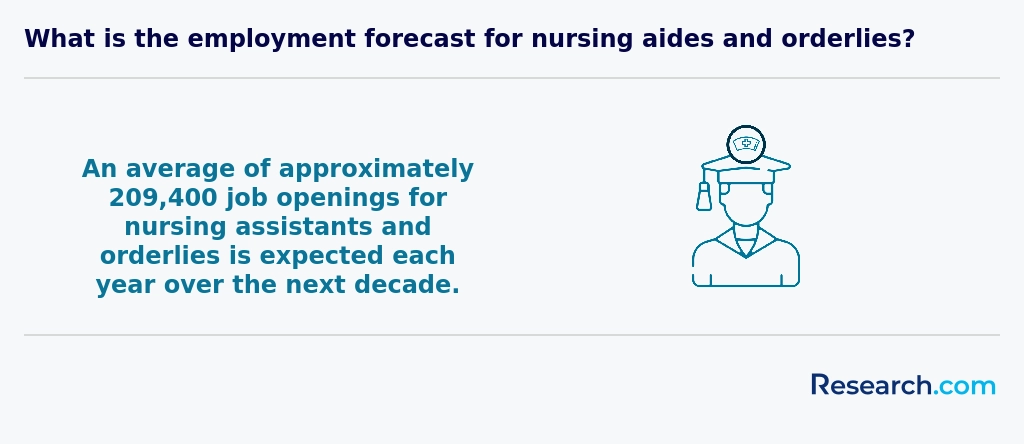
Graduates with an online nursing degree in the Midwest often find themselves at the intersection of opportunity and impact. Beyond traditional bedside roles, many alumni from well-known Midwestern universities pursue advanced clinical positions such as Nurse Practitioners, who increasingly serve rural communities where healthcare access is limited. These roles provide not just a paycheck but a profound sense of purpose, as they directly influence patient outcomes in areas often overlooked.
Midwest nursing degree job prospects extend into healthcare administration, where nurses leverage their frontline experience to shape policy and improve staffing efficiency at hospitals and clinics. Graduates recall the rewarding challenge of balancing operational demands with compassionate care, finding fulfillment in leadership positions that drive systemic change across states like Illinois and Michigan.
Other routes explored include public health nursing, where professionals lead community health initiatives in cities and towns, and specialized nursing fields-such as pediatrics or geriatrics-that require certification but open doors to focused patient care. For those still contemplating their educational path, it's worth considering what's the easiest degree options to complement an already demanding career. Navigating these online nursing career options Midwest reveals a landscape rich with possibilities that challenge conventional wisdom about where a nursing degree can lead.
The job market for online nursing jobs in the Midwest is more vibrant than many expect. Graduates from institutions like the University of Michigan or Ohio State University often find themselves quickly employed due to the persistent demand in both urban hospitals and rural clinics. Nurses trained through online programs adapt well to evolving roles that blend bedside care with telehealth, reflecting the region's healthcare shift. One graduate described balancing family life while completing the degree online, then immediately landing a position in a community health organization, highlighting the real-world value of flexible education tailored for the Midwest.
Midwest nursing degree employment outlook remains promising thanks to a large rural population experiencing continuous nursing shortages. Graduates report competitive salaries ranging between $65,000 and $75,000, with some states offering even more. This financial incentive, combined with affordable tuition, motivates many students to seek nursing careers here rather than out-of-state alternatives. For those exploring options, some also consider the easiest certifications to get that pay well to complement their nursing credentials.
2027 Best Online Nursing Degree Programs Ranking in the Midwest
Investing in your education is a significant decision that can shape your future, and the Research.com team understands the importance of making informed choices. To assist prospective students in the Midwest, we have meticulously crafted the "2027 Best Online Nursing Degree Programs Ranking in the Midwest." Our commitment to quality, credibility, and accuracy is reflected in the extensive research and analysis conducted to compile this ranking.
We utilized the following reputable data sources to ensure a comprehensive evaluation of nursing programs:
By exploring this ranking, readers will gain valuable insights into the best online nursing degree programs available in the Midwest, helping them make well-informed decisions about their educational journeys. For more details on our methodology, please visit our Research.com methodology page.


# 16 position
Maryville University of Saint Louis
Doctor of Adult-Gerontology Primary Care Nurse Practitioner


# 19 position
Bethel University, Minnesota
Nursing RN to BS

Frequently Asked Questions About nursing
Online nursing degree students in the Midwest can maximize their learning by actively engaging with both virtual and local clinical opportunities. Many programs require hands-on experience, so students should seek partnerships with nearby healthcare facilities to fulfill clinical hours efficiently. According to the American Association of Colleges of Nursing (AACN), clinical practice is essential for skill development in real-world settings.
Time management is crucial; students benefit from setting consistent study schedules and using campus or online tutoring services offered by Midwestern schools. Keeping communication open with instructors and peers enhances understanding and motivation.
Additionally, staying informed about regional healthcare trends-such as the Midwest's growing need for nurse practitioners-helps tailor learning to relevant workforce demands.
The nursing field in the Midwest is expanding to include several emerging niches responding to regional healthcare needs. One fast-growing specialty is gerontological nursing, driven by the aging population in states like Illinois and Michigan. According to the Midwest Nursing Workforce Center, nurses trained in elder care are seeing increased demand due to a 20% rise in the elderly population over the past decade.
Another notable area is psychiatric-mental health nursing, especially important given rising mental health concerns post-pandemic. Nurses with expertise in telepsychiatry and behavioral health are crucial in rural Midwestern communities, where access remains limited.
Lastly, informatics nursing is on the rise as healthcare systems adopt more technology. Nurses skilled in data management and digital tools help improve patient outcomes and workflow efficiency across Midwest hospitals.
After completing an online nursing degree in the Midwest, it is essential to prepare strategically for the job market. Start by obtaining licensure through the NCLEX-RN exam, which is required across all Midwestern states. According to the National Council of State Boards of Nursing, pass rates in the region typically exceed 85%, signaling solid preparation through accredited programs.
Networking with local healthcare facilities and joining state nursing associations such as the Illinois Nursing Association or the Ohio Nurses Association can increase employment opportunities. The Midwest has a growing demand for registered nurses, with the U.S. Bureau of Labor Statistics projecting a 12% job growth in the region through 2031. Gaining clinical experience during your program or through internships strengthens your resume.
Additionally, consider obtaining specialty certifications to improve job prospects in areas like geriatrics or critical care, which are in high demand due to an aging population in the Midwest.
Employers in the Midwest seek nursing graduates who possess strong clinical skills backed by comprehensive online education. Critical thinking and decision-making are top priorities, as nurses must quickly assess patient needs in diverse healthcare settings.
Communication skills are equally important, enabling nurses to collaborate effectively with patients and healthcare teams. The Midwest nursing job market values cultural competence due to its diverse population.
Proficiency in electronic health records (EHR) systems is essential, as digital documentation is mandatory in many hospitals. According to the Health Resources and Services Administration, the demand for nurses with technology experience continues to rise regionally.
Finally, adaptability and empathy remain key personal traits employers prioritize, reflecting the evolving nature of healthcare in the Midwest's rural and urban areas.
Finding nursing internships in the Midwest involves leveraging multiple resources, starting with your online nursing program's career services. Many Midwestern schools partner with local hospitals, clinics, and long-term care facilities to offer internships. According to the American Association of Colleges of Nursing (AACN), clinical placements remain an essential component of nursing education, particularly in states like Illinois, Ohio, and Michigan, where healthcare demand is high.
Additionally, state nursing boards often list approved clinical sites, which can be valuable when searching for opportunities. Networking through professional organizations such as the Midwest Nursing Research Society may also help identify openings.
Job boards and hospital websites in metropolitan areas like Chicago and Minneapolis frequently post internship listings. Early application is advised since spots fill quickly due to a regional nursing shortage highlighted by the Bureau of Labor Statistics.
Online nursing degrees have improved career mobility and advancement opportunities for many nursing professionals in the Midwest. The convenience and flexibility allow working nurses to pursue advanced credentials without pausing their careers. According to the Midwest Nursing Research Society, nurses with a Bachelor of Science in Nursing (BSN) or higher have a 16% higher likelihood of promotion compared to those with an associate degree.
Employers increasingly prefer nurses with online BSN or MSN degrees due to their proven ability to manage clinical duties and leadership roles. States like Illinois and Ohio report growing demand for nurse practitioners and clinical nurse specialists, roles often requiring advanced degrees.
Further, online programs often include specialized courses aligned with regional healthcare needs, enhancing local job prospects and professional growth.
Studying for a nursing degree in the Midwest equips students with essential skills for interdisciplinary roles in healthcare. Programs emphasize collaboration with professionals from medicine, social work, and public health to ensure comprehensive patient care. According to the National Center for Education Statistics, Midwestern institutions often incorporate team-based learning and cross-disciplinary projects in their curricula.
Midwestern nursing students gain exposure to diverse healthcare settings, including rural and urban hospitals, which enhances adaptability in various team environments. The region's growing demand for healthcare professionals, highlighted by the Bureau of Labor Statistics, supports practical experience that fosters communication and leadership.
Choosing between a thesis and a non-thesis nursing degree program in the Midwest depends largely on your career goals and learning preferences. Thesis programs require original research, which is ideal if you plan to pursue a doctoral degree or a research-focused career. According to the American Association of Colleges of Nursing, thesis options are less common in online nursing degrees but can deepen your analytical skills.
Non-thesis programs focus on coursework and practical skills, making them suitable for advancing clinical practice. The Midwest has seen a 12% growth in online non-thesis nursing programs since 2020, reflecting demand for flexible, practice-oriented education.
Consider your long-term plans, time commitment, and support systems when deciding. Faculty mentorship availability can also differ between program types, influencing your choice.
Students based in the Midwest seeking to study nursing abroad have limited but growing options through partnerships between Midwestern universities and international institutions. Many online nursing programs in states like Illinois, Ohio, and Michigan offer study abroad components or clinical placements in Canada, Ireland, or the United Kingdom, reflecting strong academic ties. According to the National Student Clearinghouse Research Center, around 4% of U.S. nursing students participate in study abroad experiences, often facilitated through universities with global affiliations.
These programs enable students to earn U.S.-accredited nursing degrees while gaining international clinical experience, strengthening their cultural competence and global health perspectives. However, students should verify state licensing requirements, as clinical hours completed abroad may not always transfer directly toward U.S. Registered Nurse (RN) licensure eligibility.
In summary, Midwestern students can access several structured pathways to combine online nursing education with international study, usually through well-established university exchange or consortium agreements.
Students pursuing online nursing degrees in the Midwest often seek part-time jobs that build relevant skills and experience. Common opportunities include Certified Nursing Assistant (CNA) roles, medical scribing, and patient care technician positions. The Bureau of Labor Statistics reports that CNAs in the Midwest earn a median hourly wage of approximately $13.50, providing practical clinical experience alongside study.
Hospitals and long-term care facilities in states like Illinois, Ohio, and Michigan frequently offer flexible shifts. These jobs enhance patient communication and hands-on nursing skills, crucial for licensure. Additionally, roles in community health centers support understanding of diverse population needs and health education.
Online nursing students in the Midwest have multiple networking opportunities despite the remote learning format. Many universities offer virtual events, such as webinars and online study groups, allowing students to connect with peers and faculty. Regional nursing associations, including the Midwest Nursing Research Society, provide virtual conferences and forums tailored to the area's healthcare challenges.
The Midwest features strong hospital and healthcare networks like the Mayo Clinic and Cleveland Clinic, which often partner with nursing schools for internships and mentorship programs. According to the American Association of Colleges of Nursing, engagement in these networks improves job placement rates for graduates.
Alumni networks play a crucial role for online nursing degree students in the Midwest by offering valuable professional connections. These networks help graduates access mentorship, job opportunities, and continuing education resources. According to the Midwest Nursing Research Society, strong alumni engagement correlates with higher employment rates after graduation.
In a region with diverse healthcare settings, such as urban Chicago and rural Iowa, alumni networks can provide tailored advice and local contacts. They also facilitate peer support, which is vital for online students who may lack on-campus community experiences. Overall, these networks enhance career development and long-term success in the Midwestern nursing workforce.
Customizing an online nursing degree program in the Midwest allows students to align their education with specific career goals. Many Midwestern schools offer flexible coursework options, including specialties such as pediatrics, gerontology, or informatics. Students can often select electives or clinical experiences that target their desired field. According to the American Association of Colleges of Nursing, programs increasingly incorporate adaptive learning paths tailored to student needs.
Midwestern states like Illinois and Ohio have nursing programs recognized for clinical partnerships, enabling students to gain practical experience remotely. Choosing a program with strong state nursing board approval helps ensure credits transfer and licensure pathways align with career objectives.
Online nursing students in the Midwest often encounter several key challenges during their studies. One major difficulty is balancing coursework with clinical hours, as many nursing programs require in-person practical experiences that can be hard to schedule alongside jobs or family obligations. According to the Midwest Nursing Research Society, students report that access to local clinical placements can be limited, especially in rural areas.
Another challenge is inconsistent internet connectivity, which affects participation in live lectures and submission of assignments. The Federal Communications Commission notes that nearly 30% of rural Midwest communities lack reliable high-speed internet, complicating online learning.
Financial barriers also play a role. Although online programs may reduce commuting costs, tuition and technology fees remain substantial. Many students seek scholarships, but available funding is often limited and competitive.
With an online nursing degree from a Midwest institution, graduates can pursue several professional certifications to enhance their careers. Common certifications include the Registered Nurse (RN) license, granted after passing the NCLEX-RN exam, required in all states.
Advanced practice nurses may qualify for certifications such as Family Nurse Practitioner (FNP), Certified Nurse Midwife (CNM), or Clinical Nurse Specialist (CNS). These require graduate-level education and passing national certification exams.
Other specialty certifications include Medical-Surgical Nursing (CMSRN) and Pediatric Nursing (CPN), which are valuable in Midwest hospitals and clinics, reflecting regional healthcare demands reported by the Illinois Nurses Association and Ohio Board of Nursing.
Writing a winning application for an online nursing program in the Midwest requires clear demonstration of your commitment and qualifications. Start by highlighting your academic background, especially courses related to health sciences and biology. Schools like those in Illinois and Ohio often look for a minimum GPA around 3.0. Including relevant healthcare experience, such as CNA certification or volunteer work in hospitals, strengthens your case.
Midwestern nursing programs value a well-written personal statement. Explain why you chose nursing, your career goals, and how the online format fits your lifestyle. According to the National Council of State Boards of Nursing, the Midwest sees a steady demand for nurses, which you can reference to show awareness of regional employment prospects.
Finally, ensure your letters of recommendation come from professionals familiar with your skills and work ethic. Accurate and complete documentation of prerequisites is essential to avoid delays in the admission process.
The global view of a nursing career highlights its vital role in healthcare systems worldwide. Nurses are recognized as essential providers of care, educators, and patient advocates. In the United States, including the Midwest, demand for nurses is growing rapidly. The U.S. Bureau of Labor Statistics projects a 9% growth in nursing jobs nationally through 2031, reflecting a worldwide nursing shortage.
Midwestern states like Illinois and Ohio play a crucial role in educating nursing professionals through both traditional and online degree programs. These programs align with global standards set by organizations such as the World Health Organization, ensuring nurses are prepared for diverse healthcare environments.
Understanding these global perspectives helps Midwest students appreciate nursing as a respected, expanding career with opportunities not only locally but internationally.
Students pursuing online nursing degrees in the Midwest gain practical experience through clinical placements arranged by their programs. Accredited schools collaborate with local hospitals, clinics, and long-term care facilities to provide hands-on training. The Midwest hosts a strong healthcare network, with states like Illinois and Ohio reporting a growing demand for nurses, ensuring ample clinical opportunities.
According to the Midwest Nursing Resource Center, over 85% of nursing programs require a minimum of 500 clinical hours. These hours can be completed locally, allowing students to meet state licensure requirements without relocating. Many programs also support simulation labs and virtual clinical experiences to supplement real-world practice.
Students should verify accreditation and clinical partnerships when selecting a program. This ensures practical training aligns with state regulations and workforce needs, particularly given regional healthcare trends.
Choosing the right concentration within an online nursing degree program in the Midwest depends on your career goals and local healthcare demands. Popular concentrations include Family Nurse Practitioner, Psychiatric-Mental Health, and Nurse Education. Midwest states like Illinois and Ohio report growing needs for primary care providers and mental health specialists, according to the U.S. Bureau of Labor Statistics.
Consider the types of facilities in your region, such as rural hospitals or urban clinics, since they shape job opportunities. Data from the Midwest Nursing Workforce Center highlights that advanced practice nurses are in high demand across Midwestern states.
Review program accreditation and faculty expertise to ensure quality education tailored to your chosen concentration.
See What Experts Have To Say About Studying Nursing
Read our interview with Nursing experts


- Illinois Nursing Schools and Programs https://www.onlinenursingdegrees.org/us/illinois.htm
- Nursing Internship and Externship Programs https://jobs.mayoclinic.org/nursinginternexternprograms
- How to Write https://esign.com/letter-of-intent/school/nursing/
- 2025 Most Affordable Online Nursing Programs https://www.onlineu.com/most-affordable-colleges/nursing-degrees
- Best Nursing Schools in the Midwest for High-Quality Nursing Education - Find Nursing Schools https://findnursingschools.com/blog/nursing-schools-in-the-midwest/
- Study Nursing Abroad | Boomerang International Educational Services https://boomerangedu.com/study-nursing-abroad/
- Scholarships & Financial Aid https://www.aacnnursing.org/students/scholarships-financial-aid
- What Nursing Concentration Is Right for Me? | Maryville Nursing https://nursing.maryville.edu/blog/what-nursing-concentration-is-right-for-me
- Midwestern Career College | Career Training https://mccollege.edu/
- Health Care Apprenticeships & Career Support | Midwest Career Source https://midwestcareersource.com/


