2027 Best Nursing Degree Programs Ranking in Florida

Co-Founder and Chief Data Scientist
Choosing the right nursing degree program can shape your future and open doors to a rewarding career. This article introduces the 2027 Best Nursing Degree Programs Ranking in Florida, developed by the Research.com team of data scientists to guide you in making an informed decision.
By exploring this ranking, you'll discover top programs that balance quality education and value. Whether you're starting out or advancing your skills, a nursing degree offers meaningful work and personal growth. Let's help you find the program that fits your goals and passions.
Key benefits of getting nursing degree in Florida
Obtaining a nursing degree in Florida opens doors to well-paying roles such as Registered Nurse, Clinical Nurse Educator, Public Health Nurse, and Emergency Room Nurse, all averaging an annual wage of around $94,480. Operating Room Nurses earn even more, with mean annual wages reaching $128,490, offering financial stability and rewarding career opportunities.
- Graduates from Florida State University often pursue diverse careers in hospitals, community health, or specialized nursing fields, benefiting from strong local healthcare networks and industry connections.
- Online nursing degrees from the University of Central Florida provide flexibility, allowing students to balance studies with personal commitments while accessing quality education remotely.
- Completing a degree online encourages self-discipline and time management skills, which employers value highly in nursing professionals seeking advancement.
- 2027 Best Nursing Degree Programs Ranking in Florida
- What can I expect from nursing degree in Florida?
- Where can I work with nursing degree in Florida?
What can I expect from nursing degree in Florida?
The average cost of pursuing a nursing degree in Florida varies widely depending on the type of program and institution. Graduates from public universities such as the University of Florida or Florida State University often find tuition ranging between $6,000 and $12,000 per year for in-state students. Those attending private colleges may encounter higher fees, sometimes exceeding $20,000 annually. These costs reflect not just classroom learning but also essential clinical experiences in hospitals or community health centers, which many students recall as transformative moments in their education journey.
Many students express relief and gratitude when financial aid and scholarships become available, making these programs accessible despite the expenses. For example, nursing candidates juggling family responsibilities appreciate schools offering flexible online coursework combined with hands-on clinical rotations. This blend enables students to balance real-life demands with rigorous training, reinforcing their enthusiasm and commitment to nursing careers amidst Florida's growing healthcare needs.
Looking ahead, emerging trends in Florida's nursing education scene suggest expanding hybrid programs and partnerships with healthcare providers, which could reduce costs further and open more opportunities for practical experience and licensure success.
Where can I work with nursing degree in Florida?
Graduates with a nursing degree in Florida often find themselves stepping into dynamic roles at major hospitals like those affiliated with the University of Florida or the University of Miami. Many recall their clinical rotations where they gained hands-on experience in intensive care units and emergency departments, fueling their passion and confidence. This direct exposure helps them envision careers not just as bedside nurses but as specialized practitioners in surgical or critical care settings.
Others pursue positions in outpatient clinics and physician offices, enjoying more predictable schedules that suit their lifestyle goals. Nursing students from institutions such as Florida State University often imagine future roles where they manage chronic illnesses and contribute to preventative care in these environments, fostering strong patient relationships.
The growing elderly population creates opportunities in long-term care, where graduates feel a deep sense of fulfillment supporting aging residents in nursing homes or assisted living facilities, frequently training at colleges like Nova Southeastern University.
Emerging trends also point toward home health care and public health sectors, where nurses can engage in community outreach and innovative health education, combining clinical skills with data analysis to improve healthcare accessibility across Florida.
Graduates with nursing degrees from well-known Florida institutions, like the University of Florida or Florida State University, often find themselves stepping into roles with strong earning potential. Registered Nurses typically earn a mean annual wage around $94,480 in the state, translating to approximately $45.42 per hour. This stability reflects the solid demand in healthcare settings across Florida.
Some graduates choose more specialized paths, such as becoming Operating Room Nurses, where salaries jump to an impressive $128,490 annually, equivalent to about $61.78 hourly. These advanced positions reward the extended training and skills acquired during nursing programs and provide an exciting career trajectory with both financial and personal fulfillment.
Others explore roles like Clinical Nurse Educator or Public Health Nurse, both earning similar median salaries to RNs, around $94,480 annually. Graduates talk about the satisfaction of shaping the next generation of nurses or impacting community health while enjoying competitive pay.
With Florida's healthcare landscape evolving, nursing graduates can expect to see these figures grow, especially if they pursue further certifications or advanced degrees. The blend of rewarding salaries and meaningful work creates a hopeful outlook for those dedicating themselves to nursing careers in Florida.
- Florida offers nursing degrees ranging from ADN programs costing $5,000 to $10,000 to BSN programs at public universities priced between $20,000 and $40,000.
- The median starting salary for registered nurses in Florida is about $60,000, with experienced nurses earning between $70,000 and $85,000 annually.
- Employment for registered nurses in Florida is expected to grow 15% from 2020 to 2030, which is faster than the national average.
- All nursing graduates must pass the NCLEX-RN exam to become licensed registered nurses in Florida, overseen by the Florida Board of Nursing.
- The demand for nurses is driven by Florida's growing and aging population, resulting in strong job prospects across hospitals, clinics, and long-term care facilities.
Completing a nursing degree in Florida typically spans from two to four years, depending on the path chosen. Many graduates from community colleges like Miami Dade College share how their two-year ADN programs allowed them to quickly enter the workforce, gaining confidence through hands-on clinical experiences. For those aiming higher, students at the University of Florida often highlight four-year BSN degrees as transformative journeys that combine rigorous academics with leadership development, preparing them for expanding roles in healthcare.
Accelerated RN-to-BSN programs also stand out, with some graduates from the University of Central Florida expressing how they balanced work and study, completing their BSN in just 12 to 24 months through flexible, part-time schedules. This flexibility greatly reduces the typical time burden while maintaining high educational standards. Looking ahead, emerging online and hybrid models promise to trim timelines further, especially for advanced degrees like the MSN, which currently add 1.5 to 3 years after a BSN.
Mapping out a clear application strategy can set you apart when competing for limited seats in Florida’s top nursing schools. Follow this timeline and insider tips to ensure your application is both complete and compelling: 1. 12–18 Months Before Enrollment • Review program prerequisites early: biology, chemistry, anatomy, and mathematics courses often require sequential semesters. • Register for and plan to take the TEAS exam at least six months before deadlines-aim for a score in the 75th percentile or above. • Identify faculty or healthcare professionals for recommendation letters; notify them at least three months in advance. 2. 6–9 Months Before Enrollment • Finalize your personal statement, highlighting real-world experiences (clinical volunteering, patient advocacy) and your long-term nursing goals. • Request official transcripts from all institutions attended; confirm they meet each school’s minimum GPA requirement. • Attend virtual or on-campus open houses to connect with admissions counselors and current students-this demonstrates interest and builds rapport. 3. 3–6 Months Before Enrollment • Submit applications through Florida’s nursing centralized application services (e.g., NursingCAS) and pay attention to school-specific supplemental materials. • Apply for financial aid and scholarships by the state and federal priority deadlines (FAFSA opens October 1). • Prepare for potential interviews by practicing common questions about clinical ethics, patient scenarios, and teamwork. 4. After Submission • Monitor your application status weekly and respond promptly to any requests for additional documents. • Maintain communication with program coordinators; a short follow-up email expressing continued interest can leave a positive impression. • While waiting for decisions, explore alternative pathways and cost-saving options-students often compare out-of-state tuition trends by reviewing the Cheapest Online Nursing Degree Programs Ranking in New York. By adhering to this timeline and incorporating these tips, you’ll present a polished, deadline-driven application that highlights both your academic readiness and genuine passion for nursing.
Online and on-campus nursing degrees in Florida differ primarily in their learning environments and scheduling flexibility. Graduates from the University of Central Florida recall how online courses allowed them to study late at night after work, fitting lessons around family life without sacrificing their nursing ambitions. Yet, these programs still require clinical hours in local hospitals, like those partnered through Florida Atlantic University, ensuring hands-on skills remain top priority.
Conversely, students attending the University of Florida's on-campus program appreciate the immediate support and camaraderie found in classrooms and simulation labs. The energizing atmosphere of face-to-face discussions often sparks confidence, making complex nursing concepts easier to grasp.
Looking ahead, as technology advances, Florida's nursing schools might blend virtual reality clinical simulations with local patient care, making the divide between online and campus experiences blurrier and more accessible. This evolution could create personalized paths for learners balancing careers and family, without compromising the practical training essential to Florida's healthcare standards.
For aspiring healthcare professionals holding a bachelor’s degree in a non-nursing field, direct entry Master of Science in Nursing (MSN) programs offer a streamlined pathway to advanced practice roles. These accelerated tracks typically span 24–36 months and blend foundational nursing coursework with graduate-level specialization, enabling career changers to transition efficiently into nursing leadership positions. Admission requirements often include a minimum GPA, prerequisite science courses, and healthcare volunteer or work experience. Curriculum highlights cover advanced pathophysiology, health assessment, research methods, and clinical practicum hours. Graduates emerge eligible to sit for the NCLEX-RN and pursue roles such as Nurse Practitioner, Clinical Nurse Specialist, or Nurse Educator. Many programs also emphasize evidence-based practice and leadership, preparing nurses to improve patient outcomes and influence healthcare policy. For those seeking flexibility, several institutions now offer online direct entry options. Explore our guide to the shortest direct entry msn for non nurses online to compare program lengths, accreditation, and clinical placement support. This fast-track route not only reduces time to degree but can also accelerate your return on investment by opening doors to higher starting salaries-often exceeding $90,000 annually in advanced nursing roles-while meeting the growing demand for skilled practitioners in Florida’s healthcare landscape.
The average cost of nursing degrees in Florida varies significantly depending on the type of institution and program. For those pursuing an Associate Degree in Nursing (ADN) at community colleges such as Miami Dade College or Broward College, the median in-state total cost hovers around $6,565. Graduates often recall feeling a sense of achievement balanced with financial relief due to the affordability of these programs. On the other hand, Bachelor of Science in Nursing (BSN) students attending public universities like Florida State University or the University of Florida face costs somewhat higher but still competitive when compared nationally.
Private nursing schools in Florida typically involve a larger investment, pushing tuition and fees closer to the $20,000 to $30,000 range annually, yet many students find this cost justified by specialized resources or networking opportunities. These varied expenses highlight why understanding the Florida nursing degree tuition and fees is crucial before enrollment.
Additional costs such as textbooks, uniforms, and exam fees usually add $2,000 to $4,000 annually, making comprehensive budgeting essential. Many students leverage financial aid and scholarships aimed at reducing out-of-pocket expenses, which fosters optimism about managing costs over time. For those eager to explore options, there are detailed resources on affordable nursing schools in Florida that can help set realistic financial expectations.
With a clear view of the average cost of nursing degree in Florida, prospective students are better positioned to navigate the financial aspects confidently, preparing for a rewarding career in healthcare.
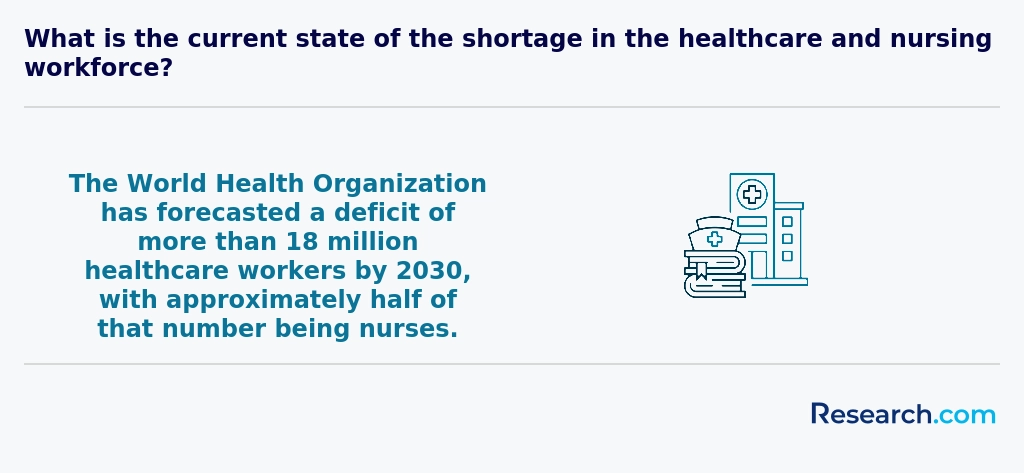
Upon completing an accredited nursing degree in Florida, graduates must secure state licensure to practice professionally. The Florida Board of Nursing oversees this process, ensuring that all Registered Nurse (RN) candidates meet stringent educational, legal, and ethical standards. Key Steps to RN Licensure in Florida:
- Graduate from a Board-approved program: Ensure your ADN or BSN is recognized by the Florida Board of Nursing.
- Submit Fingerprints and Background Check: A Level 2 background screening, including electronic fingerprints, is mandatory.
- Apply for Examination Eligibility: Complete the Florida licensure application online and pay associated fees.
- Pass the NCLEX-RN Exam: Schedule the National Council Licensure Examination through Pearson VUE and achieve a passing score.
- Receive Your License: Upon successful exam completion and final application review, the Board issues your RN license, authorizing you to practice across Florida. Ongoing Certification and Renewal To maintain active licensure, RNs must renew biennially and complete 24 hours of continuing education, including topics such as HIV/AIDS and domestic violence. Specialty certifications-like Critical Care or Pediatrics-are offered through national bodies (e.g., AACN, AANP) and can elevate clinical expertise. Career Advancement Without Additional Clinicals For graduates interested in expanding their academic credentials without repeating clinical hours, online bridge programs offer a seamless pathway. Many RNs leverage programs such as the rn to bsn online no clinicals track to deepen their theoretical knowledge, improve leadership skills, and meet employer preferences for baccalaureate-prepared nurses.
Nursing students in Florida often find federal aid a crucial support, with FAFSA unlocking Pell Grants and subsidized loans. Graduates from the University of Florida and Florida State University frequently mention how Pell Grants, covering up to $7,395 annually, relieved their financial stress and allowed them to focus on studies rather than debt. Many also leverage state-specific programs like the Florida Bright Futures Scholarship, which rewards merit and significantly reduces tuition for eligible public nursing students.
Loan forgiveness programs, such as the Health Care Practitioners Student Loan Forgiveness, further enhance affordability, especially for those who commit to working in Florida health facilities. Graduates recall feeling motivated by this support, knowing their service helps repay education costs.
Institutions like the University of Central Florida often provide flexible payment plans and internal scholarships tailored for working nurses advancing their education. Employer tuition reimbursement is another growing trend, making it easier for professionals to upskill without pausing their careers.
- Florida Department of Health Nursing Scholarships, linking scholarship aid with service commitments.
- Florida Student Assistance Grants that target financially needy undergraduates.
- Private scholarships from community nursing foundations offering merit- and need-based support.
To pursue a nursing degree in Florida without accumulating significant debt, it's essential to consider the affordability of nursing schools. The cost of tuition, fees, and other expenses can vary widely among institutions. Students who are looking for affordable options can explore our ranking of the affordable nursing schools in Florida, which provides a comprehensive overview of the most cost-effective nursing programs in the state. By evaluating factors such as tuition rates, financial aid packages, and scholarship opportunities, prospective students can make informed decisions about their nursing education and find a program that fits their budget and career goals.
To enroll in a nursing degree in Florida, prospective students must have a high school diploma or GED, a baseline requirement across ADN and BSN programs. Graduates from well-known institutions like the University of Florida or Florida State University often recall how completing college prerequisites such as biology with lab work, chemistry, anatomy, physiology, microbiology, English composition, and mathematics shaped their readiness and confidence for nursing school challenges.
Many students find that earning a minimum grade of "C" in these courses is essential to stay competitive, especially at highly sought-after places like Miami Dade College. Passing the TEAS exam is another vital step; applicants share positive experiences about how intensive preparation for this test helped them feel more assured in their academic abilities.
Beyond academics, future nurses embrace fulfilling Florida's regulatory demands, including background checks and immunization proof, which bring peace of mind when entering clinical rotations. These prerequisites not only ensure program eligibility but also build a strong foundation to thrive in Florida's dynamic nursing community.
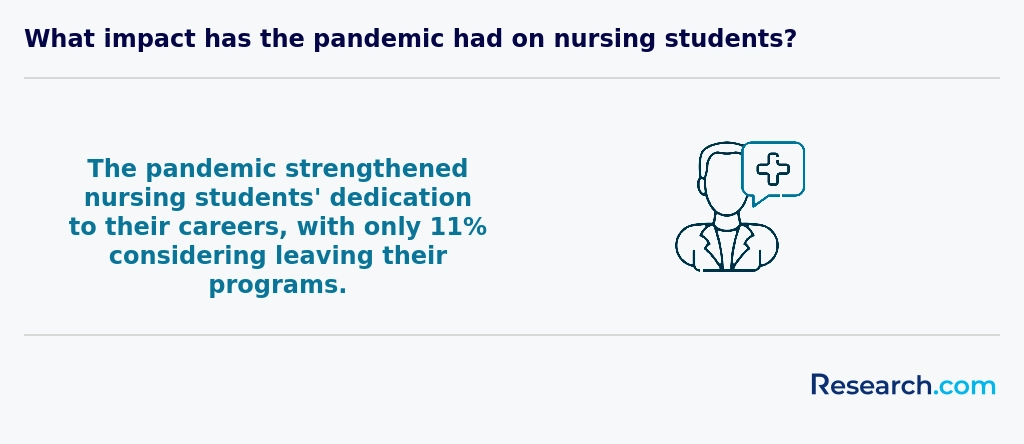
Understanding NCLEX success rates helps gauge program quality and predict your career trajectory. Florida nursing programs report average first-time pass rates of 85–95%, exceeding the national benchmark. High pass rates reflect strong curriculum, faculty guidance, and clinical preparation.
- Look for programs with at least a 90% first-time pass rate.
- Compare multi-year pass rate trends on school websites.
- Consider graduation and job placement rates alongside NCLEX data.
Graduates from top-ranking Florida schools often secure positions within 3–6 months due to these strong outcomes. For nurses planning to advance further, exploring the cheapest dnp programs online can be a strategic next step.
Nursing degrees in Florida typically include a diverse range of courses designed to equip students both theoretically and practically for the evolving healthcare landscape. Graduates from popular institutions like the University of Florida and Florida State University often recall rigorous classes in anatomy and physiology, microbiology, and chemistry that built their deep understanding of the human body. Imagine navigating a busy hospital ward with confidence, grounded in this strong scientific foundation.
Many students highlight pharmacology courses, where they learned about medication effects and safe administration, an essential skill given Florida's vast healthcare workforce. These lessons feel especially relevant during clinical rotations at bustling urban hospitals or rural clinics, where they directly impact patient care.
Core nursing topics - including medical-surgical, pediatric, maternal-neonatal, and mental health nursing - prepare students for Florida's diverse healthcare settings. Ethical leadership and community health classes foster the confidence and critical thinking needed to take on future roles beyond the bedside, inspiring graduates to shape healthcare policy or lead innovative public health initiatives.
Nursing specializations in Florida schools are evolving with the state's unique healthcare demands, providing students with diverse pathways tailored to real-world needs. Graduates from popular universities often share how specializing in Pediatric or Geriatric Nursing helped them connect deeply with Florida's family-centered and senior-heavy communities, respectively, sparking pride and fulfillment in their careers.
Future-focused students increasingly explore specialties like Critical Care or Mental Health Nursing, preparing them for fast-paced hospital settings or expanding community mental health programs across Florida. Many find advanced degrees in Nurse Midwifery or Oncology Nursing open doors to leadership roles, blending cutting-edge patient care with compassionate support.
Students interested in wider options often appreciate how institutions support APRN certifications, allowing greater autonomy and elevated earning potential. Given current trends, Florida nursing degree specialization options might soon incorporate tech-driven public health solutions, enhancing community wellness. For those wanting flexible learning, programs also recommend rn to bsn online no clinicals pathways, popular among working nurses seeking advancement without relocation or clinical site challenges.
Choosing the best nursing degree in Florida is increasingly about balancing personal ambition with practical considerations. Graduates from popular universities in Florida often reflect on how selecting a BSN over an ADN opened doors to leadership roles and higher salaries, underscoring the growing demand for advanced education. If affordability is key, exploring community colleges offering ADN programs provides a solid foundation without the higher costs associated with state universities, making them an ideal choice for many seeking affordable nursing schools Florida.
Real-world training matters deeply. Graduates recall feeling confident entering clinical rotations through hospitals affiliated with their programs, which not only enhanced skills but also helped secure jobs quickly. Those juggling work and study highlight the value of programs with flexible schedules or online options. For students who didn't start in nursing, the availability of direct entry MSN for non nurses online programs represents a promising route to advance quickly.
Accreditation remains a non-negotiable factor to ensure eligibility for licensure exams and employer trust, with many students choosing schools accredited by ACEN or CCNE to guarantee quality education aligned with Florida's standards.
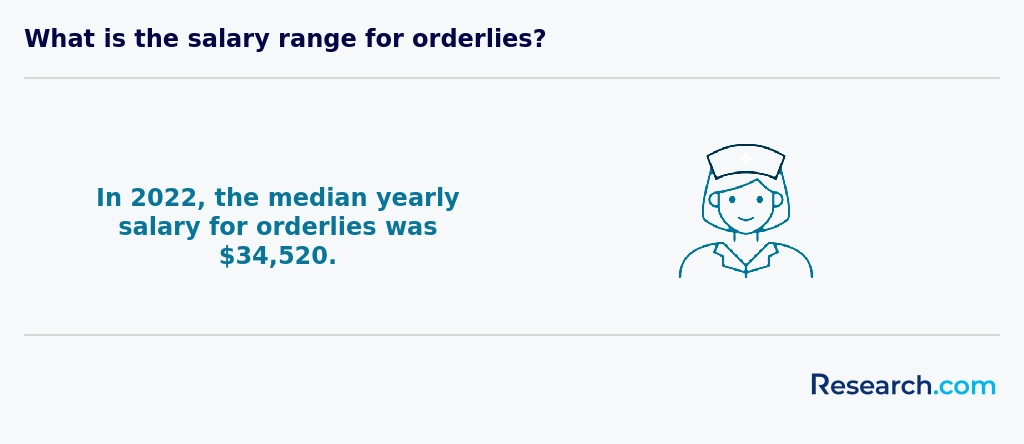
Graduates of nursing programs in Florida often find diverse career paths that align with the state's expanding healthcare landscape. Many start as Registered Nurses (RNs) in bustling hospital environments or community clinics, applying skills honed at well-known institutions like the University of Florida or Florida State University. These graduates express pride in making a tangible difference, especially given Florida's significant elderly population demanding specialized care.
For those seeking specialization, options include pursuing roles as Licensed Practical Nurses (LPNs) or advancing to become APRNs, such as Nurse Practitioners or Nurse Anesthetists. This progression often involves continuing education supported by Florida's accessible graduate programs, a crucial factor referenced by recent graduates confident in their upward mobility. This range of Florida nursing degree job prospects creates a hopeful outlook among students who appreciate the mix of clinical, administrative, and community health roles available.
Emerging trends suggest increased integration of public health nursing and leadership roles, where graduates help shape policies while delivering preventive care. For students interested in affordable pathways, exploring programs listed in the Cheapest Online Nursing Degree Programs Ranking in New York can provide inspiration on balancing cost with quality education.
The nursing job outlook in Florida remains vibrant and full of promise for graduates holding ADN or BSN degrees. For example, nursing graduates from the University of Florida and Florida State University frequently share experiences of quickly securing positions in hospitals and clinics due to the growing elderly population's demand for specialized care. This steady growth is fueled by statewide expansions in healthcare facilities and increased telehealth services, providing diverse career paths.
Florida nursing career opportunities extend beyond just entry-level roles; graduates with BSNs often advance into leadership positions or specialized fields with competitive salaries that consider the state's relatively lower cost of living. Many students at colleges like the University of Central Florida express optimism, noting that the combination of quality education and strong job demand makes the state an excellent choice for nursing studies.
Prospective students should weigh the investment carefully, as tuition costs vary widely. Yet, those exploring the easiest phd degree programs alongside nursing studies find additional ways to enhance their qualifications and future prospects in an evolving healthcare market.
2027 Best Nursing Degree Programs Ranking in Florida
Investing in your education is a significant decision that can shape your future, and the Research.com team understands the importance of making informed choices. To assist prospective students in Florida, we have meticulously crafted the "2027 Best Nursing Degree Programs Ranking in Florida." Our commitment to quality, credibility, and accuracy is reflected in the extensive research and analysis conducted to compile this ranking.
We utilized the following reputable data sources to ensure a comprehensive evaluation of nursing programs:
By exploring this ranking, readers will gain valuable insights into the best nursing degree programs available in Florida, helping them make confident and well-informed decisions about their educational futures. For more details on our methodology, please visit our Research.com methodology page.


# 20 position
University of Florida-Online
Bachelor of Science in Nursing

Frequently Asked Questions About nursing
Nursing students in Florida can maximize their learning experience by engaging in both classroom and clinical opportunities. Florida hosts over 70 accredited nursing programs, many offering simulation labs that mimic real healthcare settings, allowing students to practice skills safely. According to the Florida Board of Nursing, gaining diverse clinical placements improves readiness for licensing exams and employment.
Students should also consider joining professional organizations like the Florida Nurses Association to network and access continuing education. Balancing theory with hands-on experience helps deepen understanding of patient care.
Utilizing state resources, such as the Florida Center for Nursing's workforce data, supports informed career planning. Active participation in study groups and seeking mentorships further enhances learning outcomes.
The nursing field in Florida is evolving rapidly, with several emerging niches gaining prominence. One significant area is geriatric nursing, driven by Florida's large senior population, which is projected to grow by 24% over the next decade, according to the Florida Department of Elder Affairs. Nurses specializing in geriatrics focus on caring for older adults with chronic illnesses and age-related conditions.
Another growing specialty is telehealth nursing. With advances in technology and the state's push for improved healthcare access in rural areas, telehealth allows nurses to provide remote care and consultations. The Florida Board of Nursing supports certification in this niche to meet increasing demand.
Additionally, pediatric palliative care nursing is expanding as awareness grows about the need for specialized support for children with serious illnesses. Florida hospitals and clinics are investing in training to address this sensitive field.
Preparing for the job market after completing a nursing degree in Florida involves several key steps. First, graduates must pass the NCLEX-RN, the national licensing exam required to practice as a registered nurse. Florida's Board of Nursing administers this exam and regulates licensure.
Clinical experience gained during your degree is critical; it enhances your skills and improves employability. Networking through internships, job fairs, and nursing associations like the Florida Nurses Association can connect you with employers.
Considering Florida's growing healthcare sector-with employment projected to grow 12% from 2020 to 2030 according to the U.S. Bureau of Labor Statistics-nurses have promising opportunities but must maintain strong credentials and ongoing education.
Employers in Florida highly value nursing graduates who demonstrate strong clinical skills combined with effective communication. According to the Florida Center for Nursing, teamwork and critical thinking are among the top competencies sought. Nurses must reliably apply evidence-based practices within fast-paced healthcare settings.
Additionally, cultural competence is essential due to Florida's diverse population. This ability helps nurses provide respectful and efficient care to various patient backgrounds. Familiarity with electronic health records (EHR) and health information technology is increasingly important, reflecting the state's digital healthcare advancements.
Finally, professional ethics and adaptability stand out as key qualities in job listings from hospitals across Florida, such as those compiled by the Florida Hospital Association.
Finding internships in Florida related to nursing degrees typically involves coordinating with your educational institution. Many accredited nursing programs in Florida, regulated by the Florida Board of Nursing, require hands-on clinical experience as part of their curriculum. Students should begin by consulting their college's career services or nursing department for available internships.
Hospitals, community health centers, and long-term care facilities across Florida often partner with nursing schools to offer internships. These practical experiences enhance skills and increase employability after graduation. According to the Florida Center for Nursing, internships are vital for meeting state licensure requirements.
Additionally, statewide organizations like the Florida Nurses Association provide resources and networking opportunities to help students secure meaningful internships in diverse healthcare settings.
Obtaining a nursing degree in Florida significantly enhances career mobility and advancement opportunities within the state's healthcare sector. The Florida Center for Nursing reports that registered nurses (RNs) with bachelor's degrees earn on average 12% more than those with only an associate degree. A degree also qualifies nurses for a broader range of roles, such as nurse management, education, or specialized clinical positions.
Additionally, Florida's increasing demand for advanced practice registered nurses (APRNs) highlights the importance of higher education. Nurses with graduate degrees can pursue roles like nurse practitioners, which offer more autonomy and higher salaries. The Florida Board of Nursing requires appropriate degrees and credentials for these advanced roles.
Career advancement often depends on education level, clinical experience, and certifications. Nurses equipped with a formal degree generally find greater options for promotion, leadership roles, and employment in specialized areas.
Studying for a nursing degree in Florida equips students with essential skills for interdisciplinary roles in healthcare. Florida's nursing programs emphasize collaboration among nurses, physicians, therapists, and social workers to improve patient outcomes. According to the Florida Center for Nursing, over 60% of state healthcare facilities use team-based approaches, highlighting the demand for such skills.
Florida's curricula often include coursework in communication, leadership, and healthcare technology, preparing nurses to work effectively with diverse professionals. Clinical rotations occur in various settings, offering real-world experience in interdisciplinary environments. This comprehensive training supports the state's growing healthcare workforce needs, ensuring graduates can adapt to complex care teams and settings.
In Florida, choosing between a thesis and a non-thesis nursing degree depends largely on your career goals and learning preferences. Thesis programs focus on original research, preparing students for roles in academia, research, or advanced practice. They often involve a rigorous project and are ideal if you aim to contribute new knowledge to nursing science.
Non-thesis programs emphasize practical skills and coursework, appealing to those seeking clinical or administrative positions. These may require fewer credits and less time to complete. According to the Florida Board of Nursing, research-based skills remain important, but many employers prioritize clinical expertise.
Consider your future plans carefully and review specific program requirements at Florida universities like the University of Florida or Florida State University.
Students in Florida interested in studying nursing abroad have several pathways to consider. Many Florida universities, such as the University of Florida and Florida State University, offer study abroad programs or international clinical placements as part of their nursing curriculum. These opportunities let students gain global healthcare experience while earning credits toward their degree.
Additionally, Florida nursing students may explore partnerships between their home institutions and accredited foreign nursing schools. These arrangements often include semester-long exchanges or short-term clinical rotations in countries like Ireland or Australia, where nursing education meets US standards. According to the Florida Board of Nursing, international clinical experience can enhance cultural competence and improve career prospects.
Students should ensure that any foreign program aligns with requirements for Florida's NCLEX-RN licensure exam to maintain eligibility for nursing practice in the state.
Florida offers several part-time job opportunities that align well with nursing degree education. Students often work as certified nursing assistants (CNAs), a role that provides direct patient care experience. According to the Florida Department of Health, CNAs in the state earn an average hourly wage of $14 to $16. This job enhances clinical skills while accommodating class schedules.
Another common role is medical scribing, where students document patient encounters. This position helps improve medical terminology and charting skills crucial for nursing practice. Additionally, pharmacy technician roles in Florida's healthcare facilities offer exposure to medication management.
Volunteering or working in local hospitals and clinics also builds valuable patient interaction experience and networking opportunities, essential for future nursing careers.
Networking opportunities for nursing students in Florida are abundant due to the state's large healthcare industry and numerous educational institutions. Many nursing programs encourage students to join professional organizations such as the Florida Nurses Association (FNA), which provides access to conferences, workshops, and local chapter meetings. These events help students connect with practicing nurses, faculty, and healthcare employers.
Additionally, clinical placements and internships at hospitals and clinics across Florida offer hands-on experience and networking with healthcare teams. According to the Florida Center for Nursing, these connections often lead to job opportunities after graduation. Universities also host career fairs specifically for nursing students, linking them directly with top healthcare providers in the state.
Alumni networks play an important role for nursing degree students in Florida by offering valuable professional connections. These networks connect current students with graduates who have firsthand experience in the state's healthcare system. According to the Florida Center for Nursing, Florida's demand for registered nurses is projected to grow by nearly 15% through 2030, increasing the value of strong career connections.
Through events, mentorships, and job boards, alumni help bridge students to job opportunities and internships. They also provide guidance on licensure exam preparation, such as the NCLEX-RN, which is required for practicing in Florida.
Engaging with alumni can enhance networking skills and increase employment chances upon graduation.
Customizing a nursing degree program in Florida allows students to align their education with specific career goals. Many Florida nursing schools offer concentrations such as pediatric nursing, gerontology, or nurse informatics. This lets students focus on the patient populations or specialties that interest them most. Clinical rotation choices often reflect these tracks, enabling hands-on experience in relevant healthcare settings.
Additionally, online and hybrid program formats provide flexibility for working professionals. Some programs also incorporate leadership or research courses for those aiming at advanced roles. According to the Florida Center for Nursing, nearly 60% of programs offer specialty electives to enhance career readiness in diverse nursing fields.
Students are encouraged to consult academic advisors early to tailor course selections and clinical experiences. This approach helps build a skill set suited to Florida's high-demand healthcare sectors, such as aging populations and community health.
Nursing students in Florida commonly face several challenges during their education. One major issue is the high competition for clinical placements, as the state's growing population increases demand for practical training spots. According to the Florida Center for Nursing, limited clinical sites often delay program completion.
Another challenge involves meeting rigorous licensing exam requirements. The NCLEX pass rate for Florida nursing programs averaged around 87% in 2023, slightly below the national average, indicating some students struggle with exam preparedness.
Financial pressures also impact many students. With tuition costs for nursing degrees in Florida ranging between $6,000 and $30,000, managing expenses without adequate scholarships or support can be difficult.
Additionally, balancing demanding coursework with personal responsibilities remains a significant obstacle for many, especially those working part-time or supporting families.
With a nursing degree in Florida, graduates can pursue several professional certifications to advance their careers. Common certifications include the Certified Registered Nurse Anesthetist (CRNA), Certified Nurse Midwife (CNM), and the Family Nurse Practitioner (FNP) credentials. These certifications require passing national exams and having a valid registered nurse (RN) license in Florida.
Other popular options involve specialty practice areas, such as the Oncology Certified Nurse (OCN) or the Pediatric Nursing Certification Board (PNCB) credential. According to the Florida Board of Nursing, over 70,000 RNs are licensed in Florida, many of whom seek certifications to meet growing healthcare demands.
Certification enhances job prospects and often leads to higher salaries, reflecting the specialized skills nurses bring to patient care.
Applying to nursing programs in Florida requires careful preparation and attention to detail. Start by ensuring your academic records meet the program's minimum GPA requirements, often around 3.0 for competitive schools. Highlight relevant healthcare experience in your resume or personal statement, as Florida nursing programs value practical knowledge alongside academics. According to the Florida Center for Nursing, programs increasingly seek applicants with clear communication skills and a passion for patient care.
Strong letters of recommendation from instructors or healthcare professionals can boost your application. Also, prepare for and perform well on the TEAS (Test of Essential Academic Skills), a common entrance exam used by many Florida nursing schools. Lastly, tailor your personal statement to reflect your motivation for nursing and commitment to serving Florida's diverse communities.
The nursing profession holds a significant global role, influenced by diverse healthcare systems and educational standards. In the United States, including Florida, nursing careers are highly valued due to an aging population and increasing demand for healthcare services.
Florida ranks among the top states for nursing employment, with the U.S. Bureau of Labor Statistics projecting a 16% growth rate in registered nurse positions through 2031. This demand reflects broader global trends, where nurses are essential in improving health outcomes.
Globally, nursing education standards vary, but U.S. degrees, especially those from accredited Florida institutions, are recognized internationally for their rigorous clinical training and science-based curriculum. Nurses trained in Florida often have opportunities to work abroad or collaborate in international health initiatives.
The American Association of Colleges of Nursing emphasizes that Florida's programs prepare graduates to meet complex healthcare challenges, making the career both locally impactful and globally relevant.
Gaining practical experience is essential for nursing students in Florida. Most accredited nursing programs incorporate clinical rotations, giving students hands-on experience in hospitals, clinics, and community health settings. These placements are supervised by licensed nurses and allow students to apply classroom knowledge in real-world environments.
Florida nursing students can also benefit from internships and externships, often offered through partnerships between schools and healthcare facilities. These opportunities enable students to deepen their skills before graduation.
Additionally, many programs encourage participation in simulation labs that use advanced technology to mimic patient care scenarios. According to the Florida Board of Nursing, clinical hours required for licensure typically range from 500 to 700, depending on the program level.
Choosing the right concentration within a nursing degree program in Florida involves understanding your career goals and the healthcare needs in the region. Florida has a high demand for nurses specializing in geriatrics, due to its large elderly population, which is expected to grow by 20% over the next decade according to the Florida Department of Health. Popular concentrations include Pediatric Nursing, Adult-Gerontology, and Mental Health Nursing. Consider the job outlook and salary potential; for example, Florida's average registered nurse salary is around $68,000 annually, with specialized nurses often earning more. Research programs accredited by the Florida Board of Nursing for quality education.
- 2027 Best Online Nursing Degree Programs Ranking in Georgia
- 2027 Best Online Nursing Degree Programs Ranking in South Carolina
- 2027 Best Online Nursing Degree Programs Ranking in Mississippi
- 2027 Best Online Nursing Degree Programs Ranking in Tennessee
- 2027 Best Online Nursing Degree Programs Ranking in North Carolina
- 2027 Best Online Nursing Degree Programs Ranking in Louisiana
- 2027 Best Online Nursing Degree Programs Ranking in Kentucky
- 2027 Best Online Nursing Degree Programs Ranking in Virginia
- 2027 Best Online Nursing Degree Programs Ranking in Missouri
- 2027 Best Online Nursing Degree Programs Ranking in Indiana
See What Experts Have To Say About Studying Nursing
Read our interview with Nursing experts

Lisa Grubb
Nursing Expert
Assistant Professor
Johns Hopkins School of Nursing

- Interest In Becoming A Nurse - Nursing Consortium of Florida https://nursingconsortium.us/interest-in-becoming-a-nurse/
- Types of Nursing Careers & Specialties https://nursinglicensemap.com/nursing-specialties/
- Work-life balance | Careers Crossroads | RCN Careers Resources | Royal College of Nursing https://www.rcn.org.uk/Professional-Development/Your-career/Nurse/Career-Crossroads/Career-Ideas-and-Inspiration/work-life-balance
- Available Grants & Scholarships - Florida Nurses Association https://www.floridanurse.org/page/AvailableGrantsScohlarships
- How to Write https://esign.com/letter-of-intent/school/nursing/
- 10 Nursing Fields That Are Growing in Demand https://promedcert.com/blog/10-nursing-fields-that-are-growing-in-demand
- How Do Nurses Navigate Career Advancement? | NursingEducation https://nursingeducation.org/insights/career-advancement/
- Guide to Making a Career Change to Nursing https://teach.com/online-ed/healthcare-degrees/online-msn-programs/career-change-to-nursing/
- Online versus Face-to-Face Nursing Degrees: A Study of Recruiters’ Perceptions - OJDLA https://ojdla.com/articles/online-versus-face-to-face-nursing-degrees-a-study-of-recruiters-perceptions
- Medical University of GdaÅsk https://admission.mug.edu.pl/29318.html