2027 Most Popular Nursing Degree Programs Ranking in Johnson City

Co-Founder and Chief Data Scientist
If you're considering a nursing degree in Johnson City, this article is here to guide you. The 2027 Most Popular Nursing Degree Programs Ranking in Johnson City was carefully created by the Research.com team of data scientists to help you find programs that truly stand out.
Getting a nursing degree opens many doors and offers rewarding career opportunities. Reading this ranking will give you clear insights to make an informed choice with confidence. Whether you're just starting or exploring options, this guide supports your journey toward a fulfilling future.
Key benefits of getting nursing degree in Johnson City
- Graduates with a nursing degree in Johnson City can earn competitive salaries, such as $94,480 annually for Registered Nurses and Public Health Nurses, and even higher at $128,490 for Operating Room Nurses.
- Nursing graduates from local universities like East Tennessee State University have diverse career options, including roles in emergency rooms, clinical education, and public health settings.
- Online nursing degrees offer flexibility and convenience for busy students, allowing them to balance studies with work or family, as experienced by many who graduate from programs at Johnson City-based institutions.
- 2027 Most Popular Nursing Degree Programs Ranking in Johnson City
- What can I expect from nursing degree in Johnson City?
- Where can I work with nursing degree in Johnson City?
What can I expect from nursing degree in Johnson City?
If you're thinking about studying nursing in Johnson City, you'll be glad to know it's pretty affordable compared to other places. For example, many students at East Tennessee State University (ETSU), a popular spot for nursing degrees here, pay around $8,000 a year if they're in-state. That price makes getting your BSN feel way more doable without stressing about crushing debt right out of school.
Graduates often say the cost combined with the city's reasonable living expenses really took a load off their minds while focusing on tough coursework and clinical hours. Plus, scholarships and federal aid are pretty common, helping to ease financial worries even more. So whether you're jumping in fresh or moving from an LPN to an RN, the financial side in Johnson City feels manageable.
It really helps when you can picture yourself learning hands-on at places like Johnson City Medical Center without burning through savings or stressing about loans every single day.
Where can I work with nursing degree in Johnson City?
If you're studying nursing in Johnson City, the job options after graduating are pretty exciting. Graduates often land jobs at Johnson City Medical Center, part of Ballad Health, where they get to work in areas like critical care or specialized units such as cardiology. Imagine starting your shift helping patients in a busy hospital, gaining hands-on experience right away-that's a real possibility here.
Other grads find themselves working in local outpatient clinics or community health centers, like those run by Mountain States Health Alliance. These spots focus more on preventative care and long-term health, so you might be teaching families about managing chronic illnesses or helping kids get ready for school with pediatric care. It's a chance to really connect with people in your neighborhood.
Some Johns City nursing graduates choose long-term care facilities or nursing homes, caring for elderly patients and those who need extra support. And if you like a bit more independence, home health nursing is also growing-visiting patients in their homes and providing one-on-one care.
Plus, East Tennessee State University grads sometimes go into teaching or public health, giving back by training future nurses or working in health departments. Whether you want a fast-paced hospital job or a community-focused role, Johnson City offers a great variety of career paths that feel rewarding and meaningful.
If you're wrapping up a nursing degree in Johnson City, you're looking at some solid earning potential. Graduates, especially from popular local schools like East Tennessee State University, often step into roles where the average annual wage for a registered nurse is about $94,480. That's a pretty nice paycheck for starting out, especially compared to other regions.
Many grads find themselves as clinical nurse educators or public health nurses, where the pay mirrors that RN average, around $94K a year. Those who head into emergency rooms get a similar boost-$94,480 is the mean annual wage here too, so the opportunities to earn a reliable income are strong across these roles.
Now, if you're aiming higher, like working as an operating room nurse, the salary jumps up to around $128,490 annually. That's a huge bonus if you love the fast-paced, hands-on environment. Many Johnson City nursing grads tell stories of walking right into these roles and feeling pretty confident about their financial future-it really feels like your hard work pays off.
- Johnson City offers nursing programs ranging from LPN certificates to BSN and MSN degrees, providing multiple educational pathways.
- BSN tuition costs vary from $20,000 to $40,000, while associate degrees at community colleges range between $5,000 and $15,000.
- Entry-level registered nurses typically earn around $55,000 annually, increasing to about $70,000 after 5 to 10 years of experience.
- The local job market is strong due to major medical centers and a growing healthcare sector driven by an aging population.
- Graduates must pass the NCLEX-RN exam to practice in Tennessee, with schools offering exam prep and clinical placements in local healthcare facilities.
If you're wondering how long it takes to finish a nursing degree in Johnson City, it really depends on the path you choose. For most folks going the Associate Degree in Nursing route, it's usually around two years. Many grads from local community colleges share how that shorter timeline helped them jump into the workforce quickly and start earning sooner, which is a big plus.
On the other hand, if you're aiming for a Bachelor of Science in Nursing, expect about four years of full-time study. East Tennessee State University is a popular spot for this, and grads often say the program's mix of leadership and hands-on experience really prepares them well for real nursing jobs.
Now, if you already have a degree in something else, accelerated BSN programs are a serious game-changer. These fast-paced tracks take just 12 to 18 months in Johnson City, so you can switch careers without waiting forever. It's intense, but many say the energy and speed make the hard work totally worth it.
A key indicator of a nursing program’s quality is its NCLEX-RN pass rate, reflecting graduates’ preparedness for professional practice. In Johnson City, TN, recent cohorts have demonstrated strong performance: East Tennessee State University graduates achieved a 92% first-time pass rate, Milligan University reported 94%, and the University of Tennessee at Chattanooga’s Johnson City campus reached 90%. These outcomes highlight the effectiveness of rigorous curricula, hands-on clinical rotations, and dedicated faculty mentorship in ensuring students are exam-ready. Understanding NCLEX pass rates can guide your program selection:
- Review school-specific statistics published by state nursing boards.
- Compare first-time versus ultimate pass rates to assess student support and remediation resources.
- Investigate how academic advisement, simulation labs, and review sessions contribute to success. For licensed RNs holding an Associate Degree in Nursing (ADN) who wish to bolster their clinical knowledge and enhance licensure success, accelerated bridge programs offer a valuable pathway. Consider exploring the rn to bsn online 6 months option, which combines targeted exam preparation with advanced coursework to optimize both your NCLEX outcomes and career prospects.
Choosing between online and on-campus nursing degrees in Johnson City mostly boils down to how you like to learn and handle your schedule. Online programs give you the freedom to study when and where it works best, great for folks juggling jobs or family. You'll still get hands-on clinical hours, but you'll set those up locally, which some graduates found a bit tricky without much school support. On-campus programs, like the ones at East Tennessee State University, offer that classic college vibe-face-to-face with professors and classmates, plus access to cool resources like simulation labs. Many students love how that builds confidence and hands-on skills.
Cost-wise, on-campus tuition hovers around $9,000 per year for in-state students, with online sometimes a bit cheaper but watch out for tech fees or travel costs for clinicals. In the end, it's all about what fits your life-whether you crave the buzz of campus or the flexibility of learning from your couch.
Ensuring a nursing degree meets rigorous accreditation standards is vital for licensure and career success. All nursing programs in Johnson City, TN-whether on-campus or delivered as an online nursing program-must hold approval from both the Tennessee Board of Nursing and national bodies such as the Commission on Collegiate Nursing Education (CCNE) or the Accreditation Commission for Education in Nursing (ACEN). Accreditation verifies that curricula, faculty credentials, clinical partnerships, and student outcomes align with state and federal regulations. Key Indicators to Evaluate:
- State Board Approval: Confirm each school’s standing with the Tennessee Board of Nursing, which audits program compliance, clinical site quality, and student support services.
- NCLEX-RN Pass Rates: Schools with NCLEX-RN first-time pass rates above 85% demonstrate effective preparation. For example, East Tennessee State University reported a 92% pass rate in 2023, while Milligan University achieved 89%, both exceeding national averages.
- Program Reporting: Accredited institutions publish annual outcomes, including graduation rates, employment placement, and licensure statistics, usually available on their websites or through the National Council of State Boards of Nursing (NCSBN). Why It Matters: Accreditation and strong NCLEX performance signal that graduates are equipped with current best practices, clinical judgment skills, and ethical standards. Before committing, prospective students should: 1. Visit each school’s accreditation page for documented CCNE or ACEN status. 2. Review annual NCLEX pass rate reports on the Tennessee Board of Nursing site. 3. Inquire about specific clinical affiliations and faculty-to-student ratios. By prioritizing accredited programs with proven NCLEX success, you ensure a smooth path to licensure, heightened employer confidence, and a solid foundation for advanced nursing roles.
When it comes to the average nursing degree cost Johnson City students face, most in-state undergrads end up paying around $10,472 in total. This makes studying nursing locally at schools like East Tennessee State University pretty affordable compared to private colleges, which can be way pricier. Out-of-state students should expect to pay more, with a median total cost close to $26,600, reflecting the extra tuition usually charged to non-residents.
Many graduates from Johnson City nursing programs share that, beyond tuition, there are extra expenses like textbooks, medical supplies, and clinical fees. These can add up, but they're often manageable if you plan ahead. Plus, financial aid and scholarships tailored to local nursing students can really ease the burden, so be sure to explore those options early on.
One thing that nursing students quickly learn is practical experience is key, and some have found getting familiar with the NICU nurse essential skills is an exciting part of their journey. This hands-on training is invaluable, and many feel it's worth every penny of their investment.
If you consider Johnson City's nursing degree programs, the total cost of nursing programs Johnson City offers is generally competitive and reflective of the national trend for public universities. It's great news if you want a solid education without breaking the bank!

When deciding on a nursing program in Johnson City, TN, it's crucial to consider several factors to ensure you find the best fit for your educational and career goals. One of the first steps is to research the available programs and their accreditation status, as this can impact your ability to obtain licensure and secure employment after graduation. For instance, if you're interested in learning more about the best popular nursing degree options in the area, you can explore various rankings and reviews from reputable sources. Additionally, understanding the curriculum, specializations offered, and job placement rates of each program can help you make a more informed decision. Many nursing programs in Johnson City, such as those offered by East Tennessee State University, provide comprehensive education and training, preparing students for diverse roles in the healthcare industry. By carefully evaluating these factors and considering your individual circumstances and goals, you can choose a nursing program that sets you up for success in your future career.
When you're chasing a nursing degree in Johnson City, financial aid can be a real lifesaver. Many students at popular schools like East Tennessee State University find federal aid through FAFSA to be the easiest place to start. Grants like the Pell Grant can cover a good chunk-up to $7,395 a year-which means less stress about loans piling up. Lots of grads talk about how these grants allowed them to focus more on their studies instead of worrying about bills.
On top of that, Tennessee offers cool programs like the Education Lottery Scholarship and loan repayment plans that reward you for working in healthcare here. Local hospitals also chip in by offering scholarships or tuition help, often in exchange for a work commitment after graduation-that way, you get support now and a job lined up later.
Don't forget private scholarships from nursing groups either-they can add up and open doors you didn't expect. Many students say mixing these options really lightened their financial load while studying nursing in Johnson City.
Begin your nursing journey with a clear application roadmap:
- Research and shortlist programs (ADN vs. BSN) by March.
- Complete prerequisite courses (Anatomy, Chemistry, Microbiology).
- Gather materials: official transcripts, standardized test scores, two professional references.
- Craft a personal statement detailing your motivation and relevant experience.
- Submit applications online before program deadlines (e.g., ETSU: March 15 for Fall entry).
- Schedule interviews or campus visits to meet faculty and tour clinical facilities.
- File the FAFSA and apply for scholarships by priority dates.
Connect with admissions advisors early to clarify requirements and strengthen your application. For those considering advanced practice roles, explore online np programs california.
If you're thinking about jumping into a nursing degree in Johnson City, you'll want to be ready with a few key things. First off, having your high school diploma or GED is non-negotiable. Most folks who've walked the halls at East Tennessee State University say that getting a solid grip on sciences like biology, chemistry, and anatomy before you apply really helps. These classes can often be taken at your local community college, making it easier to prep ahead of time.
Students often share that standardized tests like the ACT or SAT, or specific nursing entrance exams such as the TEAS, are part of the package. Keeping your GPA around a 2.5 to 3.0 or higher definitely opens more doors. Nursing programs here also ask for health checks, immunization records, and sometimes background checks because clinical work means being ready and safe in hospitals or care centers.
Graduates often say nailing these prerequisites felt tough at first, but it gave them confidence and really prepared them for the real-world challenges they faced during clinical rotations. If you're aiming to study nursing in Johnson City, this foundation will set you up for success from day one.

Johnson City’s nursing degree programs stand out for their distinguished faculty and robust research environment. Students benefit from small class sizes that foster direct mentorship with professors who hold doctoral credentials and active roles in clinical practice. With a student-to-faculty ratio typically under 10:1, learners receive personalized guidance on evidence-based care, quality improvement projects, and scholarly writing. Many faculty members publish regularly in peer-reviewed journals and secure grants from agencies like the National Institutes of Health and the Department of Health and Human Services. Research opportunities abound through partnerships with local hospitals and community health organizations. Undergraduates can participate in data-driven studies on rural health outcomes, while graduate students often lead capstone projects examining innovations in patient safety or telehealth delivery. Those considering doctoral pathways may also explore our Most Affordable Online Doctorate in Nursing Degree Programs Ranking in the Midwest to identify cost-effective options for advancing their careers. By engaging in faculty-led research, students not only deepen critical thinking skills but also build competitive portfolios for licensure exams and future academic positions.
When you dive into a nursing degree in Johnson City, you're jumping into a mix of science and hands-on learning that really prepares you for the real world. At popular spots like East Tennessee State University, graduates often talk about how they started with basics like human anatomy, physiology, and microbiology-these classes give you a solid understanding of how the body works and how diseases affect it.
After that, you get into more nursing-specific classes-think pharmacology, health assessments, and nursing fundamentals. Students love how these courses make you feel more confident about handling medications and understanding patient needs. Plus, most programs mix in nutrition and mental health nursing, which is great because nursing isn't just about physical care but the whole person.
What really makes the experience stand out in Johnson City is the clinical training. Local hospitals are like classrooms where you get hands-on experience in pediatrics, maternity, and even geriatrics. Graduates say this part was eye-opening, helping them connect textbook knowledge with real patients and situations, making the whole journey both challenging and rewarding.
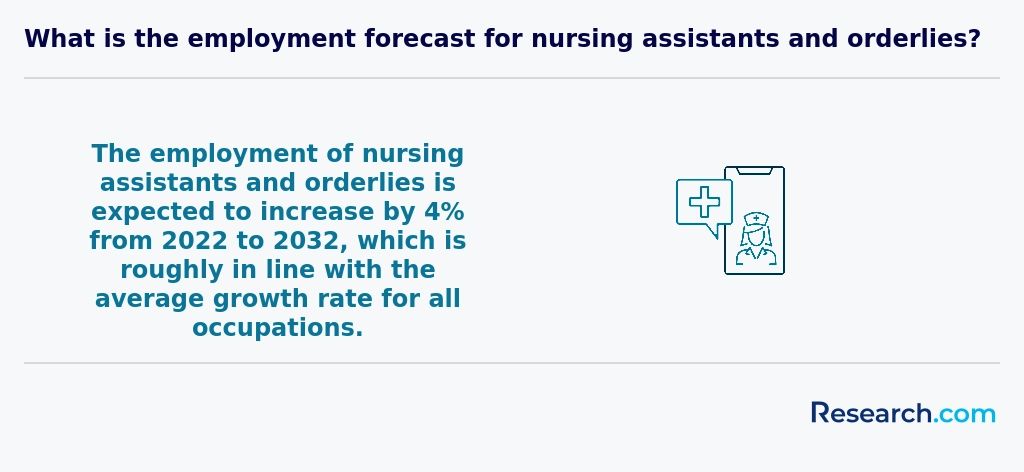
If you're thinking about nursing degree specializations in Johnson City, there's a solid range to choose from that match what local healthcare needs most. Graduates from popular nursing schools here often talk about how they could focus on areas like Registered Nurse (RN) Generalist roles, which give you a broad skill set that fits pretty much anywhere. Others dive into Family Nurse Practitioner (FNP), which is super rewarding if you love working with patients of all ages-especially since primary care is a hot topic nationwide.
Some students find their passion in Pediatric Nursing, caring for kids, or Geriatric Nursing, which is in demand thanks to Johnson City's growing elderly population. Plus, with mental health becoming more important, specialties like Psychiatric-Mental Health Nursing are getting attention. Critical Care Nursing is also a top pick for those who thrive under pressure in places like Johnson City Medical Center's emergency or ICU units.
There's even the option to boost your profile with certifications after your degree, helping you stand out in a tight nursing job market. If you want a peek at the nursing job outlook in Louisiana, it shows how specialized skills pay off, and that's true for Johnson City too. Choosing the right Johnson City nursing program specialization options can make a real difference in your career path.
Finding the best nursing degree in Johnson City means thinking about what fits your life and goals. Some grads swear by the Associate Degree in Nursing for getting into the field quickly, especially if they need to start working soon. Others who went the Bachelor of Science in Nursing route at East Tennessee State University loved the deeper learning and the chance to take their careers further. Many nursing students in Johnson City appreciate programs that offer evening or online classes, so they can juggle family and jobs.
Cost is a big deal here too. Nursing degrees in Johnson City are affordable compared to other places, with public schools charging between $6,000 and $12,000 a year. That makes it easier for folks to focus on studying without stressing too much about money. And don't forget to check for programs with strong NCLEX pass rates-graduates often mention feeling really confident when they nail that exam, especially from well-known local schools.
If you're curious about expanding beyond basic nursing, some grads have found great support through the nurse practitioner degrees delaware alumni network, which helps keep connections strong no matter where you start.
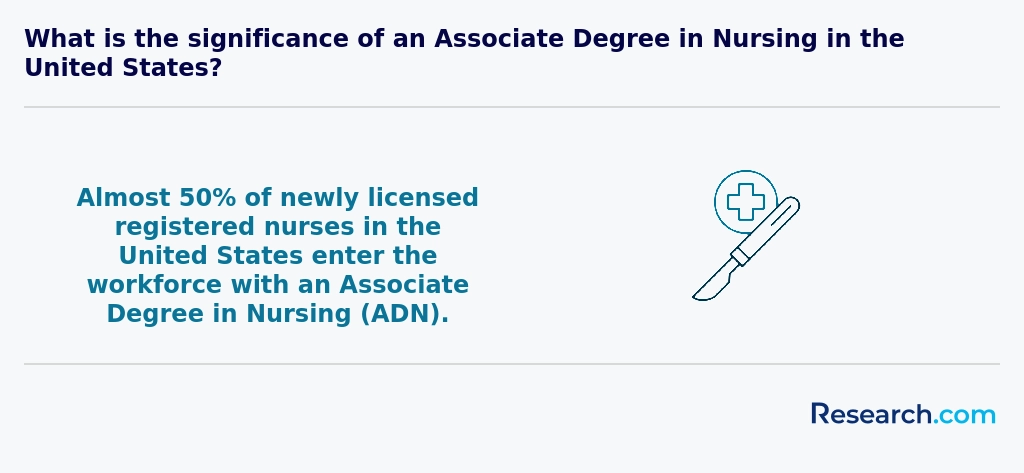
If you're thinking about a nursing degree in Johnson City, there are plenty of exciting career paths waiting for you right in town. Many graduates from local colleges find themselves stepping into roles like Registered Nurses, working hands-on in hospital wards or emergency rooms, getting that real-life experience that shapes their skills every day. Others decide to pursue advanced practice careers such as Nurse Practitioners or Nurse Anesthetists, where the work involves more decision-making and leadership, often with a salary boost to match.
Some grads choose to channel their passion into healthcare education or public health nursing, helping to support the community around Johnson City - it's a rewarding path, especially given the city's role as a medical hub for rural Appalachia. Nursing students often mention how the programs here prepare them well, balancing clinical practice with classroom knowledge, and even highlighting the accreditation of online degree programs that makes finishing school flexible. These Johnson City nursing degree job prospects make it a smart choice if you want a meaningful and secure career.

The nursing job outlook Johnson City is looking pretty strong right now. Graduates from popular local nursing programs often share how easy it is to find roles in hospitals like Johnson City Medical Center, where demand for skilled nurses is high. Many locals appreciate the range of opportunities-from acute care in busy wards to home health visits-that keep their careers exciting and rewarding. Plus, the average salary here, around $65,000 to $70,000, feels solid when you factor in the lower cost of living compared to bigger cities.
Johnson City nursing degree employment opportunities are boosted by steady population growth and a healthcare system that's always expanding. Nursing grads mention perks like hands-on experience and special certification programs offered nearby, which help them stand out. If you're curious about how nursing education compares elsewhere, you might want to check out nursing universities washington dc student reviews for a broader look at options and student feedback.
2027 Most Popular Nursing Degree Programs Ranking in Johnson City
Investing in your education is a significant decision that can shape your future, and the Research.com team understands the importance of making informed choices. To assist prospective students in Johnson City, we have meticulously crafted the "2027 Most Popular Nursing Degree Programs Ranking in Johnson City." Our commitment to quality, credibility, and accuracy is reflected in the extensive research and analysis conducted to compile this ranking.
We utilized the following reputable data sources to ensure a comprehensive evaluation of nursing degree programs:
By exploring this ranking, readers will gain valuable insights into the most popular nursing degree programs in Johnson City, helping them make well-informed decisions about their educational journeys. For more details on our methodology, please visit our Research.com methodology page.

Frequently Asked Questions About nursing
Nursing degree students in Johnson City can maximize their learning experience by actively engaging in clinical rotations offered through local healthcare facilities. These hands-on opportunities are essential for applying classroom knowledge to real-world patient care.
Utilizing resources at East Tennessee State University, a key institution in the area, students benefit from experienced faculty and updated nursing laboratories. The school's NCLEX pass rate of approximately 88% in recent years reflects the strong academic support system.
Additionally, joining professional nursing organizations such as the Tennessee Nurses Association provides networking, mentorship, and access to continuing education events.
Time management and study groups also help boost comprehension and retention of complex nursing concepts.
The nursing field is evolving rapidly, with several emerging niches gaining importance. In Johnson City, specialties such as geriatric nursing and mental health nursing are expanding due to the aging population and rising awareness of mental wellness. According to the Tennessee Department of Health, the region expects a 15% increase in demand for nurses with expertise in these areas by 2030.
Additionally, informatics nursing is growing as healthcare increasingly relies on technology for patient care and data management. Nurses skilled in both clinical and IT areas are highly sought after. Community health nursing also remains vital, focusing on preventive care and education in underserved populations around Johnson City.
Preparing for the job market after earning a nursing degree in Johnson City involves several key steps. First, obtaining licensure through the National Council Licensure Examination (NCLEX-RN) is essential for all nursing graduates. Local healthcare facilities, including Johnson City Medical Center and Woodridge Hospital, are among the primary employers in the region. Networking with professionals at these institutions can improve job prospects.
Completing clinical rotations during your program often leads to valuable job connections. According to the Tennessee Department of Labor, nursing employment in the Johnson City metro area is projected to grow by 12% through 2030, reflecting strong demand.
Continuing education and certification in specialty areas, such as gerontology or pediatrics, can also enhance employability.
Employers in Johnson City highly value nursing graduates who demonstrate strong clinical skills, critical thinking, and effective communication. According to the Tennessee Board of Nursing, nurses must competently perform patient assessments, administer medication safely, and collaborate with healthcare teams.
Beyond technical expertise, leadership and adaptability are increasingly essential. The Johnson City Chamber of Commerce highlights that healthcare facilities seek nurses who can handle fast-paced environments and evolving patient needs with professionalism.
Empathy and cultural competence are also crucial. Given Johnson City's diverse population, nurses who understand and respect different backgrounds improve patient outcomes significantly, as noted by local health organizations.
In sum, proficiency in both hard and soft skills shapes the ideal candidate in this competitive nursing job market.
To find nursing internships in Johnson City, start by exploring local healthcare facilities such as Johnson City Medical Center and the Ballad Health system, which regularly offer clinical placements for nursing students. Many nursing programs in the area collaborate directly with these hospitals to provide structured internship opportunities as part of their curriculum.
Additionally, community health clinics and long-term care facilities in Johnson City often welcome nursing interns. Contacting your nursing school's career services or academic advisors can provide tailored assistance and connect you with internship openings.
Online platforms like the Tennessee Board of Nursing website and regional job boards may also list current internship opportunities relevant to nursing graduates in Johnson City.
Obtaining a nursing degree in Johnson City significantly enhances career mobility and advancement opportunities. Local hospitals and healthcare providers, such as Mountain States Health Alliance, prioritize candidates with accredited nursing qualifications. A registered nursing license, typically earned through an Associate or Bachelor of Science in Nursing (BSN), is often required for many clinical roles.
According to the Bureau of Labor Statistics, the nursing sector in the Johnson City metropolitan area is projected to grow by about 12% through 2030, indicating strong job prospects for degree holders.
Higher degrees, like a BSN or Master's in Nursing, open pathways to leadership, specialized care, and education roles with better salaries and responsibilities.
Studying for a nursing degree in Johnson City equips students with skills essential for interdisciplinary healthcare roles. Local programs emphasize collaboration between nursing, medicine, pharmacy, and social work, reflecting real-world healthcare settings. According to the Tennessee Board of Nursing, nursing curricula in Johnson City include clinical rotations in hospitals like Johnson City Medical Center, fostering teamwork with diverse professionals.
Many Johnson City nursing programs integrate evidence-based practice and communication training, which are crucial for effective interdisciplinary problem-solving. The region's healthcare focus encourages graduates to understand multiple perspectives, improving patient outcomes. Students also gain exposure to community health initiatives, expanding their roles beyond traditional bedside care.
When choosing between a thesis and a non-thesis nursing degree program in Johnson City, consider your career goals. A thesis option is often designed for students interested in research, advanced clinical roles, or pursuing a doctoral degree. It requires conducting original research and writing a formal thesis.
The non-thesis path is typically more practice-oriented, focusing on coursework and clinical experience. This can appeal to students wanting to enter the workforce quickly or advance in clinical nursing roles without additional research.
Local statistics from the Tennessee Higher Education Commission show that most Johnson City nursing graduates enter clinical practice, suggesting non-thesis programs may align better with regional job demands. However, Johnson City schools also offer research-driven programs for those aiming for academic careers.
Students based in Johnson City seeking to study nursing abroad have several pathways through partnerships between US institutions and foreign universities. Many nursing programs in Tennessee, including those near Johnson City, offer study abroad options or exchange programs with accredited nursing schools in countries like Ireland, Australia, and Canada. These opportunities often enhance clinical experience and global healthcare perspectives.
According to the Tennessee Higher Education Commission, expanding international placements helps nursing students gain diverse practice environments. However, students should ensure that credits earned overseas transfer back to their home institution and meet state licensure requirements.
Local universities such as East Tennessee State University sometimes facilitate connections to established global nursing programs, aiding Johnson City students in pursuing accredited global education experiences.
In Johnson City, part-time job opportunities that complement nursing degree education are plentiful, providing practical experience alongside studies. Many students find roles as certified nursing assistants (CNAs) in local hospitals such as Johnson City Medical Center, gaining direct patient care skills.
Other options include working as medical scribes or pharmacy assistants, which help develop clinical knowledge and administrative efficiency. According to the Bureau of Labor Statistics, nursing-related support roles in Tennessee are projected to grow 17% through 2032, indicating increasing availability.
Volunteering at community health centers or assisted living facilities also enhances nursing competencies while fostering networking connections. These experiences are vital for future licensure exams and job placement.
Nursing students in Johnson City benefit from strong networking opportunities offered by local institutions and healthcare organizations. East Tennessee State University (ETSU), a major nursing education provider, hosts events like career fairs and alumni mixers that connect students with healthcare professionals in the region. Additionally, the Johnson City Medical Center collaborates with nursing programs to provide clinical placements, fostering professional relationships early in students' careers.
Regional chapters of professional nursing organizations such as the Tennessee Nurses Association offer meetings, workshops, and conferences, helping students build valuable connections. According to ETSU's 2023 report, over 75% of nursing graduates secured employment within six months, highlighting effective networking channels.
Alumni networks play a crucial role in supporting nursing degree students in Johnson City. These networks provide valuable connections to local healthcare employers such as the Johnson City Medical Center and regional clinics. Through mentorship programs, alumni offer guidance on clinical experiences, resume building, and job interviews, which can improve employment outcomes.
Networking events and workshops sponsored by nursing alumni associations help students stay informed about evolving industry standards and graduate employment trends. According to the Tennessee Board of Nursing, graduates with active alumni support show higher employment rates in the Tri-Cities area within six months post-graduation.
Overall, alumni networks foster professional growth by linking education with real-world nursing opportunities.
In Johnson City, students pursuing nursing degrees can tailor their programs to match specific career objectives by choosing from diverse specializations and elective courses. Many local institutions offer tracks such as pediatrics, geriatrics, or critical care, allowing students to develop expertise aligned with their interests.
The ability to customize extends to clinical experiences where students can select practicum sites in hospitals, community clinics, or specialized care centers throughout the Tri-Cities region. This hands-on training is vital in building practical skills relevant to targeted nursing fields.
Additionally, part-time and online course options enable working professionals in Johnson City to balance education with personal and job commitments.
According to the Tennessee Higher Education Commission, nursing program flexibility has contributed to a 12% rise in local RN licensure pass rates over recent years, reflecting effectiveness in preparing students for diverse roles.
Nursing students in Johnson City often face several challenges during their studies. One significant hurdle is managing the demanding clinical hours required by nursing programs, which can conflict with part-time jobs or family responsibilities. According to the Tennessee Board of Nursing, local students spend approximately 500 to 700 clinical hours, adding pressure to their schedules.
Another challenge involves the competitive nature of nursing program admissions and high academic standards. Johnson City schools typically require strong performance in anatomy, physiology, and microbiology courses, which many students find difficult. Additionally, the cost of tuition and related expenses poses financial stress, particularly as average nursing program costs in the region range from $10,000 to $15,000 annually (NCES data).
Students also report adjusting to stress and burnout due to the rigorous curriculum and emotional demands of clinical work. Support services are becoming more common, but access can still be limited. These factors collectively create a challenging yet rewarding environment for aspiring nurses in the area.
With a nursing degree in Johnson City, you can pursue several professional certifications to advance your career and specialize in various healthcare areas. Common certifications include the Registered Nurse (RN) license, essential for all nursing graduates seeking employment. Beyond this, many choose certifications like Certified Nurse Practitioner (CNP), Critical Care Registered Nurse (CCRN), or Certified Clinical Nurse Specialist (CNS).
The Tennessee Board of Nursing regulates licensure, ensuring graduates meet state-wide standards.
According to the Bureau of Labor Statistics, Johnson City's healthcare sector sees steady growth, increasing demand for certified nurses in specialties such as geriatrics and pediatrics.
Acquiring certifications often requires passing specialized exams and clinical experience, enhancing job prospects and salary potential in the region.
Applying to a nursing program in Johnson City requires careful preparation to stand out. Start by maintaining a strong academic record, especially in science and math courses, as many programs look for a minimum GPA around 3.0. Highlight relevant healthcare experience, such as volunteering or work in clinics, which showcases your commitment. Johnson City nursing programs often value clear, well-structured personal statements that explain your motivation and long-term goals in nursing.
Be sure to request letters of recommendation from professionals or educators familiar with your abilities. Also, prepare for the TEAS exam, commonly required by local schools, and aim for a competitive score. These steps align with guidelines from Tennessee Board of Nursing and local colleges like East Tennessee State University.
Nursing is a globally respected profession, with increasing demand across countries due to aging populations and healthcare advances. In the U.S., including Johnson City, the nursing shortage drives strong job security and competitive salaries. According to the U.S. Bureau of Labor Statistics, nursing jobs are projected to grow 9% from 2020 to 2030, faster than average for all occupations.
Globally, nurses often face varied roles, regulations, and education paths, but a nursing degree in the U.S. is widely recognized, opening international opportunities. Johnson City's nursing programs align with national accreditation standards, preparing graduates for both local and global healthcare environments.
The global perspective also emphasizes cultural competence and adaptability, skills increasingly integrated into Johnson City nursing curricula to meet diverse patient needs.
Gaining practical experience while studying for a nursing degree in Johnson City is essential for career readiness. Many nursing programs in the area, such as those offered by East Tennessee State University, include clinical rotations as part of their curriculum. These rotations typically take place in local hospitals, clinics, and long-term care facilities, providing hands-on patient care experience.
In addition, students can seek internships or volunteer opportunities at institutions like Johnson City Medical Center. According to the Tennessee Board of Nursing, clinical hours are a mandatory component for licensure, ensuring students get real-world exposure. Engaging in simulation labs is another valuable method to build practical skills in a controlled environment.
Choosing the right concentration within a nursing degree program in Johnson City involves assessing your career goals and local healthcare demands. Nursing tracks such as registered nursing, nurse practitioner, and specialized clinical fields are common. Johnson City's healthcare industry, centered around institutions like the James H. Quillen VA Medical Center, often seeks nurses with expertise in gerontology, critical care, and mental health.
It helps to research program offerings at local schools like East Tennessee State University, where approximately 85% of nursing graduates find employment within six months. Consider your preferred patient population, work environment, and certification requirements. Talking to current students and faculty can clarify which concentrations best match workforce trends documented by the Tennessee Board of Nursing.
- 2027 Most Popular Nursing Degree Programs Ranking in Charlotte
- 2027 Most Popular Nursing Degree Programs Ranking in Columbia
- 2027 Most Popular Nursing Degree Programs Ranking in Atlanta
- 2027 Most Popular Nursing Degree Programs Ranking in Cincinnati
- 2027 Most Popular Nursing Degree Programs Ranking in Louisville
- 2027 Most Popular Nursing Degree Programs Ranking in Macon
- 2027 Most Popular Nursing Degree Programs Ranking in Columbus
- 2027 Most Popular Nursing Degree Programs Ranking in Pittsburgh
- 2027 Most Popular Nursing Degree Programs Ranking in Indianapolis
- 2027 Most Popular Nursing Degree Programs Ranking in Birmingham
See What Experts Have To Say About Studying Nursing
Read our interview with Nursing experts


- Nursing - SUM Admission https://admission.sum.edu.pl/nursing/
- Top Skills Employers Want in Practical Nursing Graduates https://vervecollege.edu/what-employers-look-for-in-practical-nursing-graduates/
- Nursing School Requirements in [currentyear] - NEIT https://www.neit.edu/blog/nursing-school-requirements
- Study Nursing Abroad | Boomerang International Educational Services https://boomerangedu.com/study-nursing-abroad/
- How to Write https://esign.com/letter-of-intent/school/nursing/
- Guide to Making a Career Change to Nursing https://teach.com/online-ed/healthcare-degrees/online-msn-programs/career-change-to-nursing/
- | NRR | Dove Medical Press https://www.dovepress.com/internship-challenges-encountered-by-nursing-students-a-qualitative-st-peer-reviewed-fulltext-article-NRR
- Practical Nursing https://tcatelizabethton.edu/programs/practical-nursing
- How to Choose the Right Nursing School for Your Career Goals | Archer Review https://www.archerreview.com/blog/how-to-choose-the-right-nursing-school-for-your-career-goals
- Nursing - WSEI University https://www.wsei.pl/en/admission/bachelors-degree/nursing-bachelor-degree/