2027 Fastest Online Master's in Nursing Degree Programs Ranking in Massachusetts

Co-Founder and Chief Data Scientist
Choosing the right nursing program can feel overwhelming, especially with so many online options available. That's why this article features the 2027 Fastest Online Master's in Nursing Degree Programs Ranking in Massachusetts, created by the Research.com team of data scientists. It is designed to help you make an informed choice about which programs truly stand out.
Whether you want to advance your career or expand your expertise, earning a nursing degree opens many doors. This ranking highlights fast, reputable programs to support your goals and fit your lifestyle.
Key benefits of getting online nursing degree in Massachusetts
- Nursing degree graduates in Massachusetts can expect competitive salaries, such as Nurse Practitioners earning about $128,490 annually and Clinical Nurse Specialists around $94,480, reflecting rewarding financial opportunities.
- Career paths after graduating include roles like Nurse Administrator or Nurse Educator, offering diverse opportunities in healthcare leadership and education within the state.
- Online nursing degrees provide flexible learning schedules, allowing students to balance work and study effectively, as demonstrated by graduates from reputable Massachusetts schools who praise this convenient approach.
- 2027 Fastest Online Master's in Nursing Degree Programs Ranking in Massachusetts
- What can I expect from online nursing degree in Massachusetts?
- Where can I work with online nursing degree in Massachusetts?
What can I expect from online nursing degree in Massachusetts?
The average cost of an online nursing degree in Massachusetts varies but often ranges between $20,000 and $40,000 for a Bachelor of Science in Nursing (BSN) program, while Master of Science in Nursing (MSN) degrees may cost from $30,000 up to $60,000. Graduates from universities such as the University of Massachusetts and Simmons University share how these investments empowered them to balance work, family, and education without relocating.
Many nursing students appreciate the flexibility and affordability compared to traditional paths, as online programs allow them to continue earning while studying. Imagine completing coursework after a busy shift, with supportive faculty guiding you every step of the way. Clinical placements arranged locally assure real-world experience without uprooting your life.
With strong accreditation and ties to Massachusetts' thriving healthcare community, these programs open doors to rewarding careers that reflect your dedication and growth. Graduates often express pride in achieving their degree in a way that fits their lifestyle and fuels their passion for nursing leadership and patient care.
Where can I work with online nursing degree in Massachusetts?
With an online nursing degree from top Massachusetts schools like Northeastern University or UMass Amherst, graduates confidently step into diverse careers statewide. Many find rewarding roles in bustling hospitals such as Massachusetts General Hospital or Boston Medical Center, where they provide compassionate care that transforms lives daily. These environments offer exciting paths in specialized nursing, leadership, and research, fueling a deep sense of purpose.
Others thrive in outpatient clinics and community health centers, connecting closely with patients to promote wellness and manage chronic conditions. Imagine making a real difference by educating families or coordinating care in your own neighborhood, embodying the heart of Massachusetts' public health initiatives.
Long-term care facilities also welcome skilled nurses ready to support the aging population with kindness and expertise. Advanced practice nurses experience newfound independence, working collaboratively or solo in private practices, expanding the impact of their education beyond hospital walls.
Graduates often recall how their education empowered them to pursue fulfilling roles not only in clinical care but also in teaching, policy, and innovative health technology, opening endless doors across Massachusetts.
Graduates with an online nursing degree in Massachusetts can look forward to rewarding career opportunities with impressive earning potential. For example, nurse practitioners in the state earn a mean annual wage of about $128,490, according to the latest data. This salary reflects the advanced skills and leadership roles these professionals hold in healthcare settings.
Clinical nurse specialists, nurse administrators, and nurse educators each enjoy mean salaries near $94,480 annually, showcasing the value of advanced nursing education gained online through esteemed institutions like the University of Massachusetts or Northeastern University. Graduates often share how balancing work with online studies empowered them to steadily advance in their careers while boosting their income.
Critical care nurses also earn about $128,490 on average, reflecting the high demand and critical responsibilities handled in hospitals around Boston and beyond. These salaries tell a story of real progress, inspiring current students to envision themselves thriving in diverse nursing roles across Massachusetts.
- Massachusetts has strong demand for nurses, with RN employment projected to grow by about 9% from 2022 to 2032.
- Online BSN programs in Massachusetts typically cost between $15,000 and $45,000, while MSN programs range from $20,000 to $65,000.
- Entry-level registered nurses in the state earn around $82,000 annually, higher than the national average.
- Experienced nurses and nurse practitioners can make between $95,000 and over $120,000 depending on their role and specialization.
- Online nursing programs require in-person clinicals at approved healthcare facilities and must be accredited by CCNE or ACEN.
- Graduates must pass the NCLEX-RN exam to become licensed registered nurses in Massachusetts, regardless of degree format.
For many, a traditional BSN takes around four years, providing a rich, immersive learning experience that balances rigorous coursework with personal growth. Master's degrees, pursued online by motivated nurses eager to advance, typically require two to three years, with flexible part-time options helping students juggle work, family, and study.
Practical clinical experience, arranged locally, brings the classroom lessons to life-many graduates speak of the rewarding moments caring for patients in Massachusetts communities, deepening their passion and commitment.
Whether choosing the swift pace of an accelerated track or a steady traditional route, nursing students in Massachusetts embrace a path that fits their schedules, fueling hope and excitement for a fulfilling healthcare career.
After earning an online nursing degree in Massachusetts, graduates must secure state licensure to practice. The Massachusetts Board of Registration in Nursing (BORN) oversees the following steps: 1. NCLEX-RN Registration - Submit an application through the Massachusetts BORN portal, including official transcripts from your accredited online program. - Pay the licensing fee (typically around $120) and register for the NCLEX-RN exam via Pearson VUE. - Receive your Authorization to Test (ATT) and schedule your exam within the eligibility window. 2. Criminal Background Check and Fingerprinting - Complete a CORI/SORI background check as required by BORN. - Use an approved vendor for fingerprinting; results are sent directly to the board. 3. Initial License Issuance - Upon passing the NCLEX-RN, submit your test results and background check confirmations. - Expect license processing to take 4–6 weeks; you may practice under a temporary permit in the interim. 4. Continuing Education and Renewal - Renew your RN license biennially by completing 15 contact hours of approved continuing education. - Maintain documentation of CE activities; BORN may audit up to 10% of renewals annually. 5. Advanced Certification Options - After licensure, many RNs pursue specializations such as CCRN, CPN, or nurse practitioner credentials. For those considering doctoral-level advancement, explore our Most Affordable Online Doctorate in Nursing Degree Programs Ranking in Columbia, MO to identify cost-effective DNP pathways. Understanding and fulfilling these state-specific requirements ensures a smooth transition from student to licensed nursing professional in Massachusetts.
Choosing between online and on-campus nursing degrees in Massachusetts opens a world of possibilities tailored to your lifestyle and goals. Graduates from institutions like Boston College or UMass Amherst often share how online programs offered the flexibility to balance work and family while progressing toward their nursing dreams. They appreciated accessing coursework anytime, fitting studies around busy schedules without sacrificing the quality of education.
On the other hand, those who attended on-campus programs at schools such as Northeastern University highlight the energizing atmosphere of face-to-face labs and direct mentorship from experienced faculty. This hands-on environment built their confidence through real-time feedback and collaboration with peers, fueling a deep sense of community and support.
Both paths include essential clinical experiences required by Massachusetts nursing boards, ensuring every student gains valuable practical skills. Whether completing clinical hours locally as an online learner or through campus-affiliated health systems, graduates feel prepared and inspired to make an impact in their healthcare careers.
Ultimately, Massachusetts nursing education empowers you to choose the format that best harmonizes with your unique journey, encouraging success and fulfillment on your path to becoming a nurse.
Ensuring a nursing master’s program is properly accredited and state-approved is essential for licensure, financial aid, and employer recognition. In Massachusetts, confirm:
- CCNE (Commission on Collegiate Nursing Education) or ACEN (Accreditation Commission for Education in Nursing) accreditation
- Approval by the Massachusetts Board of Registration in Nursing
- Federal aid eligibility via FAFSA
- Alignment with NCLEX-RN and APRN licensure standards
Selecting a program with these credentials protects your investment and prepares you for advanced practice or leadership roles. For a streamlined path to doctoral study, consider the easiest dnp program online.
The average cost of an online nursing degree in Massachusetts typically centers around $28,821, offering a clear and achievable path for many aspiring nurses. Graduates from well-known institutions like the University of Massachusetts Amherst often share stories of how investing in their education unlocked new career opportunities, making the financial commitment feel worthwhile and rewarding. For students exploring affordable online nursing master's programs Massachusetts has several options where the tuition aligns well with the value of the specialized training received.
Many find that attending public universities in Massachusetts not only keeps costs manageable but also provides a supportive and flexible learning environment. Others who choose private colleges appreciate the unique program features, despite tuition sometimes being higher, because these schools often offer accelerated paths and personalized mentorship that fuel their passion and career growth. Imagine balancing work and family while advancing your nursing credentials from a comfortable home setting, empowered by technology and guided by expert faculty.
To explore your options, it's motivating to check the most affordable nursing schools in Massachusetts, where financial aid and employer tuition reimbursement programs frequently make a huge difference. These resources enable you to focus on your passion for healthcare and paving the way toward a fulfilling nursing career without undue financial stress.
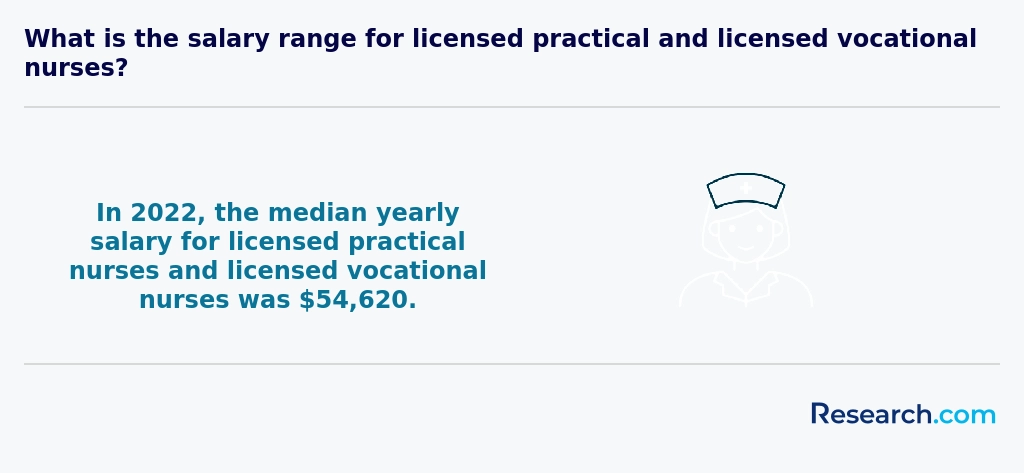
Obtaining your nursing license in Massachusetts begins with graduating from a Board of Registration in Nursing (BORN)–approved program and passing the NCLEX-RN exam. Applicants must submit official transcripts showing completion of an accredited curriculum, undergo a criminal background check and fingerprinting, and remit the required application fee to the Massachusetts Department of Public Health. Many candidates bolster their credentials by earning additional certifications-such as Basic Life Support (BLS), Advanced Cardiovascular Life Support (ACLS), or Pediatric Advanced Life Support (PALS)-before taking the NCLEX to enhance employability in specialized settings. After initial licensure, Massachusetts requires nurses to renew their license every two years. Renewal criteria include completing 15 contact hours of continuing education, with mandatory training in topics like human trafficking recognition and prevention, safe patient handling, and opioids stewardship. Keeping accurate records of CE certificates and logging into the Massachusetts Licensure Verification System early can streamline the renewal process and avoid late-fee penalties. Students seeking cost-effective pathways to meet these requirements often explore a cheap msn nursing education online degree that aligns with BORN standards while minimizing tuition expenses. By selecting an accredited, state-approved online MSN program, you’ll ensure eligibility for the NCLEX-RN, satisfy educational prerequisites for licensure, and position yourself for a seamless transition into Massachusetts’s dynamic healthcare workforce.
Financial aid in Massachusetts makes pursuing an online nursing degree not only achievable but also rewarding. Many students at top schools like Northeastern University and the University of Massachusetts Amherst share how federal aid through FAFSA opened doors for them-grants like the Pell Grant can cover thousands, easing tuition burdens. Graduate students often rely on low-interest federal loans, fueling their journey without overwhelming debt.
State programs, including the Massachusetts Nursing Scholarship and Loan Repayment Program, provide targeted support by rewarding those who commit to serving local communities after graduation. Imagine graduating debt-light while already planning to help patients within Massachusetts-that's a reality for many.
The personal impact grows when schools add merit scholarships tailored for nursing students, especially registered nurses pursuing advanced degrees. Graduates often speak of the relief and motivation these funds provide, making dreams closer than ever.
- Health Resources and Services Administration (HRSA) scholarships offer a pathway to federal service in exchange for tuition support.
- Employer tuition reimbursements give working nurses a boost to continue education without financial strain.
- Professional nursing organizations, like the Massachusetts Nurses Association, also offer member scholarships.
By combining these resources with federal work-study, motivated students in Massachusetts can transform passion into profession with confidence and less financial worry.
Ensuring your online nursing degree in Massachusetts meets rigorous standards is critical for licensure and career success. All reputable programs should hold accreditation from the Commission on Collegiate Nursing Education (CCNE) or the Accreditation Commission for Education in Nursing (ACEN). Accreditation verifies that curricula align with industry best practices and prepares you for the NCLEX-RN or advanced practice board exams. Additionally, the Massachusetts Board of Registration in Nursing requires applicants to:
- Complete a state-approved clinical training component (typically 500–750 clinical hours) in an accredited healthcare facility.
- Pass a criminal background check and submit official transcripts directly from your institution.
- Successfully clear the NCLEX-RN for registered nurses or the relevant advanced practice exam for MSN specializations. Understanding interstate licensure reciprocity is also important if you plan to relocate. Massachusetts subscribes to the Nurse Licensure Compact (NLC) for RNs, but advanced practice roles may require separate state approval. If you’re exploring opportunities beyond New England, you might also consider programs like the best nurse practitioner program in california, which offers a model for meeting diverse accreditation and licensing standards nationwide.
To embark on your nursing journey in Massachusetts through an online degree, you'll meet clear, achievable prerequisites designed to set you up for success. Graduates from top Massachusetts institutions often recall how meeting the foundational requirements-like a high school diploma for BSN programs and key science courses such as biology and chemistry-boosted their confidence as they began the program.
For those aiming at MSN degrees, holding a Bachelor of Science in Nursing and an active RN license from the Massachusetts Board of Registration is a rewarding milestone. Many alumni reflect on how having at least a year of clinical experience enriched their learning and prepared them for leadership roles in healthcare.
The hands-on clinical hours, completed locally at trusted healthcare facilities, connect online students to real community care-creating meaningful, practical experiences that deepen their passion and readiness. These steps ensure that each nursing student in Massachusetts joins a vibrant network of professionals ready to make a difference.
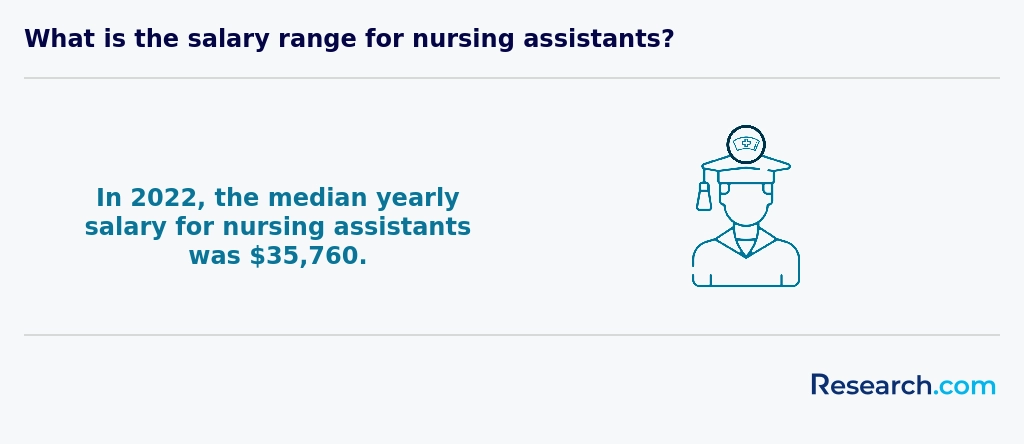
When considering online nursing programs in Massachusetts, understanding the costs involved and the available financial aid options is crucial for making an informed decision. The cost of tuition for online nursing programs can vary significantly, with factors such as the type of degree (ADN, BSN, MSN), the institution's reputation, and the student's residency status all playing a role. For instance, students looking for most affordable nursing schools in Massachusetts can find options that offer quality education at a lower cost. Many online nursing programs in Massachusetts offer competitive pricing, with tuition rates ranging from approximately $350 to over $1,000 per credit hour, depending on the program and institution. Additionally, students should consider other expenses such as books, nursing uniforms, clinical supplies, and potential travel costs for clinical rotations. To alleviate these financial burdens, various financial aid options are available, including the MASSGrant for undergraduate students, community college nursing scholarships, and numerous private scholarships specifically for nursing students. Completing the Free Application for Federal Student Aid (FAFSA) can also unlock additional funding opportunities, making online nursing education more accessible and affordable for prospective students in Massachusetts.
Online nursing degree programs in Massachusetts offer a dynamic collection of courses designed to empower you for a meaningful healthcare career. Graduates from well-known institutions like Northeastern University and UMass Amherst describe how core classes in anatomy and physiology helped them truly understand the human body, making patient care feel more personal and insightful.
Courses like pharmacology equip students with vital knowledge about medications, enabling confident and safe decision-making in fast-paced clinical settings. Nursing fundamentals and health assessment classes bring classroom learning to life, simulating real patient interactions that build essential hands-on skills, even in an online format.
Many students appreciate the inclusion of advanced topics such as pediatrics, mental health, and maternal-child nursing, which prepare them to care for diverse populations with compassion and expertise. Leadership and nursing research courses inspire learners to become advocates and innovators in Massachusetts' healthcare systems.
These programs balance flexibility with rigor, using interactive discussions and practical projects that graduates say helped them thrive while managing busy lives. The local clinical practicum solidifies your training with real-world experience, ensuring you're ready to join Massachusetts' growing nursing community with confidence and pride.
Online nursing specializations in Massachusetts offer exciting pathways tailored to passionate healthcare professionals eager to make a meaningful impact. Graduates from top institutions in the state often praise the Family Nurse Practitioner (FNP) specialization, which equips nurses to deliver compassionate primary care across all ages-especially vital in Massachusetts' communities facing primary care shortages. Meanwhile, the Adult-Gerontology Acute Care Nurse Practitioner (AG-ACNP) track empowers nurses to confidently manage critical adult and elder care, a skill highly valued in busy Massachusetts hospitals.
Many graduates also find fulfillment in the Psychiatric-Mental Health Nurse Practitioner (PMHNP) specialization, addressing the growing mental health needs with empathy and evidence-based care. Leadership and Administration pathways open doors for those driven to lead healthcare innovation and quality improvement in Massachusetts systems. Clinical Nurse Specialist (CNS) programs cultivate expert clinicians who thrive in challenging medical environments.
Students seeking inspiration can explore options beyond Massachusetts through the best nurse practitioner program in california, enhancing their perspective and enriching their practice.
Choosing the best online nursing degree in Massachusetts means focusing on programs that are accredited by respected bodies like CCNE or ACEN, ensuring your education holds real value with employers. Graduates from well-known Massachusetts institutions often share how flexible, asynchronous coursework helped them balance work and family life, making it easier to pursue their dreams without sacrificing current responsibilities.
Cost matters too, especially in Massachusetts where tuition tends to be higher. Comparing tuition and financial aid options allows you to find the best affordable online nursing degrees in Massachusetts that don't compromise on quality. Many students have found success by exploring resources like cheap msn nursing education online degree programs tailored for working professionals.
Look carefully at clinical requirements-whether they can be completed locally or require travel-as this impacts convenience and learning experience. Checking graduation and NCLEX pass rates can guide you toward programs that truly prepare you to thrive. Students from top schools often highlight career support and hospital partnerships as invaluable for job placements in the competitive Massachusetts healthcare market, inspiring confidence in your nursing journey.
Finally, choose programs offering rich specializations and robust student support, so your education matches your passion and career goals within Massachusetts' dynamic nursing field. This approach will empower you to step confidently into a rewarding future.
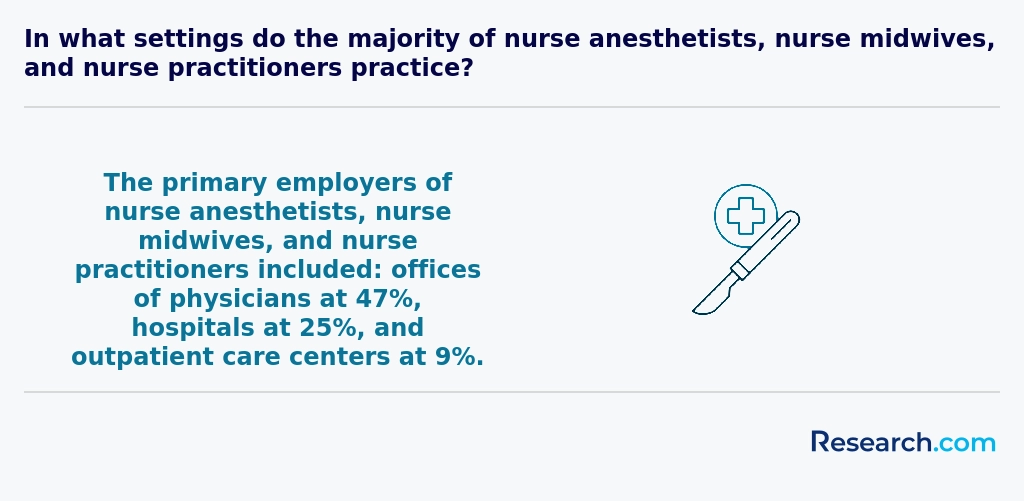
Graduates of online nursing degrees in Massachusetts find themselves stepping into a world filled with impactful career options. From bedside Registered Nurse (RN) roles in renowned hospitals and community clinics to dynamic positions like Case Manager or Nurse Educator, these pathways offer meaningful, hands-on work that truly makes a difference. Many students from respected institutions such as the University of Massachusetts and Northeastern University share inspiring stories of growing confidence as they care for patients across diverse healthcare settings, reflecting the strong job opportunities Massachusetts provides.
For those embracing the journey toward advanced degrees like a Master of Science in Nursing (MSN), the possibilities expand beautifully. Graduates step into roles like Family Nurse Practitioner (FNP), Clinical Nurse Specialist (CNS), Nurse Anesthetist (CRNA), or Nurse Administrator, taking pride in leading innovations in patient care and healthcare management. This variety energizes students to aim higher, knowing Massachusetts supports a thriving market for online nursing careers in Massachusetts with competitive salaries and leadership opportunities.
Many find that combining flexible online study with Massachusetts' supportive healthcare environment fuels their passion and success. For those concerned about affordability, programs ranked in the Most Affordable Online Doctorate in Nursing Degree Programs Ranking in Columbia, MO demonstrate how accessible advanced nursing education can be, empowering students to pursue their dreams without compromise.
The job market for graduates with an online nursing degree in Massachusetts is thriving, with opportunities expanding steadily across the state's renowned healthcare systems. Graduates from universities such as Northeastern and UMass find themselves stepping into roles at leading hospitals where their skills are highly valued. These nursing professionals are part of a growing workforce, especially as Massachusetts embraces advanced practice roles and supports continuous professional development. Many who earn their degree online appreciate how flexible learning fits their busy lives while still preparing them thoroughly for the NCLEX-RN licensure exam.
For those considering online nursing jobs in Massachusetts, the outlook is promising, with average salaries well above the national norm and a welcoming registration process. Graduates often share stories of securing positions quickly, feeling confident that their education met rigorous standards. The state's supportive environment for nurses encourages careers that grow alongside evolving healthcare needs. Exploring options for the most valuable bachelor's degrees in nursing can be a wise part of planning a rewarding future here.
2027 Fastest Online Master's in Nursing Degree Programs Ranking in Massachusetts
Investing in your education is a significant decision that can shape your future, and the Research.com team understands the importance of making informed choices. To assist prospective students in Massachusetts, we have meticulously crafted the "2027 Fastest Online Master's in Nursing Degree Programs Ranking in Massachusetts." Our commitment to quality, credibility, and accuracy is reflected in the extensive research and analysis conducted to compile this ranking.
We utilized the following reputable data sources to ensure a comprehensive evaluation of nursing programs:
By exploring this ranking, readers will gain valuable insights into the fastest and most efficient nursing master's programs available in Massachusetts, empowering them to make well-informed decisions about their educational investment. For more details on our methodology, please visit our Research.com methodology page.


Frequently Asked Questions About nursing
Online nursing degree students in Massachusetts can enhance their learning by actively engaging with both virtual coursework and local clinical opportunities. Given the state's high demand for nurses, with a projected 12% job growth by 2030 according to the Massachusetts Department of Labor, students should seek clinical placements within approved Massachusetts healthcare facilities to gain hands-on experience.
Utilizing resources such as academic advising and online discussion forums provided by accredited programs ensures stronger comprehension and peer interaction. Massachusetts students may also benefit from joining regional nursing associations that offer mentorship and professional networking.
Time management and setting consistent study schedules help balance online learning demands with personal and work commitments, increasing overall success rates.
The nursing field in Massachusetts is rapidly evolving, with several emerging niches gaining prominence. One key area is gerontological nursing, driven by the state's aging population; Massachusetts ranks among the top states with older adults needing specialized care, according to the U.S. Census Bureau.
Another growing sector is telehealth nursing, offering remote patient monitoring and virtual care, which expanded significantly during the COVID-19 pandemic. Nurse informaticists, who integrate technology and healthcare, are also in demand due to increasing digital health records use in Massachusetts hospitals.
Lastly, nurse practitioners specializing in mental health are critical to meet rising demands, as noted by the Massachusetts Department of Public Health, which highlights a shortage of behavioral health providers statewide.
After completing an online nursing degree in Massachusetts, preparing for the job market involves several key steps. First, ensure you meet state licensure requirements by passing the NCLEX-RN exam, authorized by the Massachusetts Board of Registration in Nursing. Massachusetts has one of the highest nurse employment rates in the U.S., with an occupational growth forecast of 9% through 2030 according to the U.S. Bureau of Labor Statistics, indicating strong job prospects.
Networking through professional organizations like the Massachusetts Nurses Association can open doors to opportunities and mentorship. Additionally, gaining practical experience through clinical internships or volunteering at local healthcare facilities enhances employability.
Continuing education and specialization in high-demand areas such as gerontology or critical care also improve job security and salary potential in Massachusetts's competitive healthcare market.
Employers in Massachusetts seeking nursing graduates-especially those from online programs-prioritize a blend of clinical competence and soft skills. According to the Massachusetts Board of Registration in Nursing, effective communication is essential, as nurses must interact clearly with patients and medical teams.
Critical thinking and problem-solving abilities rank highly, helping nurses respond to complex patient needs swiftly. Knowledge of electronic health records (EHR) systems is increasingly vital, reflecting trends in Massachusetts hospitals and clinics.
Additionally, empathy and emotional resilience are crucial, given the high-stress healthcare environment. The Massachusetts Department of Labor projects a 9% job growth for registered nurses by 2030, highlighting demand for well-rounded professionals.
Finding nursing internships in Massachusetts involves leveraging several key resources aligned with state healthcare standards. Many accredited nursing programs in Massachusetts require clinical hours, which are often completed through partnerships with local hospitals, clinics, and long-term care facilities. The Massachusetts Board of Registration in Nursing provides guidelines for approved clinical sites.
Students should contact their online nursing program's internship coordinator to access exclusive local placement opportunities. Massachusetts hosts a large number of healthcare institutions such as Massachusetts General Hospital and Boston Medical Center, which frequently offer nursing internships.
Additionally, professional organizations like the Massachusetts Nurses Association can be valuable for networking and internship leads. Websites such as the Massachusetts Executive Office of Health and Human Services also post healthcare internship openings, often with stipends or academic credit.
Online nursing degrees in Massachusetts significantly enhance career mobility and advancement opportunities for registered nurses. The state's healthcare sector values advanced credentials, particularly master's degrees, to fill leadership and specialized roles. According to the Massachusetts Department of Public Health, nurses with graduate degrees have higher employment rates in roles like nurse practitioners and nurse educators.
Massachusetts is projected to grow nursing jobs by 14% through 2030, faster than the national average, increasing demand for advanced degrees. Online nursing programs offer working professionals flexibility to upskill without interrupting their employment.
Additionally, many Massachusetts employers offer tuition reimbursement for accredited online degrees, further promoting career growth and salary increases.
Studying for a nursing degree in Massachusetts emphasizes interdisciplinary collaboration, a critical skill in today's healthcare environment. Programs often include courses involving team-based patient care, integrating knowledge from medicine, social work, and health administration. This approach aligns with Massachusetts' focus on coordinated care models to improve patient outcomes, as highlighted by the Massachusetts Department of Public Health.
Students gain experience in communication, leadership, and ethical decision-making, preparing them for roles that require working closely with physicians, therapists, and community health workers. Additionally, clinical placements in diverse healthcare settings enhance understanding of real-world collaborative practice.
According to the Massachusetts Board of Registration in Nursing, over 80% of nursing programs incorporate interdisciplinary learning, reflecting a statewide commitment to comprehensive, team-based education.
Choosing between a thesis and a non-thesis nursing degree program in Massachusetts depends largely on your career goals and time availability. Thesis programs often require original research, making them ideal for students aiming for PhD studies or research-focused roles. In contrast, non-thesis programs typically focus more on practical skills and may include additional coursework or clinical practice.
Massachusetts nursing schools follow guidelines set by the Massachusetts Board of Registration in Nursing and accreditation bodies, ensuring quality education for both tracks. According to the Massachusetts Department of Higher Education, online nursing programs have grown by 12% since 2020, reflecting increased accessibility.
Consider your interest in research, the program duration, and potential financial aid when deciding. Thesis routes may extend program length, while non-thesis options can be completed faster, fitting working professionals' schedules better.
Students based in Massachusetts who want to study nursing abroad have a few key options, often through partnerships between U.S. institutions and foreign universities. However, fully online nursing degrees from accredited international schools are rare because nursing programs typically require hands-on clinical practice. Many Massachusetts students choose to enroll in U.S.-based online programs with global clinical placement opportunities, combining flexibility with practical training.
For example, the Massachusetts Board of Registration in Nursing sets strict regulations to ensure that any clinical hours completed abroad meet state licensure requirements. This means students must carefully verify that international clinical sites are approved.
According to the Massachusetts Department of Higher Education, fewer than 5% of nursing students engage in formal study abroad; most prefer U.S.-based programs offering global health electives or international internship options.
In Massachusetts, part-time job opportunities that complement nursing degree education are diverse and valuable for hands-on experience. Many students work as certified nursing assistants (CNAs) or patient care technicians, roles that provide direct patient care and strengthen clinical skills. According to the Massachusetts Department of Public Health, these positions are in high demand due to the state's aging population.
Jobs in medical billing, pharmacy technician roles, or healthcare administration can also enhance knowledge of the healthcare system while accommodating study schedules. These roles deliver essential insight into healthcare operations, beneficial for nursing students. Hospitals and community clinics frequently offer flexible part-time roles.
Engaging in part-time work within Massachusetts's healthcare sector not only supports education financially but also prepares students for licensure and professional nursing careers.
Online nursing students in Massachusetts have several networking opportunities to support their education and career growth. Many accredited programs partner with local healthcare facilities, allowing students to engage in clinical placements and internships within Massachusetts's robust medical community. Organizations like the Massachusetts Nursing Association offer events and resources tailored for both in-person and online learners.
Additionally, virtual nursing conferences and webinars hosted by state and national groups provide a platform for connections. Massachusetts has a strong healthcare workforce hub, with over 160,000 registered nurses as of recent data from the Massachusetts Board of Registration in Nursing, enhancing peer networking potential.
Alumni networks offer valuable support for online nursing degree students in Massachusetts by connecting them with experienced professionals across the state. These networks often provide mentorship, job leads, and professional development opportunities tailored to Massachusetts' healthcare landscape. Considering Massachusetts ranks among the top states for nursing employment growth, leveraging alumni connections can enhance job prospects locally.
Many nursing programs encourage interaction through online forums and events, making alumni a resource for advice on clinical placements or licensure requirements specific to the Massachusetts Board of Registration in Nursing. According to the Massachusetts Nursing Workforce Commission, strong professional networks significantly improve career advancement and retention in nursing roles.
Overall, alumni networks help students bridge the gap between education and employment, fostering long-term professional relationships that benefit Massachusetts nurses throughout their careers.
Customizing an online nursing degree program in Massachusetts allows students to align their education with specific career objectives. Many programs offer elective courses focused on specialties such as gerontology, pediatrics, or nurse leadership, enabling targeted skill development. Students can often select clinical practicum locations closer to their homes, which helps accommodate current work schedules.
Massachusetts nurses benefit from a strong healthcare system, with a projected 16% job growth in the state through 2030, according to the Massachusetts Executive Office of Labor and Workforce Development. Choosing programs accredited by the Commission on Collegiate Nursing Education (CCNE) ensures quality education recognized by employers.
Additionally, certain online programs incorporate flexible pacing, allowing students to accelerate or decelerate based on personal and professional obligations. This adaptability supports career advancement and certification preparation while maintaining work-life balance.
Online nursing students in Massachusetts often face unique challenges related to balancing clinical requirements with remote learning. Although theoretical courses are accessible online, students must complete hands-on clinical hours at approved healthcare facilities, which can be difficult to schedule. Massachusetts mandates specific clinical practice standards tied to state licensing, making logistics a primary concern. Additionally, internet connectivity issues and technology access disproportionately affect some students, impacting their ability to engage fully with coursework. According to the Massachusetts Board of Registration in Nursing, maintaining compliance with continuing education and clinical competencies remains a significant hurdle for online learners.
Time management is another common challenge; many students juggle work, family, and studies concurrently. The COVID-19 pandemic highlighted these difficulties, with some institutions adjusting requirements but many students still struggling to find sufficient clinical placements. Financial pressures also play a role, as nursing programs can be costly, and even online programs require fees for lab kits or simulation software. Support services and clear guidance are essential for students navigating these complexities.
With an online nursing degree in Massachusetts, graduates can pursue a variety of professional certifications to advance their careers. Common certifications include the Certified Nurse Educator (CNE), which is valuable for those interested in teaching, and the Certified Registered Nurse Anesthetist (CRNA) for those specializing in anesthesia care.
Many nurses in Massachusetts also earn specialty certifications such as the Medical-Surgical Nursing Certification (CMSRN) or the Family Nurse Practitioner (FNP-BC) credential. These certifications are offered through national organizations like the American Nurses Credentialing Center (ANCC) and the American Association of Nurse Practitioners (AANP).
Massachusetts has a strong demand for advanced practice registered nurses (APRNs), and obtaining these certifications can increase job opportunities and salary potential. According to the Massachusetts Board of Registration in Nursing, certified nurses typically have greater access to leadership roles across healthcare facilities statewide.
Applying to an online nursing program in Massachusetts requires clear and focused preparation. Start by thoroughly researching programs accredited by the Commission on Collegiate Nursing Education (CCNE) or the Accreditation Commission for Education in Nursing (ACEN). These accreditations ensure quality education recognized statewide. Massachusetts values clinical experience, so highlight any hands-on nursing work clearly in your application.
Craft a strong personal statement explaining your motivation to pursue nursing and how the program aligns with your career goals. Emphasize any healthcare experience and commitment to patient care. According to the Massachusetts Department of Higher Education, the demand for nurses in the state is expected to grow by 12% through 2030, increasing competition for spots.
Ensure all prerequisite coursework and standardized test scores meet the program's requirements. Attention to detail in submitting transcripts and letters of recommendation can set you apart. Finally, demonstrate your understanding of online learning by discussing your time management skills and readiness for virtual coursework.
The global perspective on a nursing career highlights its essential role in healthcare systems worldwide. Nursing is one of the fastest-growing professions due to aging populations and increasing chronic illnesses, especially in developed countries like the United States. In Massachusetts, the demand for registered nurses is projected to grow by 13% through 2030, according to the U.S. Bureau of Labor Statistics (BLS).
Internationally, nurses often face different scopes of practice, but a common theme is the profession's adaptability and critical importance. Many countries recognize U.S. nursing degrees, making an online nursing degree from Massachusetts a valuable credential for global mobility. The Massachusetts Board of Registration in Nursing supports rigorous education standards, aligning with global benchmarks.
The World Health Organization has emphasized nursing's impact on public health, which reflects well on U.S. nurses trained with evidence-based care principles. For students interested in online nursing programs, Massachusetts offers reputable options with curricula aligned to both state and international standards, enhancing career versatility.
Students pursuing an online nursing degree in Massachusetts must complete practical experience through clinical placements. These hands-on training hours typically take place at hospitals, clinics, or community health centers affiliated with their school.
Massachusetts requires nursing programs to include at least 500 clinical hours for licensure eligibility, according to the Massachusetts Board of Registration in Nursing. Online students often coordinate clinicals locally to comply with this rule.
Programs frequently assist with securing preceptors-licensed nurses who supervise student work. Clinical experiences allow students to apply classroom knowledge in real healthcare settings, enhancing critical skills essential for Massachusetts' healthcare demands.
This hybrid approach ensures students meet state licensure standards while studying remotely.
Choosing the right concentration within an online nursing degree program in Massachusetts involves understanding your career goals and local healthcare needs. Specialized areas like Family Nurse Practitioner (FNP) or Psychiatric Mental Health Nurse Practitioner (PMHNP) are in high demand statewide, with Massachusetts projected to grow healthcare jobs by 16% through 2030, according to the U.S. Bureau of Labor Statistics.
Consider the certifications required by Massachusetts regulatory bodies, such as the Massachusetts Board of Registration in Nursing, to ensure your chosen concentration aligns with licensure requirements. Additionally, evaluate how each concentration fits the healthcare settings you prefer, like hospitals or community clinics.
Reviewing employment trends and salaries in Massachusetts can also guide your decision. For example, nurse practitioners in Massachusetts earn median wages around $120,000 annually as per the Massachusetts Executive Office of Labor and Workforce Development. Knowing these details helps in selecting a focused path with strong regional demand and growth potential.
- 2027 Fastest Online Master's in Nursing Degree Programs Ranking in Connecticut
- 2027 Fastest Online Master's in Nursing Degree Programs Ranking in New York
- 2027 Fastest Online Master's in Nursing Degree Programs Ranking in New Jersey
- 2027 Fastest Online Master's in Nursing Degree Programs Ranking in Pennsylvania
- 2027 Fastest Online Master's in Nursing Degree Programs Ranking in Kentucky
- 2027 Fastest Online Master's in Nursing Degree Programs Ranking in North Carolina
- 2027 Fastest Online Master's in Nursing Degree Programs Ranking in South Carolina
- 2027 Fastest Online Master's in Nursing Degree Programs Ranking in Tennessee
- 2027 Fastest Online Master's in Nursing Degree Programs Ranking in Indiana
- 2027 Fastest Online Master's in Nursing Degree Programs Ranking in Michigan
See What Experts Have To Say About Studying Nursing
Read our interview with Nursing experts


- How to Choose the Right Nursing School for Your Career Goals | Archer Review https://www.archerreview.com/blog/how-to-choose-the-right-nursing-school-for-your-career-goals
- Mary Cafolla Wallace Nursing Scholarship Program - The Philanthropic Initiative https://tpi.org/mary-cafolla-wallace-nursing-scholarship-program-2/
- How Do Nurses Navigate Career Advancement? | NursingEducation https://nursingeducation.org/insights/career-advancement/
- 2025 Best Online Nursing Programs in Massachusetts https://www.onlineu.com/degrees/nursing/massachusetts
- Online Nursing Prerequisites: Complete Guide & Cost Savings | StraighterLine https://www.straighterline.com/blog/which-online-nursing-prerequisites-should-you-take-online
- How to Choose a Nursing Program: A Comprehensive Guide - Madonna ABSN https://absn.madonna.edu/blog/how-to-choose-a-nursing-program/
- Top Skills Employers Want in Practical Nursing Graduates https://vervecollege.edu/what-employers-look-for-in-practical-nursing-graduates/
- How Much Can I Earn With a BSN? https://www.allnursingschools.com/bsn/salary/
- Guide to Mastering Massachusetts Nursing Prerequisites https://www.prereqcourses.com/guide-to-massachusetts-nursing-prerequisites/
- Associate of Science in Nursing Online | Bay Path University https://www.baypath.edu/academics/undergraduate-programs/nursing-asn/