2027 Best Online Master's in Nursing Degree Programs Ranking in the Midwest

Co-Founder and Chief Data Scientist
Choosing the right nursing master's program can be overwhelming, especially when balancing work and life commitments. This article presents the 2027 Best Online Master's in Nursing Degree Programs Ranking in the Midwest, carefully developed by the Research.com team of data scientists to help you make an informed decision.
Whether you aim to advance your career or expand your expertise, this ranking highlights programs known for quality and flexibility. Reading this guide will empower you to select a nursing degree program that fits your goals and lifestyle, opening doors to new professional opportunities.
Key benefits of getting online nursing degree in the Midwest
- Nursing degree graduates in the Midwest can earn competitive salaries, with roles like Nurse Practitioners and Critical Care Nurses averaging around $128,490 annually, while Nurse Educators and Administrators earn about $94,480.
- Graduates from popular Midwest schools often find diverse career paths in clinical care, education, administration, or specialist nursing, offering flexibility and growth opportunities.
- Online nursing degrees from recognized Midwest universities provide flexibility to balance work and study, making it easier to gain experience while earning a respected qualification without relocating.
- 2027 Best Online Master's in Nursing Degree Programs Ranking in the Midwest
- What can I expect from online nursing degree in the Midwest?
- Where can I work with online nursing degree in the Midwest?
What can I expect from online nursing degree in the Midwest?
When exploring the cost of online nursing degrees in the Midwest, many students find that tuition varies widely but generally remains affordable compared to nationwide alternatives. Graduates from reputable schools like the University of Illinois or Minnesota State University often describe the financial investment as manageable, especially when factoring in public university in-state rates. One graduate emphasized how public institutions' lower tuition made it possible to balance work and study without overwhelming debt.
Tuition rates typically range from moderate to competitive, with many students benefiting from in-state discounts, scholarships, or employer tuition reimbursement. For example, a nursing student at Michigan State University shared that employer support covered much of the tuition, enabling them to focus on mastering clinical skills rather than financial stress.
This financial accessibility empowers many aspiring nurses to pursue advanced certifications like Nurse Practitioner or Clinical Nurse Specialist credentials. The mileage they get from affordable tuition combined with respected accreditation creates a pathway not just to employment but to rewarding, long-term careers in Midwest healthcare facilities.
Where can I work with online nursing degree in the Midwest?
Graduates from online nursing programs at well-known Midwestern schools quickly discover their degree unlocks access to diverse healthcare environments. Many find themselves thriving in bustling hospitals of Chicago or Cleveland, driven by the challenge and dynamic pace. Others appreciate the more balanced lifestyle available through outpatient clinics, where flexible hours and the chance to specialize as nurse practitioners offer meaningful patient connections without burnout.
Some graduates embrace the powerful impact of caregiving in long-term care facilities, drawing satisfaction from supporting the aging population in Michigan or Ohio. Their work often extends beyond clinical duties to include leadership roles, shaping elder care services in ways that truly matter.
Online degree holders also carve fulfilling careers in community health agencies, especially in rural areas where access is scarce. Graduates reflect on how roles in patient homes or public health departments allow them to affect preventive care and health education profoundly, feeling pride in contributing to healthier Midwestern communities.
The path from virtual classroom to bedside or policy office in the Midwest challenges traditional expectations of nursing work, opening richer, flexible, and impactful opportunities.
Graduates from online nursing programs in the Midwest often step into roles with median annual salaries that challenge expectations. For instance, nurse practitioners, a sought-after path by many studying at institutions like the University of Michigan or Ohio State University, earn an average of about $128,490 according to the latest BLS data. This salary reflects both the advanced skills acquired and the rising demand in urban centers such as Chicago and Minneapolis.
Clinical nurse specialists, nurse administrators, and nurse educators from programs like those at the University of Illinois also share a comparable wage level, with mean earnings around $94,480 annually. These roles offer both stability and leadership opportunities, often allowing graduates to influence healthcare delivery directly.
Midwestern graduates frequently report that the flexibility of online learning combined with competitive salaries-while slightly below national averages for some positions-provides a powerful mix of career growth and quality of life. Their success stories encourage others to envision nursing careers that are not only financially rewarding but deeply fulfilling within their communities.
- The Midwest nursing job market is expected to grow by about 9% through 2030, matching the national average.
- Tuition for online RN or bachelor's programs ranges from $15,000 to $30,000, while online MSN programs cost between $20,000 and $45,000.
- Entry-level registered nurses in the Midwest earn between $55,000 and $62,000 annually, with MSN graduates starting near $75,000.
- Experienced nurses can earn median salaries of $85,000 to $95,000 depending on specialization and location.
- Graduates must meet their specific state licensure requirements and pass the NCLEX-RN exam to practice.
- Many Midwestern online nursing programs are accredited by CCNE or ACEN, ensuring quality education and federal aid eligibility.
Completing an online nursing degree in the Midwest isn't a one-size-fits-all timeline. Graduates from popular institutions like the University of Illinois Chicago or Ohio State University describe the path as deeply personal and flexible, reflecting their unique circumstances. For some, especially those starting with no nursing background, a Bachelor of Science in Nursing (BSN) takes about 2 to 4 years online, blending rigorous coursework with real-world clinical hours. Others, such as working RNs leveraging their associate degrees, find the RN-to-BSN bridge programs a more time-efficient route, often wrapping up within 1 to 2 years.
Master's programs, such as those offered by Marquette University or the University of Minnesota, stretch from roughly 18 months to 3 years. Graduates juggling family, work, and studies cherish the ability to customize part-time schedules, even if that means extending the program to 4 years or more. This adaptability makes the intense workload feel achievable rather than overwhelming, turning a daunting timeline into an empowering journey.
The true completion time hinges on student life balance, credit transfers, and clinical requirements-factors that Midwest nursing schools accommodate thoughtfully, aiming to support perseverance and success.
When evaluating Midwest online MSN programs against national counterparts, several distinguishing factors emerge. First, program length in the Midwest often aligns with the national average of 24 months for post-BSN pathways, but accelerated options can compress timelines to as little as 12–18 months. Tuition rates in Midwestern public institutions typically range from $20,000 to $35,000, undercutting the coastal average of $30,000–$50,000-making the region particularly cost-effective. Curriculum content remains consistent nationwide, but Midwest programs emphasize rural and community health more heavily, reflecting local workforce needs. Clinical hour requirements (approximately 500–700 hours) mirror those in other regions, though placement support tends to be stronger in the Midwest due to partnerships with state health systems. Student support and completion rates also stand out: Midwest programs report graduation rates near 85%, surpassing the 75% national mean, thanks in part to robust faculty mentorship and virtual peer-networking platforms. For prospective students without a nursing background, exploring the quickest direct entry msn programs for non-nursing majors can reveal pathways that combine rigorous training with efficient timelines. In summary, Midwest online MSN programs offer competitive costs, strong community focus, and high completion rates, positioning them favorably against other U.S. offerings.
Choosing between an online and an on-campus nursing degree in the Midwest isn't just about where you sit for class-it reshapes your entire educational experience. Graduates from University of Illinois Chicago's online program often celebrate the freedom to balance family and jobs, studying after bedtime or on weekends, embracing flexibility that traditional schedules simply can't offer.
Meanwhile, students from Ohio State University's campus nursing program highlight the energy of face-to-face interactions, where immediate feedback and lab simulations foster confidence in real-time. But this comes with housing and commuting costs that midwestern online learners can avoid.
The Midwest's landscape of nursing education challenges the notion that one size fits all-while online options require self-discipline and reliable internet, local clinical placements keep hands-on practice close to home. In both cases, graduates share a common pride: they've adapted their learning journey to life's demands, turning challenges into opportunities.
One of the most critical metrics for evaluating online nursing programs in the Midwest is first-time NCLEX-RN pass rates, which reflect curriculum quality and exam readiness. Top-tier programs often report pass rates above 90%, demonstrating strong alignment between coursework and licensure standards. To help students achieve these outcomes, many institutions include:
- Dedicated NCLEX Review Courses: Interactive modules covering pharmacology, pathophysiology, and clinical decision-making, often delivered through live webinars and on-demand video libraries.
- Simulation Labs and Virtual Clinicals: High-fidelity scenarios that replicate hospital and community health settings, reinforcing exam content and critical thinking skills.
- Faculty-Led Study Groups: Small cohorts guided by experienced nurse educators who provide targeted feedback on weak areas, ensuring personalized support.
- Practice Test Analytics: Adaptive question banks that track performance trends, enabling students to focus on topics needing improvement before the official exam. For nurses aspiring to advanced practice roles, comparing NCLEX success with specialized pathways can be invaluable-for example, exploring our ranking of the best 12 month family nurse practitioner programs helps future FNPs understand how master’s-level curricula build on RN licensure foundations. By prioritizing programs with transparent pass-rate reporting and robust exam preparation resources, prospective students can boost their confidence and transition smoothly from graduation to clinical practice.
Understanding the average cost of an online nursing degree in the Midwest challenges many assumptions about affordability. Median total costs hover around $28,756, but what truly distinguishes expenses is residency status-out-of-state students might face fees closer to $32,604, whereas in-state learners often pay significantly less, around $20,892. Graduates from popular Midwestern universities recall how this difference influenced their decision, balancing ambitious career goals with budget realities.
Midwestern public universities like the University of Illinois Chicago and Michigan State University reflect this dynamic vividly. Their online nursing programs offer a compelling blend of quality and cost-efficiency, allowing students to feel confident investing in their education without shouldering overwhelming debt. Those who chose affordable online nursing programs in the Midwest praise the balance between academic rigor and financial accessibility, often noticing the added value of online format savings on housing and commuting.
One graduate emphasized how evaluating these costs alongside the program's flexibility gave them peace of mind during a hectic life phase. As programs differ in length and credit demands, some students find accelerated options advantageous despite their upfront costs. Prospective nurses exploring pathways can also consider options like the ranking of the best 12 month family nurse practitioner programs to find efficient routes that fit their budget and timeline.
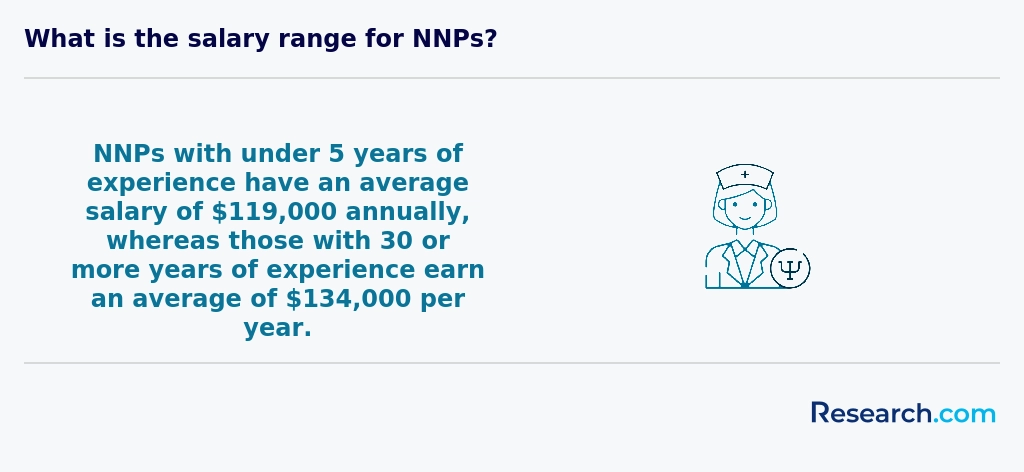
Midwestern online nursing programs often stand out for their blend of affordability, high employment outcomes, and strong accreditation standards. On average, Midwest programs cost approximately $28,512, compared to a national average of around $35,000. This cost-effectiveness is complemented by an 84% job placement rate at graduation-higher than the national average of 78%. Graduates report average starting salaries near $60,000, closely matching or exceeding figures in the Northeast and West Coast, where living costs drive tuition and salary baselines upward. Program flexibility also distinguishes the Midwest: over 90% of schools offer asynchronous coursework, allowing students to complete clinical hours locally. In contrast, some regions require travel to distant simulation centers. Accreditation rates are similarly robust, with more than 85% of Midwestern programs accredited by the CCNE or ACEN, slightly above the national average. Specialization opportunities in the Midwest mirror those found elsewhere, yet the region’s emphasis on rural and community health nursing provides unique hands-on experiences. Many students cite these placements as a critical factor in securing roles in underserved areas-an advantage less common in densely urbanized regions. For those seeking even more budget-friendly options, explore the Inexpensive Nursing Degree Programs Ranking in Arkansas, which highlights top-tier, low-cost nursing degrees within a neighboring state.
Many nursing students in the Midwest pursuing online degrees at institutions like the University of Illinois or Ohio State University discover that federal aid is their lifeline. The FAFSA opens doors to grants and loans, such as the Pell Grant providing up to $7,395 annually-a financial boost that eased the burden for a graduate juggling work and family. For those advancing to graduate studies, federal Direct Unsubsidized Loans offer up to $20,500 each year, helping students maintain focus without crushing debt stress.
State-funded scholarships also play a pivotal role. For instance, Illinois residents enrolled in state-approved nursing programs benefit from the Nursing Student Scholarship Program, which many online students have credited for making their education achievable despite tight budgets.
Then there's the invaluable support from nursing organizations like the Midwest Multistate Nursing Education Consortium, offering scholarships tailored to online learners who often juggle demanding schedules.
Moreover, graduates who remained in rural Midwestern communities have leveraged loan forgiveness through the Nurse Corps Loan Repayment Program, turning public service into financial relief-proof that helping underserved areas can also mean helping oneself succeed.
Bridge programs help ADN-prepared RNs and those with non-nursing degrees transition smoothly into a master’s in nursing.
- RN-to-BSN-to-MSN: Complete a BSN bridge (including rn to bsn programs without clinicals) then enroll in a seamless MSN track.
- Direct-Entry MSN: Designed for non-RNs holding a bachelor’s in another field; includes foundational nursing coursework alongside graduate-level classes.
- RN-to-MSN: Some schools allow ADN RNs to earn BSN credits en route to an MSN without requiring a separate BSN degree.
Enrolling in an online nursing degree program in the Midwest demands more than just ambition; it requires a solid academic and professional foundation. Graduates from respected institutions like the University of Illinois or Ohio State often recall needing an active Registered Nurse (RN) license paired with prior clinical experience to even qualify. The journey usually starts with a high school diploma or GED, but for those aiming at a master's degree, a Bachelor of Science in Nursing (BSN) becomes essential. Many students share how prerequisite courses in anatomy, physiology, and microbiology laid the groundwork for their confidence in tackling advanced topics.
Midwestern programs emphasize real-world readiness. One graduate felt empowered because the required one to two years of nursing experience not only strengthened clinical skills but made online discussions deeply engaging. Proof of licensure within Midwest states and letters of recommendation often serve as gatekeepers, reflecting a candidate's commitment and professionalism. This rigor ensures nursing education here isn't just a checkbox-it's a transformative step toward expertise and care.
Choosing an accredited program and understanding state licensing rules is essential for a smooth transition into practice.
- Verify CCNE or ACEN accreditation to ensure your MSN is recognized by employers and qualifies you for federal aid.
- Confirm state authorization: online programs must be approved by your state board of nursing to meet clinical hour requirements.
- Check that coursework aligns with your state’s licensing exam prerequisites, from core nursing theory to clinical practice.
- For advanced practice tracks, explore specialized Nurse-Midwifery options like the cheapest online whnp programs to see accredited pathways that meet certification standards.
When exploring online nursing degrees in the Midwest, students quickly find that the coursework challenges traditional ideas of nursing education. Graduates from well-known institutions report that courses like Advanced Pathophysiology push them to deeply understand how diseases affect the body-a crucial skill when managing complex patient cases in states such as Illinois or Michigan. These aren't just textbook lessons but practical knowledge applied during local clinical simulations arranged to meet state requirements.
Pharmacology and Health Assessment courses, often highlighted by Midwest nursing alumni, provide the confidence to administer medications safely and evaluate patients with precision, skills essential for work environments in Ohio's hospitals. The curriculum also explores Health Care Policy and Ethics, confronting nursing students with real dilemmas they'll face, making the abstract intensely personal and urgent.
Leadership and Management in Nursing fosters growth beyond technical skills, shaping nurses who can coordinate care teams effectively amid the Midwest's diverse community health needs. Specialized Clinical Courses draw on regional health challenges, allowing learners to focus on areas like gerontology or mental health, echoing the experiences of graduates from top Midwest colleges who feel prepared and inspired to improve patient outcomes.
Online nursing specializations in the Midwest challenge the old notion that nurse roles are uniform by offering a variety of focused tracks that truly address regional healthcare demands. Graduates from institutions like the University of Minnesota or Ohio State University often speak of how the Family Nurse Practitioner path empowered them to serve rural communities where primary care is scarce. This specialization, dominating many Midwest MSN degree specialization options, equips nurses to tackle real-life shortages head-on.
Some graduates found their calling in Psychiatric-Mental Health Nurse Practitioner programs, responding to the urgent need for mental health services, especially in states like Iowa or Nebraska, where access remains limited. Others embrace leadership by pursuing Nurse Educator or Nurse Administrator roles, inspired by the growing nursing shortage projections across Illinois and Ohio, where their training fosters hope for stronger future healthcare systems.
Specialties like gerontology and informatics nursing emerge from the Midwest's unique population and technological shifts, driving nurses to innovate care for an aging community. For those eager to explore alternative pathways, many look toward quickest direct entry msn programs for non-nursing majors as a fast track to join this evolving field.
Choosing the best online nursing degree in the Midwest isn't just about picking a program with the highest rankings - it's about how well it fits your life and future ambitions. Graduates from several respected Midwestern colleges describe juggling night shifts while studying asynchronously at their own pace, finding that flexibility essential. A degree that demands constant live attendance might feel impossible if you're a working parent. Accreditation by the CCNE or ACEN remains non-negotiable; it opens doors for licensure and ensures your education carries weight.
Affordability can't be overlooked either. Many find comfort in public universities that offer in-state tuition sometimes as low as $10,000 to $15,000 annually, a stark contrast to national averages up to $40,000. Those hunting specifically for affordable online nursing degrees Midwest will appreciate the practical insights in Inexpensive Nursing Degree Programs Ranking in Arkansas, where total costs are broken down in relatable terms.
The programs with strong ties to local hospitals are often praised by alumni who recall how hands-on clinical placements nearby boosted their confidence and job readiness. In the heart of the Midwest, these opportunities aren't just boxes to check but genuine experiences that make all the difference. Finally, consider how faculty expertise and student support shape your journey, with many graduates highlighting the personal encouragement they received as a key to success in some of the best online nursing programs Midwest.
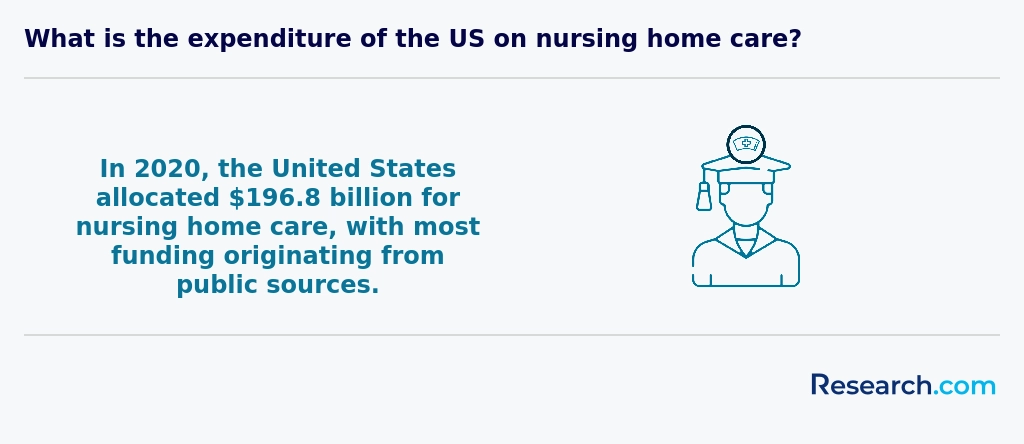
Graduates with an online nursing degree in the Midwest find opportunities far beyond traditional bedside roles. Many become Registered Nurses (RNs), providing crucial care in hospitals and underserved rural clinics, where the need is urgent and deeply rewarding. Those who have studied at respected institutions like the University of Iowa or Ohio State University often speak of the emotional fulfillment from directly impacting patient lives in diverse settings.
Others take paths toward advanced practice, becoming Nurse Practitioners (NPs) with the ability to diagnose and treat independently, especially in states like Minnesota that grant full practice authority. This autonomy enables graduates to build careers rich with responsibility and innovation, challenging the stereotype that nursing follows a fixed trajectory. Still, some leverage their Midwest education to become Nurse Educators or Administrators, shaping future nurses and healthcare delivery systems.
Many online learners appreciate the flexibility to balance work and study while exploring these roles. With tuition costs that remain accessible relative to traditional programs, the journey can even begin with a fastest associates degree before advancing further. This diverse offering prompts reflection on how nursing in the Midwest is evolving into a multifaceted profession full of possibilities.
Graduates with online nursing degrees in the Midwest find themselves in a surprisingly resilient job market, defying some assumptions about online education. Many who completed their studies at well-known institutions like the University of Illinois or Ohio State University report smooth transitions into roles at regional hospitals or clinics. The Midwest nursing degree employment opportunities are bolstered by the region's steady 7% job growth forecast through 2031, reflecting genuine demand rather than a temporary surge.
One common experience involves balancing part-time work with rigorous online coursework, a flexibility that traditional programs rarely offer. This approach allows many to gain real-world experience while advancing their qualifications, creating a competitive edge valued by healthcare employers. Salary expectations, though modest compared to coastal urban centers, remain strong relative to local living costs, with median RN pay usually between $60,000 and $70,000.
Students considering this path should seek accredited programs and remain aware of state licensure requirements. For those exploring options, resources on best college degrees for seniors online can offer insights into flexible learning strategies that suit diverse life situations.
2027 Best Online Master's in Nursing Degree Programs Ranking in the Midwest
Investing in your education is a significant decision that can shape your future, and the Research.com team understands the importance of making informed choices. To assist prospective nurses in the Midwest, we have meticulously crafted the "2027 Best Online Master's in Nursing Degree Programs Ranking in the Midwest." Our commitment to quality, credibility, and accuracy is reflected in the extensive research and analysis conducted to compile this ranking.
We utilized the following reputable data sources to ensure a comprehensive evaluation of nursing programs:
By exploring this ranking, readers will gain valuable insights into high-quality online master's nursing programs tailored for the Midwest region, helping them make confident and informed decisions about their educational futures. For more details on our methodology, please visit our Research.com methodology page.


# 15 position
Chamberlain University - St. Louis
Master of Nursing

# 16 position
University of North Dakota
Master of Nursing, Psychiatric and Mental Health Nursing Track


# 18 position
Bethel University, Minnesota
Master of Nurse-Midwifery


Frequently Asked Questions About nursing
Online nursing degree students in the Midwest can maximize their learning by actively engaging with virtual simulations and clinical practice opportunities. According to the American Association of Colleges of Nursing, blending hands-on training with online coursework improves skill retention significantly. Students should seek programs accredited by the Commission on Collegiate Nursing Education (CCNE) to ensure high educational standards.
Utilizing campus resources, such as online libraries and tutoring, is essential. Midwestern states, including Illinois and Ohio, report strong support systems for remote nursing students, often offering flexible clinical placements locally. Networking with peers and faculty through virtual study groups also enhances understanding and professional growth.
Emerging niches within the nursing field reflect the evolving healthcare needs across the Midwest. One growing area is telehealth nursing, where nurses provide care remotely, a trend that surged by over 60% during the pandemic according to the Midwest Nursing Workforce Center. Another fast-developing niche is gerontological nursing, driven by the region's aging population-states like Iowa and Minnesota expect their 65+ demographic to grow by 25% by 2030, increasing demand for specialized elder care.
Additionally, informatics nursing is expanding as healthcare systems adopt advanced technologies. Nurses who can manage electronic health records and data analysis are highly sought after. Behavioral health nursing also shows promise, addressing rising mental health needs amplified by recent social challenges.
After completing an online nursing degree in the Midwest, preparing for the job market involves several strategic steps. First, graduates should pursue licensure by passing the NCLEX-RN exam, mandatory in all Midwest states.
Next, gaining practical experience through internships or clinical placements, even post-graduation, is crucial to improve employability. According to the Bureau of Labor Statistics, Midwest states like Illinois and Ohio are projected to see nursing job growth rates of around 9% through 2030.
Networking with local healthcare providers and joining state nursing associations can also open job opportunities. Finally, continuing education and certifications in specialties such as gerontology or pediatrics increase competitiveness in this region's healthcare job market.
Employers in the Midwest highly value nursing graduates who demonstrate strong clinical skills combined with effective communication. According to the Midwest Nursing Workforce Center, critical thinking and patient-centered care are essential for improving health outcomes in this region. Practical knowledge of electronic health records (EHR) is also important, as digital proficiency supports efficient patient management.
Interpersonal skills, such as empathy and teamwork, are frequently highlighted in healthcare facilities across Midwestern states like Illinois and Ohio. Additionally, familiarity with regional public health challenges, including chronic disease management, enhances a graduate's job prospects. Leadership ability and adaptability remain key for nurses in this evolving healthcare environment.
Finding nursing internships in the Midwest involves several strategic steps. Start by exploring partnerships between your online nursing program and local hospitals or clinics, as many schools facilitate placement opportunities. According to the American Association of Colleges of Nursing, clinical practicum hours are essential for licensure, and Midwest healthcare facilities like those in Illinois, Ohio, and Michigan often offer internship slots.
Use state nursing boards' resources and websites to locate approved clinical sites. Networking through professional organizations such as the Midwest Nursing Research Society can also open doors. Additionally, check job boards specific to healthcare internships within the region to increase your chances of placement.
In the Midwest, obtaining an online nursing degree can significantly enhance career mobility and advancement opportunities. Many healthcare employers value the flexibility and up-to-date knowledge that online programs often provide. According to the Bureau of Labor Statistics, registered nursing jobs in the Midwest are expected to grow by approximately 7% through 2031, signaling increasing demand for qualified nurses.
Online degrees enable nurses to balance work and study, crucial in advancing to roles like nurse practitioner or nurse educator. The Illinois Nursing Workforce Center reports that advanced degrees correlate with higher salaries and leadership positions in regional healthcare systems.
Additionally, accredited online programs in the Midwest ensure licensure eligibility and smoother transitions into higher-paying jobs or specialties. This accessibility supports nurses aiming for professional growth without relocating.
Studying for a nursing degree in the Midwest offers strong preparation for interdisciplinary roles by emphasizing collaboration across healthcare fields. Many Midwestern programs integrate courses in healthcare policy, management, and informatics alongside core nursing skills. This approach reflects the growing demand for nurses who can work effectively with physicians, social workers, and pharmacists.
The Health Resources and Services Administration (HRSA) highlights that Midwest nursing graduates often participate in team-based clinical rotations, enhancing their ability to communicate and coordinate care. Additionally, online degrees from accredited Midwestern universities frequently include simulation labs and interprofessional projects.
Such experiences prepare students to navigate complex healthcare environments and promote holistic patient care, essential for leadership and advanced practice roles.
Choosing between a thesis and a non-thesis online nursing degree in the Midwest depends on your career goals and learning preferences. Thesis programs often suit students interested in research or pursuing a doctoral degree. They typically involve conducting original research and writing a detailed paper. Non-thesis programs focus more on practical skills and coursework, ideal for nurses aiming to advance clinically or in management roles.
According to the American Association of Colleges of Nursing, Midwest nursing programs offer both options, with non-thesis tracks being slightly more common.
Cost, program length, and faculty expertise are also important factors to consider.
Students in the Midwest interested in studying nursing abroad have several pathways, though options remain limited compared to traditional campus programs. Many Midwestern universities offering online nursing degrees have established partnerships with international institutions, allowing students to engage in clinical placements or exchange programs overseas.
The Commission on Graduates of Foreign Nursing Schools (CGFNS) reports a growing number of U.S. nursing students seeking global experience to enhance cultural competence and career prospects. However, licensure requirements vary significantly between countries, and students must ensure alignment with state nursing boards in the Midwest, such as those in Illinois and Ohio.
Overall, while direct online international nursing degrees are rare, Midwestern students benefit from hybrid models combining online coursework with international clinical experiences supported by their home institutions.
Part-time job opportunities in the Midwest that complement nursing degree education often include roles such as certified nursing assistants (CNAs), medical scribes, and patient care technicians. These positions provide practical experience in clinical settings, reinforcing skills learned in nursing programs. According to the U.S. Bureau of Labor Statistics, states like Illinois and Ohio have a growing demand for CNAs, with job growth projected at 10-12% over the next decade.
Additionally, roles in community health organizations or telehealth support can enhance understanding of patient communication and care coordination. Such jobs align well with the flexible schedules of online nursing students.
Online nursing students in the Midwest benefit from various networking opportunities designed to compensate for the lack of in-person campus interaction. Many universities offer virtual nursing organizations and student forums, fostering connections among peers and professionals. According to the American Association of Colleges of Nursing (AACN), Midwest programs often integrate regional nursing conferences into their curriculum, encouraging attendance both virtually and on-site.
Additionally, partnerships with local healthcare facilities provide practicum placements that enable students to build professional relationships within Midwest communities. The Illinois Nurses Association and similar state groups also host regular online events, webinars, and workshops specifically targeting nursing professionals in the region.
Alumni networks play a crucial role for students pursuing online nursing degrees in the Midwest. They offer invaluable opportunities for professional networking, mentorship, and career advancement. Graduates often connect with peers who have experience in regional healthcare systems, which helps in understanding local job markets and licensing requirements.
These networks facilitate access to job openings and clinical placements, especially important in Midwestern states where nursing demand is growing. According to the Midwest Nursing Research Society, strong professional connections can increase employment chances by up to 30% within the region.
Additionally, alumni groups provide webinars and workshops to keep skills current, supporting lifelong learning essential in nursing fields.
Customizing an online nursing degree program in the Midwest involves selecting specializations, electives, and clinical placements that align with your career goals. Many Midwestern universities offer concentrations in areas such as family nurse practitioner, nurse educator, or healthcare leadership. According to the Midwest Nursing Research Society, over 60% of programs include flexible clinical practicum options allowing students to choose local healthcare facilities.
Additionally, some schools provide accelerated tracks or part-time schedules to accommodate working professionals. Access to online mentorship and networking opportunities within Midwestern healthcare systems can further tailor your learning experience. Exploring programs accredited by the Commission on Collegiate Nursing Education ensures quality and regional relevance.
Online nursing students in the Midwest often face unique challenges related to clinical placement availability. Many programs require in-person clinical hours, but rural areas can limit access to hospitals and healthcare facilities. According to the Midwest Nursing Workforce Center, this can extend program duration and add travel burdens.
Technical issues also arise, as stable internet access is not guaranteed in all parts of the Midwest. The FCC reports that nearly 25% of rural Midwestern households lack broadband, affecting students' participation in synchronous learning activities.
Additionally, balancing work, family, and study commitments remains a significant hurdle for many online nursing students across the region.
With an online nursing degree, graduates can pursue several professional certifications that enhance career opportunities. Common certifications include the Registered Nurse (RN) license, which is required for clinical practice nationwide, including the Midwest.
Advanced certifications such as the Certified Nurse Practitioner (CNP), Clinical Nurse Specialist (CNS), and Nurse Educator credentials are available for those with a master's degree. According to the American Nurses Credentialing Center (ANCC), these certifications often require passing an exam and meeting clinical experience criteria.
The Midwest Bureau of Labor Statistics reports that certified nurses earn approximately 15-20% more than non-certified peers, highlighting the value of these credentials in this region.
To write a winning application for an online nursing program in the Midwest, begin by thoroughly researching each school's requirements and deadlines. Many Midwest programs prefer applicants with a minimum GPA of 3.0 and relevant clinical experience. Highlight your hands-on nursing background and any leadership roles held.
Craft a clear, concise personal statement that explains your motivation for pursuing nursing and how the online format fits your goals. Emphasize your commitment to serving Midwest communities, as regional focus is valued by schools.
Include strong letters of recommendation from healthcare professionals who can attest to your clinical skills and work ethic.
Finally, ensure all transcripts and certifications, such as RN licenses, are complete and up to date to meet accreditation standards by bodies like CCNE or ACEN, common among reputable Midwest programs.
Nursing is recognized worldwide as a vital profession, offering diverse career opportunities and consistent demand. Globally, the career is valued for its role in improving public health and addressing aging populations. In the United States, particularly in the Midwest, the demand for registered nurses is expected to grow by 9% from 2021 to 2031, according to the Bureau of Labor Statistics.
This regional demand reflects a broader trend seen in many developed countries coping with healthcare workforce shortages. Online nursing degrees in the Midwest prepare students to meet these challenges by focusing on evidence-based practice and leadership skills.
Internationally, nursing also emphasizes cultural competence, an area receiving increased attention in US programs to serve diverse patient populations effectively.
Gaining practical experience is essential while pursuing an online nursing degree in the Midwest. Most accredited programs require clinical rotations, which students typically complete at local hospitals or healthcare facilities near their residence. This approach helps bridge online coursework with hands-on patient care.
The Midwest has a strong network of hospitals participating in partnerships with nursing schools, allowing students to fulfill clinical hour requirements regionally. According to the Missouri Center for Nursing, over 75% of nursing students in the state complete clinical training in their home communities, supporting workforce retention.
Additionally, some programs offer simulation labs or virtual clinical experiences to supplement real-world practice. Always verify that your chosen school coordinates clinical placements to meet your state's licensing board regulations.
Choosing the right concentration within an online nursing degree in the Midwest requires understanding regional healthcare needs. The Midwest faces a growing demand for family nurse practitioners and geriatric specialists due to its aging population, according to the Center for Rural Health Policy Analysis. Evaluating your career goals alongside these trends can guide your choice.
Consider program accreditation and state licensure compatibility, especially if you plan to practice locally. Many Midwest programs offer concentrations in nurse leadership, education, or acute care, each aligning with different professional paths.
Review program curriculum and clinical placement opportunities to ensure they fit your learning style and career ambitions. Connecting with alumni or current students can provide practical insights on concentration benefits.
See What Experts Have To Say About Studying Nursing
Read our interview with Nursing experts


- How to Write https://esign.com/letter-of-intent/school/nursing/
- Midwestern Career College | Career Training https://mccollege.edu/
- Nursing Internship and Externship Programs https://jobs.mayoclinic.org/nursinginternexternprograms
- 10 Nursing Fields That Are Growing in Demand https://promedcert.com/blog/10-nursing-fields-that-are-growing-in-demand
- | NRR | Dove Medical Press https://www.dovepress.com/internship-challenges-encountered-by-nursing-students-a-qualitative-st-peer-reviewed-fulltext-article-NRR
- Research College of Nursing announces first-ever fast track bachelor's degree pathway | HCA Midwest Health https://www.hcamidwest.com/about-us/newsroom/research-college-of-nursing-announces-first-ever-fast-track-bachelors-degree-pathway
- Essential Tips for Nursing Students to Advance Their Careers https://almanaltraining.com/essential-tips-for-nursing-students-to-advance-their-careers/
- 7 Nursing School Tips for Studying https://www.denvercollegeofnursing.edu/blog/nursing/7-Nursing-School-Tips-for-Studying.html
- What Are the Best Jobs to Work While in Nursing School? https://www.dewv.edu/what-are-the-best-jobs-to-work-while-in-nursing-school/
- What Are the Best RN Certifications for Your Career? https://credenzahealth.com/career-advice/what-are-the-best-rn-certifications-for-your-career