2027 Best Nursing Degree Programs Ranking in Greenville

Co-Founder and Chief Data Scientist
Choosing the right nursing degree program is an important step toward a rewarding career in healthcare. This article introduces the 2027 Best Nursing Degree Programs Ranking in Greenville, created by the Research.com team of data scientists.
It is designed to help you make an informed decision by highlighting quality programs near you. Whether you're starting fresh or advancing your education, this ranking offers valuable insights.
Reading this guide will empower you to find a program that fits your goals and sets you on a path to success in nursing.
Key benefits of getting nursing degree in Greenville
- Graduates with a nursing degree in Greenville can earn competitive salaries, with Registered Nurses making around $94,480 annually and Operating Room Nurses earning up to $128,490 per year, offering strong financial stability.
- Career paths after earning a nursing degree include roles such as Clinical Nurse Educator and Public Health Nurse, providing diverse opportunities to grow and make a meaningful impact in healthcare.
- Choosing an online nursing degree from a Greenville university offers flexibility, allowing students to balance work and study effectively while earning the same respected qualifications as traditional programs.
- 2027 Best Nursing Degree Programs Ranking in Greenville
- What can I expect from nursing degree in Greenville?
- Where can I work with nursing degree in Greenville?
What can I expect from nursing degree in Greenville?
When considering the average cost of a nursing degree in Greenville, students often find that community colleges like Greenville Technical College provide more affordable tuition compared to private universities, making them appealing options for many. Graduates frequently share that the relative affordability at these institutions helps reduce financial stress while focusing on their studies. For example, some report managing to balance part-time jobs or family responsibilities alongside coursework, which might be harder with higher tuition fees elsewhere.
However, it's important to recognize that costs can vary depending on the program type-LPN certificates, ADN, or BSN degrees-and whether students qualify for financial aid or scholarships. Healthcare organizations in Greenville commonly sponsor such support, directly impacting the out-of-pocket expenses for nursing students. Graduates emphasize that these opportunities feel like a lifeline, encouraging them to persist through challenging clinical rotations at places like Greenville Memorial Hospital.
Though cost is a significant factor, students also note that investing in a program with strong clinical placements and accredited curriculum is crucial, even if it means higher tuition. Ultimately, a nursing degree in Greenville balances cost considerations with practical training opportunities and job market advantages.
Where can I work with nursing degree in Greenville?
Graduates with nursing degrees from Greenville's well-regarded institutions, such as Greenville Technical College or the University of South Carolina Upstate, often find a spectrum of employment opportunities within the city's expanding healthcare landscape. Many graduates begin their careers in major hospitals like Prisma Health Greenville Memorial Hospital, gaining hands-on experience in diverse departments from emergency care to pediatrics. These settings offer a fast-paced, rewarding environment where nurses directly impact patient recovery, which many graduates describe as both challenging and fulfilling.
Others pursue roles in outpatient care centers or private physician offices, where the focus shifts to preventive care and chronic disease management. Here, nurses develop vital communication and clinical skills, often forming lasting patient relationships-a detail frequently appreciated by recent graduates who enjoy a more personal and steady workflow. Graduates have also shared positive experiences working in long-term care facilities, where overseeing patient care plans in geriatric nursing fosters a deep sense of meaningful contribution.
Home healthcare continues to attract nursing graduates keen on flexibility and direct community impact, especially as Greenville's aging population grows. Public health roles in schools and government programs further diversify the pathways available, offering nurses opportunities to engage in education and disease prevention outside traditional hospital walls. Each path challenges new nurses differently but consistently rewards their commitment with growth and purpose.
Graduates from nursing programs in Greenville often find their earning potential shaped by both local demand and specialized roles. For instance, those entering general nursing positions, like registered nurses, can anticipate mean annual wages near $94,480, supported by data from related clinical roles such as Clinical Nurse Educator and Public Health Nurse. This aligns with reports that Greenville hospitals and health systems value these professionals highly.
Grads from Greenville's nursing schools sharing experiences frequently note that beginning roles may offer around $50,000 to $55,000 annually, especially for those with Associate or Bachelor's degrees. However, as nurses gain experience and pursue advanced certifications, salaries rise considerably.
Those specializing in critical care or operating room nursing benefit from even greater opportunities. Operating Room Nurses in particular command an average salary of $128,490 annually, reflecting their advanced skills and responsibilities. This makes pursuing such specialties a rewarding financial choice.
Overall, for nursing students aiming to study in Greenville, these salary figures underscore promising prospects, with competitive wages that reflect both state and national trends while rewarding ongoing professional growth.
- Nursing degree costs in Greenville range from $6,000 to $12,000 for ADN programs and $20,000 to $40,000 for in-state BSN programs.
- Entry-level registered nurses typically earn between $56,000 and $62,000 per year, with experienced nurses making $70,000 to $80,000 annually.
- The region expects about a 12% growth in nursing jobs by 2030, driven by local healthcare facilities and statewide demand.
- Nursing programs prepare students for the NCLEX-RN exam, with pass rates at or above the national average.
Completing a nursing degree in Greenville typically aligns with national averages but varies by program type and individual circumstances. For instance, graduates of ADN programs at local community colleges often share how the roughly two-year commitment feels manageable alongside part-time work or family responsibilities, making the path to becoming a registered nurse quite accessible. Meanwhile, students pursuing a traditional BSN at universities in Greenville describe the four-year journey as intensive yet rewarding, blending rigorous coursework with invaluable clinical experiences that build confidence and a sense of purpose.
Accelerated BSN programs attract those who already hold degrees in other fields and want to enter nursing quickly, with some finishing in just 12 to 18 months. These graduates frequently speak about the challenge and excitement of an accelerated pace that fosters rapid skill acquisition.
For those aiming higher, MSN programs add about two years post-BSN, opening doors to leadership roles. Across Greenville, flexible schedules and clinical hour mandates factor into completion times, so personal pace and institutional support deeply affect the overall experience.
- East Carolina University (ECU) - BSN: 4-year, CCNE-accredited program with a 92% NCLEX-RN pass rate, featuring 700+ clinical hours at ECU Health and local partner hospitals.
- Pitt Community College (PCC) - ADN: 2-year pathway with an 85% NCLEX-RN pass rate, affordable tuition (approx. $12,000/year), hands-on simulation labs and local clinical placements.
- University of North Carolina at Greenville - MSN: 2-year advanced practice tracks in family nurse practitioner and nurse educator specializations, leveraging state-of-the-art simulation and research opportunities.
- Flexible RN-to-BSN Pathway: Licensed RNs can advance to a BSN fully online through rn to bsn online programs without clinicals, ideal for working professionals seeking career growth.
Online and on-campus nursing degrees in Greenville differ mainly in structure and experience, impacting how students balance life and learning. Graduates from online programs often appreciate the flexibility to study around work or family, with regional institutions offering virtual classes paired with clinical placements at local healthcare facilities. This blend allows students to gain hands-on experience without relocating, which is a significant advantage for those tied to Greenville.
Conversely, on-campus students at well-known Greenville universities benefit from direct interaction with faculty and peers. Many find that in-person labs and clinical rotations deepen their practical skills and foster supportive networks. For example, students attending Clemson University report that face-to-face classes and hospital partnerships provide immersive learning that feels energizing and motivating.
Cost-wise, Greenville nursing programs align with national averages, but online options may reduce expenses related to commuting and housing. Nonetheless, both paths require local clinical hours to meet licensing standards, so students engage directly with Greenville's healthcare community regardless of format.
Greenville’s nursing degree programs prioritize comprehensive student support services designed to foster academic success and professional growth. From the moment you enroll, dedicated academic advisors guide you through course selection, ensuring you meet prerequisite requirements and stay on track for graduation. Peer tutoring centers and open lab hours in state-of-the-art simulation facilities give students hands-on practice in clinical skills, reinforcing classroom learning with realistic patient-care scenarios. Career readiness is a central pillar of support, with specialized career counselors offering resume reviews, interview workshops, and networking events with local healthcare employers. Regular job fairs hosted in partnership with institutions like Vidant Medical Center and Pitt Community College’s Nursing Department connect soon-to-be graduates with hiring managers, boosting job placement rates. Mentorship programs pair new students with upper-class nursing majors or alumni, creating a community where questions are welcomed and real-world experiences are shared. Recognizing the emotional demands of nursing education, Greenville’s schools provide robust well-being resources, including confidential counseling services, stress-management workshops, and mindfulness sessions tailored to healthcare students. Financial aid advisors are also on hand to help navigate scholarship opportunities, loan counseling, and budgeting strategies, ensuring that financial concerns do not hinder your focus on learning. Beyond academic and personal support, students can engage with active Nursing Student Associations and specialty interest groups, from pediatric nursing clubs to global health initiatives. For those looking to accelerate their path to licensure, many institutions feature best accelerated nursing programs that compress clinical and theoretical coursework into intensive, high-impact tracks-ideal for driven learners ready to launch their careers sooner. With these integrated support services and resources, Greenville’s nursing students are well-equipped to excel in both academia and the evolving healthcare landscape.
The average cost of a nursing degree in Greenville varies, but data shows a median total cost around $36,720, with in-state students typically paying about $7,361. Many students at public colleges like Tri-County Technical College find ADN programs more affordable, often falling within this in-state range. Graduates often mention that while tuition is manageable, additional expenses for books, uniforms, and clinical fees add up, which means budgeting beyond just the listed tuition is essential when considering nursing degree tuition and fees Greenville.
For those pursuing a BSN, costs tend to rise, as students attending institutions like Greenville Technical College report tuition ranging higher but still generally aligning with national averages. These expenses can make financing a nursing degree a challenge, but many students describe the value of scholarships, grants, and financial aid in easing these burdens. It's common for nursing students here to explore all avenues of support, seeking aids such as federal programs or those specific to healthcare fields.
Many students share positive experiences about their education despite these costs, highlighting the rewarding nature of nursing careers after graduation. Students navigating their options often compare local offerings to other regions, and some even research specialized opportunities like affordable nurse practitioner programs california to plan further education paths more economically without sacrificing quality.
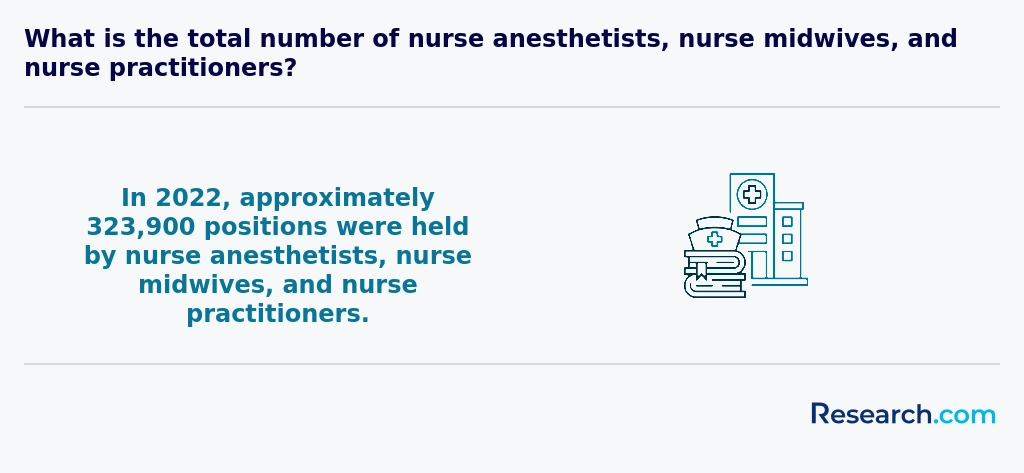
Investing in a nursing degree requires balancing tuition costs against long-term earning potential. In Greenville, NC, the average total cost for an Associate Degree in Nursing (ADN) is $45,110, while a Bachelor of Science in Nursing (BSN) averages $150,474. Considering the median annual wage for Registered Nurses in the region is $89,010, ADN graduates can recoup their investment in under a year, and BSN graduates in under two. Factoring in average student debt of $28,000 for ADN holders and $52,000 for BSN holders, most graduates achieve a positive cash flow within 18–24 months of entering the workforce. Beyond raw numbers, the quality of your program influences ROI. High NCLEX pass rates, strong clinical partnerships, and robust career services accelerate job placement and salary growth. For those seeking cost-effective alternatives or supplemental certifications, exploring the Most Affordable Online Nursing Degree Programs Ranking in California can reveal strategies for minimizing debt while maximizing credentials and geographic flexibility. To maximize ROI: • Target programs with NCLEX pass rates above 90%, which correlate with stronger employer demand and starting salaries. • Leverage financial aid packages and employer tuition reimbursement to reduce out-of-pocket expenses. • Pursue in-demand specializations-such as pediatric or surgical nursing-to command higher wages and faster career advancement. By strategically selecting a program that balances cost, quality, and career support, nursing graduates in Greenville can ensure their education pays dividends throughout a rewarding healthcare career.
Financial aid for nursing students in Greenville comes from several sources, each offering unique opportunities but also requiring careful consideration. Many graduates from Greenville Technical College emphasize how federal aid through FAFSA unlocked Pell Grants, providing up to $7,395 annually, which significantly eased their tuition burden. These grants don't require repayment, making them a crucial starting point for many learners.
State-specific programs also play an important role. For instance, nursing students at Bob Jones University often explore the Nursing Faculty Loan Program in South Carolina, which offers financial support in exchange for a teaching commitment after graduation. This trade-off appeals to students motivated by both financial relief and career clarity.
Beyond grants and loans, local scholarships based on merit or need, available at Greenville institutions, allow students to feel recognized and valued for their dedication. One graduate recalled how accessing a merit-based scholarship boosted not only her finances but also her confidence during challenging semesters.
Work-study roles and employer tuition reimbursements, such as those from facilities like Prisma Health, provide students with hands-on experience and financial support simultaneously. Although these require balancing work and study, many find the combined experience personally rewarding, underscoring the multifaceted nature of funding nursing degrees in Greenville.
For prospective nursing students in Greenville, NC, considering the affordability of nursing programs is crucial. Exploring options such as the cheapest nursing schools in north carolina can provide valuable insights into cost-effective education pathways. Understanding the total cost of attendance, including tuition, fees, and living expenses, is essential for making informed decisions. Many nursing programs in Greenville offer financial aid, scholarships, and grants to help students manage their educational expenses. By evaluating the cost-benefit analysis of different programs, students can choose a nursing degree that aligns with their financial situation and career goals, ultimately leading to a rewarding and fulfilling profession in healthcare.
To enroll in a nursing degree program in Greenville, candidates must meet several clear academic and personal prerequisites. Most Greenville programs, whether at community colleges or universities, require a high school diploma or GED, paired with prerequisite courses in biology, chemistry, anatomy, and physiology. Graduates often recall how challenging but rewarding these foundational classes were, setting the stage for more complex nursing material ahead.
Applicants typically need a minimum GPA around 2.5 to 3.0, though competitive programs favor higher marks, especially in science and math. Greenville nursing students frequently share that rigorous preparation helped boost their confidence before clinical rotations.
Nursing schools in Greenville also expect passing scores on standardized tests like the TEAS, ensuring readiness for nursing's academic demands. Real-world applicants often mention that early volunteering or healthcare experience strengthened both their applications and their resolve to succeed in the field.
Besides academics, schools require background checks and immunization records to maintain patient safety during clinical work, a necessity graduates understand as crucial for professional practice in Greenville's healthcare settings.
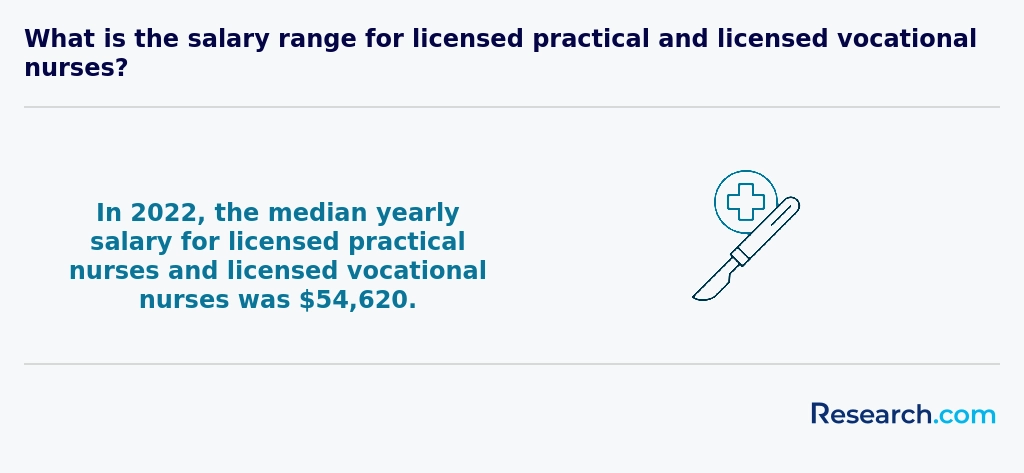
Pursuing advanced certifications and graduate degrees can significantly enhance your nursing career in Greenville, NC, by opening doors to specialized roles and higher salaries. Many nurses begin with a Bachelor of Science in Nursing (BSN) and then explore certification programs such as Certified Nurse Educator (CNE), Certified Registered Nurse Anesthetist (CRNA), or Clinical Nurse Specialist (CNS). Each certification typically requires completion of an accredited exam-preparation course, clinical practice hours, and a passing score on a national board exam. For nurses interested in holistic and integrative care, the Holistic Nurse Practitioner (HNP) certification blends traditional nursing skills with alternative therapies, emphasizing patient-centered wellness. To learn more about this pathway and its prerequisites, visit how do you become a holistic nurse practitioner for a step-by-step guide. Graduate degrees such as the Master of Science in Nursing (MSN) or Doctor of Nursing Practice (DNP) offer deeper expertise in leadership, evidence-based practice, and policy. MSN specializations often include Family Nurse Practitioner (FNP), Psychiatric Mental Health Nurse Practitioner (PMHNP), and Nurse Midwifery, while DNP programs focus on executive leadership, clinical systems improvement, and scholarly projects. Most programs require 500–1,000 clinical hours, robust research projects, and practicum experiences in advanced practice settings. Continuing education is also vital for maintaining licensure and staying current with evolving healthcare standards. The North Carolina Board of Nursing mandates a minimum of 30 contact hours of continuing education every two years, with topics ranging from pharmacology updates to cultural competency. Many local institutions and online providers offer flexible, cost-effective CE courses tailored to Greenville’s healthcare landscape. By strategically selecting advanced certifications and graduate programs, nursing professionals in Greenville can deepen their clinical expertise, expand career prospects, and meet the growing demand for specialized care in the region.
Nursing degrees in Greenville commonly include a blend of general science and specialized nursing courses, carefully designed to balance theory and practice. Graduates from popular institutions like Greenville Technical College often recall navigating core classes such as anatomy and physiology, which provide a detailed understanding of the human body-essential when caring for patients in real time. Microbiology and chemistry courses are also emphasized, as they underpin crucial infection control and medication management skills.
More nursing-focused subjects like Fundamentals of Nursing, Pharmacology, and Pathophysiology prepare students for the complexities of patient care. Those studying at universities in Greenville frequently highlight how courses such as Medical-Surgical Nursing and Maternal and Child Health Nursing brought lessons vividly to life, allowing them to engage with diverse patient needs.
Clinical practicum experiences, often completed at facilities like Greenville Memorial Hospital, give students invaluable hands-on training. Many graduates express confidence gained from these supervised hours, feeling well-prepared for both licensure exams and the realities of nursing careers in local healthcare settings.
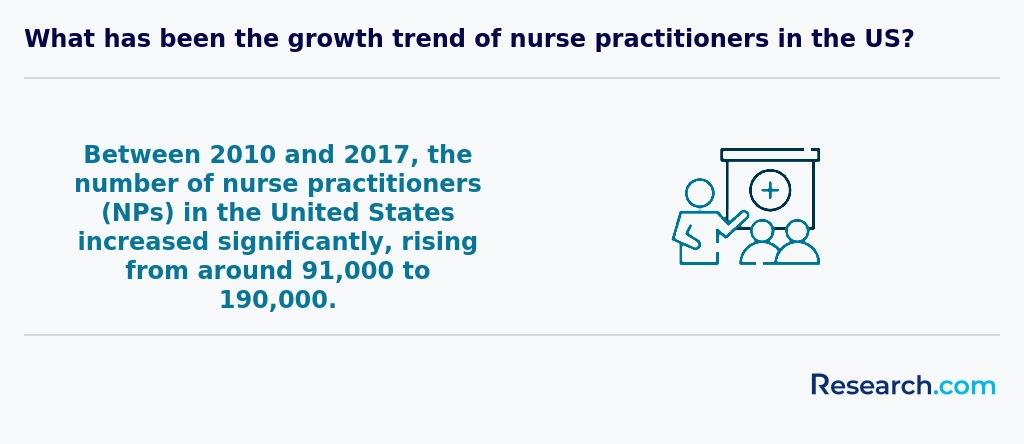
In Greenville, nursing degrees commonly offer a range of specializations designed to address diverse healthcare needs. Popular tracks include Family Nurse Practitioner (FNP), which prepares nurses to deliver primary care across age groups, pediatric nursing focused on caring for children, and adult-gerontology emphasizing care for aging populations. Graduates from well-regarded schools in Greenville often describe gaining confidence through hands-on clinical experiences in local hospitals, which help them apply theoretical knowledge to real patient care scenarios. These specializations align closely with the regional demand for skilled practitioners able to serve distinct patient groups.
Other options include psychiatric-mental health nursing, critical care nursing, and nurse educator programs, each catering to different interests and career goals. Students often highlight how programs at Greenville's universities balance theory with practical application, helping them navigate challenges such as mental health stigma or ICU pressures. When exploring Greenville nursing programs with specialization options, prospective students should also consider potential nursing education barriers that might affect their path to licensure and career readiness.
Choosing the best nursing degree in Greenville requires balancing several key factors, including program type, cost, and accreditation. Many students find that a BSN degree opens more doors, as it is often preferred or required for advanced nursing roles. Graduates from local colleges appreciate how accessible Greenville Technical College's ADN program is, especially given its affordable tuition of around $3,500 per year. However, others aiming for a BSN highlight the value of universities with tuition ranging between $8,000 and $15,000, citing stronger clinical partnerships with hospitals like Prisma Health that enhance hands-on experience.
It's important not to overlook accreditation by bodies such as CCNE or ACEN, as these ensure eligibility for licensure exams and improve job prospects. Students from various Greenville programs often mention how knowing the NCLEX pass rates-many above the national 85% average-helped them feel confident in their choice. For those weighing cost against quality, exploring scholarships or grants and comparing graduation outcomes is essential to identifying affordable nursing degrees Greenville offers.
For in-depth comparison and insights, prospective students can also check out online nursing degrees massachusetts reviews, which provide a useful framework for evaluating program strengths across locations.

Graduates of nursing programs in Greenville find diverse career paths reflecting the city's healthcare landscape. Many begin as registered nurses (RNs) in hospitals such as Prisma Health, where hands-on patient care across acute and community settings is common. Others pursue specialization in areas like critical care, pediatric, or oncology nursing, which offers deeper clinical expertise and increased responsibility. This diversity in nursing career opportunities in Greenville allows graduates to align work with personal passions and regional demand.
Additionally, some graduates transition into advanced roles by continuing their education at local institutions popular for nursing degrees, obtaining Master of Science in Nursing (MSN) or Doctor of Nursing Practice (DNP) qualifications. These advanced degrees open doors to positions such as nurse practitioners and nurse anesthetists, roles with significant autonomy and earning potential. For many, the decision to remain in Greenville is reinforced by strong community ties and a supportive professional network.
Other nursing degree holders explore healthcare administration or become educators, addressing shortages of qualified instructors and healthcare managers. This broad scope means Greenville nursing degree job prospects include clinical, administrative, and academic pathways. Prospective students also weigh the tuition investment carefully; insights from graduates suggest that comparing local options to the top nursing colleges in arizona can provide useful benchmarks.
The nursing job outlook Greenville shows strong promise due to growing healthcare needs fueled by an aging population and expanding medical facilities. Graduates from local colleges equipped with Bachelor of Science in Nursing (BSN) degrees often find themselves quickly absorbed into various healthcare settings, including major hospitals like those in the Greenville Health System and outpatient clinics. Many graduates share how their clinical skills developed through hands-on learning at Greenville's nursing programs helped them secure positions soon after finishing their studies.
Successful graduates frequently highlight the supportive work environments in community health centers and specialty care clinics, which benefit from the region's emphasis on nursing professionals with current certifications and continuing education. Even so, the competition in Greenville is shaped by employers' increasing preference for BSN degrees or higher, encouraging students to select programs that emphasize practical experience and advanced training.
While the average salary range of $68,000 to $75,000 appeals to many, prospective students should also consider the investment represented by nursing programs. Those looking for cost-effective options may explore the cheapest nursing schools in north carolina, available nearby, balancing quality with affordability. Overall, the nursing career opportunities in Greenville reflect a viable, rewarding path for degree holders prepared to meet local demands.
2027 Best Nursing Degree Programs Ranking in Greenville
Investing in your education is a significant decision that can shape your future, and the Research.com team understands the importance of making informed choices. To assist prospective students in Greenville, we have meticulously crafted the "2027 Best Nursing Degree Programs Ranking in Greenville." Our commitment to quality, credibility, and accuracy is reflected in the extensive research and analysis conducted to compile this ranking.
We utilized the following reputable data sources to ensure a comprehensive evaluation of nursing programs:
By exploring this ranking, readers will gain valuable insights into the best nursing degree programs available in Greenville, empowering them to make informed decisions about their educational journeys. For more details on our methodology, please visit our Research.com methodology page.

Frequently Asked Questions About nursing
Nursing degree students in Greenville can enhance their learning by actively engaging in clinical placements offered through local hospitals such as Prisma Health, which serves as a key training site for many programs. Hands-on experience is crucial for developing practical skills alongside theoretical knowledge. According to the South Carolina Board of Nursing, Greenville's nursing programs focus heavily on real-world application, improving job readiness upon graduation.
Students should also take advantage of Greenville's growing simulation labs, providing safe environments to practice critical scenarios. Joining student nursing organizations can offer networking opportunities and access to workshops.
Additionally, balancing study with community volunteer work helps build communication and empathy, essential traits for nurses today.
Emerging niches within nursing reflect the evolving healthcare needs in Greenville and across the U.S. One fast-growing area is geriatric nursing, addressing the increasing elderly population. According to the U.S. Census Bureau, Greenville's senior demographic is expected to grow by 15% over the next decade, boosting demand for specialized care.
Another niche is telehealth nursing, which has expanded rapidly due to the COVID-19 pandemic. Nurses in this field provide remote care and patient education, a skill increasingly valued in Greenville's healthcare market.
Lastly, nurse informatics combines clinical knowledge with information technology to improve patient outcomes, a vital emerging specialty given Greenville's investment in health technology infrastructure.
After completing a nursing degree in Greenville, preparing for the job market involves several key steps. First, graduates should obtain their Registered Nurse (RN) license by passing the NCLEX-RN exam, necessary for practicing in North Carolina and South Carolina, the two states surrounding Greenville. Networking plays a crucial role; joining local nursing associations such as the Greenville County Nurses Association can provide job leads and professional support.
Internships and clinical experiences during school often lead to employment opportunities at nearby hospitals like Prisma Health Greenville Memorial, a major regional employer. According to the Bureau of Labor Statistics, nursing jobs in the Greenville area grew by 7% over the last five years, indicating steady demand. Updating a resume with specific skills and certifications, such as BLS or ACLS, can enhance employability in this competitive market.
Employers in Greenville highly value nursing graduates with strong clinical skills and critical thinking abilities. According to the South Carolina Board of Nursing, hands-on experience in patient care significantly increases job prospects. Communication skills are equally essential, as nurses must collaborate effectively with patients, families, and healthcare teams.
In 2023, Greenville healthcare facilities reported a growing demand for nurses adept in electronic health records (EHR) management, reflecting broader industry digitalization trends. Adaptability and stress management also rank among top employer priorities, given the fast-paced, unpredictable nature of healthcare settings in Greenville's hospitals and clinics. These skills ensure graduates can provide high-quality, patient-centered care.
Finding nursing internships in Greenville requires a strategic approach focused on local healthcare facilities and educational institutions. Greenville is home to several hospitals, such as Prisma Health Greenville Memorial Hospital, which often offers clinical internship opportunities to nursing students. Contacting the nursing departments of nearby colleges, like Greenville Technical College, can provide valuable connections to these programs.
Many nursing programs in Greenville incorporate internships as part of their curriculum, offering structured placements with registered preceptors in various clinical settings. Additionally, websites like the South Carolina Nurses Association list internship openings and professional development resources.
Networking within local healthcare organizations and attending career fairs hosted by Greenville nursing schools can also enhance chances of securing internships. According to recent data from the Bureau of Labor Statistics, Greenville's healthcare sector is expanding, increasing available opportunities for clinical experience vital for licensure.
A nursing degree significantly enhances career mobility and advancement opportunities in Greenville. The region's healthcare sector is growing, with a projected 12% increase in demand for registered nurses by 2030, according to the U.S. Bureau of Labor Statistics. This growth creates a favorable job market for degree holders. Employers in Greenville prefer candidates with at least an Associate Degree in Nursing (ADN), but a Bachelor of Science in Nursing (BSN) increasingly opens doors to leadership and specialized roles.
Higher degrees, such as a Master of Science in Nursing (MSN), improve prospects for advanced practice roles like nurse practitioners, which are in demand locally. Additionally, Greenville's hospitals and clinics often require continuing education credits and degree advancement for promotions. Therefore, completing a nursing degree directly supports upward mobility and professional development.
Studying for a nursing degree in Greenville equips students with essential skills for interdisciplinary roles through hands-on clinical experiences at local hospitals and health centers. Greenville's nursing programs emphasize collaboration with professionals from medicine, social work, and pharmacy, reflecting real-world healthcare settings found in the area.
The curriculum includes courses in communication, ethics, and healthcare technologies, preparing students to work effectively in diverse teams. According to the Greenville Health System, over 70% of nursing graduates find employment in interdisciplinary environments within six months of graduation, highlighting strong workforce integration.
Additionally, partnerships between Greenville's nursing schools and regional health providers foster networking and teamwork, critical to patient-centered care.
Choosing between a thesis and a non-thesis nursing degree program in Greenville depends largely on your career goals and time commitment. Thesis programs require conducting original research, which can be valuable if you plan to pursue advanced studies or work in academic or research settings. The University of South Carolina Upstate, near Greenville, offers options reflecting this distinction.
Non-thesis programs focus more on clinical practice and coursework, ideal for those aiming to enter the workforce promptly or advance in nursing leadership roles. According to the South Carolina Board of Nursing, Greenville's healthcare employers often value practical experience highly.
Consider also program length; thesis tracks typically take longer due to research demands. Seek guidance from academic advisors about faculty expertise and available resources at Greenville-area institutions to align your choice with personal and professional objectives.
Students based in Greenville who wish to study nursing abroad have several pathways through U.S. institutions with international partnerships. Many local colleges, such as Greenville Technical College, offer exchange programs or dual-degree options with universities in countries like Canada, the United Kingdom, and Australia. These programs enable students to complete part of their clinical training overseas while earning American-accredited nursing degrees.
Additionally, Greenville students can pursue Global Nursing programs, which often include supervised international clinical experiences to build cross-cultural competencies-a key skill in nursing today. According to the Greenville County Library System, about 12% of nursing students there engage in study abroad opportunities annually.
It is crucial for students to verify that foreign nursing programs are approved by relevant U.S. accreditation bodies to ensure degree recognition for licensure back home.
In Greenville, several part-time job opportunities align well with nursing degree education, providing valuable hands-on experience. Positions such as nurse aides, medical assistants, and patient care technicians are in demand within local hospitals and clinics. According to the South Carolina Department of Employment and Workforce, healthcare support occupations in Greenville are expected to grow by 15% through 2028, reflecting rising opportunities.
These roles allow nursing students to apply classroom knowledge in clinical settings while managing flexible schedules. Additionally, pharmacies and primary care offices in Greenville often hire part-time staff, offering insights into medication management and patient interaction, enhancing students' practical skills.
Nursing students in Greenville have multiple networking opportunities through local healthcare facilities and professional organizations. The Greenville County Medical Society and Upstate Registered Nurses Association host regular meetups, workshops, and conferences that connect students with practicing nurses and healthcare leaders. These events often provide insights into clinical experiences and job openings.
Additionally, Greenville's hospitals, such as Greenville Memorial Hospital, frequently offer internships and clinical rotations, allowing students to build professional relationships in real-world settings. According to the South Carolina Nurses Association, students who engage in local organizations are 30% more likely to secure employment after graduation.
Alumni networks play a crucial role in supporting nursing degree students in Greenville by fostering valuable professional connections. Graduates often gain access to mentorship opportunities from experienced nurses practicing locally, which can enhance clinical skills and career development. According to the Greenville Chamber of Commerce, nursing alumni groups contribute to a 15% higher employment rate within six months after graduation compared to those without such support.
These networks also provide exclusive job postings and insights into Greenville's healthcare facilities, including Prisma Health and Bon Secours St. Francis. Furthermore, alumni events encourage collaboration and continuing education, helping nursing students stay informed about industry trends and certifications.
Customizing your nursing degree program in Greenville involves selecting courses and clinical experiences that align with your career goals. Many local institutions offer flexible options, including specialties such as pediatric nursing, gerontology, or acute care. Students can often choose electives that focus on leadership, community health, or informatics to tailor their education.
Greenville's healthcare industry growth creates demand for nurses with specialized skills, especially in advanced practice roles. According to the South Carolina Nurses Association, over 40% of nursing students in the region pursue certifications post-graduation to enhance job prospects.
Additionally, some Greenville schools provide part-time or online coursework, allowing you to balance work and study while focusing on your desired nursing field.
Nursing students in Greenville face several typical challenges during their education. One significant difficulty is managing the demanding coursework alongside clinical rotations, which often require long hours and hands-on experience in local hospitals. According to the South Carolina Board of Nursing, many students struggle to balance practical training with academic requirements. Additionally, the rising cost of nursing programs-averaging about $12,000 per year for in-state students-adds financial pressure. Greenville's competitive healthcare job market also creates stress, as students prepare for licensure exams and seek internships that will improve their employability after graduation.
With a nursing degree in Greenville, graduates can pursue a variety of professional certifications to enhance their careers and increase job opportunities. Common certifications include the Registered Nurse (RN) license, which is required to practice nursing in South Carolina. Beyond licensure, nurses often seek specialty certifications such as the Certified Nurse Practitioner (NP), Certified Nurse Midwife (CNM), and Critical Care Registered Nurse (CCRN).
According to the South Carolina Board of Nursing, Greenville nurses pursuing advanced certification often see improved salary prospects and greater employment stability. Additionally, certifications in areas like pediatrics, oncology, and geriatrics are popular given local healthcare demands. These credentials typically require passing exams administered by recognized bodies such as the American Nurses Credentialing Center (ANCC).
Applying to nursing programs in Greenville requires careful preparation to stand out in a competitive field. Begin by researching local institutions such as Greenville Technical College, which reported a 72% acceptance rate for its nursing programs in 2023, according to the South Carolina Commission on Higher Education. Strong academic records, especially in science and math courses, are essential. Be sure to include a well-written personal statement that highlights your passion for healthcare and any relevant experience, such as volunteering or certifications like CPR.
Additionally, request letters of recommendation from healthcare professionals or instructors familiar with your abilities. Many Greenville programs also require the TEAS exam; aim for a score above 70% to increase your chances. Finally, meet application deadlines precisely, and consider contacting admissions advisors to clarify any program-specific requirements.
The nursing profession is recognized worldwide as a vital component of healthcare systems. In the United States, including Greenville, nursing careers are valued for their stability and growth potential. The U.S. Bureau of Labor Statistics projects a 9% growth in registered nursing jobs from 2020 to 2030, reflecting strong demand nationally and locally. Greenville, with its expanding healthcare facilities like Prisma Health, offers numerous opportunities for graduates.
Global perspectives emphasize nursing's role in improving public health, addressing shortages, and advancing patient care. Many countries look to the U.S. model for training rigor and career pathways, which often include opportunities in leadership and specialization. For students in Greenville, pursuing a nursing degree means entering a respected field with both domestic and international relevance.
Students pursuing nursing degrees in Greenville can gain practical experience through clinical rotations, which are typically required components of accredited nursing programs. These rotations often take place in local hospitals, clinics, and nursing homes, allowing students to apply their classroom knowledge in real healthcare settings.
Greenville is home to several healthcare facilities such as the Prisma Health hospitals, where nursing students can intern or volunteer. Many programs also partner with community health centers to provide diverse clinical experiences.
In addition to clinical hours, students might participate in simulation labs using advanced mannequins to practice nursing skills safely.
Engaging in local nursing associations or volunteer programs further enhances practical experience and professional networking opportunities.
Choosing the right concentration within a nursing degree program in Greenville involves evaluating your career goals and local healthcare needs. Popular areas like adult-gerontology, pediatrics, and psychiatric-mental health are in demand statewide, according to the South Carolina Board of Nursing. Greenville's aging population increases demand for geriatric nurses, while its numerous hospitals require skilled pediatric and emergency nurses.
Consider the program's clinical rotation options and partnerships with healthcare facilities in Greenville, as hands-on experience is essential. Review program NCLEX pass rates reported by the South Carolina Nursing Education Database for quality insights. Align your choice with both personal interest and regional job prospects to maximize future employment opportunities.
- 2027 Best Nursing Degree Programs Ranking in Virginia Beach
- 2027 Best Nursing Degree Programs Ranking in Lynchburg
- 2027 Best Nursing Degree Programs Ranking in Harrisonburg
- 2027 Best Nursing Degree Programs Ranking in Washington
- 2027 Best Nursing Degree Programs Ranking in Columbia
- 2027 Best Nursing Degree Programs Ranking in Baltimore
- 2027 Best Nursing Degree Programs Ranking in Pittsburgh
- 2027 Best Nursing Degree Programs Ranking in Brooklyn
- 2027 Best Nursing Degree Programs Ranking in New York
- 2027 Best Nursing Degree Programs Ranking in Macon
See What Experts Have To Say About Studying Nursing
Read our interview with Nursing experts


- Bon Secours Mercy Health Nursing Jobs in Greenville, SC https://careers.bsmhealth.org/us/en/greenville-nursing-jobs
- Guide to Making a Career Change to Nursing https://teach.com/online-ed/healthcare-degrees/online-msn-programs/career-change-to-nursing/
- Top Nursing Skills U.S. Employers Want to See on Your Resume | O'Grady Peyton https://www.ogradypeyton.com/blog/job-seeker-resources/top-nursing-skills-u.s.-employers-want-to-see-on-your-resume
- Nursing - SUM Admission https://admission.sum.edu.pl/nursing/
- Medical University of GdaÅsk https://admission.mug.edu.pl/29318.html
- Types of Nursing Careers & Specialties https://nursinglicensemap.com/nursing-specialties/
- Health Science and Nursing (Dual Degree) • North Greenville University https://www.ngu.edu/programs/health-science/nursing/
- Nursing Internship and Externship Programs https://jobs.mayoclinic.org/nursinginternexternprograms
- Academic Catalog 2026-2027 Edition https://catalog.gvltec.edu/school-health-sciences/nursing/nursing-aas/
- Nursing Degree You Need to Become an RN https://www.allnursingschools.com/registered-nursing/degrees/