
2027 Best Nursing Degree Programs Ranking in Boise

Co-Founder and Chief Data Scientist
Choosing the right nursing degree program in Boise can feel overwhelming. Our 2027 Best Nursing Degree Programs Ranking in Boise offers clear, trustworthy guidance to help you navigate your options with confidence.
This ranking was carefully created by the Research.com team of data scientists, ensuring the information is accurate and reliable for students like you.
Reading this article will empower you to make an informed decision, setting you on a rewarding path in nursing-a career full of compassion, growth, and meaningful impact.
Key benefits of getting nursing degree in Boise
- Nursing degree graduates in Boise can earn competitive salaries, with Registered Nurses, Clinical Nurse Educators, Public Health Nurses, and Emergency Room Nurses making around $94,480 annually, while Operating Room Nurses earn even higher at $128,490.
- A nursing degree opens diverse career paths, from bedside care to education and specialized roles, offering exciting opportunities to grow and make a difference in your community.
- Online nursing degrees from Boise colleges offer flexible study schedules, allowing you to balance work and life while earning your degree efficiently and conveniently.
- 2027 Best Nursing Degree Programs Ranking in Boise
- What can I expect from nursing degree in Boise?
- Where can I work with nursing degree in Boise?
What can I expect from nursing degree in Boise?
If you're wondering about the cost of getting a nursing degree in Boise, here's the scoop: on average, tuition for a Bachelor of Science in Nursing (BSN) program runs between $7,000 and $9,500 per year for in-state students. That's pretty reasonable compared to some other places, especially when you consider all the hands-on training you get.
Many nursing students at Boise State University, for example, share how they appreciated the mix of classroom lessons and real-world clinical practice at local spots like St. Luke's Health System. Besides tuition, you'll want to budget for a few extras-think uniforms, supplies, background checks, and licensing exam fees. These might add a bit to the cost but are totally worth it since they prepare you for the actual nursing world.
Graduates often say the investment feels fair given the solid job outlook and excellent training they received right here in Boise.
Where can I work with nursing degree in Boise?
If you're earning a nursing degree in Boise, you're stepping into a city full of solid job options. Many graduates find themselves working at big hospitals like St. Luke's Boise Medical Center or Saint Alphonsus Regional Medical Center, where nursing roles range from busy emergency rooms to labor and delivery units. It's pretty common for new grads from Boise State University to land these positions, especially since these hospitals value the local training.
Some grads also head into community health roles with Ada County's public health departments. Imagine working on programs that help people prevent illnesses or manage chronic conditions right in your own neighborhood-that's a rewarding path many Boise-trained nurses take. Others pursue advanced degrees at local schools to become nurse practitioners or educators, opening doors to leadership and teaching gigs.
Plus, home health and hospice care are growing fields here, especially with the city's aging population. Many find this work deeply fulfilling, providing hands-on care in patients' homes. Nursing in Boise feels personal and connected-graduates often say they love knowing their work really makes a difference in the community.
If you're wrapping up a nursing degree in Boise, you're probably wondering about the paycheck waiting for you. On average, registered nurses around here pull in about $94,480 a year, which is pretty solid compared to the national scene. Graduates from Boise State University, for example, often land jobs where they earn right around this mark starting out, especially in local hospitals like St. Luke's.
Specialized roles pay even better. Take an operating room nurse - they can see salaries jump up to roughly $128,490. That's a nice boost for those who want to focus on surgery or critical care areas.
Other positions, like clinical nurse educators or public health nurses, also hover near that $94,000 range. A friend who recently graduated with a nursing degree from a Boise college shared how quickly she moved into a clinical educator spot, enjoying steady growth and a great salary.
So, whether you're aiming to hit the floor as an RN or dream of a specialized nursing career, Boise's nursing grads tend to find financial stability pretty quickly while making a real impact in their communities.
- Boise offers accredited nursing programs including ADN and BSN degrees, meeting national education standards.
- ADN programs cost between $8,000 and $15,000, while BSN programs range from $20,000 to $35,000, excluding extra expenses like textbooks and uniforms.
- Employment growth for nurses in Boise is projected at 10%-15% over the next decade, supported by major health systems like St. Luke's and Saint Alphonsus.
- Starting salaries for RNs in Boise range from $58,000 to $65,000, increasing to $75,000-$90,000 with experience and certifications.
- There is strong demand for nurses in geriatrics, critical care, and community health, with low RN unemployment rates in the area.
- State licensure from the Idaho Board of Nursing is required before beginning clinical practice.
If you're wondering how long it takes to finish a nursing degree in Boise, it really depends on the path you choose. Most students start with an ADN at places like the College of Western Idaho, which usually takes about two years. Graduates often say it's a solid mix of hands-on skills and classroom work, so time flies as you learn the basics and prepare for the NCLEX-RN exam.
On the other hand, if you want a BSN, expect around four years at Boise State University. Graduates mention that while it's a bigger time commitment, the wider curriculum in leadership, research, and public health really makes you feel ready for the bigger roles in nursing.
For RNs with an ADN looking to level up, RN-to-BSN programs locally take about 12 to 24 months. Many find the flexibility great for balancing work and study.
Keep in mind, clinical hours are part of all programs here-students often talk about how those real-world experiences can feel intense but totally worth it.
Choosing between an online and on-campus nursing degree in Boise really comes down to how you like to learn and live your life. If you're juggling work or family, going online with programs from local schools like Boise State can be a lifesaver. You watch lectures and do assignments on your own time, which is super flexible. But don't worry, you'll still get hands-on clinical experience near home - that's crucial and built into the program.
On the flip side, on-campus programs, like those at the College of Western Idaho, offer that classic college vibe. You're in classrooms, labs, and right alongside instructors and classmates. It's easier to get instant feedback and study together in person, which a lot of grads say helped them stay motivated and connected.
Cost-wise, both options hover around $10,000 to $15,000 a year here in Boise, but online students save on commuting and housing. Overall, it's about choosing what fits your routine and learning style best.
If you're eyeing a nursing degree in Boise, it helps to know what the average cost looks like before you dive in. Typically, in-state students can expect to pay around $14,000 for their entire nursing degree, which is a pretty manageable figure compared to many other parts of the country. Public schools like Boise State University are a favorite for nursing students because they keep tuition rates friendly, usually between $8,000 and $10,000 per year for undergrad programs. Many graduates mention how those prices helped them avoid crushing debt while still getting solid, hands-on training.
For those who want to jump into the workforce faster, local technical colleges offer associate degrees in nursing that cost even less, often between $5,000 and $7,000 annually. These options help you save money and get to work sooner, which many nursing grads really appreciate. Beyond tuition, you'll need to budget for books, supplies, and lab fees - expect about $1,000 to $2,000 a year extra. Living in Boise isn't too hard on the wallet either, especially when compared to bigger cities.
Keep in mind that Boise nursing program tuition and fees don't always tell the whole story. Many students find scholarships, grants, or employer tuition assistance that cuts costs significantly. Some even enroll in an accelerated online bachelor's program to speed things up while still managing expenses effectively. Overall, nursing grads in Boise often say the balance between cost and quality education here feels just right.

If you're thinking about a nursing degree in Boise, don't worry too much about costs-there's a bunch of financial aid options to help you out. Lots of students at Boise State University, for example, lean on federal aid like Pell Grants, which don't need to be paid back and can cover thousands of dollars. Plus, many snag the Federal Supplemental Educational Opportunity Grant, which adds even more support.
State scholarships are another big win. Imagine a Boise nursing student scoring the Idaho Opportunity Scholarship, which can chip in up to $3,400 a year-that kind of help really eases the financial stress. Local colleges' financial aid offices are goldmines for these opportunities, so it's worth chatting with them early on.
Many graduates also talk about how scholarships geared specifically for nursing students made a huge difference. These often reward your hard work and community spirit or even support you if you plan to work in underserved areas. And don't forget work-study gigs-those part-time jobs tied to healthcare help you earn cash without losing sight of your studies.
Some students who've worked in Boise hospitals mention how tuition reimbursement programs hooked them up while they gained real-world experience. Veterans have their own perks too, with GI Bill benefits that can cover a big chunk of schooling. So, whatever your path, Boise is pretty generous when it comes to helping nursing students cover their costs.
To get started with a nursing degree in Boise, you'll need a high school diploma or GED-that's the basic ticket in. Most students who've graduated from Boise State University or the College of Western Idaho share that they had to tackle some key prerequisite courses first, like general biology with lab, chemistry, anatomy, physiology, and even microbiology. These classes really set you up with a solid science foundation, plus you'll need English and math (like statistics) to boost your communication and reasoning skills.
Many grads say passing the TEAS test was a big milestone-it's an entrance exam that checks your reading, math, science, and English skills to make sure you're ready for the nursing grind. You'll also have to handle background checks and show your immunization records, since clinical rotations put you right in patients' care.
Some students recommend getting a bit of healthcare experience or volunteering before applying-it's not a must but definitely gives you a confidence boost and helps you hit the ground running once classes start.
If you're studying nursing in Boise, you'll quickly find the courses are designed to mix solid science with real-world nursing skills. Graduates from popular local colleges often say that early classes like Anatomy and Physiology really helped them understand how the body works, which made later clinical work way less intimidating. Other foundational courses include Microbiology and Nutrition, which connect directly to what you'll see in patients every day.
As you move deeper into the program, courses shift to core nursing topics like Fundamentals of Nursing and Medical-Surgical Nursing. Many students tell stories about how Pediatric Nursing classes prepared them for those moments when they cared for a scared child, or how Mental Health Nursing helped them connect better with patients going through tough times. Community Health classes also stand out because Boise programs focus on local health issues, making the learning feel relevant and practical.
If you're diving into nursing degree specializations in Boise, you'll find some cool options that really match the local healthcare vibe. Many Boise nursing students get to focus on pediatric nursing, which means hands-on work with kids in nearby hospitals and clinics-perfect if you love working with little ones. Others go for geriatric nursing, which is huge here thanks to Idaho's growing older population. Graduates often share how rewarding it is to help seniors manage chronic conditions and stay independent.
Boise nursing programs specialization options also include mental health nursing, which is becoming a big deal due to more awareness and resources for behavioral health in the area. And if you're someone who thrives in fast-paced environments, critical care nursing is well represented with top-notch hospitals like Saint Alphonsus offering real ICU experience. Many students say this specialization really pushed their skills and confidence.
Some grads even explore advanced paths beyond undergrad, like nurse practitioner roles. If you want to boost your career further, you might check out online certificate programs that pay well to complement your nursing skills.
Picking the best nursing degree in Boise means thinking about what fits your life and goals. Many grads from Boise State University love how affordable nursing degrees Boise 2027 options are, especially with in-state tuition around $7,000 to $10,000. They often mention how flexible course formats-like evening or online classes-made juggling work and study way easier, though hands-on clinicals close to home are a must. A big plus? Programs accredited by CCNE or ACEN, which make passing the NCLEX-RN exam feel less scary and open doors to jobs around town.
One graduate shared that having strong local clinical partnerships gave them real-world experience at Boise hospitals, making the jump to a nursing career smoother. If online study appeals, check out options carefully-some providers even recommend online phd programs without dissertation that suit busy schedules but still keep you connected. Weigh cost, flexibility, and hands-on training to find the nursing path that clicks with you here in Boise.
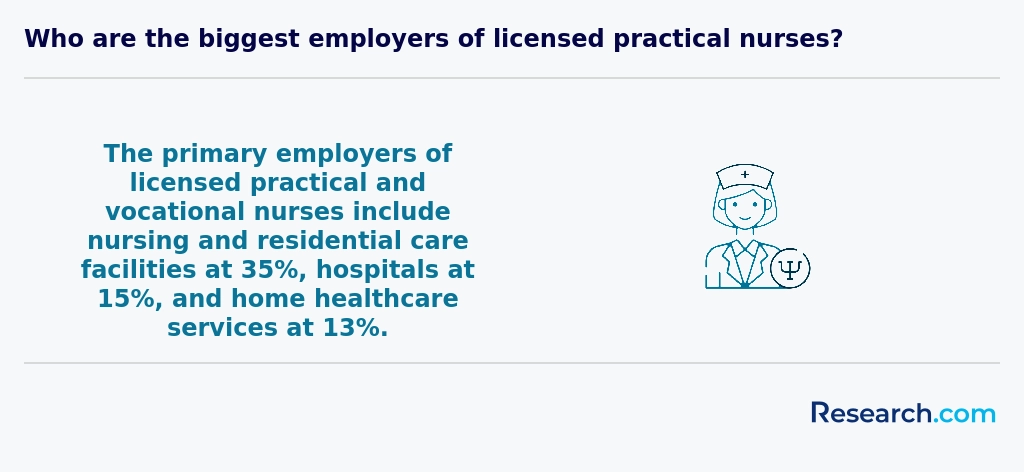
If you're diving into nursing career opportunities in Boise, you'll find plenty of routes to explore. Graduates from popular nursing programs around Boise's colleges often land roles as registered nurses in hospitals like St. Luke's or outpatient clinics, where they get hands-on experience with patients every day. Some prefer becoming Licensed Practical Nurses-these roles need a bit less schooling and open doors to care support jobs that still make a big impact.
Others get pumped about specialties like pediatrics or emergency nursing, especially since Boise's medical centers are always looking for skilled pros in these areas. Many grads also enjoy stepping into public health nursing, working on community health projects-perfect for those who love making a broader difference in Boise's neighborhoods.
And if teaching sounds fun, nurse educators at local colleges help train up-and-coming nurses, sharing the real-world skills they picked up themselves. Plus, there are sweet spots in healthcare administration for those who want to mix nursing knowledge with leadership.
With so many options, Boise nursing degree job prospects look bright and full of promise for new nurses. If you're thinking about further studies, some grads even consider quick routes like a 1 year phd to boost their careers.
The nursing job opportunities in Boise have been quite encouraging lately. Graduates from local colleges find that the healthcare scene here is buzzing with demand, especially in places like St. Luke's and Saint Alphonsus facilities. Many nursing grads share how they quickly secured roles, not just in hospitals but in outpatient centers and home health services, making use of their BSN or advanced degrees. One common story is about how the steady growth in Boise's healthcare market means new positions pop up thanks to an aging population and local nurse retirements.
Students appreciate the affordable tuition at Boise State and other nearby schools, which keeps education costs manageable while preparing them well for Idaho's nursing boards, known for strong pass rates. With the rising need for specialized care in pediatrics and geriatrics, many grads feel confident about their job outlook here. If you're curious about other top fields to explore post-degree, you can check out some top skilled trades jobs here.
2027 Best Nursing Degree Programs Ranking in Boise
Investing in your education is a significant decision that can shape your future, and the Research.com team understands the importance of making informed choices. To assist prospective students in Boise, we have meticulously crafted the "2027 Best Nursing Degree Programs Ranking in Boise." Our commitment to quality, credibility, and accuracy is reflected in the extensive research and analysis conducted to compile this ranking.
We utilized the following reputable data sources to ensure a comprehensive evaluation of nursing programs:
By exploring this ranking, readers will gain valuable insights into the best nursing degree programs available in Boise, helping them make informed decisions about their educational paths. For more details on our methodology, please visit our Research.com methodology page.

# 3 position
Eagle Gate College-Boise Campus
Bachelor of Science in Nursing

# 4 position
Eagle Gate College-Boise Campus
Master of Science in Nursing
Frequently Asked Questions About nursing
Nursing degree students in Boise can maximize their learning experience by actively engaging in both classroom and clinical settings. Boise State University, the primary institution offering nursing programs locally, emphasizes hands-on practice through partnerships with nearby hospitals such as Saint Alphonsus and St. Luke's Health System. These clinical opportunities provide valuable real-world experience critical for skill development.
Students should also take advantage of Boise's growing healthcare network, which is one of Idaho's largest employers. According to the Idaho Department of Labor, nursing occupations in Boise are expected to grow by 27% through 2030, highlighting strong job prospects for graduates.
Participating in study groups and utilizing campus resources like simulation labs can further enhance understanding of complex concepts and prepare students for national licensing exams.
The nursing field is evolving rapidly, with several emerging niches gaining attention, especially in Boise's growing healthcare market. One notable area is geriatric nursing, driven by Idaho's 20% population growth of residents aged 65 and older since 2010, according to the Idaho Department of Health and Welfare. Nurses specializing in elder care are in high demand to address chronic conditions and improve quality of life.
Another niche is telehealth nursing, which has expanded due to advances in technology and the need for remote patient monitoring. Boise's telehealth services grew by over 30% during the last five years as reported by the Idaho Telehealth Programs.
Additionally, psychiatric nursing is gaining prominence to support mental health needs heightened by the pandemic. The U.S. Bureau of Labor Statistics projects a 23% growth in this specialty nationwide through 2031, reflecting a similar trend in Idaho.
After completing a nursing degree in Boise, preparing for the job market involves multiple steps. First, obtaining licensure by passing the NCLEX-RN exam is essential to practice as a registered nurse. Idaho's Board of Nursing provides detailed guidance on this process.
Networking locally is important. Boise's healthcare sector is growing, with hospitals like St. Luke's and Saint Alphonsus frequently hiring nurses. Attending local healthcare job fairs or joining Idaho Nursing Association events can enhance job prospects.
Finally, gaining practical experience through internships or clinical rotations during your degree can improve employability. According to the Idaho Department of Labor, registered nurse jobs in Boise are expected to grow by 12% from 2020 to 2030, showing strong demand for new graduates.
Employers in Boise value nursing degree graduates who demonstrate strong clinical skills and effective communication. According to the Idaho Board of Nursing, practical experience in patient care, including proficiency in electronic health records and medication administration, is crucial. Boise-area healthcare employers also emphasize critical thinking and adaptability, as nurses frequently encounter diverse medical situations.
Interpersonal skills are equally important. Nurses must collaborate with multidisciplinary teams and provide empathetic support to patients. The Idaho Department of Labor notes that teamwork and cultural competence improve patient outcomes and workplace efficiency. Graduates who combine technical expertise with emotional intelligence are preferred in Boise's growing healthcare sector.
Finding nursing internships in Boise involves connecting with local healthcare facilities and educational institutions. Boise State University's School of Nursing collaborates with hospitals and clinics to offer clinical placements, a common pathway for nursing students to gain hands-on experience. The St. Luke's Health System and Saint Alphonsus Health System are major employers in Boise that frequently partner with nursing programs to provide internships.
Students can also explore opportunities through the Idaho Center for Nursing, which tracks workforce trends and internship openings statewide. According to the Idaho Department of Labor, Boise's healthcare sector has grown by over 10% in recent years, increasing internship availability for nursing majors.
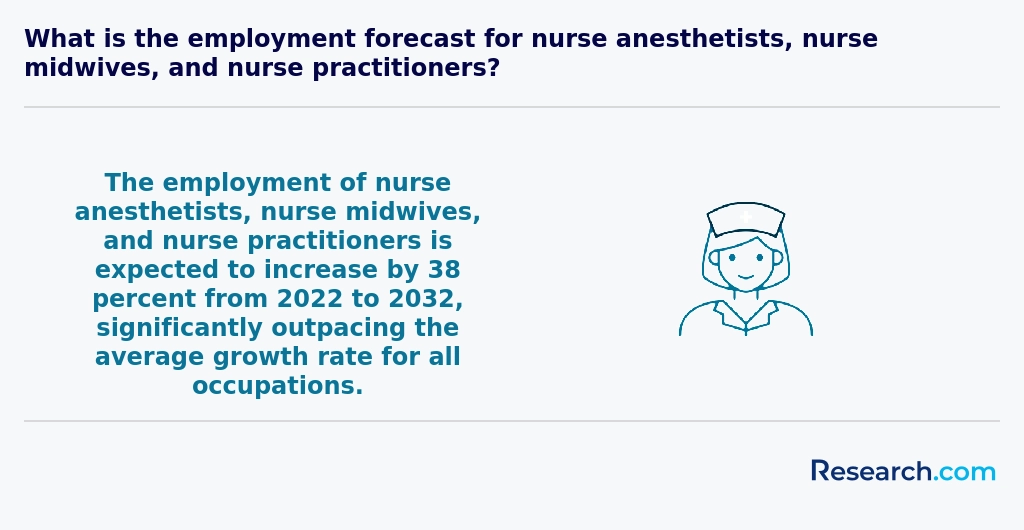
In Boise, earning a nursing degree significantly enhances career mobility and advancement opportunities. The region's healthcare sector is growing, partly due to Idaho's expanding population and aging demographics, increasing demand for qualified nurses. According to the Idaho Department of Labor, registered nurses in the Boise metro experience a projected job growth of 15% from 2022 to 2032, higher than the national average. This growth supports opportunities for nurses with degrees to move into specialized roles like nurse practitioner or clinical nurse specialist.
Employers in Boise prefer candidates with formal nursing education, particularly those holding a Bachelor of Science in Nursing (BSN) or higher, as these credentials often lead to higher salaries and leadership positions. Further, advanced degrees can open doors to roles in healthcare administration, education, and research, providing professional flexibility. Local hospitals and clinics frequently partner with Boise-area nursing programs to facilitate internships and residencies, which boost practical experience and networking-key for career development.
Studying for a nursing degree in Boise equips students with vital interdisciplinary skills by integrating courses that emphasize teamwork across healthcare fields. Boise nursing programs often collaborate with local hospitals and clinics, allowing hands-on experience alongside professionals such as physicians, pharmacists, and social workers. According to the Idaho Board of Nursing, many Boise programs include simulation labs and interprofessional education (IPE) activities designed to improve communication and collaboration.
These programs focus on holistic patient care, preparing graduates to work effectively in diverse healthcare teams. The Boise State University School of Nursing, for example, highlights community partnerships that expose students to real-world interdisciplinary settings, enhancing problem-solving and leadership abilities.
When choosing between a thesis and a non-thesis nursing degree program in Boise, students should consider their career goals and learning preferences. A thesis program typically requires original research and is well-suited for those interested in advancing to doctoral studies or research roles.
Non-thesis programs focus more on practical skills and clinical application, ideal for professionals aiming to enhance nursing practice quickly. Boise State University, a major nursing education provider, offers both options, with around 60% of their nursing graduate students opting for the non-thesis route, reflecting local workforce demands (Boise State Nursing Department, 2023).
Cost and time commitment may also differ, with thesis programs often lasting longer due to research obligations.
Students in Boise seeking nursing degrees abroad have several pathways available, often facilitated by local colleges with international partnerships. Boise State University, for example, offers study abroad programs and global nursing collaborations, allowing students to gain clinical experience in countries like Australia or the United Kingdom.
Many U.S. nursing programs support exchange programs accredited by the Commission on Collegiate Nursing Education (CCNE), ensuring that credits transfer back smoothly. These experiences help students broaden their clinical skills and cultural competence, which are vital in nursing.
According to the Idaho Board of Nursing, globally trained nurses can pursue licensure in Idaho by meeting the state's requirements, making study abroad a viable option for Boise residents.
Students pursuing nursing degrees in Boise have several part-time job opportunities that complement their education and build practical skills. Popular roles include certified nursing assistant (CNA) positions, which offer hands-on patient care experience essential for future registered nurses. According to the Idaho Department of Labor, CNA jobs in Boise pay an average hourly wage of $14 to $17, providing income while gaining clinical exposure.
Hospitals like St. Luke's and healthcare facilities often seek nursing students for roles such as medical scribing or patient care technicians. These jobs enhance familiarity with medical terminology and workflows.
Pharmacies and community clinics also offer part-time work related to patient education and health screenings, valuable for nursing students. Such positions help develop communication and organizational skills crucial in nursing careers.
Nursing students in Boise have access to a variety of networking opportunities that can enhance their education and career prospects. Local institutions like Boise State University offer nursing clubs and student organizations where students connect with peers and faculty. These groups often host events featuring healthcare professionals from the Boise area.
The Idaho Nurses Association (INA) chapter in Boise provides additional networking through conferences, workshops, and local meetings. Students can attend to meet practicing nurses and leaders in the field, gaining insight into regional nursing trends.
Moreover, Boise's growing healthcare sector, including organizations like St. Luke's Health System, facilitates clinical placements and internship programs, which serve as vital networking platforms. According to the Idaho Department of Labor, Boise's healthcare employment grew by 10% over the past five years, increasing these opportunities.
Alumni networks play an important role for nursing degree students in Boise by offering valuable professional connections. Graduates can access local healthcare employers through these networks, which increases job placement opportunities. According to the Boise State University School of Nursing, over 70% of their nursing alumni remain active in local healthcare, creating a strong community for mentorship and career advice.
These networks often provide exclusive workshops, job fairs, and continuing education sessions, helping students stay current with industry standards and innovations. In a competitive field like nursing, having support from experienced alumni can significantly enhance a student's career prospects in Boise's growing medical sector.
Customizing a nursing degree program in Boise allows students to align their education with specific career goals. Many local institutions offer flexible options such as choosing between an Associate Degree in Nursing (ADN) or a Bachelor of Science in Nursing (BSN). BSN programs often include electives in specialties like pediatrics, geriatrics, or administration, which help tailor skills toward desired fields.
Boise's nursing programs frequently provide clinical placements in diverse healthcare settings, enabling practical experience aligned with your interests. According to the Idaho Board of Nursing, over 70% of Boise nursing students gain hands-on training in hospitals or community health centers, enhancing career readiness.
Additionally, some schools support part-time or online courses to accommodate working professionals seeking advancement. This flexibility can be essential for balancing education with personal and professional commitments, ultimately shaping a nursing career path that fits individual aspirations.
Nursing students in Boise face several common challenges throughout their education. One major difficulty is managing the demanding clinical hours required by nursing programs. According to the Oregon Consortium for Nursing Education, which includes regional data, students typically complete over 600 clinical hours, making time management essential.
Another challenge is the competitive nature of nursing programs. Admission to Boise nursing schools often requires strong academic records and prerequisite courses, limiting spots available for applicants.
Financial pressures are also significant. The average tuition for nursing degrees in Idaho ranges from $8,000 to $15,000 annually, excluding living expenses. Many students balance part-time work alongside their studies.
Additionally, coping with high-stress scenarios during clinical rotations, such as patient care in emergency settings, tests students' resilience and emotional strength.
With a nursing degree earned in Boise, graduates can pursue several professional certifications to advance their careers and demonstrate specialized expertise. Common certifications include Certified Registered Nurse Anesthetist (CRNA), Nurse Practitioner (NP), and Clinical Nurse Specialist (CNS), which require additional graduate education and clinical experience.
Many Boise nurses also seek credentials like Certified Nurse Midwife (CNM) or Certified Nurse Educator (CNE), depending on their career goals. National organizations like the American Nurses Credentialing Center (ANCC) provide these certifications.
Obtaining such certifications can increase job opportunities and earning potential. According to the Idaho Department of Labor, specialized nurses in Boise earn on average 10% higher salaries than registered nurses without certifications.
When applying for a nursing program in Boise, a strong application demonstrates both academic ability and commitment to healthcare. Most Boise programs require a minimum GPA of around 3.0, reflecting the competitive nature of nursing education.
Highlight any relevant experience, such as volunteering or working in healthcare settings, as Boise nursing schools value practical exposure. Personal statements should clearly express your motivation for nursing and understanding of the profession's challenges.
Letters of recommendation from healthcare professionals or instructors can strengthen your application by providing credible endorsements of your skills and character. Also, ensure you meet any prerequisite courses, often including anatomy, physiology, and microbiology.
For up-to-date program requirements, refer to local institutions like Boise State University and their published admissions guidelines. Following these tips increases your chances in Boise's respected nursing programs.
Nursing is a globally respected profession known for its vital role in healthcare systems. In the United States, including Boise, nursing offers diverse career opportunities and strong job growth, with the Bureau of Labor Statistics projecting a 9% increase in registered nurse employment from 2020 to 2030.
Globally, nursing practices vary, but core values like patient care and ethical standards remain consistent. Many US-educated nurses can work internationally through credential evaluations and licensing exams. This flexibility appeals to students considering a nursing degree in Boise, where institutions emphasize culturally competent care.
Boise's nursing programs also follow guidelines from the American Association of Colleges of Nursing, ensuring graduates meet both national and international standards.
Gaining practical experience while studying for a nursing degree in Boise is essential for building clinical skills and improving job prospects. Students typically participate in clinical rotations at local healthcare facilities such as St. Luke's Boise Medical Center, where Boise State University nursing programs coordinate hands-on training. These rotations allow students to apply theoretical knowledge under professional supervision.
Additionally, many Boise nursing programs offer simulation labs that mirror real hospital environments. These labs let students practice patient care techniques safely before clinical placements.
Volunteer opportunities and part-time work at Boise hospitals or clinics can also enrich practical skills. According to the Idaho Board of Nursing, clinical hours required range from 500 to 1,200 depending on the program level.
Choosing the right concentration within a nursing degree program in Boise involves assessing your career goals and the local healthcare landscape. Boise offers various specialty tracks such as pediatric nursing, geriatric care, and emergency nursing that align with regional healthcare needs. According to the Idaho Department of Labor, Boise's aging population drives demand for nurses specializing in elder care. Reviewing program curricula and clinical opportunities is essential; some colleges partner with local hospitals like St. Luke's or Saint Alphonsus for hands-on experience. Additionally, certification requirements differ by specialty, so consider licensure paths for roles like nurse practitioner or nurse educator before deciding.
- 2027 Best Nursing Degree Programs Ranking in Pullman
- 2027 Best Nursing Degree Programs Ranking in Spokane
- 2027 Best Nursing Degree Programs Ranking in Salt Lake City
- 2027 Best Nursing Degree Programs Ranking in Provo
- 2027 Best Nursing Degree Programs Ranking in Reno
- 2027 Best Nursing Degree Programs Ranking in Portland
- 2027 Best Nursing Degree Programs Ranking in Tacoma
- 2027 Best Nursing Degree Programs Ranking in Seattle
- 2027 Best Nursing Degree Programs Ranking in Fresno
- 2027 Best Nursing Degree Programs Ranking in Oakland
See What Experts Have To Say About Studying Nursing
Read our interview with Nursing experts


- School of Nursing Alumni Resources https://nursing.utmb.edu/About/Alumni
- How to Write https://esign.com/letter-of-intent/school/nursing/
- Nursing Internship and Externship Programs https://jobs.mayoclinic.org/nursinginternexternprograms
- Essential Tips for Nursing Students to Advance Their Careers https://almanaltraining.com/essential-tips-for-nursing-students-to-advance-their-careers/
- Interdisciplinary Education and Practice https://www.aacnnursing.org/news-data/position-statements-white-papers/interdisciplinary-education-and-practice
- Work-life balance | Careers Crossroads | RCN Careers Resources | Royal College of Nursing https://www.rcn.org.uk/Professional-Development/Your-career/Nurse/Career-Crossroads/Career-Ideas-and-Inspiration/work-life-balance
- Nursing Job Opportunities at St. Luke's https://stlukesonline.org/en/about/careers/nursing-job-opportunities/
- Types of Nursing Degrees-Which One Is Yours? https://www.allnursingschools.com/how-to-get-into-nursing-school/degree-options/
- What Are the Best Jobs to Work While in Nursing School? https://www.dewv.edu/what-are-the-best-jobs-to-work-while-in-nursing-school/
- 10 Nursing Fields That Are Growing in Demand https://promedcert.com/blog/10-nursing-fields-that-are-growing-in-demand





