
2027 Best Nursing Degree Programs Ranking in Provo

Co-Founder and Chief Data Scientist
Choosing the right nursing degree program is a big step towards a rewarding career in healthcare. If you're in Provo and considering this path, this article is here to help.
The 2027 Best Nursing Degree Programs Ranking in Provo was carefully developed by the Research.com team of data scientists. Their goal is to give you clear, reliable information to make smart decisions about which nursing programs truly stand out.
Reading this ranking will guide you to programs that offer quality education and real opportunities, making your journey to becoming a nurse both confident and fulfilling.
Key benefits of getting nursing degree in Provo
Here are key benefits of getting a nursing degree in Provo:
- Nursing graduates can earn rewarding salaries; for example, Registered Nurses typically make about $94,480 per year, while Operating Room Nurses can earn up to $128,490 annually.
- Graduates from popular Provo colleges often explore diverse career paths, including Registered Nurse, Public Health Nurse, and Emergency Room Nurse roles, allowing for exciting opportunities in healthcare.
- Online nursing degrees offer flexibility and convenience, enabling students in Provo to balance work and study while gaining credentials recognized by employers nationwide.
- 2027 Best Nursing Degree Programs Ranking in Provo
- What can I expect from nursing degree in Provo?
- Where can I work with nursing degree in Provo?
What can I expect from nursing degree in Provo?
In Provo, the average cost for a nursing degree is generally more affordable compared to larger cities, making it a practical choice for many students. For example, graduates from well-known local colleges often report that tuition for an Associate Degree in Nursing (ADN) ranges from around $5,000 to $10,000 per year, depending on the program and course load. Those pursuing a Bachelor of Science in Nursing (BSN) might expect to invest between $20,000 and $30,000 for the full program.
This pricing usually excludes fees for clinical supplies or books but includes access to quality training and clinical placements at nearby hospitals. Many students appreciate the availability of scholarships and federal aid options that significantly lighten financial burdens. Evening and online classes add flexibility, helping students balance work or family responsibilities while managing tuition costs.
Graduates frequently share that this financial accessibility allowed them to focus on mastering critical skills, such as patient care and anatomy, without sacrificing their budgets or personal lives.
Where can I work with nursing degree in Provo?
Graduates from nursing programs at institutions like Brigham Young University and Utah Valley University often find diverse job opportunities in Provo. Hospitals, especially Utah Valley Hospital, are a common first employer where nurses gain hands-on experience in emergency rooms, surgical wards, and intensive care units, sharpening their skills with real patients.
Many graduates also transition into outpatient clinics and family practices, providing preventive care and chronic disease management. Imagine helping patients manage their diabetes or educating families about vaccinations-tasks that create strong community bonds and reward nurses with visible progress.
Another growing path is home healthcare, where nurses provide personalized care to elderly or disabled patients, fostering independence in familiar environments. This role offers emotional satisfaction from meaningful one-on-one interactions.
Long-term care facilities and nursing homes employ many Provo nurses, where the steady demand aligns well with those who value consistent schedules and deep patient relationships.
Finally, some nursing grads find fulfillment working in schools or public health, offering screenings and health education-jobs that combine clinical knowledge with community service, a perfect fit for many nursing students in Provo.
Graduates from nursing programs in Provo, such as those at well-known local colleges, typically enter the workforce with solid earning potential. Registered nurses in the area can expect a mean annual wage around $94,480, according to the latest U.S. Bureau of Labor Statistics data. This aligns well with what new nurses from Provo institutions report starting at, often feeling encouraged by salaries between $60,000 and $70,000 as they gain experience.
Many alumni pursuing clinical roles often move into specialized fields. For example, operating room nurses, a common advanced path, boast a mean annual salary near $128,490, reflecting the high demand and skill level. Graduates who expanded their qualifications into education or public health nursing typically see wages near $94,480, which remains competitive locally.
These figures resonate with nurses I've spoken to who graduated from Provo nursing programs-they describe satisfaction with their steady wage growth and the clarity in career advancement. Knowing the local salary landscape helps recent graduates plan effectively, balancing continuing education with immediate job prospects in Provo's healthcare community.
- Nursing programs in Provo are available at institutions like Brigham Young University, offering BSN degrees that prepare students for licensure and clinical practice.
- Tuition for a BSN at a private university such as BYU ranges from $5,000 to $7,000 per semester for residents, totaling about $20,000 to $28,000 for the full degree.
- The local job market for nurses is strong, with many hospitals and clinics actively recruiting newly graduated Registered Nurses (RNs).
- Starting salaries for new RNs in Provo average around $60,000 per year, increasing to $80,000 to $90,000 with experience and certifications.
- Provo nursing graduates benefit from high NCLEX-RN pass rates and hands-on clinical training within local healthcare facilities.
Completing a nursing degree in Provo generally depends on the type of program you choose. For example, many students at Brigham Young University find that a traditional Bachelor of Science in Nursing (BSN) takes about four years of full-time study. Graduates often share how this timeframe allowed them to deeply engage with both academics and clinical practice, preparing them thoroughly for healthcare roles.
If you're looking to enter the workforce faster, an Associate Degree in Nursing (ADN) from a local community college typically takes around two years. Many ADN graduates appreciate this route for its efficient blend of classroom learning and hands-on experience, allowing them to start working as registered nurses more quickly in Provo's healthcare facilities.
For those who already hold a degree, accelerated BSN programs last 12 to 18 months and can be ideal for motivated individuals ready to dive in. Alternatively, RN-to-BSN bridge programs take about one to two years, giving current nurses a clear, manageable path to advance their credentials with flexibility.
- ADN: Approximately 2 years full-time
- BSN: Approximately 4 years full-time
- Accelerated BSN: 12 to 18 months
- RN-to-BSN: 1 to 2 years
To begin your nursing career in Provo, UT, you must obtain licensure from the Utah Division of Occupational and Professional Licensing (DOPL). This starts with passing the NCLEX-RN exam, which measures your readiness for entry-level nursing practice. Applicants must submit proof of graduation from an accredited nursing program, a completed background check, and official transcripts to DOPL before scheduling the NCLEX-RN. Once you pass, you’ll receive your registered nurse license, valid for two years, after which renewal requires documented continuing education hours and a renewal fee. Beyond initial licensure, many nurses pursue specialty certifications to advance their careers and demonstrate expertise. Popular credentials include the Certified Medical-Surgical Registered Nurse (CMSRN) and the Certified Pediatric Nurse (CPN), each requiring clinical experience and a successful exam. To maintain these certifications, you must complete periodic continuing education credits and meet practice hour requirements. Engaging in professional development opportunities-such as workshops, conferences, and online courses-ensures you stay current with best practices and national standards. For nurses aiming to step into advanced practice roles, additional credentials are essential. Advanced practice registered nurses (APRNs) must hold a Master of Science in Nursing (MSN) or Doctor of Nursing Practice (DNP) and obtain national certification through organizations like the American Nurses Credentialing Center (ANCC). If you’re interested in holistic care, be sure to review the certification needed to become a holistic np, which outlines the educational prerequisites, clinical hour requirements, and exam process for holistic nurse practitioners. Continuous learning and certification not only elevate your scope of practice but also enhance patient outcomes and career satisfaction.
On-campus nursing degrees in Provo involve attending classes at institutions like Utah Valley University, where students benefit from direct access to campus labs, libraries, and guided clinical rotations at local hospitals. Graduates often recall how hands-on experience during clinical hours boosted their confidence, making real-time mentorship from instructors invaluable. This traditional setting fosters face-to-face networking with peers and faculty, creating a strong support system throughout their studies.
In contrast, online nursing programs offer flexibility by delivering lectures and assignments through digital platforms. Many working adults in Provo appreciate this setup for balancing family or jobs while pursuing a degree. However, like on-campus students, online learners must complete in-person clinical practice, arranged either independently or via program partnerships in the area. Graduates highlight that although virtual discussions replace some in-person interactions, disciplined time management helps maintain engagement and skill development.
For cost-conscious students, Utah Valley University's nursing tuition of about $5,400 yearly for in-state enrollees reflects affordable access to quality nursing education in both formats. Choosing between the two depends on your learning style, daily schedule, and how much you value direct clinical supervision versus flexible study.
Accreditation is essential for ensuring nursing programs meet national standards and prepare you for safe, competent practice. In Provo, confirm each program’s credentials before enrolling:
- Accredited by the Commission on Collegiate Nursing Education (CCNE) or the Accreditation Commission for Education in Nursing (ACEN)
- Approved by the Utah Board of Nursing for NCLEX-RN eligibility
- Meeting required clinical hours and curriculum benchmarks for licensure
Choosing an accredited program boosts NCLEX pass rates, ensures credit transferability, and enhances employment prospects. For nurses planning advanced practice roles, consider dnp online programs with recognized accreditation and state approval.
The average nursing degree cost in Provo typically falls around $18,444 for many students, reflecting a balance between in-state and out-of-state tuition fees. Local graduates from universities like Brigham Young University and Utah Valley University often share how budgeting for tuition, books, and supplies is a manageable challenge when planned early. For instance, in-state students at UVU usually spend closer to $6,688 in total tuition, which feels more accessible and encourages many to pursue nursing without overwhelming debt.
One practical tip is to consider the tuition difference between in-state and out-of-state fees; non-residents should expect significantly higher expenses. Those attending BYU, a private institution in Provo, may face costs above the median but benefit from a quality program with strong support networks. Graduates often highlight the value gained from clinical experience and the community atmosphere that promotes positive feelings about the investment made in their education.
When dealing with Provo nursing program tuition fees, it's important to factor in additional costs such as uniforms, clinical supplies, and licensing exam preparations. These expenses can add up and should be part of your financial plan. Many find scholarships and grants helpful, and there are resources tailored for nursing students in Utah.
For a clearer financial roadmap, you might explore the cheapest nursing programs in utah to identify affordable options that fit your budget and goals.

Passing the NCLEX-RN is a critical step toward your nursing career in Provo, UT, and having a clear preparation plan can make all the difference. Whether you’re graduating from a traditional BSN track or an accelerated path-such as a bsn rn accelerated program-structured study habits and the right resources are key. 1. Develop a Realistic Study Schedule - Break down content areas (medical-surgical, pediatrics, mental health) into weekly goals. - Dedicate 2–3 hours daily for review and practice questions, ramping up intensity in the final month. - Use digital tools like study apps or online calendars to track progress and adjust pacing. 2. Utilize High-Yield Practice Question Banks - Platforms like UWorld, Kaplan, and NURSING.com replicate NCLEX-style questions and rationales. - Aim to complete at least 1,000 practice items, focusing on weak areas identified through performance metrics. - Review rationales thoroughly to understand both correct and incorrect options. 3. Engage in Active Review Techniques - Form or join a local study group with peers from BYU, UVU, or Provo College to quiz each other on core concepts. - Create concept maps linking pathophysiology, pharmacology, and clinical interventions. - Teach back complex topics to classmates or mentors to reinforce retention and communication skills. 4. Leverage Simulation Labs and Clinical Scenarios - Take advantage of on-campus simulation centers to practice critical thinking under timed conditions. - Seek out extra lab sessions or virtual simulations offered by your program’s learning support office. - Document debrief feedback to identify gaps in assessment, delegation, and prioritization skills. 5. Maintain Well-Being and Test-Day Readiness - Incorporate stress-relief practices such as mindfulness, light exercise, or brief study breaks. - Familiarize yourself with the test center location and NCLEX procedures (check ID requirements, arrive early). - Plan for a restorative evening before exam day: light review only, early bedtime, and proper nutrition. By combining disciplined study habits, quality question banks, hands-on simulations, and self-care, you’ll enter the NCLEX-RN with confidence and increase your chances of success on the first attempt.
When pursuing a nursing degree in Provo, federal financial aid is often the first step. Completing the FAFSA can unlock access to grants like the Pell Grant, which many nursing students at Utah Valley University have relied on to cover essential costs without adding debt. These grants provide up to $7,395 annually, making tuition more manageable.
State programs also offer valuable support. For instance, the Utah Regents' Scholarship has helped high-achieving students attending public institutions in Provo reduce or even eliminate tuition fees, easing the financial pressure significantly.
Local scholarships targeted specifically at nursing students are another practical option. Many graduates recall applying for awards from healthcare organizations in Provo that rewarded dedication to nursing and community service, directly reducing their loan burden.
Employers in the Provo healthcare sector often provide tuition reimbursement or loan repayment programs. Graduates working at local hospitals mention these benefits as a major factor in their ability to afford continuing education while gaining valuable work experience.
Additionally, work-study programs linked to nursing allow you to earn while learning. Balancing these with federal loans, which offer flexible repayment terms, has empowered many to navigate tuition costs pragmatically and with confidence.
When considering a nursing degree in Provo, UT, one of the critical factors to think about is the cost of education and how to finance it. Understanding the expenses involved and exploring financial aid options are essential steps for prospective nursing students. For those interested in reducing their educational expenses, looking into cheapest nursing programs in utah can be a practical starting point. This approach allows students to balance their academic ambitions with financial realities, ensuring that they can pursue their nursing degree without undue financial strain. By carefully planning and considering all available options, nursing students in Provo, UT, can make informed decisions about their educational investments and set themselves up for success in their future careers.
To enroll in a nursing degree program in Provo, you'll need to have completed a high school diploma or GED-this is non-negotiable. Most students who successfully gained admission to popular schools here, like Brigham Young University, came prepared with key prerequisite courses under their belt. These include Human Anatomy and Physiology, Microbiology, General Chemistry, Statistics, and English Composition. Completing these classes with at least a 2.75 GPA is crucial since programs often set this as a minimum requirement.
Graduates often mention that taking these courses seriously made their transition into the nursing curriculum much smoother-things like understanding body systems and scientific concepts ahead of time really paid off.
Another major step is passing the TEAS exam, which probes your skills in math, science, reading, and English. Nursing programs in Provo use this standardized test to identify students who are ready to handle the challenging coursework.
Practical experience is a plus, too. Many successful students had volunteered or worked as CNAs, which gave them confidence and insights that admissions committees appreciate.
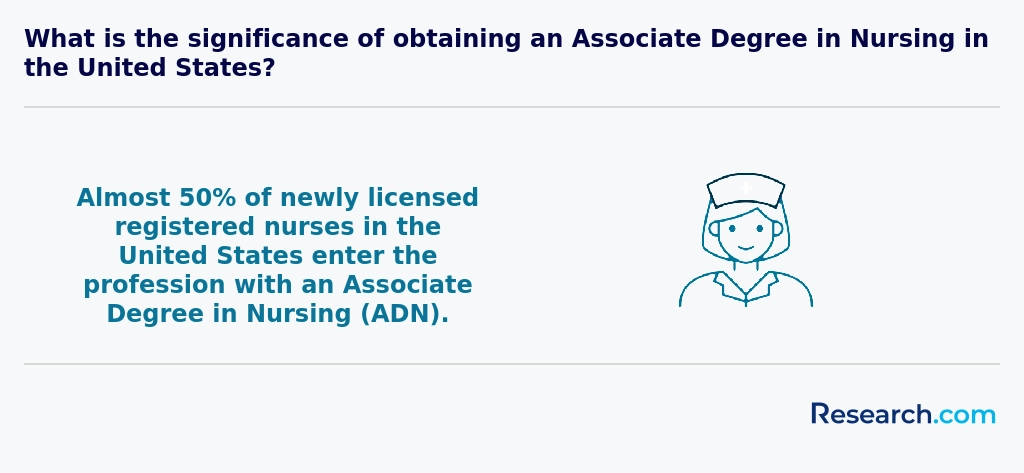
After completing your nursing degree in Provo, UT, the next critical step is obtaining your Registered Nurse (RN) license through the Utah Board of Nursing. First, you must apply online via the Utah Division of Occupational and Professional Licensing (DOPL), submitting proof of graduation from an accredited nursing program and passing background check. Once your application is approved, you’ll register for the NCLEX-RN exam through Pearson VUE.
- NCLEX-RN Preparation and Pass Rates: Utah nursing programs report average first-time NCLEX pass rates above the national benchmark of 85%, reflecting strong academic preparation. To optimize your success, utilize official study guides, participate in review workshops, and practice with question banks tailored to Utah’s scope of practice.
- Application Timeline and Fees: Plan for a processing time of 4–6 weeks after application submission. The DOPL application fee is approximately $125, and the NCLEX registration fee is $200. Budget for additional costs such as fingerprinting ($60) and transcript evaluation if required.
- Endorsement and Reciprocity: If you hold an out-of-state RN license, you may qualify for endorsement in Utah. Submit verification of licensure from your home state and demonstrate compliance with Utah’s continuing education requirements.
- Ongoing Certification and Renewals: Utah RNs must renew their license every two years, completing 30 contact hours of continuing education and complying with any new state regulations. Specialty certifications, such as CCRN or OCN, further enhance credibility and career mobility. For students comparing program costs and outcomes, our Affordable Online Bachelor's in Nursing Degree Programs Ranking in Ohio offers insights into budget-friendly pathways to licensure preparation.
Nursing degrees in Provo include a mix of core sciences and specialized nursing courses designed to build strong practical and theoretical skills. Graduates from popular programs at universities like Brigham Young University and Utah Valley University often mention how courses in anatomy, physiology, microbiology, and chemistry gave them a clear understanding of the human body's workings and disease processes.
Beyond basic sciences, expect classes such as Fundamentals of Nursing, Pharmacology, Medical-Surgical Nursing, Pediatric Nursing, Maternal and Newborn Nursing, Mental Health Nursing, and Community Health Nursing. One graduate described how Pediatric Nursing classes prepared them to confidently care for children during clinical rotations, easing initial nerves.
Hands-on clinical practicum experiences in local hospitals and clinics allow students to apply their coursework in real patient care scenarios, sharpening their critical thinking. Additionally, nursing leadership and research courses teach how to navigate healthcare systems and make evidence-based decisions-a practical skill set praised by recent Provo nursing grads.
Nursing degrees in Provo typically include a range of specializations that prepare students for focused career paths. Popular choices among graduates from local colleges and universities include Registered Nurse (RN) to Bachelor of Science in Nursing (BSN) tracks, which combine clinical practice with leadership development. Many students appreciate how these programs blend coursework with real-world experiences at nearby hospitals.
Other common options are Family Nurse Practitioner (FNP), geared toward providing primary care for all ages-a specialization especially in demand in Utah-and Psychiatric-Mental Health Nursing, which addresses the growing mental health needs locally. Provo nursing program specialization options also often include Pediatric Nursing, Geriatric Nursing, Nursing Education, and Critical Care Nursing, each shaping students' skills for specific patient groups and clinical settings.
For students seeking an accelerated path, many report success with bsn rn accelerated program offerings available in Provo. Choosing the right specialization can directly impact both job prospects and salary, making it wise to explore coursework and clinical opportunities early to align studies with career goals.
Start by checking the accreditation of nursing programs in Provo, since it directly affects licensure and job opportunities. Graduates from Brigham Young University, which is CCNE accredited, often share how this quality assurance boosted their confidence during licensing exams. Consider your current education level: most aiming to become registered nurses choose BSN programs, widely available in local schools, as these align with career advancement and higher salaries.
Cost is a big factor when choosing among the best nursing degree programs in Provo. While public options tend to be more affordable, private schools like BYU have higher tuition but offer generous financial aid. Remember to budget for extra expenses like uniforms and books. Many students appreciate programs with strong clinical partnerships-such as placements at Utah Valley Hospital-that offer real patient care experience and prepare you for nursing realities.
Look into NCLEX-RN pass rates published by the Utah Board of Nursing; programs in Provo generally exceed the national average, a sign of solid preparation. Also, if you plan to specialize, explore the certification needed to become a holistic np, which some local programs support through targeted coursework. By following these practical steps, you'll find affordable nursing schools Provo Utah that fit your goals and learning style.
Graduates with a nursing degree in Provo find several clear nursing career opportunities in Provo, starting with traditional clinical roles. Many begin as Registered Nurses (RNs) in hospitals or outpatient clinics near universities like Brigham Young University or Utah Valley University, where hands-on training is strong. These graduates often speak positively about the rewarding experience of serving diverse patient populations while benefiting from Provo's growing healthcare sector.
Some choose shorter paths such as Licensed Practical Nurse (LPN) programs offered locally, enabling quicker entry into nursing while gaining practical experience. Others pursue specialized fields by advancing to roles like Nurse Practitioners or Nurse Anesthetists, which require graduate education but offer higher salaries and autonomy. Successful graduates often highlight how focusing on specialties like pediatric or geriatric nursing aligns well with Provo's community needs.
Besides direct care, nursing degree job prospects Provo Utah include teaching, research, and health administration. Many local graduates join university faculty or contribute to research that improves care standards. For those balancing work and study, options such as Affordable Online Bachelor's in Nursing Degree Programs Ranking in Ohio provide flexible pathways to advance.
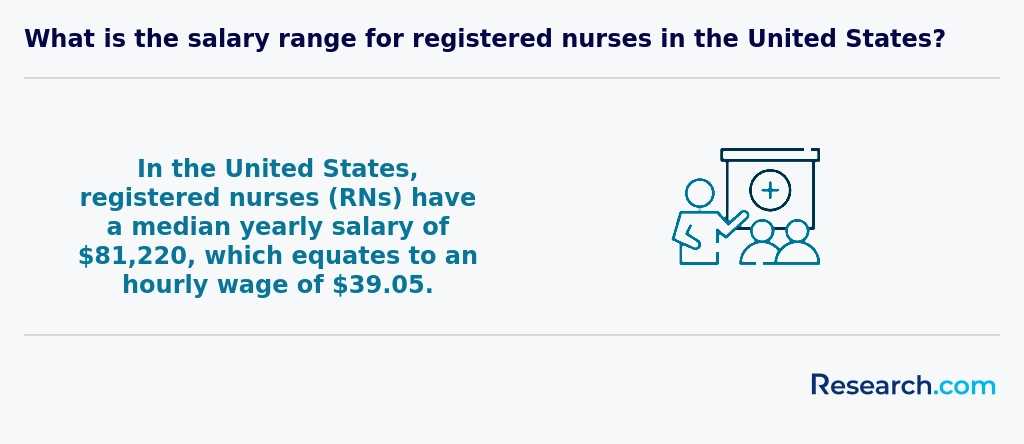
The nursing job opportunities in Provo are strong due to steady growth in healthcare facilities like Utah Valley Hospital and local clinics. Graduates from popular nursing programs at Provo colleges often find rewarding positions in diverse settings, from hospitals to community health centers. Many report feeling confident entering the workforce because of solid clinical training partnerships these schools maintain with local providers. The competitive salary of around $80,000 annually in Utah County, while lower than national averages, aligns well with the affordable cost of living, making the financial trade-off reasonable for new nurses.
Provo nursing degree employment outlook also benefits from state incentives such as loan forgiveness programs that help ease the burden on recent graduates. An important consideration for students is the manageable tuition, typically between $7,000 and $15,000 annually at public institutions, which supports a good return on investment. Those looking to advance quickly may explore flexible options like 1 year masters degree programs to enhance career prospects in a shorter timeframe.
2027 Best Nursing Degree Programs Ranking in Provo
Investing in your education is a significant decision that can shape your future, and the Research.com team understands the importance of making informed choices. To assist prospective students in Provo, we have meticulously crafted the "2027 Best Nursing Degree Programs Ranking in Provo." Our commitment to quality, credibility, and accuracy is reflected in the extensive research and analysis conducted to compile this ranking.
We utilized the following reputable data sources to ensure a comprehensive evaluation of nursing degree programs:
By exploring this ranking, readers will gain valuable insights into the best nursing degree programs available in Provo, empowering them to make well-informed decisions about their educational paths. For more details on our methodology, please visit our Research.com methodology page.

# 3 position
Provo College
Bachelor of Science in Nursing

# 4 position
Rocky Mountain University of Health Professions
Master of Science in Nursing

Frequently Asked Questions About nursing
Nursing degree students in Provo can maximize their learning by engaging actively in clinical placements offered through local hospitals like Utah Valley Hospital. These hands-on experiences, crucial for skill development, complement classroom instruction effectively. Additionally, students should utilize resources at institutions such as Brigham Young University and Utah Valley University, where simulation labs provide realistic patient care scenarios.
Joining study groups and nursing organizations enhances peer support and networking opportunities, which are vital for academic and professional growth. Staying informed about evolving healthcare practices by accessing journals and attending workshops also benefits students. According to the Utah Board of Nursing, Provo's nursing programs maintain strong graduate licensure exam pass rates, reflecting quality education.
The nursing field is rapidly evolving, with several emerging niches gaining prominence in Provo and across the U.S. One notable area is **telehealth nursing**, where nurses use technology to provide remote patient care. This niche has grown significantly due to increased demand for accessible healthcare services.
Another fast-growing specialty is **gerontological nursing**, addressing the needs of an aging population. Provo's demographic trends reflect a rise in older adults, increasing demand for nurses trained in elder care.
Additionally, **mental health nursing** is expanding, driven by greater awareness and investment in behavioral health services. The U.S. Bureau of Labor Statistics projects a 12% growth in registered nursing jobs by 2032, with demand especially high in these specialized fields.
After completing a nursing degree in Provo, preparing for the job market involves several key steps. First, graduates should obtain licensure by passing the NCLEX-RN exam, a mandatory requirement to practice as a registered nurse in Utah. The Utah State Board of Nursing provides detailed guidance on this process. Networking with local healthcare providers, such as those in Intermountain Healthcare, can improve employment prospects, as this system operates numerous hospitals and clinics in Provo. Additionally, seeking internships or volunteer opportunities during studies often leads to job offers after graduation.
Continuing education and certifications, like Basic Life Support (BLS) and Advanced Cardiovascular Life Support (ACLS), increase employability. According to the Bureau of Labor Statistics, the demand for registered nurses in Utah is projected to grow 17% through 2031, faster than the national average, highlighting strong job potential for well-prepared graduates.
Employers in Provo prioritize strong clinical skills when hiring nursing degree graduates. Proficiency in patient care, medication administration, and familiarity with electronic health records are essential. According to the Utah Department of Health, nurses in Provo must also demonstrate critical thinking and problem-solving abilities to handle diverse healthcare settings efficiently.
Communication skills rank highly, as nurses regularly interact with patients, families, and healthcare teams. Cultural competence is increasingly valued given Provo's growing population diversity. Additionally, time management and adaptability are key due to the fast-paced nature of medical environments here.
With the rise of telehealth, technical aptitude is also becoming a sought-after skill among local employers, reflecting national trends reported by the American Association of Colleges of Nursing.
Finding internships in Provo relevant to a nursing degree involves connecting with local healthcare facilities and educational institutions. Brigham Young University (BYU) and Utah Valley University (UVU) offer nursing programs that often partner with the Utah Valley Hospital and other clinics for clinical placements. These internships provide hands-on experience, essential for licensing and employment.
Students should begin by consulting their nursing program advisors, who typically have established contacts with hospitals and healthcare providers. Additionally, exploring the Utah Nurses Association resources can provide valuable internship listings and networking opportunities in Provo.
According to the Utah Department of Health, the demand for nursing professionals in Utah County is growing by approximately 15% annually, increasing internship availability in the region.
A nursing degree in Provo significantly improves career mobility and advancement opportunities. Graduates with an Associate's or Bachelor of Science in Nursing (BSN) can access a wider range of positions, including registered nurse (RN) roles in hospitals, clinics, and community health settings. According to the Utah Department of Workforce Services, Provo's healthcare sector is projected to grow by 15% through 2028, increasing demand for skilled nurses.
Higher degrees, such as a Master of Science in Nursing (MSN), open pathways to leadership, specialized clinical roles, and nurse educator positions. Employers in Provo often prefer candidates with BSN or higher due to evolving healthcare standards and patient care complexity.
Continuing education and certifications further enhance job prospects and potential salary increases in this competitive market.
Studying for a nursing degree in Provo equips students with skills essential for interdisciplinary healthcare roles. Local programs emphasize collaboration by integrating courses in communication, healthcare ethics, and clinical teamwork. This approach prepares nurses to work alongside physicians, therapists, and social workers effectively.
Provo's nursing schools often provide clinical experiences in diverse settings, such as hospitals and community clinics, fostering real-world interdisciplinary practice. According to the Utah Board of Nursing, over 80% of graduating nurses here report confidence in working within multidisciplinary teams, reflecting the curriculum's focus.
Students also benefit from partnerships between nursing programs and Utah Valley healthcare providers, enhancing exposure to various professional roles and promoting comprehensive patient care understanding.
When deciding between a thesis and a non-thesis nursing degree program in Provo, consider your career goals carefully. Thesis programs typically emphasize research skills, preparing students for roles in academia, advanced clinical practice, or doctoral studies.
Non-thesis options focus more on practical nursing skills and clinical experience, which can be ideal for those aiming to enter the workforce quickly or pursue leadership roles in healthcare settings.
Data from the Utah Board of Nursing highlights that 35% of nursing graduates in Provo pursue advanced degrees involving research, reflecting the value of thesis programs for certain career paths.
Budget and timeline are important too; thesis programs often require more time and resources due to research commitments.
Review program curricula from Provo-based institutions like Brigham Young University and Utah Valley University to match your interests with available options.
Students based in Provo seeking to study nursing abroad often explore exchange programs and international clinical placements offered through partnerships between local institutions and foreign universities. Brigham Young University, a major Provo institution, supports global nursing experiences, allowing students to gain exposure to diverse healthcare systems.
While most nursing programs in the United States require completion of American-based coursework for licensure eligibility, study abroad components can enhance practical skills and cultural competence. According to the American Association of Colleges of Nursing, international experiences are increasingly valued for developing well-rounded nurses.
Additionally, students interested in global nursing careers may consider accredited online programs or dual-degree options incorporating international practice elements while remaining enrolled in US institutions. Such options ensure progress toward US licensure while benefiting from educational diversity.
Students pursuing nursing degrees in Provo have several part-time job options that complement their education. Working as a certified nursing assistant (CNA) is a common opportunity, offering hands-on patient care experience. According to the Utah Department of Workforce Services, CNAs in Provo earn an average wage of $14 to $17 per hour, providing practical skills alongside coursework.
Other options include medical scribes and pharmacy technicians, which help develop clinical knowledge and familiarity with healthcare settings. Local hospitals, such as Utah Valley Hospital, often hire part-time staff, giving students real-world exposure to patient interaction and hospital operations.
Additionally, Provo's numerous outpatient clinics provide roles in patient transport or medical reception, which sharpen communication and organizational skills. These roles not only build a strong resume but also support nursing students in balancing practical and academic demands.
Nursing students in Provo have numerous networking opportunities that can enhance their educational and professional growth. Institutions like Brigham Young University offer student nursing associations that connect learners with peers and local healthcare professionals. These groups often host events, workshops, and career fairs, fostering relationships in the Utah healthcare community.
Local hospitals and clinics, including Utah Valley Hospital, provide internships and clinical placements where students can network with practicing nurses and medical staff. Additionally, regional chapters of national organizations like the American Nurses Association offer access to conferences and seminars in the Provo area, facilitating professional connections and career development.
Alumni networks provide valuable support to nursing degree students in Provo by connecting them to experienced professionals within the local healthcare community. These networks often facilitate mentorship, career guidance, and job placement opportunities, which are especially important in a competitive job market.
According to data from the Utah Nurses Association, over 70% of nursing graduates find employment within six months of graduation, often through connections made via alumni networks. Additionally, alumni events promote ongoing education and professional development, helping students stay informed about advances in nursing practices.
Engagement with alumni can also increase access to clinical placements in Provo's hospitals and clinics, enhancing practical experience for students before entering the workforce.
In Provo, nursing degree programs often allow students to tailor their studies to match specific career goals through elective courses and clinical experiences. Many local institutions offer concentrations such as pediatric nursing, gerontology, or critical care, enabling focused skill development.
Students can also customize their schedules by choosing between traditional, accelerated, or online formats depending on their personal commitments. According to the Utah System of Higher Education, nearly 30% of nursing students in the region opt for flexible program formats to better balance work and study.
Furthermore, partnerships with nearby healthcare providers in Provo offer practical clinical placements aligned with students' interests. Prospective nurses can use these options to gain relevant hands-on experience, directly supporting their intended career path.
Nursing students in Provo face several common challenges as they pursue their degrees. One significant hurdle is managing heavy coursework alongside clinical practice hours. The rigorous curriculum demands strong time management skills to balance lectures, labs, and internships. Additionally, limited availability of local clinical sites can increase competition among students, potentially impacting practical experience opportunities.
Stress and burnout are often reported due to the intensity of nursing programs, with students frequently citing long study hours and emotional strain from patient care. According to the Utah Nursing Workforce Report (2023), approximately 65% of nursing students statewide express concerns about academic pressure and mental health.
Financial constraints also affect many Provo students, as the cost of tuition and supplies can be high without sufficient scholarships or aid.
With a nursing degree in Provo, graduates can pursue several respected professional certifications that enhance career opportunities. Common certifications include the Certified Nurse Assistant (CNA), Licensed Practical Nurse (LPN), and the widely recognized Registered Nurse (RN) licensure. Beyond these, many choose advanced certifications like the Certified Registered Nurse Anesthetist (CRNA) or Family Nurse Practitioner (FNP).
Provo nurses also have access to certifications from the American Nurses Credentialing Center (ANCC), which offers specialties such as pediatric, gerontology, and psychiatric mental health. According to the Utah Department of Health, these credentials improve employability in local hospitals and clinics.
Licensure is required statewide, and professional certifications can significantly increase salary potential and job security within the region's growing healthcare sector.
To write a winning application for a nursing program in Provo, begin by thoroughly researching local schools such as Brigham Young University, which is well-regarded for its nursing education. Clearly highlight your academic achievements, including your GPA and relevant science coursework.
Strong letters of recommendation are vital; seek endorsements from professionals who know your commitment to healthcare. Be sure to craft a compelling personal statement that explains your motivation to join nursing and your connection to the Provo community.
Provo nursing programs often emphasize clinical experience, so include any volunteer or work history in healthcare settings. Meeting or exceeding prerequisites and submitting all required documents on time significantly improves your chances.
The global perspective on a nursing career highlights its critical role in healthcare systems worldwide. In the United States, including Provo, nursing remains one of the fastest-growing professions, with the U.S. Bureau of Labor Statistics projecting a 9% growth from 2020 to 2030. This demand reflects global trends emphasizing the need for skilled healthcare providers to address aging populations and chronic diseases.
Internationally, nurses are recognized not only as caregivers but also as vital participants in public health policy and community education. In Provo, nursing programs align with these global standards by offering comprehensive training that includes cultural competence and leadership skills. According to the Utah Department of Health, nurses in Utah contribute significantly to improved health outcomes.
Moreover, global health organizations, such as the World Health Organization, advocate for expanding nursing education to meet worldwide healthcare challenges. Students pursuing nursing degrees in Provo can expect a curriculum reflecting these internationally accepted competencies, preparing them for diverse roles.
Gaining practical experience while studying for a nursing degree in Provo is essential to prepare for real-world healthcare settings. Many nursing programs in the area partner with local hospitals and clinics, such as Utah Valley Hospital, to offer clinical rotations. These rotations allow students to apply classroom knowledge in supervised environments.
Additionally, Provo nursing students can participate in internships and externships coordinated through their schools. These positions provide hands-on patient care experience and exposure to various nursing specialties.
Registered nursing programs in Utah require at least 500 hours of clinical practice, helping ensure graduates are well-prepared for licensure exams and employment.
Choosing the right concentration within a nursing degree program in Provo requires understanding your career goals and the local healthcare landscape. Provo's growing healthcare sector offers diverse opportunities in areas like acute care, gerontology, and mental health nursing.
Research the demand for specialties in Utah by consulting resources like the Utah Department of Health, which highlights a rising need for registered nurses in elder care and primary care settings. Consider your interests, whether in pediatrics, surgery, or community health, as this affects your job prospects after graduation.
Additionally, evaluate program offerings in Provo colleges, focusing on clinical training quality and partnerships with local hospitals.
- 2027 Best Nursing Degree Programs Ranking in Las Vegas
- 2027 Best Nursing Degree Programs Ranking in Denver
- 2027 Best Nursing Degree Programs Ranking in Colorado Springs
- 2027 Best Nursing Degree Programs Ranking in Phoenix
- 2027 Best Nursing Degree Programs Ranking in Tempe
- 2027 Best Nursing Degree Programs Ranking in Los Angeles
- 2027 Best Nursing Degree Programs Ranking in San Francisco
- 2027 Best Nursing Degree Programs Ranking in San Diego
- 2027 Best Nursing Degree Programs Ranking in Lubbock
- 2027 Best Nursing Degree Programs Ranking in Lincoln
See What Experts Have To Say About Studying Nursing
Read our interview with Nursing experts


- Guide to Making a Career Change to Nursing https://teach.com/online-ed/healthcare-degrees/online-msn-programs/career-change-to-nursing/
- Study Nursing Abroad | Boomerang International Educational Services https://boomerangedu.com/study-nursing-abroad/
- Know more about thesis vs non- thesis: what is the difference? https://studyfans.com/en/blogs/816
- How Much Can I Earn With a BSN? https://www.allnursingschools.com/bsn/salary/
- Nursing Internship and Externship Programs https://jobs.mayoclinic.org/nursinginternexternprograms
- Enhancement of Learning Abilities of Student Nurses: Teaching and Learning Strategies | IntechOpen https://www.intechopen.com/chapters/86566
- Bachelor of Science in Nursing (BSN) Program Provo | Marsha Fuerst School of Nursing https://marshafuerst.com/bachelor-of-science-in-nursing-bsn-program-provo/
- Pros And Cons Of Online Nursing In 2025 | Davis & Elkins https://www.dewv.edu/the-pros-and-cons-of-online-nusing-in-2025-is-it-right-for-you/
- What Are the Best RN Certifications for Your Career? https://credenzahealth.com/career-advice/what-are-the-best-rn-certifications-for-your-career
- Nurse Salary https://nursinglicensemap.com/resources/nurse-salary/


