2027 Most Popular MBA Degree Programs Ranking in Ithaca

Co-Founder and Chief Data Scientist
Choosing the right MBA program in Ithaca can feel overwhelming. That's why this article presents the 2027 Most Popular MBA Degree Programs Ranking in Ithaca, carefully created by the Research.com team of data scientists.
With clear insights and reliable data, this ranking will help you make informed decisions about which MBA programs truly stand out.
Whether you want to advance your career, expand your network, or gain valuable skills, exploring these top programs is a great step toward your goals.
Understanding your options empowers you to invest in a future you can feel confident about.
Key benefits of getting MBA degree in Ithaca
- MBA graduates in the US often enjoy strong earning potential, with average salaries for roles like marketing managers reaching around $135,000 per year, offering a rewarding financial future.
- Graduates from universities in Ithaca, such as Cornell, pursue diverse career paths including finance, consulting, and entrepreneurship, showcasing the versatile opportunities an MBA provides locally and beyond.
- Completing an MBA online from an Ithaca-based school allows flexibility to balance work and study, helping many students gain practical experience while advancing their education efficiently.
- 2027 Most Popular MBA Degree Programs Ranking in Ithaca
- What can I expect from MBA degree in Ithaca?
- Where can I work with MBA degree in Ithaca?
What can I expect from MBA degree in Ithaca?
Picture yourself diving into the MBA experience at Cornell's SC Johnson College of Business right in the heart of Ithaca, where ambition meets breathtaking gorges. The average cost? Around $76,000 per year, like investing in a launchpad for your future. Graduates often reminisce about balancing rigorous courses with hiking breaks through nature's classroom just beyond campus.
Imagine charging through leadership challenges and strategy sessions, funded by a tuition that reflects the premium education and close-knit community you're joining. Scholarship hunts and assistantship opportunities add a dash of hope-and sometimes relief-softening the financial edges that come with such an Ivy League package.
When floating through Cornell's corridors filled with entrepreneurial energy, those who've earned their MBA here applaud how the cost becomes an investment paid back through global connections and competitive salaries. It's not just a tuition figure; it's the price tag on opportunity wrapped in Ithaca's unique blend of natural beauty and academic prestige.
Where can I work with MBA degree in Ithaca?
Imagine stepping out of a bustling MBA classroom at Cornell or Ithaca College, diploma in hand, ready to dive into a city alive with opportunity. Here, MBA graduates find themselves woven into the fabric of Ithaca's diverse industries, from steering financial strategies at Cornell's sprawling campus to leading innovation in healthcare hubs like Cayuga Medical Center.
One graduate shared how navigating hospital administration felt like orchestrating a symphony-balancing budgets, patient care, and team dynamics, all skills sharpened during their MBA journey. Meanwhile, another tapped into Ithaca's brisk tech scene, launching product initiatives at a local biotech startup, fueled by the region's entrepreneurial pulse and incubators like Ithaca Startup Works.
Small business consultants, nonprofit strategists, and financial analysts alike discover Ithaca's warm embrace, thriving in environments that champion creativity and community. The MBA in Ithaca isn't just a degree; it's a passport to shape the city's future, where academic insight meets real-world impact every day.
In Ithaca, an MBA can open doors to rewarding careers, with salaries often dancing between $65,000 and $130,000 depending on the field and experience. Graduates from Cornell University and Ithaca College step into roles in education administration and research, where annual wages typically range from $70,000 to $95,000. Imagine joining a vibrant team managing innovative projects at a local startup or university lab, knowing your MBA credentials bolster your earning power in this tight-knit community.
For those diving into tech or business development, median salaries hover around $90,000 to $115,000, reflecting not only the skills gained in MBA programs but also the growing entrepreneurial spirit in Ithaca's blossoming markets. Picture yourself collaborating with fellow alumni to steer product launches-your paycheck echoing real progress.
Even in less saturated sectors like nonprofit management or public administration, MBAs find meaningful roles with salaries between $60,000 and $85,000, fueling passions to impact Ithaca's community while enjoying a comfortable lifestyle. The mix of prestigious schools and a lower cost of living creates a unique balance where an MBA truly thrives.
- The full-time MBA cost in Ithaca ranges from $60,000 to $75,000 for the entire program, excluding living expenses.
- Entry-level MBA graduates typically earn between $70,000 and $80,000 annually, with potential to exceed $120,000 after five to ten years of experience.
- Key industries for MBA jobs in Ithaca include finance, healthcare management, education, and technology.
- MBA programs emphasize experiential learning like internships and consulting projects to enhance practical skills and job opportunities.
- Ithaca's job market benefits from strong connections to research institutions and tech startups, supporting MBA graduate employment.
Imagine dedicating a focused two years at Cornell's Samuel Curtis Johnson Graduate School of Management, where full-time MBA students immerse themselves in a dynamic blend of theory and hands-on projects. Graduates often recall the whirlwind of core business classes intertwined with electrifying consulting gigs that stretched minds and networks alike. This 20-month journey, common in Ithaca, feels like an intense yet rewarding sprint toward mastery.
For those juggling a day job and ambitions, part-time or executive routes-though rare in Ithaca-offer a gentler tempo, stretching from about 2.5 to 3 years. It's a balancing act many working professionals find empowering, attending classes in the evening while weaving newfound skills into their careers steadily.
While accelerated MBAs, wrapping up within 12 to 18 months, are everywhere else, Ithaca's unique offering embraces the traditional timeline, suggesting that true transformation takes time. The city's rhythm encourages savoring every challenge, celebrating small victories, and building meaningful connections that last well beyond graduation.
Understanding the true value of an MBA goes beyond tuition figures-evaluating the return on investment (ROI) helps prospective students gauge how quickly they can recoup costs and achieve career milestones. In Ithaca, NY, where average MBA program expenses range from $56,000 to over $202,000, a clear ROI analysis empowers candidates to make data-driven decisions. Most graduates in Ithaca report starting salaries between $80,000 and $100,000. Assuming a midpoint salary of $90,000, an MBA that costs $85,000 (including tuition and living expenses) could break even in under two years, considering average post-tax income increases of 30% versus pre-MBA earnings. Factoring in bonuses, accelerated career progression, and employer-sponsored tuition assistance further compresses this payback period. To maximize ROI, consider program features such as guaranteed internships, robust career services, and alumni mentoring networks. For students seeking cost-effective pathways, exploring the Affordable Online Master's in MBA Degree Programs can reduce upfront expenses by up to 25%, translating into faster financial returns. Long-term ROI also hinges on industry choice and specialization. Finance, data analytics, and consulting roles typically offer higher salary growth, while entrepreneurship tracks may deliver non-monetary benefits such as equity stakes. By mapping projected salary trajectories against total program costs, candidates can prioritize specializations that align with both passion and profit. Ultimately, a comprehensive ROI assessment-combining tuition, living costs, scholarship opportunities, and post-MBA salary projections-ensures that pursuing an MBA in Ithaca, NY, is not just an academic investment but a strategic career move.
Picture walking the vibrant halls of Cornell's Johnson School, the buzz of face-to-face strategy sessions and coffee chats with professors who know you by name. That's the heartbeat of an on-campus MBA in Ithaca-immersive, tactile, and alive with spontaneous conversations that spark real-world connections. Graduates often recall the night they landed internships through a hallway encounter or cracked complex case studies during lively group projects in the heart of campus life.
Now shift gears to an online MBA where flexibility isn't just a perk-it's a lifeline. Imagine juggling work deadlines, family dinners, and virtual lectures streamed directly to your living room. Ithaca's online MBAs strip away the commute but demand fierce self-discipline and time mastery. Alumni praise the ability to absorb the same AACSB-accredited curriculum while crafting their schedules in real-time, although the serendipitous hallway banter is replaced by scheduled Zoom discussions.
Both paths converge academically but diverge in experience: tangible classrooms pulse with energy and networking at Cornell, while online tracks offer a personalized, adaptable rhythm for the busy Ithacan professional.
The average MBA degree cost in Ithaca often surprises newcomers with its blend of prestige and price. At Cornell University's SC Johnson College of Business, where most MBA hopefuls gather, the leap to professional transformation generally comes with a median total investment of around $80,275. Graduates often reminisce about the whirlwind of late-night group projects and networking events, balancing ambition against tuition fees and living costs. It's an investment that feels daunting, yet promising, especially when imagining the bustling Ithaca streets filled with innovators and future business leaders.
Living in Ithaca while earning an MBA means budgeting not just for tuition but also the practical rhythms of daily life-housing, meals, and the occasional energizing coffee shop catch-up. These expenses make up a big part of total MBA program expenses Ithaca NY students experience, with many graduates recalling the challenge of stretching every dollar during their two-year journey. Yet, the rich campus environment and close-knit alumni network often turn these financial strains into shared stories of growth and resilience.
This cost reflects the value of a vibrant educational ecosystem where career trajectories shift dramatically. Many who've walked these halls attest that financial aid and scholarships light the path forward, softening the initial burden. For detailed insights into career outcomes post-MBA, students frequently turn to research.com, which helps illuminate the promising returns on this considerable investment.

When considering an MBA program in Ithaca, NY, it's essential to explore the various options available, including popular mba colleges that offer a range of specializations and learning formats. This exploration can help prospective students find the best fit for their career goals and personal preferences, whether they're interested in traditional on-campus programs or flexible online options. By researching and comparing different colleges, students can make informed decisions about their educational investments and set themselves up for success in the competitive business landscape.
Imagine stepping into Cornell's Samuel Curtis Johnson Graduate School of Management, portfolio in hand, ready to conquer the business world-while your financial worries shrink thanks to merit-based scholarships. These awards, given for leadership flair and academic sparks, can slash tuition costs dramatically or even wipe them away entirely, turning dreams into reality for many MBA hopefuls in Ithaca.
Beyond scholarships, picture yourself juggling a part-time MBA and a demanding job, where your employer's tuition reimbursement acts like a financial safety net, easing the strain as you climb both career and classroom ladders. Federal Direct Unsubsidized Loans offer flexible borrowing options too, allowing you to focus on grades without immediate payment pressure.
Graduate assistantships at Ithaca's business schools become a living classroom-earning stipends or tuition cuts as you assist in research or teaching, creating a rich blend of earning, learning, and networking. Local grants and private scholarships add layers of support, sourced from community and professional groups, transforming the hefty $60,000-$120,000 cost into a manageable, investable future.
Evaluating the true value of an MBA in Ithaca requires balancing tuition and living expenses against post‐graduation earnings and career acceleration. On average, MBA students in Ithaca invest roughly $56,850 in tuition and fees, plus an estimated $20,000–$30,000 annual living cost. Despite this outlay, local alumni report starting salaries between $80,000 and $100,000, yielding a payback period of approximately 2–3 years. Key ROI Factors: • Cost vs. Earnings Growth: With average post‐MBA salaries rising to six figures within five years, the net present value (NPV) of an Ithaca MBA often turns positive by year three. • Specialization Impact: Finance and Business Analytics graduates tend to see 10%–15% higher starting salaries compared to other tracks, shortening their breakeven timeline. • Career Services & Networking: Access to Cornell’s robust alumni network and dedicated career coaches can drive salary uplifts of up to 20%, further improving ROI. Maximizing Your ROI: 1. Leverage Scholarships and Fellowships – Reducing upfront costs accelerates your break-even point. 2. Pursue High‐Demand Specializations – Fields like data analytics or international business often command premium salaries. 3. Consider Flexible Delivery – Online MBA options can lower overall expenses by up to 25%, especially when combined with employer tuition support. For those exploring cost-effective pathways, the Affordable Online Master's in MBA Degree Programs offer a compelling alternative without sacrificing quality. By carefully assessing these ROI drivers and tailoring your program choice, you can ensure that your MBA investment in Ithaca not only enhances your professional skills but also delivers measurable financial returns.
Picture stepping into a bustling classroom at a top Ithaca university, surrounded by future leaders who all share one thing: a solid bachelor's degree from an accredited institution, the very passport to unlocking MBA opportunities here. Graduates often recall how this foundational credential felt like sharpening a key before entering the world of Ithaca's rigorous business education.
Next comes the gateway challenge-GMAT or GRE scores. Think of these tests as your mental agility checkpoint, measuring analytical and verbal prowess. Many MBA hopefuls at Cornell or Ithaca College remember the anxious excitement of submitting these scores, only to find they opened doors rather than closed them. Some admit luck helped, but preparation was their true ally.
Work experience is more than a checklist; it's the real-world seasoning that flavors classroom debates. Those who thrived had accumulated two to three years of full-time employment, turning boardroom battles into lively case studies. Stories from alumni highlight how sharing these experiences made networking in Ithaca feel authentic and inspiring.
Finally, applicants gather their academic transcripts, glowing letters of recommendation, heartfelt personal essays, and polished résumés-pieces of their unique story. For international students, proving English mastery through IELTS or TOEFL ensures they don't just keep up but actively thrive in the vibrant Ithaca academic dance.
Understanding the long-term return on investment (ROI) of an MBA is crucial for prospective students evaluating their educational options. This section explores how an MBA not only transforms career trajectories but also builds a network and skill set that yields benefits well beyond graduation. When analyzing ROI, it’s important to consider both tangible benefits, such as salary increases and job placements, and intangible ones, such as the quality of mentorships, alumni connections, and career support services. Data suggests that graduates from reputable programs tend to experience significant career growth within a few years post-graduation, underscoring that the initial financial commitment can eventually pay off through higher lifetime earnings and strategic roles within organizations. Moreover, prospective students should weigh factors like the flexibility of modern course delivery methods and the potential to maintain employment while studying. For example, many candidates are turning to inexpensive online mba programs no gmat that offer both affordability and reputable accreditation-thus ensuring that quality education remains accessible without compromising professional obligations. By reviewing cost comparisons, scholarship opportunities, and post-graduation outcomes, future MBA candidates can make informed decisions that align with both their financial situations and long-term career ambitions. This holistic approach not only emphasizes immediate academic excellence but also reinforces the value of continuous professional development throughout one’s career.
In Ithaca, an MBA isn't just a degree-it's a dynamic journey through core courses that shape savvy business leaders ready to conquer real markets. Picture yourself alongside fellow grads from Cornell and Ithaca College, diving into Financial Accounting and Analysis where the art of reading balance sheets turns into your daily toolkit. Marketing Management classes spark creativity, guiding you through the noise of customer behavior and brand wars in fiercely competitive industries.
Operations and Supply Chain Management aren't abstract theories here; they unfold as hands-on challenges mirroring upstate New York's agricultural logistics, making every lesson resonate. Organizational Behavior courses aren't about dull psychology-they're vibrant explorations of team energy and corporate culture that grads say changed their entire approach to leadership.
Strategic Management acts as the cerebral playground, where case studies become your battleground for real-world decision-making. Adding a layer of soul, Business Ethics and Corporate Social Responsibility ground you in values that Ithaca's eco-conscious vibe breathes deeply into each discussion.
- Financial Accounting and Analysis
- Marketing Management
- Operations and Supply Chain Management
- Organizational Behavior
- Strategic Management
- Business Ethics and Corporate Social Responsibility
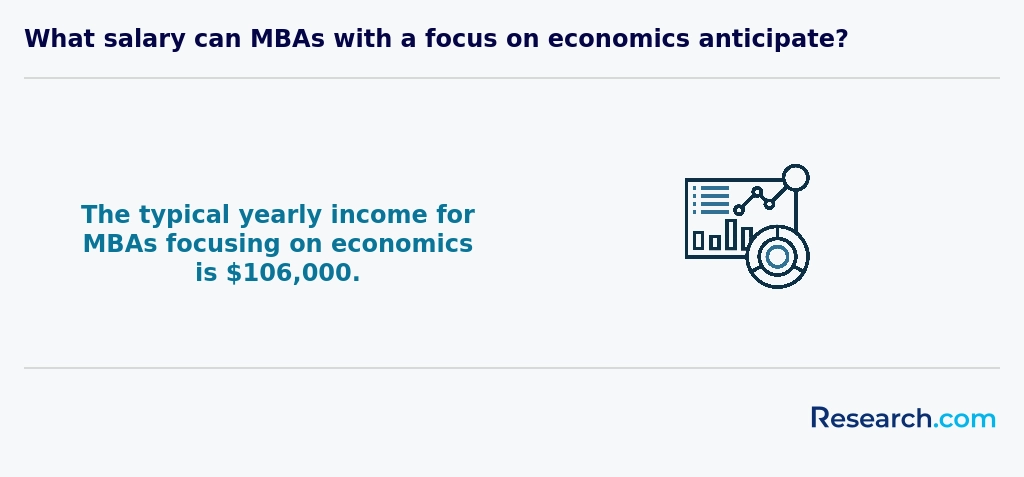
Picture yourself in Ithaca's vibrant classrooms, where MBA specializations act like personalized maps charting your unique path through the business jungle. Finance is a favorite, with graduates describing their dive into investment puzzles and corporate strategies as exhilarating, fueled by close ties to bustling financial hubs nearby. Others swear by the pulse of Marketing, tapping into the latest digital trends and consumer mindsets, crafting campaigns that feel as alive as the local Ithaca entrepreneurs pitching fresh ideas on campus.
For those drawn to innovation, Technology Management sparks a different kind of excitement, honing leadership skills that graduates say transformed them into tech-savvy trailblazers ready to steer startups or tech departments. Exploring MBA specializations in Ithaca also means stepping into realms like Operations and Supply Chain Management or Healthcare Management, fields where students often witness theories come alive in cutting-edge projects linked to New York's growing industries.
Part-time or executive MBA grads often celebrate the flexibility that lets them sharpen expertise while working. If affordability is on your mind, check out the most affordable online accounting degree programs to balance cost with your ambitions in this dynamic education landscape.
Choosing the best MBA programs in Ithaca NY feels like navigating a labyrinth of dreams and deadlines. Imagine a recent graduate walking through Cornell's SC Johnson College of Business halls, energized by the buzz of executive MBA cohorts sharing tales of real-world strategy and innovation. Tuition here hovers around $76,000, aligning with elite U.S. business schools-but imagine the calculated trade-off, balancing cost with moderate living expenses typical of Ithaca's cozy community vibe. Graduates often recall how Cornell's AACSB accreditation wasn't just a badge on their diploma, but a spotlight opening doors to global opportunities and respected career paths.
Picture a day in the life of an MBA candidate customizing electives-maybe sustainability or marketing-tailoring their journey like an artist refining a canvas. This flexibility delivers more than education; it's a pathway to personal passion and professional growth. Many students leverage the school's expansive alumni network and corporate partnerships to secure internships, stepping stones toward lifelong careers.
When concrete career moves matter, combining an Ithaca MBA with career-focused training creates an unbeatable synergy-especially for those seeking affordable MBA degrees Ithaca 2027 can offer. Delving beyond tuition and programs, ask yourself: which MBA will ignite your ambition and anchor your future?
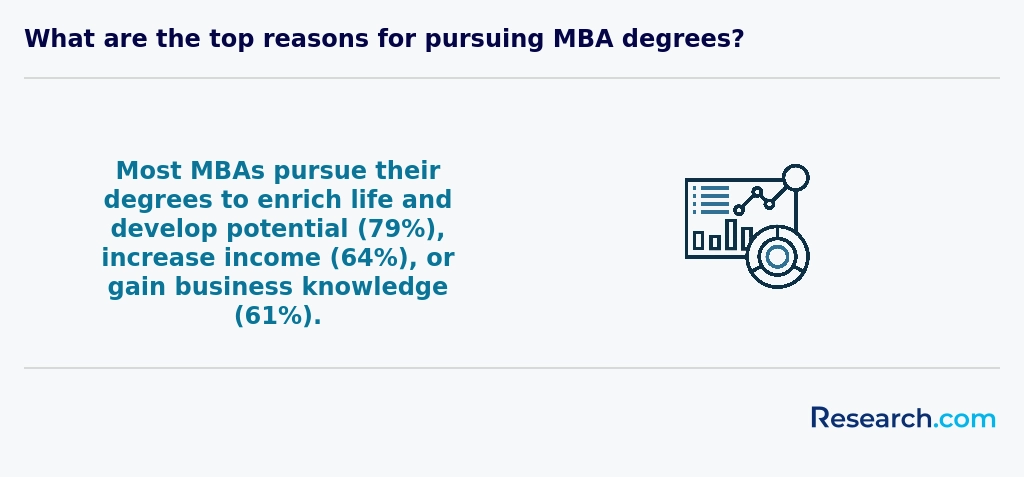
The moment graduates from popular MBA colleges in Ithaca step into the city's vibrant blend of education, technology, and agriculture, they unlock a treasure trove of career possibilities. Imagine leading a cutting-edge startup fueled by Cornell's innovative energy or steering operations at an emerging agri-tech firm - these business management jobs Ithaca NY offer breathe life into textbook theories. Many MBA holders become fearless business development managers or operations directors, crafting strategies amid Ithaca's buzzing entrepreneurial scene.
Beyond startups, some graduates find themselves consulting with regional banks or advising local firms on financial strategies, a niche that, while smaller than New York City's financial giants, still offers fulfilling financial analyst roles and investment advisory work. The region's charm lies in balancing ambition with community spirit-healthcare management and nonprofit leadership are spheres where MBAs can spark real change, blending business acumen with social impact.
For a closer look at how others have navigated this landscape, explore the popular mba colleges in Ithaca, where stories of transformation and opportunity resonate deeply.

MBA graduates in Ithaca find themselves woven into a textured patchwork of business management careers in Ithaca NY, where opportunity dances between academia, agriculture, and tech innovation. Imagine a recent graduate from Cornell's SC Johnson College of Business stepping into a bustling startup hub, leveraging connections forged in coursework and local internships-this blend of education and hands-on experience shapes a uniquely fertile job market.
With median salaries ranging from $90,000 to $110,000 in management roles, many graduates enjoy the thrill of strategic influence in finance or healthcare administration. Yet, it's the city's intimate scale that truly sharpens their edge; networking is not just encouraged, it's essential. The relatively small local corporate landscape nudges MBA holders toward regional companies and nonprofits hungry for project management and innovation leadership.
In this environment, some turn to inexpensive online mba programs no gmat to keep momentum while exploring ventures that span Ithaca's entrepreneurial ecosystem. Here, the MBA job market outlook in Ithaca thrives on blending bold ideas with practical pathways, rewarded by solid career services unique to its colleges.
2027 Most Popular MBA Degree Programs Ranking in Ithaca
Investing in your education is a significant decision that can shape your future, and the Research.com team understands the importance of making informed choices. To assist prospective students in Ithaca, we have meticulously crafted the "2027 Most Popular MBA Degree Programs Ranking in Ithaca." Our commitment to quality, credibility, and accuracy is reflected in the extensive research and analysis conducted to compile this ranking.
We utilized the following reputable data sources to ensure a comprehensive evaluation of MBA programs:
By exploring this ranking, readers will gain valuable insights into the most popular MBA degree programs in Ithaca, empowering them to make well-informed decisions about their educational investment. For more details on our methodology, please visit our Research.com methodology page.


Frequently Asked Questions About MBA
Students pursuing an MBA degree in Ithaca can maximize their learning by actively engaging with local resources and networks. Ithaca is home to reputable institutions like Cornell University, offering access to expert faculty and extensive alumni connections. Leveraging internships and partnerships within Ithaca's diverse economy, including tech startups and agricultural businesses, provides practical experience that complements academic knowledge.
Participating in case competitions and student organizations focused on business can develop leadership and teamwork skills. Utilizing career services at schools can enhance job placement prospects, as Cornell's MBA program reports over 90% employment within three months post-graduation, according to recent career surveys.
The MBA field in Ithaca is expanding beyond traditional business disciplines. Emerging niches include sustainability management, where graduates focus on integrating environmental responsibility with business strategy. This area is gaining traction due to local demand for green business practices and aligns with New York State's push for sustainable development, supported by data from the New York State Energy Research and Development Authority.
Another growing specialty is data analytics and business intelligence. MBA programs in Ithaca now often offer courses that emphasize big data, artificial intelligence, and their application in decision-making. The growing tech presence in the region encourages this trend, as reported in the latest Ithaca Economic Development statistics.
Healthcare management is also an expanding niche within Ithaca's MBA offerings, reflecting the state's large healthcare system employment sector. Business leaders with skills in healthcare administration are increasingly sought after for efficient management and innovation in patient services.
After completing an MBA degree in Ithaca, preparing for the job market involves several key steps. First, leverage the career services at local institutions like Cornell University, as they offer networking events, resume workshops, and interview preparation tailored to MBA students. According to the National Association of Colleges and Employers (NACE), MBA graduates who actively engage with career resources have 20% higher placement rates within six months of graduation.
Gain practical experience through internships or consulting projects with Ithaca-area companies. This real-world exposure enhances your resume and broadens your professional network. Alumni connections in Ithaca's business community can also provide valuable mentorship and job leads.
Finally, stay informed about industry trends in the region, particularly in sectors thriving in New York State, such as technology, finance, and sustainable business. This knowledge allows MBA graduates to tailor their job search effectively and position themselves as competitive candidates.
Employers in Ithaca prioritize several key skills when hiring MBA graduates. Leadership and strategic thinking rank highly, as businesses seek individuals who can guide teams and make informed decisions. According to the Graduate Management Admission Council's 2023 report, 89% of employers value communication skills, highlighting the need for clear and persuasive interpersonal abilities.
Analytical skills are crucial, especially with growing data-driven decision-making in local companies. Proficiency in financial management and understanding market trends are also in demand. Employers in Ithaca often look for adaptability and problem-solving capabilities, reflecting the evolving business environment in New York State.
Networking and collaboration skills are essential, with around 75% of regional employers emphasizing team-oriented work. These competencies prepare MBA graduates to contribute effectively within diverse and innovative workplaces.
Finding internships in Ithaca relevant to an MBA degree involves leveraging local resources and university connections. Cornell University's Samuel Curtis Johnson Graduate School of Management, located in Ithaca, is a key hub offering numerous internship opportunities through its career services. According to Cornell's 2023 employment report, over 70% of MBA students secured internships within the New York state area, many specifically in Ithaca's growing business sectors.
Students should explore networking events, job fairs, and alumni networks facilitated by these programs. Local businesses, including technology startups and agricultural companies, frequently seek MBA interns for leadership and business development roles. Additionally, online platforms like Handshake and LinkedIn tailored to Cornell students can be valuable tools for finding internships aligned with an MBA focus.
In Ithaca, obtaining an MBA degree significantly enhances career mobility and advancement opportunities. According to the U.S. Bureau of Labor Statistics, MBA holders nationwide often experience faster promotions and higher earning potential compared to those with only a bachelor's degree. Locally, Ithaca's strong business environment, including industries like technology, education, and entrepreneurship, values the leadership and analytical skills developed through an MBA.
Graduates from MBA programs in Ithaca gain access to expansive alumni networks, which play a vital role in job placement and career growth. Additionally, the Cornell SC Johnson College of Business, a nearby top-ranked institution, contributes to the region's professional ecosystem by fostering connections with local companies.
Overall, an MBA can act as a catalyst for professionals seeking to climb the corporate ladder or transition into management roles within Ithaca's diverse job market.
Studying for an MBA degree in Ithaca offers a distinctive advantage for those seeking interdisciplinary roles. The presence of institutions like Cornell University provides access to business education that integrates knowledge from fields such as technology, healthcare, and environmental science. This approach reflects the increasing demand for leaders who can navigate complex problems across multiple sectors.
Many Ithaca MBA programs emphasize collaboration with diverse departments and local industries, fostering practical skills in communication, strategy, and innovation. According to the Cornell SC Johnson College of Business, nearly 40% of their MBA electives relate to engineering or life sciences, preparing students to lead interdisciplinary teams effectively.
Such programs also encourage experiential learning through internships and projects with startups and established companies in Ithaca's vibrant economy. This real-world exposure helps students apply business principles alongside technical expertise, a critical skill for interdisciplinary success in today's job market.
Choosing between a thesis and a non-thesis MBA program in Ithaca depends largely on your career goals and learning preferences. Thesis programs typically appeal to those interested in research, academia, or specialized roles, requiring completion of a substantial research project. Non-thesis options focus more on practical skills and coursework, often favored by professionals seeking immediate application of business knowledge.
Data from the U.S. Department of Education shows that Ithaca's business schools offer both options, with about 60% of MBA students choosing non-thesis paths for accelerated completion. Thesis programs usually demand more time and close faculty collaboration.
Consider your future plans, available time, and desire for research when making this choice in Ithaca's academic environment.
Students based in Ithaca who wish to study for an MBA abroad have several options within the US higher education framework. Many MBA programs offer international exchange or dual-degree partnerships, allowing students to spend part of their studies overseas while enrolled at a US institution.
For example, Cornell University, located in Ithaca, provides global study opportunities through its Samuel Curtis Johnson Graduate School of Management, including exchange programs with partner schools in Europe, Asia, and Latin America.
Additionally, online MBA programs accredited by recognized bodies like AACSB offer flexibility for Ithaca students to engage with global content and faculty without relocating. According to U.S. News & World Report, such programs have grown by over 10% annually, reflecting increased accessibility to international business education.
Part-time job opportunities in Ithaca that complement MBA education often include roles in local businesses and university-affiliated organizations. Many MBA students find value working in financial services, marketing firms, or consulting agencies, where business analysis and strategy skills are highly relevant. According to data from the U.S. Bureau of Labor Statistics, jobs in management-related fields are growing steadily in the Ithaca region.
Additionally, Ithaca's strong academic environment offers part-time positions in university research projects or administrative departments, providing practical experience in organizational management. The city's growing tech startups also seek MBA students for roles in project management and business development. These opportunities allow students to apply classroom knowledge while building professional networks in the region.
MBA students in Ithaca benefit from strong networking opportunities mainly through Cornell University's SC Johnson College of Business, a leading institution in the region. The school hosts frequent events, including guest lectures, career fairs, and industry panels, which attract business leaders from across New York and beyond. According to the university's 2023 employment report, over 85% of MBA graduates engage in networking activities during their studies.
Local business organizations and startup incubators in Ithaca also provide platforms for students to connect with entrepreneurs, investors, and alumni. These connections often lead to mentorships, internships, and job placements, enhancing career prospects.
Alumni networks play a critical role for MBA students in Ithaca by offering valuable professional connections within and beyond the region. Graduates from local institutions often cite alumni connections as a top resource for job placements and mentorship opportunities, according to the Graduate Management Admission Council (GMAC).
In Ithaca, these networks facilitate access to internships, industry events, and local businesses, enhancing practical learning and career prospects. Alumni often provide insights into regional market trends and leadership strategies, which can be especially beneficial for students aiming to enter New York State's competitive job market.
Moreover, active alumni associations foster lifelong relationships, which can lead to collaborations, referrals, and continued professional support throughout a graduate's career.
Customizing an MBA degree program in Ithaca allows students to tailor their education to specific career ambitions. Many institutions, including Cornell University's business programs, offer concentrations such as finance, marketing, and entrepreneurship that align with diverse professional paths. According to the latest data from the U.S. Department of Education, approximately 60% of MBA students in the region choose electives that closely match their career goals.
Students can also benefit from internships and experiential learning available locally, particularly in Ithaca's growing tech and agricultural sectors. Additionally, workshops, mentorship programs, and networking events provide practical opportunities tailored to individual interests and industry connections.
MBA students in Ithaca often face challenges balancing demanding coursework with personal and professional responsibilities. Many programs, including those at Cornell University's SC Johnson College of Business, require intensive study and group projects that demand significant time management skills. According to the school's data, about 20% of MBA students report stress related to workload.
Another challenge is navigating the high cost of education and living expenses in Ithaca. Tuition for full-time MBA programs can exceed $70,000 annually, not including housing and daily expenses, which averages around $1,200 per month locally.
Networking in a smaller city like Ithaca can also be difficult compared to larger metropolitan areas, potentially limiting internship and employment opportunities. Students need to actively engage with the campus and local business community to overcome this.
With an MBA degree earned in Ithaca, graduates can pursue several respected professional certifications that enhance career opportunities. Many MBA holders aim for the Certified Public Accountant (CPA) credential if their studies included accounting focus areas.
Other popular certifications include the Project Management Professional (PMP) and the Certified Management Accountant (CMA), both valued in corporate sectors around New York and nationwide.
The Financial Industry Regulatory Authority (FINRA) licenses are also open to MBA graduates seeking careers in finance and investment.
According to the U.S. Bureau of Labor Statistics, MBA graduates with these certifications often see salary boosts of 15-20% compared to non-certified peers.
To write a winning application for an MBA program in Ithaca, emphasize your leadership experience and clear career goals. Schools like Cornell University's Johnson Graduate School of Management value applicants who demonstrate strong professional achievements and a collaborative mindset.
Make sure your resume is concise and highlights key accomplishments relevant to business management. Craft a compelling personal statement that answers why you want an MBA and how it fits your future plans. Including specific reasons for choosing an Ithaca-based program can strengthen your case.
Prepare thoroughly for the GMAT or GRE, as competitive scores often improve admission chances. Lastly, secure strong recommendation letters from professionals familiar with your work ethic and potential.
The global perspective on an MBA career emphasizes the degree's ability to open doors in international business and leadership roles. According to recent data, over 70% of MBA graduates from U.S. programs, including those in Ithaca, report working in multinational companies within five years of graduation (Graduate Management Admission Council, 2023).
Additionally, MBA students gain cross-cultural management skills, vital for global markets. Ithaca's programs often incorporate case studies and internships with global firms, preparing students for diverse environments. The U.S. remains a leader in MBA education, with strong networks helping graduates access opportunities worldwide.
Gaining practical experience during an MBA in Ithaca is possible through several avenues. Many local programs encourage internships with nearby companies in sectors like technology, finance, and agribusiness, offering hands-on learning. According to the National Association of Colleges and Employers, 65% of MBA students in New York state completed internships before graduation in recent years.
Additionally, students often engage in consulting projects with local businesses, applying classroom knowledge to real-world challenges. Networking events and career fairs in Ithaca provide opportunities to connect with employers actively seeking MBA talent.
Some programs also offer experiential learning labs or business competitions, helping students build practical skills essential for leadership roles.
Choosing the right concentration within an MBA program in Ithaca depends on your career goals and the local industry focus. Ithaca is home to well-established education and technology sectors, so concentrations like entrepreneurship, technology management, or sustainable business are popular choices. According to the U.S. Department of Education's latest data, nearly 40% of MBA graduates in the region pursue roles in tech or startups, reflecting demand for these skills.
Examine the curriculum offered by Ithaca's business schools to ensure it matches your interests and strengths. Many programs provide elective flexibility, allowing you to tailor your studies. Additionally, consider networking opportunities with local companies and internships which often align with specific concentrations.
Finally, review the faculty expertise and available resources for research or practical experience in your chosen field. Verified institutional websites and government education reports are reliable sources for current program details and concentration popularity.
- 2027 Most Popular MBA Degree Programs Ranking in Syracuse
- 2027 Most Popular MBA Degree Programs Ranking in Rochester
- 2027 Most Popular MBA Degree Programs Ranking in Utica
- 2027 Most Popular MBA Degree Programs Ranking in Scranton
- 2027 Most Popular MBA Degree Programs Ranking in Buffalo
- 2027 Most Popular MBA Degree Programs Ranking in Allentown
- 2027 Most Popular MBA Degree Programs Ranking in Bethlehem
- 2027 Most Popular MBA Degree Programs Ranking in Albany
- 2027 Most Popular MBA Degree Programs Ranking in Newark
- 2027 Most Popular MBA Degree Programs Ranking in Potsdam
- Future-Proof Your Career with an MBA in India : MIT-WPU Blog https://mitwpu.edu.in/blog/emerging-specialisations-in-mba---how-to-future-proof-your-business-career-in-india
- Master of Business Administration (M.B.A.) Major in Business Administration (General Flex Non-thesis Option) https://mycatalog.txstate.edu/graduate/mccoy-business-administration/business-genflex-nonthesis-mba/
- How an MBA contributes to career advancement https://online.wlv.ac.uk/blog/how-an-mba-contributes-to-career-advancement/
- Why Employers Prize a Global Perspective from MBA Graduates | WU Executive Academy https://executiveacademy.at/en/knowledge/career/why-employers-prize-a-global-perspective-from-mba-graduates
- MBA Career Outlook from a Global Perspective Margaret Buj https://interview-coach.co.uk/mba-career-outlook-from-a-global-perspective/
- Know more about thesis vs non- thesis: what is the difference? https://studyfans.com/en/blogs/816
- New York City Field Experience Program | Ithaca College https://www.ithaca.edu/academics/school-humanities-and-sciences/education/community-partnerships-and-grants/new-york-city-field-experience-program
- Why MBA Graduates Embrace Global Perspectives for Career Growth https://www.thehighereducationreview.com/editors-guest/why-mba-graduates-embrace-global-perspectives-for-career-growth-nid-6271.html
- Lessons learned: one year into pursuing an MBA while balancing full-time work - Franz Vitulli https://franzvitulli.com/mba-work/
- Ithaca College School of Business https://poetsandquantsforundergrads.com/school-profile/ithaca-college-school-business/