2027 Best Human Resources Degree Programs Ranking in Indiana

Co-Founder and Chief Data Scientist
Choosing the right human resources degree program can shape your future career, especially here in Indiana. This article presents the 2027 Best Human Resources Degree Programs Ranking in Indiana, developed by the Research.com team of data scientists.
Their work helps you navigate your options with clear, data-driven insights, making it easier to find a program that fits your goals and interests.
Exploring this ranking offers valuable guidance to students eager to build a rewarding path in human resources. A degree in HR opens doors to meaningful roles focused on people and workplace success.
Key benefits of getting human resources degree in Indiana
- Salary for human resources degree graduates: Human resources roles in Indiana, such as Recruitment Coordinator and Human Resources Generalist, offer a mean annual wage around $76,060 with an average hourly wage of $36.57, providing a solid financial foundation.
- Career paths: Graduates from Indiana universities often find diverse opportunities in employee relations, training coordination, and HR assistance, opening doors to growing and rewarding roles in various industries.
- Benefits of online degrees: Earning a human resources degree online from Indiana institutions offers flexibility to balance work and study, allowing graduates to gain practical experience while advancing their education efficiently.
- 2027 Best Human Resources Degree Programs Ranking in Indiana
- What can I expect from human resources degree in Indiana?
- Where can I work with human resources degree in Indiana?
What can I expect from human resources degree in Indiana?
For many students pursuing a human resources degree in Indiana, the average annual cost typically ranges between $9,000 and $12,000 for in-state undergraduate study at public universities. This price point is especially common at well-regarded institutions such as Indiana University Bloomington and Ball State University. Graduates often reflect on the tangible value they received for this investment, noting not only the affordable tuition but also the supportive financial aid and scholarship opportunities that helped ease their financial burdens.
Many students recall feeling reassured knowing that their tuition covered access to hands-on learning experiences-like internships in local businesses or mock negotiation exercises-that closely mirror real HR roles. These practical opportunities often solidify their confidence as they transition into the workforce. The reasonable cost paired with rich experiential learning gives students peace of mind, fueling positive emotions around their educational journey.
Ultimately, the financial commitment to an HR degree in Indiana is balanced by robust academic programs and promising employment prospects, contributing to a meaningful and rewarding college experience.
Where can I work with human resources degree in Indiana?
Graduates with a human resources degree from Indiana universities, such as Indiana University Bloomington or Ball State University, often find themselves drawn to the state's robust manufacturing sector. Many share stories of landing roles at renowned companies like Cummins Inc. or Subaru, where they handle recruitment and employee relations, thriving in environments that blend tradition with innovation.
Others discover fulfilling careers in healthcare organizations like IU Health, where their skills in staffing and benefits administration directly impact patient care by supporting medical teams. These real-world experiences frequently inspire a strong sense of pride and purpose among HR professionals.
In addition, many graduates reflect on opportunities within Indiana's public sector-working for local governments or school districts, such as positions through the Indiana Department of Administration, where they contribute to shaping fair labor policies and fostering employee development.
Consulting firms and staffing agencies also appeal to those seeking variety and dynamic challenges, offering paths beyond traditional roles. Indiana's diverse economy ensures HR graduates enjoy meaningful work that matches their values and ambitions across industries.
Graduates with a human resources degree in Indiana can expect competitive starting salaries, particularly from institutions like Indiana University Bloomington or Purdue University Northwest where strong HR programs prepare students well for the workforce. Early-career professionals often step into roles such as Human Resources Assistants, where the mean annual wage is approximately $76,060, according to BLS data. This figure reflects a solid entry point and demonstrates the value of a degree focused on HR specialties.
Many alumni have shared how their education directly translated into roles like Recruitment Coordinators or Employee Relations Specialists, both averaging $76,060 annually. One graduate reported feeling confident negotiating her salary after understanding industry standards through her college's career services, which helped her secure a $76,060 starting salary in Indianapolis.
Another key insight is how regional demand in cities like Fort Wayne can increase earning potential. Training and Development Coordinators, for instance, earn an average of $71,980 per year, providing a clear example of specialized HR roles that blend education with practical experience. These salaries highlight the rewarding and stable career prospects that a degree in human resources from Indiana institutions can offer.
- In-state tuition for a bachelor's degree in human resources at Indiana public universities typically ranges from $9,000 to $11,000 per year.
- Private institutions in Indiana may charge tuition exceeding $30,000 annually for HR-related programs.
- Associate degrees and certificates in human resources are available and generally offer more affordable options.
- Starting salaries for HR graduates in Indiana average around $50,000 per year, with experienced professionals earning up to $80,000 annually.
- Human resources specialist jobs in Indiana are expected to grow by about 7% over the next decade, matching the national average.
- Key skills emphasized include labor law, diversity and inclusion, and data analytics, often supported by internships to gain practical experience.
Completing a human resources degree in Indiana generally takes about four years for a full-time bachelor's student, reflecting the experience of many graduates from well-known universities like Indiana University. These students often mention how the structured semester system, requiring around 120 credit hours, helped them stay on track while balancing extracurricular activities and part-time work.
For those juggling jobs or family commitments, the timeline can gracefully stretch to five or six years, allowing a more personalized pace without sacrificing quality learning. Community colleges offering associate degrees provide a valuable two-year pathway, often chosen by graduates aiming to enter the workforce quickly or transfer to four-year schools later.
Graduate students pursuing a master's in human resource management, such as at Indiana University's program, typically finish within 18 months to two years if studying full-time. Many appreciate the integration of internships, which enriches their education and connects theory to practice, making the journey not just a timeline but an engaging and rewarding experience.
Choosing between online and on-campus human resources degrees in Indiana often comes down to how you prefer to engage with learning. Graduates from Indiana University Bloomington frequently recall the energizing campus life, where face-to-face discussions with professors and classmates sparked deeper understanding and networking opportunities. Attending career fairs and HR clubs on-site gave them a tangible sense of community and hands-on career prep that felt motivating and real.
On the other hand, many students pursuing an online HR degree appreciate the flexibility it brings, especially if balancing work or family responsibilities in Indiana. They value being able to study at their own pace and from any place, often remarking how this freedom reduces stress and lets them focus better during busy periods. Online programs at accredited Indiana institutions strive to mirror on-campus curricula, ensuring the same solid foundation but with convenience that fits diverse lifestyles.
Both paths reflect the unique demands of Indiana's HR job market, so reflecting on personal learning style and life circumstances helps make the choice feel authentic and empowering.
As the HR landscape rapidly evolves, many Indiana programs are integrating emerging trends to better prepare graduates for the digital era. Today’s Human Resources curricula are increasingly emphasizing technologies such as HR analytics, AI-driven recruitment, and remote onboarding processes. These innovations not only streamline administrative tasks but also enhance strategic decision-making, equipping students with the skills necessary to thrive in a tech-focused workplace. Programs that blend traditional HR theories with cutting-edge digital tools are becoming highly attractive. For example, some institutions now offer specialized courses and hands-on projects where students analyze real-time workforce data and develop innovative solutions for common HR challenges. This approach ensures that graduates are not only proficient in standard HR practices but also adaptable to modern technological advancements. For prospective students seeking comprehensive and forward-thinking education, exploring programs that combine affordability with innovation is crucial. Check out our resource on most affordable human resources programs in indiana to find an option that aligns with both your educational goals and budget. Embracing these emerging trends can significantly boost your career readiness as you step into a field where digital transformation is the driving force.
The average cost of obtaining a human resources degree in Indiana can be quite manageable, especially for residents attending public universities. Graduates from popular institutions like Indiana University Bloomington or Ball State University often reflect on their educational journey with a sense of pride, considering the tuition they invested-typically around $10,258 annually for in-state students. This figure provides a grounded expectation when planning finances for this degree, highlighting how the average cost of human resources degree in Indiana remains accessible for many local students.
Many students recall balancing tuition with additional expenses such as fees and textbooks, which can add roughly $2,000 per year. Yet, the overall financial commitment tends to feel reasonable when viewed through the prism of the comprehensive support they received. Indiana's wide availability of financial aid and scholarships significantly eases the cost burden, often reducing the total out-of-pocket expenses considerably. These supports, including state grants, have made pursuing a human resources degree a more encouraging opportunity for those eager to advance their careers.
For those exploring options, private institutions may offer different experiences but generally come with higher costs, sometimes well above $25,000 annually. Prospective students are encouraged to explore the most affordable human resources programs in indiana to find programs suited to both their career goals and financial situation. Understanding these dynamics helps students enter their studies with confidence and clarity about their educational investment.
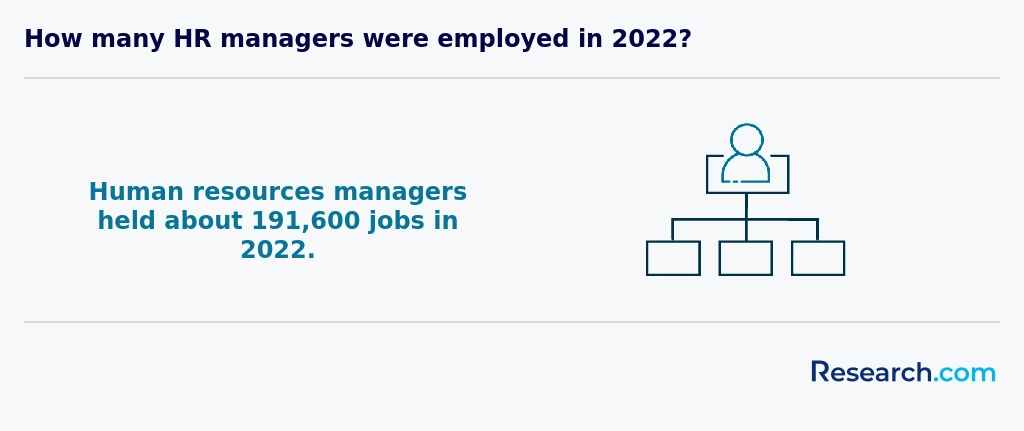
Investing in a Human Resources degree demands careful consideration of costs versus long-term earnings. In Indiana, the average total tuition for a four-year HR bachelor’s program ranges from $20,000 to $50,000 for in-state students. When combined with living expenses and fees, graduates often accumulate $25,000–$60,000 in educational debt. With entry-level HR roles such as Training and Development Coordinator offering a mean annual salary of $69,870, the simple payback period on tuition alone can be as short as 3–4 years. To refine this analysis, consider the net present value (NPV) of future earnings: assuming a conservative 3% annual wage growth and a discount rate of 4%, graduates can expect an NPV of $150,000–$180,000 over the first decade of their career. Even after accounting for interest on student loans, the debt-to-income ratio remains below the 10% threshold recommended by financial advisors. That said, prospective students should explore cost-saving strategies, such as enrolling in high-quality online programs, dual-credit courses in high school, or accelerated degree pathways. Additionally, those open to out-of-state comparisons might uncover lower-cost alternatives without sacrificing quality-our Inexpensive Human Resources Degree Programs Ranking in Virginia highlights affordable, accredited options that often feature transferable credits and robust internship networks. Ultimately, factoring in projected salary growth, regional cost of living, and available financial aid, an HR degree in Indiana delivers a compelling ROI. By strategically selecting a program aligned with personal budget constraints and career goals, students can maximize their return and accelerate their path to leadership roles in the dynamic field of human resources.
Many students pursuing a human resources degree in Indiana find that federal financial aid forms a crucial foundation of their funding. Graduates from institutions like Purdue University's Krannert School of Management often speak of how Pell Grants, which do not require repayment, eased the initial financial pressure by covering significant portions of tuition. For those balancing work and study, federal work-study programs offered practical income opportunities directly related to campus roles.
Beyond federal help, state-specific options like the Frank O'Bannon Higher Education Grant provide meaningful support for Indiana residents attending in-state schools, sometimes alleviating thousands in costs each year. Graduates share how this need-based aid was instrumental in making education affordable without incurring heavy debt.
Scholarships available through universities and organizations such as the Society for Human Resource Management offer an encouraging boost. Many students recall discovering scholarships tailored to business and HR fields, which helped them focus more on learning rather than financial stress.
For working professionals, tuition assistance programs from Indiana employers often transform continuing education into an attainable goal. These combined resources reflect a community mindful of supporting future HR leaders in real-world ways.
Enrolling in a human resources degree program in Indiana typically begins with having a high school diploma or GED, laying the essential groundwork for college-level learning. Graduates from Indiana institutions often recall how this basic credential was their key to accessing programs that sharpened their communication and business skills, crucial for a career in HR.
When applying to associate or bachelor's programs, such as those at Purdue University's Krannert School of Management, submitting official transcripts to prove academic readiness is standard. Many successful students describe how maintaining a GPA around 2.5 or higher helped them stand out, especially in programs with competitive admissions.
While test scores like the SAT or ACT were once mandatory, many Indiana schools now give students the flexibility of test-optional applications, easing stress and opening doors to a more diverse group of applicants. Some students found that prior experience in business or volunteer work enriched their applications and prepared them better for the HR coursework that followed.
For those pursuing graduate degrees in human resources, holding a bachelor's degree and showcasing strong recommendations and clear personal statements often proved decisive. This thoughtful preparation helped many graduates feel confident stepping into advanced studies and ultimately thriving in their HR careers.

Students pursuing a human resources degree in Indiana often find their coursework thoughtfully designed to balance theory with real-world application. Graduates from well-known Indiana institutions recall how core classes like organizational behavior helped them navigate the dynamics of teamwork and leadership, essential skills when stepping into any office environment.
Labor relations and employment law courses stand out as especially practical, equipping students to handle workplace policies in compliance with both federal and Indiana state laws. This foundation reassures many that they can confidently address complex legal situations, a feeling echoed by alumni from respected public universities in the state.
Courses in talent management and recruitment come alive through case studies and internships, where students learn firsthand how to attract and retain top talent in competitive Indiana industries such as healthcare and manufacturing. Alumni often share how compensation and benefits classes helped them design appealing salary packages, directly contributing to their professional success.
Training and development lessons focus on fostering employee growth, while HR information systems classes provide essential technological skills, making graduates feel ready to embrace the evolving digital workplace.
- Performance management
- Diversity and inclusion in the workplace
- Organizational development
- Workforce planning
- Conflict resolution and communication skills
Human resources degree programs in Indiana often include diverse specializations that reflect the unique needs of the region's workforce. Graduates from well-known state universities pursue concentrations such as Talent Acquisition and Recruitment, where they develop expertise in attracting top candidates within industries like healthcare and manufacturing. These specializations help students feel confident navigating competitive job markets.
Others focus on Employee Relations and Labor Management, a field rooted in Indiana's rich labor history, teaching students effective conflict resolution and negotiation skills. This practical knowledge supports creating positive, cooperative workplaces across the state's many unionized sectors. Exploring Indiana HR degree specialization options at your chosen college offers tailored experiences aligned with career aspirations.
Some students embrace Compensation and Benefits or Training and Development, crafting rewarding roles by managing employee incentives or implementing impactful learning programs that meet evolving industry demands. An emerging path, HR Information Systems, equips learners to bridge human resources and technology-skills increasingly prized statewide.
Considering the costs, many find Indiana offers an excellent balance of quality and affordability, as noted in the Inexpensive Human Resources Degree Programs Ranking in Virginia, which highlights similarly cost-conscious educational choices. This value encourages students to pursue their passion in human resources management specializations in Indiana without excessive financial stress.
Choosing the best human resources degree in Indiana means weighing factors like accreditation, flexibility, and cost. Graduates from popular programs, such as those at Indiana University-Purdue University Indianapolis, often emphasize how accreditation by bodies like AACSB boosted their confidence in the education quality. Many found that programs following SHRM guidelines prepared them well for real challenges in talent management and employment law.
Affordability plays a big role, especially when searching among affordable human resources colleges in Indiana. Graduates often share relief at finding programs with reasonable tuition, balanced by opportunities for scholarships or employer tuition reimbursement. Flexible online formats made a positive difference for those juggling work and study, proving that learning doesn't have to be confined to campuses.
One notable insight from past students is the value of internships and partnerships with local businesses, which bring the theories of a classroom to life. For those eager to accelerate their career path, considering fast track degree programs can be a wise move, offering a quicker route to entering Indiana's thriving HR job market.
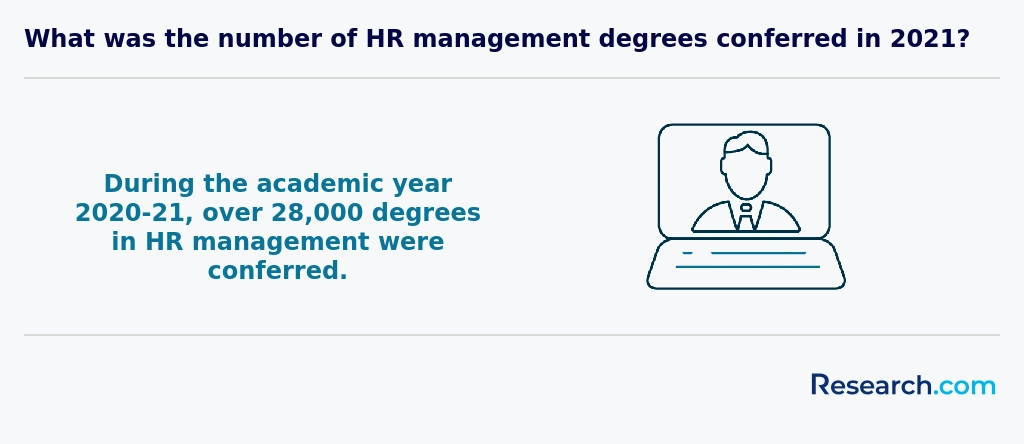
Graduates with a human resources degree in Indiana find themselves well-positioned for a variety of fulfilling career paths. Many begin as HR Specialists, Recruiters, or HR Coordinators, roles frequently available in bustling cities like Indianapolis, where manufacturing giants and healthcare providers thrive. Students from popular institutions such as Indiana University often share how their internships enhanced real-world skills in these entry-level positions, fueling confidence and career clarity.
With experience, many advance to more strategic roles like HR Manager or Compensation and Benefits Manager, often in large firms or government agencies. Graduates have expressed pride in influencing workforce policies, especially those working with the Indiana Department of Administration or university HR departments. For those curious about further qualifications, exploring what is the easiest phd can be a practical next step to elevate their expertise and open more doors.
Overall, jobs with human resources degree Indiana graduates value reflect a blend of administrative duties and meaningful employee engagement, making human resources a dynamic and rewarding career choice in the state.
The human resources job outlook in Indiana shows a steady and encouraging trend for graduates entering the field. Many Indiana universities and colleges with strong HR programs offer not just theoretical knowledge but practical skill-building, which helps graduates seamlessly transition into roles within manufacturing, healthcare, and finance sectors. These graduates often share how their internships and interactions with regional businesses in Indianapolis or Fort Wayne gave them real-world insights into workforce management challenges.
Employment opportunities in Indiana's HR sector reflect diverse demands. With around 7,200 human resources specialists currently employed, the growth rate aligns closely with the national average, projecting a stable career path. Graduates appreciate the competitive wages, typically ranging from $50,000 to $70,000 for specialists and even higher for managers. The emphasis on compliance knowledge and technological skills also means students thrive when they keep pace with innovations, enhancing their appeal to local employers.
For those weighing educational costs, Indiana's affordable in-state tuition supports many students pursuing human resources degrees. Some find value exploring accelerated options, like the fastest online associate's degree, which may help enter the workforce sooner without compromising quality. Overall, Indiana offers a positive and accessible environment for human resources students ready to grow into skilled professionals.
2027 Best Human Resources Degree Programs Ranking in Indiana
Investing in your education is a significant decision that can shape your future, and the Research.com team understands the importance of making informed choices. To assist prospective students in Indiana, we have meticulously crafted the "2027 Best Human Resources Degree Programs Ranking in Indiana." Our commitment to quality, credibility, and accuracy is reflected in the extensive research and analysis conducted to compile this ranking.
We utilized the following reputable data sources to ensure a comprehensive evaluation of human resources programs:
By exploring this ranking, readers will gain valuable insights into the best human resources degree programs available in Indiana, enabling them to make well-informed decisions about their educational paths. For more details on our methodology, please visit our Research.com methodology page.


Frequently Asked Questions About human resources
Human resources degree students in Indiana can maximize their learning experience by combining academic studies with practical opportunities. Indiana hosts several colleges offering HR programs that emphasize experiential learning, such as internships and cooperative education. According to the Indiana Department of Workforce Development, internships increase job placement rates by up to 25% within the state's competitive HR market. Students should actively seek internships with local companies or government agencies in Indianapolis, Fort Wayne, or Bloomington to gain real-world experience.
Engaging in student organizations like the Society for Human Resource Management (SHRM) chapters available at many Indiana campuses also enhances networking and professional development. Indiana's business community often partners with universities, providing workshops and HR competitions that develop critical skills. Additionally, attending local HR conferences and certifications within Indiana can further prepare students for successful careers.
The field of human resources is evolving rapidly, with several emerging niches gaining importance, especially for students pursuing degrees in Indiana. One such niche is HR analytics, which uses data to improve hiring, retention, and workforce planning. According to the Society for Human Resource Management, organizations adopting HR analytics have seen a 20% improvement in employee productivity.
Another growing area is diversity, equity, and inclusion (DEI). Indiana companies increasingly prioritize DEI strategies to create fair workplaces, driven by local labor market demands and state-sponsored initiatives.
Additionally, remote work management has become critical. HR professionals skilled in virtual team engagement and digital collaboration tools are in demand as Indiana's business landscape adapts to hybrid models.
After completing a human resources degree in Indiana, preparing for the job market involves several strategic steps. Start by gaining practical experience through internships or cooperative education programs offered by many Indiana universities. These opportunities help build essential skills employers seek.
Additionally, obtaining certifications such as the Professional in Human Resources (PHR) can improve job prospects and credibility. According to the Indiana Department of Workforce Development, demand for HR specialists is projected to grow by 7% through 2030, indicating a positive employment outlook.
Networking with local HR associations, such as the Indiana SHRM chapter, also supports job placement efforts by connecting graduates with professionals in the field.
Employers in Indiana highly value human resources graduates who demonstrate strong communication skills, as these are essential for resolving workplace conflicts and fostering collaboration. According to the Indiana Department of Workforce Development, interpersonal skills rank among the top qualities sought in HR professionals statewide. Additionally, expertise in employment law and regulatory compliance is critical, given the complex labor regulations that Indiana companies must navigate.
Data analysis skills are increasingly important, enabling HR professionals to interpret workforce metrics and improve recruitment strategies effectively. Proficiency with HR software platforms like Workday or ADP is also frequently requested by Indiana employers.
Finally, adaptability and ethical judgment stand out as vital traits, supporting organizational culture and leadership within diverse business environments.
Finding internships in Indiana relevant to a human resources degree involves leveraging multiple resources. Many universities, such as Indiana University and Purdue University, offer career centers that connect students with local employers seeking HR interns. According to the Indiana Chamber of Commerce, businesses in Indianapolis and Fort Wayne frequently post internships in HR, reflecting the state's growing corporate sector.
Students should also explore internship databases like Handshake, which feature Indiana-specific opportunities. Networking through local SHRM (Society for Human Resource Management) chapters can provide direct contacts in the HR community. Additionally, applying directly to major employers such as Cummins or Eli Lilly in Indiana often results in valuable internship placements.
Obtaining a human resources degree in Indiana significantly enhances career mobility and advancement opportunities. According to the U.S. Bureau of Labor Statistics, Indiana's HR employment is expected to grow by 7% through 2031, reflecting steady demand.
Graduates with this degree gain essential skills in talent management, labor laws, and organizational behavior, which employers actively seek. This credential often leads to higher starting salaries and promotes faster progression into management roles within Indiana's diverse industries, such as manufacturing and healthcare.
Additionally, certification eligibility, like SHRM-CP, becomes more accessible with a degree, further contributing to career growth. Local employers value candidates educated in-state due to familiarity with Indiana-specific regulations and business culture.
Studying for a human resources degree in Indiana equips students with skills that extend beyond traditional HR functions, fostering interdisciplinary capabilities. Programs often integrate coursework in business management, communications, and psychology to help students navigate complex workplace dynamics. According to the Indiana Commission for Higher Education, many Indiana universities offer experiential learning opportunities, such as internships and team projects, that emphasize collaboration across departments.
Indiana's growing industries demand HR professionals familiar with labor laws, technology, and organizational behavior-which are covered through a multidisciplinary curriculum. The Indiana Department of Workforce Development highlights a 7% projected growth in HR roles statewide, underscoring the need for adaptable skill sets.
This broad academic approach prepares graduates to work effectively in diverse environments, bridging gaps between HR, finance, marketing, and legal departments.
Choosing between a thesis and a non-thesis human resources degree program in Indiana depends on your career goals and learning preferences. Thesis programs are research-focused and typically require students to conduct original research, which is ideal if you plan to pursue a Ph.D. or a role in academic or policy research. Non-thesis programs emphasize practical skills and coursework, suited for those aiming for direct HR management roles.
According to the National Center for Education Statistics, Indiana offers several universities with both options. The state's HR job market, tracked by the Indiana Department of Workforce Development, shows a steady 5% growth in HR roles through 2028, prioritizing applied skills.
Considering program structure, thesis tracks often take longer to complete. Non-thesis options may include internships or capstone projects that enhance workplace readiness. Evaluate your time commitment, desired expertise, and whether hands-on experience or research aligns better with your future plans.
Students based in Indiana who wish to study human resources abroad have several pathways through partnerships and study abroad programs offered by Indiana universities. Many Indiana institutions, such as Purdue University and Indiana University, maintain exchange agreements with universities in Europe, Asia, and Australia where students can take courses in human resources management. These programs often last one semester and count toward degree requirements.
Additionally, some Indiana schools offer dual degree options with international partners, enabling students to earn credentials recognized in both countries. The Indiana Commission for Higher Education reports that about 5% of Indiana college students participate in study abroad, a figure growing annually due to increasing employer demand for globally aware HR professionals.
Financial aid and scholarships specifically for study abroad are often available to reduce costs. Students should work closely with their home university's international office to explore accredited human resources programs aligned with U.S. academic standards to ensure smooth credit transfer and professional recognition back home.
In Indiana, students pursuing human resources degrees can benefit from several part-time job opportunities that align well with their education. Common roles include HR assistant positions, which offer hands-on experience in recruiting, onboarding, and employee records management. Retail and customer service jobs also help develop key interpersonal and communication skills essential in HR careers.
Indiana's employment data from the Bureau of Labor Statistics shows that HR assistants in the state earn an average hourly wage of around $18, making these roles financially viable for students. Additionally, internships at local businesses or nonprofit organizations provide valuable insights into labor laws and employee relations specific to Indiana's workforce. These experiences enhance a student's resume and practical knowledge while studying.
Human resources students in Indiana benefit from a variety of networking opportunities through local chapters of national organizations. The Indiana Chapter of the Society for Human Resource Management (SHRM) is one of the largest and most active, regularly hosting events, workshops, and conferences. These gatherings connect students with seasoned HR professionals and potential employers.
Many universities in Indiana partner with SHRM and offer student memberships, increasing access to career fairs and mentorship programs. Additionally, the Indiana Association for Talent Development (IATD) provides networking specifically for HR development and training professionals.
Indiana's growing economy means that organizations such as Cummins and Eli Lilly often participate in campus recruitment drives, making local networking essential for job placement.
Alumni networks offer significant benefits to human resources degree students in Indiana by providing valuable professional connections within the state's job market. These networks often include graduates working in key Indiana companies, allowing current students access to mentorship and job referrals. According to the Indiana Commission for Higher Education, alumni engagement improves employment outcomes, with nearly 70% of graduates finding jobs through networking. Additionally, Indiana's HR alumni groups frequently host events and workshops, helping students develop industry-specific skills. Participation in these networks enhances students' understanding of Indiana's unique labor market trends and employer expectations, supporting their successful career entry.
Customizing a human resources degree program in Indiana involves selecting courses and experiences aligned with your career goals. Many Indiana universities offer elective courses in areas such as labor relations, talent management, and employment law, allowing students to specialize based on industry interests.
Internships and cooperative education programs are valuable for hands-on experience and networking within Indiana's diverse job market. Local institutions often collaborate with companies in manufacturing, healthcare, and technology sectors where HR expertise is in demand.
Additionally, students can pursue certifications like SHRM-CP alongside their degree to boost employability. According to the Indiana Department of Workforce Development, HR-related roles are expected to grow by 7% through 2030, making specialized skills increasingly beneficial.
Human resources students in Indiana often face the challenge of balancing theoretical knowledge with practical experience. Many programs emphasize HR principles but may not offer sufficient internship or cooperative education opportunities, which are essential for developing real-world skills. Additionally, navigating complex state and federal employment laws presents difficulties; Indiana's labor market has unique regulatory nuances that students must master. According to the Indiana Department of Workforce Development, the HR field in Indiana is growing, increasing competition for quality practicum placements. Financial pressures and time management are also common, as many students juggle work, study, and family responsibilities while pursuing their degree.
With a human resources degree in Indiana, you can pursue several professional certifications that enhance your expertise and job prospects. The most recognized credential is the Professional in Human Resources (PHR), offered by the HR Certification Institute. It validates your knowledge of HR operations and compliance, which is valuable since Indiana's growing industries demand skilled HR professionals.
Another key certification is the Society for Human Resource Management Certified Professional (SHRM-CP). This credential focuses on strategic HR management and is highly regarded nationally. Indiana HR practitioners benefit from these certifications as they often lead to higher salaries and leadership roles.
Other specialized certifications include the Certified Compensation Professional (CCP) and the Talent Acquisition Specialty Credential, both supported by industry associations.
Writing a winning application for a human resources program in Indiana begins with showcasing your genuine interest in the field. Admissions committees value clarity about career goals related to HR roles such as recruitment, employee relations, or compensation management. Be sure to highlight any relevant work experience or volunteer activities supporting your understanding of HR functions.
Indiana's human resources sector is growing, with a 5.8% projected job growth rate for HR specialists by 2030 according to the U.S. Bureau of Labor Statistics. Tailor your personal statement to reflect awareness of this demand.
Strong academic records and recommendation letters from professionals familiar with your leadership and communication skills also strengthen applications. Lastly, research each program's specific admission requirements thoroughly to meet all criteria precisely.
Human resources (HR) careers have a growing global relevance, influenced by international business trends and workforce diversity. In the United States, including Indiana, HR professionals increasingly need skills in managing multicultural teams and navigating cross-border labor laws. According to the U.S. Bureau of Labor Statistics, employment of HR specialists is projected to grow 7% from 2022 to 2032, reflecting a steady demand nationwide.
Indiana's workforce is becoming more diverse, requiring HR practitioners to understand global perspectives on labor relations and cultural competence. Universities offering HR degrees in Indiana often include international case studies and compliance training to prepare students for this global context.
Overall, a human resources career today demands knowledge beyond local practices, adapting to global workplace challenges and opportunities.
Gaining practical experience while studying for a human resources degree in Indiana is crucial for career success. Many Indiana universities and colleges offer internship programs that allow students to work directly with HR departments in local businesses. For example, Purdue University and Indiana University partner with numerous companies to provide hands-on HR internships.
Students can also participate in cooperative education (co-op) programs, combining paid work experience with academic study. According to the Indiana Department of Workforce Development, internships in HR-related roles have grown by 12% over recent years, reflecting increasing opportunities.
Additionally, joining student chapters of professional organizations like the Society for Human Resource Management (SHRM) can help build networks and gain practical insights. Volunteering for campus HR events or research projects is another way to apply classroom learning.
Choosing the right concentration within a human resources degree program in Indiana depends on your career goals and local job market demands. Common concentrations include talent management, employee relations, compensation and benefits, and labor law. According to the Indiana Department of Workforce Development, HR roles emphasizing talent acquisition and employee development are growing by 5% annually in the state.
Assess your interests and strengths by reviewing course offerings and internships available at Indiana institutions. Pay attention to concentrations that align with industry needs, such as compliance with labor regulations or HR technology.
Networking with local HR professionals and consulting resources like the Society for Human Resource Management (SHRM) Indiana chapter can also provide valuable insights to guide your decision.
- 2027 Best Human Resources Degree Programs Ranking in Ohio
- 2027 Best Human Resources Degree Programs Ranking in Missouri
- 2027 Best Human Resources Degree Programs Ranking in Iowa
- 2027 Best Human Resources Degree Programs Ranking in Alabama
- 2027 Best Human Resources Degree Programs Ranking in North Carolina
- 2027 Best Human Resources Degree Programs Ranking in Florida
- 2027 Best Human Resources Degree Programs Ranking in New Jersey
- 2027 Best Human Resources Degree Programs Ranking in Massachusetts
- 2027 Best Human Resources Degree Programs Ranking in Nebraska
- 2027 Best Human Resources Degree Programs Ranking in Colorado
See What Experts Have To Say About Studying Human Resources
Read our interview with Human Resources experts

Chester S. Spell
Human Resources Expert
Professor of Management
Rutgers University

Rick Hackett
Human Resources Expert
Professor, Human Resources & Management
McMaster University


- The Great Reinvention of Human Resources Has Begun JOSH BERSIN https://joshbersin.com/2026/01/the-great-reinvention-of-human-resources-has-begun/
- International HR Perspectives (MHR104) https://www.uis.no/en/course/MHR104
- Choosing a bachelor's in human resource management | edX https://www.edx.org/resources/how-to-choose-a-bachelors-in-human-resource-management
- Top 10 HR Challenges and Their Solutions | HR Courses https://zoetalentsolutions.com/top-10-hr-challenges-and-their-solutions/
- Sample letters in human resources https://www.mystudies.com/en-in/business-accountability-management/human-resources/letter-model/
- What skills and competencies do you need for a career in HR? https://targetjobs.co.uk/careers-advice/hr-and-recruitment/what-skills-and-competencies-do-you-need-career-hr
- How to Maximize the Impact of Alumni Networks https://www.careeros.com/resources/how-to-maximize-the-impact-of-alumni-networks
- Top 10 HR Networking Groups for Professionals https://www.myhubintranet.com/hr-networking-groups/
- What to do after a Bachelor's degree in HR https://www.ipag.edu/en/blog/what-do-after-bachelors-degree-hr
- Redefining career development: Skills, mobility and retention https://hrexecutive.com/redefining-career-development-skills-mobility-and-retention/