2027 Most Affordable Human Resources Degree Programs Ranking in California

Co-Founder and Chief Data Scientist
If you're considering a career in human resources, choosing the right degree program in California is a key step. This article features the 2027 Most Affordable Human Resources Degree Programs Ranking in California, created by the Research.com team of data scientists to help you make an informed decision.
Discover affordable options that balance cost and quality while setting you up for success. A human resources degree can open doors to rewarding opportunities where you make a real difference in the workplace.
Read on to find programs worth your time and investment with confidence.
Key benefits of getting human resources degree in California
- Salary: Graduates with a human resources degree in California can expect competitive salaries, such as a Recruitment Coordinator earning a mean annual wage of $76,060 and an hourly wage of $36.57.
- Career Paths: Human resources graduates from universities like UC Berkeley often explore roles like Employee Relations Specialist or HR Generalist, offering diverse and rewarding career opportunities.
- Online Degree Benefits: Earning your human resources degree online from schools like CSU Global provides flexibility and the ability to balance work-life while gaining practical skills equally respected by employers.
- 2027 Most Affordable Human Resources Degree Programs Ranking in California
- What can I expect from human resources degree in California?
- Where can I work with human resources degree in California?
What can I expect from human resources degree in California?
Students pursuing a human resources degree in California can expect tuition costs that vary widely depending on the institution, typically ranging from $7,000 to $40,000 per year. For example, graduates from popular universities and colleges like San Diego State University or California State University have found that their investment in education unlocks invaluable opportunities, from internships with local businesses to hands-on experience with emerging HR technologies.
Many graduates describe their time studying in California as both challenging and rewarding, eager to apply state-specific knowledge about laws like CFRA and FEHA in real workplace scenarios. The cost reflects not only quality instruction but also access to an extensive professional network through organizations like the Society for Human Resource Management.
Graduates often share how practical skills gained-such as conflict resolution and talent acquisition-prepared them to confidently enter diverse industries like technology and healthcare, making the tuition an inspiring step toward a promising and fulfilling career.
Where can I work with human resources degree in California?
Graduates from human resources programs at renowned California universities find themselves stepping into vibrant careers across the state's dynamic economy. Imagine moving from buzzing campuses like those at UCLA or San Diego State University straight into HR roles at cutting-edge tech companies or leading healthcare providers. Many alumni share how their degrees unlocked opportunities to work in bustling cities such as Los Angeles or San Francisco, where HR specialists, recruiters, and compensation managers shape the future of workforce development.
These graduates often describe the excitement of managing talent acquisition and employee relations in diverse industries-from nonprofit organizations to entertainment hubs. With California's labor market rewarding skilled professionals, many find themselves progressing into managerial roles with competitive salaries and rewarding challenges. The real-world training they received at their colleges boosts their confidence, allowing them to thrive in government agencies, large school districts, or innovative startups. For those passionate about people and organizational growth, California offers a landscape full of inspiring possibilities.
Graduates with a human resources degree from well-regarded California institutions often find themselves stepping into rewarding roles with encouraging salary prospects. For example, a recent graduate working as a Human Resources Generalist or Human Resources Assistant can expect to earn a mean annual wage of around $76,060, reflecting a strong start in the vibrant California job market.
Those who specialize as Recruitment Coordinators or Employee Relations Specialists also enjoy similar salary levels, with mean wages near $76,060. Training and Development Coordinators earn slightly less but still a solid $71,980 on average, showcasing well-rounded opportunities across the HR landscape.
Graduates often share how connecting their education from schools like UCLA, San Diego State University, or Cal State Fullerton with real-world internships boosted their confidence and readiness, empowering them to negotiate competitive salaries in dynamic workplaces.
The thriving business hubs of Los Angeles, San Francisco, and Silicon Valley amplify these opportunities, making California an exciting place to launch and grow a career in human resources while earning salaries that reflect your dedication and expertise.
- The average tuition cost for a bachelor's degree in human resources in California ranges from $20,000 at public CSU campuses to over $60,000 at private universities.
- Community colleges offer affordable two-year associate degrees in HR, typically costing between $5,000 and $10,000.
- California employs about 120,000 HR specialists and managers, with a projected job growth of 7% over the next decade.
- Starting salaries for entry-level HR graduates range from $55,000 to $65,000 per year, with metropolitan areas like Los Angeles and San Francisco offering up to $70,000 or more.
- Experienced HR professionals in California can earn median annual salaries above $90,000, especially those in management or specialization roles.
- Certifications like PHR and SHRM-CP are valued and often integrated into degree programs, alongside knowledge of California-specific labor laws.
Completing a human resources degree in California is an achievable goal that fits a variety of lifestyles, from full-time students to working professionals. Many community college students earn their associate degrees in about two years, gaining essential skills to enter the HR field with confidence and readiness.
For those enrolled at well-known institutions like California State University or University of California campuses, bachelor's degree programs typically take around four years of full-time study. Graduates from these programs often share stories of balancing internships and classroom learning, which enriches their understanding of labor laws and employee relations while preparing them for rewarding HR careers.
Master's degrees bring an exciting chapter of career growth and usually require one to two years of focused study. Many students appreciate the flexible part-time or online options California universities offer, allowing them to pursue advanced education without pausing their careers.
Whether you study full time or balance work and school, your path to becoming an HR professional in California is adaptable and inspiring, designed to fit your unique journey toward success.
Human resources education in California is changing because employers need graduates who can handle both people-centered work and data-driven decisions. Modern HR programs increasingly include HR analytics, employment law, organizational behavior, diversity initiatives, digital collaboration, and strategic workforce planning.
HR analytics is now one of the most important additions to the curriculum. Students may study how turnover, engagement, productivity, hiring costs, and retention data can inform business decisions. Some programs introduce tools such as Tableau and Python so students can practice interpreting workforce metrics instead of relying only on theory.
Diversity, equity, and inclusion remain especially important in California’s multicultural economy. Effective programs do more than mention DEI; they examine inclusive hiring, bias mitigation, equitable promotion practices, policy development, and employee belonging. Graduates who can connect DEI principles to measurable workplace practices may be better positioned for roles in large organizations, public agencies, healthcare systems, and mission-driven nonprofits.
Remote work has also reshaped HR practice. Degree programs are responding with coursework on virtual onboarding, remote performance evaluation, applicant tracking systems, AI-driven candidate screening, and digital employee engagement. These topics matter because HR professionals are often responsible for translating workplace changes into fair, consistent policies.
Sustainability and corporate social responsibility are also becoming more visible in HR education. Students may learn how HR policies support ethical leadership, employee well-being, responsible workplace culture, and green workplace initiatives. These skills can be useful in organizations that want HR teams to contribute to broader business and stakeholder goals.
Students who need a flexible format can also compare regional online options. For a broader view beyond California, Research.com’s Most Affordable Online Human Resources Degree Programs Ranking in the Midwest highlights accessible programs designed for students balancing education with work or family responsibilities.
Choosing between an online and on-campus human resources degree in California comes down to your lifestyle and learning style. Graduates from the University of California often share how on-campus programs gave them energizing face-to-face connections and immediate access to campus career centers, boosting their confidence in professional networking. Meanwhile, those who pursued degrees online appreciate the freedom to study from anywhere in California's bustling cities or peaceful suburbs, balancing work and family without the stress of commuting.
Imagine finishing coursework while the sun sets over the Pacific or joining lively Zoom discussions after a full day's work-this flexibility is a game changer for many California State University online students. On-campus learners thrive in classrooms where lively debates happen in real time, fueled by direct interaction with professors and peers. Both paths offer accredited, respected programs, making it easier than ever to build a vibrant HR career from anywhere across California's diverse landscape.
Human resources is moving from a primarily administrative function to a strategic, technology-supported role inside organizations. California employers increasingly expect HR professionals to understand workforce data, digital recruiting tools, remote work policies, compliance requirements, and employee experience design. A strong HR degree should reflect that shift.
One of the clearest changes is the rise of HR technology. Employers use applicant tracking systems, employee engagement platforms, digital benefits tools, and artificial intelligence-supported screening systems. Students who learn how these tools work-and how to use them responsibly-are better prepared for recruiting, onboarding, retention, and performance management roles.
Workforce analytics is another major trend. HR teams now use data on turnover, hiring timelines, productivity, compensation, and employee engagement to guide decisions. Programs that include analytics, HR information systems, and evidence-based decision-making can help graduates move beyond entry-level administrative work into more strategic roles.
Remote and hybrid work also changed what HR professionals must know. California organizations need employees who can help write flexible work policies, manage virtual onboarding, support distributed teams, and maintain compliance across locations. Students comparing programs should look for coursework that addresses remote performance management, digital collaboration, and change management.
Flexible education formats matter as well. Working adults and career changers may want to compare most affordable online human resources programs in california if they need a program that fits around employment, caregiving, or other responsibilities. The best choice is not always the cheapest option; it is the program that combines affordability, credible instruction, relevant HR coursework, and support for career advancement.
The average cost of obtaining a human resources degree in California is about $15,203 for in-state students, reflecting a realistic and attainable investment in your future. Graduates from well-known institutions like California State University often share how the combination of affordable tuition and quality education made pursuing their dreams both manageable and rewarding. These affordable human resources degree programs California offer a welcoming environment where students feel valued and connected, fueling their passion for people and organizational development.
Many students begin their journey at community colleges to keep costs low before transferring to universities with strong HR programs. This path allows budget-conscious learners to gain a solid foundation without overwhelming financial pressure. For those considering more specialized or private college experiences, the investment tends to rise but often comes with expanded networking opportunities and access to tailored resources.
Imagine dedicating yourself to classes, internships, and career fairs while knowing that your tuition is a solid step toward a thriving professional life. Beyond tuition, financial aid programs and scholarships can further ease the cost, ensuring your academic journey is both inspiring and achievable. For those exploring choices, reviewing the most affordable online human resources programs in california can uncover accessible and flexible options to fit any lifestyle.

Financial aid opens doors for many aspiring human resources professionals in California, making higher education more achievable and inspiring. Graduates from universities like the University of California and California State University often share how Pell Grants lifted a heavy financial burden, allowing them to focus fully on their studies and career goals. These grants, worth up to $7,395, provide valuable no-repay support, helping students stay motivated throughout their journey.
State programs such as the Cal Grant boost local students' confidence by covering tuition or living expenses, with awards up to $12,600 annually at UC schools. Imagine attending a campus bustling with human resources innovation, knowing your financial worries are eased by such generous support.
Many students find institutional scholarships rewarding, where achievements in leadership and academic excellence are celebrated and financially recognized. Close connections to professional bodies, like SHRM, and employer tuition assistance programs also fuel students' ambitions by blending work and study in meaningful ways.
To embark on a human resources degree journey in California, students typically start with a high school diploma or GED, laying the foundation for success. Many graduates from California State University campuses recall how their focus on English and social sciences sharpened communication skills essential for HR roles. Community colleges also play a vital role, offering stepping stones through general education and major-specific courses that prepare students to transfer into competitive programs.
Graduate programs expect a bachelor's degree, often welcoming diverse academic backgrounds. Many graduates from University of California schools remember how their relevant work experience and strong academic records-from business to psychology-helped them stand out. Though some programs consider GRE or GMAT scores, California's focus on professional readiness often places greater value on hands-on experience and a passion for people.
Applicants should also prepare letters of recommendation and personal statements that showcase motivation and readiness, much like successful students at popular California colleges who emphasize clear goals and strong communication to impress admissions committees.
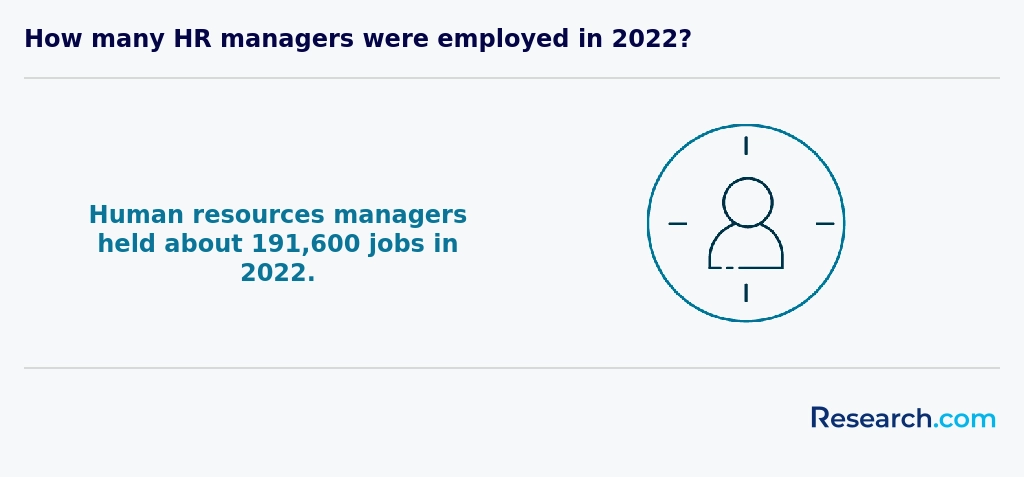
Human resources degree programs in California offer a dynamic blend of courses that prepare you to become a confident and effective HR professional in a state known for its diverse workforce and progressive labor laws. Graduates from well-known California universities often highlight how courses like Human Resource Management equipped them with real-world strategies for hiring and nurturing talent, while Organizational Behavior helped them understand team dynamics in multicultural environments.
You'll dive deep into Employment Law, learning about both federal regulations and California's unique labor policies, which is invaluable for navigating employee rights and compliance. Compensation and Benefits courses teach you to design attractive pay structures that keep employees motivated, while Training and Development classes focus on fostering employee growth-skills graduates often use immediately in internships and entry-level roles.
Labor Relations courses are especially empowering in California, where union negotiations play a key role, giving you the confidence to engage in meaningful workplace conversations. These courses come together with general business classes, giving you a strong, well-rounded foundation to thrive in any HR setting.
Human resources degree specializations in California offer dynamic paths designed to ignite passion and prepare students for impactful careers. Graduates from popular California colleges often praise programs focusing on Talent Acquisition and Recruitment, where they learn cutting-edge strategies to identify and attract the perfect candidates, fueling organizational growth. Many find themselves energized by Employee Relations and Labor Law, gaining expertise in California's nuanced labor regulations and mastering conflict resolution in real workplace settings.
Students also thrive in concentrations like Compensation and Benefits, crafting rewarding pay structures that help businesses retain top talent in competitive markets. Others are drawn to Organizational Development and Training, motivated by the chance to transform company culture and lead meaningful change. Emerging areas such as HR Information Systems empower learners to blend technology with HR, opening doors to innovative roles.
Choosing the right program is easier when you explore options like the Most Affordable Online Human Resources Degree Programs Ranking in the Midwest. These thoughtfully designed specializations reflect the diverse interests of students pursuing California HR degree concentration options, inspiring a bright future in this flourishing field.
Choosing the best human resources degree programs California offers means focusing on quality and relevance. Graduates from popular universities often highlight how programs accredited by respected bodies like WASC gave them confidence employers truly valued. These programs blend essential topics such as labor relations and California's unique employment laws, helping students feel ready to thrive in diverse workplaces.
Many students share that attending institutions with flexible schedules-offering online or evening classes-made balancing work and study possible, fueling their motivation to succeed. When affordability matters, exploring affordable HR degrees California 2027 options at community colleges or public universities provides excellent value without compromising education quality. These pathways often come with strong transfer opportunities into bachelor's programs.
Real-world experience can transform ambition into achievement. Programs connected with internships at leading California companies allow students to build meaningful networks. For those inspired to accelerate their career, exploring best 6 month certifications that pay well alongside a degree can create powerful momentum toward success.

Graduates with a human resources degree in California find themselves stepping into fulfilling roles that build vibrant, supportive work environments across industries. Whether working as HR Specialists focusing on recruitment and employee relations or managing teams as HR Managers at major companies in Los Angeles or San Francisco, the options are inspiring and diverse. Many graduates from well-known California universities share stories of launching careers as Recruitment Coordinators in thriving tech firms or designing innovative training programs within healthcare organizations, embracing the dynamic pace of the state's economy.
These career paths perfectly align with the ongoing demand for talent skilled in human resources career opportunities in California. The ability to influence company culture and enhance employee experiences creates a rewarding professional journey. Graduates often emphasize the value of local internships and networking events that help them gain practical insights and build confidence navigating the workforce.
For those considering further advancement, exploring the easiest doctorate to get can open pathways into senior leadership and specialized roles, blending practical HR expertise with academic achievement.
The human resources job outlook California offers is vibrant and full of opportunity, especially for graduates from well-known institutions like California State University and University of California campuses. Many graduates from these programs share how their education prepared them to excel in diverse industries including technology and entertainment, which thrive in metropolitan hubs such as San Francisco and Los Angeles. These regions emphasize talent acquisition, employee development, and diversity initiatives, creating a dynamic environment for new HR professionals to grow and lead.
Employment opportunities for those with a California HR degree are strong, bolstered by the state's vast economy that demands skilled HR specialists. Graduates report landing positions as recruitment coordinators or employee relations managers, often with competitive salaries reflecting California's high standards. The supportive networks at these universities often connect students to internships and roles that accelerate real-world experience.
Tuition costs vary, but many students find financial aid that eases the path to earning a degree, encouraging a bright future. For those looking beyond a bachelor's degree, there are options such as certifications or exploring affordable paths like a cheap phd to further enhance their qualifications and marketability in California's thriving HR field.
2027 Most Affordable Human Resources Degree Programs Ranking in California
Investing in your education is a significant decision that can shape your future, and the Research.com team understands the importance of making informed choices. To assist prospective students in California, we have meticulously crafted the "2027 Most Affordable Human Resources Degree Programs Ranking in California." Our commitment to quality, credibility, and accuracy is reflected in the extensive research and analysis conducted to compile this ranking.
We utilized the following reputable data sources to ensure a comprehensive evaluation of human resources degree programs:
By exploring this ranking, readers will gain valuable insights into the most affordable and credible human resources degree programs available in California, helping them make well-informed decisions about their educational investments. For more details on our methodology, please visit our Research.com methodology page.
# 1 position
Ashford University
Bachelor of Arts in Human Resources Management

# 2 position
University of Massachusetts Global
M.S. in Human Resources

# 3 position
Ashford University
Master of Science in Human Resources
# 4 position
Ashford University
Doctor of Philosophy in Human Resource Management


# 8 position
California State University-Dominguez Hills
Bachelor of Science in Human Resource Management


Frequently Asked Questions About human resources
Human resources degree students in California can maximize their learning by combining academic studies with practical experiences. Internships and cooperative education placements are highly valuable, offering real-world exposure and networking opportunities within California's diverse job market.
Engaging with local professional organizations, such as the Society for Human Resource Management (SHRM) California chapters, can enhance understanding of current industry trends and state-specific labor laws. California's workforce regulations often differ from federal standards, so staying informed is crucial.
Additionally, students should take advantage of California's growing HR technology sector by seeking courses or certifications in HR information systems, as these skills are in increasing demand. According to the California Labor Market Information Division, employment in HR-related roles is expected to grow 7% through 2030, highlighting strong career prospects in the state.
The human resources (HR) field is evolving rapidly, with several emerging niches gaining importance in California. One growing area is HR analytics, where professionals use data to improve workforce planning and employee engagement. According to the California Employment Development Department (EDD), demand for HR specialists with data skills has increased by 12% over the past three years.
Another niche is diversity, equity, and inclusion (DEI) management, driven by California's diverse population and strict employment laws. DEI specialists develop strategies to foster a more inclusive workplace culture.
Additionally, remote workforce management has become critical due to shifting workplace models. HR professionals are designing policies and technology solutions to support virtual teams effectively.
These niches require specialized knowledge, making HR degrees focusing on these topics particularly valuable for California students.
After earning a human resources degree in California, preparing for the job market involves targeted steps to enhance employability. Networking is crucial; joining professional organizations such as the Society for Human Resource Management (SHRM) California chapters helps build valuable contacts. Additionally, obtaining certifications like the Professional in Human Resources (PHR) or SHRM-CP can increase job prospects, as employers often prefer certified candidates.
Internships and practical experience obtained during studies provide hands-on skills that employers seek. According to the California Employment Development Department, human resources specialists earn an average annual wage of about $74,000, reflecting strong demand in sectors like technology and healthcare.
Staying updated with California labor laws and HR trends also benefits graduates in this dynamic field.
Employers in California highly value human resources graduates who demonstrate strong communication skills. Being able to clearly convey policies and mediate conflicts is essential in diverse workplaces. According to the California Employment Development Department, adaptability and cultural competence are also crucial due to the state's varied workforce.
Technical proficiency in HR software and data analysis is increasingly important, as companies rely on digital tools for talent management. Understanding California labor laws is another key skill, given the state's complex regulations, noted by SHRM (Society for Human Resource Management).
Lastly, strong organizational skills and ethical judgment remain top attributes employers seek in HR professionals statewide.
Finding internships in California relevant to a human resources degree involves a strategic approach. Many universities in California have partnerships with local businesses and organizations that offer HR internships, so start by consulting your college's career services. The California Employment Development Department reports that HR internships have grown by 7% annually, reflecting strong demand for hands-on experience.
Online platforms like Handshake and LinkedIn provide extensive listings of HR internships specifically in California. Additionally, professional associations such as the Society for Human Resource Management (SHRM) California chapters frequently post internship opportunities.
Networking at local HR events and job fairs can also uncover hidden internships, as 60% of students find positions through connections. Engaging directly with HR departments at firms in industries like tech, healthcare, and retail is another effective tactic.
Obtaining a human resources (HR) degree in California significantly enhances career mobility and advancement opportunities. According to the U.S. Bureau of Labor Statistics (BLS), California employs the largest number of HR specialists and managers nationwide, offering diverse roles across industries. A degree provides essential knowledge in labor laws, organizational behavior, and conflict resolution, skills highly valued by California employers.
Graduates with an HR degree often experience faster promotions and can qualify for senior positions such as HR manager or director. Additionally, professional certifications paired with a degree can further boost advancement.
California's dynamic job market rewards formal education, making a human resources degree a strategic investment for long-term career growth.
Studying for a human resources degree in California equips students with skills spanning multiple disciplines, including business management, psychology, and labor law. California's diverse economy encourages HR professionals to understand various industries such as technology, healthcare, and entertainment. According to the California Employment Development Department, HR roles often require collaboration with finance, compliance, and organizational development teams.
California universities integrate coursework in conflict resolution, data analysis, and employee relations, preparing graduates for versatile careers. The state's emphasis on legal studies ensures students understand regulations like the California Family Rights Act, essential for HR compliance. This interdisciplinary approach helps graduates adapt to evolving workplace dynamics across sectors.
When choosing between a thesis and a non-thesis human resources degree program in California, consider your career goals and learning preferences. Thesis programs require conducting original research and writing a comprehensive paper, which suits those interested in academic, research, or doctoral paths. Non-thesis options focus more on practical coursework and internships, ideal for students aiming to enter HR roles directly after graduation.
California hosts many programs offering both formats, with tuition varying by institution and residency status. According to the National Center for Education Statistics, completing a thesis can extend study time by 6-12 months, potentially increasing expenses. However, a thesis may provide a competitive edge in research-heavy HR fields or roles requiring advanced analytical skills.
Alternatively, non-thesis degrees emphasize applied skills employers in California's dynamic business environment often seek, such as labor relations and talent management. Reviewing program curricula and speaking with advisors can help align your choice with job market demands and personal strengths.
Students in California interested in studying human resources abroad have several options through U.S. universities' international programs. Many California institutions, such as the University of Southern California and San Diego State University, offer study-abroad programs with partner schools worldwide.
These programs often include semester exchanges or specialized courses in global HR management, enabling students to gain international experience without losing credits toward their degree.
Additionally, students may enroll directly in accredited foreign universities recognized by U.S. educational authorities, although careful evaluation of credit transferability is necessary.
According to the Institute of International Education, nearly 11,500 California students studied abroad in 2022, reflecting growing interest in global education opportunities related to human resources and business fields.
Part-time job opportunities in California that complement a human resources degree are varied and practical for gaining relevant experience. Positions such as HR assistant, recruitment coordinator, or payroll clerk offer direct exposure to HR processes within firms. According to the California Employment Development Department, demand for HR assistants is projected to grow 7% through 2030, reflecting steady opportunities.
Additionally, administrative roles in large companies or nonprofit organizations can enhance skills in communication and organization, essential for HR professionals. Internships or assistant jobs in employee relations or benefits administration are also valuable.
Many California students find part-time work in cities like Los Angeles and San Francisco, where corporate headquarters provide diverse HR functions. These experiences build a strong foundation for future HR careers.
Human resources students in California have access to numerous networking opportunities that can enhance their career prospects. Many universities offer partnerships with local HR organizations, such as the Society for Human Resource Management (SHRM) California chapters. These groups host regular events, workshops, and conferences where students can connect with professionals and potential employers.
California's large economy means HR professionals are highly active in metropolitan areas like Los Angeles, San Francisco, and San Diego. This creates many chances for internships and mentorships through school-affiliated programs. According to SHRM, participation in such networks increases job placement rates significantly for graduates.
Additionally, students can join career fairs specific to human resources to meet industry recruiters directly, helping build valuable contacts early in their careers.
Alumni networks offer significant advantages to human resources degree students in California by providing valuable connections within the state's competitive job market. According to the California Employment Development Department, HR roles in the state are projected to grow by 9% from 2020 to 2030, highlighting the importance of strong professional networks.
Through alumni associations, students gain access to mentorship opportunities, job referrals, and industry insights that can enhance their career development. These networks often organize local events and workshops in cities like Los Angeles and San Francisco, helping students build relationships with experienced HR professionals.
Furthermore, California's diverse economy means alumni from various sectors can offer specialized advice and connections, helping graduates find positions aligned with their interests. The National Association of Colleges and Employers notes that 85% of jobs are filled through networking, underscoring how alumni connections are critical for HR students.
Customizing a human resources degree program in California allows students to align their studies with specific career goals. Many California universities offer elective courses in areas like labor relations, organizational development, or compensation and benefits, enabling focused expertise.
Students can also pursue internships and cooperative education in local industries, providing practical experience relevant to California's diverse job market. Networking opportunities through university partnerships with major employers in tech, healthcare, and entertainment further enhance customization.
Graduates aiming for HR certification, such as SHRM-CP, can select courses that meet the Society for Human Resource Management's exam requirements. According to the California Labor Market Information Division, HR specialists in California earn a median wage of about $70,000 annually, highlighting the value of tailored education.
Human resources students in California often face the challenge of balancing coursework with the high cost of living in major cities like Los Angeles and San Francisco. According to the California Student Aid Commission, many students struggle to cover both tuition and living expenses. Another difficulty is the rapidly changing legal landscape; California's complex labor laws require HR students to stay current with frequent updates on employment regulations, which can be overwhelming.
Additionally, competition for internships and entry-level HR roles is intense due to the state's large population. The California Employment Development Department reports that new graduates must often differentiate themselves through practical experience and certifications.
With a human resources degree, graduates in California can pursue several valuable professional certifications that enhance their career prospects. The most recognized is the Professional in Human Resources (PHR) credential offered by the HR Certification Institute (HRCI). This certification validates foundational HR knowledge and is widely respected nationwide.
Another key certification is the Society for Human Resource Management Certified Professional (SHRM-CP), which focuses on practical HR skills and strategic leadership. Both PHR and SHRM-CP require passing an exam and ongoing continuing education.
California also has a growing demand for certified HR professionals due to complex state labor laws. Obtaining certifications can lead to higher salaries and better job opportunities. According to the California Employment Development Department, HR specialists earn a median wage above the national average, reflecting strong career potential.
To craft a winning application for a human resources program in California, start with a clear and concise personal statement. Highlight your passion for HR, relevant experiences, and career goals tailored to the California job market. According to the California Employment Development Department, HR roles are projected to grow 8% by 2030, so emphasize your commitment to this expanding field.
Strong letters of recommendation from professionals familiar with your skills boost your candidacy. Also, ensure your academic records reflect key competencies such as communication and organizational skills. Many California programs appreciate applicants who demonstrate understanding of state labor laws and diversity initiatives.
Completing prerequisite courses like business or psychology can strengthen your application. Lastly, carefully follow each institution's application requirements and deadlines to avoid administrative setbacks.
Human resources (HR) careers are increasingly influenced by global trends, impacting how professionals manage workforce diversity, compliance, and technology adoption. In California, HR degree programs often include international labor laws and multicultural management to prepare students for global challenges. According to the Bureau of Labor Statistics (2023), HR specialists in California earn a median annual wage above the national average due to the state's diverse economy.
Globally, HR roles emphasize cross-cultural communication, ethical practices, and adaptation to evolving labor markets. California's focus on innovation and business diversity requires HR graduates to understand global perspectives to support multinational companies effectively.
Gaining practical experience while studying for a human resources degree in California is essential to enhance your skills and improve job prospects. Many California universities and colleges offer internships through partnerships with local businesses and organizations, allowing students to work on real HR projects.
Additionally, joining student chapters of professional associations, such as the Society for Human Resource Management (SHRM), provides networking opportunities and access to workshops and events.
California's diverse economy means there are numerous entry-level HR roles in industries like technology, healthcare, and finance, which students can apply for during their studies. According to the California Labor Market Information, the state expects a 6% growth in HR jobs from 2022 to 2032, reinforcing the value of hands-on experience.
Choosing the right concentration within a human resources (HR) degree program in California depends on your career goals and industry interests. Common concentrations include talent acquisition, employee relations, compensation and benefits, and organizational development. Research from the Society for Human Resource Management (SHRM) highlights that California's tech and healthcare sectors often seek HR professionals skilled in change management and data analytics.
You should consider concentrations that align with local job market demands. For instance, labor law compliance is crucial in California due to its complex employment regulations. Look for programs offering practical experience or internships, as California hosts numerous Fortune 500 companies demanding HR specialists with hands-on skills.
Accredited institutions like those recognized by the HR Certification Institute (HRCI) provide relevant concentrations tailored to the evolving HR field. This can increase your employability in California's competitive labor market.
- 2027 Most Affordable Human Resources Degree Programs Ranking in Arizona
- 2027 Most Affordable Human Resources Degree Programs Ranking in Colorado
- 2027 Most Affordable Human Resources Degree Programs Ranking in Nebraska
- 2027 Most Affordable Human Resources Degree Programs Ranking in Minnesota
- 2027 Most Affordable Human Resources Degree Programs Ranking in Missouri
- 2027 Most Affordable Human Resources Degree Programs Ranking in Michigan
- 2027 Most Affordable Human Resources Degree Programs Ranking in Alabama
- 2027 Most Affordable Human Resources Degree Programs Ranking in Florida
- 2027 Most Affordable Human Resources Degree Programs Ranking in Delaware
- 2027 Most Affordable Human Resources Degree Programs Ranking in New Jersey
See What Experts Have To Say About Studying Human Resources
Read our interview with Human Resources experts

Thomas Kochan
Human Resources Expert
Professor of Management
Massachusetts Institute of Technology

Chester S. Spell
Human Resources Expert
Professor of Management
Rutgers University

Rick Hackett
Human Resources Expert
Professor, Human Resources & Management
McMaster University

- Redefining career development: Skills, mobility and retention https://hrexecutive.com/redefining-career-development-skills-mobility-and-retention/
- Human Resources Internships https://careers.slb.com/early-careers/internships/hr-intern
- SUSSEX-WARREN HUMAN RESOURCE MANAGEMENT ASSOCIATION https://studenthrcommunity.org/
- The Great Reinvention of Human Resources Has Begun JOSH BERSIN https://joshbersin.com/2026/01/the-great-reinvention-of-human-resources-has-begun/
- Advice on gaining HR experience as a student https://community.cipd.co.uk/discussion-forums/careers-clinic/f/work-experience-internships-mentoring/26333/advice-on-gaining-hr-experience-as-a-student
- How to Maximize the Impact of Alumni Networks https://www.careeros.com/resources/how-to-maximize-the-impact-of-alumni-networks
- Human Resources - Alumni.space https://www.alumni.space/en/you-are/human-resources/
- How to Write an HR Manager Cover Letter - HR University https://hr.university/career/hr-manager/hr-manager-cover-letter/
- How to Become an HR Specialist https://teach.com/careers/business/human-resources-hr/
- Human Resource Management Master's Program (without Thesis) | Eastern Mediterranean University Cyprus https://www.emu.edu.tr/en/programs/human-resource-management-masters-program-without-thesis/1544