2027 Most Affordable Online Master's in Human Resources Degree Programs Ranking in the USA

Co-Founder and Chief Data Scientist
Choosing the right online master's program in human resources can feel overwhelming. To make this easier, the Research.com team of data scientists created the 2027 Most Affordable Online Master's in Human Resources Degree Programs Ranking in the USA. This ranking highlights affordable and credible programs to help you find the best fit for your goals.
Reading this article can guide you toward smart decisions about your education and career. Earning a human resources degree opens doors to rewarding opportunities and personal growth. Explore your options with confidence.
Key benefits of getting online human resources degree in America
- Graduates with an online human resources degree often pursue roles such as Human Resources Manager, with a mean annual wage of $154,740, or Compensation and Benefits Manager, earning around $150,940, offering strong financial rewards.
- Career paths include talent acquisition, employee engagement, and workforce planning, showcasing diverse opportunities for growth and success after graduating from popular colleges like Arizona State University.
- Completing a human resources degree online provides flexibility and convenience, allowing students from universities like University of Florida to balance work and study while gaining skills that employers highly value.
- 2027 Most Affordable Online Master's in Human Resources Degree Programs Ranking in the USA
- What can I expect from online human resources degree in America?
- Where can I work with online human resources degree in America?
What can I expect from online human resources degree in America?
When considering the average cost of an online human resources degree in America, graduates often find a range typically between $15,000 and $40,000 for a bachelor's program, depending on the institution's prestige and location. For example, students at well-regarded public universities with strong HR departments, like those affiliated with regional state schools, often benefit from more affordable tuition rates and financial aid options. These graduates frequently share how balancing work and study relieved financial pressure, making the investment feel worthwhile as they prepared for SHRM certification exams.
Master's degrees tend to be higher, often ranging from $20,000 to $60,000, especially at nationally recognized universities known for HR specialization. Graduates recall that while the cost feels significant, the flexibility of online classes and the ability to apply learning immediately to their current roles brought both confidence and career momentum.
Many found the costs manageable given the absence of commuting or housing expenses, which proved a crucial factor for professionals juggling family or jobs. The value lies not just in the diploma but in the practical knowledge and connections forged through interactive online environments at these respected American institutions.
Where can I work with online human resources degree in America?
Graduates with an online human resources degree in America often find themselves welcomed across a broad range of industries. For example, those from well-known programs at universities like Arizona State or Penn State share how they navigated roles in healthcare systems, tech firms, and government agencies. The beauty lies in versatility-whether serving as recruiters in vibrant tech startups or benefits coordinators at large hospitals, HR professionals become essential pillars supporting workforce growth and compliance.
Many alumni recall stepping into roles as HR generalists, managing everything from employee relations to training programs, which provided a fulfilling balance of challenge and impact. Others have leaned into specialization, advancing to management positions where strategic planning and leading teams became daily rewards. These experiences are especially common in metropolitan areas like New York or Chicago, where the dynamic job market often offers higher salaries and career advancement opportunities.
The evolving HR landscape in America also opens doors to roles focused on data analytics and human capital technology, encouraging graduates to embrace continuous learning. Holding certifications such as SHRM-CP alongside a degree has proven invaluable for standing out in competitive fields, reinforcing confidence and professional growth throughout their careers.
Graduates from online human resources programs at respected institutions like Penn State World Campus or the University of Florida often find themselves stepping into roles with promising salary prospects. Human Resources Managers, for example, earn a mean annual wage of about $154,740, reflecting the value of strategic and leadership skills cultivated during advanced studies.
Similarly, Compensation and Benefits Managers receive a mean annual salary near $150,940, demonstrating how expertise in employee rewards and benefits administration can translate into substantial earnings. For those focusing on talent acquisition, managers typically earn around $154,740 annually, which speaks to the critical importance of securing top talent in competitive markets.
Positions like Employee Engagement Manager also offer comparable compensation, again averaging $154,740 per year, highlighting the demand for professionals who can foster positive workplace culture. Meanwhile, roles such as Workforce Planning Analyst have mean annual wages around $95,600, offering solid entry points for graduates developing their analytical and planning capabilities.
Graduates frequently share how their education helped them confidently negotiate salaries aligned with these figures, especially when paired with certifications like SHRM-CP. The combination of an accredited online degree and real-world HR competencies clearly opens doors to rewarding career paths in America.
- Online human resources degrees are available from associate to master's level, with master's programs typically taking about two years to complete.
- The cost for an online bachelor's degree usually ranges from $15,000 to $40,000, while master's programs range from $20,000 to $50,000, excluding additional fees.
- Entry-level salaries for bachelor's graduates start around $50,000 to $60,000, while master's degree holders can expect $65,000 to $75,000.
- Mid-career salaries in human resources can reach between $80,000 and $100,000 or more, depending on experience and location.
- The job market for HR specialists is projected to grow 9% from 2022 to 2032, faster than the average for all occupations.
- Programs focus on practical skills like recruitment, training, conflict resolution, and employment law to meet employer demands.
Completing an online human resources degree in America often fits a timeline that reflects both personal ambition and life circumstances. For many graduates from well-known institutions like Arizona State University or the University of Florida, pursuing a bachelor's degree typically involves around four years of full-time study, mirroring the traditional campus experience.
However, alumni frequently share how accelerated programs helped them graduate sooner, sometimes within three years, by taking extra courses in summer sessions or managing heavier credit loads per semester. Imagine balancing a full workweek in a busy HR role while taking evening classes online-a challenge made possible by the flexible schedules these universities offer.
Associate degrees usually wrap up in about two years and serve as a gateway for those who later transition into bachelor's programs. Master's degrees, popular among working professionals at schools like Northeastern University, often take one to two years full-time but can extend to three or more years if approached part-time, allowing students to maintain their careers.
Graduates often emphasize the value of transfer credits and the option to pace studies according to their unique situations, making the journey both manageable and rewarding.
Choosing between online and on-campus human resources degrees in America often comes down to daily life rhythms and learning preferences. Graduates from well-known institutions like Cornell University recall how online programs offered crucial flexibility, enabling them to juggle part-time jobs or family commitments while progressing steadily. Accessing lectures remotely created a comfortable pace, though it demanded strong self-discipline and reliable internet.
On the other hand, alumni from universities such as Michigan State highlight the energizing buzz of on-campus life-attending scheduled classes, engaging face-to-face with professors, and benefiting from spontaneous hallway conversations that sparked networking opportunities. These immersive experiences, including internships and group collaborations, helped deepen practical skills and fueled motivation.
Both paths lead to accredited degrees recognized across the U.S., ensuring solid preparation in topics like labor laws and organizational behavior. Ultimately, reflecting on these varied experiences helps students align their educational choices with personal goals and lifestyles, whether valuing flexibility or hands-on involvement.
The average cost of an online human resources degree in America typically falls around $25,200 for the full program, though this number can shift depending on factors like residency status and type of institution. Graduates from well-regarded public universities often report paying closer to $16,655 if they qualify for in-state tuition, while those attending as out-of-state students may see costs rise to about $27,241. Many students pursuing an affordable online master's in human resources 2027 find these figures helpful when planning their investment.
For example, several graduates from popular human resources programs at public universities describe the balance between quality education and reasonable tuition as a key satisfaction point. They often mention the flexibility of online coursework combined with reduced additional expenses such as housing or commuting. Meanwhile, private institutions, while typically costing more, bring their own value through specialized curricula and networking opportunities. Understanding these dynamics helps prospective students navigate their options confidently.
Real-life scenarios from students at known human resources colleges in America highlight the importance of factoring in expenses beyond tuition, such as technology fees and course materials. Many emphasize the benefit of scholarships or employer tuition reimbursement, vital resources that can significantly lower the effective cost. For those curious about costs relative to peers, the most affordable human resources colleges provide a useful benchmark to explore.

The return on investment for an online human resources degree depends on more than tuition. A strong ROI comes from choosing a program that helps you qualify for higher-responsibility roles, build practical HR expertise, maintain employment while studying, and avoid unnecessary debt. For many students, the ability to keep earning a salary during an online program is one of the biggest financial advantages.
When comparing programs, look at both short-term and long-term value. Short-term ROI includes tuition, fees, books, technology costs, transfer credits, financial aid, and employer tuition assistance. Long-term ROI includes salary growth, promotion potential, certification readiness, leadership opportunities, and access to specialized HR roles in areas such as talent acquisition, compensation, employee relations, compliance, and workforce analytics.
A practical ROI review should include these questions:
- Total cost: What will you pay for tuition and required fees from start to finish?
- Time to completion: Can you finish quickly enough to benefit from career advancement sooner?
- Career fit: Does the curriculum match the roles you want, such as HR manager, compensation and benefits manager, or workforce planning analyst?
- Certification alignment: Does the program support preparation for SHRM or HRCI credentials?
- Employer value: Is the school recognized, accredited, and credible in the job market you plan to enter?
Affordable programs can be especially attractive when they combine low tuition with strong academic quality and career preparation. Students comparing broader low-cost options may also find the most affordable human resources colleges ranking useful for identifying budget-conscious pathways in the field.
Students pursuing an online human resources degree in America often find financial aid options that reflect both the challenge and the promise of graduate study. Many graduates recall how federal options like Direct Unsubsidized Loans, which cap at $20,500 annually, helped make attending schools such as the University of Southern California or Penn State more attainable. These loans don't require proof of financial need, offering peace of mind to those balancing work and study.
State scholarships are also a memorable blessing, especially for residents attending public universities. For example, students enrolling in California State University appreciate robust state grants that significantly reduce tuition costs. The competitive yet rewarding merit-based scholarships from institutions like Northeastern University further motivate students to maintain strong academic performance.
Employer tuition assistance frequently stands out in graduates' experiences, allowing them to pursue education without halting their career momentum. Partnerships with organizations such as SHRM also open doors to specialized scholarships, adding a layer of community support that many find encouraging on their educational journey.
Professional certification can strengthen an HR career, especially for students seeking advancement into management or specialized roles. Many online human resources master’s programs are designed to support preparation for credentials such as SHRM-CP, SHRM-SCP, PHR, and SPHR by covering topics commonly tested in HR certification exams.
Certification-focused programs often include coursework in strategic HR management, employment law, employee relations, compensation, workforce planning, organizational behavior, and talent development. The best programs do more than mention certification; they show how course outcomes align with recognized HR competency frameworks.
- Certification-aligned coursework: Courses may incorporate case studies, exam-style questions, and applied assignments tied to SHRM and HRCI knowledge areas.
- Exam preparation support: Some programs offer workshops, recorded review sessions, study plans, or faculty guidance for students preparing for professional exams.
- Peer and alumni networks: Online cohorts, study groups, and alumni connections can help students compare study strategies and understand how certification supports career mobility.
- Career advancement focus: Certification preparation is most valuable when paired with leadership coursework, HR analytics, compliance training, and practical projects that can be discussed with employers.
Students comparing affordable regional options can review the Affordable Human Resources Degree Programs Ranking in California to explore programs that may combine lower tuition with professional development opportunities.
Enrolling in an online human resources degree program in America usually requires a solid academic foundation and relevant experience. Graduates from top universities often recall starting with a bachelor's degree in HR, business, or psychology, as many master's programs expect this background. However, some schools, like those renowned for flexible online offerings, welcome students from varied disciplines if they demonstrate meaningful work experience or prerequisite courses. This blend of education and practice ensures readiness for graduate study and connects theory with real workplace challenges.
Many successful students remember the importance of meeting GPA thresholds, typically around 3.0, which reflects consistent academic performance. Letters of recommendation and personal statements also play a key role, allowing applicants to convey their passion for advancing in human resources. Those with 1-2 years of HR professional experience find this especially beneficial, as their practical insights enrich classroom discussions and projects.
Standardized tests like the GRE are becoming optional at several respected institutions, easing access for experienced professionals. This shift highlights a growing recognition that proven abilities and commitment matter just as much as test scores when preparing for a career in human resources.
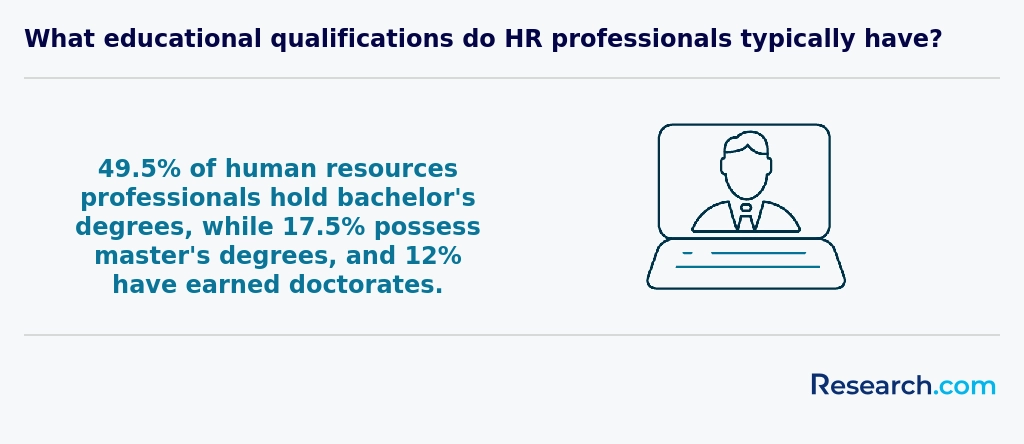
Online human resources degree programs in America typically include courses designed to build both deep understanding and practical skills necessary for HR roles. Graduates from well-known universities often speak about how foundational classes like Human Resource Management gave them a clear picture of daily HR functions-from staffing to employee engagement-helping them envision their future careers.
Courses in Employment Law are especially valuable, as they equip students with knowledge about federal and state workplace regulations that they will regularly encounter, such as compliance with labor standards. These classes come alive when alumni share how this understanding helped them confidently navigate complex employee issues in real job settings.
Organizational Behavior and Performance Management courses help students appreciate the human side of businesses, revealing how to foster positive work environments and fairly assess employee contributions. This resonates strongly with many online students, who often juggle study with work and appreciate learning strategies they can apply immediately.
- Compensation and Benefits teaches how to develop attractive pay structures that retain talent.
- Recruitment and Selection delves into effective hiring practices that graduates find empowering for their HR roles.
- Training and Development emphasizes continuous growth, a theme many graduates relate to personally as lifelong learners.
Plus, electives like Diversity and Inclusion and Strategic HR Management broaden perspectives, enabling students to align HR efforts with broader organizational goals-insights that graduates from popular colleges in America cite as career game-changers.
Online human resources specializations USA often include focused areas that align with real workforce demands, helping graduates bring immediate value to their employers. Students from well-known universities appreciate how concentrations like Talent Acquisition and Recruitment prepare them to master employer branding and innovative hiring strategies, making them confident in improving recruitment processes within diverse industries.
Another common concentration, Employee Relations and Labor Relations, equips learners with skills in conflict resolution and navigating union negotiations-vital for sectors where labor agreements are complex. Many human resources degree concentration options America offer Organizational Development and Training as well, which empowers graduates to lead initiatives that enhance company culture and employee growth, creating rewarding, impactful careers.
Compensation and Benefits specialization teaches structuring competitive packages that attract top talent while complying with legal frameworks-an expertise valued by several HR graduates working in dynamic corporate environments. Meanwhile, emerging areas like HR Technology and Analytics are prized for enabling data-driven decisions backed by deep system knowledge.
For those exploring affordable routes in this field, reviewing the Affordable Human Resources Degree Programs Ranking in California can help identify accessible options aligned with these specializations.
Choosing the right online human resources degree in America means weighing factors that truly impact your career journey. Graduates from well-known colleges often emphasize how accreditation was a decisive factor for them, ensuring the program's credibility and recognition by employers. For example, programs accredited by the Higher Learning Commission or recognized by SHRM helped alumni confidently pursue certifications like SHRM-CP, boosting their job prospects.
Cost and flexibility play big roles too. Many students appreciate programs offering asynchronous classes and part-time options, making it feasible to balance work and study. Considering the range of tuition fees nationwide, those seeking the best affordable online human resources degrees USA can find value by comparing costs and even exploring in-state tuition opportunities available to online learners.
Curriculum diversity also matters. Graduates from top programs enjoyed specialized learning in talent management and labor relations, which gave them practical skills in a competitive market. Career support, such as internships and strong alumni networks, was frequently mentioned as pivotal in landing rewarding HR roles.
Students exploring these choices might discover excellent pathways by checking out the best accelerated associates degree online options tailored for busy professionals. Such strategic selections empower learners to fit education into life's rhythm while advancing their work ambitions.

Graduates armed with an online human resources degree in America find diverse career opportunities that align well with varying interests and skill sets. Many begin as HR Specialists, a role well-suited for those who enjoy connecting people with the right opportunities. For example, students from universities like Arizona State and Penn State often share how this position gives them rewarding experiences in recruitment and onboarding processes, allowing them to make a meaningful impact early in their careers. This role embodies some of the best career opportunities with online human resources degree USA.
Others progress toward leadership positions such as HR Manager, overseeing complex organizational HR functions. Those graduating from respected programs in institutions like Rutgers or the University of Florida report that their online human resources master's degree jobs in America often include policy development and strategic planning, roles that bring both challenge and fulfillment. Specialized paths-like Compensation and Benefits Manager or Labor Relations Specialist-offer avenues for those who prefer a focused expertise, navigating real-world scenarios that require negotiation skills and innovative compensation design.
Many graduates also explore continuing education or certifications, with some taking short certificate programs that pay well online to enhance their credentials and marketability. This practical approach resonates strongly with individuals seeking flexible learning while maximizing career growth in American HR landscapes.
The job market for graduates holding an online human resources degree in America shows promising growth, with increasing opportunities across various industries. Graduates from universities known for strong HR programs often describe a rewarding transition into roles such as recruitment specialists or labor relations managers. These positions, in healthcare, technology, or government sectors, reflect the growing demand for professionals adept at managing talent and fostering inclusive workplace cultures. This upward trend in the human resources career opportunities in America is driven by evolving corporate needs, such as implementing diversity and inclusion initiatives and adapting to remote work setups.
Many students pursuing an online human resources degree appreciate the flexibility it offers, allowing them to balance work and study effectively. For those mindful of investment, exploring options like the most affordable online master's programs can make a significant difference. These graduates often report feeling empowered by data-driven HR skills, enhancing their confidence in navigating a competitive job market.
Real-world experience combined with advanced degrees can markedly improve outcomes. Graduates who leverage their coursework from reputable American institutions frequently secure roles with competitive salaries, as reflected in the steady growth highlighted in online human resources degree job outlook USA.
2027 Most Affordable Online Master's in Human Resources Degree Programs Ranking in the USA
Investing in one's education is a significant decision, and the Research.com team recognizes the importance of providing reliable guidance to prospective students. To aid individuals seeking affordable and quality online Master's programs in Human Resources, we have carefully developed the "2027 Most Affordable Online Master's in Human Resources Degree Programs Ranking in the USA." Our dedication to quality, credibility, and accuracy is reflected through rigorous research and detailed analysis.
We utilized the following reputable data sources to ensure a comprehensive and trustworthy ranking:
By reviewing this ranking, readers will obtain clear insights into affordable and accredited online Human Resources master's programs, enabling informed educational investments. For further information about how we developed this ranking, please visit our Research.com methodology page.


# 8 position
Western Governors University
Master of Human Resource Management


# 12 position
Texas Woman's University
Master of Business Administration - Human Resources Management


# 14 position
Penn State University Park
Master of Human Resources and Employment Relations


# 17 position
Colorado Christian University
Master of Human Resource Management




Frequently Asked Questions About human resources
Online human resources degree students in America can maximize their learning by actively engaging with course materials and participating in virtual discussions. Research from the Society for Human Resource Management (SHRM) shows that 72% of HR professionals value interactive learning for skill development. Students should use available resources such as webinars, case studies, and HR software simulations to gain practical experience.
Time management is crucial; setting a consistent study schedule helps balance work, family, and academics. Connecting with peers through online forums and LinkedIn groups also expands professional networks.
Finally, seeking internships or project opportunities in real-world HR environments enhances understanding and improves employability after graduation.
The human resources field in America is evolving with several emerging niches gaining importance. One prominent area is HR analytics, where professionals use data to improve hiring, retention, and performance. According to the Society for Human Resource Management (SHRM), 71% of HR departments now rely on data-driven decision making. Another growing niche is diversity, equity, and inclusion (DEI), reflecting increased employer focus on creating fair workplaces. Remote workforce management is also rising, especially after the COVID-19 pandemic shifted many jobs online. Additionally, employee wellness programs have expanded, aiming to enhance mental health and productivity across organizations.
After earning an online human resources degree in America, preparing for the job market requires strategic steps. Start by gaining practical experience through internships or part-time roles, as the HR field values hands-on skills alongside academic knowledge. Networking is crucial; join professional organizations like the Society for Human Resource Management (SHRM) to connect with industry experts. Certification, such as the SHRM-CP or PHR, can enhance job prospects by validating your skills. According to the U.S. Bureau of Labor Statistics, employment in HR is projected to grow 7% from 2021 to 2031, indicating strong demand. Tailor your resume to highlight both technical and interpersonal HR competencies.
Employers in America highly value human resources graduates who demonstrate strong communication skills, both verbal and written. The Society for Human Resource Management (SHRM) emphasizes that effective communication enables HR professionals to mediate conflicts and clearly articulate policies. Analytical skills are also critical, as HR specialists must interpret data related to workforce trends and employee performance.
Leadership abilities rank high on the list, with employers seeking candidates who can manage teams and support organizational goals. According to the U.S. Bureau of Labor Statistics, skills in employee relations and talent management remain essential due to evolving workplace dynamics.
Finally, proficiency in HR information systems (HRIS) and a solid understanding of labor laws are indispensable for compliance and efficient operations.
Finding internships in America relevant to a human resources degree involves strategic research and networking. Many universities offering online human resources programs maintain partnerships with companies to provide students with internship opportunities. The Society for Human Resource Management (SHRM) lists internship openings and resources tailored to HR students.
Students can also explore platforms like Handshake, which connects US college students with employers nationwide, including HR internships. According to the National Association of Colleges and Employers, about 60% of employers offer internships specifically for human resources roles.
Additionally, leveraging LinkedIn to network with HR professionals can lead to valuable internship leads. Applying early and customizing resumes to highlight HR knowledge increases chances of selection.
An online human resources degree significantly enhances career mobility and advancement opportunities in America. Given the increasing demand for skilled HR professionals, a degree-especially a master's-can open doors to managerial and specialized roles. According to the U.S. Bureau of Labor Statistics, employment of human resources managers is projected to grow 7% from 2021 to 2031, faster than average for all professions.
Online programs offer flexibility, allowing working professionals to gain credentials without interrupting their jobs, making career shifts smoother. Employers often prefer candidates with accredited degrees, valuing their updated knowledge of labor laws, diversity, and talent management.
Additionally, credentialed HR professionals earn higher salaries. For example, the HR Certification Institute notes degree holders often report greater job responsibilities and leadership roles.
Studying for a human resources degree in America equips students with skills that extend beyond traditional HR tasks. Programs often integrate coursework in business management, organizational psychology, and employment law, fostering an interdisciplinary approach. According to the Society for Human Resource Management (SHRM), 89% of HR leaders value knowledge in data analysis and legal compliance, both commonly taught within these degrees. Online programs from accredited U.S. institutions emphasize practical applications, preparing graduates to collaborate with finance, marketing, and operations teams effectively. This broad educational foundation enables professionals to navigate complex workplace challenges and contribute strategically across departments.
Choosing between a thesis and a non-thesis master's in human resources program in America depends largely on your career goals and learning preferences. Thesis programs focus on research and require students to produce original work, appealing to those considering a PhD or roles in HR research and policy development.
Non-thesis options emphasize practical skills and coursework, often better suited for professionals aiming to advance in HR management or consultancy. According to the National Center for Education Statistics, over 60% of U.S. HR master's graduates choose non-thesis tracks for faster completion and applied knowledge.
Ultimately, evaluate program requirements, time commitment, and your long-term plans before deciding.
Students based in America seeking to study human resources abroad through online programs have limited but growing options. Most U.S. institutions offering online human resources degrees focus on domestic accreditation, but some partner with international universities to provide joint or dual degrees. According to the Society for Human Resource Management (SHRM), careful attention should be given to program accreditation, as the HR field values SHRM certification and recognized academic credentials. While the U.S. Department of Education lists several foreign institutions offering online HR programs, these must align with U.S. standards for transferability and career recognition. Cost, curriculum compatibility, and program delivery are key factors to evaluate.
Part-time job opportunities that complement a human resources (HR) degree in America often focus on roles that build skills in communication, administration, and employee relations. Common positions include HR assistant, recruiting coordinator, and payroll clerk. According to the U.S. Bureau of Labor Statistics, these roles provide practical experience in managing employee information and supporting recruitment efforts.
Internships or part-time roles in employee training or benefits administration also enhance knowledge of HR functions. These jobs allow students to apply theories learned in coursework and develop proficiency in HR software tools, which are increasingly important in the digital workplace. Gaining hands-on experience improves job prospects after graduation.
Working in small business environments or nonprofit organizations often exposes students to broader HR responsibilities, increasing adaptability. Statistics from the Society for Human Resource Management (SHRM) show that practical experience is highly valued by employers and helps bridge the gap between academic knowledge and real-world HR challenges.
Online human resources (HR) students in America have multiple networking opportunities despite the virtual format. Many accredited programs include access to university career services, which host online job fairs and networking events. These events connect students with HR professionals across the country.
Students often join professional organizations such as the Society for Human Resource Management (SHRM), which has over 300,000 members nationwide. SHRM offers virtual conferences, webinars, and local chapter meetings that facilitate networking and professional development.
Additionally, platforms like LinkedIn have become essential for online HR students to build connections, join groups, and engage with industry leaders. This combination of institutional support and professional associations helps students gain valuable contacts and career resources in the U.S. HR field.
Alumni networks play a crucial role in supporting online human resources degree students across the United States. These networks connect students with experienced graduates working in diverse HR fields, fostering professional relationships and mentorship opportunities.
According to the Society for Human Resource Management (SHRM), nearly 80% of HR professionals found their jobs through networking. Alumni connections can provide access to job openings, internships, and industry insights that are otherwise difficult to find, especially for remote learners.
Additionally, active alumni communities often host webinars, workshops, and local events, enhancing students' practical knowledge and career development.
Customizing an online human resources degree program in America allows students to align their education with specific career goals. Many accredited universities offer elective courses in areas such as talent acquisition, labor relations, or organizational development. This flexibility helps students focus on skills needed for roles like HR manager or compensation analyst.
Students can often choose internship options or practical projects to gain industry experience while studying. According to the Society for Human Resource Management (SHRM), specialized knowledge increases job prospects and salary potential in the HR field.
Additionally, some programs offer certifications-such as SHRM-CP or PHR-that complement the degree and support career advancement.
Online human resources students in America often face challenges such as limited access to practical, hands-on experiences. HR programs require understanding workplace dynamics, which can be difficult to simulate fully in virtual environments. Additionally, time management is a common issue, as many students balance studies with full-time jobs and family responsibilities.
Technical difficulties, including unreliable internet connections or unfamiliarity with online learning platforms, also affect progress. According to the Society for Human Resource Management, 62% of HR professionals believe that online programs should better incorporate real-world scenarios.
Lastly, some students struggle with limited networking opportunities compared to traditional campus settings, which can impact career advancement.
Graduates with an online human resources degree in America can pursue several respected professional certifications that enhance career opportunities. One widely recognized certification is the Professional in Human Resources (PHR), offered by the HR Certification Institute (HRCI). This credential demonstrates knowledge of technical and operational HR functions.
Another popular certification is the SHRM Certified Professional (SHRM-CP) provided by the Society for Human Resource Management. SHRM-CP focuses on both behavioral competencies and technical knowledge.
Often, these certifications require candidates to have specific work experience alongside their degree. According to HRCI, PHR holders earn an average salary increase of 20% compared to non-certified peers. Both certifications signal expertise and can improve job prospects in the competitive US HR market.
Writing a winning application for an online human resources program in America requires clear focus and preparation. Start by highlighting your relevant experience, such as work in HR, management, or related fields, as practical knowledge boosts your candidacy. Emphasize your career goals and how the program aligns with them, showing you've researched curriculum and faculty.
Strong recommendations are crucial; seek references from supervisors or professors familiar with your skills. Additionally, a well-crafted personal statement that explains your motivation and dedication to human resources management can set you apart.
According to the Society for Human Resource Management (SHRM), HR roles are projected to grow by 7% from 2021 to 2031, reinforcing the importance of specialized education. Demonstrating awareness of industry trends and your commitment to ongoing learning strengthens your application.
The global perspective on a human resources (HR) career highlights increasing opportunities fueled by globalization and technological changes. In the United States, HR professionals are expected to manage diverse workforces, which mirrors global trends emphasizing cultural competence and adaptability. According to the U.S. Bureau of Labor Statistics, employment of HR specialists is projected to grow 7% from 2021 to 2031, reflecting steady demand within an interconnected economy.
International businesses value US-trained HR graduates for their skills in workforce planning, compliance, and employee relations. Many organizations seek professionals who understand both local labor laws and global employment standards. This dual focus is essential in a globalized job market, enhancing the career potential of HR graduates from online programs across the country.
Gaining practical experience while studying for an online human resources degree in America is essential for career readiness. Many accredited programs encourage internships or cooperative education opportunities with U.S. companies. The Society for Human Resource Management (SHRM) reports that hands-on experience significantly improves job prospects in HR fields.
Students can seek remote internships that provide exposure to recruitment, payroll, and employee relations. Additionally, some universities partner with local businesses to offer virtual practicum experiences tailored to online learners. Volunteering for nonprofit organizations or joining HR-focused student groups can also build practical skills.
Networking platforms like LinkedIn help connect students with professionals for mentorship and project collaboration.
Choosing the right concentration within an online human resources degree program in America involves understanding your career goals and the current labor market. Popular concentrations include talent acquisition, employee relations, compensation and benefits, and organizational development. According to the U.S. Bureau of Labor Statistics, HR specialists in recruitment and hiring are expected to grow by about 7% from 2022 to 2032, signaling demand in this area.
Consider your strengths and interests alongside industry trends. For example, a focus on compensation and benefits may suit those interested in finance and analytics. Look for programs accredited by the Society for Human Resource Management (SHRM) to ensure quality. Research program curriculum to see which concentrations offer practical skills and certifications that align with your desired role.
See What Experts Have To Say About Studying Human Resources
Read our interview with Human Resources experts

Thomas Kochan
Human Resources Expert
Professor of Management
Massachusetts Institute of Technology


Rick Hackett
Human Resources Expert
Professor, Human Resources & Management
McMaster University

- Sample letters in human resources https://www.mystudies.com/en-in/business-accountability-management/human-resources/letter-model/
- HR networking: developing authentic relationships | Reed Learning https://www.reed.com/learning/article/hr-networking:-developing-authentic-relationships
- Human Resources - Alumni.space https://www.alumni.space/en/you-are/human-resources/
- Discover The Most Affordable Online Human Resources Degrees https://www.affordablecollegesonline.org/degrees/human-resources-programs/
- Online Bachelor's Degree: Human Resource Management https://www.umgc.edu/online-degrees/bachelors/hr-management
- What It's Like Learning Human Resources with ... https://coursecareers.com/blog-posts/learning-human-resources-with-coursecareers
- HR's Guide to Effective Career Development https://orangehrm.com/resources/learn-in-depth/hr-guide-to-effective-career-development
- Human Resource Development in Education Non-Thesis Master's Program https://eds.metu.edu.tr/en/human-resource-development-education-non-thesis-masters-program
- HUMAN RESOURCE MANAGEMENT (THESIS / NON-THESIS) - Lisansüstü Eğitim Enstitüsü https://lee.nisantasi.edu.tr/en/human-resource-management-thesis-non-thesis/
- Online Education Vs. Traditional Education In HR - CFR Group https://www.cfr-group.com/online-education-vs-traditional-education-in-hr/