2027 Best Human Resources Degree Programs Ranking in the USA

Co-Founder and Chief Data Scientist
Choosing the right human resources degree program can shape your future career and open exciting opportunities in the world of HR. This article introduces the 2027 Best Human Resources Degree Programs Ranking in the USA, thoughtfully created by Research.com's team of data scientists. It's designed to help you navigate your options and find programs that truly fit your goals.
Whether you're just starting out or aiming to advance, reading this ranking offers valuable insights to make confident decisions. A human resources degree not only builds essential skills but also connects you to a rewarding profession focused on people and growth.
Key benefits of getting human resources degree in America
- Human resources degree graduates can expect competitive salaries, with roles such as Human Resources Assistant and Recruitment Coordinator earning around $76,060 annually and hourly wages near $36.57, offering strong financial stability.
- Graduates have diverse career paths available, from employee relations to training and development, providing exciting opportunities to grow and specialize within a popular field across industries.
- Online human resources degrees, like those offered by well-known universities, provide flexible learning schedules and accessibility, allowing students to balance work and life while earning a respected credential.
- 2027 Best Human Resources Degree Programs Ranking in the USA
- What can I expect from human resources degree in America?
- Where can I work with human resources degree in America?
What can I expect from human resources degree in America?
The average cost of earning a human resources degree in America often surprises many prospective students. For example, graduates from public universities known for their HR programs-such as those in state universities-report spending anywhere between $20,000 to $40,000 for a bachelor's degree, depending on residency status and additional fees.
Students at private colleges, which often offer more personalized HR coursework and stronger internship networks, typically face a higher sticker price, sometimes exceeding $60,000 for a four-year program. Yet, these expenses often translate into immersive experiences, such as hands-on projects aligned with SHRM standards or leadership workshops that ignite real passion for people management.
Many HR graduates reflect on the value beyond tuition: internships with American corporations where they navigate complex workforce diversity issues firsthand, or cooperative education programs that bridge theory and daily HR challenges. These meaningful experiences justify the investment, as they build confidence and professional connections crucial for thriving in competitive job markets.
Where can I work with human resources degree in America?
Graduates with a human resources degree from American universities like Cornell or Michigan State find their skills in high demand across an impressive range of industries. Picture a recent graduate stepping confidently into a corporate HR team at a booming tech startup in Silicon Valley, managing talent acquisition and shaping workforce culture. Another might be navigating the complex staffing needs of a large hospital in Chicago, ensuring compliance with labor laws while supporting critical healthcare staff.
These stories are common among HR graduates who embrace their roles in government agencies, nonprofits, or educational institutions, each setting offering unique challenges and opportunities. They don't just fill roles; they influence company culture, advocate for diversity and inclusion, and design training programs that transform workplaces. Instead of limiting themselves to traditional HR departments, many explore consulting, driving organizational change with strategic insight learned through hands-on projects at schools such as Rutgers or the University of Southern California.
The emotional satisfaction of knowing their work improves employee experiences across industries keeps motivation high, as does the knowledge that certified credentials can unlock even greater career growth throughout America's dynamic job markets.
Graduates from well-regarded programs at universities like Cornell or the University of Michigan often start their careers in roles such as Recruitment Coordinator or HR Generalist, where the mean annual wage is about $76,060 according to BLS data. This figure challenges the common assumption that entry-level HR jobs offer low pay, reflecting a promising start for many pursuing human resources degrees in America.
Imagine beginning your career in a bustling HR office in Chicago or Atlanta, earning around $76,000 while honing your skills. Similarly, roles like Training and Development Coordinator or Employee Relations Specialist provide comparable salaries near this mark, showing a consistent earning potential across these core HR functions.
Graduates often feel a mix of excitement and confidence entering these positions, realizing that their specialized education pays off more tangibly than expected. These salaries, well above many entry-level fields, illustrate that studying human resources in America can genuinely translate into financial stability and career growth.
- Most students start with a bachelor's degree in human resources or related fields; associate degrees and certificates lead to entry-level jobs.
- The average cost for a bachelor's degree at a public university is between $25,000 and $50,000 for in-state students, while private institutions often charge more than $70,000.
- Median annual salary for HR specialists was around $63,000 in 2023, with entry-level positions starting at $45,000 to $50,000 and senior managers earning over $120,000.
- Employment for human resources specialists is expected to grow by about 7% from 2022 to 2032, matching the average growth rate for all occupations.
- Many HR programs prepare students for certifications like SHRM or HRCI, which can improve job prospects and salary potential.
Completing a human resources degree in America is often seen as a fixed four-year journey, but many students at institutions like Michigan State University or Rutgers University find that reality is much more flexible. Bachelor's degrees generally take four years, yet accelerated programs can cut this down to three, offering a thrilling shortcut for motivated learners eager to join the workforce sooner.
Associate degrees, common at community colleges nationwide, typically require just two years, appealing to those who want a fast track into entry-level HR roles or a seamless transfer to four-year schools. Graduates from these paths often share how the shorter timeline gave them confidence and early hands-on experience.
For those aiming higher, graduate degrees at universities such as Cornell or the University of Southern California often extend study by one to two years. Part-time and full-time options make it possible to balance career and study demands, while the investment feels worthwhile as many alumni celebrate sharper skills and stronger job prospects.
Doctoral programs dive deeper, demanding four to six years - a true commitment embraced by those passionate about research and leadership. These rich timelines underscore that a human resources degree in America adapts to your ambitions, pace, and life rhythm.
Graduates from universities like Michigan State and Cornell often describe their on-campus human resources degrees as immersive experiences where hallway conversations and group projects sparked real-time problem solving. This face-to-face interaction cultivates a palpable energy, building interpersonal skills that many employers find invaluable. Imagine discussing labor law nuances over coffee or networking during campus events-moments that online platforms struggle to replicate.
Conversely, alumni from institutions such as Arizona State highlight the unmatched flexibility of online programs. Balancing work and family while accessing coursework anywhere fosters a strong sense of self-discipline and autonomy. The convenience of studying on one's schedule is more than a time-saver; it's an emotional relief that reduces stress and allows deeper focus on complex topics like compensation strategy or organizational behavior.
In America's evolving HR landscape, choosing between online and on-campus isn't merely about location or cost. It challenges students to reflect on how they learn best-whether through vibrant campus life or digital independence-each path shaping distinctive career confidence and readiness.
The most affordable human resources degree programs are usually found at public community colleges, state universities, and online programs that offer lower tuition, transfer-friendly credits, or in-state pricing. Affordability should be measured by total cost, not tuition alone. Students should compare fees, books, technology requirements, commuting or housing expenses, transfer policies, and the time needed to finish.
Community college associate programs can often be completed for under $6,000 per year and may lead to HR assistant, payroll, administrative, or coordinator roles. They can also serve as a lower-cost first step toward a bachelor’s degree if credits transfer cleanly. Bachelor’s programs at public institutions may range from $10,000 to $20,000 annually for residents, while online programs may reduce relocation and commuting costs.
Students should also look for employer tuition assistance, departmental scholarships, state grants, work-study, and accelerated or competency-based formats. These options can reduce debt, especially for working adults who already have business or administrative experience.
For students comparing cost-effective options in one state, the Inexpensive Human Resources Degree Programs Ranking in Alabama can help narrow the search to programs with manageable tuition and relevant HR coursework.
The average cost of earning a human resources degree in America often challenges student expectations. Median total costs hover around $38,945, reflecting expenses that extend beyond tuition alone. Interestingly, in-state students tend to pay significantly less, with median costs near $14,610, which highlights how residency can impact one's educational investment. Graduates from popular human resources programs, including those at regional state universities or renowned business colleges, frequently share how this cost influenced their decisions and career paths. Many speak of balancing the financial strain with the excitement of entering a field rich in opportunities.
Consider a student attending a well-known Midwestern university famous for its human resources curriculum. They might enjoy lower tuition due to state residency, while also benefiting from scholarships, which many institutions offer generously. These real-life examples reveal that the total expenses for HR degree 2027 could include textbooks, campus fees, and living costs-elements easily overlooked but crucial to budget planning. This deeper understanding often empowers students to evaluate not just price tags but the true value of their degree journey.
For those concerned about affordability, exploring affordable human resources schools is a pivotal step. Online programs or employer tuition reimbursement options also appeal to students seeking to minimize costs without sacrificing quality. Such choices emphasize that human resources education in America doesn't have to break the bank, especially when fueled by strategic research and financial aid.
Through the lens of personal stories and median cost data, it becomes clear that understanding the average cost of human resources degree USA is less about a simple number and more about navigating the interconnected elements that make higher education affordable and rewarding.
Human resources is moving from a primarily administrative function to a strategic role that helps organizations compete for talent, improve retention, manage compliance, and build healthier workplaces. The strongest HR degree programs now prepare students for both traditional people-management responsibilities and newer demands involving technology, analytics, remote work, and organizational change.
Artificial intelligence, HR information systems, and workforce analytics are changing how employers screen applicants, forecast staffing needs, measure engagement, and evaluate performance. Students should look for programs that teach how to use these tools responsibly, not just technically. HR professionals must understand data privacy, bias in hiring systems, and the limits of automated decision-making.
Remote and hybrid work have also changed the profession. HR teams now manage onboarding, training, employee engagement, benefits communication, and performance processes across distributed teams. Programs that include coursework or projects in virtual collaboration, change management, and employee experience can provide useful preparation.
Diversity, equity, and inclusion remain central to modern HR practice. Employers expect HR professionals to support fair hiring, inclusive development, conflict resolution, and compliance with employment laws. Students comparing programs should ask whether DEI, labor relations, and employment law are treated as core business issues rather than optional topics.
Cost is part of the trend as well. Students increasingly want flexible and affordable pathways into the field, especially if they plan to combine school with work. Reviewing options such as affordable human resources schools can help identify programs that balance current HR skills with manageable tuition.
Financial aid for human resources degrees in America often begins with the FAFSA, unlocking access to federal grants, loans, and work-study options that are indispensable for many students. Imagine a graduate from the Carlson School of Management at the University of Minnesota who relied on a Pell Grant to lower their tuition burden, enabling focus on studies without overwhelming debt. This reality challenges the myth that higher education must always come with crushing loans.
Federal loans, particularly subsidized ones, offer a lifeline by pausing interest accumulation during enrollment, which students at institutions like Rutgers University have found empowering as they balance coursework and part-time jobs. State programs such as California's Cal Grant demonstrate that where you study influences access to funding, providing merit- and need-based support that can transform a University of Southern California hopeful's prospects.
Scholarships from organizations like the Society for Human Resource Management offer $1,000 to $5,000 annually, affirming that dedication and leadership in HR are recognized and rewarded. Work-study and employer tuition reimbursement options provide real work experience and financial relief, making the HR path not just affordable but professionally enriching for many across the country.
Imagine preparing to join a human resources program at a well-known institution like Cornell or the University of Michigan. The journey often begins with a high school diploma or GED for undergraduates, but there's more beneath the surface than just paperwork. Graduates frequently share how submitting standardized test scores like the SAT or ACT once felt like an imposing hurdle, though many schools now embrace test-optional policies, reducing anxiety and broadening access.
Applicants must also demonstrate consistent academic ability through official transcripts, with most programs expecting at least a 2.5 to 3.0 GPA. Beyond numbers, personal statements and recommendation letters serve as a window into a candidate's motivation and character-qualities essential for cultivating future HR leaders.
Graduate applicants, eyeing schools like Rutgers or the University of Southern California, face more nuanced demands: a bachelor's degree (often related to business or psychology), solid GPA benchmarks, and sometimes GRE or GMAT scores. However, real-world experience in HR management often complements or even substitutes for test scores, reflecting the profession's practical nature and fostering confidence among hopeful students.
Human resources degrees in America consistently feature a curriculum that challenges students to master both the strategic and human sides of workplace dynamics. Graduates from renowned programs at institutions like Michigan State University and Cornell often highlight courses such as Introduction to Human Resource Management and Employment Law as eye-opening, revealing the complexity behind everyday HR decisions and legal frameworks that protect employees. These courses don't just teach theory; they place students in realistic scenarios where one must balance compliance with empathy-something graduates recall as both daunting and deeply rewarding.
Core classes like Organizational Behavior and Training and Development push students to see beyond policies and understand motivation and growth from an employee's viewpoint. Many recount engaging group projects simulating team conflict resolution or compensation planning, experiences that bring textbook concepts to life much like those in programs at Rutgers or the University of Illinois.
This blend of practical skills and legal knowledge is key; it prepares students to navigate the evolving workplace with confidence, making them feel ready to lead transformational HR initiatives from day one.
Human resources degree specializations USA often challenge students to think beyond traditional hiring roles. Graduates from well-known programs at universities like Michigan State or Cornell describe how concentrating on Talent Acquisition and Staffing gave them a strategic edge, mastering recruitment techniques that transform workplaces. Others highlight the depth of Employee Relations and Labor Law, where they navigated complex federal regulations and labor dynamics, preparing for real conflicts faced in American corporations.
Exploring HR degree concentration options in America means diving into areas like Compensation and Benefits, where graduates from top public universities recount creating impactful salary and health plans that change employees' lives. Organizational Development and Training specializations bring a focus on boosting morale and driving change from within, a favorite among students passionate about evolving company culture. Emerging HR Analytics courses appeal to those intrigued by data-driven decision-making, reflecting a digital future that resonates across campuses nationally.
For those concerned about affordability, graduates often recommend consulting Inexpensive Human Resources Degree Programs Ranking in Alabama to find programs that balance cost with robust specialization options.
Choosing the best human resources degree programs USA demands more than glancing at rankings or flashy brochures. Graduates from respected institutions like Michigan State University or Cornell often recall that program accreditation, such as SHRM recognition, was what truly distinguished their education. This isn't just a checklist item-it's your gateway to vital industry connections and real-world HR challenges.
When weighing options, think deeply about curriculum content. Those who thrived found that courses blending employment law with talent management, coupled with internships, provided a confidence boost that textbooks alone can't offer. Imagine balancing work and family life: flexible online or hybrid options-and even accelerated paths-were game changers impacting how well students could apply lessons in their current roles.
Amid this, cost remains a real consideration. Many weigh public versus private tuition, sometimes exploring financial aid or scholarship routes. Some aspiring professionals turn to associate degrees in 6 months online to accelerate entry into the field without sacrificing credibility. Reflecting on career services, top programs famously emphasize employer networks and job placement support, a factor graduates credit for their successful transitions into HR roles.
Graduates with a human resources degree in America find themselves stepping into a spectrum of career opportunities that challenge the typical 9-to-5 grind. Many begin in roles like recruitment specialists or training coordinators, working at top institutions such as the University of Michigan or Cornell, where they gain firsthand experience in shaping workplace culture and talent development. These roles are far from mundane; they require creativity and empathy, making the work deeply rewarding for those passionate about people and organizational success.
Career paths with a human resources degree can also lead to specialized areas like compensation analysts or HR compliance officers, where graduates navigate complex labor laws and advocate for fair employee treatment-tasks that significantly impact company morale and legal standing. This variety exemplifies the diverse job prospects with HR degree in America, frequently inspiring graduates to pursue leadership roles in HR management or diversity initiatives.
Some graduates discover unexpected fulfillment engaging in organizational development or diversity management, often encouraged by programs at institutions known for human resources study. It's worth considering how education costs weigh against this potential; to explore options, visit top degrees for 60 year olds that may offer flexible paths to these careers.
The human resources job outlook USA remains surprisingly dynamic, with graduates from popular universities in America finding opportunities that challenge traditional expectations. Many HR degree holders who studied at institutions known for strong business and management programs share stories of navigating roles that blend employee advocacy with strategic organizational growth. Employment opportunities for HR graduates America span diverse sectors, from tech hubs in California to government agencies in Washington, reflecting the adaptability of the HR skill set.
Recent graduates emphasize how evolving priorities-such as diversity, equity, and inclusion-require HR professionals to innovate beyond routine administrative tasks. For example, HR specialists from midwestern colleges have described shaping company policies around remote work and employee well-being, experiences that fuel both professional satisfaction and career advancement. Those balancing tuition costs and career goals sometimes explore cheap phd programs online as a strategic next step to increase their marketability and earning potential.
2027 Best Human Resources Degree Programs Ranking in the USA
Investing in your education is a significant decision that can shape your future, and the Research.com team understands the importance of making informed choices. To assist prospective students, we have meticulously crafted the "2027 Best Human Resources Degree Programs Ranking in the USA." Our commitment to quality, credibility, and accuracy is reflected in the extensive research and analysis conducted to compile this ranking.
We utilized the following reputable data sources to ensure a comprehensive evaluation of human resources degree programs:
By exploring this ranking, readers will gain valuable insights into the best human resources degree programs in the USA, helping them make well-informed decisions about their educational paths. For more details on our methodology, please visit our Research.com methodology page.


Frequently Asked Questions About human resources
Human resources degree students in America can maximize their learning experience by combining academic coursework with practical exposure. Engaging in internships is particularly valuable, as the U.S. Bureau of Labor Statistics reports that hands-on experience often improves job prospects in this competitive field. Additionally, students should seek involvement in professional organizations, such as the Society for Human Resource Management (SHRM), which offers networking opportunities and industry insights.
Utilizing campus resources like career services and workshops on HR technology also enhances understanding of current trends. Online HR certifications, aligned with coursework, can further boost skills and employability.
The human resources field in America is evolving rapidly, creating new specialized areas for professionals. One emerging niche is HR analytics, which uses data analysis to improve hiring and retention strategies. According to the Society for Human Resource Management (SHRM), 71% of HR professionals consider analytics essential for the future.
Another growing area is talent management for remote workforces. With remote jobs rising 159% between 2005 and 2017 (U.S. Bureau of Labor Statistics), HR experts focus on engagement, productivity, and legal compliance for remote teams.
Additionally, diversity, equity, and inclusion (DEI) roles are expanding, driven by corporate commitments to social justice. The demand for HR specialists in DEI is expected to grow by 20% over the next decade (U.S. Department of Labor).
To prepare for the job market after completing a human resources degree in America, it is crucial to gain practical experience during your studies. Internships and cooperative education programs provide hands-on learning and valuable networking opportunities. According to the Society for Human Resource Management (SHRM), candidates with internships are 15% more likely to secure a job within six months after graduation.
Developing strong communication and organizational skills helps meet employer expectations, as HR roles demand teamwork and confidentiality. Additionally, obtaining professional certifications like the SHRM-CP or PHR can increase job prospects and salary potential.
Staying informed about labor laws and HR trends in the U.S. workforce is essential, as the field continuously evolves with legal and technological changes.
Employers in the United States highly value certain skills when hiring human resources degree graduates. According to the Society for Human Resource Management (SHRM), communication skills top the list, with 92% of HR leaders emphasizing the ability to clearly convey information both verbally and in writing.
Analytical skills are also crucial, as HR professionals frequently interpret data related to employee performance and labor trends. The U.S. Bureau of Labor Statistics highlights problem-solving and critical thinking as key competencies in this sector.
Additionally, knowledge of employment laws and ethical practices is essential due to the complex regulatory environment affecting American workplaces. Many employers also seek graduates with proficiency in HR software and technology tools to manage recruiting, payroll, and compliance efficiently.
Finding internships relevant to a human resources (HR) degree in America involves leveraging multiple resources. Start with your college's career services, which often partner with local businesses to offer HR internship opportunities. According to the National Association of Colleges and Employers (NACE), over 60% of internships are sourced through campus connections.
Online platforms like Handshake and internships.com specialize in connecting students with HR roles nationwide. Networking is key; joining professional organizations such as the Society for Human Resource Management (SHRM) helps access exclusive internship postings and industry contacts.
Many companies offer structured HR internship programs, particularly large corporations in finance, technology, and healthcare sectors, where HR functions are critical. Applying early and tailoring your resume to showcase interpersonal and organizational skills increases your chances.
A human resources (HR) degree significantly enhances career mobility and advancement in America by equipping graduates with specialized skills in talent management, labor laws, and organizational behavior. According to the U.S. Bureau of Labor Statistics (BLS), employment in HR-related roles is projected to grow 7% from 2021 to 2031, faster than the average for all occupations. This demand encourages employers to prioritize candidates with formal HR education.
Graduates with HR degrees often qualify for higher-level positions such as HR managers or training specialists, roles that typically require a bachelor's or master's degree.
Furthermore, certification opportunities like SHRM-CP and PHR are more accessible and beneficial with a degree, further boosting career progression in the U.S. workforce.
Studying for a human resources (HR) degree in America equips students with skills that extend beyond traditional HR tasks, preparing them for interdisciplinary roles. Programs typically include coursework in business, psychology, law, and communications, offering a broad understanding of how HR interacts with many organizational functions.
According to the U.S. Bureau of Labor Statistics, HR specialists often collaborate with management, legal teams, and finance departments, requiring familiarity with diverse disciplines. Many American universities integrate case studies and internships to expose students to real-world business challenges, enhancing problem-solving across fields.
This interdisciplinary training enables graduates to handle complex workplace issues, drive strategic initiatives, and support organizational development effectively.
When choosing between a thesis and a non-thesis human resources degree program in America, consider your career goals and learning preferences. Thesis programs typically emphasize research, requiring students to conduct original studies and write a detailed paper. This can prepare you well for roles in HR research, policy development, or pursuing a doctorate.
Non-thesis programs usually focus on practical skills, coursework, and internships, ideal for those aiming to enter HR management or specialized roles quickly. According to the Bureau of Labor Statistics, HR specialists are expected to grow by 7% from 2021 to 2031, reflecting steady job opportunities for graduates.
Program length and costs may differ, with thesis tracks often taking longer. Additionally, some employers may value practical experience over research skills. Evaluate how each aligns with your personal and professional aims before deciding.
American students interested in studying human resources abroad have several practical options through university exchange programs and international partnerships. Many U.S. institutions offer study abroad opportunities that include human resources courses in countries such as the United Kingdom, Canada, and Australia, known for their strong business and HR education.
Students can earn credits towards their U.S. degrees while experiencing global HR practices firsthand. According to the Institute of International Education, over 300,000 Americans studied abroad in 2022-23, though fewer focused specifically on business or HR majors, indicating growing but specialized interest.
Additionally, some students pursue full degrees abroad, often via English-language programs designed for international learners. This path can expand understanding of diverse workforce management and compliance across cultures, enhancing career prospects in multinational companies.
Students pursuing human resources degrees in America can enhance their education by engaging in various part-time job opportunities that build relevant skills. Common roles include HR assistant, recruiting coordinator, and payroll clerk, which provide practical experience in employee relations, talent acquisition, and benefits administration.
According to the U.S. Bureau of Labor Statistics, entry-level positions in HR often require strong communication and organizational abilities, skills best developed through hands-on work. Many universities report that students combining coursework with part-time HR roles see better job placement rates after graduation.
Internships or campus roles within college HR departments also offer valuable exposure to compliance and employment law, areas critical to HR professionals. These experiences complement academic knowledge and make candidates more competitive in the 7% projected job growth in the HR field through 2032.
Human resources students in America have access to numerous networking opportunities that are essential for career development. Many universities partner with the Society for Human Resource Management (SHRM), the largest HR professional organization in the U.S., offering student chapters that connect learners with industry experts and recruiters. According to SHRM, over 275,000 members benefit from events, webinars, and conferences each year.
Local and national HR conferences provide platforms to meet practitioners and potential employers. Additionally, internships and cooperative education programs through colleges often introduce students to real-world HR networks.
Online platforms like LinkedIn also support building professional connections in the HR field.
Alumni networks play a crucial role in supporting human resources degree students in America. These networks provide connections to experienced professionals working across various industries, offering mentorship and career advice. According to the Society for Human Resource Management (SHRM), 85% of jobs are filled through networking, highlighting the practical benefits of strong alumni ties.
Many universities host alumni events and platforms that facilitate internships and job placements. This direct access to HR practitioners helps students understand real-world challenges and emerging trends in workforce management.
Additionally, alumni networks foster lifelong learning opportunities through workshops and seminars, vital for staying current in the evolving HR field.
Many American universities offer flexibility to customize human resources (HR) degree programs to align with career goals. Students can often choose electives focused on talent management, labor relations, or HR technology. According to the Society for Human Resource Management (SHRM), specialized skills in data analytics and employment law increase job prospects.
Internships and cooperative education options provide real-world experience, allowing students to tailor learning toward industries like healthcare or finance. Some programs also offer certificates in diversity and inclusion or global HR, which are highly valued by employers.
Choosing a program with strong employer connections and professional development resources enhances career readiness, helping graduates target specific HR roles.
Human resources students in America commonly face several challenges during their academic journey. One key difficulty is mastering the evolving legal landscape of employment law, which requires staying updated on federal and state regulations. According to the Society for Human Resource Management (SHRM), this area is critical for successful HR professionals. Additionally, many students struggle with developing practical skills such as conflict resolution, employee engagement, and data analytics, which are increasingly emphasized in modern programs. The growing integration of HR technology also demands adaptability. Furthermore, balancing internships with coursework often proves challenging, as hands-on experience is essential but time-consuming.
With a human resources degree in America, students can pursue several respected professional certifications to boost their career opportunities. The most recognized credential is the Professional in Human Resources (PHR) certification, offered by the HR Certification Institute (HRCI). This certifies foundational HR knowledge and is highly valued by employers.
Another key option is the Senior Professional in Human Resources (SPHR), also from HRCI, designed for experienced HR professionals focusing on strategic leadership. Additionally, the Society for Human Resource Management Certified Professional (SHRM-CP) and SHRM Senior Certified Professional (SHRM-SCP) are popular certifications endorsed by SHRM, the leading HR organization in the US.
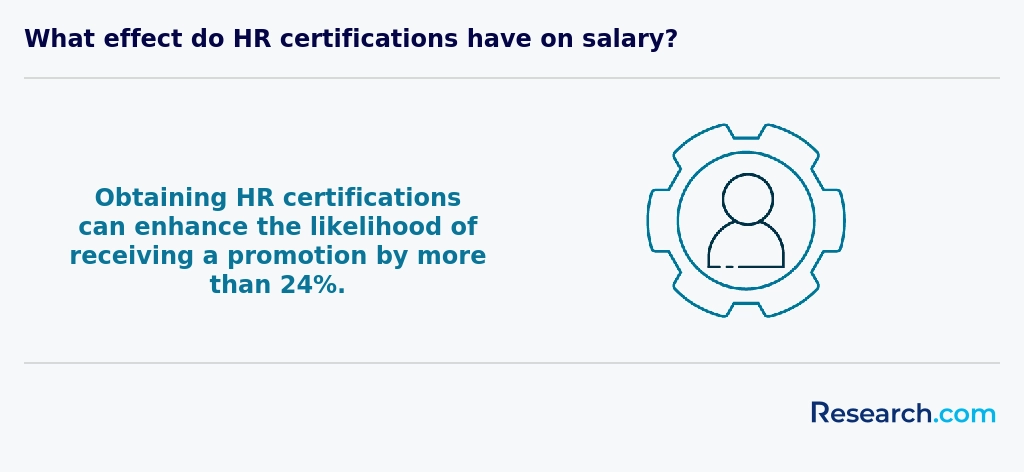
According to the Bureau of Labor Statistics, certified HR professionals tend to have better job prospects and higher salaries compared to non-certified peers.
Writing a winning application for a human resources program in America requires clear demonstration of your interest and understanding of the field. Start by researching the specific program's admission criteria, as requirements can vary between universities. Strong applications often include a well-crafted personal statement explaining your motivation for studying human resources and how it aligns with your career goals.
Highlight relevant experience, such as internships or roles involving teamwork, communication, or conflict resolution. According to the Society for Human Resource Management (SHRM), employers value these skills highly in HR professionals.
Include academic achievements, focusing on coursework related to business, psychology, or communication. Some programs may require letters of recommendation, so choose referees who can attest to your leadership and interpersonal abilities.
Human resources (HR) careers in the United States offer a valuable foundation for understanding workforce management worldwide. According to the U.S. Bureau of Labor Statistics, HR specialist employment is projected to grow 7% from 2022 to 2032, reflecting strong demand domestically and internationally. Globally, HR professionals are increasingly expected to manage diverse workforces and navigate cross-cultural challenges, skills emphasized in many U.S. HR degree programs.
American HR education often incorporates global case studies and compliance standards, preparing graduates to work with multinational organizations. Certifications like SHRM-CP, recognized internationally, also enhance global career prospects. Students gain insight into international labor laws, diversity, and global talent acquisition trends, which are critical in today's interconnected job market.
Gaining practical experience while studying for a human resources degree in America significantly improves job readiness. Many universities offer internships through partnerships with local businesses, allowing students to apply classroom knowledge in real-world settings. According to the National Association of Colleges and Employers, 56% of students who completed internships received job offers related to their field.
Students can also participate in cooperative education (co-op) programs, which combine academic study with paid work experiences, often lasting multiple semesters. Additionally, involvement in on-campus HR clubs or student organizations helps develop leadership and networking skills. Volunteering for HR-related roles in non-profits is another practical avenue to build experience.
Choosing the right concentration within a human resources degree program in America depends on your career goals and interests. Popular concentrations include talent acquisition, employee relations, compensation and benefits, and HR information systems. According to the U.S. Bureau of Labor Statistics, HR specialists with expertise in recruitment and employee management have growing job opportunities, with a projected 9% growth through 2031.
Research the curriculum of each concentration and consider certifications like SHRM-CP, which align with industry expectations. Some universities offer internships and networking opportunities that enhance practical experience. Understanding where you want to specialize helps tailor your education effectively.
See What Experts Have To Say About Studying Human Resources
Read our interview with Human Resources experts


Thomas Kochan
Human Resources Expert
Professor of Management
Massachusetts Institute of Technology

Chester S. Spell
Human Resources Expert
Professor of Management
Rutgers University

- 13+ Human Resources Cover Letter Examples (with In-Depth Guidance) https://www.tealhq.com/cover-letter-examples/human-resources
- A Guide to the Human Resources Career Path https://www.galwaybusinessschool.ie/blog/a-guide-to-the-human-resources-career-path/
- How to Maximize the Impact of Alumni Networks https://www.careeros.com/resources/how-to-maximize-the-impact-of-alumni-networks
- Traditional vs. Modern Human Resource Management: Typology, Transformation, and Industry 4.0 Implications https://srhformosapublisher.org/index.php/jambak/article/view/316
- Best HR Certifications for Beginners https://hrcertification.com/blog/best-hr-certifications-beginners-biid1000209
- 18 HR Skills Every HR Professional Needs [2025 Guide] - AIHR https://www.aihr.com/blog/hr-skills/
- HR Exchange Network https://www.hrexchangenetwork.com/
- What skills and competencies do you need for a career in HR? https://targetjobs.co.uk/careers-advice/hr-and-recruitment/what-skills-and-competencies-do-you-need-career-hr
- What do you learn in a bachelor's in human resource management? | edX https://www.edx.org/resources/what-do-you-learn-in-a-bachelors-in-human-resource-management
- The Great Reinvention of Human Resources Has Begun JOSH BERSIN https://joshbersin.com/2026/01/the-great-reinvention-of-human-resources-has-begun/