2027 Most Popular Human Resources Degree Programs Ranking in New York

Co-Founder and Chief Data Scientist
Choosing the right human resources degree program can shape your future career and open doors in New York's competitive job market. This article presents the 2027 Most Popular Human Resources Degree Programs Ranking in New York, developed by the Research.com team of data scientists. It's designed to help you make confident, informed decisions by highlighting top programs worth considering.
Exploring this ranking brings clarity and inspiration, showing the value of pursuing a human resources degree. Whether you're starting or advancing your education, this guide supports your journey toward a rewarding career.
Key benefits of getting human resources degree in New York
- Salary for human resources degree graduates: Human resources graduates in New York can expect competitive salaries such as $76,060 annually for roles like Recruitment Coordinator, Employee Relations Specialist, and Human Resources Generalist, ensuring financial stability and growth.
- Career paths: Graduates from popular New York colleges often find diverse opportunities in HR fields, including roles in training, employee relations, and recruitment, offering exciting and rewarding career options.
- Online degree benefits: Earning an HR degree online from a respected New York university allows for flexible scheduling and the ability to balance work or family while gaining essential skills, making education more accessible and convenient.
- 2027 Most Popular Human Resources Degree Programs Ranking in New York
- What can I expect from human resources degree in New York?
- Where can I work with human resources degree in New York?
What can I expect from human resources degree in New York?
The average cost of earning a human resources degree in New York varies widely depending on the institution and program format. Graduates from popular colleges in Manhattan or upstate New York often report tuition ranging from $15,000 to over $40,000 per year for undergraduate studies, with graduate programs sometimes exceeding these amounts, especially at private universities. Many students find financial aid and scholarships essential to managing these expenses.
One graduate recalled balancing a part-time internship in Brooklyn with coursework, highlighting how hands-on experience helped justify the investment despite the high costs. Another shared how flexible online graduate programs from well-known New York institutions allowed working professionals to continue earning while studying, easing financial pressure.
While steep tuition can feel daunting, the strong local demand for HR professionals and average wages above the national median help frame this expense within reasonable long-term career prospects. Still, prospective students should carefully assess whether their chosen program offers the practical internships and SHRM-aligned curriculum that provide visible value beyond the sticker price.
Where can I work with human resources degree in New York?
Graduates with a human resources degree from institutions like Cornell University, Baruch College, or Syracuse University often find themselves drawn to New York's diverse job market, where opportunities span multiple sectors. Many start in bustling urban centers such as New York City and Albany, joining HR departments in finance, technology, or healthcare companies, navigating roles in recruitment or benefits administration. One graduate recalled the excitement of coordinating employee wellness programs at a major hospital network, highlighting how their education prepared them to address real-world challenges.
Others discover fulfilling careers in government agencies, supporting civil service recruitment or workforce development, especially within the New York State Office of Personnel Management. Still, some graduates pursue opportunities at universities, managing faculty recruitment or organizational development-roles that resonate with those who value community and educational environments. While it's tempting to assume every graduate quickly lands a dream job, it's important to recognize the competitive landscape and the need for adaptability, as economic shifts and regulatory demands continually reshape the HR field.
Graduates with a human resources degree in New York often find themselves earning competitive salaries across various HR roles. According to the U.S. Bureau of Labor Statistics, positions such as Recruitment Coordinator, Employee Relations Specialist, and Human Resources Generalist all have mean annual wages around $76,060 in the state. This aligns well with reports from graduates of institutions like Baruch College and Hunter College, who report starting salaries near this range, often buoyed by internships and networking within the New York metropolitan job market.
For those aiming to become Training and Development Coordinators, the mean annual wage stands slightly lower at about $71,980, which still offers a solid entry point. Many graduates express satisfaction with the opportunity to engage in dynamic workplaces across finance and tech industries, which frequently provide additional benefits beyond base pay.
It's important to remember that factors such as company size and individual skill sets-like labor relations or HR analytics expertise-can significantly influence compensation. Graduates from New York's well-regarded human resources programs often emphasize how hands-on learning and real-world exposure prepare them to negotiate these nuances effectively.
- Human resources bachelor's degrees in New York typically cost between $25,000 and $50,000 per year, with public universities offering lower tuition for in-state students.
- Entry-level HR professionals in New York earn about $55,000 annually, while mid-career salaries range from $75,000 to $90,000.
- Senior HR roles, such as managers or directors, often have salaries above $110,000, reflecting high demand and living costs.
- The HR job market in New York is expected to grow by around 9% over the next decade, driven by sectors like healthcare, finance, and technology.
- Many schools provide programs aligned with certifications like PHR and SHRM-CP, increasing employability.
- Flexible learning options, including part-time and online programs, are available to support working adults and those with other commitments.
Completing a human resources degree in New York typically takes about four years for full-time students pursuing a Bachelor of Science or Arts in HR, mirroring the standard timeframe at institutions like Baruch College or SUNY Albany. Graduates often recall the rewarding challenge of balancing coursework with internships, which enriched their profiles while extending their study time slightly. For those attending part-time or opting for evening classes-common at places such as Pace University-the timeline can stretch to five or six years, reflecting a realistic pace for working professionals.
Graduate programs, including Master's degrees or MBAs with an HR focus at schools like NYU, generally require around two years full-time. However, accelerated tracks allowing completion in 12 to 18 months appeal to highly motivated students eager to advance quickly, though this demands intense commitment. Certificate courses or associate degrees can be completed in one to two years, providing practical skills without the extended time investment.
These variations highlight that completion time depends not only on credit requirements-typically 120 for bachelor's and 30-60 for master's-but also on personal circumstances and program flexibility, which many New York students appreciate as they navigate education alongside life commitments.
Choosing between online and on-campus human resources degrees in New York often comes down to lifestyle and learning style. Graduates from New York University's on-campus program frequently mention the energy of face-to-face interactions, citing how networking events and campus workshops directly enhanced their job prospects. They value the immediacy of feedback from professors and the chance to build relationships in New York's dynamic HR industry hub.
In contrast, online graduates from SUNY programs emphasize flexibility, balancing coursework with full-time jobs or family commitments. They appreciate accessing lectures anytime, but admit the need for extra self-discipline and proactive efforts to find local internships. While technology can sometimes challenge online learners, many praise the convenience of avoiding daily commutes in busy New York City traffic.
Cost differences between formats in New York are less pronounced than nationally; local schools often price online and on-campus options similarly, reflecting competitive regional markets. Both pathways cover core HR subjects thoroughly, yet hands-on experiences tend to be more accessible on-campus, especially through New York-based job fairs and partnerships.
The average cost of obtaining a human resources degree in New York varies widely depending on whether you attend a public or private institution and if you qualify for in-state tuition. Based on recent data, the median total cost for completing such a degree is roughly $48,448, while in-state students tend to pay about $19,589 overall. This disparity reflects the substantial difference in tuition fees between public and private universities as well as the out-of-state rates many students face. Graduates from well-regarded public universities in the SUNY system often highlight how they balanced cost and quality, appreciating the affordability combined with strong academic support.
Many human resources students in New York discover that while private colleges can charge upwards of $35,000 to $50,000 annually, they sometimes offset this expense with generous financial aid packages. This nuance is crucial when evaluating human resources degree tuition and fees New York, as sticker price alone does not paint the full picture. For instance, graduates recall the value of personalized mentorship and networking opportunities at private colleges despite the higher initial investment.
Prospective students must also factor in living and miscellaneous expenses, which can easily add $10,000 or more each year, especially for those attending schools in New York City. An important consideration is that some human resources degrees in New York now offer flexible online or part-time options, potentially reducing costs and allowing students to work simultaneously. For those evaluating affordability, reviewing a list of affordable human resources schools in new york can provide practical guidance tailored to different financial situations.
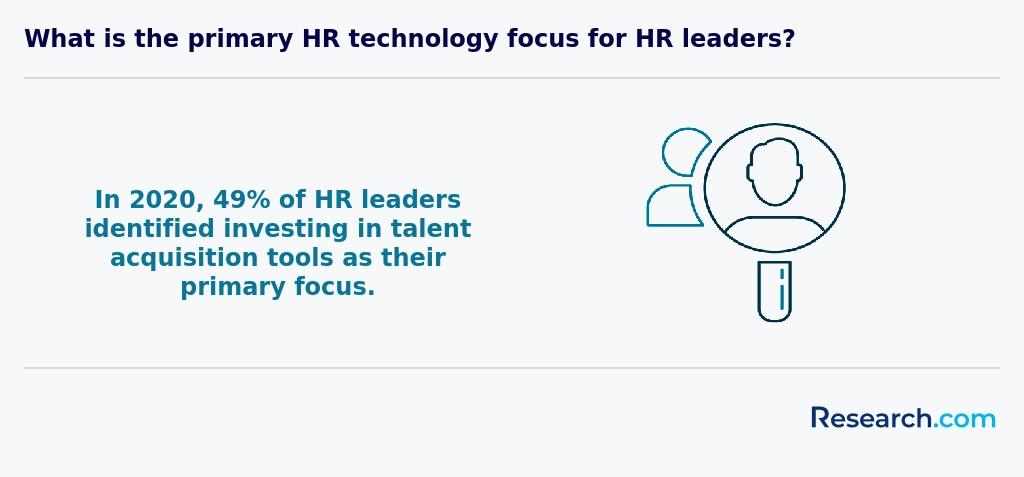
Human resources in New York is becoming more strategic, data-driven, and technology-enabled. Employers still need HR professionals who can recruit, onboard, manage benefits, resolve workplace issues, and support compliance. But they increasingly expect HR teams to understand analytics, hybrid work policies, employee experience, diversity initiatives, and the ethical use of automation in hiring and workforce planning.
For students comparing HR degree programs, this shift matters. A strong program should not only teach traditional HR functions; it should also help you understand how organizations use HR information systems, workforce data, and modern talent strategies to make decisions. Graduates who can connect people management with business outcomes are often better positioned for advancement.
Trends to look for in a New York HR curriculum
- HR analytics and workforce data: Courses or projects that teach students how to interpret turnover, hiring, engagement, compensation, and performance data.
- Hybrid and remote work policy: Training in employee communication, compliance, collaboration, and performance management across different work arrangements.
- Diversity, equity, and inclusion: Practical coursework that moves beyond awareness and addresses recruiting, retention, promotion, workplace culture, and bias reduction.
- Technology in recruiting and HR operations: Exposure to applicant tracking systems, HR information systems, automated screening tools, and data privacy concerns.
- Employee well-being and retention: Preparation for roles that support engagement, benefits, mental health resources, and organizational culture.
New York’s labor market includes large corporations, public agencies, universities, hospitals, startups, cultural organizations, and nonprofits, so students benefit from programs that connect classroom learning with local employers. Internships, capstone projects, guest speakers, and alumni networks can be especially valuable in a field where experience and professional relationships often influence first-job opportunities.
If affordability is a major factor, compare programs that combine cost control with current HR training. You can start by reviewing affordable human resources schools in New York and then check whether each option includes the modern HR topics and experiential learning opportunities you need.
Students pursuing human resources degrees in New York often rely on a mix of financial aid sources to manage tuition costs, which can range widely from $10,000 annually at public universities for in-state students to $40,000 or more at private institutions. Graduates from schools like CUNY and Syracuse share that the FAFSA remains the first step, unlocking federal grants such as the Pell Grant, which can cover thousands annually depending on financial need. This aid relieves significant pressure without the burden of repayment.
State programs like New York's Tuition Assistance Program (TAP) are crucial for many, providing up to $5,665 per year for residents attending in-state colleges. Several former students emphasize how TAP paired with school-specific scholarships made attending programs at institutions such as SUNY Buffalo more attainable.
Work-study opportunities, often available through both federal and institutional funding, allow students to earn money while gaining HR-related experience on campus, a dual benefit highlighted by alumni.
Moreover, professional associations like SHRM occasionally offer scholarships, and some New York employers support tuition reimbursement, enabling working students to advance their education without halting their careers.
A human resources degree can help you qualify for entry-level and advancement opportunities, but professional certification can strengthen your credibility once you begin building experience. In HR, certifications are often used to show that you understand employment practices, compliance, talent management, employee relations, compensation, and strategic HR operations.
Two widely recognized credentials are the SHRM Certified Professional (SHRM-CP) and the Professional in Human Resources (PHR) certification awarded by HRCI. Both are designed for professionals who combine education with HR experience. Students or early-career professionals may also consider the Associate Professional in Human Resources (aPHR) certification as a way to demonstrate foundational knowledge before qualifying for more advanced credentials.
How certifications can support an HR career
- They validate practical knowledge: Employers can see that you have studied core HR responsibilities beyond your degree coursework.
- They can support career mobility: Certification may help when moving from an assistant or coordinator role into specialist, generalist, or management work.
- They encourage continuing education: HR laws, workplace expectations, and technology change often, so ongoing learning matters.
- They can expand your network: Certification preparation, professional associations, and local HR events can connect you with working professionals.
Eligibility for SHRM-CP typically includes a bachelor’s degree plus one to two years of HR experience, while the PHR requires a similar combination of education and work history. Before committing to exam preparation, confirm the latest eligibility rules directly with the certifying organization and choose a degree program that helps you build relevant experience through internships, projects, or work-integrated learning.
Students who need a flexible and lower-cost pathway may also compare online programs outside New York. For example, Research.com’s Most Affordable Online Bachelor's in Human Resources Degree Programs Ranking in Virginia can be useful for seeing how online bachelor’s options are structured and priced in another state.
The strongest strategy is usually sequential: choose a reputable HR degree program first, gain practical experience, then pursue the certification that best matches your role and goals.
Enrolling in a human resources degree program in New York typically requires applicants to have completed a high school diploma or its equivalent, such as a GED. At institutions like CUNY or SUNY schools, many graduates recall the importance of submitting official transcripts that demonstrate satisfactory secondary education with a GPA around 2.5 to 3.0, though more competitive programs expect higher academic performance. While some programs still request SAT or ACT scores, many New York colleges have embraced test-optional policies, making the process less stressful and more accessible.
Applicants often need to provide letters of recommendation and personal statements, allowing admissions committees to appreciate their motivation beyond mere grades. Graduates from well-known programs frequently emphasize how these essays gave them a chance to express their genuine interest in HR.
For master's programs in New York, such as those offered by NYU or Fordham, a bachelor's degree is essential, often accompanied by GRE or GMAT scores. However, several programs waive these exams given relevant professional experience or strong undergraduate GPAs, which provides flexibility for career-changers or working professionals aiming to advance.

Human resources degree programs in New York generally include a comprehensive set of courses designed to equip students with both theoretical and practical expertise. Graduates from institutions like Baruch College or Syracuse University often highlight foundational classes such as Introduction to Human Resources Management, which covers essential HR activities like recruitment and employee retention that they immediately related to during internships.
Employment Law courses stand out by addressing federal and New York-specific labor regulations; this localized legal knowledge gives students confidence when navigating real workplace challenges, especially in diverse urban environments like New York City. Meanwhile, Organizational Behavior explores communication dynamics and leadership, topics many alumni found crucial in team-based projects and group discussions.
Courses in Compensation and Benefits, alongside Talent Acquisition, provide hands-on learning through case studies reflecting the competitive job market in New York. HR Analytics, an increasingly valued skill, introduces students to interpreting workforce data-a capability graduates recall using for practical reporting tasks during their practicum experiences.
While this curriculum framework is standard, some students appreciate programs emphasizing strategic alignment within organizations, preparing them to think critically about long-term business goals amid evolving workplace trends.
Students pursuing human resources management specializations in New York often find a variety of focused areas tailored to the city's unique workforce demands. Popular options include Talent Acquisition and Recruitment, where graduates from universities like Baruch College share how learning to navigate New York's competitive job market felt empowering for helping companies secure top talent. Others appreciate Employee Relations and Labor Relations, especially in unionized environments common in the city, as former students from Hunter College emphasize negotiating real-world labor agreements sharpened their communication skills under pressure.
Another significant specialization is Compensation and Benefits, which graduates at CUNY highlight for teaching them to create competitive salary packages essential in a high-cost city, balancing employee satisfaction and organizational budgets. Organizational Development and Training appeals to those eager to enhance workplace productivity, with alumni from Pace University linking their coursework to leadership roles in large corporations. Lastly, Human Resources Information Systems (HRIS) is gaining traction, as students at NYU describe the satisfaction of applying data analytics to improve HR decisions in digital workplaces.
Choosing a specialization within New York HR degree specialization options offers both challenges and opportunities. For details on affordable programs, consider the Most Affordable Online Bachelor's in Human Resources Degree Programs Ranking in Virginia.
Choosing the best human resources degree program in New York involves weighing accreditation, curriculum relevance, and cost carefully. Graduates from popular universities often emphasize the value of attending regionally accredited schools with SHRM-aligned programs, as these boost confidence entering the competitive HR job market. For example, students at institutions in or near New York City frequently share how access to corporate internships sharpened their practical skills and made job hunting less daunting.
While affordability is crucial, especially when considering the prospects of affordable human resources degrees New York 2027, it's equally important to consider program flexibility. Many working students appreciate evening and online options that allow them to balance work and study without sacrificing quality. Comparing total costs over the typical four-year course helps avoid surprises, especially since private colleges can be significantly pricier than public ones.
Don't overlook the program's focus areas: graduates note that classes covering employment law, talent management, and HR technology reflect real workplace demands. Networking with local businesses is another advantage that successful alumni highlight as a key to early career breakthroughs. To explore further, consider reviewing popular college majors that align with your career goals popular college majors.

Graduates from human resources degree programs at prominent New York institutions often find themselves exploring a variety of roles, from human resources specialists to HR managers, recruitment coordinators, and labor relations specialists. These roles are particularly prominent in the state's diverse economy, reflecting genuine human resources career opportunities New York offers. For example, graduates from universities with strong internship programs report feeling confident stepping into positions focused on workforce planning, compliance, or employee relations.
While finance and healthcare sectors provide competitive salaries for HR managers, some graduates pursue roles in emerging areas such as diversity officers or employee experience managers, especially in New York City's vibrant startup scene. At the same time, public sector jobs in governmental agencies appeal to those valuing stability and a focus on labor law administration. Those weighing the costs of studying human resources in New York benefit from considering practical experience alongside tuition investment.
Specialized certifications often complement a degree, helping graduates boost employability amidst intense competition for jobs with human resources degree New York offers. For students interested in advancing practical skills without breaking the bank, exploring online certificates that pay well can be a strategic option to enhance career prospects.
The human resources job outlook New York presents a generally positive scenario, especially for graduates from well-known institutions such as Baruch College or Hunter College. Many graduates share that entering the New York job market feels encouraging because of the region's diverse industries, ranging from finance to healthcare, all requiring HR expertise. However, the challenge is the high level of competition, particularly in New York City, where corporate headquarters demand stringent knowledge of complex labor laws and nuanced recruitment skills.
New York human resources career prospects often hinge on balancing academic credentials with practical certifications like SHRM-CP, which many graduates find essential for standing out. While tuition costs for these programs can range widely from $25,000 to $50,000 annually, most students underscore that this investment is often justified by higher salaries relative to the national average and by the city's vibrant professional environment.
Recent graduates typically highlight how real-world internships and networking at local colleges enhance job readiness. Those studying in New York frequently observe firsthand the evolving importance of remote work policies-a critical focus as companies adapt and seek innovative HR solutions. For those weighing alternatives, exploring the top majors that make the most money can provide additional guidance on career decisions.
2027 Most Popular Human Resources Degree Programs Ranking in New York
Investing in your education is a significant decision that can shape your future, and the Research.com team understands the importance of making informed choices. To assist prospective students, we have meticulously created the "2027 Most Popular Human Resources Degree Programs Ranking in New York." Our commitment to quality, credibility, and accuracy is demonstrated through thorough research and analysis. We utilized the following reputable data sources to ensure a comprehensive evaluation of human resources degree programs:
By exploring this ranking, readers will gain valuable insights into the most popular and reputable human resources programs in New York, helping them make well-informed decisions about their education and career paths. For more details on our methodology, please visit our Research.com methodology page.


# 5 position
Columbia University in the City of New York
Master of Science in Human Capital Management


Frequently Asked Questions About human resources
Human resources degree students in New York can maximize their learning by engaging in internships with local companies, as the state hosts over 9 million jobs in professional and business services, including HR roles (U.S. Bureau of Labor Statistics, 2023).
Networking through university career centers and industry organizations like the New York State Society for Human Resource Management (NYSHRM) is crucial for gaining professional insights and job opportunities.
Students should take advantage of New York's diverse workforce by studying labor laws and cultural competence, which are vital for HR professionals in this varied job market.
Participating in workshops and certifications, such as SHRM-CP or PHR, can further enhance practical skills and employability upon graduation.
Emerging niches in the human resources (HR) field are rapidly evolving, particularly in New York's dynamic job market. One key area is HR analytics, where professionals use data to improve recruitment and retention strategies. The New York State Department of Labor reports a growing demand for HR specialists skilled in data analysis.
Another niche is diversity, equity, and inclusion (DEI). Many New York companies prioritize DEI initiatives, creating roles focused on building inclusive workplaces. According to the Society for Human Resource Management, DEI-related HR positions are expected to grow significantly nationwide.
Additionally, remote workforce management has become vital post-pandemic, with HR professionals managing hybrid teams and implementing technology-driven solutions. These specialties present promising career paths for students pursuing HR degrees in New York.
Graduates with a human resources degree in New York should focus on gaining practical experience to enhance their employability. Internships and cooperative education programs offered by universities provide valuable workplace exposure. According to the New York State Department of Labor, the demand for HR professionals is expected to grow by 7% through 2031, reflecting steady job opportunities in the state.
Networking is crucial; joining professional organizations like the New York State Society for Human Resource Management (NYS SHRM) helps students connect with industry experts. Additionally, obtaining HR certifications such as SHRM-CP or PHR can significantly improve job prospects.
Strong communication and technological skills, including proficiency in HR software, are highly valued by employers in New York's competitive market.
Employers in New York consistently seek human resources graduates with strong communication and interpersonal skills. These abilities are essential for managing diverse workplaces and resolving conflicts effectively. Analytical skills also rank highly because HR professionals use data to guide recruitment and improve workforce planning.
Knowledge of employment laws and regulations specific to New York State is critical, given the complex labor environment. Familiarity with technologies like HR information systems (HRIS) is increasingly valued for streamlining operations. According to the New York State Department of Labor, the demand for HR specialists grew by 7% from 2019 to 2023, emphasizing adaptability and continuous learning as key traits.
Finding internships in New York relevant to a human resources degree involves targeting companies and organizations with established HR departments. Focus on large corporations, nonprofit groups, and government agencies within New York City and the surrounding metro area, as they often offer structured internship programs.
University career centers are valuable resources. Schools like New York University and Columbia University frequently collaborate with employers offering HR internships. Additionally, platforms such as Handshake and LinkedIn list internship openings tailored for HR students in New York.
The New York State Department of Labor reports that the human resources sector is growing steadily, creating increasing internship opportunities. Networking through local HR professional associations, including SHRM New York Metro, can also help students connect with potential internships and mentors.
In New York, a human resources (HR) degree significantly enhances career mobility and advancement opportunities. The state's large and diverse economy creates demand for HR professionals who understand both local labor laws and workforce diversity management. According to the U.S. Bureau of Labor Statistics, employment of HR specialists in New York is projected to grow by 10% through 2031, which is faster than the national average.
Graduating with an HR degree equips candidates with essential skills in talent acquisition, employee relations, and organizational development, which employers in New York highly value. Additionally, many HR roles, especially managerial positions, prefer candidates with a bachelor's or master's degree in HR or related fields.
Networking opportunities provided by New York universities and local HR organizations also contribute to career growth. Professional certifications combined with an HR degree can lead to higher earning potential and quicker promotion pathways. Overall, a formal HR education is a strong asset for those aiming to advance in New York's competitive job market.
Studying for a human resources degree in New York equips students with skills that extend beyond traditional HR functions, preparing them for interdisciplinary roles in various industries. New York's universities often combine coursework in business management, labor law, psychology, and technology, reflecting the diverse needs of today's workforce. This multidisciplinary approach helps graduates navigate complex organizational challenges, from employee relations to strategic planning.
According to the National Center for Education Statistics, New York awards thousands of HR-related degrees annually, emphasizing practical skills. Additionally, internships and partnerships with NYC-based companies allow hands-on experience, strengthening adaptability across sectors. This blend of theory and practice fosters versatile HR professionals ready for evolving roles.
When choosing between a thesis and a non-thesis human resources degree program in New York, consider your career goals first. Thesis programs focus on research and prepare students for roles in academia or specialized HR research. Non-thesis options often emphasize practical skills and may include internships or capstone projects. According to the National Center for Education Statistics, about 40% of master's students in New York select non-thesis paths to enter the workforce more quickly.
Another factor is time commitment: thesis programs usually require more time and critical thinking. Funding opportunities, like assistantships, are more available for thesis students in New York's research universities.
Local HR job market data from the New York State Department of Labor highlights increased demand for HR professionals skilled in data analysis and compliance, skills taught in both tracks but applied differently.
Students based in New York interested in studying human resources abroad have several options through exchange programs and partnerships between New York institutions and foreign universities. Many universities in New York, such as CUNY and SUNY, offer study-abroad programs focused on business and management disciplines, which often include human resources courses. According to the Institute of International Education, about 15% of New York students participate in international study programs annually.
These programs allow students to gain global perspectives on HR practices, enhancing their competitiveness in the U.S. job market where New York hosts over 20,000 HR professionals. Popular destinations include the UK, Canada, and Germany, known for strong business education. Financial aid and scholarships are also available through New York schools to support these international experiences.
Part-time job opportunities in New York that complement a human resources degree often include roles such as HR assistant, recruiting coordinator, and payroll clerk. These positions provide practical experience in talent acquisition, employee relations, and benefits administration, essential areas in human resources.
According to the U.S. Bureau of Labor Statistics (BLS) 2023 data, New York employs over 75,000 HR specialists, creating numerous entry-level positions that students can pursue part-time. Internships in staffing firms and corporate HR departments also offer exposure while studying.
Additionally, customer service roles or administrative assistant jobs develop communication and organizational skills, highly relevant to HR professionals. Exploring these experiences can strengthen a graduate's resume for future full-time human resources careers.
Human resources students in New York benefit from robust networking opportunities due to the city's large concentration of businesses and HR professionals. Organizations such as the New York State Society for Human Resource Management (SHRM) offer events, workshops, and mentorship programs tailored to HR students and early-career professionals. According to SHRM, New York hosts over 30 annual conferences and seminars focused on HR trends and career development.
Many universities in New York also sponsor career fairs and alumni networking events, connecting students directly with recruiters from top companies. Additionally, the New York metropolitan area ranks among the top regions for HR jobs, providing students access to diverse industries and professional groups.
Alumni networks play a crucial role for human resources degree students in New York by offering valuable connections in a competitive job market. Graduates of New York institutions often join extensive alumni groups that provide mentorship, internships, and job referrals, increasing employment opportunities. According to the National Association of Colleges and Employers (NACE), 70% of jobs are secured through networking, highlighting the importance of these connections.
In New York, many alumni associations host professional events and workshops tailored to HR students, helping them stay informed about industry trends and state labor laws. These networks also support career development through guidance on certifications popular in HR careers, such as SHRM-CP.
Customizing a human resources degree program in New York allows students to align their education with specific career goals. Many institutions offer electives in areas such as labor relations, talent development, or diversity management to build specialized skills. Internships or cooperative education options at New York-based companies, including those in the finance or healthcare sectors, provide practical experience and networking opportunities.
Students can also select degrees that prepare them for certifications like the SHRM-CP, highly valued in the New York job market. According to the National Center for Education Statistics, tailored coursework combined with experiential learning improves job placement rates, especially in competitive metropolitan areas like New York City.
Human resources students in New York face several notable challenges during their studies. One common issue is mastering the complex legal framework governing employment in the state, which includes strict labor laws and regulations from agencies such as the New York State Department of Labor. Understanding these laws is essential for compliance and effective HR management.
Additionally, students often struggle with gaining practical experience. New York's competitive job market means internships and entry-level positions are limited, despite high demand for hands-on learning. According to the National Association of Colleges and Employers, only about 60% of HR graduates secure internships during their studies, impacting skill development.
Moreover, balancing coursework with networking is crucial but challenging. Human resources relies heavily on interpersonal skills and professional connections, and students must invest significant time to build these while managing academic responsibilities.
With a human resources degree, graduates in New York can pursue several recognized professional certifications to enhance their career opportunities. The most popular credential is the Professional in Human Resources (PHR), awarded by the HR Certification Institute. It focuses on operational HR management, ideal for those starting their careers.
For more experienced professionals, the Senior Professional in Human Resources (SPHR) certification offers advanced knowledge. Both certifications are widely respected across New York's business and nonprofit sectors.
Another option is the SHRM Certified Professional (SHRM-CP), from the Society for Human Resource Management, which combines behavioral competencies with technical HR expertise.
According to the New York State Department of Labor, HR positions requiring certifications have grown by 12% over five years, reflecting increasing demand.
To write a winning application for a human resources program in New York, begin by clearly demonstrating your understanding of HR fundamentals. Highlight any relevant experience, such as internships or roles involving recruitment, employee relations, or organizational development. Admissions committees value applicants who show both practical knowledge and academic readiness.
Strong academic records are crucial; New York's competitive educational environment means many applicants have GPAs above 3.0. Include well-crafted personal statements that align your career goals with the program's offerings. According to the National Association of Colleges and Employers, communication skills are highly sought after in HR roles, so emphasize your abilities.
Check the specific application requirements for each program, as some schools request letters of recommendation or resume submissions. Resources like the New York State Education Department provide guidelines on accredited institutions, ensuring your chosen program meets professional standards.
Human resources (HR) careers are increasingly influenced by global trends, reflecting the interconnected nature of business today. In New York, a leading hub for multinational companies, HR professionals must understand diverse workforce needs and international labor standards. According to the U.S. Bureau of Labor Statistics (BLS), HR jobs in New York are expected to grow by 7% from 2021 to 2031, matching national growth rates but with strong emphasis on global compliance and cultural competence.
HR degrees in New York often incorporate training on cross-cultural communication, international labor laws, and global talent management. This equips graduates to work in diverse environments and multinational organizations.
Students should also consider the SHRM (Society for Human Resource Management), which highlights global HR topics as critical competencies for career advancement, emphasizing how New York HR roles often demand a global perspective.
Gaining practical experience while pursuing a human resources degree in New York is essential for career readiness. Many New York colleges and universities offer internships through partnerships with local businesses and nonprofit organizations. These internships provide hands-on experience in recruitment, employee relations, and payroll management. According to the National Association of Colleges and Employers, 62% of students who completed internships in New York secured jobs within six months of graduation.
Additionally, joining student chapters of professional bodies like the Society for Human Resource Management (SHRM) can offer networking opportunities and case competitions.
Volunteering for HR-related roles in campus organizations also helps build relevant skills.
Choosing the right concentration within a human resources degree in New York depends on your career goals and the local job market. Common concentrations include talent management, labor relations, and organizational development. New York's diverse economy offers opportunities in corporate, nonprofit, and government sectors, so aligning your focus with industries that are growing-such as technology and finance-can improve job prospects.
According to the New York State Department of Labor, HR specialist roles in the state are expected to grow by 7% from 2022 to 2032, slightly above the national average. Researching which concentrations employers seek locally can guide your decision.
Consider programs accredited by the Society for Human Resource Management (SHRM) to ensure relevant coursework and recognition. Additionally, internships and networking opportunities in New York can influence your concentration choice by providing hands-on experience in specific HR functions.
- 2027 Most Popular Human Resources Degree Programs Ranking in Pennsylvania
- 2027 Most Popular Human Resources Degree Programs Ranking in Connecticut
- 2027 Most Popular Human Resources Degree Programs Ranking in Massachusetts
- 2027 Most Popular Human Resources Degree Programs Ranking in Rhode Island
- 2027 Most Popular Human Resources Degree Programs Ranking in Delaware
- 2027 Most Popular Human Resources Degree Programs Ranking in Virginia
- 2027 Most Popular Human Resources Degree Programs Ranking in South Carolina
- 2027 Most Popular Human Resources Degree Programs Ranking in Tennessee
- 2027 Most Popular Human Resources Degree Programs Ranking in Indiana
- 2027 Most Popular Human Resources Degree Programs Ranking in Michigan
See What Experts Have To Say About Studying Human Resources
Read our interview with Human Resources experts

Chester S. Spell
Human Resources Expert
Professor of Management
Rutgers University

Thomas Kochan
Human Resources Expert
Professor of Management
Massachusetts Institute of Technology


- 18 HR Skills Every HR Professional Needs [2025 Guide] - AIHR https://www.aihr.com/blog/hr-skills/
- What’s it like to study human resources management? https://www.murdoch.edu.au/news/articles/what-s-it-like-to-study-human-resources-management
- Sample letters in human resources https://www.mystudies.com/en-in/business-accountability-management/human-resources/letter-model/
- HUMAN RESOURCE MANAGEMENT (THESIS / NON-THESIS) - Lisansüstü Eğitim Enstitüsü https://lee.nisantasi.edu.tr/en/human-resource-management-thesis-non-thesis/
- How to Write an HR Manager Cover Letter - HR University https://hr.university/career/hr-manager/hr-manager-cover-letter/
- HR's Guide to Effective Career Development https://orangehrm.com/resources/learn-in-depth/hr-guide-to-effective-career-development
- How to Become an HR Specialist https://teach.com/careers/business/human-resources-hr/
- HR networking: developing authentic relationships | Reed Learning https://www.reed.com/learning/article/hr-networking:-developing-authentic-relationships
- Human Resources Internships https://careers.slb.com/early-careers/internships/hr-intern
- Choosing a bachelor's in human resource management | edX https://www.edx.org/resources/how-to-choose-a-bachelors-in-human-resource-management