2027 Most Popular Human Resources Degree Programs Ranking in Pennsylvania

Co-Founder and Chief Data Scientist
If you're considering a career in human resources and live in Pennsylvania, choosing the right degree program is an important step. This article introduces the 2027 Most Popular Human Resources Degree Programs Ranking in Pennsylvania, created by the Research.com team of data scientists. It offers carefully analyzed data to help you make an informed decision about which programs stand out.
Exploring this ranking can guide you toward programs that align with your goals, opening doors to rewarding opportunities. Earning a human resources degree can be a fulfilling path, and this article is here to support your journey.
Key benefits of getting human resources degree in Pennsylvania
- Graduates with a human resources degree in Pennsylvania can earn solid salaries, with roles like Human Resources Generalist and Recruitment Coordinator averaging around $76,060 annually, making it a rewarding career choice.
- Human resources degree holders enjoy diverse career paths, including Employee Relations Specialist or Training and Development Coordinator, often found at top Pennsylvania universities, offering exciting opportunities to grow professionally.
- Obtaining an online human resources degree from a Pennsylvania-based university allows flexible learning, balancing work and life, while still preparing graduates for well-paying HR roles in the local job market.
- Key benefits of getting human resources degree in Pennsylvania
- What can I expect from human resources degree in Pennsylvania?
- Where can I work with human resources degree in Pennsylvania?
- How much can I make with human resources degree in Pennsylvania?
- 2027 Most Popular Human Resources Degree Programs Ranking in Pennsylvania
- Key Findings
- How long does it take to complete human resources degree in Pennsylvania?
- What's the difference between online and on-campus human resources degree?
- What is the average cost of human resources degree in Pennsylvania?
- Professional Certifications to Propel Your HR Career
- What financial aid is available to human resources degree students in Pennsylvania?
- Campus Life & Student Support Services Overview
- What are the prerequisites for enrolling in human resources degree program in Pennsylvania?
- What courses are typically in human resources degree programs in Pennsylvania?
- What types of specializations are available in human resources degree programs in Pennsylvania?
- How do you choose the best human resources degree in Pennsylvania?
- What career paths are available for human resources degree students in Pennsylvania?
- What is the job market for human resources degree in Pennsylvania?
- Related Human Resources Rankings for Nearby States
- Top Trending Human Resources Rankings
- See What Experts Have To Say About Studying Human Resources
What can I expect from human resources degree in Pennsylvania?
The average cost of earning a human resources degree in Pennsylvania varies depending on the institution, but many students find it to be a worthwhile investment in their future careers. At well-known universities like Pennsylvania State University and Temple University, tuition and fees typically range from $20,000 to $35,000 per year for in-state students. Graduates often describe their experience as transformational, highlighting how practical internships and real-world HR projects provided invaluable confidence and skills.
Smaller colleges with specialized HR programs generally offer more affordable tuition, sometimes closer to $15,000 annually, making education accessible without compromising quality. Many students recall feeling empowered as they mastered workforce management, recruitment strategies, and employment law-all tailored to Pennsylvania's evolving industries.
Moreover, the opportunity to earn certifications like SHRM-CP during or after the degree adds exceptional value, opening doors to competitive salaries and dynamic roles across sectors. Investing in a human resources degree in Pennsylvania means joining a thriving network and stepping into a career with optimism and strong support.
Where can I work with human resources degree in Pennsylvania?
Graduates with a human resources degree in Pennsylvania discover exciting career opportunities in diverse and thriving industries. Many find rewarding roles in healthcare systems like those around the University of Pittsburgh and Penn State, where HR professionals play a vital role in supporting large workforces through recruitment and employee development. Others step confidently into manufacturing hubs, collaborating with companies focused on safety and labor relations, fields where graduates from Temple University have successfully launched their careers.
Education offers a fulfilling path too, as human resources experts help schools and universities foster positive work environments. Graduates from Drexel University often highlight the joy of shaping policies that support teachers and staff. State and local governments also warmly welcome HR professionals, providing roles that impact public service directly, creating constructive workplace cultures that graduates from West Chester University appreciate.
Finally, financial and insurance companies in Philadelphia and Pittsburgh open doors for those eager to manage talent acquisition and employee engagement. A human resources degree here doesn't just lead to a job-it opens pathways to meaningful impact, growth, and community connection.
How much can I make with human resources degree in Pennsylvania?
Graduates with a human resources degree from well-regarded Pennsylvania institutions often step confidently into rewarding roles, earning mean annual wages around $71,980 to $76,060. For example, a Training and Development Coordinator typically brings in about $71,980 annually, while positions like Recruitment Coordinator, Employee Relations Specialist, and Human Resources Generalist offer mean salaries near $76,060. These figures reflect strong earning potential right after graduation, motivating many students from institutions such as Temple University or Pennsylvania State University.
Imagine beginning your career assisting a diverse workforce at a bustling Philadelphia company or developing innovative training programs for a tech firm near Pittsburgh. These real-world opportunities not only enrich your experience but also boost your earning power as you grow. Graduates frequently express excitement about advancing toward leadership roles while enjoying competitive salaries that recognize their expertise and dedication.
With Pennsylvania's dynamic economy and a degree in human resources, your pathway is clear to professional success supported by attractive compensation and meaningful career growth.
2027 Most Popular Human Resources Degree Programs Ranking in Pennsylvania
How do we rank schools?
Investing in your education is a significant decision that can shape your future, and the Research.com team recognizes the importance of providing reliable information to guide that choice. To support individuals seeking top Human Resources degree programs in Pennsylvania, we have carefully developed the "2027 Most Popular Human Resources Degree Programs Ranking in Pennsylvania." Our dedication to quality, credibility, and accuracy is demonstrated through rigorous research and data analysis. We utilized the following reputable data sources to create a comprehensive and trustworthy ranking:
By consulting this ranking, readers will gain valuable insights into the leading Human Resources programs in Pennsylvania, enabling informed decisions on their educational journey. For a detailed explanation of our ranking process, please visit our Research.com methodology page.
# 1 position
Pennsylvania State University-Main Campus
Human Resources Management Bachelor's

# 2 position
Pennsylvania State University-Main Campus
M.S. in Human Resources and Employment Relations
# 3 position
University of Pittsburgh-Pittsburgh Campus
B.S. in Human Resources Management Offered on campus and fully


# 9 position
Saint Joseph's University - Philadelphia
Bachelor of Science in Human Resource Management
# 10 position
Saint Joseph's University - Philadelphia
Master of Science in Human Resource Management

# 12 position
Pennsylvania State University-Penn State Harrisburg
Bachelor of Science in Human Resource Management

# 13 position
Pennsylvania State University-Penn State Harrisburg
Master of Science in Human Resource Management


Key Findings
- Tuition for public four-year universities in Pennsylvania averages about $18,000 per year for in-state students, while private schools often charge over $35,000 annually.
- Community colleges offer more affordable HR associate degrees or certificates, typically costing between $5,000 and $7,000 per year for in-state students.
- Entry-level HR professionals usually earn between $45,000 and $55,000 annually, with mid-career salaries rising to $70,000-$90,000.
- Senior HR roles can pay over $100,000, especially in major cities like Philadelphia and Pittsburgh.
- Pennsylvania has over 24,000 HR specialists and managers, with a steady job growth rate of about 7% projected over the next decade.
- Key HR sectors driving demand include healthcare, manufacturing, education, and financial services, with many local internships and certification programs available to enhance employment opportunities.
How long does it take to complete human resources degree in Pennsylvania?
Completing a human resources degree in Pennsylvania is an exciting journey that often spans about four years for those pursuing a bachelor's degree full-time. Many students at schools like Penn State or Temple University find themselves immersed in a vibrant academic community, steadily progressing toward their degree while building valuable connections. These four years are filled with hands-on projects and real-world insights, setting the stage for a fulfilling HR career.
For motivated individuals, accelerated programs can transform this experience, allowing completion in as little as three years by embracing a fast-paced schedule. Imagine balancing a full course load with internships, gaining both knowledge and confidence quickly. Graduates from such paths frequently share how this intensity sharpened their time-management skills and propelled them into the workforce ahead of schedule.
Master's students in Pennsylvania, attending institutions known for flexible offerings like Drexel University or Saint Joseph's, typically dedicate one to two years full-time, or longer if studying part-time. This adaptability empowers working professionals to advance their expertise without pausing their careers, fueling a sense of achievement and momentum with every completed course.
Even certificate seekers find encouragement in programs across community colleges, often wrapping up specialized skills within months, opening doors to new opportunities with renewed enthusiasm.
What's the difference between online and on-campus human resources degree?
Choosing between online and on-campus human resources degrees in Pennsylvania opens exciting paths tailored to your lifestyle and goals. On-campus programs at universities like Penn State and Temple offer vibrant, face-to-face connections with professors and classmates, creating a supportive environment where graduates often recall engaging discussions and hands-on experiences in real time. These settings foster networking opportunities and local internships that bring Pennsylvania's diverse job market directly to your doorstep.
Conversely, online degrees provide remarkable flexibility, ideal for busy professionals balancing work or family. Graduates from online programs appreciate the ability to study anywhere-from a cozy home in Pittsburgh to a café in Philadelphia-without sacrificing curriculum quality. They embrace digital tools for dynamic lectures and group projects, inspiring self-discipline and creativity. Both paths build strong expertise in critical HR areas, empowering students across Pennsylvania to pursue thriving careers with confidence and passion.
What is the average cost of human resources degree in Pennsylvania?
On average, the total cost of earning a human resources degree in Pennsylvania is around $57,423, with in-state students typically paying closer to $34,963. Many graduates from universities such as Pennsylvania State University and Temple University speak positively about the value they received, emphasizing how their investment opened doors to rewarding careers in HR. The cost reflects not only tuition but also additional expenses like books and living costs, which many students plan for in advance to make the journey manageable and rewarding.
Students pursuing the cost of HR degree programs in Pennsylvania often find that public universities offer competitive tuition rates, especially for residents. For example, a Bachelor of Science in HR Management from Pennsylvania State University World Campus can cost approximately $9,000 to $10,000 annually for in-state students, providing a flexible and affordable path to success. Graduates appreciate how this affordability allows them to focus more on gaining practical experience and networking opportunities that truly enhance their career prospects.
Private institutions like Villanova University and Drexel University generally have higher tuition, but many students qualify for financial aid that significantly lowers their actual expenses. Community colleges also provide excellent affordable human resources programs in pennsylvania, costing as little as $4,000 per year, giving students multiple pathways to pursue their passions within budget. Exploring these options encourages prospective students to choose a path that suits both their aspirations and financial situation.
Understanding these costs and options ensures that your goal of becoming a skilled human resources professional in Pennsylvania is both achievable and inspiring.
Professional Certifications to Propel Your HR Career
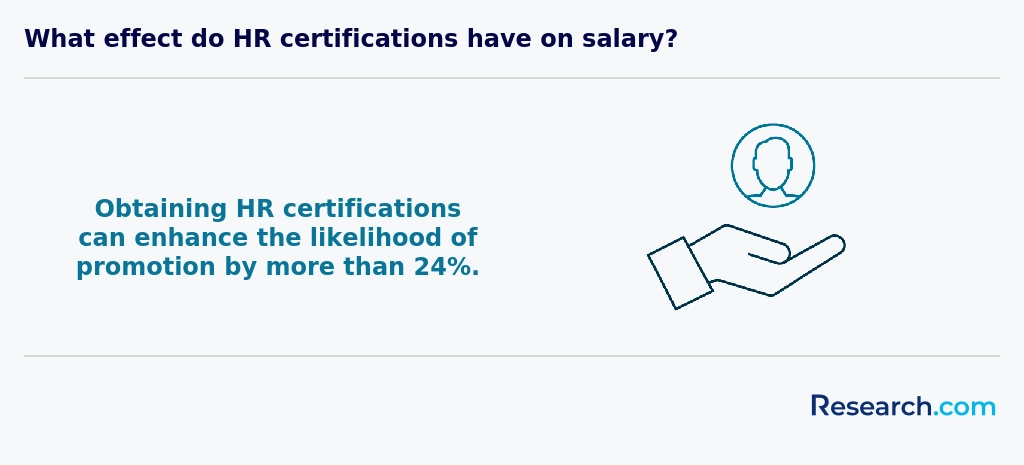
Earning a Human Resources degree lays a solid foundation, but complementing your education with industry-recognized certifications can significantly boost your credibility and career trajectory. From global credentials to specialized analytics badges, professional certifications demonstrate mastery, enhance employability, and often translate into higher salary brackets. • SHRM-CP and SHRM-SCP: Offered by the Society for Human Resource Management, these credentials validate your strategic and operational HR knowledge. The SHRM-CP focuses on tactical, day-to-day HR functions, while the SHRM-SCP emphasizes policy development and strategic leadership. • PHR and SPHR: Administered by HRCI, the Professional in Human Resources (PHR) and Senior Professional in Human Resources (SPHR) are revered for their rigorous coverage of U.S.-based HR regulations, talent management, and organizational development. • HR Analytics Certification: As data-driven decision-making reshapes HR, specialized analytics certifications equip you with skills in workforce metrics, predictive modeling, and people analytics platforms. • Specialty Credentials: Fields such as Total Rewards, Talent Acquisition, and Diversity & Inclusion offer targeted certifications that align with niche career paths and emerging industry trends. Pursuing these certifications typically requires a combination of educational credits and professional experience. Preparation courses-available both on-campus and online-blend case studies, practice exams, and interactive workshops to sharpen your exam readiness. Many students find that pairing certification prep with a flexible online degree enhances time management and retention. For those seeking cost-effective programs that align with certification prep, the Affordable Online Human Resources Degree Programs Ranking in the Northeast highlights options that balance rigorous coursework with flexibility and affordability. By strategically selecting certifications that complement your HR degree, you signal to employers a commitment to excellence and continuous learning-key differentiators in a competitive job market where E-E-A-T (Experience, Expertise, Authoritativeness, Trustworthiness) is paramount.
What financial aid is available to human resources degree students in Pennsylvania?
Studying human resources in Pennsylvania opens doors to a variety of financial aid options designed to ease the journey toward your degree. Many students at well-known institutions like Temple University and Penn State University power their education with federal aid through FAFSA, securing grants like the Pell Grant, which can cover up to $7,395 annually without repayment worries. This relief means you can focus on mastering HR skills without the weight of excessive tuition stress.
State grants from the Pennsylvania Higher Education Assistance Agency (PHEAA) also provide vital support, offering up to $5,000 for eligible full-time students attending local colleges. Graduates often recall how these grants bridged the gap between ambition and affordability, making their dreams achievable.
Merit scholarships at these universities reward students not only for academic excellence but leadership in human resources, turning hard work into financial rewards. Plus, work-study programs enrich resumes while funding studies, creating a perfect blend of gaining experience and earning money on campus.
Additionally, scholarships from organizations like the Society for Human Resource Management highlight your dedication and open further funding avenues-fueling success in your HR career journey.
Campus Life & Student Support Services Overview
Beyond the academic rigor, the campus experience plays a pivotal role in shaping a well-rounded HR professional. Prospective students should consider how campuses foster community through dedicated student organizations, career services, and networking events tailored to the Human Resources field. Many universities in Pennsylvania offer robust support systems, including academic advising, peer mentoring, and career counseling centers that facilitate internships and job placements. This supportive environment helps students transition smoothly from classroom learning to real-world application, enhancing their professional growth and personal development. By exploring resources such as affordable human resources programs in pennsylvania, students can uncover which institutions provide a balanced blend of academic excellence and enriching campus life that truly prepares them for a successful career in Human Resources.
What are the prerequisites for enrolling in human resources degree program in Pennsylvania?
Enrolling in a human resources degree program in Pennsylvania is an exciting step, and meeting the prerequisites can set you on a rewarding career path. Typically, you'll need a high school diploma or GED, along with official transcripts showcasing your academic achievements. Many students who have succeeded at institutions like Penn State or Temple University found that demonstrating proficiency in core subjects such as English and mathematics made their applications stand out.
Some programs may ask for SAT or ACT scores, but with the growing trend toward test-optional policies, your personal story and dedication can shine through in letters of recommendation or personal statements. Graduates often recall how sharing their passion for helping people and solving workplace challenges helped them connect with admissions teams.
For master's applicants, having a strong undergraduate background, sometimes paired with GRE scores or professional certifications, opens doors to advanced leadership roles in HR. Preparing financially is key too-knowing that public universities in Pennsylvania average around $15,000 per year in tuition can help you plan confidently for your future.
What courses are typically in human resources degree programs in Pennsylvania?
Human resources degree programs in Pennsylvania offer an energizing blend of courses designed to equip you with the skills to excel in dynamic workplaces. At well-known institutions like Penn State and Temple University, graduates often share how foundational classes such as Introduction to Human Resource Management and Organizational Behavior opened their eyes to the vital role HR plays in shaping company culture and employee satisfaction.
Courses like Employment Law and Compliance give you the confidence to navigate complex legal challenges, while Compensation and Benefits Strategies teach you how to build rewarding employee packages that boost morale. Students also enthusiastically describe their experiences with Training and Development and Performance Management classes, where practical projects simulate real-world HR scenarios, preparing them to lead teams effectively.
Many Pennsylvania programs incorporate business ethics and communication courses that nurture leadership qualities, helping you inspire others while making responsible decisions. These thoughtfully crafted curriculums offer a pathway to success by grounding you firmly in both theory and practical skills, empowering you to thrive in Pennsylvania's evolving workforce landscape.
What types of specializations are available in human resources degree programs in Pennsylvania?
Human resources degree specializations in Pennsylvania open doors to exciting career paths tailored to your passions and strengths. Graduates from well-known colleges describe how focusing on Talent Acquisition and Recruitment empowered them to connect top talent with thriving local businesses, fueling Pennsylvania's dynamic job market. Others found their calling in Employee Relations and Labor Management, developing skills to navigate complex workplace environments - a perfect fit for the state's strong manufacturing and union sectors.
Students exploring HR management focus areas Pennsylvania programs offer often highlight Compensation and Benefits Management as a rewarding specialization, enabling them to craft competitive pay packages that keep pace with living costs. Training and Development is another popular choice, inspiring graduates to design meaningful programs that help Pennsylvania's workforce grow and adapt continuously.
Many feel energized by specializing in Diversity, Equity, and Inclusion (DEI), embracing the chance to build inclusive cultures. HR Analytics and Workforce Planning also attract those who love combining data with strategy to shape the future of work. For those seeking affordable options, programs like Affordable Online Human Resources Degree Programs Ranking in the Northeast provide excellent pathways to success.
How do you choose the best human resources degree in Pennsylvania?
Choosing the best human resources degree programs in Pennsylvania starts with focusing on what truly matters to your future. Graduates from popular universities across the state often reflect on how accreditation and a comprehensive curriculum shaped their confidence and skillset. By exploring programs that emphasize practical courses like labor relations and internships, you align yourself with real-world challenges and opportunities faced by HR professionals in cities like Philadelphia and Pittsburgh.
Cost is another encouraging factor-affordable human resources colleges Pennsylvania offer make it easier to pursue your dreams without overwhelming financial stress. Many students find that balancing quality education with budget-friendly options enhances their motivation and success. Networking in vibrant urban centers boosts job prospects while giving a sense of belonging to a thriving HR community.
For those considering an accelerated path, exploring an accelerated online associates business degree can open doors swiftly with flexibility and strong academic foundations, helping you step confidently into Pennsylvania's dynamic workforce.
What career paths are available for human resources degree students in Pennsylvania?
Graduates with a human resources degree in Pennsylvania find a wealth of exciting career paths waiting for them across industries. Many slip seamlessly into roles such as HR specialists, where they actively recruit and support employees within companies ranging from vibrant startups in Philadelphia to established healthcare providers in Pittsburgh. Others embrace the challenge of becoming training and development managers, crafting innovative programs that boost employee skills and energize organizations throughout the state.
Human resources career opportunities Pennsylvania often include positions in compensation and benefits analysis, where graduates help design competitive salaries and perks that attract top talent in Pennsylvania's diverse economy. Graduates from popular universities experience firsthand how labor relations and organizational development roles allow them to shape company culture positively and strategically.
For those curious about the journey into this rewarding field, exploring options like what is an easy master's degree to get can open doors to advanced HR careers that merge technology with people skills. Jobs with human resources degree Pennsylvania truly highlight the blend of passion and practical impact awaiting you.
What is the job market for human resources degree in Pennsylvania?
The human resources job outlook Pennsylvania offers is bright and full of potential for graduates from well-known universities and colleges such as Penn State or Temple University. Recent graduates often share how their hands-on experiences during internships helped them quickly secure roles in diverse industries like healthcare or finance within major cities like Philadelphia. The state's mix of corporate headquarters and growing tech sectors creates abundant opportunities to apply classroom knowledge to real-world challenges.
Pennsylvania HR degree career opportunities are supported by steady employment growth backed by a 7% increase projected over the next decade. Graduates find themselves valued for their understanding of complex labor laws and talent management-skills essential for businesses navigating ever-changing regulations. Whether working in bustling metro areas or smaller communities, human resources specialists enjoy competitive salaries that reward their expertise and dedication.
Students aiming to enhance their prospects often pursue advanced certifications or explore bachelor's degrees that make the most money, maximizing their value in this rewarding field.
Frequently Asked Questions About human resources
Human resources degree students in Pennsylvania can maximize their learning experience by combining academic study with practical engagement. Internships through programs like the Pennsylvania State System of Higher Education (PASSHE) provide real-world exposure in diverse industries across the state. According to the U.S. Bureau of Labor Statistics, Pennsylvania employs over 70,000 HR professionals, offering ample opportunities for networking and mentorship.
Engaging with local chapters of professional organizations such as the Society for Human Resource Management (SHRM) Pennsylvania State Council allows students to attend workshops and conferences. Additionally, leveraging career services at universities can help students develop skills in talent management, labor law, and organizational behavior relevant to Pennsylvania's evolving job market.
The human resources field is evolving with several emerging niches that offer promising career paths for students in Pennsylvania. One growing area is HR analytics, which focuses on using data to improve workforce planning and employee engagement. According to the Society for Human Resource Management (SHRM), organizations increasingly rely on data-driven decisions to boost productivity and retention.
Another niche is diversity, equity, and inclusion (DEI) management. Pennsylvania employers are investing in DEI strategies to foster fair and inclusive workplaces, driven by both social trends and regulatory guidance from the U.S. Equal Employment Opportunity Commission.
Additionally, remote work coordination is gaining attention due to the rise of hybrid employment models. HR professionals skilled in managing virtual teams are in high demand as companies adapt to flexible work arrangements.
Graduates with a human resources degree in Pennsylvania should focus on combining academic knowledge with practical experience to enter the job market successfully. Internships and cooperative education programs offered by many Pennsylvania universities provide valuable, real-world exposure.
Building local professional networks through organizations like the Society for Human Resource Management (SHRM) Greater Philadelphia Chapter helps connect job seekers to employers and industry events.
According to the U.S. Bureau of Labor Statistics, Pennsylvania expects a 7% growth in human resources jobs through 2031, signaling steady opportunities.
Additionally, earning certifications such as the Professional in Human Resources (PHR) can enhance employment prospects and salary potential in the state.
Employers seeking human resources graduates in Pennsylvania prioritize a blend of interpersonal and technical skills. Strong communication skills top the list, enabling HR professionals to navigate diverse workplace interactions effectively. Knowledge of employment law is critical, given Pennsylvania's specific labor regulations.
Analytical abilities are also valued to help interpret workforce data and improve organizational decisions. According to the Pennsylvania Department of Labor & Industry, HR roles are expected to grow by 10% through 2030, increasing demand for digital competency, especially in HR information systems (HRIS).
Additionally, conflict resolution and ethical judgment are essential as workplaces emphasize fairness and compliance. These core skills prepare graduates to support evolving business needs effectively.
Finding internships in Pennsylvania relevant to a human resources degree involves leveraging several local resources. Many universities in Pennsylvania, like Penn State and Temple University, offer career services that connect students with companies in HR fields.
Additionally, organizations such as the Pennsylvania HR Association provide internship listings and networking events tailored to HR students. According to the Bureau of Labor Statistics, Pennsylvania's HR job market is growing steadily, increasing internship opportunities.
Job platforms like Handshake and LinkedIn also feature numerous internship openings specifically targeted at Pennsylvania students pursuing HR degrees. Early application and active networking are key strategies.
In Pennsylvania, earning a human resources degree significantly enhances career mobility and advancement opportunities. Graduates gain essential knowledge in labor laws, organizational behavior, and talent management, which are highly valued by employers statewide. According to the Pennsylvania Department of Labor & Industry, the demand for skilled HR professionals is projected to grow by 7% through 2030, faster than the national average.
Holding a degree also opens doors to specialized roles such as HR managers, compensation analysts, and training coordinators. These positions typically offer higher salaries and leadership responsibilities, contributing to upward career movement. Additionally, Pennsylvania's many universities often provide networking opportunities that can facilitate job placement in key industries such as healthcare, manufacturing, and education.
Studying for a human resources degree in Pennsylvania equips students with skills that extend beyond traditional HR functions. Programs emphasize interdisciplinary learning by integrating coursework in business, psychology, law, and communication. This approach reflects the diverse nature of HR roles, where professionals often collaborate with finance, marketing, and legal departments.
Many Pennsylvania institutions align their curricula with the Society for Human Resource Management (SHRM) standards, ensuring graduates are prepared to handle complex workplace challenges. According to the Pennsylvania Department of Labor, HR roles in the state are growing by 7% through 2030, demanding versatile professionals who understand multiple business disciplines.
This broad education helps students adapt to evolving organizational needs, making them valuable in various industries including healthcare, manufacturing, and technology within Pennsylvania's economy.
When choosing between a thesis and a non-thesis human resources degree program in Pennsylvania, students should consider their career goals and time commitments. Thesis programs typically focus on research and are suited for those aiming for academic roles or advanced study, such as a PhD. Non-thesis options often emphasize practical skills and are designed for professionals seeking immediate workforce entry.
Thesis pathways may require 6 to 12 months for research and writing, extending the degree length. Non-thesis programs often include internships or project work instead, offering faster completion. According to the Pennsylvania Department of Education, many HR graduates enter roles in administration and employee relations, where applied skills are highly valued.
Understanding your professional aspirations and learning preferences is key to selecting the right program.
Students based in Pennsylvania interested in studying human resources abroad have several options to consider. Many Pennsylvania universities, such as Penn State and Temple University, have established partnerships with international institutions offering human resources programs. These partnerships often provide exchange programs or dual-degree opportunities, allowing students to gain global perspectives while earning credits transferable to their Pennsylvania degrees.
Additionally, students can explore study abroad programs in countries known for advanced HR practices, including the United Kingdom, Canada, and Australia. The U.S. Department of Education's Office of Postsecondary Education provides resources to identify accredited foreign institutions suitable for HR studies.
Taking advantage of these programs can enhance a student's cultural competence and professional network in human resources.
Part-time job opportunities in Pennsylvania that complement a human resources degree often include roles such as HR assistants, recruitment coordinators, and payroll clerks. These positions provide practical experience in employee relations, hiring processes, and benefits administration, which are core aspects of HR education.
According to data from the U.S. Bureau of Labor Statistics, Pennsylvania has a growing demand for human resources specialists, with a projected growth rate close to the national average of 7% through 2032. Gaining experience in part-time HR roles can enhance job prospects upon graduation.
Additionally, internships with local corporations or staffing agencies can offer exposure to Pennsylvania's diverse industries, from manufacturing to healthcare, broadening career options.
Human resources students in Pennsylvania have access to a variety of networking opportunities that can drive their careers forward. Many universities partner with local HR chapters of national organizations such as the Society for Human Resource Management (SHRM). For example, the SHRM Pennsylvania State Council offers events, workshops, and conferences connecting students with HR professionals across the state.
Additionally, Pennsylvania hosts annual career fairs focused on business and HR fields, giving students direct access to employers. According to the Pennsylvania Department of Labor, the HR sector is growing steadily, increasing internships and job placements for those building their professional networks.
Students can also participate in on-campus clubs and local HR meetups, which often feature guest speakers and mentorship programs. These opportunities provide valuable industry insights and contacts crucial for career advancement.
Alumni networks play a significant role in supporting human resources degree students in Pennsylvania. These networks connect current students with graduates who work across various industries, offering valuable mentorship and career guidance. Access to alumni can enhance internship and job opportunities, especially in competitive HR markets like Philadelphia and Pittsburgh.
According to the National Association of Colleges and Employers, 85% of jobs are filled through networking, demonstrating the importance of these connections. Pennsylvania's universities often organize alumni events, fostering relationships that can lead to referrals in human resources roles statewide.
Furthermore, alumni can provide insight into local workforce trends and HR certifications relevant in Pennsylvania's economic sectors, aiding students in tailoring their education effectively.
Customizing a human resources degree program in Pennsylvania allows students to align their education with specific career goals. Many universities offer electives or specializations such as labor relations, organizational psychology, or diversity management. This flexibility helps tailor learning toward industries prevalent in Pennsylvania, like healthcare, manufacturing, and education.
Additionally, students can pursue internships or cooperative education opportunities within local businesses, gaining practical experience that complements academic knowledge. According to Pennsylvania's Department of Labor, HR roles are growing steadily, emphasizing skills in employee relations and compliance.
Choosing accredited programs ensures quality education recognized by employers statewide, supporting long-term career advancement.
Human resources students in Pennsylvania often face several challenges during their studies. One significant hurdle is balancing practical experience with academic requirements. Many programs emphasize internships, yet securing quality placements in Pennsylvania's competitive job market can be difficult. According to the Pennsylvania Department of Labor & Industry, the demand for HR professionals is growing, but entry-level positions often require prior experience.
Another challenge involves keeping up with rapidly changing labor laws and regulations specific to Pennsylvania. HR students must understand both federal and state legislation, which can be complex and time-consuming.
Additionally, some students report difficulties in mastering HR software and data analytics, skills increasingly sought by Pennsylvania employers.
With a human resources degree in Pennsylvania, you can pursue several respected professional certifications that enhance career opportunities. The most recognized is the Professional in Human Resources (PHR) credential offered by the HR Certification Institute (HRCI), which validates foundational HR knowledge.
Another key certification is the SHRM Certified Professional (SHRM-CP), awarded by the Society for Human Resource Management. Both PHR and SHRM-CP are widely accepted across Pennsylvania's job market and align with U.S. HR standards.
Additionally, the Senior Professional in Human Resources (SPHR) and SHRM Senior Certified Professional (SHRM-SCP) are advanced options for experienced HR professionals.
These certifications often lead to higher salaries; according to the 2023 Pennsylvania Department of Labor & Industry, certified HR professionals earn approximately 15% more than non-certified peers locally.
To write a winning application for a human resources program in Pennsylvania, start by thoroughly researching the specific schools and their program requirements. Highlight relevant experience, such as internships or work in related fields, and clearly explain your career goals in human resources. Admissions committees often look for candidates who demonstrate strong communication, leadership, and problem-solving skills.
Pennsylvania hosts many reputable institutions offering HR degrees, such as Penn State and Temple University. According to the U.S. Bureau of Labor Statistics, HR jobs in Pennsylvania are projected to grow by 6% through 2030, emphasizing the field's demand.
Tailor your personal statement to show knowledge of current HR trends and Pennsylvania's business environment. Include any certifications, such as SHRM-CP, to strengthen your profile. Finally, ensure your application is error-free and submitted before deadlines to maximize your chances.
Human resources (HR) careers in Pennsylvania reflect important global trends seen across the US and beyond. As companies compete internationally, HR professionals must understand diverse labor laws, cultural differences, and global workforce management. The US Bureau of Labor Statistics projects a 7% growth in HR specialist roles from 2021 to 2031, driven partly by globalization and technological advances.
Within Pennsylvania, HR roles increasingly involve navigating international labor standards due to many multinational corporations headquartered in the state. According to the Pennsylvania Department of Labor, HR specialists earned a median wage of about $65,000 in 2023, with growth opportunities linked to skills in global compliance and diversity management.
For students pursuing HR degrees, global perspectives emphasize adaptability, cross-cultural communication, and technological proficiency. This trend highlights the need for academic programs in Pennsylvania to incorporate international case studies and collaborative projects.
Gaining practical experience while studying for a human resources degree in Pennsylvania is vital for career readiness. Many universities in the state offer internship programs that connect students with local businesses, government agencies, and non-profits. For example, Drexel University reports that over 90% of its HR students complete at least one internship before graduation.
Students can also join HR-related student organizations and attend events hosted by the Society for Human Resource Management (SHRM) Pennsylvania chapters. These opportunities improve networking and provide real-world insights.
Moreover, Pennsylvania's diverse economy means HR roles span various industries, allowing internships tailored to your specific interests.
When choosing a concentration within a human resources degree program in Pennsylvania, it is important to consider your career goals and the local job market. Popular concentrations include talent acquisition, employee relations, compensation and benefits, and training and development. According to the Pennsylvania Department of Labor & Industry, HR-related roles such as HR specialists and managers are projected to grow by 7% from 2020 to 2030, aligning with national trends.
Research the curriculum details for each concentration to ensure it covers skills relevant to Pennsylvania employers, such as familiarity with state labor laws. Explore opportunities for internships or partnerships with local businesses to gain practical experience. Reviewing data from the U.S. Bureau of Labor Statistics or regional workforce reports can also guide you in selecting a focus that matches demand. Ultimately, choosing a concentration that fits your interests and the regional job outlook will enhance your career prospects.
Related Human Resources Rankings for Nearby States
- 2027 Most Popular Human Resources Degree Programs Ranking in Delaware
- 2027 Most Popular Human Resources Degree Programs Ranking in Virginia
- 2027 Most Popular Human Resources Degree Programs Ranking in Connecticut
- 2027 Most Popular Human Resources Degree Programs Ranking in Rhode Island
- 2027 Most Popular Human Resources Degree Programs Ranking in Massachusetts
- 2027 Most Popular Human Resources Degree Programs Ranking in Tennessee
- 2027 Most Popular Human Resources Degree Programs Ranking in South Carolina
- 2027 Most Popular Human Resources Degree Programs Ranking in Indiana
- 2027 Most Popular Human Resources Degree Programs Ranking in Michigan
- 2027 Most Popular Human Resources Degree Programs Ranking in Georgia
Top Trending Human Resources Rankings
See What Experts Have To Say About Studying Human Resources
Read our interview with Human Resources experts

Thomas Kochan
Human Resources Expert
Professor of Management
Massachusetts Institute of Technology


Chester S. Spell
Human Resources Expert
Professor of Management
Rutgers University

References
- Degrees for Human Resources: A Guide to Starting or Switching Your Career https://www.aihr.com/blog/degrees-for-human-resources/
- Top 10 HR Challenges and Their Solutions | HR Courses https://zoetalentsolutions.com/top-10-hr-challenges-and-their-solutions/
- HR Exchange Network https://www.hrexchangenetwork.com/
- HR's Guide to Effective Career Development https://orangehrm.com/resources/learn-in-depth/hr-guide-to-effective-career-development
- 5 Specializations in the Field of Human Resources https://www.greatvaluecolleges.net/lists/5-specializations-in-the-field-of-human-resources/
- Choosing a bachelor's in human resource management | edX https://www.edx.org/resources/how-to-choose-a-bachelors-in-human-resource-management
- Human Resource Recruitment Pennsylvania - HR Recruit https://hr-recruit.com/hr-recruitment/pennsylvania/
- How to Become an HR Specialist https://teach.com/careers/business/human-resources-hr/
- The Top 5 HR Challenges Today https://www.apqc.org/blog/top-5-hr-challenges-today
- The Great Reinvention of Human Resources Has Begun JOSH BERSIN https://joshbersin.com/2026/01/the-great-reinvention-of-human-resources-has-begun/