2027 Most Affordable Online Human Resources Degree Programs Ranking in the Northeast

Co-Founder and Chief Data Scientist
Choosing the right human resources degree program can feel overwhelming, especially when balancing quality and affordability. This article presents the 2027 Most Affordable Online Human Resources Degree Programs Ranking in the Northeast, crafted by the Research.com team of data scientists to guide you toward the best options available.
By exploring this ranking, you'll discover programs that fit your budget without sacrificing education quality. Earning a degree in human resources opens doors to meaningful careers focused on people and organizational success, making it a rewarding investment in your future.
Key benefits of getting online human resources degree in the Northeast
- Salary benefits: Graduates with an online human resources degree in the Northeast can expect competitive salaries, with roles like Human Resources Generalist and Recruitment Coordinator earning an average annual wage of $76,060.
- Career paths: A graduate from a top Northeast university often finds opportunities in diverse HR fields such as Employee Relations Specialist or Training and Development Coordinator, offering rewarding growth and stability.
- Online degree advantages: Completing a human resources degree online provides flexibility and convenience, allowing students in the Northeast to balance work and study, while gaining similar skills and recognition as traditional programs.
- Key benefits of getting online human resources degree in the Northeast
- What can I expect from online human resources degree in the Northeast?
- Where can I work with online human resources degree in the Northeast?
- How much can I make with online human resources degree in the Northeast?
- 2027 Most Affordable Online Human Resources Degree Programs Ranking in the Northeast
- Key Findings
- How long does it take to complete online human resources degree in the Northeast?
- What's the difference between online and on-campus human resources degree?
- What is the average cost of online human resources degree in the Northeast?
- Emerging Trends in HR Education and Future Opportunities
- What financial aid is available to online human resources degree students in the Northeast?
- Accreditation and Professional Certification Alignment
- What are the prerequisites for enrolling in online human resources degree program in the Northeast?
- What courses are typically in online human resources degree programs in the Northeast?
- What types of specializations are available in online human resources degree programs in the Northeast?
- How do you choose the best online human resources degree in the Northeast?
- What career paths are available for online human resources degree students in the Northeast?
- What is the job market for online human resources degree in the Northeast?
- Top Trending Human Resources Rankings
- See What Experts Have To Say About Studying Human Resources
What can I expect from online human resources degree in the Northeast?
The average cost of an online human resources degree in the Northeast varies significantly depending on the institution and residency status. Public universities in this region often offer affordable tuition for in-state students, with prices generally ranging from $7,000 to $15,000 per year. Out-of-state and private institutions, such as those popular in Massachusetts and New York, typically charge higher rates, sometimes approaching $25,000 annually. Graduates from these programs frequently reflect positively on the balance between cost and quality, appreciating how flexible online formats allowed them to maintain employment while advancing their education.
Many students recount how scholarships and financial aid opportunities at their schools helped mitigate expenses. For example, learners at well-regarded colleges emphasized the value of transparent tuition policies and assistance with transfer credits, which preserved their investment in prior coursework. Such factors contribute to an overall sense of financial accessibility and satisfaction despite varying price points across the Northeast.
Ultimately, prospective students benefit from carefully comparing tuition rates alongside program strengths and support services to find options best suited to their budgets and career goals.
Where can I work with online human resources degree in the Northeast?
Graduates with an online human resources degree in the Northeast find ample employment opportunities across key metropolitan hubs like New York City, Boston, and Philadelphia. These cities' diverse economies provide roles in large corporations, government agencies, universities, and non-profits. For example, graduates from institutions such as Northeastern University and Rutgers University have secured positions in Boston's biotech sector, managing talent acquisition and organizational development-areas vital to sustaining innovation.
Similarly, in New York City's financial services industry, HR specialists work on compliance and employee relations, gaining experience that paves the way for advancement to managerial roles. Many alumni appreciate the dynamic work environments, reporting high job satisfaction as they apply skills learned in recruitment, training, and benefits administration. State and local governments in the region also offer fulfilling positions focused on workforce policies and labor law compliance.
Universities themselves, including those like the University of Connecticut, employ HR professionals to support faculty and staff hiring, providing a stable and rewarding career path. These experiences affirm that an online human resources degree from a respected Northeast program equips graduates to thrive in a variety of sectors with promising growth prospects.
How much can I make with online human resources degree in the Northeast?
Graduates with an online human resources degree in the Northeast can anticipate starting salaries in roles such as Human Resources Generalist, Recruitment Coordinator, and Employee Relations Specialist averaging around $76,060 annually, according to the latest U.S. Bureau of Labor Statistics data. For instance, entry-level HR professionals from institutions like Boston University or Rutgers University often begin their careers earning in this range, reflecting robust regional demand.
Training and Development Coordinator positions show slightly lower mean annual wages near $71,980, yet these roles offer dynamic career growth and meaningful engagement with employee development in prominent companies throughout New York and New Jersey.
Many graduates report that acquiring certifications and gaining experience boosts their earning potential significantly, enabling seasoned HR managers and directors in the Northeast to surpass six figures. With the competitive salaries available in urban centers such as New York City and Boston, paired with valuable benefits and bonuses, pursuing an online degree here aligns well with both career advancement and financial aspirations.
2027 Most Affordable Online Human Resources Degree Programs Ranking in the Northeast
How do we rank schools?
Investing in your education is a significant decision that can shape your future, and the Research.com team understands the importance of making informed choices. To assist prospective students in the Northeast, we have meticulously crafted the "2027 Most Affordable Online Human Resources Degree Programs Ranking in the Northeast." Our commitment to quality, credibility, and accuracy is reflected in the extensive research and analysis conducted to compile this ranking.
We utilized the following reputable data sources to ensure a comprehensive evaluation of human resources degree programs:
By exploring this ranking, readers will gain valuable insights into the most affordable and quality online human resources degree programs in the Northeast, helping them make informed decisions about their educational investments. For more details on our methodology, please visit our Research.com methodology page.


# 6 position
Penn State University Park
Master of Human Resources and Employment Relations




# 12 position
Penn State University Park
Bachelor of Labor and Human Resources
# 13 position
SUNY Empire State College
Bachelor of Labor Studies


# 19 position
Lehman College of the City University of New York
Master of Science in Business with a concentration in Human Resource Management

# 20 position
Cambridge College Global
Master of Human Resources Management

Key Findings
- Tuition for online HR bachelor's degrees in the Northeast ranges from about $12,000 to $25,000, with lower costs often available to in-state students.
- Many programs offer flexible, asynchronous courses designed for working adults balancing jobs or family commitments.
- Entry-level HR graduates in the Northeast generally earn between $50,000 and $60,000 annually, with experienced professionals making $85,000 to $100,000.
- The HR job market in the region is growing about 7% over the next decade, matching the national average.
- Programs accredited by the ACBSP or SHRM provide recognized quality and better employer acceptance.
How long does it take to complete online human resources degree in the Northeast?
Completing an online human resources degree in the Northeast typically spans from two to four years, depending on the degree level and enrollment status. Graduates from well-known institutions in New York and Massachusetts often note that associate degrees take about two years of full-time study, providing a swift entry into the HR field. For those pursuing a bachelor's degree, the standard duration is around four years, although many programs, including accelerated tracks at prominent colleges, enable completion in approximately three years, which suits motivated students balancing work and life.
Graduate students at Northeastern universities often appreciate the flexibility of part-time options, allowing completion of master's degrees in one to two years while managing professional responsibilities. Transfer credits and recognition of prior experience frequently shorten the path to graduation, a benefit echoed by many alumni who found it rewarding to integrate their background into their academic progress.
What's the difference between online and on-campus human resources degree?
Online human resources degree programs in the Northeast offer flexibility that appeals to working professionals balancing careers and personal commitments. Graduates from programs like those at the University of Massachusetts often share how asynchronous classes allowed them to study after work or on weekends, avoiding the costly and time-consuming commutes common in metropolitan areas such as Boston or New York City. This flexibility helps maintain steady income while advancing their education.
On the other hand, traditional on-campus programs provide immersive experiences valued by recent high school graduates or those seeking direct interaction. Students at institutions like Rutgers University frequently highlight the benefits of face-to-face networking with faculty and peers, which can lead to internships and job opportunities in local HR markets. Access to campus career centers and workshops enhances their practical skills in ways that complement theoretical coursework.
Cost differences are notable but vary by institution and residency. Online courses typically range from $300 to $600 per credit hour, often more affordable than private on-campus rates exceeding $700 per credit hour, yet both formats maintain accreditation standards ensuring consistent academic quality.
What is the average cost of online human resources degree in the Northeast?
The average cost of obtaining an online human resources degree in the Northeast hovers around $33,000, with variations depending on residency status and institution type. In-state students typically see costs near $32,175, while out-of-state students might pay a median cost closer to $28,912. Graduates from popular universities in this region often highlight feeling satisfied with the investment, appreciating the balance between quality education and affordability. For instance, many public universities in the Northeast charge tuition rates that align well with these averages, making them an attractive option for those seeking affordable human resources degree programs northeast.
Many graduates recount how choosing an online program from a reputable college in the region allowed them to manage expenses effectively while pursuing their careers. These programs provide a flexible schedule and access to experienced faculty, helping students feel supported despite a busy lifestyle. Additional fees, such as for technology or course materials, typically add a modest amount to the overall cost but rarely shift the affordability substantially.
Prospective students should also consider programs featured among the most popular human resources degree in the Northeast, where competitive pricing often pairs with strong academic and career support. This synergy helps students stay motivated and optimistic about their future roles in HR, even as they navigate tuition decisions. Online programs frequently offer financial aid and scholarships, further enhancing accessibility for motivated individuals pursuing a career in human resources.
Emerging Trends in HR Education and Future Opportunities
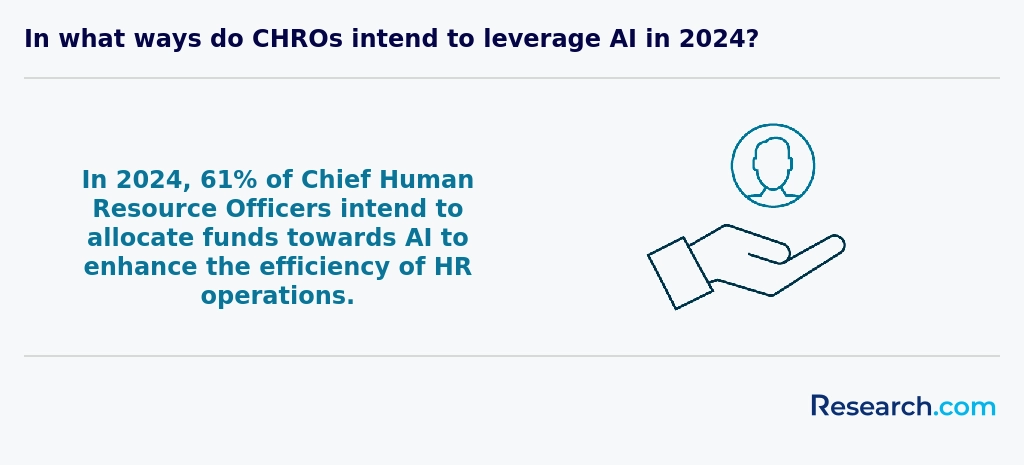
As the workplace continues to evolve, so do the skills and knowledge required of HR professionals. Today’s online Human Resources programs are rapidly adapting to new technologies and methodologies that reshape the industry. From artificial intelligence in recruitment to advanced data analytics for employee engagement, these trends are creating fresh opportunities for graduates to lead change within their organizations. Students are increasingly expected not only to understand traditional HR practices but also to embrace digital tools that streamline operations and enhance decision-making. Moreover, many institutions are integrating courses on remote work management and diversity, equity, and inclusion to prepare graduates for modern challenges. This shift in curriculum mirrors industry demand for professionals who can think strategically and leverage technology to drive organizational success. These emerging competencies boost not only career prospects but also the tangible return on investment of the degree. For example, graduates who understand both the technical and interpersonal aspects of HR are often considered for leadership roles sooner. If you’re exploring the dynamic landscape of HR education, be sure to compare programs like the most popular human resources degree to see how they align with future industry requirements. Embracing these emerging trends today can allow you to stay ahead in a continuously evolving field while opening doors to innovative career paths and leadership opportunities.
What financial aid is available to online human resources degree students in the Northeast?
Students pursuing an online human resources degree in the Northeast often access a wide range of financial aid options to ease the burden of tuition, which can vary from $10,000 to over $30,000 annually. Federal aid through the FAFSA is a key resource, offering Pell Grants of up to $7,395 and low-interest federal loans. Graduates from institutions like Boston University and the University of Pennsylvania frequently mention how Pell Grants and work-study programs allowed them to balance earning while learning with minimal debt.
State programs such as New York's Tuition Assistance Program (TAP) also play a significant role, providing awards up to $5,665 for eligible students enrolled in regional universities like SUNY or Pace University. Many colleges supplement this with institutional scholarships targeted at human resources students, helping reduce costs further.
Additionally, employer tuition reimbursement is a common and motivating form of aid in the Northeast's corporate sectors. Graduates often share how this benefit made advancing their education in human resources feasible without sacrificing financial stability. Lastly, private scholarships from professional groups like SHRM reward leadership and commitment, adding crucial support to student budgets.
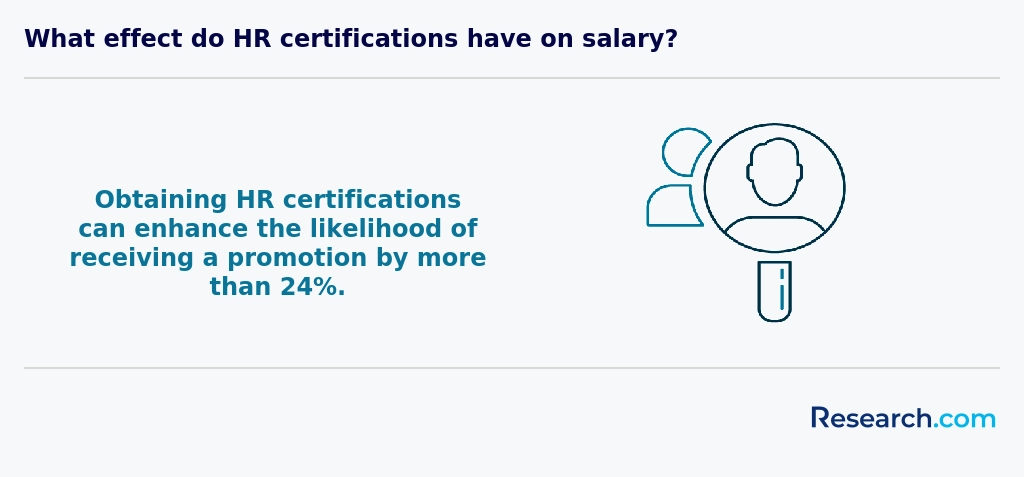
Accreditation and Professional Certification Alignment
Choosing an accredited online Human Resources degree program ensures that your education meets rigorous academic standards and is recognized by employers nationwide. Accreditation bodies such as the Association to Advance Collegiate Schools of Business (AACSB) and regional agencies like the Middle States Commission on Higher Education review programs for curriculum quality, faculty credentials, and student outcomes. Graduating from an accredited institution not only validates your degree but also streamlines the process of earning industry certifications. Many HR professionals pursue credentials from the Society for Human Resource Management (SHRM-CP/SCP) and the HR Certification Institute (PHR/SPHR) to demonstrate specialized expertise. Accredited programs often integrate SHRM Body of Applied Skills and Knowledge (SHRM BASK) content into their coursework, preparing students to sit for certification exams with confidence. Before enrolling, verify that the curriculum includes case studies, capstone projects, and practice exams aligned with certification requirements. Financially savvy students may seek out affordable, accredited options that still deliver certification support. For instance, prospective learners can explore our Low Cost Human Resources Degree Programs Ranking in Pennsylvania, which highlights accredited programs offering robust SHRM and HRCI preparation without breaking the bank. These programs often feature dedicated faculty mentors and exam-prep resources designed to boost pass rates and accelerate career advancement. Ultimately, an accredited degree coupled with professional certification enhances your credibility in the job market, leading to higher starting salaries and faster promotions. When researching online HR programs, prioritize those with clear accreditation status, embedded certification training, and proven student success metrics. This strategic choice lays a solid foundation for a thriving HR career in the competitive Northeast landscape.
What are the prerequisites for enrolling in online human resources degree program in the Northeast?
Enrollment in online human resources degree programs in the Northeast generally requires applicants to have a high school diploma or equivalent for undergraduate studies, while graduate programs mandate a completed bachelor's degree from an accredited institution. Graduates from prominent Northeast universities often emphasize how a solid academic foundation, especially with coursework in English and social sciences, enhanced their ability to communicate effectively in real-world HR settings. Many programs expect a minimum GPA around 2.5 to 3.0, reflecting the rigorous standards upheld by Northeastern colleges known for their competitive admissions.
Work experience is frequently valued or required, with one to three years in HR or related fields preferred, which resonates with working professionals who appreciate programs tailored to their career progression. Applicants might also submit letters of recommendation or personal statements, providing a platform for showcasing their unique experiences and dedication. Students from respected Northeast institutions recall how meeting these prerequisites opened doors to meaningful career opportunities within the region's robust job market.

What courses are typically in online human resources degree programs in the Northeast?
Online human resources degree programs in the Northeast commonly include core courses such as Introduction to Human Resource Management, Employment Law and Labor Relations, and Recruitment and Talent Acquisition. Graduates from well-regarded institutions in this region often recall how courses like Compensation and Benefits Administration and Performance Management provided practical frameworks that they directly applied when managing employee relations.
Many programs in Northeastern colleges emphasize the importance of understanding both federal and state-specific labor laws, which is particularly valuable given the complex regulatory environments in states like New York and Massachusetts. Students appreciate courses on Organizational Behavior and Development, as they cultivate skills needed to foster positive workplace cultures in dynamic metropolitan settings.
Additional coursework in Training and Development, Workplace Diversity and Inclusion, and HR Information Systems equips learners with versatile tools to adapt in fast-evolving industries. Graduates from prominent Northeast universities often highlight how strategic human resource planning courses helped them confidently design workforce solutions aligned with business goals.
What types of specializations are available in online human resources degree programs in the Northeast?
Online human resources degree specializations Northeast programs often provide targeted tracks that allow students to develop expertise in numerous HR domains. Graduates from popular colleges appreciate specializations such as Talent Acquisition and Recruitment, focusing on workforce planning and employer branding, which they find essential for securing competitive roles in New York's vibrant job market. Others choose Employee Relations and Labor Relations, a vital area offering practical skills in managing workplace dynamics and union interactions, especially relevant for those aiming at corporate environments in Boston.
Students pursuing human resources concentration options Northeast online programs also benefit from Compensation and Benefits Management specializations. These focus on designing reward systems and benefits, a critical skill in Pennsylvania's diverse industries. Organizational Development and Leadership courses prepare students to lead change initiatives, while Human Resources Information Systems appeal to tech-savvy learners aiming to modernize HR functions. Prospective students seeking affordable options will find value in programs highlighted by the Low Cost Human Resources Degree Programs Ranking in Pennsylvania, which enable them to tailor their education towards the evolving demands of the regional workforce.
How do you choose the best online human resources degree in the Northeast?
To choose the best online human resources degree in the Northeast, prioritize programs accredited by recognized bodies like the Accreditation Council for Business Schools and Programs (ACBSP). Graduates from well-known universities in the region often highlight how accreditation assured them of a rigorous curriculum aligned with current HR industry standards and eligibility for federal aid. Consider curriculum relevance by selecting programs incorporating SHRM or HRCI-aligned content, which prepares students for national HR certifications and covers vital topics such as labor laws and diversity initiatives.
Flexibility is essential for working professionals; asynchronous classes allow students to balance career and studies effectively. Many graduates from popular colleges appreciate virtual networking opportunities and real-world HR faculty experience, which enhance practical knowledge and career prospects.
Cost remains a key factor: affordable online HR degrees in Northeast public universities often offer lower tuition rates, especially for in-state residents, while private institutions tend to be pricier. Financial aid and scholarships can mitigate costs. For program options combining quality and duration, explore one year masters programs online that suit your career timeline.
What career paths are available for online human resources degree students in the Northeast?
Graduates holding an online human resources degree in the Northeast have access to diverse career paths that leverage the region's robust corporate and institutional presence. Opportunities include positions such as HR specialists, who excel in recruitment, staffing, and employee engagement within major metropolitan areas like New York City and Boston. Many graduates from well-regarded institutions report satisfaction in helping organizations build strong teams in competitive environments. Another common trajectory involves becoming human resources managers, responsible for leading HR departments and shaping policies that drive business success in companies across New England and the Mid-Atlantic.
Job opportunities with human resources degree Northeast graduates often extend to specialized roles such as compensation and benefits analysts and labor relations specialists. These careers thrive in sectors ranging from healthcare to higher education, familiar to alumni of prominent universities known for their HR programs. Some graduates find the easiest way to get associate's degree pathways helpful in starting their journey toward advanced roles, appreciating the affordability and flexibility of regional online degrees.
What is the job market for online human resources degree in the Northeast?
The job market for graduates holding an online human resources degree in the Northeast remains robust, fueled by the region's thriving business sectors and significant demand for skilled HR professionals. Graduates from respected institutions such as Northeastern University and Rutgers University report positive employment outcomes, leveraging their flexible online education to secure roles in HR management, recruitment, and compliance. Many find that their degrees align well with the needs of organizations focusing on talent development and diversity initiatives, which are particularly emphasized in metropolitan areas like Boston and Philadelphia.
Those pursuing the online human resources degree jobs Northeast benefit from a dynamic job market where average salaries often exceed national medians, reflecting the region's competitive economic environment. Graduates appreciate the ability to balance work and study while gaining credentials valued by employers. Additionally, students explore options within prominent programs that help them understand emerging trends such as virtual employee engagement and digital recruitment strategies, necessary skills in today's workplaces.
The affordability of online programs also plays a key role in expanding access to education, with many students taking advantage of lower tuition costs and financial aid. For those considering further advancement, exploring the most affordable online doctoral programs can open paths to higher-level HR leadership roles.
Frequently Asked Questions About human resources
Students pursuing online human resources degrees in the Northeast can enhance their learning by engaging actively with their coursework and utilizing regional resources. Many accredited universities offer access to virtual career centers and local HR networks, which are vital for practical insights.
Networking with professionals in states like New York and Massachusetts, where HR jobs are growing steadily-by about 6% annually according to the U.S. Bureau of Labor Statistics-can provide valuable local context.
Additionally, participating in internships or virtual practicums with Northeast-based companies allows students to apply theory to practice. Leveraging state HR associations, such as the New England Human Resources Association, can also improve professional development and job placement chances.
Emerging niches within human resources reflect evolving workplace trends, especially in the Northeast's dynamic economy. One key area is HR analytics, where professionals use data to improve hiring and retention. According to the Society for Human Resource Management (SHRM), Northeast firms increasingly invest in analytics to boost workforce efficiency.
Diversity, equity, and inclusion (DEI) roles are also expanding. Companies across Boston and New York emphasize inclusive hiring to comply with state regulations and improve company culture. This sector is expected to grow 13% by 2030, per the U.S. Bureau of Labor Statistics.
Another growing niche is remote work management, accelerated by pandemic shifts. HR specialists skilled in virtual team engagement and compliance with new labor laws are high in demand in the Northeast's hybrid work environments.
After earning an online human resources degree in the Northeast, preparing for the job market involves strategic steps. Begin by developing key HR certifications such as SHRM-CP or PHR, which enhance employability in a competitive region like New York or Massachusetts. According to the Bureau of Labor Statistics, employment for HR specialists in the Northeast is expected to grow steadily through 2030.
Networking plays an essential role; leverage local HR associations such as the New England Human Resources Association. Virtual job fairs and LinkedIn remain valuable tools for connecting with employers.
Gain practical experience through internships or remote projects, which is crucial for building relevant skills recognized by regional employers.
Employers in the Northeast highly value human resources graduates who demonstrate strong communication and interpersonal skills. According to the Society for Human Resource Management (SHRM), nearly 85% of HR professionals emphasize effective communication as critical. Additionally, problem-solving abilities and adaptability rank among the most sought-after skills due to the region's dynamic business environment.
Knowledge of labor laws specific to states like New York, Massachusetts, and Pennsylvania is also essential, as compliance remains a priority. Data management and proficiency with HR software are in demand, reflecting the increasing role of technology in workforce management.
These combined skills prepare graduates to support diverse workforces and complex organizational needs across the Northeast.
Finding internships in the Northeast relevant to a human resources degree involves leveraging multiple resources. Many online HR programs in the region partner with local businesses, helping students access practical opportunities. According to the National Association of Colleges and Employers, about 60% of HR internships in the Northeast are located in urban centers like Boston, New York, and Philadelphia.
Students should explore university career services and job portals that specialize in HR roles. Websites such as Handshake and Indeed list internships specifically from Northeast companies. Additionally, joining professional organizations like the Society for Human Resource Management (SHRM) can connect students to region-specific openings.
Networking remains crucial. Attending virtual career fairs and local HR meetups enhances internship prospects. Remember, many internships also value soft skills, so gaining certifications such as SHRM-CP alongside your degree can improve your chances.
Obtaining an online human resources (HR) degree significantly enhances career mobility and advancement opportunities in the Northeast. According to the U.S. Bureau of Labor Statistics, HR roles in this region are expected to grow by 7% through 2031, faster than the national average. An online degree from an accredited institution equips students with current knowledge in labor laws, talent management, and organizational behavior, which are highly valued by employers in states like New York, Massachusetts, and Pennsylvania.
Employers in the Northeast prioritize candidates with formal HR education, especially those holding a bachelor's or master's degree acquired through flexible online programs. This degree path allows professionals to gain essential certifications, such as SHRM-CP, improving marketability and chances for promotion. Furthermore, the online format supports working professionals in balancing education and job commitments, fostering continuous career growth within competitive Northeast markets.
Studying for a human resources degree in the Northeast equips students with skills applicable across multiple disciplines. Programs often emphasize organizational behavior, labor law, and business management, creating a versatile foundation. This region's diverse economy-from finance in New York to technology in Massachusetts-allows students to engage with real-world case studies that require interdisciplinary problem-solving.
According to the U.S. Bureau of Labor Statistics, the Northeast boasts a higher concentration of HR managers working in sectors like healthcare and education, demanding knowledge beyond traditional HR functions. Many online programs partner with local industries, offering internships and projects that blend HR with data analytics, communication, and compliance.
This integration prepares graduates to excel in roles that intersect with legal, technological, and strategic business areas, enhancing career flexibility.
Choosing between a thesis and a non-thesis online human resources degree in the Northeast depends on your career goals and learning preferences. Thesis programs emphasize original research and are ideal if you plan to pursue a doctoral degree or a research-focused HR role. Non-thesis options usually involve more coursework and practical experience, appealing to professionals aiming for immediate HR management positions.
In the Northeast, universities like Rutgers and the University of Massachusetts offer both pathways. According to the National Center for Education Statistics, about 40% of master's HR graduates in this region choose non-thesis tracks, valuing applied skills over research.
Consider your time commitment, as thesis programs often require longer completion periods due to research demands. Additionally, inquire about faculty expertise and available resources to support your thesis work.
Students based in the Northeast seeking to study human resources abroad face limited direct options due to the predominance of domestic programs and the region's focus on U.S.-based accreditation. Most online human resources degrees offered by Northeastern institutions emphasize U.S. labor laws and practices, reflecting regional workforce demands. However, some universities provide study abroad opportunities or international internships integrated within their curricula, allowing global exposure while completing an online degree.
The Northeast's proximity to major educational hubs like New York and Boston encourages partnerships with global institutions, but fully online international human resources degrees remain rare. According to the National Center for Education Statistics, only 3% of online human resources students enroll in foreign-based programs.
Part-time job opportunities in the Northeast that complement a human resources degree often include roles such as HR assistant, recruitment coordinator, and administrative support in corporate or non-profit settings. According to the U.S. Bureau of Labor Statistics, the Northeast has a higher concentration of HR specialists, offering more entry-level positions for students. These jobs provide practical experience with employee relations, recruitment processes, and benefits administration.
Additionally, many organizations in states like New York and Massachusetts hire part-time HR interns, which help build essential skills. Local chambers of commerce and staffing agencies frequently offer flexible positions tailored for students pursuing degrees online.
Online human resources students in the Northeast benefit from diverse networking opportunities through local and regional HR associations. Organizations such as the New England HR Association and New York State SHRM offer virtual events, webinars, and forums tailored to HR professionals and students. These platforms facilitate connections with industry experts and peers within the region, enhancing career prospects.
Many universities also partner with local businesses for internships and mentorship programs, providing practical experience. According to the Society for Human Resource Management (SHRM), the Northeast hosts a large concentration of Fortune 500 companies, offering strong networking potential for HR students seeking professional growth.
Alumni networks offer significant advantages to students pursuing online human resources degrees in the Northeast. These networks connect current students with graduates who have experience in regional industries, providing valuable insights into local labor markets and employment trends. For example, the Northeast hosts 20% of the U.S. HR workforce, making connections in this area particularly beneficial (Bureau of Labor Statistics, 2023).
Such networks often facilitate mentorship opportunities, internships, and job placements through regional partnerships. By engaging with alumni, students gain access to hidden job markets and professional development resources tailored to the Northeast's diverse economy.
Overall, these connections support career advancement and enrich educational experiences for online HR students based in this region.
Many online human resources degree programs in the Northeast offer customizable options to align with your career goals. Students can choose electives focusing on labor relations, talent management, or employment law, allowing specialization in fields with strong regional demand. According to the Bureau of Labor Statistics, the Northeast has a higher concentration of human resources managers in industries like finance and healthcare, so selecting courses geared toward these sectors can enhance job readiness.
Some institutions also provide certificates alongside degrees, enabling you to target skills such as HR analytics or diversity and inclusion. Additionally, flexible scheduling and internship placements with local companies can further tailor the program to practical experience and career networking.
Online human resources students in the Northeast often encounter challenges related to balancing coursework with professional and personal responsibilities. Many learners in this region are working adults managing full-time jobs alongside studies, which requires strong time management skills. Connectivity can pose another hurdle; rural and suburban areas sometimes face limited high-speed internet access, affecting real-time participation in classes.
Moreover, students may struggle with networking opportunities compared to on-campus peers, limiting access to local HR professional communities, essential for career advancement. According to the U.S. Bureau of Labor Statistics, HR roles in the Northeast are projected to grow 6% through 2032, increasing competition for internships and placements. Navigating financial aid and understanding credit transfers across different state institutions also remains complex for these students.
With an online human resources degree, you can pursue several key professional certifications that enhance your career prospects. The most recognized is the Professional in Human Resources (PHR) certification offered by the HR Certification Institute (HRCI). It validates foundational HR knowledge and is respected across the U.S., including the Northeast job market.
Another prominent credential is the SHRM-CP from the Society for Human Resource Management, which focuses on strategic HR management skills. Both require relevant experience and passing an exam.
In the Northeast, where HR roles are growing, these certifications significantly boost earning potential. According to the Bureau of Labor Statistics (2023), HR specialists in this region earn a median wage of about $70,000 annually.
When applying to an online human resources program in the Northeast, start by clearly demonstrating your interest in HR and understanding of the field. Highlight relevant experience, such as internships or work in workforce management, as employers in states like New York and Massachusetts show growing demand for HR professionals (Bureau of Labor Statistics, 2023).
Showcase strong communication and organizational skills-key qualities for success in human resources. Tailor your personal statement to reflect how the program fits your career goals and local labor market trends.
Include any certifications or coursework related to employment law, diversity, or labor relations, which are particularly valued in Northeast HR roles.
The field of human resources (HR) has increasingly adopted a global outlook, influenced by expanding international business and workforce diversity. HR professionals in the United States, especially those studying in the Northeast, benefit from understanding global labor markets, employment laws, and cultural differences. According to the Society for Human Resource Management (SHRM), nearly 70% of HR leaders in the U.S. report that managing global talent is a top priority.
Online human resources degrees in the Northeast often include coursework on global HR strategies, preparing students for roles in multinational corporations. For example, universities like Rutgers and Northeastern integrate international case studies into their programs, reflecting broader trends. The U.S. Bureau of Labor Statistics projects a 7% growth in HR specialist roles nationally through 2031, partly driven by the influence of global workplace practices.
Students pursuing an online human resources degree in the Northeast can gain practical experience through internships and cooperative education programs offered by many regional universities. Institutions often partner with local businesses in hubs such as Boston, New York City, and Philadelphia, areas with growing HR sectors. According to the Society for Human Resource Management (SHRM), internships improve job prospects for over 70% of HR students nationally. Additionally, virtual internships have grown by 30% since 2020, enabling remote practical experience that fits online study schedules. Volunteering with nonprofit organizations focused on workforce development is another accessible option to build HR skills regionally.
Choosing the right concentration within an online human resources degree program in the Northeast depends on your career goals and local industry demands. Common concentrations include talent management, labor relations, and organizational development. According to the U.S. Bureau of Labor Statistics, HR roles in the Northeast are growing by 7% through 2031, with strong demand in healthcare, finance, and technology sectors.
Research local job markets to see which HR specializations are most in demand. For example, labor relations expertise is valuable in states with unionized industries like New York and Pennsylvania.
Accreditation and curriculum quality should also guide your choice, ensuring the program aligns with SHRM or HRCI certification standards.
Understanding these factors helps align your studies with regional workforce needs and maximize career opportunities.
Top Trending Human Resources Rankings
See What Experts Have To Say About Studying Human Resources
Read our interview with Human Resources experts


Chester S. Spell
Human Resources Expert
Professor of Management
Rutgers University

Rick Hackett
Human Resources Expert
Professor, Human Resources & Management
McMaster University

References
- A Guide to the Human Resources Career Path https://www.galwaybusinessschool.ie/blog/a-guide-to-the-human-resources-career-path/
- International HR Perspectives (MHR104) https://www.uis.no/en/course/MHR104
- Discover The Most Affordable Online Human Resources Degrees https://www.affordablecollegesonline.org/degrees/human-resources-programs/
- Degrees for Human Resources: A Guide to Starting or Switching Your Career https://www.aihr.com/blog/degrees-for-human-resources/
- The Future of HR Careers: What Students Should Know https://hrcertification.com/blog/future-hr-careers-students-biid1000163
- Human Resource Management Master's Program (without Thesis) | Eastern Mediterranean University Cyprus https://www.emu.edu.tr/en/programs/human-resource-management-masters-program-without-thesis/1544
- Online Human Resources Degree | Affordable Human Resources Degree - USCI https://www.uscareerinstitute.edu/online-human-resources-associate-degree
- Human Resource Development in Education Non-Thesis Master's Program https://eds.metu.edu.tr/en/human-resource-development-education-non-thesis-masters-program
- HR networking: developing authentic relationships | Reed Learning https://www.reed.com/learning/article/hr-networking:-developing-authentic-relationships
- How to Break Into HR in 90 Days: A Week-by-Week Plan https://coursecareers.com/blog-posts/how-to-break-into-human-resources